2027 What Transfer Students Wish They Knew Before Switching Schools

Co-Founder and Chief Data Scientist
Switching colleges can be a smart reset, but it can also change your graduation date, aid package, and major requirements. The National Student Clearinghouse Research Center reported that transfer enrollment rose 5.3% in spring 2024, showing that more students are reconsidering where and how they study.
This guide is for community college, four-year, online, returning, and graduate-bound students who want fewer surprises. You will learn how credits, costs, admissions, accreditation, fit, and career plans should shape your transfer decision.
Key Things You Should Know
- Credit loss is the biggest transfer risk: even when a school admits you, departments may still reject major, lab, clinical, upper-division, or residency credits, which can add semesters.
- Cost comparisons should include net price, housing, fees, lost aid, and borrowing; College Board reported 2024-25 published tuition and fees of $11,610 at public four-year in-state colleges, $4,050 at public two-year in-district colleges, and $43,350 at private nonprofit four-year colleges.
- Fit matters after admission: transfer students should confirm academic advising access, course sequencing, internship pipelines, licensure eligibility, online support, and transfer-specific orientation before enrolling.
What do transfer students most commonly wish they knew before changing colleges?
Transfer students most often wish they had known that admission is only one part of the move. The harder questions are whether the new school will accept the right credits, place the student into the intended major, offer needed courses on time, and provide enough financial and social support after enrollment.
A transfer student is typically someone who has earned college credit after high school and applies to a different institution to continue a certificate, associate, bachelor's, or graduate pathway. Some students transfer from community college to a university, while others move between four-year schools, return after stopping out, or switch to online study because of work, family, or cost pressures.
The table below summarizes the issues students commonly underestimate before changing colleges. Use it to identify which risks apply to your situation before you accept an offer.
| What students wish they knew | Why it matters | Who should pay extra attention |
| Accepted credits are not always usable credits | A course may count as elective credit but not toward your major, prerequisite chain, or graduation requirement. | STEM, nursing, education, engineering, business, and health science majors |
| Major admission can be separate from college admission | You may enter the university but still need a GPA, portfolio, audition, or prerequisite review to enter the program you want. | Competitive majors and limited-seat programs |
| Financial aid can change sharply | A school with higher tuition may still be affordable if grants are strong, while a cheaper school may cost more after housing, fees, and lost scholarships. | Students using Pell Grants, state aid, institutional scholarships, or loans |
| Course timing can delay graduation | Some required courses are offered only once per year or require sequential prerequisites. | Students entering with junior standing or changing majors |
| Social adjustment is real | Transfers often enter after friend groups, clubs, and internship networks have already formed. | Students moving to residential campuses or selective four-year programs |
Before committing, treat the transfer process like a due diligence project rather than a simple application. The most useful questions are specific and document-based.
- Ask for a written transfer credit evaluation before the enrollment deposit deadline whenever possible.
- Request a degree audit showing how each completed course applies to your intended major, general education, electives, and residency requirements.
- Confirm whether you are admitted directly into your major or only into the college or university.
- Compare your estimated total cost after grants and scholarships, not just sticker tuition.
- Ask when required courses are offered and whether transfer students can register early enough to get them.
How does transferring colleges affect credits, time to degree, and graduation plans?
Transferring can affect credits, time to degree, and graduation plans because each school controls how outside coursework applies to its own curriculum. A course that was valid at your old college may be reclassified, duplicated, expired, or accepted only as an elective at the new one.
The key distinction is between credit acceptance and degree applicability. Accepted credits appear on your transcript at the new school. Applicable credits actually satisfy requirements for your major, general education, prerequisites, or electives. The second category is what determines whether you graduate on time.
The table below explains common credit outcomes. It can help you read a transfer evaluation more carefully instead of assuming that a high number of accepted credits means you are close to graduation.
| Credit outcome | What it means | Possible effect on graduation |
| Direct equivalency | Your old course matches a required course at the new school. | Usually the best outcome because it can satisfy a specific requirement. |
| General education credit | The course fulfills a broad requirement such as writing, math, humanities, or science. | Helpful, but it may not move you forward in the major. |
| Elective credit | The school accepts the course, but it does not replace a required class. | Can raise your credit total without reducing the number of courses still needed. |
| No credit awarded | The course is not accepted because of accreditation, content, grade, age, level, or documentation issues. | May require retaking coursework and paying for additional credits. |
| Departmental review required | A faculty member or department must evaluate the syllabus or course content. | Can delay planning until the review is complete. |
To protect your timeline, get beyond the admissions brochure and build a semester-by-semester plan. The most effective transfer planning process is sequential.
- Collect unofficial and official transcripts, course descriptions, syllabi, lab details, clinical hour records, placement scores, and catalog pages from the years you took each course.
- Ask the new school for a preliminary credit evaluation and a major-specific degree audit before you enroll.
- Compare remaining requirements with the course rotation, especially for classes offered only in fall or spring.
- Confirm the school's residency rule, which may require you to complete a minimum number of credits at the new institution.
- Recalculate your expected graduation date using required courses, not total credits earned.
A common mistake is transferring with "junior standing" and assuming that means two years remain. If many credits are electives or do not fit the new major, you may still need more than four semesters. A better benchmark is the number of required courses left in the degree map.
What admission requirements and application strategies matter most for transfer applicants?
Transfer admission requirements vary by school and major, but most colleges focus on your college GPA, completed credits, prerequisite courses, standing at your current institution, and the strength of your academic reason for transferring. Some programs also require high school transcripts, test scores, portfolios, auditions, interviews, or proof of good disciplinary standing.
Transfer applicants should understand that different pathways have different admissions logic. Community college-to-university transfer may be guided by articulation agreements, while four-year-to-four-year transfer often depends more on space availability and fit with the intended program.
The table below compares major transfer pathways so you can match your application strategy to the type of move you are making.
| Transfer pathway | Typical reason students choose it | Admissions issue to verify |
| Community college to four-year university | Lower-cost start, associate degree completion, or guaranteed transfer pathway | Whether the destination school honors the articulation agreement for your catalog year and major |
| Four-year to four-year college | Better academic fit, lower cost, location change, or campus environment change | Whether the major has available seats and accepts your existing coursework |
| Out-of-state transfer | Relocation, stronger program, family reasons, or tuition strategy | Residency rules, state aid eligibility, and general education differences |
| Online program transfer | Work schedule, caregiving, military service, or need for flexibility | Accreditation, proctored exam rules, clinical or field placement requirements, and technology support |
| Return-to-college transfer | Restarting after a stop-out period | Course age limits, academic renewal policies, and whether prior credits still apply |
The strongest transfer applications explain why the new school is academically necessary, not just why the old school was frustrating. Admissions readers generally respond better to a focused plan than to a vague desire for a fresh start.
- Show that your completed courses align with the target major's prerequisites.
- Use the essay to connect your goals with specific program features, faculty strengths, labs, clinical sites, studios, or career pathways.
- Explain any GPA dip briefly, factually, and with evidence of improvement.
- Apply before priority deadlines because housing, scholarships, course seats, and orientation access may be tied to early admission.
- Keep syllabi and course documentation ready in case departments need evidence for credit review.
One red flag is a school that encourages you to enroll before showing how your credits apply. If the institution cannot provide a clear process for evaluation, ask what you can receive in writing before you commit financially.
How should you compare tuition, financial aid, and scholarships when transferring schools?
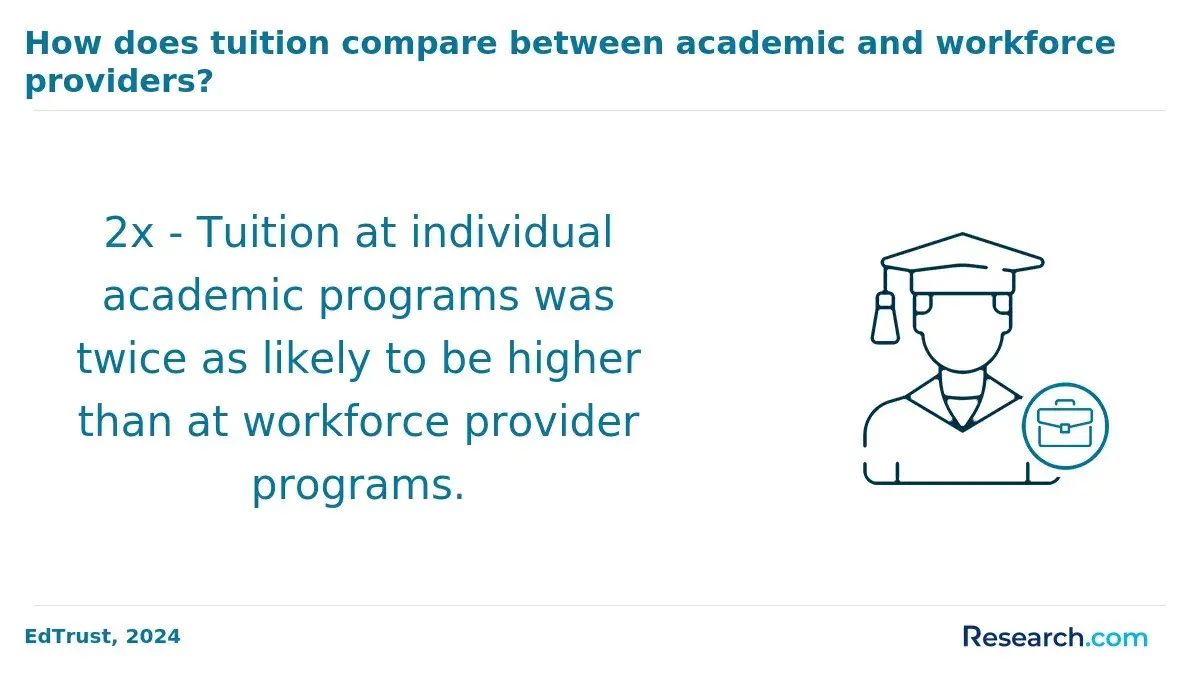
When comparing transfer costs, do not stop at tuition. The smarter comparison is net total cost to graduation: tuition and fees minus grants and scholarships, plus housing, transportation, books, technology, health insurance, loan interest, and any extra semesters caused by lost credits.
College Board's 2024 Trends in College Pricing reported the following published tuition and fees for 2024-25. These figures are useful starting points, but your actual cost may be lower or higher after aid, residency status, program fees, and housing.
- Public two-year in-district colleges: $4,050
- Public four-year in-state colleges: $11,610
- Private nonprofit four-year colleges: $43,350
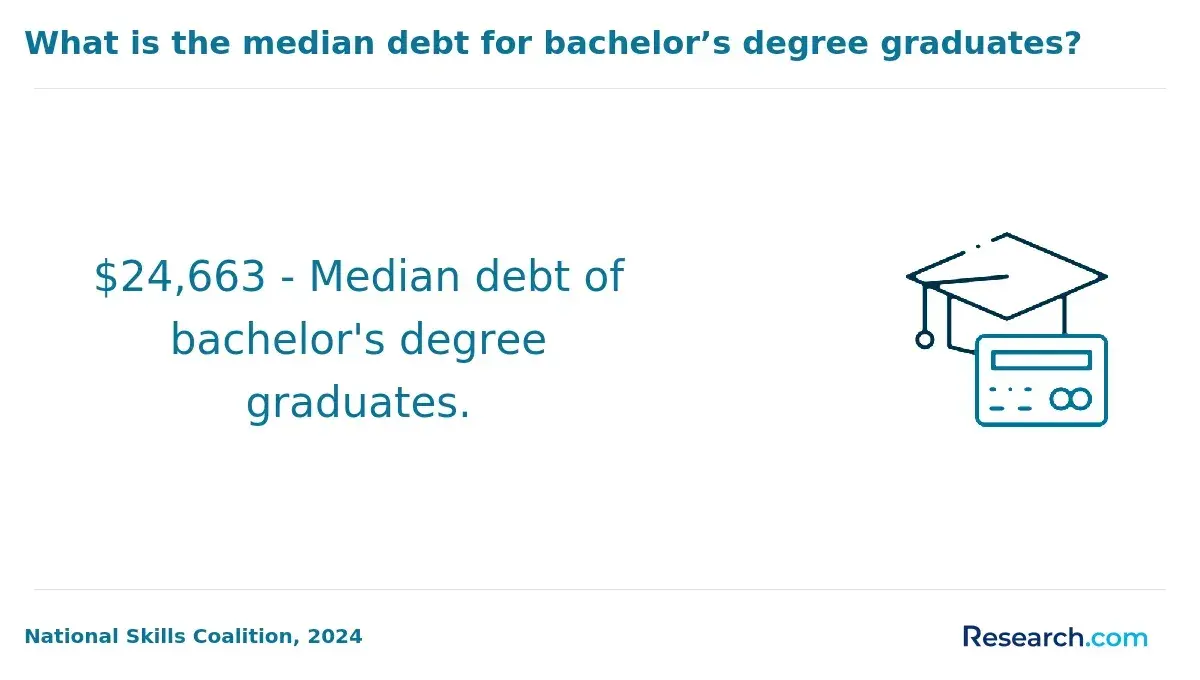
Those sticker prices do not tell the full story. A transfer student may save money by attending a public university, but an extra semester caused by credit loss can erase part of that savings. A private college with a higher listed price may become competitive if it offers strong transfer scholarships and accepts more major-applicable credits.
The table below separates the cost factors that transfer students should compare before choosing a school. This helps you avoid focusing on the most visible price while missing costs that affect your actual budget.
| Cost factor | Why it can change after transfer | What to request |
| Tuition and mandatory fees | Rates vary by residency, level, major, campus, and online format. | Written cost estimate for your program and enrollment load |
| Institutional scholarships | Some scholarships are only for first-year students, while others are transfer-specific. | Transfer scholarship terms, renewal GPA, and credit minimums |
| State and federal aid | Aid may depend on enrollment status, satisfactory academic progress, and remaining eligibility. | Updated financial aid offer after transfer credits are reviewed |
| Housing and commuting | Moving from commuter to residential study can raise costs even if tuition is similar. | On-campus, off-campus, transportation, and meal cost estimates |
| Extra semesters | Lost or misapplied credits can require additional tuition, fees, and living expenses. | Degree audit showing remaining requirements and expected completion term |
Federal student loan costs also matter. For 2024-25, the fixed interest rate for Direct Subsidized and Unsubsidized Loans for undergraduates is 6.53%, so borrowing for an avoidable extra term can increase the total price of the transfer decision.
If you are already thinking beyond a bachelor's degree, compare undergraduate costs with future graduate plans. Students who expect to continue into counseling, business, education, analytics, healthcare administration, or public service may want to explore affordable master degree programs before taking on extra undergraduate debt.
Before accepting admission, use a simple but strict financial checklist. It should compare the amount you will pay to finish, not the amount you paid to start.
- Ask each school for a net price estimate based on transfer status, not first-year status.
- Confirm whether your current scholarships, state grants, tuition waivers, employer benefits, or military benefits transfer.
- Calculate the cost of remaining required credits, including repeated courses and prerequisites.
- Check whether dropping below full-time status would reduce grants, housing eligibility, or health insurance access.
- Compare total borrowing under best-case and delay-case graduation timelines.
How can you tell if a new school and program are a good academic and social fit?
A good transfer fit means the new school supports your academic goal, learning style, budget, identity, schedule, and career direction better than your current school. It is not simply a higher ranking, nicer campus, or more recognizable name.
Academic fit starts with the program. Ask whether your intended major has the concentrations, labs, studios, clinical placements, research options, fieldwork, or capstone experiences you need. Social fit matters too because transfer students often arrive after peer networks have already formed.
The table below helps separate signs of a strong fit from warning signs. It is especially useful if you are choosing between multiple offers.
| Fit area | Strong signal | Warning sign |
| Academic advising | You can meet a transfer or major advisor before registration and receive a degree plan. | You are told to enroll first and "figure it out later." |
| Course access | Required courses are offered frequently enough for transfer students to stay on track. | Key courses are full, restricted, or offered only once per year. |
| Program culture | Faculty and current students can describe how transfers enter research, projects, labs, or studios. | Transfers are treated as an afterthought or have no clear entry point. |
| Belonging | The school has transfer orientation, commuter support, student organizations, and peer mentoring. | All programming is designed around first-year residential students. |
| Schedule compatibility | Classes match your work, caregiving, transportation, or military schedule. | Required courses conflict with non-negotiable responsibilities. |
Use campus visits, virtual sessions, advising appointments, and student conversations to test the fit. Do not rely only on admissions presentations because those are designed to show the school at its best.
- Ask current transfer students what surprised them after enrollment.
- Review the course schedule for the last two terms to see whether required classes are actually available.
- Request contact with a faculty member or program director in your intended major.
- Check whether transfer students can access honors programs, undergraduate research, internships, study abroad, and leadership roles.
- Compare support for commuters, online learners, veterans, parents, first-generation students, and working adults if those identities apply to you.
A common mistake is transferring away from a bad situation without defining what a better one must include. Write down your non-negotiables before reviewing offers, such as lower debt, direct major admission, evening courses, smaller classes, a stronger internship network, or a more inclusive campus climate.
What accreditation, licensing, or certification issues should transfer students check before moving?
Accreditation, licensing, and certification issues can determine whether a transfer is professionally useful. A school may be legitimate overall, but a specific program may not meet the standards required for licensure, certification, employer eligibility, graduate admission, or professional exams.
At minimum, transfer students should confirm that the institution is accredited by an accreditor recognized by the U.S. Department of Education or the Council for Higher Education Accreditation. For some majors, programmatic accreditation is also critical. Examples include nursing, social work, counseling, education, engineering, architecture, dietetics, and certain health professions.
The table below shows why accreditation checks differ by field. Requirements vary by state, employer, graduate school, and licensing board, so use this as a prompt for verification rather than a universal rule.
| Field or goal | Accreditation or approval issue to check | Why it matters |
| Nursing and allied health | Program approval, clinical placement eligibility, and exam preparation standards | Licensure and clinical access may depend on approved training. |
| Teaching | State educator preparation approval and student teaching requirements | Certification rules are state-specific and may not transfer automatically. |
| Engineering | ABET accreditation for certain engineering pathways | Some employers, graduate programs, and licensure routes prefer or require it. |
| Social work and counseling | Field placement rules and programmatic accreditation | Licensure pathways often require specific supervised experiences. |
| Business, accounting, and analytics | Program accreditation, CPA course requirements, or employer-recognized credentials | Career value may depend on curriculum alignment, not just the degree title. |
Students planning advanced study should also check whether the transfer school's credits and degree are acceptable for graduate admission. For example, someone interested in criminal justice leadership or academic pathways may compare specialized options such as an online PhD criminal justice no dissertation, but only after confirming accreditation and professional expectations.
Use a direct verification process before enrolling, especially if your career requires licensure or certification. Verbal reassurance from admissions staff is not enough for regulated fields.
- Find the licensing board or certification body for your target occupation and state.
- Identify the required degree level, accreditation type, coursework, exams, clinical hours, fieldwork, or supervised experience.
- Ask the transfer school to confirm in writing how the program meets those requirements.
- Check whether your transferred courses can satisfy required professional content areas.
- Save documentation because licensing boards may request syllabi, catalogs, transcripts, or placement records later.
The major red flag is a program that says it "may prepare" students for licensure but cannot identify the states or boards where it meets requirements. If your career depends on a license, verify directly with the licensing authority before you transfer.
How do online, hybrid, and campus-based programs differ for transfer students?
Online, hybrid, and campus-based programs can all work for transfer students, but they solve different problems. The best format depends on how much structure you need, whether your major requires hands-on work, and how your schedule interacts with employment, caregiving, commuting, or military service.
Online education is no longer a niche option. The National Center for Education Statistics reported in its 2024 Condition of Education that 10.1 million postsecondary students enrolled in at least one distance education course in fall 2022. For transfer students, that scale means more choices, but it also makes quality checks more important.
The table below compares formats in the areas that most affect transfer students. Use it to decide which learning environment fits your academic and personal constraints.
| Format | Best fit | Main trade-off |
| Fully online | Students who need schedule flexibility, live far from campus, work full time, or are returning adults | Requires strong self-management and careful verification of fieldwork, lab, or licensure requirements. |
| Hybrid | Students who want flexibility but still need labs, studios, clinical practice, campus resources, or face-to-face networking | Campus visits can create travel, housing, or scheduling costs. |
| Campus-based | Students who want in-person advising, labs, residence life, clubs, athletics, research access, or traditional campus networks | Less flexible for students with work, family, commuting, or relocation constraints. |
If flexibility is your main reason for transferring, compare program structure rather than assuming every online option works the same way. Some online degree programs are asynchronous and self-paced, while others require live meetings, proctored exams, internships, practicums, or campus intensives.
Before choosing an online or hybrid transfer option, ask format-specific questions that affect both success and cost. These details are often buried in program pages or orientation materials.
- Are classes asynchronous, synchronous, self-paced, cohort-based, or term-based?
- Will exams require proctoring, special software, testing-center visits, or webcam monitoring?
- Does the program require labs, clinical placements, student teaching, internships, residencies, or campus intensives?
- Are online students eligible for the same advising, tutoring, library access, career services, disability accommodations, and scholarships?
- Will your state of residence affect enrollment, licensure eligibility, tuition, or placement availability?
A common mistake is choosing an online program only because it is convenient. Convenience does not automatically mean lower cost, easier courses, or better transfer credit treatment. The strongest online transfer choice is one that is accredited, well-supported, transparent about requirements, and aligned with your career goal.
What should transfer students know about majors, requirements, and course planning?
Majors are where transfer plans often become complicated. General education courses may transfer smoothly, but major requirements can be more rigid because departments control prerequisites, course sequences, minimum grades, upper-division credits, and residency requirements.
Changing majors during transfer can be worthwhile, especially if your goals have changed, but it may reset part of your academic timeline. A student moving from psychology to business, biology to nursing, or computer science to engineering may need new math, science, statistics, lab, or professional foundation courses.
The table below shows how different academic choices tend to affect transfer planning. It can help you decide whether your move is mostly a school change, a major change, or both.
| Academic choice | Likely transfer impact | Planning concern |
| Same major, similar curriculum | Often the smoothest route if prerequisites and general education align. | Confirm course equivalencies and upper-division requirements. |
| Same field, different concentration | Some credits may apply, but specialized courses may not. | Check concentration-specific prerequisites and capstones. |
| New major in same college | General education may transfer, while major foundations may change. | Recalculate graduation timeline using the new degree map. |
| New major in a regulated field | Prior credits may have limited use if clinical, lab, or field sequences are strict. | Confirm admission, accreditation, placement, and licensing requirements. |
| Double major or minor after transfer | Possible but may extend time if requirements do not overlap. | Ask whether extra requirements fit within financial aid limits and residency rules. |
Course planning should happen before you register, not after your first transfer semester begins. If you are trying to finish quickly, compare regular semester maps with summer, winter, online, or accelerated career programs carefully because speed can reduce flexibility and increase workload.
Use a major-first planning method to avoid wasted credits. This is especially important for students entering with many completed courses.
- Start with the destination school's current degree requirements for your exact major, concentration, and catalog year.
- Mark which completed courses satisfy specific requirements, not just credit totals.
- Identify prerequisite chains that must be taken in order, such as math, science, language, accounting, programming, studio, or methods sequences.
- Ask whether any courses have minimum grade requirements for transfer or progression in the major.
- Create a term-by-term plan that includes registration priority, course availability, financial aid eligibility, and graduation application deadlines.
The most avoidable mistake is taking "safe" electives while waiting to transfer. If those electives do not apply to the future major, they may consume aid eligibility and time without moving you closer to graduation.
How does transferring impact internships, networking, and long-term career pathways?
Transferring can affect internships, networking, and career pathways because career opportunities are often tied to timing. Many employers recruit through campus career fairs, faculty referrals, alumni networks, research labs, clinical placements, cooperative education programs, and student organizations that have application deadlines long before graduation.
The career impact of transfer is not automatically negative. A new school may have stronger employer relationships, better regional access, a more respected program in your field, or a larger alumni network. The risk is arriving too late to use those resources strategically.
The Bureau of Labor Statistics reported in 2024 that workers age 25 and older with a bachelor's degree had median weekly earnings of $1,543 in 2023. That figure does not predict any one student's outcome, but it reinforces why finishing the right credential efficiently can matter for long-term earning potential.
The table below shows career-related opportunities that transfer students should investigate before and immediately after enrollment. It helps you connect the school change to employment outcomes rather than treating career planning as a senior-year task.
| Career factor | Why it matters for transfers | What to check |
| Internship timeline | Applications may open a year before the internship begins. | Deadlines for your target industry and whether transfer students can apply right away |
| Career services | Support quality varies widely by school and program. | Resume reviews, mock interviews, employer fairs, job boards, and alumni access |
| Faculty networks | Professors often connect students to research, references, graduate school, and field placements. | Opportunities for transfer students to join labs, studios, projects, or practicum sites |
| Regional hiring market | Schools often have strongest employer ties in their surrounding region. | Where graduates commonly work and which employers recruit on campus |
| Graduate school preparation | Some career paths require advanced credentials or prerequisites. | Advising for exams, references, research, portfolios, and prerequisite completion |
If your transfer is part of a long-term plan, think ahead to advanced credentials. Some students use the new bachelor's program as a bridge to professional or graduate study, while others later compare flexible options such as 1-year online master's programs to speed up career advancement without leaving work.
Career planning after transfer should start during the admission decision stage. The first semester at the new school is often too late for competitive internships.
- Ask the program where recent transfer students completed internships, practicums, clinicals, co-ops, or research placements.
- Find out whether transfer students can access career fairs, employer treks, alumni mentoring, and professional clubs immediately.
- Meet career services early to adapt your resume so it explains both schools and highlights completed coursework.
- Build faculty relationships quickly by attending office hours, joining projects, and asking about professional pathways.
- Check whether your new school's location improves or weakens access to your target industry.
A common mistake is choosing a school for its overall reputation without checking program-level career outcomes. For transfer students, the most useful question is not "Is this college famous?" but "Does this program connect students like me to the next step I want?"
What campus resources and support services help transfer students succeed after enrolling?
Transfer students succeed after enrolling when they use support services early rather than waiting for a crisis. Because transfer students often have fewer semesters at the new school, they need faster access to advising, tutoring, career planning, peer networks, and financial guidance.
The most helpful resources are not always labeled "transfer services." Some are housed in academic departments, financial aid offices, career centers, multicultural centers, disability services, veteran offices, commuter lounges, online learning units, or student success centers.
The table below identifies support services that can make the biggest difference after transfer. Use it as a first-month campus checklist.
| Resource | How it helps transfer students | When to use it |
| Transfer advising | Explains credit application, degree audits, registration, and graduation requirements. | Before enrollment and again before the first registration period |
| Major advisor or faculty mentor | Helps with course sequencing, concentration choices, research, internships, and graduate planning. | During the first few weeks of the first term |
| Financial aid office | Clarifies aid changes, satisfactory academic progress, loan limits, scholarships, and emergency aid. | Before billing deadlines and whenever enrollment status changes |
| Career services | Connects students to resumes, interviews, internships, job fairs, alumni, and employer contacts. | Immediately, even if graduation is more than a year away |
| Tutoring and writing centers | Helps with gaps caused by different course rigor, sequence changes, or time away from school. | At the first sign of difficulty, not after midterms |
| Belonging and identity-based centers | Supports community, mentoring, advocacy, and transition adjustment. | Early in the first term to build connection |
Build a support plan before classes become overwhelming. Transfer students often lose time because they assume they should already know how college works, even though every institution has different systems.
- Attend transfer orientation even if it feels optional or repetitive.
- Schedule advising before registration and bring your transfer credit evaluation.
- Join at least one academic or professional organization tied to your major.
- Introduce yourself to instructors early, especially in required major courses.
- Set reminders for scholarship renewals, billing dates, add-drop deadlines, withdrawal deadlines, and graduation application dates.
The biggest post-transfer red flag is isolation. If you are not registered for the right courses, do not know who your advisor is, have not met anyone in your major, or feel unsure about finances, contact student success services immediately. Early intervention is much easier than repairing academic, financial, or social damage later.
Other Things You Should Know About
No. Transferring can be a strong choice if the new school offers a better academic program, lower net cost, stronger career access, or a healthier environment. It becomes risky when students transfer without confirming credit applicability, financial aid, major admission, and graduation requirements.
It depends on the school, degree level, accreditation, course grades, course content, and residency requirements. Some colleges accept many credits but apply only some toward the major, so always ask for a degree audit rather than only a total credit count.
Often, your GPA at the new institution starts fresh for institutional purposes, but your previous grades usually remain part of your academic record and may still matter for admission, scholarships, graduate school, licensure, or honors eligibility. Policies vary by school.
The best time is after you complete transferable prerequisites or an associate degree that fits the destination program, but before you take excess credits that will not apply. For competitive majors, the right timing is tied to prerequisite completion, application deadlines, and course sequencing.
References
- Transfer Student Frequently Asked Questions https://www.ut.edu/academics/academic-support/academic-success-center/academic-advising-office/transfer-student-frequently-asked-questions
- Why Students Who Transfer Usually Take Longer to Graduate - Your College-Bound Kid https://yourcollegeboundkid.com/2022/11/07/why-students-who-transfer-usually-take-longer-to-graduate/
- How to Choose a College, College Fit | PhillyGoes2College https://phillygoes2college.org/planning-for-college/finding-the-right-fit/
- 10 Common Pitfalls for Transfer Students and How to Avoid Them https://learn.neumann.edu/neudirections/10-common-pitfalls-for-transfer-students-and-how-to-avoid-them
- Student FAQs | Council https://council.org/student-faqs/
- Improving the Experience for Community College Transfer Students https://changinghighered.com/improving-the-experience-for-community-college-transfer-students/
- The Crucial Role of Internships in Career Development - Not Just Labcoats https://notjustlabcoats.co.uk/the-crucial-role-of-internships-in-career-development/
- Difference between Hybrid, Online & In-Class Degree Programmes | BSBI https://www.berlinsbi.com/blog/what-is-the-difference-between-hybrid-online-and-in-class-degree-programmes
- 10 Tips for Transfer Admissions https://www.saraharberson.com/blog/10-tips-for-transfer-admissions
- Hybrid class vs. online: Choosing the best for your student https://www.asuprepdigital.org/blog/hybrid-class-vs-online/