2027 How to Make Friends and Build Support in College

Co-Founder and Chief Data Scientist
Making friends in college can feel harder than expected, especially when classes, work, commuting, or online learning limit casual interaction. The need is real: the American College Health Association's Spring 2024 National College Health Assessment found that more than half of surveyed college students screened positive for loneliness. This guide is for new, returning, online, commuting, introverted, and nontraditional students who want practical ways to build connection. You will learn where friendships usually form, how to create support intentionally, and how to avoid social choices that hurt your academic goals.
Key Things You Should Know
- Friendship in college is not just social; it is a student-success factor. ACHA's Spring 2024 data showing that more than half of surveyed students screened positive for loneliness means building support should be treated as part of your academic plan, not an optional extra.
- The fastest friendship opportunities usually come from repeated contact: orientation groups, residence halls, dining spaces, labs, student jobs, study groups, clubs, and recurring campus events.
- Students who commute, study online, work full time, return after a break, or feel introverted can still build strong support by choosing structured communities, scheduling recurring touchpoints, and using campus services before isolation becomes a crisis.
How can college students build meaningful friendships and emotional support on campus?
College friendships become meaningful when they move beyond casual introductions into repeated, supportive contact. Emotional support means having people who listen, check in, share resources, celebrate progress, and help you stay grounded when school becomes stressful.
A helpful way to think about support is to build a small "campus circle" rather than trying to become popular. One close friend, one reliable class contact, one staff or faculty connection, and one group where you feel recognized can be enough to make college feel much less isolating.
Use the following steps to turn random interactions into real support:
- Choose two recurring places to show up every week, such as a club meeting, tutoring center, campus gym class, volunteer shift, or dining hall time.
- Start with low-pressure questions, such as asking what class someone is taking, how they chose their major, or whether they have been to an upcoming campus event.
- Follow up within a few days by suggesting something specific, such as studying before a quiz, walking to an event, or getting coffee between classes.
- Offer small forms of help, such as sharing notes, reminding someone about a deadline, or inviting them to sit with you.
- Notice who reciprocates. Healthy friendships usually involve mutual effort, not one person constantly chasing connection.
The biggest mistake is waiting until you "feel confident" before reaching out. Most students are adjusting too, even if they look comfortable. Treat friendship-building as a repeatable habit: short interactions, consistent presence, and small invitations create familiarity over time.
What are the best ways to make friends during orientation and the first semester?
Orientation and the first semester matter because they create shared experiences before social groups become more settled. You do not need to meet everyone; you need to identify a few people you can see again in classes, residence life, campus programs, or shared interest groups.
The first semester is also when students often underestimate how quickly coursework and social life can compete for time. The most useful friendships are not only fun but compatible with the way you study, rest, budget, and manage responsibilities.
Here is a practical first-semester plan that balances connection with academics:
- Attend orientation events even if they feel awkward, and aim to learn three names rather than trying to join every conversation.
- Sit near the same people in large lectures for the first few weeks so casual class contacts can become study partners.
- Join one interest-based group and one academic or career-related group instead of overloading your schedule with too many activities.
- Invite someone to a specific next step, such as lunch after orientation, a campus tour stop, or a review session before the first exam.
- Review your social commitments after week four and keep the ones that leave you feeling supported rather than drained.
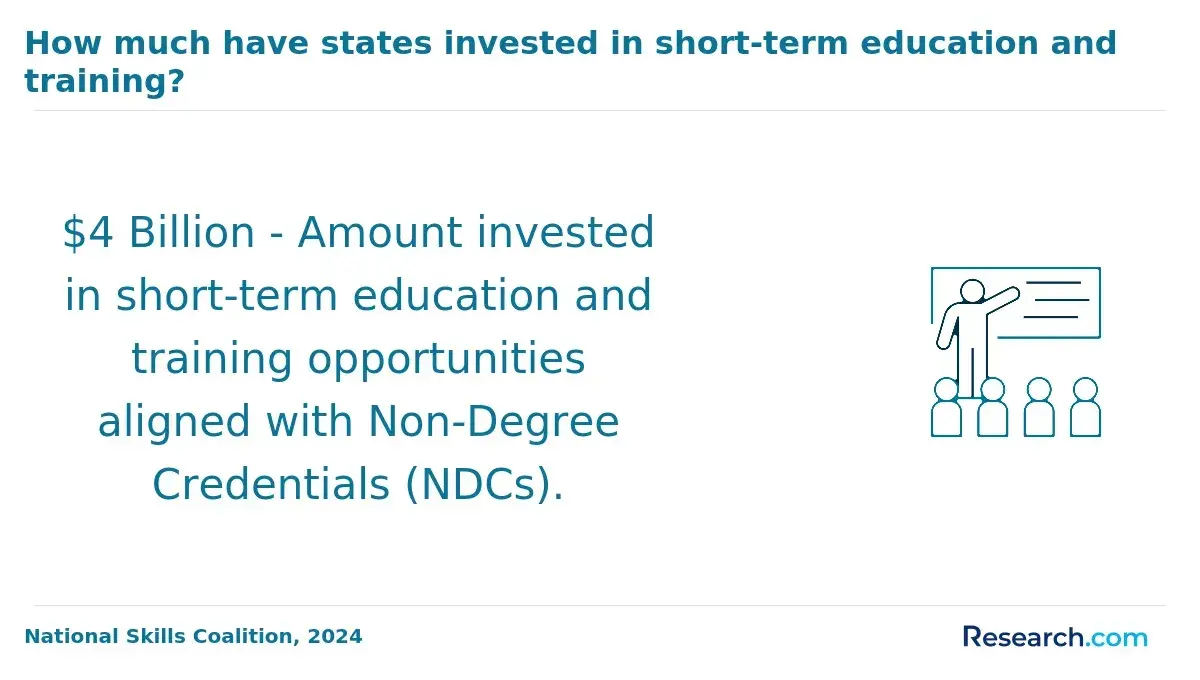
Students in compressed or high-credit programs should be especially intentional. If you are considering accelerated degree programs, look for formats that include cohort models, advising access, online discussion groups, or scheduled peer interaction so speed does not come at the cost of connection.
How can introverted or nontraditional students find supportive communities in college?
Introverted and nontraditional students may need a different friendship strategy than students who live on campus and socialize easily in large groups. Nontraditional students can include adult learners, parents, veterans, transfer students, justice-impacted students, first-generation students, students returning after a break, and students balancing school with full-time work.
The better approach is not to force yourself into every social event. Instead, choose structured settings where conversation has a purpose. Smaller groups, repeated meetings, identity-based centers, service programs, and academic communities often feel more manageable than open-ended parties or crowded events.
These options tend to work well for students who prefer lower-pressure connection:
- Small academic seminars, labs, writing groups, or major-based cohorts where students naturally discuss shared assignments and goals.
- Transfer, veteran, parenting student, first-generation, multicultural, LGBTQ+, disability, or faith-based centers that understand specific student experiences.
- Campus volunteer programs where conversation happens while working toward a shared task.
- Quiet recurring activities, such as book clubs, craft nights, intramural walking groups, gaming clubs, or coffee hours.
- Peer mentoring programs that match students with someone who has already navigated similar challenges.
Students with complex backgrounds should also look for colleges that provide practical reentry support, transparent advising, and nonjudgmental student services. For example, students comparing the best degree for felons should consider not only program availability but also advising, career services, background-check guidance, and peer support options.
How do residence halls, dining areas, and student unions help students meet new friends?
Residence halls, dining areas, and student unions help friendships form because they create repeated, informal contact. Many students become closer not through a dramatic first meeting but through seeing the same people in the elevator, laundry room, lounge, dining line, or campus event space.
The table below compares common campus spaces by how they support connection. Use it to decide where to spend time if you want friendships to develop naturally rather than relying only on planned social events.
| Campus space | Why it helps students meet people | Best fit |
| Residence halls | Repeated proximity makes casual conversations easier and lowers the barrier to joining group activities. | Students who live on campus or want informal social contact outside class. |
| Dining areas | Meals create predictable opportunities to sit with classmates, roommates, or club members. | Students who want low-pressure, short interactions that can become routine. |
| Student unions | Events, organization tables, lounges, and commuter spaces bring different student groups together. | Commuters, transfers, and students looking for clubs or campus services. |
| Recreation centers | Fitness classes, intramurals, and open recreation create activity-based social contact. | Students who connect better through shared activity than conversation alone. |
| Campus libraries | Study rooms, tutoring areas, and quiet workspaces support academic-based friendships. | Students who want friends with similar academic habits. |
A common mistake is treating shared spaces as places to pass through quickly. If you want to meet people, spend time there consistently: study in the same lounge, eat at similar times, attend floor meetings, or join casual events hosted by resident assistants and student affairs staff.
What role do clubs, organizations, and campus activities play in building a support network?
Clubs, organizations, and campus activities are among the most reliable ways to build a support network because they combine shared interests with repeated meetings. They also help students connect across majors, class years, backgrounds, and residence patterns.
Choose activities based on the kind of support you need, not just what sounds impressive on a resume. A pre-professional club may help with internships, while a cultural organization may provide belonging, and a recreation group may help you decompress.
Before joining, compare options using these decision points:
- Purpose: Decide whether you want social connection, career preparation, identity-based community, service experience, leadership opportunities, or stress relief.
- Time commitment: Ask how often the group meets and whether attendance is flexible during exams or work-heavy weeks.
- Culture: Attend at least two meetings before deciding whether the group feels welcoming, organized, and respectful.
- Accessibility: Check whether meetings fit your commute, work schedule, disability access needs, or online participation needs.
- Leadership pathway: If you want deeper connection, ask how members join committees, plan events, or mentor newer students.
A useful rule is to start with two organizations and keep one after the first month if your schedule becomes crowded. Overjoining can look socially productive at first, but it often leads to missed meetings, shallow connections, and burnout.
How can online and commuting students create strong social connections and peer support?
Online and commuting students can build strong friendships, but they usually need more intentional systems because they have fewer accidental encounters. The key is to create recurring contact: the same classmates, the same online spaces, the same campus days, or the same group projects over time.
NCES reported in 2024 that distance education remained a major part of U.S. higher education after the pandemic shift, which means online student connection is no longer a side issue. If your program is online or hybrid, evaluate the college's community design just as carefully as tuition, transfer credit, and accreditation.
Students comparing online colleges should ask whether the school offers virtual student organizations, online tutoring, cohort discussions, career communities, synchronous sessions, peer mentoring, and accessible advising. Those features can make the difference between feeling like an isolated course-taker and feeling like a member of a college community.
For online or commuting students, these actions make connection more realistic:
- Introduce yourself early in course discussion boards with details that invite response, such as your goals, work experience, or study interests.
- Message one or two classmates after the first assignment to ask about forming a review chat or shared study schedule.
- Use campus days strategically by stacking advising, library time, club meetings, office hours, and meals with classmates on the same day.
- Join virtual events with your camera on when possible, and follow up with one person afterward instead of expecting the event itself to create friendship.
- Create a small accountability group for deadlines, especially if your courses are asynchronous.
How do study groups, tutoring centers, and academic clubs strengthen social support in college?
Academic support is also social support. Study groups, tutoring centers, supplemental instruction, writing centers, and academic clubs help students meet peers who understand the same deadlines, exams, professors, and career goals.
This matters because friendships built around academics can improve both belonging and performance. Instead of choosing between "having a social life" and "taking school seriously," students can build relationships with people who support consistent study habits.
Use these steps to create an effective academic support circle:
- Identify one high-stakes course where collaboration would help, such as math, science, writing, accounting, statistics, or a major gateway class.
- Ask classmates to form a focused group with a clear purpose, such as weekly problem practice or exam review.
- Keep groups small enough for accountability, usually three to five students.
- Use tutoring centers before you are failing; early visits are easier and less stressful than emergency help late in the term.
- Join a major-based club if you want peers who can discuss internships, faculty, electives, and career paths.
Accelerated graduate students should pay special attention to peer structure because shorter timelines can limit casual bonding. If you are researching a 6 month masters degree online, ask how students collaborate, how often faculty interact with cohorts, and whether the program offers academic communities outside the learning platform.
What campus mental health and counseling resources can students use for additional support?
Friends are important, but they are not a substitute for professional mental health support. Campus counseling centers, health services, crisis lines, case management offices, disability services, and wellness programs can help when loneliness, anxiety, depression, grief, identity stress, trauma, or academic pressure becomes difficult to manage.
The table below summarizes common campus support resources and what they are typically designed to do. Services vary by school, so students should check hours, appointment rules, confidentiality policies, and emergency procedures directly with their college.
| Resource | Typical purpose | When to consider it |
| Counseling center | Short-term therapy, referrals, group counseling, workshops, and crisis support. | You feel persistently overwhelmed, isolated, anxious, depressed, or unable to function normally. |
| Case management | Coordination of support for complex academic, housing, food, financial, or personal issues. | You need help navigating multiple problems at once. |
| Disability services | Academic accommodations and access support for documented disabilities. | A health, learning, psychological, or physical condition affects your coursework or campus participation. |
| Peer support programs | Trained peer listeners, mentoring, wellness coaching, or student-led support groups. | You want connection and guidance but do not need clinical care. |
| After-hours crisis resources | Immediate support during urgent mental health or safety concerns. | You may harm yourself, someone else may be in danger, or you cannot wait for a regular appointment. |
One red flag is relying only on friends when a problem becomes serious. A caring friend can listen, walk with you to an office, or help you make an appointment, but professional staff are better prepared to handle crisis, treatment planning, accommodations, and referrals.
How can working on or off campus help students form friendships and professional networks?
Working on or off campus can help students build friendships because jobs create repeated teamwork, shared routines, and practical problem-solving. Campus jobs can be especially useful because supervisors often understand student schedules and coworkers may be balancing similar academic demands.
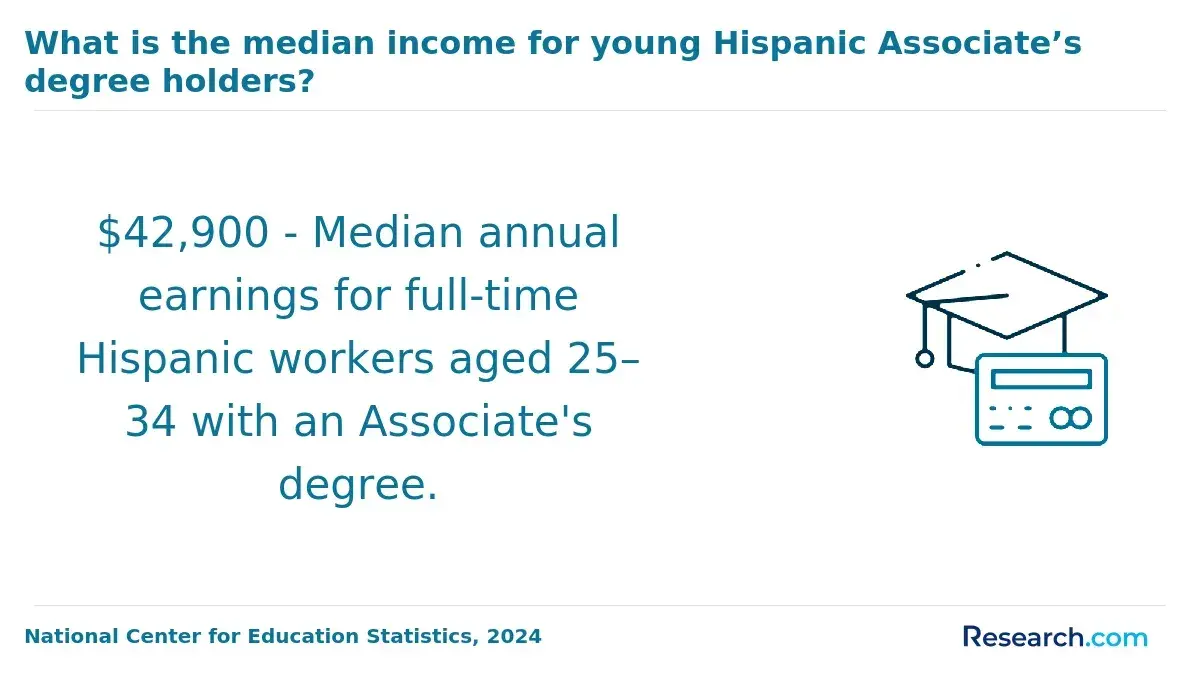
The U.S. Bureau of Labor Statistics reported in 2024 that many college students participate in the labor force while enrolled, which means work is a major part of the student experience rather than an exception. For readers, the takeaway is to treat work not only as income but also as a possible source of peer support, references, and career confidence.
Different work settings create different kinds of connections. Use this comparison to think about which option fits your schedule and goals.
| Work option | Connection benefit | Trade-off to consider |
| Campus job | Access to student coworkers, staff mentors, and flexible campus-based routines. | Hours and pay may be limited depending on department budgets and federal work-study eligibility. |
| Off-campus job | Broader professional exposure and possible industry contacts. | Commute time and scheduling may compete with classes and campus events. |
| Research or lab assistant role | Closer faculty contact and peer relationships tied to academic goals. | Positions may be competitive or require prior coursework. |
| Internship | Career networking and practical experience in a field of interest. | Some internships are unpaid or require careful review of credit, transportation, and time demands. |
| Remote student work | Flexibility for online, commuting, parenting, or working adult students. | Less natural social contact unless the role includes meetings or team communication. |
Working adults in advanced programs should also look for networks that match their career stage. Students considering online PhD programs for working professionals should compare cohort design, faculty mentoring, residency requirements, and professional communities because doctoral study can be isolating without intentional support.
How can students maintain healthy boundaries and balance friendships with academic goals?
Healthy friendships should support your college goals, not pull you away from them. Boundaries are the limits you set around time, money, emotional energy, privacy, academics, substances, dating, conflict, and communication so relationships remain respectful and sustainable.
The following common mistakes can make college friendships harder than they need to be. Use them as warning signs when deciding how much time and trust to invest in a relationship or group.
| Common mistake | Why it causes problems | Better alternative |
| Saying yes to every invitation | It can lead to missed deadlines, poor sleep, and resentment. | Choose a few meaningful plans each week and protect study blocks. |
| Confusing intensity with closeness | Spending all your time with someone early can create dependency or conflict. | Let trust build through consistency, respect, and time. |
| Ignoring academic mismatch | Friends with very different study habits may unintentionally disrupt your goals. | Keep social friends while also building academic friendships. |
| Using parties as the only social strategy | It can limit deeper connection and may create safety or substance-related risks. | Mix social events with clubs, volunteering, recreation, and study groups. |
| Waiting too long to ask for help | Isolation can become harder to reverse when stress builds over weeks or months. | Contact an advisor, counselor, mentor, resident assistant, or peer program early. |
A practical boundary script can be simple: "I want to come, but I need to study tonight. Can we do lunch tomorrow?" Good friends may be disappointed, but they will not pressure you to sacrifice your health, safety, finances, or academic responsibilities.
Other Things You Should Know About
It varies, but many friendships take weeks or months of repeated contact. Focus on showing up consistently in classes, clubs, residence spaces, study groups, or work settings instead of judging your social life by the first few days.
Remember that many groups are less fixed than they appear. Join recurring activities, talk to classmates, attend smaller events, and look for other students who are also showing up alone or trying something new.
Yes, but you will need more structure. Create recurring study chats, attend virtual events, join online student organizations, use campus days intentionally, and follow up with classmates after discussions or group projects.
Seek campus or professional support if loneliness, anxiety, depression, grief, conflict, or stress interferes with sleep, classes, work, safety, or daily functioning. Friends can support you, but trained staff can provide more appropriate help for serious concerns.
References
- Thriving as an Introvert in College: 10 Ways to Support Your Student https://uc.campusesp.com/posts/1995
- How to Navigate Social Connections in Online College: A Student's Guide https://www.edumed.org/resources/social-wellness-and-online-college/
- How Post-Secondary Institutions Can Support Student Mental Health - Workplace Options https://www.workplaceoptions.com/blog/how-post-secondary-institutions-can-support-student-mental-health/
- How Online Students Create Meaningful Friendships and Build Real Connections https://www.iconschool.org/blog/how-online-students-create-meaningful-friendships-and-build-real-connections
- Finding Your People: Building Community Within College - Mindful Psychology Associates https://www.evanstonpsychologists.com/2025/10/30/finding-your-people-building-community-within-college/
- Your Kelley Confidante: Building Relationships Outside The Classroom https://poetsandquantsforundergrads.com/students/your-kelley-confidante-building-relationships-outside-the-classroom/
- Building Authentic Relationships With Students https://www.edutopia.org/article/building-strong-relationships-with-students/
- Student Perspectives on Joining Student Organizations - ACUI https://acui.org/blog/2019/08/01/student-perspectives-on-joining-student-organizations/
- Building Meaningful Connections as an Adult https://positivereseteatontown.com/making-friends-at-work-and-college-building-meaningful-connections-as-an-adult/
- Building a support network in the first-year of university - University Study https://universitystudy.ca/building-a-support-network-in-the-first-year-of-university/