2027 Trade Schools Massachusetts: Complete Student Guide

Co-Founder and Chief Data Scientist
Choosing a Massachusetts trade school means balancing cost, time, licensing rules, and job demand. Skilled trades matter because many essential roles cannot be fully automated or outsourced, from electrical work to healthcare support. The U. S. Bureau of Labor Statistics reported 2024 median pay of $62,350 for electricians, showing that well-chosen vocational training can lead to solid middle-income careers. This guide is for high school graduates, adult learners, career changers, and workers seeking faster credentials. You will learn how programs differ, what they cost, which careers they support, and how to avoid expensive enrollment mistakes.
Key Things You Should Know
- Massachusetts trade schools include public community colleges, private career institutes, union apprenticeship programs, adult vocational programs, and technical colleges; the right choice depends on whether your target job requires a license, certification, associate degree, or apprenticeship hours.
- Program length varies widely: short certificates may take a few months, healthcare and technology programs often take 1 year, and associate degrees usually take about 2 years; costs depend heavily on school type, tools, fees, books, exams, and whether credits transfer.
- According to 2024 BLS national wage data, several trade-aligned roles offer median annual pay above $50,000, including electricians at $62,350, HVAC mechanics at $59,810, plumbers at $62,970, and computer support specialists at $61,550.
What are trade schools in Massachusetts and who are they best suited for?
Trade schools in Massachusetts are postsecondary training providers that prepare students for specific occupations, usually through hands-on instruction, labs, clinical practice, shop work, simulation, internships, or apprenticeships. They may award certificates, diplomas, industry certifications, apprenticeships, or associate degrees rather than bachelor's degrees.
They are best suited for students who want a direct path into a defined job, especially when that job values applied skills more than broad general education. Common examples include electricians, HVAC technicians, automotive technicians, welders, medical assistants, dental assistants, practical nurses, cosmetologists, truck drivers, cybersecurity support technicians, and advanced manufacturing technicians.
A Massachusetts trade school may be a strong fit if you want:
- A shorter training path than a four-year degree
- A program tied to a specific occupation or license
- More lab, shop, clinical, or field training than lecture-based coursework
- An entry point into union apprenticeship, healthcare, construction, transportation, manufacturing, or technical support roles
- A career change without starting a full bachelor's degree
Trade school is not automatically the best option for every student. If your target career requires a bachelor's degree, graduate school, state teacher licensure, engineering licensure, or a long-term path in management, a community college transfer program or four-year university may make more sense. The key is to start with the job you want, then work backward to the credential that job actually requires.
How do Massachusetts trade schools compare to community colleges and four-year universities?
Massachusetts students often compare trade schools with community colleges and universities because all three can lead to better jobs, but they are built for different goals. A trade school is usually the most direct route into a specific occupation, while a community college can combine career training with transferable academic credits, and a four-year university is typically better for careers requiring a bachelor's degree or higher.
The table below compares the main options by credential, timeline, learning format, and decision fit. Use it to narrow your search before looking at individual schools.
| Option | Typical credential | Common timeline | Best fit | Main trade-off |
| Private trade or career school | Certificate, diploma, industry credential | A few months to about 2 years | Students who want focused job training and a fast entry route | Credits may not transfer easily, and total cost can vary widely |
| Public community college | Certificate or associate degree | 1 to 2 years | Students who want workforce training with possible transfer options | Programs may include general education courses and longer timelines |
| Union apprenticeship | Paid apprenticeship plus required classroom instruction | Often several years | Students seeking licensed construction trades and paid on-the-job training | Entry can be competitive and work availability may vary |
| Four-year university | Bachelor's degree | About 4 years full time | Students targeting careers that require broader academic preparation | Usually longer and more expensive than occupational certificates |
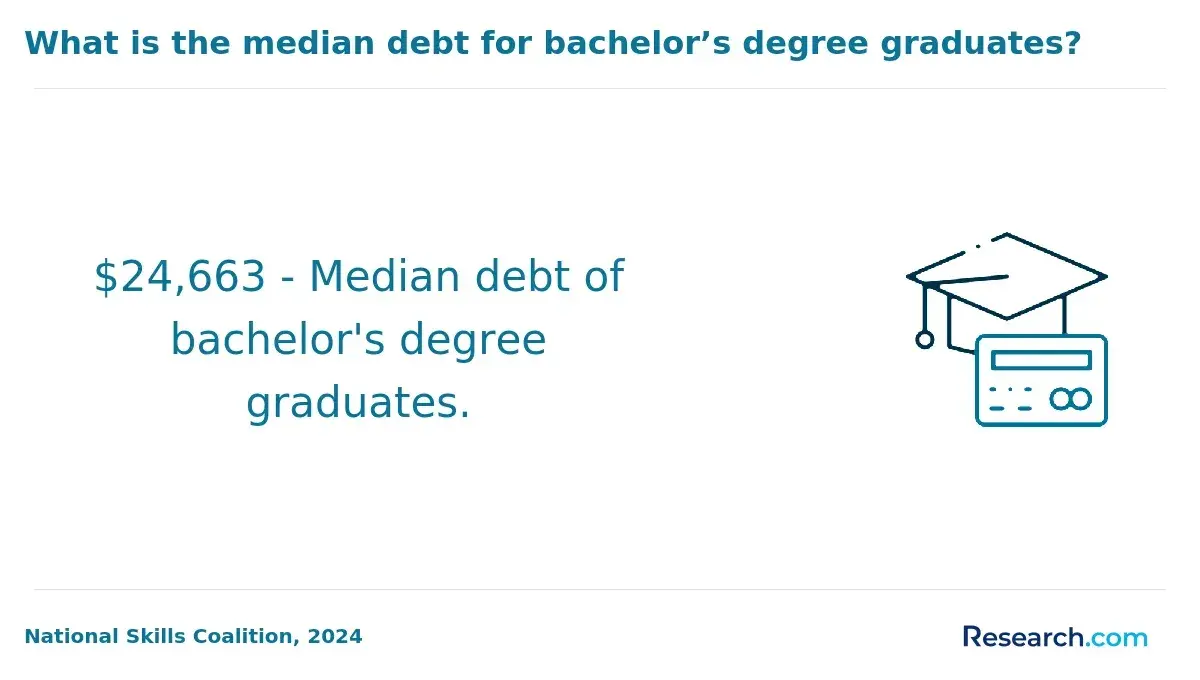
Cost is one of the biggest differences. The College Board reported average published tuition and fees of $4,050 for in-district public two-year college students in 2024-25, but that figure does not include tools, uniforms, transportation, exam fees, or living costs. Private career schools may cost more, but some offer shorter timelines or more specialized equipment. If your goal eventually requires a bachelor's degree, comparing trade training with the cheapest online college options can help you avoid paying twice for credits that do not transfer.
The smartest comparison is not "trade school versus college" in the abstract. It is whether the program's credential, accreditation, licensing alignment, placement support, and total cost match your target occupation.
What accredited trade schools and technical colleges operate in Massachusetts?
Massachusetts has several types of accredited and state-approved training providers. Accreditation is important because it can affect financial aid, transfer credit, employer recognition, and eligibility for some licensing or certification exams. However, accreditation alone does not prove a program is the best fit; students should also verify program outcomes, equipment quality, clinical or externship placements, and licensing alignment.
The table below lists examples of Massachusetts providers and provider types students commonly encounter. This is a starting point for research, not a ranking or endorsement.
| Provider or provider type | Examples in Massachusetts | Common program areas | What to verify |
| Public community colleges | Bunker Hill, MassBay, Middlesex, North Shore, Quinsigamond, Springfield Technical, Bristol, Cape Cod, Holyoke, Mount Wachusett, Northern Essex, Massasoit | Healthcare, IT, automotive, manufacturing, engineering technology, early childhood, business technology | Regional accreditation, program approval, transfer pathways, clinical placement access |
| Technical colleges and institutes | Benjamin Franklin Cummings Institute of Technology, Universal Technical Institute in Norwood | Automotive, electrical technology, engineering technology, HVAC, mechanical and technical fields | Institutional accreditation, employer partnerships, equipment, certification preparation |
| Private career schools | Porter and Chester Institute, Lincoln Technical Institute locations, medical and dental assisting schools, cosmetology academies | Healthcare support, HVAC, electrical, automotive, cosmetology, welding, technology support | State approval, accreditation, completion rates, licensure exam alignment, refund policies |
| Adult vocational and regional technical programs | Adult education divisions at vocational-technical high schools and regional career centers | Plumbing, electrical, welding, CNA, HVAC, culinary, construction trades | Whether the adult program is approved for your licensing goal and whether federal aid applies |
| Union and employer apprenticeship programs | Electrical, plumbing, pipefitting, sheet metal, elevator, carpentry, and construction locals | Licensed construction trades and industrial trades | Apprenticeship registration, classroom requirements, wage progression, application deadlines |
When checking a school, confirm both institutional accreditation and program-level approval. For example, a college may be accredited, but a nursing, dental assisting, cosmetology, or aviation-related program may still need separate approval from a state board or specialized accreditor. Students should also confirm whether the credential prepares them for Massachusetts-specific licensing requirements rather than only a national certification.
Which in-demand trades can you study in Massachusetts, and what programs are offered?
Massachusetts trade programs are shaped by the state's major industries: healthcare, construction, clean energy, biotechnology, advanced manufacturing, transportation, information technology, education support, and hospitality. The best program is the one that connects to a real hiring market and leads to a recognized credential.
The table below summarizes common trade fields, typical programs, and the kinds of jobs they support. It can help you connect a school catalog to an actual career path.
| Trade field | Common Massachusetts programs | Possible entry-level roles | Credential considerations |
| Electrical and construction trades | Electrical technology, building trades, construction management technology, apprenticeship classroom instruction | Electrical helper, apprentice electrician, construction laborer, maintenance technician | Massachusetts licensing usually requires supervised work hours and exams |
| HVAC and clean energy | HVAC/R, refrigeration, heat pump systems, energy technology | HVAC helper, installer, maintenance technician, refrigeration apprentice | EPA Section 608 certification is commonly required for refrigerant handling |
| Healthcare support | Medical assisting, dental assisting, phlebotomy, CNA, practical nursing, surgical technology | Medical assistant, dental assistant, phlebotomist, CNA, LPN, surgical technologist | Some roles require state approval, clinical hours, board exams, or national certification |
| Automotive and diesel | Automotive technology, diesel technology, collision repair, marine technology | Service technician, lube technician, diesel technician, parts specialist | ASE-related preparation and manufacturer-specific training can improve employability |
| Manufacturing and welding | Welding, CNC machining, robotics, mechatronics, quality control | Welder, CNC operator, production technician, maintenance mechanic | Employer-recognized certifications and portfolio weld tests may matter more than school name |
| Information technology | Computer support, networking, cybersecurity, cloud support, software support | Help desk technician, support specialist, junior network technician, security operations assistant | Vendor certifications may be important, especially for entry-level IT roles |
Technology is changing many trade programs. Electricians increasingly encounter smart buildings, solar-ready systems, and energy management controls. HVAC students may train on heat pumps and high-efficiency systems. Manufacturing students may use robotics, CNC equipment, and digital quality systems. IT students should expect continuous certification renewal as cloud platforms and cybersecurity tools evolve.
For fields where a short credential can help you test interest before committing to a longer program, researching high-value certifications online can be useful. This is especially relevant for IT, project coordination, bookkeeping, and technical support, but less useful for trades that require in-person labs, clinical hours, or state-supervised apprenticeship experience.
How do online, hybrid, and campus trade programs differ for Massachusetts students?
Online learning can make trade training more flexible, but not every trade can be learned fully online. Massachusetts students should separate theory-based coursework from hands-on skills. Electrical code, medical terminology, blueprint reading, OSHA concepts, and IT fundamentals may work well online, while welding, patient care, automotive diagnostics, HVAC installation, and lab-based manufacturing require in-person practice.
The table below explains the practical differences among online, hybrid, and campus formats. Use it to judge whether a program's delivery method matches the skills employers and licensing boards expect.
| Format | How it usually works | Best for | Potential risk |
| Fully online | Courses are delivered through a learning platform with remote assignments and exams | IT support, administrative technology, coding basics, bookkeeping, test preparation | May not satisfy hands-on licensing, lab, or clinical requirements |
| Hybrid | Lecture or theory is online, while labs, clinicals, shops, or exams happen in person | Healthcare support, HVAC theory, electrical code, automotive theory, manufacturing technology | Campus days may still conflict with work schedules or transportation limits |
| Campus-based | Most instruction happens in labs, shops, classrooms, clinics, or simulation spaces | Welding, automotive, dental assisting, nursing, cosmetology, HVAC installation, culinary arts | Less flexible for students balancing work, caregiving, or long commutes |
Hybrid programs often offer the best balance for adult learners because they reduce commuting while preserving hands-on practice. Fully online programs make more sense when the job itself is digital or when the course is supplemental rather than license-qualifying.
Students who need flexibility should ask whether lectures are live or asynchronous, whether labs are offered evenings or weekends, and whether missed labs can be made up. Learners comparing flexible academic options may also review self-paced college courses, but they should be cautious about assuming self-paced coursework can replace supervised clinical, shop, or apprenticeship hours.
What are typical admission requirements for Massachusetts trade and technical programs?
Admission requirements vary by school, program, and occupation. Many certificate programs are open to students with a high school diploma or GED, but selective healthcare, union apprenticeship, aviation, and advanced technical programs may require placement tests, prerequisites, interviews, background checks, immunizations, drug screening, physical ability standards, or valid driver's licenses.
Before applying, students should gather requirements from the exact program page and confirm them with admissions. The steps below can prevent delays and help you avoid applying to a program you are not yet eligible to enter.
- Identify the job title you want, then check whether Massachusetts requires a license, board approval, apprenticeship registration, or clinical hours for that role.
- Confirm the minimum education requirement, such as high school diploma, GED, prior college credits, math placement, science prerequisites, or English proficiency.
- Ask whether the program requires background checks, immunizations, physical exams, CPR certification, drug screening, driving eligibility, or tools before enrollment.
- Review application deadlines, start dates, evening or weekend options, and whether the program admits students once per year or multiple times per year.
- Request the total estimated cost in writing, including tuition, fees, books, tools, uniforms, exam fees, transportation, and licensing costs.
Common mistakes include assuming all programs are open enrollment, ignoring math requirements for electrical or engineering technology programs, overlooking clinical clearance rules in healthcare, and applying too late for union apprenticeship deadlines. Another red flag is a school that emphasizes quick enrollment but avoids clear answers about accreditation, licensure pass rates, employer partnerships, or total cost.
Trade schools are not only for recent high school graduates. Adults returning to school, including older career changers, should compare support services, tutoring, accessibility, schedule flexibility, and technology help. If you are an older learner deciding whether a hands-on program or broader academic path fits better, resources on online degree programs for seniors can help you compare learning formats and support needs.
How long do trade programs in Massachusetts take, and what do they cost?
Massachusetts trade programs can take anywhere from a few weeks to several years, depending on the credential. A CNA or phlebotomy program may be short, an HVAC or medical assisting program may take under a year to around a year, an associate degree usually takes about 2 years full time, and a licensed apprenticeship can extend several years because it combines classroom instruction with paid supervised work.
The table below compares common credential types by timeline and cost drivers. It does not replace a school's official cost sheet, but it shows why two programs with similar titles may have very different total prices.
| Program type | Typical length | Major cost drivers | Best for |
| Short workforce certificate | Weeks to several months | Tuition, books, exam fees, uniforms, supplies | Students testing a field or seeking quick entry-level eligibility |
| Career diploma or technical certificate | Several months to about 18 months | Tuition, lab fees, tools, equipment, certification exams, transportation | Students seeking focused training for a specific trade |
| Associate degree | About 2 years full time | Tuition, general education courses, textbooks, lab fees, possible transfer costs | Students who want technical training plus a college credential |
| Registered apprenticeship | Often several years | Application costs, dues, tools, travel, classroom fees if not employer-covered | Students entering licensed trades through paid work and structured training |
For a cost benchmark, the College Board's 2024-25 national data placed average published tuition and fees for public two-year in-district students at $4,050. Massachusetts students should treat that as a comparison point rather than a final bill because program fees, tools, healthcare requirements, parking, commuting, and licensing exams can materially change the total cost.
To control costs, ask whether credits transfer, whether tools are included, whether the program is eligible for federal financial aid, whether Massachusetts workforce training grants apply, and whether employers sponsor tuition. Also compare part-time and full-time options: full-time study may get you working sooner, while part-time study may reduce borrowing by letting you keep earning income.
What jobs can Massachusetts trade school graduates get, and in which industries?
Massachusetts trade school graduates can work in healthcare systems, construction firms, clean energy companies, auto dealerships, advanced manufacturing plants, municipal departments, life sciences facilities, colleges, hotels, property management companies, and IT support environments. The exact job depends on the credential, license eligibility, location, and experience level.
The table below connects common training areas with Massachusetts industries and realistic early career roles. It is useful because many program titles sound similar even when they lead to different work settings.
| Training area | Industries hiring | Entry-level roles | Advancement path |
| Healthcare support | Hospitals, clinics, dental offices, long-term care, outpatient care | CNA, medical assistant, phlebotomist, dental assistant, LPN | Lead assistant, licensed nurse pathway, specialty clinic roles, healthcare administration support |
| Construction and building systems | Residential construction, commercial construction, facilities, utilities, clean energy | Helper, apprentice, installer, maintenance technician | Journeyperson, master license, foreperson, estimator, contractor |
| Automotive and transportation | Dealerships, repair shops, fleet maintenance, logistics, public transit vendors | Lube technician, service technician, diesel technician, parts associate | ASE-certified technician, diagnostic specialist, shop foreperson, service manager |
| Manufacturing and welding | Aerospace suppliers, medical device firms, robotics, metal fabrication, marine repair | Welder, CNC operator, production technician, quality technician | Certified welder, CNC programmer, maintenance mechanic, manufacturing supervisor |
| Information technology | Healthcare, education, finance, government, startups, managed service providers | Help desk technician, support specialist, junior network technician | Network administrator, cybersecurity analyst, cloud support specialist, systems administrator |
Students should not assume the first job after trade school is the final career. Many skilled trades have step-based growth: helper to apprentice, apprentice to licensed worker, technician to lead technician, and technician to supervisor. In healthcare, short credentials can provide a faster entry point, but advancement may require additional schooling, board exams, or degrees.
The most employable graduates usually combine technical competence with reliability, communication, safety awareness, documentation skills, and customer service. Employers often care as much about showing up on time, following procedures, and working safely as they do about classroom grades.
What is the salary potential and job outlook for major trades in Massachusetts?
Salary potential depends on occupation, licensure, overtime, union status, employer type, region, and experience. Massachusetts wages can differ from national medians, especially in the Boston area, but national BLS data is still useful for comparing occupations because it is standardized across roles.
The table below uses 2024 U.S. Bureau of Labor Statistics median annual pay and 2023-33 national job outlook figures for major trade-aligned occupations. Use these figures as benchmarks, not salary promises.
| Occupation | 2024 median annual pay | 2023-33 projected growth | How to interpret it |
| Electricians | $62,350 | 11% | Strong outlook tied to construction, maintenance, electrification, and building systems |
| Plumbers, pipefitters, and steamfitters | $62,970 | 6% | Licensure and apprenticeship completion can significantly affect earning potential |
| HVAC mechanics and installers | $59,810 | 9% | Demand is supported by building maintenance, efficiency upgrades, and climate-control needs |
| Licensed practical and licensed vocational nurses | $62,340 | 3% | Healthcare demand is steady, but schedules and physical demands can be significant |
| Medical assistants | $44,200 | 15% | Fast growth reflects outpatient care demand, though pay is usually lower than licensed nursing roles |
| Automotive service technicians and mechanics | $49,670 | 3% | Electric vehicles and diagnostics are changing the skill set employers value |
| Welders, cutters, solderers, and brazers | $51,000 | 2% | Specialized processes, certifications, and industry choice can influence opportunities |
| Computer support specialists | $61,550 | 6% | Good fit for students who prefer technical troubleshooting over physical trade work |
These numbers show why licensing and specialization matter. A short certificate may help you enter a field, but higher pay often comes with experience, credentials, overtime eligibility, union wage progression, or supervisory responsibility. Students should compare wage data with total program cost, debt, commute, job placement support, and the time needed to become fully licensed.
AI and automation are affecting trades differently. Routine administrative work may be automated faster than hands-on repair, installation, patient care, and field service. However, trades are becoming more technology-heavy, so students who are comfortable with diagnostic software, digital records, sensors, building controls, and cybersecurity basics may have an advantage.
What licensing, certification, and union requirements apply to trades in Massachusetts?
Licensing rules are one of the most important reasons to research a Massachusetts trade program before enrolling. Some occupations are regulated by state boards, some rely on national certifications, some use registered apprenticeships, and others depend mostly on employer-recognized skills. A school can teach useful material and still fail to meet the exact pathway required for your target credential.
The table below summarizes common credential considerations by field. Always confirm details with the relevant Massachusetts board, apprenticeship office, employer, or certification body before committing money.
| Field | Common requirement type | What students should confirm |
| Electrical | Apprenticeship hours, classroom instruction, state exam, license levels | Whether the program's classroom hours count toward Massachusetts licensing requirements |
| Plumbing and gas fitting | Apprenticeship, supervised work, classroom instruction, state exam | Whether employer or union sponsorship is needed before hours count |
| HVAC and refrigeration | EPA Section 608 for refrigerants, possible refrigeration licensing depending on work type | Whether the program prepares for required federal and state credentials |
| Cosmetology and barbering | State-approved training hours and board exam | Whether the school is approved for Massachusetts licensure and publishes exam outcomes |
| Practical nursing | Board-approved program and NCLEX-PN eligibility | Whether clinical placements, board approval, and exam eligibility are current |
| Dental assisting and medical assisting | Employer requirements, state rules for expanded functions, national certifications in some cases | Which duties require additional certification, radiology approval, or supervised training |
| Commercial driving | CDL training, knowledge test, skills test, medical certification | Whether the provider meets entry-level driver training requirements and offers road test preparation |
Union pathways are especially relevant in electrical, plumbing, pipefitting, sheet metal, elevator, carpentry, and other construction trades. Apprenticeships can be attractive because they combine paid work with structured training, but entry may involve aptitude testing, interviews, waiting lists, drug screening, physical requirements, and seasonal hiring patterns.
Before enrolling in any license-connected program, take these steps:
- Ask the school to identify the exact license, exam, or certification the program prepares you for.
- Verify that the approving board or accreditor recognizes the program for Massachusetts students.
- Request recent completion, placement, and licensure exam information when available.
- Confirm whether prior criminal history, driving record, physical requirements, or immigration/work authorization issues could affect employment or licensing.
- Compare the school-based route with union apprenticeship, employer-sponsored training, community college, and adult education alternatives.
A common mistake is confusing academic credentials with occupational licenses. A certificate of completion may show you finished a course, but it may not authorize independent work. If your long-term plan eventually moves away from hands-on practice toward research, administration, or higher education teaching, comparing pathways such as the cheapest PhD programs is a separate decision from trade licensing and should not be treated as a substitute for state-required credentials.
Other Things You Should Know About
They can be worth it when the program leads to a recognized credential, fits your target job, has reasonable total costs, and aligns with Massachusetts licensing rules. They are less worthwhile if credits do not transfer, outcomes are unclear, or the credential is not required by employers.
Possibly. Federal aid usually requires an eligible institution and eligible program. Some students may also qualify for state aid, workforce grants, employer tuition support, veterans benefits, or payment plans. Always ask for a written total cost and aid estimate before enrolling.
Many do, especially community colleges, adult vocational programs, and some private career schools. Availability depends on the program. Hands-on labs, clinical rotations, and apprenticeships may still require fixed schedules.
Shorter options often include CNA, phlebotomy, commercial driving, basic welding, some IT support certificates, and entry-level healthcare support programs. Fastest is not always best, so compare job demand, pay, licensing requirements, and advancement options before choosing.
References
- Highest Paying Trade Jobs in the Northeast in 2025 » Skilled Trades Partners https://www.skilledtradespartners.com/blog/highest-paying-trade-jobs-in-the-northeast-in-2025/
- Trade School vs. College: Weighing cost, timelines & More https://www.midwesttech.edu/resources/careers/trade-school-vs-college-a-guide-to-weighing-your-options/
- What Is the Difference Between a Hybrid Class and an Online Class at a Vocational School? | Hunter Business School https://hunterbusinessschool.edu/what-is-the-difference-between-a-hybrid-class-and-an-online-class-at-a-vocational-school/
- Electrical License Requirements in Massachusetts - Housecall Pro https://www.housecallpro.com/licensing/electrical/massachusetts/
- Vocational training offers many benefits for students https://www.bostonherald.com/2023/07/10/vocational-training-offers-many-benefits-for-students/
- Massachusetts Contractor Licensing Expertise | NCL https://contractor-state-license.com/massachusetts-contractor-license/
- Trade School vs College: What You Need to Know - Tlingit & Haida https://tlingitandhaida.gov/news/trade-school-vs-college-what-you-need-to-know/
- MBAE Weighs in on Vocational Technical School Admissions Policies https://www.mbae.org/mbae-weighs-in-on-vocational-technical-school-admissions-policies/
- Frequently Asked Questions about CTE - Federation for Children with Special Needs https://fcsn.org/resource/frequently-asked-questions-about-cte/
- How Much Trade School Costs and How to Pay for It | SoFi https://www.sofi.com/learn/content/breaking-cost-trade-school/