2027 Senior Year: Complete Student Guide

Co-Founder and Chief Data Scientist
Senior year forces students to make decisions that can shape college costs, career options, and earnings for years. BLS data for 2024 shows median weekly earnings of $930 for workers with a high school diploma and $1,543 for those with a bachelor's degree, but college is not the only strong path. This guide is for high school seniors and families comparing college, trade school, online programs, military, gap years, or work. You will learn how to plan deadlines, choose classes, compare schools, control costs, and make a smarter post-graduation decision.
Key Things You Should Know
- Senior year is both an academic year and a transition year: students should protect graduation eligibility, complete applications, compare financial aid, and choose a realistic next step before spring.
- College cost varies widely: College Board data for 2024-25 lists average published tuition and fees at $4,050 for public two-year in-district colleges, $11,610 for public four-year in-state colleges, and $43,350 for private nonprofit four-year colleges.
- Career planning should include salary and demand, not just interests; BLS 2024-2034 projections show total U.S. employment growing by about 5.2 million jobs, with healthcare and technology-related fields continuing to influence many entry-level pathways.
What is senior year in high school?
Senior year in high school is the final year before earning a diploma, usually 12th grade. It includes required coursework, final graduation checks, college or career applications, financial aid planning, and the transition from a structured high school schedule to a more independent environment.
For many students, senior year feels lighter because some graduation requirements are nearly finished. That can be helpful, but it can also be risky. Colleges may review midyear and final grades, scholarship committees may request updated transcripts, and employers or training programs may expect proof of attendance, punctuality, and completion.
A strong senior year usually has three goals: graduate on time, keep future options open, and make a post-graduation plan that matches your finances, academic readiness, and career interests. That plan may be a bachelor's degree, community college, an apprenticeship, a certificate, military service, direct employment, or a gap year with a defined purpose.
The table below shows how senior-year priorities shift across the year. Use it to understand what should happen early, what can wait, and what becomes urgent later.
| Timeframe | Main focus | Why it matters |
| Summer before senior year | Build a college, job, or training shortlist | Early planning gives you more time for essays, recommendation requests, test dates, and cost comparisons. |
| Fall | Submit applications and confirm graduation requirements | Many early action, scholarship, and competitive program deadlines happen before winter. |
| Winter | File financial aid forms and compare admissions results | Financial aid can change which options are realistic, especially for students comparing public, private, and online schools. |
| Spring | Choose a path and complete enrollment steps | Housing, orientation, placement testing, deposits, and final transcripts often have separate deadlines. |
| After graduation | Prepare for the first semester, job, apprenticeship, or service commitment | The transition is easier when you already know your schedule, budget, transportation, and support contacts. |
What classes should you take senior year?
The best senior-year classes are the ones that keep you eligible to graduate, prepare you for your next program, and show steady academic effort. You do not need the hardest schedule possible, but you should avoid making the year so easy that you lose study habits before college or training.
Start by confirming required credits with your counselor. Then choose electives and advanced courses based on your goals. A future engineering major may need calculus or physics, while a student entering healthcare may benefit from anatomy, statistics, or dual-enrollment biology. A student planning business, skilled trades, or direct work may gain more from personal finance, computer applications, technical education, or work-based learning.
Use this comparison to balance challenge and fit. The right schedule should be demanding enough to prepare you, but not so overloaded that it harms grades, applications, work, or health.
| Course type | Best fit | Important trade-off |
| AP, IB, or honors courses | Students applying to selective colleges or rigorous majors | They can strengthen preparation, but low grades may hurt more than a realistic course load with strong performance. |
| Dual-enrollment courses | Students who want college credit while in high school | Credits may transfer differently by college, so check transfer policies before assuming savings. |
| Career and technical education | Students considering trades, healthcare support, IT, manufacturing, or public safety | Some programs lead directly to credentials, while others are exploratory and still require more training. |
| Core academic electives | Students strengthening writing, math, science, or foreign language readiness | These may not feel career-specific, but they can reduce placement problems later. |
| Work-study or internship blocks | Students exploring employment or career pathways | They build experience, but students must still protect graduation and admissions requirements. |
If you are trying to finish faster after graduation, ask whether your school offers dual enrollment, articulated career credits, or recognized industry credentials. Students comparing accelerated college pathways can also research fast degrees online, but speed should not be the only factor; accreditation, transferability, workload, and career fit matter just as much.
Before finalizing your schedule, review these steps with a counselor or advisor because requirements can vary by state, district, and college major.
- Confirm the exact credits, exams, community service hours, or portfolio requirements needed for graduation.
- Check whether your target colleges require four years of English, math, science, social studies, or foreign language.
- Match senior electives to your intended major, certificate, trade, or career cluster.
- Ask whether dual-enrollment credits appear on a college transcript and how that could affect GPA or financial aid later.
- Keep at least one course that strengthens writing, math, technology, or communication skills because these transfer across nearly every path.
What are the senior year college application deadlines?
Senior-year college application deadlines depend on the application plan, school type, and program. Selective colleges, honors programs, nursing programs, engineering tracks, scholarships, and housing applications may all have different dates, so students should build a personal deadline calendar rather than relying on one national timeline.
The most common application plans are early decision, early action, regular decision, rolling admission, and community college open admission. Early decision is usually binding, meaning you commit to attending if accepted and the financial aid package works under the school's policy. Early action is usually nonbinding. Rolling admission means applications are reviewed as they arrive, but applying earlier can still help with program availability, scholarships, and housing.
The table below summarizes common deadline types. These are typical patterns, not universal rules, so students should confirm dates directly with each school.
| Application type | Typical timing | Best for | Key caution |
| Early decision | Often fall of senior year | Students with one clear first-choice college | It can limit your ability to compare offers unless the aid package is unaffordable under the school's rules. |
| Early action | Often fall of senior year | Students who want earlier admissions results without a binding commitment | Some schools restrict applying early elsewhere, so read the policy carefully. |
| Regular decision | Often winter of senior year | Students who need more time for essays, grades, testing, or comparisons | Scholarship or priority deadlines may come earlier than the admissions deadline. |
| Rolling admission | Varies by school and continues until spaces fill | Students applying to many public universities, online colleges, or less selective programs | Waiting too long can reduce access to popular majors or housing. |
| Community college admission | Often open later than four-year deadlines | Students seeking affordable transfer, career training, or local enrollment | Programs such as nursing, dental hygiene, aviation, and allied health may have competitive separate deadlines. |
A practical senior-year deadline plan should include more than admissions forms. Students often miss smaller steps that affect enrollment or aid.
- Request recommendation letters at least several weeks before the earliest deadline, giving teachers a resume or activity list.
- Order transcripts early and confirm whether the school counselor, student, or district sends them.
- Track scholarship deadlines separately because they may be earlier than admission deadlines.
- Submit financial aid forms as soon as possible after they open, especially for state or campus-based aid with limited funds.
- Check email portals weekly because colleges may request missing documents, residency verification, test scores, or final grades.
How do you choose between college, trade school, and work?
Choosing between college, trade school, and work is not a question of which path is "best" in general. It is a question of which path best fits your career goal, budget, learning style, time horizon, and tolerance for debt or delayed income.
A four-year college can make sense for careers that require a bachelor's degree, such as engineering, teaching in many states, accounting, nursing leadership, computer science roles, and many business or policy jobs. Community college can make sense for transfer students, healthcare programs, technical training, or students who want a lower-cost start. Trade school or apprenticeships can be strong choices for students who want hands-on training in fields such as electrical work, HVAC, welding, automotive technology, cosmetology, or medical assisting. Direct work may be right if you need income immediately, but it is strongest when paired with employer training, certifications, or a plan to advance.
The comparison below can help you narrow your options. It focuses on fit, not prestige, because the right pathway depends on the outcome you want.
| Path after senior year | Who it fits best | Potential advantages | Possible drawbacks |
| Four-year college | Students aiming for careers that require or strongly prefer a bachelor's degree | Broader major options, campus resources, internships, research, and long-term advancement pathways | Higher cost, longer time before full-time earnings, and risk if the student is unsure of the major |
| Community college | Students seeking lower-cost transfer, associate degrees, or career programs | Lower tuition, local access, flexible schedules, and transfer options | Transfer planning must be careful, and some high-demand programs are selective |
| Trade school or apprenticeship | Students who prefer hands-on training tied to a specific occupation | Shorter training in many fields and clearer occupational focus | Less flexibility if you later change fields, and quality varies by provider |
| Direct work | Students who need income now or want experience before more schooling | Immediate earnings, workplace skills, and potential employer tuition support | Advancement may be limited without additional credentials or training |
| Structured gap year | Students who need time for service, work, health, family responsibilities, or career clarity | Can improve maturity and direction when planned well | Without a clear plan, it can delay progress and make returning to school harder |
Community college can be especially useful for students who want a low-cost credential or transfer route. If speed is a major concern, compare programs carefully; an associate degree in 6 months online may appeal to students with prior credits or intensive availability, but many learners need longer to complete a legitimate program without overloading themselves.
Use a decision process rather than choosing based on pressure from friends or family. These steps can help you make a more grounded choice.
- Pick three realistic careers you would consider, then identify the minimum education or license usually required for each.
- Estimate total cost, including tuition, fees, books, tools, commuting, housing, technology, and lost work time.
- Compare completion time with your financial situation and family responsibilities.
- Ask whether credits or credentials can stack into a higher credential later.
- Talk to at least one person currently studying or working in the field before committing.
What admissions requirements do colleges expect from seniors?
Colleges expect seniors to prove they can finish high school, handle college-level work, and contribute to the campus or online learning community. Requirements vary, but most applications include transcripts, senior-year courses, essays or short answers, recommendations, activities, and sometimes test scores, portfolios, auditions, interviews, or prerequisite coursework.
Test-optional admissions remain common at many colleges, but "optional" does not always mean "irrelevant." A strong SAT or ACT score can still help with admissions, scholarships, placement, or honors consideration at some institutions. At the same time, students with stronger grades than test scores may benefit from applying test-optional where allowed.
The table below summarizes common admissions components and how seniors should think about them. It can help you focus effort where it matters most.
| Requirement | What colleges look for | Senior-year strategy |
| Transcript | Course rigor, grades, GPA trend, and completion of required subjects | Keep grades steady because colleges may review midyear and final reports. |
| Senior schedule | Evidence that you are still preparing academically | Avoid dropping core subjects if your intended major or college expects them. |
| Essay or personal statement | Writing ability, self-awareness, fit, and context not visible in grades | Use specific examples rather than repeating your activity list. |
| Recommendations | Work habits, intellectual curiosity, character, and classroom contribution | Ask teachers who know your growth, not only those who gave you the highest grade. |
| Activities and work experience | Commitment, leadership, responsibility, service, creativity, or employment maturity | Explain impact and consistency instead of listing every club briefly. |
| Program-specific materials | Talent, readiness, prerequisites, or professional fit | Check extra requirements for nursing, music, art, architecture, education, aviation, and competitive STEM programs. |
Common mistakes in admissions often come from assuming one strong item can make up for missing requirements. A great essay may not fix an incomplete application, and strong grades may not help if a selective program required a prerequisite you never took.
To avoid preventable admissions problems, seniors should complete these checks before submitting applications.
- Verify that your name, date of birth, email address, and application ID match across application systems, transcripts, and test records.
- Confirm whether the college requires official test scores or accepts self-reported scores.
- Read major-specific admission rules, especially for nursing, engineering, computer science, education, business, and performing arts.
- Save proof of submission for applications, essays, financial aid forms, and scholarship materials.
- Continue attending class and completing assignments after acceptance because final grades can still matter.
How can you pay for college senior year?
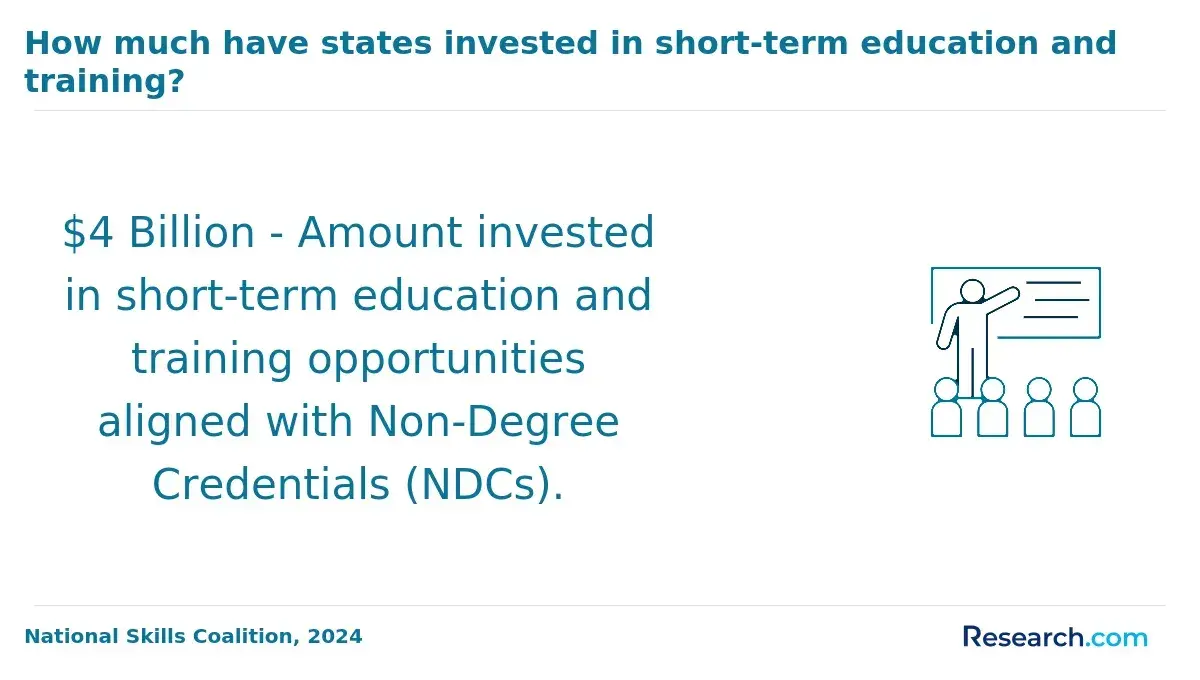
You can pay for college senior year by combining financial aid, scholarships, family resources, savings, work income, tuition payment plans, employer support, and careful school selection. The goal is not just to get admitted; it is to choose an affordable path you can complete.
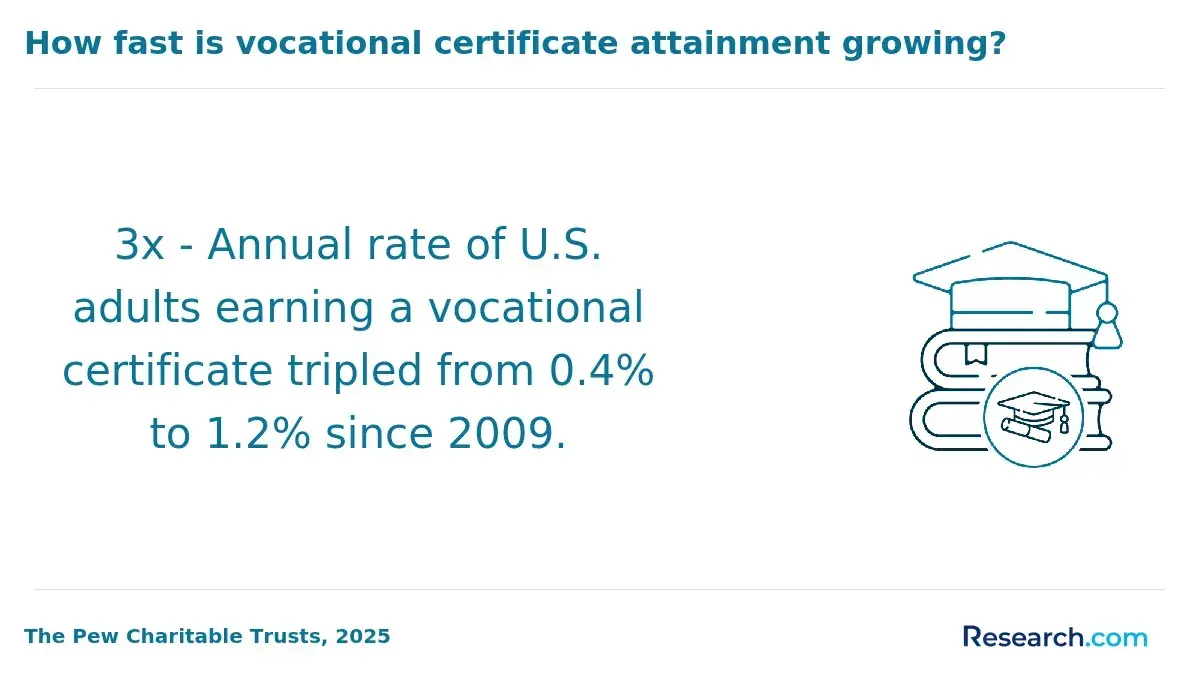
The FAFSA is the main gateway to federal grants, federal student loans, work-study, and many state or institutional aid programs. For 2025-26, the maximum Federal Pell Grant is $7,395. That amount can make a major difference for eligible students, but it may not cover the full cost of attendance, so families should compare net price rather than just tuition.
The table below shows major college cost categories. Looking at all of them helps prevent the common mistake of choosing a school based only on tuition.
| Cost category | What it includes | Why seniors should compare it |
| Tuition and fees | Instructional cost, required campus fees, online fees, lab fees, and program charges | This is the most visible price, but it is not the full cost. |
| Housing and food | Dorms, meal plans, rent, groceries, and utilities | Living arrangements can change total cost more than a small tuition difference. |
| Books, supplies, and equipment | Textbooks, software, uniforms, tools, devices, and lab materials | Technical, art, healthcare, and science programs may have higher equipment costs. |
| Transportation | Gas, transit, parking, flights, car maintenance, or commuting costs | A nearby school is not always cheaper if commuting costs are high. |
| Opportunity cost | Income you may give up by studying full time instead of working more hours | This matters for students supporting themselves or their families. |
Students looking for lower-cost options should compare local community colleges, in-state public universities, transfer pathways, online programs, and schools with strong need-based or merit aid. A list of the cheapest online colleges can be a useful starting point, but affordability should always be checked against accreditation, graduation support, transfer rules, and program outcomes.
Before borrowing, use a simple affordability checklist. These steps can help reduce debt and avoid aid surprises.
- File the FAFSA and any required state or institutional aid forms as early as possible.
- Compare financial aid award letters by net cost, not by the total scholarship amount shown.
- Separate grants and scholarships from loans because loans must be repaid with interest.
- Ask whether scholarships renew automatically or require a minimum GPA, major, enrollment level, or campus residency.
- Estimate monthly loan payments before accepting debt, especially if your intended career has modest entry-level pay.
- Appeal or ask for reconsideration if your family's finances changed due to job loss, medical costs, divorce, disaster, or other documented circumstances.
What should you do to prepare for campus or online college?
Preparing for campus or online college means building the habits, documents, technology, and support systems you will need before classes start. Many students focus on admission and then underestimate the transition, especially when they will manage their own schedule, money, transportation, assignments, and communication with instructors.
Campus students should prepare for housing, meal plans, placement tests, transportation, campus safety, health forms, and roommate expectations. Online students should prepare for learning platforms, reliable internet, time management, proctored exams, and self-directed communication. Both formats require independence, but they create different challenges.
The table below compares campus and online preparation. It can help you choose a format that matches how you learn and what support you need.
| Factor | Campus college | Online college |
| Schedule structure | Class times and campus routines provide built-in structure | More flexibility, but procrastination can become a serious problem |
| Support access | Advising, tutoring, clubs, libraries, and offices may be physically nearby | Support may be available virtually, but students must seek it proactively |
| Cost pattern | Housing, meal plans, and transportation can increase total cost | Commuting and housing costs may be lower, but technology and fees still matter |
| Social environment | Easier access to in-person events, study groups, and campus jobs | Requires more intentional networking through discussion boards, virtual events, or local experiences |
| Best fit | Students who want face-to-face structure and campus life | Students who need flexibility for work, family, health, location, or commuting limits |
Some students use online learning to accelerate a credential, especially if they already have transfer credits, strong study habits, or a clear career goal. If you are exploring an associate degree in 6 months online, confirm whether the program is designed for students with prior credits or whether the timeline assumes an unusually heavy course load.
Use the months before enrollment to get ready academically and practically. These steps are especially important for first-generation students, working students, and anyone moving away from home.
- Set up your student portal, school email, multi-factor authentication, and learning management system before orientation.
- Complete placement testing, advising appointments, immunization forms, disability accommodation requests, and final transcript submissions by the deadline.
- Create a weekly calendar that includes class time, study blocks, work hours, commuting, meals, sleep, and exercise.
- Find tutoring, writing help, mental health support, financial aid contacts, and academic advising before you need them.
- Build a first-semester budget that includes books, transportation, food, personal expenses, and emergency costs.
How do you compare accredited schools and programs?
Comparing accredited schools and programs is one of the most important senior-year decisions because accreditation affects financial aid, transfer credit, graduate school eligibility, employer recognition, and licensure in some fields. A school can look polished online and still be a poor fit if it lacks the right recognition, support, or outcomes for your goal.
Institutional accreditation applies to the whole college or university. Programmatic accreditation applies to specific programs, such as nursing, education, engineering, social work, business, counseling, or allied health. Not every major requires programmatic accreditation, but when a career involves licensure or certification, the specific program approval can be critical.
The table below lists the most useful comparison factors. It is designed to help you evaluate quality and fit beyond rankings or advertisements.
| Comparison factor | What to check | Why it matters |
| Institutional accreditation | Whether the college is accredited by a recognized accreditor | It often affects federal aid eligibility, transfer credit, and credibility. |
| Programmatic accreditation or approval | Whether the specific major meets field standards | It can affect licensure, certification, clinical placement, or employer acceptance. |
| Transfer policy | How credits transfer in and out | Weak transfer policies can increase time and cost if you change schools. |
| Graduation and retention support | Advising, tutoring, career services, mental health support, and early alerts | Support services can influence whether students persist when classes become difficult. |
| Total net cost | Cost after grants and scholarships, plus living and program expenses | A lower tuition rate is not always the lowest total cost. |
| Career alignment | Internships, clinicals, employer partnerships, portfolios, certifications, and job placement support | Programs should connect coursework to the outcome you want. |
Students who want the most manageable academic path should still avoid choosing only by perceived difficulty. A guide to the easiest degree to get can help you understand workload differences, but the best choice is a program you can finish, afford, and use for a realistic career or graduate-school plan.
Red flags deserve serious attention. If a school avoids clear answers, pressures you to enroll immediately, or cannot explain accreditation and total cost, slow down before signing anything.
- Do not enroll before verifying institutional accreditation through official databases or the school's accreditor listing.
- Do not assume online programs meet your state's licensure rules for teaching, nursing, counseling, social work, or other regulated fields.
- Do not rely only on rankings, social media, or ads; compare cost, completion support, transfer policies, and career fit.
- Do not ignore withdrawal, refund, and satisfactory academic progress rules because they can affect debt and future aid.
- Do not choose a major without checking whether it leads directly to work, requires graduate school, or mainly builds broad transferable skills.
What careers can you pursue after senior year?
After senior year, career options depend on whether you enter work directly, complete short-term training, earn an associate degree, pursue a bachelor's degree, or continue into graduate or professional study later. The best path is usually the one that connects your interests to a real labor market need and a credential level you are willing and able to complete.
Directly after high school, students often qualify for entry-level roles in retail, food service, hospitality, caregiving support, construction labor, warehousing, customer service, office support, and some public service or military pathways. These jobs can build income and experience, but advancement may require training, certifications, apprenticeships, or degrees.
The table below connects common post-senior-year pathways with career examples. It shows how education level shapes options without implying that every student needs the same route.
| Education or training path | Career examples | Good fit for students who |
| High school diploma plus employer training | Customer service representative, sales associate, warehouse associate, administrative assistant, hospitality worker | Need income quickly and want to build experience while exploring longer-term options |
| Apprenticeship or trade training | Electrician apprentice, HVAC technician trainee, welder, automotive technician, plumbing apprentice | Prefer hands-on work and want training tied to a specific occupation |
| Short certificate | Medical assistant, phlebotomy technician, IT support trainee, dental assistant, bookkeeping assistant | Want a focused credential that may lead to entry-level work faster than a degree |
| Associate degree | Registered nurse pathway, radiologic technologist, paralegal, engineering technician, web developer support role | Want a two-year credential, transfer route, or career-focused technical program |
| Bachelor's degree | Teacher, accountant, software developer, marketing specialist, engineer, social services professional | Are preparing for careers where a four-year degree is required or strongly preferred |
AI and automation are changing entry-level work, especially in office support, customer service, marketing, coding support, and data tasks. That does not mean students should avoid these fields, but it does mean they should build skills that are harder to automate: communication, judgment, problem-solving, ethical decision-making, hands-on technical ability, and the ability to use AI tools responsibly.
Students can prepare for career growth even before choosing a major. The following actions help build employability across many fields.
- Create a resume that includes school projects, work, volunteering, leadership, technical skills, certifications, languages, and reliable attendance.
- Use summer work, internships, job shadowing, or volunteering to test whether a career feels realistic day to day.
- Learn basic digital skills, including spreadsheets, email etiquette, file management, cybersecurity awareness, and responsible AI use.
- Ask employers or program advisors which credentials are actually valued for entry-level hiring in your area.
- Choose electives or first-year college courses that keep more than one career option open if you are undecided.
How do salary and job outlook affect your choice?
Salary and job outlook should affect your senior-year choice, but they should not be the only factors. A high-paying field may be a poor fit if you dislike the work, cannot complete the required training, or would need debt that feels unmanageable. A lower-paying field may still be reasonable if costs are low, demand is stable, and the work matches your strengths and values.
Use salary data as a planning tool, not a promise. The BLS median annual wage for all U.S. workers was $49,500 in May 2024, so career paths above or below that figure should be evaluated alongside education cost, local wages, benefits, schedule stability, and advancement opportunities. Entry-level pay can be lower than the median, and wages vary by region, industry, union status, employer, experience, and credentials.
The table below shows how to interpret salary and outlook information when comparing options. It can help you avoid overvaluing one number.
| Factor | What it tells you | How to use it |
| Median wage | The midpoint wage for workers in an occupation | Use it to compare occupations, but remember it is not an entry-level guarantee. |
| Job outlook | Projected employment growth or decline over time | Use it to understand demand, but also check local hiring conditions. |
| Education requirement | The credential usually needed to enter a field | Compare the required investment with the likely career benefits. |
| Licensure or certification | Whether a state, employer, or industry requires formal approval | Confirm rules before choosing an online, out-of-state, or accelerated program. |
| Advancement path | How workers move into higher pay or responsibility | Look for careers where experience, credentials, or further education can build mobility. |
A practical return-on-investment review should combine numbers with personal fit. Students should ask whether they can complete the program, afford the cost, tolerate the work environment, and see a path from entry-level roles to better opportunities.
Before making a final decision, compare career options using these questions.
- What is the typical education or training requirement for the job I want, and is there a lower-cost route to the same credential?
- What is the entry-level pay in my region, not just the national median?
- How much debt would I need, and what monthly payment could I realistically handle?
- Does the field require a license, background check, clinical hours, apprenticeship hours, portfolio, or certification exam?
- What tasks would I do every week, and do those tasks match my strengths and interests?
- How might AI, automation, regulation, or local industry demand change this job over the next several years?
Other Things You Should Know About
Yes. Colleges may review senior-year courses, midyear grades, and final transcripts. A serious drop in performance can affect admission, scholarships, or placement, especially at selective schools or competitive programs.
You can take a balanced schedule, but avoid dropping core academic courses if your target colleges or majors expect them. The safest plan is to meet graduation requirements while keeping enough rigor to stay prepared.
Choose a structured next step rather than drifting. Consider community college, career counseling, job shadowing, apprenticeships, part-time work with training, or a planned gap year with goals, deadlines, and a budget.
Not automatically. Compare net cost, accreditation, transfer policies, support services, completion likelihood, and career fit. The cheapest option is only a good value if it helps you finish and move toward your goal.
References
- Which Career Path Is Right for You After High School? 4 Best Options https://www.bridgeyear.org/career-path-after-high-school/
- What Grade is Senior Year? https://empowerly.com/faq/what-grade-is-senior-year/
- 5 Tips to Help You Prepare for Online Colleges and Courses https://www.aiuniv.edu/blog/2014/december/5-tips-to-prepare-for-online-colleges-and-classes
- Preparing for College: Senior Year Checklist - National Association for College Admission Counseling (NACAC) https://www.nacacnet.org/preparing-for-college-senior-year-checklist/
- Planning Your Senior Year Courses https://greatcollegeadvice.com/blog/what-courses-should-a-high-school-senior-take/
- Final Steps to College: A Guide for High School Seniors https://educationquest.org/blog/final-steps-to-college-a-guide-for-high-school-seniors/
- Ranking Methodology | Accredited Schools Online https://www.accreditedschoolsonline.org/methodology/
- CHEA - Find Accredited Higher Education Institutions & Programs https://www.chea.org/directories
- The High School Seniors’ College Application Checklist https://parchment.co.uk/blog/the-high-school-seniors-college-application-checklist/
- College Application Deadlines for 2025-2026 | Ascent Funding https://www.ascentfunding.com/blog/college-application-deadlines-you-need-to-know/