2027 What to Do After You Get Accepted to College

Co-Founder and Chief Data Scientist
Getting accepted to college is exciting, but the real decision starts after the offer arrives. College Board reported an average 2024-25 published tuition and fees of $11,610 for in-state public four-year colleges and $43,350 for private nonprofit four-year colleges, so small choices can have major financial effects.
This guide is for students and families deciding between offers, aid packages, housing options, and academic paths. You will learn how to compare colleges, protect your money, meet deadlines, and start college with a clearer plan.
Key Things You Should Know
- Compare the total cost of attendance, not just tuition: College Board's 2024-25 averages show a wide gap between in-state public four-year tuition and fees at $11,610 and private nonprofit four-year tuition and fees at $43,350.
- Financial aid can change the real price significantly: the maximum Federal Pell Grant for the 2024-25 award year is $7,395, but grants, scholarships, loans, work-study, and housing costs vary by school.
- Use your acceptance period to check fit and outcomes: BLS "Education Pays" data shows bachelor's degree holders had median usual weekly earnings of $1,543 in 2024, but earnings vary widely by major, occupation, location, and experience.
What key steps should you take immediately after receiving a college acceptance?
After you receive a college acceptance, your first priority is to slow down, verify the details, and organize every deadline. An acceptance letter is not the same as being fully enrolled; you still need to accept or decline the offer, review aid, complete forms, and sometimes meet conditions such as final transcript requirements.
Use the first week after acceptance to create a decision file for each college. This prevents missed deposits, overlooked scholarship terms, or confusion between admitted-student portals.
- Read the full acceptance letter and note whether the offer is regular admission, conditional admission, waitlist-adjacent, honors admission, or admission to a specific major.
- Log in to the student portal and record required next steps, including enrollment forms, financial aid tasks, housing applications, health records, and placement testing.
- Save the deadline for accepting admission, which is often May 1 for first-year students but can be earlier for rolling admissions, scholarships, housing, or special programs.
- Compare the financial aid offer against the school's full cost of attendance, including housing, meal plans, books, transportation, personal expenses, and fees.
- Ask admissions whether your admission depends on maintaining grades, submitting final transcripts, completing prerequisites, or passing background checks for certain programs.
- Visit campus or attend a virtual admitted-student event before making a final choice, especially if you are deciding between similar offers.
A common mistake is celebrating the acceptance and waiting too long to act. The better approach is to treat the acceptance as the start of a short project: confirm facts, compare costs, ask questions, and keep written records of every answer you receive.
How do you compare multiple college acceptances to choose the best fit?
When you have more than one acceptance, the best college is not automatically the highest-ranked or most recognizable school. The right fit is the option that best balances affordability, academic quality, major access, graduation support, location, student life, and your career goals.
The table below summarizes the decision factors that matter most when comparing acceptances. Use it to identify where each school is strong, where it creates risk, and which trade-offs you are willing to accept.
| Comparison factor | What to look for | Why it matters |
| Net cost | Cost of attendance minus grants and scholarships, not including loans | This shows the real amount your family must cover through savings, income, loans, or work. |
| Major access | Direct admission to the major, pre-major status, GPA gates, portfolio reviews, or competitive progression | You may be admitted to the college but not guaranteed entry into a high-demand program. |
| Graduation support | Advising availability, tutoring, first-year seminars, retention programs, and course availability | Strong support can help you stay on schedule and avoid paying for extra semesters. |
| Location and format | Commute, residential life, internship access, online options, and family responsibilities | A good academic option may still be a poor fit if the daily logistics are not realistic. |
| Career preparation | Internships, co-ops, licensing exam preparation, employer partnerships, and alumni outcomes | The strongest choice connects your education to the work you want to do after graduation. |
To compare offers fairly, build a simple spreadsheet with one row per school and one column for each factor above. If affordability is the deciding issue, compare your admitted options with lower-cost alternatives as well; researching the cheapest online university options can help you understand whether a flexible, lower-cost path would meet the same degree goal.
Be careful with rankings. Rankings can be useful for broad context, but they rarely reflect your exact major, aid package, transfer credits, commute, support needs, or career plan. A lower-ranked school with strong advising, guaranteed major access, and less debt may be the smarter decision than a more famous school that stretches your budget.
What should you do to review and negotiate financial aid and scholarships?
Financial aid is one of the most important parts of the post-acceptance process because the aid letter tells you what college may actually cost. It usually includes grants, scholarships, federal loans, possible work-study, and sometimes parent loans, but schools do not always present these categories in the same format.
Before you accept an offer, separate gift aid from borrowed money. This is the fastest way to see whether a college is affordable or simply offering more loans.
- Grants and scholarships: These are usually the best forms of aid because they generally do not need to be repaid, but you should check GPA, enrollment, residency, and renewal requirements.
- Federal student loans: These can help cover costs, but they are debt and should be compared against expected monthly payments after graduation.
- Work-study: This is not an upfront discount; it is eligibility to earn wages through approved part-time work, often after you find a position.
- Parent PLUS loans or private loans: These can fill gaps but may increase family risk, especially if the total four-year cost is unclear.
The maximum Federal Pell Grant for the 2024-25 award year is $7,395, which can make a major difference for eligible students. However, a Pell Grant alone often does not cover the full cost of attendance, so you still need to calculate housing, transportation, food, books, and fees.
If your financial situation changed, ask for a professional judgment or financial aid appeal. Schools may review job loss, medical expenses, divorce, death of a parent or guardian, unusually high dependent care costs, or other documented circumstances, but they are not required to increase aid.
Use this negotiation and review sequence before committing to a school:
- Download each financial aid offer and identify the net price after grants and scholarships.
- Remove loans from the "discount" calculation so you can see the real gift aid amount.
- Check whether scholarships renew automatically or require a minimum GPA, major, full-time status, or campus residency.
- Ask the financial aid office to explain any unclear fees, estimated costs, or aid that appears only for the first year.
- Submit an appeal if your FAFSA information does not reflect your current financial reality.
- Request written confirmation of any revised award before paying a nonrefundable enrollment deposit.
A red flag is an offer that looks generous only because it includes large loans. Another warning sign is a scholarship that is difficult to renew because the GPA requirement is much higher than the program's average first-year performance.
How do you confirm your enrollment, pay deposits, and secure housing?
Once you choose a college, you need to formally confirm enrollment. This typically means accepting the offer in the portal, paying an enrollment deposit, submitting housing preferences, and completing any required forms before the deadline.
Deposits are important because they often reserve your seat in the incoming class, but they may be nonrefundable. Before paying, confirm that you understand the school's refund policy, housing policy, and whether a separate orientation or housing deposit is required.
Most students should complete these enrollment tasks in order:
- Accept the offer in the admitted-student portal and save the confirmation page or email.
- Pay the enrollment deposit or request a deposit waiver if the cost creates a financial barrier.
- Decline other admission offers politely after you are sure your chosen college is financially and academically workable.
- Submit the housing application, roommate questionnaire, and meal plan preferences if you plan to live on campus.
- Review housing contract terms, including cancellation deadlines, residency requirements, break housing, and room-change rules.
- Send final high school or college transcripts by the deadline stated in your portal.
If you are waitlisted elsewhere, be strategic. You can usually commit to one college while remaining on another school's waitlist, but you may lose your original deposit if you later switch. Avoid double-depositing at multiple colleges unless a school explicitly permits it, because it can violate admission policies and create unnecessary costs.
Housing deserves early attention because room selection can be tied to the date you submit your application or deposit. If you need disability accommodations, gender-inclusive housing, year-round housing, or a quiet living environment, contact housing and accessibility services as early as possible.
What deadlines, paperwork, and student portal tasks must you complete before starting college?
Your student portal becomes your command center after acceptance. Colleges use it to assign tasks, collect documents, display aid updates, schedule advising, and notify you about missing requirements.
The exact checklist varies by institution, but most accepted students should expect several categories of paperwork and online tasks. Missing one can delay course registration, aid disbursement, housing assignment, or campus access.
- Final transcripts: Send final high school transcripts, dual-enrollment transcripts, AP or IB scores, and any prior college records.
- Financial aid documents: Complete FAFSA corrections, verification forms, loan entrance counseling, master promissory notes, or scholarship acceptance forms if required.
- Health and immunization records: Submit required vaccination records, health insurance forms, tuberculosis screening, or medical history forms.
- Placement and testing: Complete math, writing, language, or chemistry placement requirements if your school uses them.
- Student account setup: Activate email, multifactor authentication, emergency alerts, billing access, and authorized payer permissions.
- Legal and conduct forms: Review student conduct policies, privacy releases, consent forms, and residency classification documents.
Students entering with transfer credits should pay special attention to transcript deadlines because late credit evaluations can affect course registration. If your plan changes and you decide to complete lower-division credits first, exploring a fast track associates degree online can help you compare whether an accelerated transfer-oriented route makes more sense before committing to a four-year pathway.
A practical way to stay organized is to create a deadline calendar with reminders two weeks, one week, and two days before each due date. Include the office responsible for each task, the date submitted, and a screenshot or confirmation number.
How do online, hybrid, and campus-based options differ for your accepted programs?
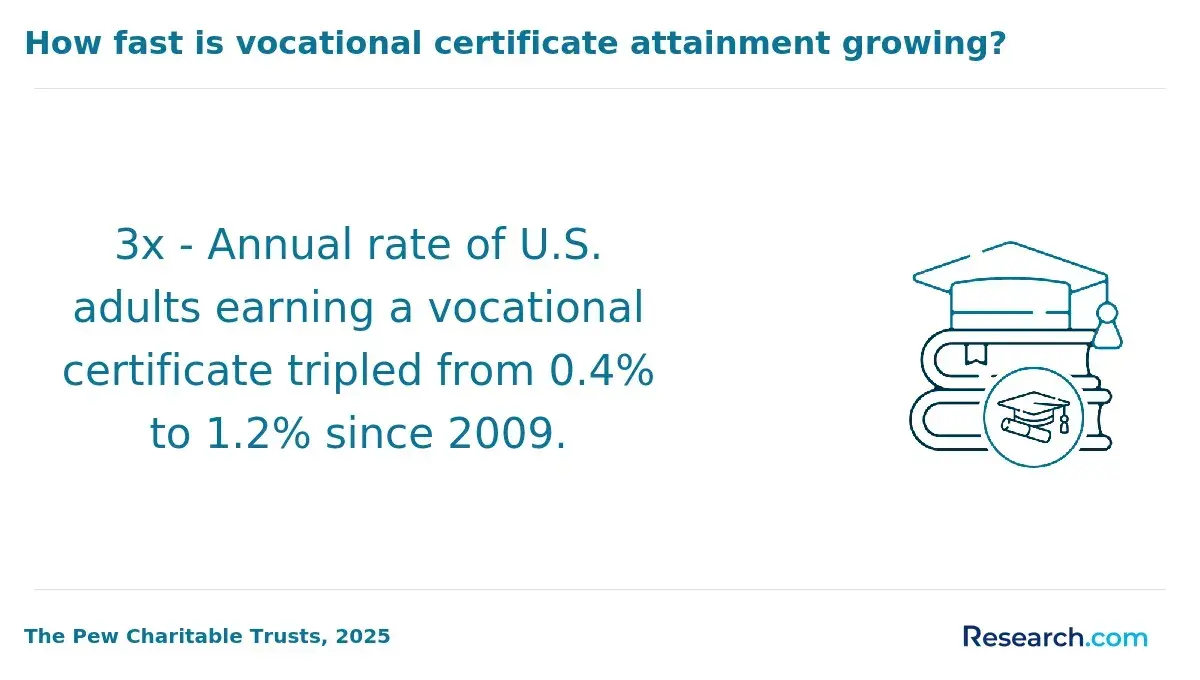
Accepted students are increasingly choosing between campus-based, hybrid, and online versions of the same or similar programs. The best format depends on your learning style, schedule, major requirements, budget, and need for campus resources.
The table below compares common delivery formats so you can decide whether the admitted program matches how you actually learn and live. This is especially important if you work, commute, care for family, or need labs, studios, clinical placements, or internships.
| Program format | Best fit | Possible drawback |
| Campus-based | Students who want in-person classes, residential life, labs, studios, athletics, and frequent face-to-face support | Housing, transportation, and schedule rigidity can increase total cost and reduce flexibility. |
| Hybrid | Students who want some campus interaction but need fewer weekly trips to campus | Required meeting times may still conflict with work, caregiving, or travel. |
| Fully online synchronous | Students who need remote access but benefit from live class meetings and direct interaction | Live attendance requirements can be difficult across work shifts or time zones. |
| Fully online asynchronous | Students who need maximum scheduling flexibility and can manage deadlines independently | Less structure can be challenging without strong time-management habits. |
If you are deciding whether to switch from a campus offer to an online option, check whether the online program has the same accreditation, faculty oversight, student services, and transcript language as the campus program. Working adults or transfer students who need a shorter path may also want to compare accelerated online bachelor degree programs accredited to see whether the timeline and support model fit their goals.
Online does not automatically mean easier, cheaper, or lower quality. The strongest online programs clearly explain weekly workload, technology requirements, exam proctoring, internship support, transfer policies, and whether out-of-state students can complete any required fieldwork or licensure components.
What should you do to verify accreditation and program quality at your chosen college?
Accreditation is a quality assurance process in which an external agency reviews a college or program against established standards. For students, accreditation matters because it can affect federal financial aid eligibility, transfer credit acceptance, graduate school admission, employer recognition, and professional licensure.
There are two levels to understand. Institutional accreditation applies to the college or university as a whole, while programmatic accreditation applies to specific fields such as nursing, education, engineering, business, social work, counseling, or allied health.
Before enrolling, verify quality using this sequence:
- Confirm that the institution is listed in the U.S. Department of Education's Database of Accredited Postsecondary Institutions and Programs or the accreditor's own directory.
- Check whether your major requires programmatic accreditation for licensure, certification, graduate admission, or employer eligibility.
- Ask whether the program meets requirements in the state where you plan to work, especially for teaching, nursing, counseling, social work, and health professions.
- Review graduation rates, retention rates, licensure exam pass rates, transfer outcomes, and job placement information when available.
- Look for signs of stability, such as clear leadership, transparent policies, student complaint processes, and consistent course availability.
A serious red flag is a school that pressures you to enroll quickly while giving vague answers about accreditation or licensure. Another is a program that says it "prepares" you for a licensed field but will not confirm whether it satisfies state requirements.
Quality also includes academic fit. Ask whether introductory courses are taught by qualified faculty, how advising works, whether students can access tutoring, and how often required courses are offered. A program can be accredited and still be a poor match if it lacks the support you need to finish on time.
How can you use orientation, advising, and placement tests to plan your first-year schedule?
Orientation, advising, and placement tests shape your first-year schedule, so take them seriously. These steps determine which classes you can take, how transfer or exam credits apply, and whether you start in college-level math, writing, language, or science courses.
Your goal is not just to register for any full schedule. Your goal is to build a first term that satisfies degree requirements, protects your GPA, and leaves room for adjustment as you learn how college workload feels.
- Orientation: Use it to learn registration systems, financial aid processes, campus safety procedures, support services, student conduct rules, and ways to get involved.
- Academic advising: Ask which courses are required for your major, which are only recommended, and which must be taken in a sequence.
- Placement testing: Prepare seriously because placement can affect whether you begin in credit-bearing courses or need prerequisite support.
- Transfer and exam credit review: Confirm how AP, IB, dual-enrollment, CLEP, military, or previous college credits count toward your degree.
- Schedule balance: Avoid stacking several high-demand courses with labs, heavy reading, or major projects in your first term.
Ask your advisor to show you a degree map from the first semester to graduation. If you are already thinking about graduate school, research, or teaching careers, discuss prerequisite planning early; even resources about the easiest PhD to get are more useful when you first understand how undergraduate prerequisites, research experience, grades, and recommendations build over time.
A common first-year mistake is taking only "easy" general education courses without checking whether they apply to your program. Another is delaying math, writing, or gateway science courses so long that they block later major requirements.
How do you research career paths, salaries, and job outlook tied to your major choice?
Your major is not a contract for one job, but it does shape your skills, internships, graduate school options, and early career opportunities. After acceptance, use the time before enrollment to connect your academic plan with real labor market information.
BLS "Education Pays" data shows bachelor's degree holders had median usual weekly earnings of $1,543 in 2024, but that number is a broad benchmark rather than a prediction for any individual student. Major, occupation, region, internships, licensure, graduate education, and labor market conditions can all change outcomes.
The table below gives examples of how different majors can connect to occupations, using BLS Occupational Outlook Handbook figures for U.S. roles. Treat these as planning signals, not guarantees.
| Possible major direction | Example occupation | BLS median annual wage | Projected job growth |
| Computer science or software-related fields | Software developer | $132,270 | 17% from 2023 to 2033 |
| Nursing or health sciences | Registered nurse | $86,070 | 6% from 2023 to 2033 |
| Accounting or business | Accountant or auditor | $79,880 | 6% from 2023 to 2033 |
| Social work or human services | Social worker | $58,380 | 7% from 2023 to 2033 |
To research your own major, look at three layers: the degree requirements, the entry-level roles tied to that field, and the experience employers expect. Some majors require internships or portfolios, while others require licensure exams, graduate school, or supervised clinical hours.
Students who want quicker workforce skills alongside a degree can also compare short certificate programs that pay well online, especially in areas such as technology, project management, healthcare support, bookkeeping, or digital marketing. A certificate is not always a substitute for a degree, but it can sometimes add job-ready skills while you complete college.
Ask career services these questions before your first semester:
- Which employers recruit students in my major, and for what roles?
- When should I start applying for internships, clinical placements, research assistant roles, or co-ops?
- What software, lab, writing, data, communication, or licensing skills should I build early?
- Do graduates in this major typically go straight to work, attend graduate school, or pursue certification?
- What salary data does the school collect, and how many graduates are represented in that data?
One red flag is choosing a major based only on a high salary headline. A better approach is to compare the work itself, required credentials, local job market, academic difficulty, and your ability to build experience before graduation.
What preparations should you make before move-in day to ease the transition to college life?
Preparing for move-in is partly logistical and partly emotional. The transition is easier when you know what to bring, how to manage money, where to get help, and what to expect during the first few weeks.
Start by separating essentials from extras. Dorm rooms are small, and buying too much before you understand the space can waste money.
- Documents: Bring a government ID, health insurance card, emergency contacts, financial aid information, prescriptions, and copies of important records.
- Room basics: Pack bedding, towels, laundry supplies, weather-appropriate clothing, chargers, storage items, and any approved small appliances.
- Academic tools: Confirm laptop requirements, software access, calculator needs, lab supplies, textbooks, and whether digital materials are included in course fees.
- Health and safety: Know how to access campus health services, counseling, disability accommodations, emergency alerts, and after-hours support.
- Money plan: Set a monthly budget for food outside the meal plan, transportation, personal items, entertainment, and unexpected expenses.
Before move-in day, contact your roommate if you have one and decide who is bringing shared items. Also review prohibited items, parking rules, arrival times, elevator reservations, and family departure expectations.
The first month can feel overwhelming even for students who are excited to be there. Plan to attend classes from day one, introduce yourself to instructors, locate tutoring centers, and join at least one club, study group, or campus activity. Belonging is not automatic; it is built through repeated small actions.
If you commute or study online, your transition still needs structure. Create a study schedule, identify a quiet workspace, learn how to reach advisors and professors, and set boundaries with work or family so college time is protected.
Other Things You Should Know About
Read the full acceptance letter, log in to the admitted-student portal, and record every deadline. Then review the financial aid offer before paying any deposit.
Usually no. Many first-year students have until the stated reply deadline, often May 1, but some scholarships, housing applications, honors programs, and rolling-admission offers may have earlier deadlines.
Yes. You can request a financial aid appeal if your family's finances changed or if the aid offer does not reflect special circumstances. Provide documentation and ask for any revised award in writing.
Not automatically. Compare net cost, major access, accreditation, support services, career preparation, graduation requirements, and fit. The best choice is the school that helps you reach your goal at a manageable cost and risk level.
References
- How to secure housing q- enroll or no? https://talk.collegeconfidential.com/t/how-to-secure-housing-q-enroll-or-no/3657686
- Know the Difference Between In-Person, Online, Virtual & Hybrid Classes https://www.pima.edu/news/announcements/general-announcements/types-of-classes.html
- 10 step guide to choosing the right college https://www.citizensbank.com/student/articles/how-to-choose-a-college.aspx
- Complete College Application Timeline for January 2026 https://empowerly.com/applications/college-application-timeline-january/
- Negotiating more aid from a college admissions offer. How universities need to increase yield. — CTK College Coach https://www.ctkcollegecoach.com/college-admissions-blog/asking-for-more-money
- June Checklist for Soon-to-Be College Freshmen https://www.fastweb.com/college-search/articles/june-checklist-for-soon-to-be-college-freshmen
- College Application Checklist & Important Deadlines | College Essay Guy https://www.collegeessayguy.com/guides/family-handbook/checklist-deadlines
- Online vs Hybrid vs Campus Learning in Healthcare: Which Is Right for You? https://www.edumed.org/articles/online-vs-hybrid-vs-campus/
- Steps to Finding the Right Accredited Institution https://www.ieac.org.uk/26-Steps-to-Finding-the-Right-Accredited-Institution-blog.php
- About Accreditation | Council for Higher Education Accreditation https://www.chea.org/about-accreditation