
Most Affordable Veterinary Assistant Schools & Training - Budget-Friendly Veterinary Assistant Trade Programs in Tennessee for 2026

Co-Founder and Chief Data Scientist
Choosing the right veterinary assistant trade school in Tennessee can feel overwhelming. To help, this article features a veterinary assistant trade school programs ranking created by the Research.com team of data scientists. It highlights programs that offer quality education at affordable prices.
Whether you’re starting a new career or seeking certification, earning a diploma as a veterinary assistant opens doors to rewarding job opportunities. Reading this guide will give you clear, trustworthy information to confidently select a school that fits your goals and budget.
Your future in animal care starts here.
Key benefits of finishing veterinary assistant trade school in Tennessee
- Graduates of veterinary assistant trade schools in Tennessee can expect salaries ranging from about $30,000 to over $38,000 per year, with experienced assistants earning even more, offering a promising start to a rewarding career.
- A typical graduate from a popular Tennessee trade school often finds job opportunities not only as veterinary assistants but also in animal care facilities, clinics, and pet hospitals, providing diverse career paths to explore.
- Completing a veterinary assistant program online can offer flexible scheduling and faster completion times, as seen with graduates from well-known online trade schools, making it easier to balance studies with personal commitments.
What can I expect from veterinary assistant trade schools in Tennessee?
Enrolling in a veterinary assistant trade school program in Tennessee means immersing yourself in a carefully structured curriculum that covers everything from veterinary terminology to animal anatomy and physiology. Graduates from schools like Vol State Community College often describe the experience as intense but rewarding, with hands-on training that brings classroom lessons to life through practical skills such as aseptic techniques in surgical settings and animal husbandry.
Many students appreciate how programs at Tennessee College of Applied Technology in Memphis blend theory with real-world practice, including internships that build confidence in communication and recordkeeping-skills essential for thriving in clinics or animal shelters. The day-class format and full-time schedules help create a focused learning environment, while some students find part-time options useful for balancing other responsibilities.
Expect to meet prerequisite requirements before advancing to clinical coursework, which builds your expertise gradually. The financial investment feels worthwhile to many, especially knowing programs here boast strong job placement rates. Graduates often recall feeling prepared and optimistic stepping into their first roles, equipped with both knowledge and practical experience.
Where can I work after finishing veterinary assistant trade schools in Tennessee?
Graduates of veterinary assistant trade schools in Tennessee often find themselves welcomed into a wide range of animal care roles across the state. Many start their careers in private veterinary clinics or animal hospitals in cities like Nashville or Knoxville, where they assist veterinarians with everything from handling pets to preparing surgery areas. Others share how working at emergency veterinary centers or specialty practices gave them hands-on experience that deepened their love for animal care and boosted their confidence.
Some graduates discover fulfilling positions in animal shelters or rescue organizations, where daily tasks include caring for animals, supporting adoption events, and keeping facilities clean. These roles provide a strong sense of purpose and connection to the community. Additionally, trade school alumni often find opportunities in research labs or pet boarding facilities, expanding their skills with medication administration and animal supervision.
Many graduates appreciate that Tennessee's growing demand for veterinary assistants means entry-level jobs are accessible even without prior experience. This supportive environment allows newcomers from popular trade schools to build rewarding careers with room to grow into roles like animal care technicians or pet groomers.
How much can I make after finishing veterinary assistant trade schools in Tennessee?
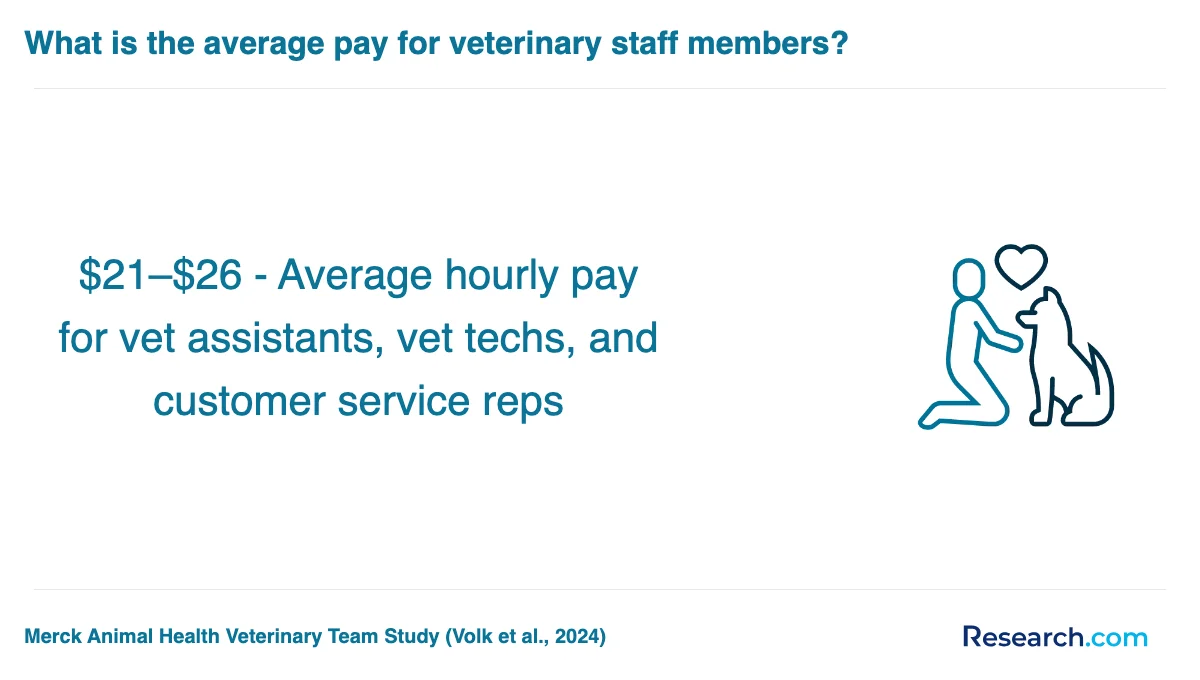
After finishing a veterinary assistant trade school program in Tennessee, many graduates find themselves earning between $30,000 to $38,000 per year. For example, those graduating from well-known Tennessee trade schools often share how their starting salaries typically hover around $32,000 annually, with hourly wages near $15. This initial pay gives a real sense of accomplishment and independence, especially when stepping into roles at local clinics or animal hospitals.
Some graduates working in busier metropolitan areas like Nashville have reported earning closer to $18.50 per hour, with specialized positions offering even higher pay, sometimes up to $25 to $29 hourly. These figures reflect the excitement many feel as they gain experience and certifications, seeing their dedication translate into better compensation.
Veterinary assistant alumni often describe the journey as rewarding-not just financially but emotionally-knowing their skills directly improve animal care. While entry-level salaries start modestly, steady growth is common as you build your expertise and reputation within Tennessee's veterinary community.
Most Affordable Veterinary Assistant Schools & Training - Budget-Friendly Veterinary Assistant Trade Programs in Tennessee for 2026
# 1 position
Volunteer State Community College - Veterinary/Animal Health Technology/Technician and Veterinary Assistant.
associateVolunteer State Community College offers a program in Veterinary/Animal Health Technology/Technician and Veterinary Assistant designed to prepare students for roles assisting veterinarians and animal health professionals. The curriculum covers animal nursing care, clinical procedures, radiology, anesthesiology, surgical assisting, and office administration. The program’s annual in-state tuition is $4,524 and it is accredited by the Southern Association of Colleges and Schools Commission on Colleges.
# 2 position
Columbia State Community College - Veterinary/Animal Health Technology/Technician and Veterinary Assistant.
associateColumbia State Community College offers a program in Veterinary/Animal Health Technology/Technician and Veterinary Assistant. The program trains students to assist veterinarians and specialists in patient care, clinical procedures, and owner communication. Instruction covers animal nursing, health, clinical pathology, radiology, anesthesiology, dental prophylaxis, surgical assisting, laboratory procedures, and office administration. Annual in-state tuition is $4,904. The program is accredited by the Southern Association of Colleges and Schools Commission on Colleges.
# 3 position
Chattanooga State Community College - Veterinary/Animal Health Technology/Technician and Veterinary Assistant.
associateChattanooga State Community College offers a program in Veterinary/Animal Health Technology/Technician and Veterinary Assistant that prepares students to assist veterinarians and animal health professionals. The curriculum covers animal nursing, clinical procedures, radiology, anesthesiology, surgical assisting, and office administration. The program has an annual in-state tuition of $4,550 and is accredited by the Southern Association of Colleges and Schools Commission on Colleges.
# 4 position
Lincoln Memorial University - Veterinary/Animal Health Technology/Technician and Veterinary Assistant.
associateLincoln Memorial University offers a Veterinary/Animal Health Technology/Technician and Veterinary Assistant program designed to prepare students for roles assisting veterinarians and other animal health professionals. The curriculum covers animal nursing care, clinical procedures, radiology, anesthesiology, surgical assisting, and office administration. The program’s annual in-state tuition is $26,150. It is accredited by the Southern Association of Colleges and Schools Commission on Colleges.
Key Findings
- Tennessee veterinary assistant programs usually require a high school diploma or equivalent and may need placement tests in reading and writing.
- Certificate programs take about 7 to 12 months to complete, depending on whether attendance is full- or part-time.
- Curriculum covers veterinary terminology, animal anatomy, nutrition, recordkeeping, diseases, and includes hands-on externships.
- Tuition and fees at public schools average around $5,500, with potential variations at private or out-of-state schools.
- Entry-level salaries range from $27,000 to $31,000 annually, with experienced assistants earning up to $36,000 or more.
- Programs with NAVTA approval and national certification can boost job prospects and lead to advancement opportunities.
How long does it take to complete veterinary assistant trade schools in Tennessee?
Completing a veterinary assistant trade school program in Tennessee typically takes between six months to one year, depending on the specific school and course format. Many graduates from well-known Tennessee trade schools share how this timeframe felt both challenging and rewarding, allowing them to quickly enter the workforce with practical skills.
For example, students often recall their hands-on training in animal care labs and externships at local veterinary clinics, which helped solidify their confidence within months. This real-world experience makes the duration feel purposeful and engaging rather than just academic.
In bustling cities like Nashville or Memphis, trade schools offer accelerated programs that fit busy schedules, enabling students to balance studies with personal commitments. Graduates express a sense of accomplishment finishing their programs swiftly, often remarking on how the focused timeline kept motivation high and learning intense yet manageable.
Choosing a Tennessee trade school means embracing a program designed to get you ready for veterinary assisting roles efficiently, blending theory and practice over a concise, achievable period.
What's the difference between online and on-campus veterinary assistant trade school programs?
The main difference between online and on-campus veterinary assistant trade school programs in Tennessee lies in flexibility and hands-on experience. Graduates from online programs, such as those offered by Animal Behavior College or the University of Tennessee, often praise the ability to study at their own pace and start whenever their schedule allows. This flexibility is invaluable for those balancing work or family, making learning feel less stressful and more manageable.
Meanwhile, students attending on-campus programs like Volunteer State Community College in Gallatin often share how the structured schedule and in-person labs helped them build confidence quickly. The opportunity to practice animal care under direct supervision, alongside peers and instructors, creates a supportive environment where skills are honed through immediate feedback.
Both paths cover key topics like surgical assisting and lab procedures, but online learners appreciate tailoring externship locations, while on-campus students enjoy consistent access to campus resources. Deciding between the two often depends on personal learning style and life commitments, making either choice rewarding in its own way.
What is the average cost of veterinary assistant trade schools in Tennessee?
The average cost veterinary assistant programs Tennessee students encounter varies significantly depending on the type of institution and program format. For example, graduates from Tennessee College of Applied Technology (TCAT) Memphis often recall investing around $5,500 for their comprehensive 12-month program, which includes tuition, books, and fees. This hands-on experience not only built confidence but also led to a 100% job placement rate, deepening their satisfaction with the affordable yet thorough training.
At Volunteer State Community College, the cost is notably lower-approximately $3,800 for two semesters excluding books and supplies-but students emphasize the value of clinical practice integrated into their curriculum, making the investment worthwhile despite the need for additional expenses. This reflects the range of affordable veterinary assistant schools Tennessee 2026 offers, with tuition fees tailored to practical, career-focused education.
Some aspiring veterinary assistants opt for Lincoln Memorial University's two-year associate degree, where the tuition averages $21,000 annually, excluding room and board. While this is a higher total cost, many graduates appreciate the blend of general education with veterinary health science, offering a broader foundation for career growth. Those seeking flexibility often choose the University of Tennessee's fully online self-paced course, priced at $2,495, enabling students to start training at their own convenience.
To explore more options and discover the cheapest online veterinary technician trade school programs, Tennessee students should compare not just tuition but also the overall value, including job placement success and learning format. Carefully considering real-life experiences of past graduates helps in making an informed financial and educational decision.
What financial aid is available for veterinary assistant trade schools in Tennessee?
Veterinary assistant students in Tennessee often find financial aid options tailored to their unique educational paths. Graduates from popular trade schools like those in the Tennessee College of Applied Technology system recall how programs such as Tennessee Promise and Tennessee Reconnect helped ease tuition costs, especially when combined with other aid. Tennessee Promise, for example, supports recent high school grads by covering tuition gaps, while Tennessee Reconnect opens doors for adults returning to school without a degree.
Many students share relief at discovering private scholarships, like the Tuition for Vet Techs Scholarship, which, although primarily for veterinary technician students, sometimes extends support to veterinary assistant candidates at accredited schools. Others describe leveraging employer tuition reimbursement or local workforce grants to manage expenses, making education more accessible.
One graduate remembers setting up a manageable payment plan through their school, which transformed financial stress into focus on learning. These real-life solutions create a hopeful atmosphere for those pursuing veterinary assistant careers in Tennessee, proving that with the right guidance, funding is within reach.
What are the prerequisites for enrolling in veterinary assistant trade schools in Tennessee?
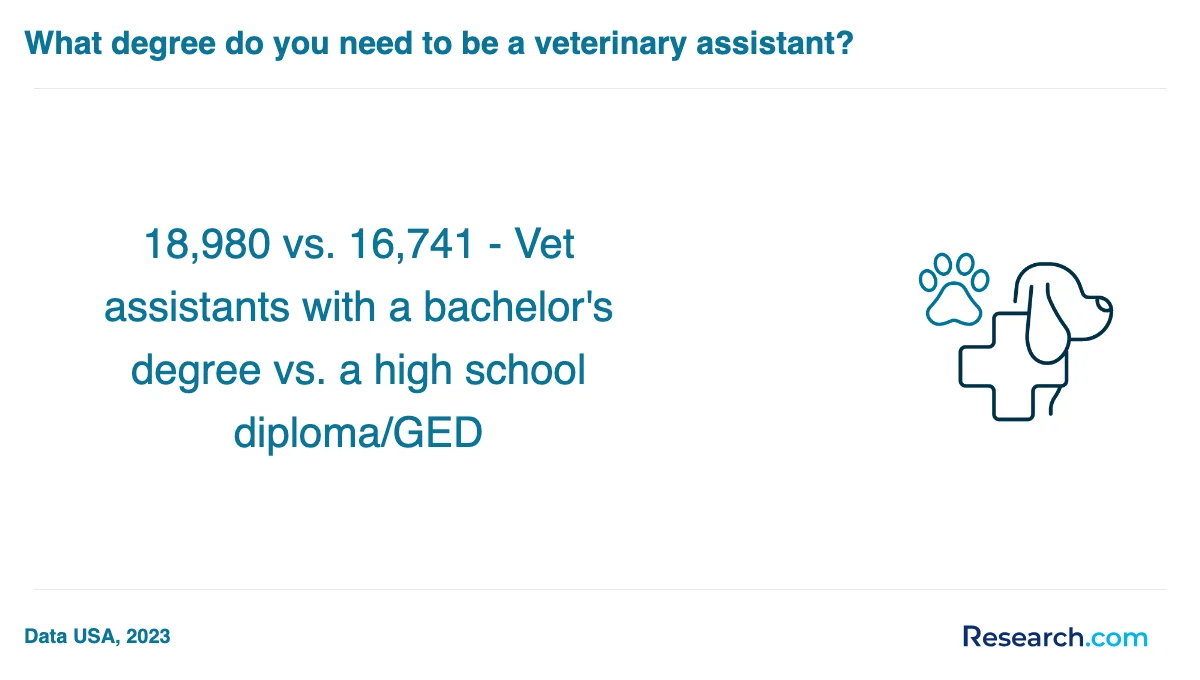
Enrolling in a veterinary assistant trade school program in Tennessee usually involves meeting a few straightforward prerequisites that help ensure students are prepared for the hands-on nature of the training. Most trade schools expect applicants to have a high school diploma or GED, which lays the foundational knowledge necessary for understanding animal care and basic medical concepts.
Graduates from popular Tennessee trade schools often reflect on how this requirement gave them confidence entering the program, knowing they had the essential academic skills. Additionally, many schools look for applicants who demonstrate a genuine passion for animals-this can be shown through volunteer work at shelters or prior experience in pet care.
Typical prerequisites include:
- High school diploma or GED
- Basic proficiency in reading and math
- Proof of immunizations or health clearances
- Background check in some programs
- Sometimes an interview or personal statement expressing motivation
One graduate shared how volunteering at a local animal shelter in Nashville helped them gain both confidence and a sense of purpose before starting classes. This real-world exposure not only inspired their studies but also aligned with the requirements of trade schools like those in Memphis and Chattanooga, where practical readiness is valued.
What are the typical courses in veterinary assistant trade schools in Tennessee?
Veterinary assistant trade school programs in Tennessee, such as those at the Tennessee College of Applied Technology in Memphis and Volunteer State Community College, offer a well-rounded curriculum that prepares students for real-world veterinary settings. Graduates often recall how courses like veterinary terminology and anatomy and physiology of animals clarified the complex language and structure of animal bodies, making hands-on work feel less intimidating.
Core subjects typically include:
- Veterinary assistant nursing, where students practice essential care techniques for both small and large animals.
- Hygiene and sanitation, teaching the meticulous cleaning routines that keep clinics safe and healthy.
- Animal nutrition and feeding, helping students understand diet plans tailored to different species.
- Animal diseases and treatments, which prepares students to recognize and respond to common illnesses.
- Clinical procedures and laboratory techniques, offering hands-on experience with restraint, diagnostics, and emergency care.
- Veterinary practice management and recordkeeping, which build confidence in the administrative side of the profession.
Many graduates describe the clinical externship as a highlight, where they applied classroom knowledge in real veterinary clinics, boosting their enthusiasm and readiness for entry-level roles. These courses, focused on practical skills and communication, make studying veterinary assisting in Tennessee both rewarding and empowering.
What are the available specializations in veterinary assistant trade schools in Tennessee?
Veterinary assistant trade school programs in Tennessee frequently offer tailored veterinary assistant specializations in Tennessee that reflect the state's diverse animal care demands. Many graduates speak highly of programs that go beyond basic animal care, equipping students with skills in specialized fields such as equine care, which is notably emphasized at institutions like the Tennessee College of Applied Technology in Knoxville. This specialization prepares students for roles in stables and large animal facilities, providing hands-on experience with horses in ways that truly build confidence and expertise.
Other typical areas within veterinary assistant programs Tennessee might focus on include animal anatomy, pharmacology, and clinical procedures, enabling students to engage fully in a variety of veterinary environments. Graduates have expressed enthusiasm about gaining practical skills through externships, which mirror real-world workflows and deepen their understanding.
For those passionate about the field but eager to start quickly, exploring the easiest trades that lead to high paying jobs alongside these programs can provide additional perspective on career opportunities.
How do you choose the best veterinary assistant trade school program in Tennessee?
Choosing the best veterinary assistant trade school program in Tennessee starts with accreditation. Graduates from schools like Chattanooga State Community College and the University of Tennessee at Martin often share how AVMA accreditation gave them confidence that their education met high national standards. This assurance translates into better job opportunities and smoother credentialing processes.
Many students appreciate how programs vary in length and structure, which helps when you compare veterinary assistant school costs in Tennessee. For example, some prefer the shorter diploma at Tennessee College of Applied Technology in Memphis for quick entry into the workforce, while others value the comprehensive five-semester associate degree that blends classroom learning with hands-on clinical experience.
Reflecting on their journey, graduates often highlight the importance of real-world clinical rotations and strong communication skills. The right program not only teaches veterinary terminology and medical techniques but also prepares students emotionally for the care and compassion needed in animal healthcare. For those curious about advancing their career further, understanding what degree do you need for veterinarian can be an inspiring next step.
What career paths are available for veterinary assistant trade school graduates in Tennessee?
Veterinary assistant trade school graduates in Tennessee often find diverse career avenues awaiting them, reflecting the dynamic veterinary landscape in the state. Graduates from well-known Tennessee programs share how their skills translate into rewarding roles in small animal clinics, emergency veterinary hospitals, and specialty care centers. These entry-level positions typically involve practical tasks like assisting veterinarians during exams, managing medical documentation, and comforting post-operative animals, which provide a strong foundation for professional growth.
The vibrant scene of veterinary assistant job opportunities in Tennessee allows many to explore varied paths such as:
- Animal care assistants in shelters or private practices
- Pet grooming and kennel attendant roles that emphasize hands-on animal interaction
- Administrative positions including veterinary receptionists managing client relations and appointments
Veterinary assistants often appreciate the chance to expand into emerging fields like veterinary telehealth, offering remote support that blends technology with animal care. Graduate experiences from Tennessee trade schools highlight how gaining certifications like the Approved Veterinary Assistant (AVA) bolsters career advancement for veterinary assistants in Tennessee, leading some toward veterinary technician or veterinarian pathways requiring further education.
For those curious about earnings, salaries in Tennessee typically range from $25,000 to $35,000 annually, with benefits increasing in larger clinics. Exploring what medical field pays the most can also inspire vets assistants considering long-term goals in the medical and veterinary sectors.
What is the job market for veterinary assistant trade school graduates in Tennessee?
The veterinary assistant job market in Tennessee offers a notably encouraging outlook for trade school graduates. Many who have completed hands-on training at well-known trade schools across the state report feeling confident stepping into a sector expecting a growth rate of 32.4% by 2026, well above the national average. Graduates find opportunities in diverse settings such as veterinary clinics and animal hospitals, where ongoing demand for skilled assistants provides a strong footing for career beginnings.
Real-life experiences from these graduates highlight key advantages of completing a trade program:
- Access to practical skills valued by Tennessee employers
- Steady listings for both entry-level and certified positions
- Competitive advantages when seeking roles in metropolitan areas
Many graduates mention that understanding what is a trade school has helped them appreciate the focused nature of their education, which directly prepares them for the unique demands of veterinary care in Tennessee's dynamic job market. The combination of growth projections and hands-on certification makes pursuing this path an appealing choice for those passionate about animal care.
Alongside this, keeping the veterinary assistant salary trends in Tennessee in mind, graduates find that their earnings align with regional standards and can increase substantially with certifications, making the trade school route not only practical but rewarding.
Frequently Asked Questions about veterinary assistant
After completing a veterinary assistant trade school in Tennessee, it is important to focus on practical experience and professional credentials. Many employers in Tennessee prefer candidates with hands-on skills gained through internships or externships during the program. According to the Tennessee Department of Labor, veterinary assistant positions are expected to grow by 15% through 2030, highlighting the need for well-prepared applicants.
Obtaining certification from organizations like the National Association of Veterinary Technicians in America (NAVTA) can improve job prospects. Additionally, building a professional network by joining local veterinary groups or attending industry events in Tennessee helps graduates connect with potential employers. Strong communication skills and familiarity with veterinary software are also highly valued.
Employers in Tennessee value veterinary assistant graduates who demonstrate strong technical and interpersonal skills. According to the Tennessee Department of Labor and Workforce Development, practical knowledge of animal care, including restraint techniques and basic medical procedures, ranks highly. Graduates must also show proficiency in maintaining clean, safe environments and handling veterinary equipment properly.
Communication skills are essential, as assistants frequently interact with pet owners and veterinary teams. Attention to detail is critical for accurate record-keeping and administering medications. Additionally, employers prefer candidates familiar with Tennessee-specific regulations regarding animal welfare and safety. These skills collectively prepare graduates to support veterinary professionals effectively and meet the demands of busy clinics across the state.
Finding internships in Tennessee relevant to veterinary assistant trade school programs involves several strategic steps. Start by contacting the career services office of your trade school, as many maintain partnerships with local veterinary clinics and animal hospitals. According to the Tennessee Veterinary Medical Association, internships are often available through small animal practices, which are concentrated in urban areas like Nashville and Memphis.
Additionally, websites such as the Tennessee Department of Labor's job portal can list internship openings in the veterinary field. Networking with local veterinarians and attending regional animal health job fairs also increase your chances of securing hands-on experience. Internships typically last 8 to 12 weeks and may be unpaid or offer a stipend, depending on the employer.
Obtaining a veterinary assistant trade school diploma in Tennessee significantly enhances career mobility and advancement opportunities. According to the Tennessee Department of Labor, the demand for veterinary assistants is projected to grow by over 15% through 2030, reflecting a strong job market for credentialed professionals. Diploma holders gain practical skills that meet employer expectations, improving their eligibility for entry-level positions and increasing potential for promotions within veterinary clinics and animal hospitals.
Trade school programs often include hands-on training and externships, which help students build local professional networks in Tennessee's veterinary community. This practical experience is highly valued by employers and can lead to higher starting wages and faster career progression.
Furthermore, the Bureau of Labor Statistics notes that certified veterinary assistants tend to have higher earning potential compared to those without formal training. In Tennessee, where the average veterinary assistant salary is about $28,000 annually, diploma holders often exceed this figure due to enhanced skills and credentials.
Students enrolled in veterinary assistant trade schools in Tennessee can benefit from various part-time job opportunities that complement their education. Working as a veterinary receptionist or kennel assistant offers practical experience in animal care and client communication. These roles help build essential skills such as animal handling, record keeping, and understanding clinic workflows.
According to the Tennessee Department of Labor, veterinary assistants in the state earn an average hourly wage of $12.50, making part-time positions financially viable for students. Additionally, internships or volunteer roles at animal shelters or veterinary clinics provide valuable hands-on training, enhancing employability after graduation.
Such jobs not only reinforce classroom learning but also expand professional networks within Tennessee's growing veterinary sector.
Yes, there are affordable Veterinary Assistant degree programs available near Tennessee. Many community colleges and technical schools near me offer these programs to provide foundational skills and training needed for entry-level positions in veterinary settings. Research.com can be a helpful resource for finding specific programs and institutions near Tennessee that offer Veterinary Assistant courses.
Related Veterinary Assistant Rankings for Nearby States
- Most Affordable Veterinary Assistant Schools & Training - Budget-Friendly Veterinary Assistant Trade Programs in North Carolina for 2026
- Most Affordable Veterinary Assistant Schools & Training - Budget-Friendly Veterinary Assistant Trade Programs in Virginia for 2026
- Most Affordable Veterinary Assistant Schools & Training - Budget-Friendly Veterinary Assistant Trade Programs in Indiana for 2026
- Most Affordable Veterinary Assistant Schools & Training - Budget-Friendly Veterinary Assistant Trade Programs in Illinois for 2026
- Most Affordable Veterinary Assistant Schools & Training - Budget-Friendly Veterinary Assistant Trade Programs in Ohio for 2026
- Most Affordable Veterinary Assistant Schools & Training - Budget-Friendly Veterinary Assistant Trade Programs in Florida for 2026
- Most Affordable Veterinary Assistant Schools & Training - Budget-Friendly Veterinary Assistant Trade Programs in Maryland for 2026
- Most Affordable Veterinary Assistant Schools & Training - Budget-Friendly Veterinary Assistant Trade Programs in Pennsylvania for 2026
- Most Affordable Veterinary Assistant Schools & Training - Budget-Friendly Veterinary Assistant Trade Programs in Michigan for 2026
- Most Affordable Veterinary Assistant Schools & Training - Budget-Friendly Veterinary Assistant Trade Programs in Wisconsin for 2026
Top Trending Rankings
References
- Vet Assistant Schools in TN - Near You & Awesome https://vettechnicians.org/vet-assistant/tn/
- Best Veterinary Assistant Programs in Tennessee | How to Become https://vetcareerschools.com/near-you/veterinary-assistant/tennessee/
- Veterinary Assistant Technical Certificate Courses | Volunteer State Community College https://www.volstate.edu/academics/mathematics-and-science/veterinary/assistant/courses
- Online Veterinary Assistant from Tennessee College of Applied Technology https://onlinetraining.tcatknoxville.edu/training-programs/veterinary-assistant/
- How to Become a Vet Assistant - Salary & Career Requirements https://www.vettechcolleges.com/veterinary-assistants
- Tennessee Vet Assistant School https://www.animalbehaviorcollege.com/veterinary-assistant/local-vet-assistant-school/tennessee-vet-assistant-school/
- Veterinary technology programs accredited by the AVMA CVTEA | American Veterinary Medical Association https://www.avma.org/education/center-for-veterinary-accreditation/veterinary-technology-programs-accredited-avma-cvtea
- Online Vet Tech Program - Associate Degree | Penn Foster https://www.pennfoster.edu/programs/veterinary/veterinary-technician-associate-degree
- Online Veterinary Assistant Program | Self-Paced Course https://www.uscareerinstitute.edu/online-veterinary-assistant-school
- Veterinary Assistant Program | Ross Education https://rosseducation.edu/programs/veterinary-assistant.php


