
Most Affordable Veterinary Assistant Schools & Training - Budget-Friendly Veterinary Assistant Trade Programs in North Carolina for 2026

Co-Founder and Chief Data Scientist
Choosing the right veterinary assistant trade school in North Carolina can be overwhelming, but it’s a crucial step toward a rewarding career. This article introduces a carefully crafted ranking of veterinary assistant trade school programs created by the Research.com team of data scientists. Their data-driven approach helps you make an informed decision on which programs truly stand out.
By exploring these options, you’ll discover affordable schools that offer quality training and valuable certifications. Earning a veterinary assistant diploma opens doors to meaningful work with animals and a fulfilling future.
Key benefits of finishing veterinary assistant trade school in North Carolina
- Graduates can expect an average salary of about $32,272 per year, with potential to earn up to $44,986 annually as they gain experience and skills in North Carolina.
- Career paths for veterinary assistant graduates often include roles in animal clinics, shelters, and pet care facilities, as seen with successful alumni from popular trade schools in the state.
- Completing a veterinary assistant trade school online offers flexibility and convenience, helping students balance work and study while gaining practical skills, according to online graduates from well-known North Carolina programs.
What can I expect from veterinary assistant trade schools in North Carolina?
When you enroll in a veterinary assistant trade school program in North Carolina, expect a hands-on experience that mixes classroom learning with real-world practice. Graduates often talk about how courses cover everything from animal anatomy and restraint techniques to emergency care and even exotic species handling. For example, students at popular schools like Piedmont Community College mention how completing 300 clinical hours in a real veterinary clinic helped them feel confident tackling daily tasks.
Many programs also teach the behind-the-scenes skills you'll need, like managing client records, processing payments, and communicating with pet owners. You might find yourself role-playing phone calls or organizing appointment schedules during class, which makes the learning practical and fun.
Some students appreciate the chance to specialize through electives or internships, diving into wildlife rehab or reptile care. Plus, these programs often help with resume tips and interview prep, so you're ready to jump into a job at animal clinics or research labs right after graduating.
Where can I work after finishing veterinary assistant trade schools in North Carolina?
After finishing a veterinary assistant trade school program in North Carolina, you'll find plenty of exciting job opportunities waiting. Graduates often land positions in private veterinary clinics and animal hospitals, especially in cities like Charlotte and Raleigh. Many share how working at places like Banfield Pet Hospital gave them hands-on experience and flexible schedules, which made balancing work and life easier.
Some grads also find rewarding roles in specialty care settings, such as emergency centers or surgical clinics, where they assist with advanced animal care. For instance, working at Eastern Carolina Veterinary Referral helped one graduate feel proud of the vital role they played in post-surgery recovery.
Others enjoy the unique environment of research labs, caring for lab animals and supporting veterinary science projects. This variety across North Carolina means you're not limited to just one path-you can choose what fits your passion and lifestyle best.
How much can I make after finishing veterinary assistant trade schools in North Carolina?
After finishing a veterinary assistant trade school program in North Carolina, many graduates find themselves earning between $29,530 and $32,272 per year on average. This range reflects real-world experiences from students at popular trade schools across the state, who often share how quickly their pay grows once they land their first job.
Starting salaries can be a bit lower, usually around $22,610 to $26,003 annually, which fits with what many new grads report when stepping into clinics or animal hospitals. One graduate mentioned feeling excited about hitting $15.67 per hour soon after starting, especially working in busy cities like Charlotte or Raleigh where demand is high.
With a bit of experience, it's common to see wages climb to nearly $39,000 or more, which keeps many grads motivated knowing their skills are valued. Plus, working as a vet assistant feels rewarding beyond the paycheck-it's about helping animals while building a solid career.
Most Affordable Veterinary Assistant Schools & Training - Budget-Friendly Veterinary Assistant Trade Programs in North Carolina for 2026
# 1 position
Central Carolina Community College - Veterinary/Animal Health Technology/Technician and Veterinary Assistant.
associateCentral Carolina Community College offers a program in Veterinary/Animal Health Technology/Technician and Veterinary Assistant that prepares students to assist veterinarians and other specialists in patient care and clinical procedures. The curriculum covers animal nursing, health, nutrition, handling, clinical pathology, radiology, anesthesiology, dental prophylaxis, surgical assisting, and office administration. The program’s annual in-state tuition is $2,554 and it is accredited by the Southern Association of Colleges and Schools Commission on Colleges.
# 2 position
Central Carolina Community College - Veterinary/Animal Health Technology/Technician and Veterinary Assistant.
certificate or diplomaCentral Carolina Community College offers a Veterinary/Animal Health Technology/Technician and Veterinary Assistant program that trains students to assist veterinarians and animal health professionals in clinical procedures and patient care. The curriculum includes animal nursing, clinical pathology, radiology, surgical assisting, and office administration. The program is accredited by the Southern Association of Colleges and Schools Commission on Colleges. Annual in-state tuition is $2,554.
# 3 position
Nash Community College - Veterinary/Animal Health Technology/Technician and Veterinary Assistant.
associateNash Community College offers a program in Veterinary/Animal Health Technology/Technician and Veterinary Assistant designed to prepare students for roles assisting veterinarians and animal health professionals. The curriculum includes animal nursing care, clinical procedures, radiology, anesthesiology, dental prophylaxis, surgical assisting, and office administration skills. The program’s annual in-state tuition is $2,883. It is accredited by the Southern Association of Colleges and Schools Commission on Colleges.
# 4 position
Alamance Community College - Veterinary/Animal Health Technology/Technician and Veterinary Assistant.
associateAlamance Community College offers a Veterinary/Animal Health Technology/Technician and Veterinary Assistant program designed to prepare students for patient management and clinical assistance under veterinary supervision. The curriculum includes animal nursing care, clinical pathology, radiology, anesthesiology, surgical assisting, and office administration. The program's annual in-state tuition is $2,528 and it is accredited by the Southern Association of Colleges and Schools Commission on Colleges.
# 5 position
Cape Fear Community College - Veterinary/Animal Health Technology/Technician and Veterinary Assistant.
associateCape Fear Community College offers a Veterinary/Animal Health Technology/Technician and Veterinary Assistant program that prepares students to assist veterinarians and animal specialists in clinical and patient care. The curriculum covers animal nursing, health, clinical procedures, radiology, anesthesiology, surgical assisting, and office administration. In-state tuition is $2,748 annually. The program is accredited by the Southern Association of Colleges and Schools Commission on Colleges.
# 6 position
Gaston College - Veterinary/Animal Health Technology/Technician and Veterinary Assistant.
associateGaston College offers a Veterinary/Animal Health Technology/Technician and Veterinary Assistant program preparing students to assist veterinarians and zoological professionals with patient care and clinical procedures. The curriculum covers animal nursing, health, nutrition, clinical pathology, radiology, anesthesiology, dental prophylaxis, surgical assisting, laboratory procedures, and office administration. The program is accredited by the Southern Association of Colleges and Schools Commission on Colleges. Annual in-state tuition is $3,186.
# 7 position
Gaston College - Veterinary/Animal Health Technology/Technician and Veterinary Assistant.
certificate or diplomaGaston College offers a Veterinary/Animal Health Technology/Technician and Veterinary Assistant program that prepares students to assist veterinarians and animal health professionals with patient care and clinical procedures. The curriculum covers animal nursing, health, nutrition, clinical pathology, radiology, anesthesiology, surgical assisting, and office administration. The program is accredited by the Southern Association of Colleges and Schools Commission on Colleges. Annual in-state tuition is $3,186.
# 8 position
Asheville-Buncombe Technical Community College - Veterinary/Animal Health Technology/Technician and Veterinary Assistant.
associateAsheville-Buncombe Technical Community College offers a program in Veterinary/Animal Health Technology/Technician and Veterinary Assistant, preparing students to assist veterinarians and animal health professionals with patient care, clinical procedures, and owner communication. The curriculum includes animal nursing, clinical pathology, radiology, anesthesiology, surgical assisting, and office administration. The annual in-state tuition is $2,882. The program is accredited by the Southern Association of Colleges and Schools Commission on Colleges.
Key Findings
- Admission to veterinary assistant trade school programs in North Carolina usually requires a high school diploma or equivalent, with no specific state licensure needed.
- Certification is optional, but the Approved Veterinary Assistant (AVA) credential from NAVTA can improve job prospects and earnings.
- Program costs range from several hundred to a few thousand dollars, with some schools offering registration fees as low as $70 and stipends up to $750 for clinical placements.
- Entry-level salaries for veterinary assistants in North Carolina typically range from $26,000 to $32,000 per year.
- The job market for veterinary assistants in the state remains stable, with demand in clinics, animal hospitals, and research facilities.
How long does it take to complete veterinary assistant trade schools in North Carolina?
If you're thinking about becoming a veterinary assistant in North Carolina, you'll be glad to know that most trade school programs wrap up pretty quickly-usually within 6 to 12 months. Many graduates share how this short timeline helped them jump into the workforce faster, balancing their studies with family or part-time jobs. For example, students at popular schools in Charlotte and Raleigh often mention that the fast pace kept them engaged and excited, making the learning experience feel practical and rewarding.
These programs typically combine classroom lessons with hands-on training, so you're not just sitting through lectures-you're getting real-world experience from the start. Imagine finishing your course and confidently stepping into a veterinary clinic, ready to assist with everything from animal care to office tasks. That quick turnaround is a major plus for those eager to start their careers without years of schooling.
So, if you're in North Carolina and want to become a veterinary assistant, the timeline is designed to fit your busy life while giving you the skills you need fast.
What's the difference between online and on-campus veterinary assistant trade school programs?
The biggest difference between online and on-campus veterinary assistant programs in North Carolina comes down to how you learn and get hands-on experience. Online programs, like the one at North Carolina Central University, let you study most of the coursework remotely, which is perfect if you need flexibility to juggle work or family. Graduates often say they appreciated being able to set their own pace while still completing around 225 course hours in about six months. However, even online students usually have to arrange local internships or clinical hours at nearby animal clinics to get real-world experience.
On the flip side, on-campus programs such as Piedmont Community College offer face-to-face classes with fixed schedules. Students there dive straight into labs and practical sessions, working directly with animals and instructors. Many graduates love the immediate support and structured environment, which helps build confidence early on. Plus, these programs often have partnerships with local clinics, making it easier to secure clinical hours without the extra legwork.
What is the average cost of veterinary assistant trade schools in North Carolina?
The average cost veterinary assistant programs North Carolina vary depending on the school and program length, but most students see tuition fees ranging roughly between $1,000 and $3,000. Trade schools and community colleges often offer 12-week courses, like those in the Raleigh area where the average veterinary assistant class costs about $2,724. Graduates from these programs share how affordable this investment feels compared to other career paths, especially when considering the hands-on training they receive.
At popular trade schools such as Central Carolina Community College in Sanford or Asheville-Buncombe Technical Community College, the net price after aid typically lands around $4,300 to $4,600. These schools attract many who want quality veterinary assistant training without breaking the bank. Graduates often highlight how the tuition fees veterinary assistant schools North Carolina offer are balanced with personalized instruction and access to professional resources, making the cost feel well worth it.
Beyond tuition, students should anticipate extra expenses like textbooks and uniforms. For example, Asheville-Buncombe students can expect around $434 for supplies along with books and tools costing close to $3,000 combined. Many find that financial aid and scholarships ease these costs significantly, and it's worth applying through FAFSA or checking with the school's financial aid office early on.
Many grads express satisfaction with both the affordability and the value of their education, especially when they begin to explore the veterinarian salary potential shortly after completing their training. This creates confidence in their decision to invest in veterinary assistant trade school programs in North Carolina.
What financial aid is available for veterinary assistant trade schools in North Carolina?
Many veterinary assistant students in North Carolina find that traditional federal aid like Pell Grants or federal loans just isn't available for non-credit programs at popular trade schools and community colleges. This can feel frustrating at first, but there are definitely other options that grads often praise for easing their financial burden.
For example, students attending schools like Piedmont Community College have benefited from program-specific scholarships. One graduate shared how the $750 stipend for completing clinical hours really helped cover supplies and transportation. Plus, if you live in Person or Caswell counties, you might qualify for scholarships that cover registration fees, which is a huge relief.
Another helpful resource is NC Works. It's a local workforce program that many students say was a lifesaver when it came to tuition assistance or job placement. Since it focuses on in-demand careers like veterinary assisting, it's designed to get you trained and working quickly.
Some schools also offer internal scholarships and flexible payment plans, especially for online or hybrid students. Many graduates mention that checking in with their school's financial aid office opened doors to work-study grants and other little-known options that really made a difference.
What are the prerequisites for enrolling in veterinary assistant trade schools in North Carolina?
If you're thinking about enrolling in a veterinary assistant trade school in North Carolina, you'll be glad to know the prerequisites are pretty straightforward and welcoming. Most popular trade schools here want to make sure you're ready, but they don't require a mountain of paperwork or experience beforehand.
Typically, you'll need:
- A high school diploma or GED - this is the basic ticket to get started.
- Proof of age - usually you have to be at least 18 years old.
- Sometimes a background check, especially if you'll be working with animals in clinical settings.
- Immunization records - schools often ask for these to keep everyone safe.
Graduates from well-known trade schools in NC often mention how these requirements felt manageable. One shared how coming in with just a high school diploma and a love for animals was enough to get started, and the school helped fill in the gaps with hands-on training. Another noted that the friendly admissions staff made the process smooth and encouraged them every step of the way.
Imagine walking through a campus like those in Raleigh or Charlotte, already feeling confident because you met the simple prerequisites, and now you're ready to dive into learning all about animal care with passionate instructors and supportive classmates.

What are the typical courses in veterinary assistant trade schools in North Carolina?
If you're thinking about veterinary assistant programs in North Carolina, expect a hands-on, step-by-step learning experience. Schools like Piedmont Community College break the curriculum into four courses that build your skills from basic animal handling to more complex tasks like medication administration and surgical assistance. Graduates often talk about how rewarding it is to start with simple pet care and eventually assist in real veterinary procedures.
Typical courses cover core topics such as:
- Animal anatomy and physiology - understanding how animals' bodies work helps you care for them better.
- Veterinary medical terminology - so you can communicate clearly with vets and clinic staff.
- Animal restraint and handling - learning safe ways to work with all kinds of animals, from cats to livestock.
- Veterinary laboratory techniques - including collecting samples and running basic tests.
- Pharmacology and medication administration - knowing which meds to give and how.
- Disease recognition and emergency care - spotting when an animal is sick and what to do fast.
- Client communication and front office skills - because helping pet owners is part of the job too.
Many students at Coastal Carolina Community College appreciate the chance to explore electives like reptile care or wildlife rehab, which add exciting variety to their training. Plus, the required internships mean you get real clinic experience, making the work feel more meaningful and preparing you confidently for your first job.
What are the available specializations in veterinary assistant trade schools in North Carolina?
Veterinary assistant programs in North Carolina offer a variety of specializations that suit different interests and career paths. Many graduates from schools like Piedmont Community College highlight training focused on animal types-including small animals like cats and dogs, large animals such as horses, and even exotic species. This kind of diverse preparation opens doors to working in everything from neighborhood clinics to wildlife rehabilitation centers.
Others appreciate hands-on practice with clinical procedures, like veterinary dentistry, surgical assistance, and emergency care. These skills are hugely valuable when supporting vets during busy, real-life situations. A few programs, such as North Carolina A&T State University's, also concentrate on the administrative side-teaching fee collection and client interaction, which helps graduates feel confident handling both animals and the front office.
Some students take advantage of externships to specialize further in settings like grooming salons, research labs, or pet daycares. For those aiming higher, programs preparing for certification like the Certified Veterinary Assistant (CVA) Level 1 provide a strong credential recognized in the field.
With so many options, those exploring veterinary assistant specializations in North Carolina can tailor their education exactly to their passions. If you're curious about quick-to-learn trade jobs that lead to well-paying careers, this path is definitely worth considering.
How do you choose the best veterinary assistant trade school program in North Carolina?
Many students appreciate programs that build skills step-by-step, such as the 10-month sequence at Piedmont Community College, which lets you gradually master animal anatomy and medical procedures. Plus, choosing a program with strong local veterinary connections can boost internship chances and job offers. If you want to compare several options easily, check out vet tech college programs that match your goals and budget.

What career paths are available for veterinary assistant trade school graduates in North Carolina?
Graduates from veterinary assistant trade schools in North Carolina find a variety of rewarding career paths right after completing their programs. Many start working in private veterinary clinics or animal hospitals in cities like Charlotte or Raleigh, where they assist veterinarians by caring for animals, prepping equipment, and providing crucial support during exams. Picture a recent graduate excitedly helping with everything from feeding and exercising pets to sterilizing surgical tools-these day-to-day tasks offer hands-on experience and genuine satisfaction.
Others explore opportunities beyond clinics, such as working in animal shelters or research labs, which opens doors to meaningful jobs in public service or animal rehabilitation centers. Veterinary assistants in North Carolina enjoy flexible schedules and sometimes benefits like continuing education credits, helping them grow in their roles.
With steady demand and over 1,190 job openings annually, veterinary assistant job opportunities in North Carolina remain strong. Many graduates take advantage of learning supports offered by popular trade schools to advance into veterinary technician positions, turning their initial training into long-term animal care careers.
For those curious about what are the best medical careers, check out this resource on what are the best medical careers. This helps you understand where veterinary assistance fits within healthcare professions and how your skills can blossom.
Exploring animal care careers for trade school graduates North Carolina means knowing you're stepping into a field with meaningful work, career growth, and plenty of fulfilling roles, all rooted in your love for animals and a solid training foundation.
What is the job market for veterinary assistant trade school graduates in North Carolina?
The veterinary assistant job market in North Carolina stays steady but can feel a bit slow for new graduates from popular trade schools. Many vets in the state work primarily in clinics and animal hospitals, where veterinary assistants help with everything from animal care to surgery prep. Graduates often find that gaining hands-on experience during training really boosts their chance to get hired.
Wages here are modest compared to other states. While the average hourly pay is about $15.67, some employers like Vets Pets offer closer to $19.76 per hour, which feels like a nice bonus after trade school. North Carolina ranks last in veterinary assistant salary trends North Carolina wise, but that hasn't stopped many grads from feeling hopeful as they start their careers.
Students from trade schools in Raleigh or Charlotte have shared that even if the job market isn't booming, steady openings arise every year-especially as more experienced assistants retire. This means new grads can expect opportunities, especially if they're willing to start with on-the-job training and work their way up.
Here's what usually works well for graduates:
- Focusing on clinics that emphasize hands-on learning during the program
- Networking through local veterinary offices and community events
- Considering additional certificates or training to stand out in the market
For anyone wondering about career options right after finishing a trade school, exploring medical careers with 2 year degree might be worth it. It's a great way to compare pathways that match your passion and timeline in North Carolina's health and animal care fields.
Frequently Asked Questions about veterinary assistant
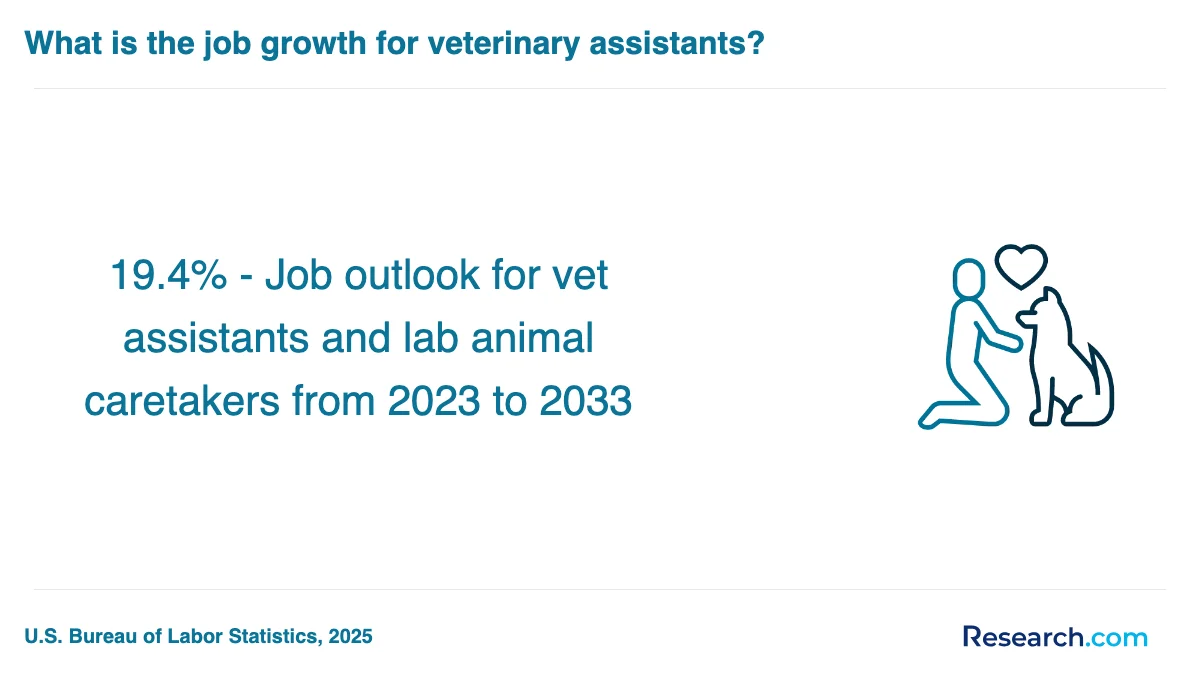
After completing a veterinary assistant trade school in North Carolina, preparing for the job market involves several key steps. First, graduates should obtain certification through the National Association of Veterinary Technicians in America (NAVTA), which can enhance job prospects. Networking with local veterinary clinics and attending job fairs in cities like Raleigh and Charlotte increases connections within the industry. According to the North Carolina Department of Commerce, veterinary assistant positions are projected to grow by 19% through 2030, indicating strong demand. Building practical experience through internships or externships during training is also crucial to stand out to employers.
Continuing education and staying updated on veterinary care advancements can improve long-term career growth. Additionally, creating a professional resume that highlights hands-on skills and relevant certifications is essential. Utilizing state resources such as Career Centers can provide job search assistance tailored to veterinary roles. These strategies collectively prepare graduates to successfully enter North Carolina's veterinary assistant workforce.
Employers in North Carolina prioritize several key skills when hiring veterinary assistant trade school graduates. According to the North Carolina Department of Labor, strong animal handling abilities rank highest, ensuring safe and calm interactions with diverse animals. Graduates must also demonstrate proficiency in medical terminology and basic clinical procedures like administering medications and assisting during exams.
Communication skills are critical, as veterinary assistants often liaise between veterinarians, pet owners, and support staff. Additionally, knowledge of sanitation and infection control is essential to maintain a healthy clinical environment. Familiarity with electronic medical records is increasingly valued, reflecting the growing use of technology in veterinary practices across the state.
Finding internships in North Carolina relevant to veterinary assistant trade school programs involves several key steps. Start by contacting your trade school's career services or internship coordinator, as many schools maintain partnerships with local veterinary clinics and animal hospitals.
Networking through organizations like the North Carolina Veterinary Medical Association can also open internship opportunities. According to NCVMA, numerous small and large practices across the state offer hands-on experience for students.
Additionally, job platforms such as Indeed and Handshake often list veterinary assistant internships specific to North Carolina. Applying early and tailoring your application to highlight relevant skills improves your chances.
Finally, consider reaching out directly to veterinary offices in your area to inquire about internship availability, as many positions are not publicly advertised.
Obtaining a veterinary assistant trade school diploma in North Carolina can significantly enhance career mobility and advancement opportunities. According to the North Carolina Department of Commerce, the state's animal care industry is projected to grow by 12% through 2030, increasing demand for skilled veterinary assistants. A diploma provides practical skills and certification that many employers require, which can lead to higher starting salaries and eligibility for specialized roles.
Trade school graduates often find easier access to veterinary clinics, animal hospitals, and research facilities. Additionally, North Carolina's Veterinary Medical Board recognizes formal training as a key factor in professional credibility, which can facilitate career progression into supervisory or specialized positions.
Furthermore, a diploma may serve as a stepping stone to further education, such as veterinary technology programs, broadening long-term career prospects. Data from the U.S. Bureau of Labor Statistics indicates that veterinary assistant roles typically offer a median annual wage of around $30,000, with diploma holders more competitive for promotions and wage increases.
Part-time job opportunities in North Carolina that complement veterinary assistant trade school education include roles such as veterinary receptionist, animal shelter worker, and kennel assistant. These positions provide practical experience with animal care and client communication, which are essential skills in the veterinary field.
The North Carolina Department of Commerce reports a steady demand for veterinary assistants, projecting a 10% growth rate through 2030. Working in animal shelters or veterinary clinics part-time can help students apply classroom knowledge and improve hands-on skills.
Additionally, pet grooming and dog walking jobs offer exposure to animal handling and behavior, valuable for future veterinary assistants.
There are affordable veterinary assistant degree programs near North Carolina, with some community colleges and vocational schools offering certificates and associate degrees. Prospective students should explore nearby institutions for pricing and program specifics to find a program that fits their budget. Research.com can be a helpful resource when looking for reputable programs in the veterinary field near me.
Related Veterinary Assistant Rankings for Nearby States
- Most Affordable Veterinary Assistant Schools & Training - Budget-Friendly Veterinary Assistant Trade Programs in Virginia for 2026
- Most Affordable Veterinary Assistant Schools & Training - Budget-Friendly Veterinary Assistant Trade Programs in Florida for 2026
- Most Affordable Veterinary Assistant Schools & Training - Budget-Friendly Veterinary Assistant Trade Programs in Maryland for 2026
- Most Affordable Veterinary Assistant Schools & Training - Budget-Friendly Veterinary Assistant Trade Programs in Pennsylvania for 2026
- Most Affordable Veterinary Assistant Schools & Training - Budget-Friendly Veterinary Assistant Trade Programs in Ohio for 2026
- Most Affordable Veterinary Assistant Schools & Training - Budget-Friendly Veterinary Assistant Trade Programs in New Jersey for 2026
- Most Affordable Veterinary Assistant Schools & Training - Budget-Friendly Veterinary Assistant Trade Programs in Indiana for 2026
- Most Affordable Veterinary Assistant Schools & Training - Budget-Friendly Veterinary Assistant Trade Programs in New York for 2026
- Most Affordable Veterinary Assistant Schools & Training - Budget-Friendly Veterinary Assistant Trade Programs in Massachusetts for 2026
- Most Affordable Veterinary Assistant Schools & Training - Budget-Friendly Veterinary Assistant Trade Programs in Illinois for 2026
Top Trending Rankings
References
- Veterinary Assistant Schools in North Carolina | Learn to Become https://vetcareerschools.com/near-you/veterinary-assistant/north-carolina/
- Vet Assistant Schools in NC - Near You & Awesome https://vettechnicians.org/vet-assistant/nc/
- Online Veterinary Assistant from University of North Carolina Wilmington https://careertraining.uncw.edu/training-programs/veterinary-assistant/
- Vet Tech Schools in North Carolina (NC) - Programs & State Licensure https://www.vettechcolleges.com/schools/north-carolina
- Veterinary Assistant Program - Piedmont Community College https://piedmontcc.edu/program/vet-assist/
- Veterinary Assistant Training | Division of Corporate & Continuing Education https://www.rccc.edu/corporatecontinuing/education-to-go/veterinary-assistant/
- How to Become a Veterinary Assistant in North Carolina - NC | Veterinary Assistant Schools in North Carolina https://www.veterinarianedu.org/north-carolina-veterinary-assistant/
- Veterinary Assistant - Training Certificate | Midlands Technical College https://www.midlandstech.edu/programs-and-courses/health-care/veterinary-assistant
- Veterinary Medical Technology | CCCC https://www.cccc.edu/all-programs/veterinary-medical-technology
- Veterinary Assistant & Pet Handling https://cravencc.edu/VetAssistant


