
Most Affordable Veterinary Assistant Schools & Training - Budget-Friendly Veterinary Assistant Trade Programs in South for 2026

Co-Founder and Chief Data Scientist
Choosing the right veterinary assistant trade school is an important step toward a rewarding career in animal care. This article presents a carefully crafted veterinary assistant trade school programs ranking developed by the Research.com team of data scientists to guide you in making an informed decision.
Exploring these affordable programs can help you find quality education that fits your budget and goals. Earning a diploma or certification opens doors to meaningful work and personal growth. Let this guide support your journey toward a fulfilling future in veterinary assisting.
Key benefits of finishing veterinary assistant trade school in South
- Graduates of veterinary assistant trade schools in the South can expect starting salaries around $16.66 per hour or about $34,660 annually, with potential to earn more as experience grows.
- Career paths often include working in veterinary clinics, animal shelters, or specialty practices, offering diverse opportunities for hands-on animal care and professional growth.
- Completing a veterinary assistant program online provides flexibility and convenience, allowing students to balance work or family while gaining valuable skills, as shown by successful graduates from popular Southern online schools.
What can I expect from veterinary assistant trade schools in South?
Enrolling in a veterinary assistant trade school program in the South means engaging in a dynamic blend of classroom instruction and hands-on training. Students can expect to develop practical skills like animal restraint, basic laboratory techniques, and sanitation procedures through simulated clinical environments or partnerships with local animal care facilities. For instance, graduates from Greenville Technical College describe gaining confidence by applying animal welfare and pharmacy skills directly during their training.
The curriculum typically covers vital topics such as veterinary medical terminology, animal breeds, nutrition, and small animal care, ensuring a comprehensive foundation for real-world veterinary support roles. Many programs focus on ethical practices and proper handling, which graduates find essential when transitioning into professional settings like animal hospitals or shelters.
Students also benefit from career support services, including job placement assistance and internships. Central Georgia Technical College alumni highlight how these connections helped them secure entry-level positions quickly. Tuition fees remain affordable, with in-state costs around $2,674 annually plus materials, making these programs accessible and practical for aspiring veterinary assistants in the South.
Where can I work after finishing veterinary assistant trade schools in South?
After finishing a veterinary assistant trade school program in the South, graduates find diverse employment opportunities across private veterinary clinics, animal hospitals, emergency veterinary centers, and specialty animal practices. Many graduates from popular South trade schools share how they quickly secured positions supporting veterinarians by performing essential tasks such as animal restraint, assisting during surgeries, and administering medication under supervision.
In cities like Columbia, Charleston, and Greenville, veterinary assistants are in high demand, with many graduates reporting rewarding roles in fast-paced, compassionate environments. Some have found fulfilling careers in animal shelters, pet boarding facilities, and retail companies with in-store wellness centers, where their training allows them to contribute significantly to animal health and client communication.
Flexible work options, including full-time, part-time, and contract positions, are common, enabling graduates to balance personal commitments. The hands-on experience gained at South trade schools equips students to thrive in urban and suburban communities, where pet populations are growing and skilled veterinary assistants are valued team members.
How much can I make after finishing veterinary assistant trade schools in South?
Graduates from veterinary assistant trade schools in the South can expect starting salaries generally below the national average, reflecting the region's lower cost of living. Many recent graduates report beginning at around $13 to $17 per hour, which translates to approximately $27,000 to $35,000 annually when working full-time. For example, those entering the workforce in Louisiana often start near $13.08 per hour, while graduates in states like South Dakota may see slightly higher wages near $16.66 per hour.
Trade school alumni frequently share that hands-on training and connections made during their programs help them secure positions in local clinics or animal hospitals, where pay can increase with experience and additional certifications. Although starting pay might feel modest, many graduates find satisfaction in steady growth opportunities and benefits like health insurance and paid leave offered by employers.
The practical skills learned at popular Southern trade schools empower assistants to confidently support veterinarians while building rewarding careers in animal care.
Most Affordable Veterinary Assistant Schools & Training - Budget-Friendly Veterinary Assistant Trade Programs in South for 2026
# 1 position
Pima Community College - Veterinary/Animal Health Technology/Technician and Veterinary Assistant.
associatePima Community College offers a Veterinary/Animal Health Technology/Technician and Veterinary Assistant program designed to train individuals to assist veterinarians and animal health professionals in patient care and clinical procedures. The curriculum includes animal nursing, health and nutrition, clinical pathology, radiology, anesthesiology, surgical assisting, dental prophylaxis, laboratory procedures, and office skills. The program is accredited by the Higher Learning Commission, with an annual in-state tuition of $2,370.
# 2 position
Pima Community College - Veterinary/Animal Health Technology/Technician and Veterinary Assistant.
certificate or diplomaPima Community College offers a Veterinary/Animal Health Technology/Technician and Veterinary Assistant program designed to prepare students for roles assisting veterinarians and animal health professionals. The curriculum covers animal nursing care, clinical procedures, radiology, anesthesiology, surgical assisting, and office administration. The program is accredited by the Higher Learning Commission, and annual in-state tuition is $2,370.
# 3 position
Collin County Community College District - Veterinary/Animal Health Technology/Technician and Veterinary Assistant.
associateThe Veterinary/Animal Health Technology/Technician and Veterinary Assistant program at Collin County Community College District prepares students to assist veterinarians and animal health professionals in patient care, clinical procedures, and owner communication. The curriculum covers animal nursing, health, nutrition, clinical pathology, radiology, anesthesiology, surgical assisting, and office administration. Annual in-state tuition is $1,864. The program is accredited by the Southern Association of Colleges and Schools Commission on Colleges.
# 4 position
Central New Mexico Community College - Veterinary/Animal Health Technology/Technician and Veterinary Assistant.
associateCentral New Mexico Community College offers a program in Veterinary/Animal Health Technology/Technician and Veterinary Assistant. This program trains students to assist veterinarians and animal care professionals in patient management, clinical procedures, and owner communication. Coursework includes animal nursing, health, nutrition, clinical pathology, radiology, anesthesiology, surgical assisting, and office administration. The program is accredited by the Higher Learning Commission and has an annual in-state tuition of $1,934.
# 5 position
Pensacola State College - Veterinary/Animal Health Technology/Technician and Veterinary Assistant.
associatePensacola State College offers a program in Veterinary/Animal Health Technology/Technician and Veterinary Assistant designed to train individuals in patient management and clinical assistance under veterinary supervision. The curriculum covers animal nursing, health, nutrition, clinical pathology, radiology, anesthesiology, dental care, surgical assistance, laboratory procedures, and office administration. The program is accredited by the Southern Association of Colleges and Schools Commission on Colleges. Annual in-state tuition is $2,348.
# 6 position
Dallas College - Veterinary/Animal Health Technology/Technician and Veterinary Assistant.
associateDallas College offers a program in Veterinary/Animal Health Technology/Technician and Veterinary Assistant that prepares students to assist veterinarians and animal health professionals in patient care and clinical procedures. The curriculum covers animal nursing, health, nutrition, handling, clinical pathology, radiology, anesthesiology, surgical assisting, and office administration. The program's annual in-state tuition is $2,370 and it is accredited by the Southern Association of Colleges and Schools Commission on Colleges.
# 7 position
Dallas College - Veterinary/Animal Health Technology/Technician and Veterinary Assistant.
certificate or diplomaDallas College offers a program in Veterinary/Animal Health Technology/Technician and Veterinary Assistant that prepares students to assist veterinarians and animal health professionals. The curriculum covers animal nursing, clinical procedures, radiology, anesthesiology, surgical assisting, and office administration. The program is accredited by the Southern Association of Colleges and Schools Commission on Colleges. Annual in-state tuition is $2,370.
# 8 position
Central Georgia Technical College - Veterinary/Animal Health Technology/Technician and Veterinary Assistant.
certificate or diplomaCentral Georgia Technical College offers a Veterinary/Animal Health Technology/Technician and Veterinary Assistant program designed to prepare students for roles assisting veterinarians and animal health professionals. The curriculum covers animal nursing care, clinical procedures, radiology, anesthesiology, surgical assisting, and office administration. The program is accredited by the Southern Association of Colleges and Schools Commission on Colleges, with annual in-state tuition at $3,180.
# 9 position
Medical Career & Technical College - Veterinary/Animal Health Technology/Technician and Veterinary Assistant.
certificate or diplomaA program at Medical Career & Technical College prepares students to assist veterinarians and animal health professionals in patient care, clinical procedures, and owner communication. Instruction covers animal nursing, health, nutrition, handling, clinical pathology, radiology, anesthesiology, dental prophylaxis, surgical assisting, laboratory procedures, office administration, and applicable standards. The program is accredited by the Accrediting Bureau of Health Education Schools.
# 10 position
San Juan College - Veterinary/Animal Health Technology/Technician and Veterinary Assistant.
associateSan Juan College offers a program in Veterinary/Animal Health Technology/Technician and Veterinary Assistant, preparing students to assist veterinarians and animal health professionals with patient care and clinical procedures. The curriculum covers animal nursing, health, nutrition, handling, clinical pathology, radiology, anesthesiology, dental prophylaxis, surgical assisting, laboratory procedures, and office administration. The program is accredited by the Higher Learning Commission, with an annual in-state tuition of $1,790.
Key Findings
- Applicants usually must be at least 18 years old and have a high school diploma or GED to enter veterinary assistant trade school programs.
- Programs often require 25 or more hours per week and can take about two years for associate degrees, while veterinary assistant programs are shorter and focus on entry-level skills.
- Accreditation by the American Veterinary Medical Association (AVMA) is important for eligibility to take the Veterinary Technician National Examination (VTNE).
- Program costs range from $5,000 to $12,000, excluding books, supplies, and exam fees like the $300 VTNE registration and a $50 state licensing exam in some states.
- Starting salaries for veterinary assistants in the South range from $25,000 to $33,000, with experienced workers earning up to $40,000 annually.
How long does it take to complete veterinary assistant trade schools in South?
Completing a veterinary assistant trade school program in South typically takes between 6 to 12 months, depending on the specific curriculum and part-time or full-time enrollment options. Many students appreciate this relatively short timeframe, which allows them to quickly enter the workforce and start gaining hands-on experience with animal care.
Graduates from well-regarded trade schools in South often share how the compact program schedules kept their motivation high and made balancing school with personal commitments manageable. For example, a graduate from one popular South trade school recalled how completing the program in under a year gave them the confidence to begin working in a veterinary clinic, applying practical skills they learned in class almost immediately.
Programs typically blend classroom instruction with clinical practice, emphasizing real-world scenarios such as assisting with animal exams and preparing medical instruments. This approach helps students feel prepared and excited about their new career path without long delays.
What's the difference between online and on-campus veterinary assistant trade school programs?
The key difference between online and on-campus veterinary assistant trade school programs in the South lies in how courses are delivered and how hands-on training is structured. Online programs, like those offered by well-known Southern trade schools, provide asynchronous lectures that students can complete on their own time. Graduates often appreciate this flexibility, especially when juggling work or family commitments. However, even online students must complete around 100 hours of in-person clinical externships at local veterinary clinics to develop essential practical skills.
On-campus programs require students to attend scheduled classes and labs, providing direct interaction with instructors and peers. This setting offers immediate feedback and access to specialized facilities like animal care labs and surgery simulation rooms, which many find invaluable for hands-on learning. Students often describe the on-campus environment as motivating and supportive, helping them stay focused and engaged.
Both formats emphasize mandatory clinical experience, ensuring graduates are well-prepared. Choosing between them depends on your need for flexibility versus structured, face-to-face instruction.
What is the average cost of veterinary assistant trade schools in South?
The average cost of veterinary assistant programs in the South typically ranges from $1,500 to $3,000, depending on the institution and the program format. For example, graduates from Jefferson State Community College in Alabama often share how the $1,900 tuition fee for 100 hours of hands-on instruction provided a comprehensive foundation without overwhelming their budgets. This balance between affordability and quality training is crucial for many students pursuing a career in this field.
Tuition fees for veterinary assistant schools in Southern states like Texas can be higher, with programs such as Weatherford College charging approximately $2,400 for in-district students. Graduates describe their experiences as rewarding, highlighting the practical skills gained despite the steeper tuition. Out-of-district and out-of-state students should anticipate additional fees, which is a common consideration in the South's larger trade schools.
Students often appreciate flexible options offered by online programs, where tuition may start as low as $899 for full payment, as seen with Penn Foster College. These programs attract students balancing work and life commitments, providing an accessible route to certification. Additional costs, such as textbooks priced between $40 and $70 and uniforms ranging from $30 to $200, also factor into the overall financial plan for many learners.
When researching options, it's beneficial to explore best online vet tech programs that complement or lead into veterinary assistant certifications. Understanding the full scope of expenses and training outcomes helps prospective students make informed decisions about pursuing high-quality education in the South.
What financial aid is available for veterinary assistant trade schools in South?
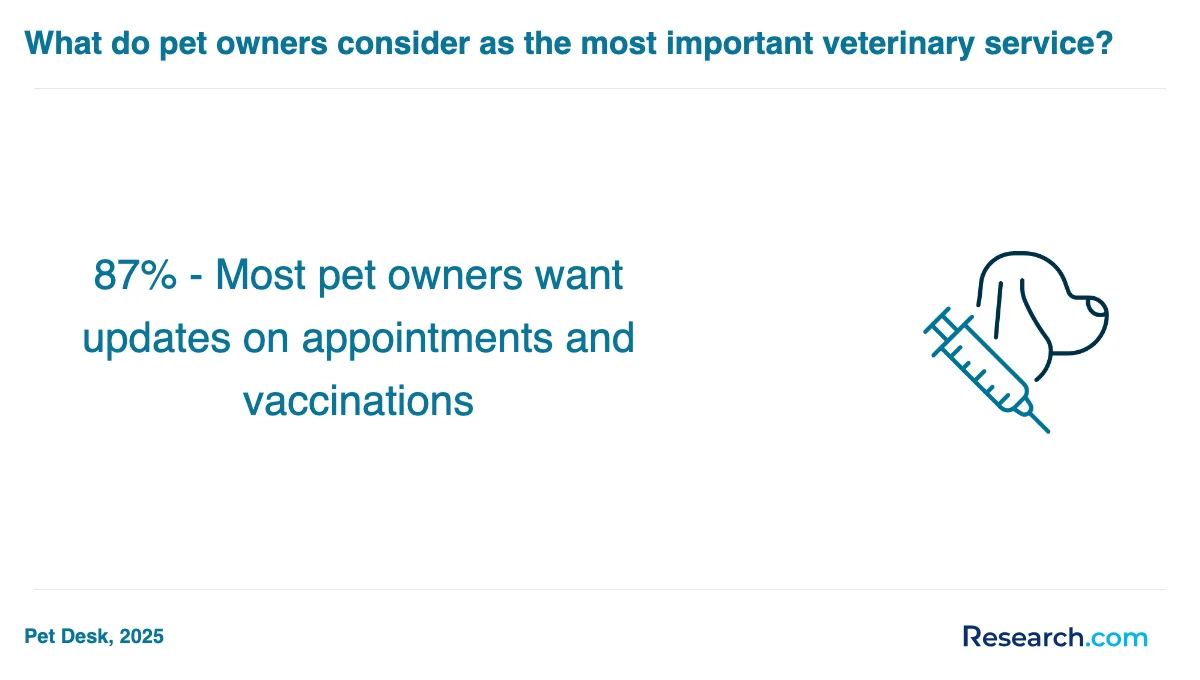
Veterinary assistant students in the South often rely on federal financial aid as their primary support. Completing the FAFSA opens doors to Pell Grants, work-study, and federal loans, essential for covering tuition at accredited trade schools offering veterinary assistant programs. Many graduates recall how Pell Grants, which don't require repayment, significantly eased their financial stress during training.
State-specific aid is a valuable resource, especially for in-state students. For instance, South Carolina's Lottery Tuition Assistance program and South Dakota's state scholarships provide targeted help to those enrolled in vocational or technical schools. These programs reward residency and academic effort, making education more accessible for local students pursuing veterinary assistance.
Institutional scholarships and flexible payment plans also play a crucial role. Graduates from schools like Penn Foster College appreciate their need-based scholarships and manageable tuition-around $900-which, combined with aid, make the path to certification less daunting. Even programs with higher tuition, such as SDSU Global Campus, offer options that help students balance costs and training demands.
What are the prerequisites for enrolling in veterinary assistant trade schools in South?
Enrolling in a veterinary assistant trade school program in the South typically requires a high school diploma or GED as a basic prerequisite. Many programs emphasize a genuine passion for animal care, which graduates often describe as a motivating force that helped them succeed through hands-on training.
Applicants should be prepared to meet several common requirements, including:
- Proof of immunizations to ensure safety around animals and in clinical settings
- Basic background checks, as many Southern trade schools partner with local veterinary clinics for externships
- Completion of an application form detailing any prior experience with animals or volunteer work
- Some programs may require a personal statement or interview to assess commitment and communication skills
Graduates from popular Southern trade schools frequently highlight how meeting these prerequisites opened doors to rewarding externships at local shelters and veterinary offices, fostering confidence and practical skills early in their careers.
What are the typical courses in veterinary assistant trade schools in South?
Veterinary assistant trade school programs in the South typically include a mix of classroom learning and hands-on training to prepare students for real-world animal care roles. Graduates often recall starting with courses in veterinary medical terminology to build essential communication skills used daily in clinics.
Key courses commonly cover:
- Animal breeds and husbandry-understanding species-specific care, vital for working confidently with pets and livestock.
- Small animal care and behavior-as seen in programs like Greenville Technical College, focusing on practical skills for shelters and boarding facilities.
- Animal nutrition-learning feeding protocols for healthy animals.
- Pharmacy skills-including medication handling and dosage calculations.
- Veterinary services and ethical practices-covering client communication and legal responsibilities.
Many Southern schools, such as the University of Texas Rio Grande Valley, require 100 hours of classroom and lab work followed by clinical internships. Graduates often describe the excitement of applying emergency care and restraint techniques during internships, building confidence to handle diverse animal care situations.
Programs also emphasize daily tasks like patient observation, sanitation, and disease prevention, helping students feel ready and empowered to start their veterinary assistant careers in the South's growing animal care industry.
What are the available specializations in veterinary assistant trade schools in South?
Veterinary assistant specializations in Southern trade schools often cover a broad spectrum of practical skills needed for effective animal care. Students typically engage in areas such as:
- Office procedures and client relations to enhance communication with pet owners
- Pharmacy for medication handling and administration
- Preventative healthcare focusing on disease prevention and wellness plans
- Behavior and restraint techniques ensuring safe handling of animals
- Medical terminology and anatomy for precise understanding of veterinary language
- Laboratory procedures including sample collection and analysis
- Surgical and recovery room assistance supporting veterinarians in operative settings
- Radiology and emergency response for urgent care situations
Graduates from programs like Southern Technical College in Florida highlight how their externships prepare them for real-world challenges, enhancing confidence in assisting veterinarians. Midlands Technical College students in South Carolina praise the balance of laboratory skills and customer service, vital for client-facing roles. These Southern veterinary assistant program specializations build competence and adaptability, especially for those debating the paths between vocational school vs trade certificate program.
How do you choose the best veterinary assistant trade school program in South?
Choosing from affordable veterinary assistant programs in Southern states requires a focus on accreditation and hands-on training. Graduates from popular colleges in South report that programs recognized by NAVTA provide a solid foundation, enabling them to confidently handle real veterinary environments. Experiential learning through externships at local clinics enhances skills and builds professional networks, which many students find invaluable when seeking employment.
Flexibility is another key factor, especially for working individuals or those balancing family commitments. Part-time and online class options offered by some Southern trade schools make pursuing a veterinary assistant career more accessible and manageable. Evaluating tuition costs alongside financial aid opportunities ensures that students invest wisely in programs that deliver measurable career benefits.
Employment outcomes are crucial; southern schools with strong ties to veterinary hospitals yield higher job placement rates, reassuring students about their future prospects. Many graduates emphasize how attending best veterinary assistant schools in the South gave them both practical knowledge and confidence to thrive. For those exploring related paths, consider exploring medical careers with 2 year degree options that can complement or expand your qualifications.

What career paths are available for veterinary assistant trade school graduates in South?
Veterinary assistant trade school graduates in the South find a variety of fulfilling career opportunities for veterinary assistant graduates in the South, starting with roles as veterinary assistants in private practices, animal hospitals, and pet clinics. These positions provide hands-on experience assisting veterinarians with routine procedures, animal care, and administrative duties. Many graduates from popular Southern trade schools share how this foundational work boosts their confidence and skillset in real-world settings.
Advancing beyond entry-level veterinary assistant jobs in Southern states often involves pursuing an associate's degree in veterinary technology, which prepares graduates to become licensed veterinary technicians. Schools in the South typically offer flexible programs, making it easier for working assistants to balance education and career growth. Some graduates pursue specialized roles such as animal clinic managers, shelter managers, or animal control officers, contributing to community health and animal welfare.
Other pathways include careers as zookeepers or sales representatives for veterinary products. Additionally, many use their trade school experience as a stepping stone toward veterinary school. Those interested can explore most affordable vet tech programs online to continue their education and broaden career prospects.
What is the job market for veterinary assistant trade school graduates in South?
The veterinary assistant job outlook in the South remains highly promising for trade school graduates. Several Southern states, including Texas, Florida, and Georgia, are hotspots for veterinary assistant employment growth, driven by rising pet ownership and expanded veterinary services in both urban and rural areas.
Graduates from popular trade schools in the South often share experiences of quickly securing positions in clinics or animal hospitals, appreciating the competitive starting salaries ranging from $32,000 to $33,000. Many note the supportive local networks that value the hands-on skills acquired during training.
Key factors enhancing the job market include:
- Projected employment growth at an impressive 19% between 2023 and 2033 nationwide
- Growing demand for specialized care such as emergency and mobile veterinary services
- Streamlined hiring through staffing agencies, easing job placement
For those considering programs, exploring an online diploma accredited by reputable Southern trade schools can open doors to rewarding careers with upward mobility. This field offers a blend of job stability and meaningful work for graduates eager to make an impact in animal care.
Frequently Asked Questions about veterinary assistant
After completing a veterinary assistant trade school in South, it is important to build a strong foundation for entering the job market. Start by obtaining certification through the Approved Veterinary Assistant (AVA) program, which can enhance your employability. Employers in South often prefer candidates with hands-on experience, so seek internships or volunteer opportunities at local animal clinics or shelters.
Networking is also key; joining professional organizations such as the National Association of Veterinary Technicians in America (NAVTA) can provide valuable connections and job leads. According to the U.S. Bureau of Labor Statistics, veterinary assistant jobs in the South are expected to grow by 16% from 2022 to 2032, indicating a positive outlook.
Finally, prepare a clear resume highlighting your technical skills, clinical training, and any relevant experience to stand out in this competitive field.
Employers in the South consistently seek veterinary assistant graduates who demonstrate strong practical skills and a solid understanding of animal care. According to the U.S. Bureau of Labor Statistics, proficiency in animal handling and knowledge of medical terminology are critical. Additionally, trade schools in the region emphasize competencies such as assisting with clinical procedures, maintaining clean and safe environments, and effective communication with pet owners and veterinary staff.
Soft skills like teamwork, attention to detail, and reliability rank highly, as veterinary assistants often work in fast-paced clinics. The South's growing veterinary industry values graduates who combine technical training with strong interpersonal abilities.
Finding internships relevant to a veterinary assistant trade school program in South involves several strategic steps. Start by contacting the career services office at your trade school, as many maintain partnerships with local veterinary clinics and animal hospitals. According to the American Veterinary Medical Association, internships provide crucial hands-on experience, which is essential for job placement after graduation.
Networking is also key. Attend local veterinary conferences and join professional groups like the National Association of Veterinary Technicians in America. Many employers in South prefer candidates with internship experience, especially from recognized programs.
Online platforms such as the South State Veterinary Association website often list internship opportunities. Additionally, directly reaching out to clinics in your area can uncover unadvertised positions.
Obtaining a veterinary assistant diploma from a trade school in South significantly enhances career mobility and advancement opportunities. According to the U.S. Bureau of Labor Statistics (BLS), veterinary assistants with formal training tend to qualify for higher-paying positions compared to those without credentials. Trade schools in South typically offer hands-on training, which employers value highly, increasing graduates' chances of employment in veterinary clinics, animal hospitals, and research facilities.
In South, the demand for veterinary assistants is projected to grow by approximately 16% through 2030, faster than the national average. This growth supports upward mobility for diploma holders, who may advance to veterinary technician roles or supervisory positions with additional education or experience.
Furthermore, trade school diplomas often reduce barriers to entry in the veterinary field, providing a direct pathway to certification exams recognized regionally. This credentialing can lead to better job stability and wage increases over time, helping graduates improve their socioeconomic status in South's competitive job market.
Part-time job opportunities in South that complement veterinary assistant trade school education often include roles such as veterinary receptionist, animal shelter worker, or veterinary clinic assistant. These positions provide hands-on experience with animal care and office procedures, reinforcing skills learned in school. According to the U.S. Bureau of Labor Statistics, South has a growing demand for veterinary assistants, with employment expected to increase by 15% through 2032, higher than the national average.
Working in animal shelters or pet boarding facilities also helps students develop animal handling and customer service skills. These roles offer flexible hours suitable for students balancing coursework. Additionally, internships at veterinary clinics can provide critical exposure to real veterinary practices, enhancing employability after graduation.
There are affordable veterinary assistant degree programs available, and several colleges and institutes offer such programs near South regions, designed to prepare students for hands-on roles in animal care. Research.com can be a helpful resource to explore specific programs in your vicinity by searching for those "near me," thus facilitating the identification of options based on tuition costs and program length. It's advisable to contact local community colleges or technical schools to inquire about their veterinary assistant degrees and certifications, as these institutions often provide affordable pathways into the field.
Top Trending Rankings
References
- Veterinary Assisting - Southern Technical College https://www.southerntech.edu/programs/school_of_veterinary/diploma/veterinary-assisting/
- VetTechColleges.com - Vet Tech Schools Near You & Online https://www.vettechcolleges.com/
- Veterinary Assistant Program - Continuing Education | UTRGV https://www.utrgv.edu/ce/programs/healthcare-and-fitness/veterinary-assistant/index.htm
- Veterinary Assistant Program Benefits of Choosing This Path - San Joaquin Valley College https://www.sjvc.edu/program/veterinary-assistant/
- Vet Tech Schools & Veterinary Assistant Programs Near You https://www.trade-schools.net/animal-care/veterinary-technician
- Veterinary Assistant Program https://trocaire.edu/academics/workforce-development/veterinary-assistant-program/
- The job market for veterinary assistants in the United States - CareerExplorer https://www.careerexplorer.com/careers/veterinary-assistant/job-market/
- Vet Times Jobs | Veterinary Jobs | Choose From 1,401 Live Vet Jobs https://jobs.vettimes.com/
- Job Vacancies https://www.vets4petscareers.com/job-vacancies/
- Online Veterinary Assistant from University of South Carolina Aiken https://careertraining.usca.edu/training-programs/veterinary-assistant/


