
Best Veterinary Assistant Training Programs & Trade Schools - Top Veterinary Assistant Schools in North Carolina for 2026

Co-Founder and Chief Data Scientist
Choosing the right veterinary assistant trade school in North Carolina can shape your future career in animal care. This article introduces a carefully crafted ranking of veterinary assistant trade school programs developed by the Research.com team of data scientists. It aims to help you make an informed decision about which programs truly stand out.
Whether you're starting fresh or advancing your skills, earning a diploma or certification opens doors to rewarding opportunities. Explore the options with confidence and take the first step toward a fulfilling career working with animals.
Key benefits of finishing veterinary assistant trade school in North Carolina
- Graduates of veterinary assistant trade schools in North Carolina can expect an average salary around $32,272 per year, with hourly wages typically between $15 and $15.67, offering a strong start in a growing field.
- Career paths often include roles in veterinary hospitals, clinics, and animal care facilities, as seen with successful graduates from popular trade schools who quickly find rewarding positions.
- Completing a veterinary assistant program online provides flexibility and convenience, allowing students to balance life while gaining skills, as demonstrated by online graduates from reputable North Carolina schools.
What can I expect from veterinary assistant trade schools in North Carolina?
Enrolling in a veterinary assistant trade school program in North Carolina means diving into a dynamic blend of classroom theory and hands-on experience. Graduates from programs like Piedmont Community College describe progressing through sequential courses-Vet Assistant I to IV-that build their confidence with animal anatomy, disease recognition, and both small and large animal care. The real breakthrough often comes during the required clinical hours, typically around 300, spent working alongside licensed veterinarians in actual clinics or animal hospitals. This immersive experience transforms textbook knowledge into practical skills, making students feel truly prepared for the job.
Many students appreciate the inclusion of administrative training, learning how to manage appointments and client communication, which reflects the multifaceted nature of veterinary assisting. Some programs, such as those at North Carolina A&T State University, also offer the flexibility of online certification and prep for national exams, easing the path to professional credentials. The sense of accomplishment reported by graduates comes from mastering both technical and interpersonal skills essential in the fast-growing animal care field.
Where can I work after finishing veterinary assistant trade schools in North Carolina?
After finishing a veterinary assistant trade school program in North Carolina, graduates often find themselves stepping confidently into diverse roles across the state. Many begin their careers in private veterinary clinics and animal hospitals, especially in bustling cities like Charlotte or Raleigh, where the demand for skilled assistants remains strong. Imagine supporting veterinarians during exams or calming anxious pets-tasks that bring daily satisfaction and a real sense of purpose.
Some graduates share how working at national chains with multiple locations across North Carolina opened doors to ongoing training and career growth. Others discover rewarding positions in specialty practices, such as emergency care or rehabilitation centers, where every day presents new challenges and learning opportunities.
Many also embrace roles in animal shelters and humane societies, finding joy in helping rescued animals heal and find new homes. Even research facilities and boarding kennels offer fulfilling paths, allowing graduates to apply their skills in unique environments while enjoying flexible schedules and supportive workplaces.
How much can I make after finishing veterinary assistant trade schools in North Carolina?
After completing a veterinary assistant trade school program in North Carolina, many graduates find their efforts quickly rewarded with competitive salaries. The average annual salary hovers around $32,272, but this can feel very real when you picture starting your first job in a busy clinic near Charlotte, where earnings often reach $37,774. Graduates from well-known trade schools across the state share stories of landing positions that pay between $13.75 and $17.26 per hour, translating to approximately $29,530 to $35,010 annually. This range reflects a promising start, especially for those eager to gain experience in larger urban areas.
Many graduates recall their first weeks on the job, balancing hands-on animal care with learning the ropes of clinic operations. With steady hours, some have seen their earnings climb, especially when working in Raleigh or Cary, where hourly wages can reach $18. The potential to move up, coupled with the satisfaction of helping animals daily, makes the salary feel well-earned and motivating.
Best Veterinary Assistant Training Programs & Trade Schools - Top Veterinary Assistant Schools in North Carolina for 2026
# 1 position
Central Carolina Community College - Veterinary/Animal Health Technology/Technician and Veterinary Assistant.
associateCentral Carolina Community College offers a program in Veterinary/Animal Health Technology/Technician and Veterinary Assistant that prepares students to assist veterinarians and other specialists in patient care and clinical procedures. The curriculum covers animal nursing, health, nutrition, handling, clinical pathology, radiology, anesthesiology, dental prophylaxis, surgical assisting, and office administration. The program’s annual in-state tuition is $2,554 and it is accredited by the Southern Association of Colleges and Schools Commission on Colleges.
# 2 position
Nash Community College - Veterinary/Animal Health Technology/Technician and Veterinary Assistant.
associateNash Community College offers a program in Veterinary/Animal Health Technology/Technician and Veterinary Assistant designed to prepare students for roles assisting veterinarians and animal health professionals. The curriculum includes animal nursing care, clinical procedures, radiology, anesthesiology, dental prophylaxis, surgical assisting, and office administration skills. The program’s annual in-state tuition is $2,883. It is accredited by the Southern Association of Colleges and Schools Commission on Colleges.
# 3 position
Cape Fear Community College - Veterinary/Animal Health Technology/Technician and Veterinary Assistant.
associateCape Fear Community College offers a Veterinary/Animal Health Technology/Technician and Veterinary Assistant program that prepares students to assist veterinarians and animal specialists in clinical and patient care. The curriculum covers animal nursing, health, clinical procedures, radiology, anesthesiology, surgical assisting, and office administration. In-state tuition is $2,748 annually. The program is accredited by the Southern Association of Colleges and Schools Commission on Colleges.
# 4 position
Gaston College - Veterinary/Animal Health Technology/Technician and Veterinary Assistant.
associateGaston College offers a Veterinary/Animal Health Technology/Technician and Veterinary Assistant program preparing students to assist veterinarians and zoological professionals with patient care and clinical procedures. The curriculum covers animal nursing, health, nutrition, clinical pathology, radiology, anesthesiology, dental prophylaxis, surgical assisting, laboratory procedures, and office administration. The program is accredited by the Southern Association of Colleges and Schools Commission on Colleges. Annual in-state tuition is $3,186.
# 5 position
Asheville-Buncombe Technical Community College - Veterinary/Animal Health Technology/Technician and Veterinary Assistant.
associateAsheville-Buncombe Technical Community College offers a program in Veterinary/Animal Health Technology/Technician and Veterinary Assistant, preparing students to assist veterinarians and animal health professionals with patient care, clinical procedures, and owner communication. The curriculum includes animal nursing, clinical pathology, radiology, anesthesiology, surgical assisting, and office administration. The annual in-state tuition is $2,882. The program is accredited by the Southern Association of Colleges and Schools Commission on Colleges.
# 6 position
Alamance Community College - Veterinary/Animal Health Technology/Technician and Veterinary Assistant.
associateAlamance Community College offers a Veterinary/Animal Health Technology/Technician and Veterinary Assistant program designed to prepare students for patient management and clinical assistance under veterinary supervision. The curriculum includes animal nursing care, clinical pathology, radiology, anesthesiology, surgical assisting, and office administration. The program's annual in-state tuition is $2,528 and it is accredited by the Southern Association of Colleges and Schools Commission on Colleges.
# 7 position
Central Carolina Community College - Veterinary/Animal Health Technology/Technician and Veterinary Assistant.
certificate or diplomaCentral Carolina Community College offers a Veterinary/Animal Health Technology/Technician and Veterinary Assistant program that trains students to assist veterinarians and animal health professionals in clinical procedures and patient care. The curriculum includes animal nursing, clinical pathology, radiology, surgical assisting, and office administration. The program is accredited by the Southern Association of Colleges and Schools Commission on Colleges. Annual in-state tuition is $2,554.
# 8 position
Gaston College - Veterinary/Animal Health Technology/Technician and Veterinary Assistant.
certificate or diplomaGaston College offers a Veterinary/Animal Health Technology/Technician and Veterinary Assistant program that prepares students to assist veterinarians and animal health professionals with patient care and clinical procedures. The curriculum covers animal nursing, health, nutrition, clinical pathology, radiology, anesthesiology, surgical assisting, and office administration. The program is accredited by the Southern Association of Colleges and Schools Commission on Colleges. Annual in-state tuition is $3,186.
Key Findings
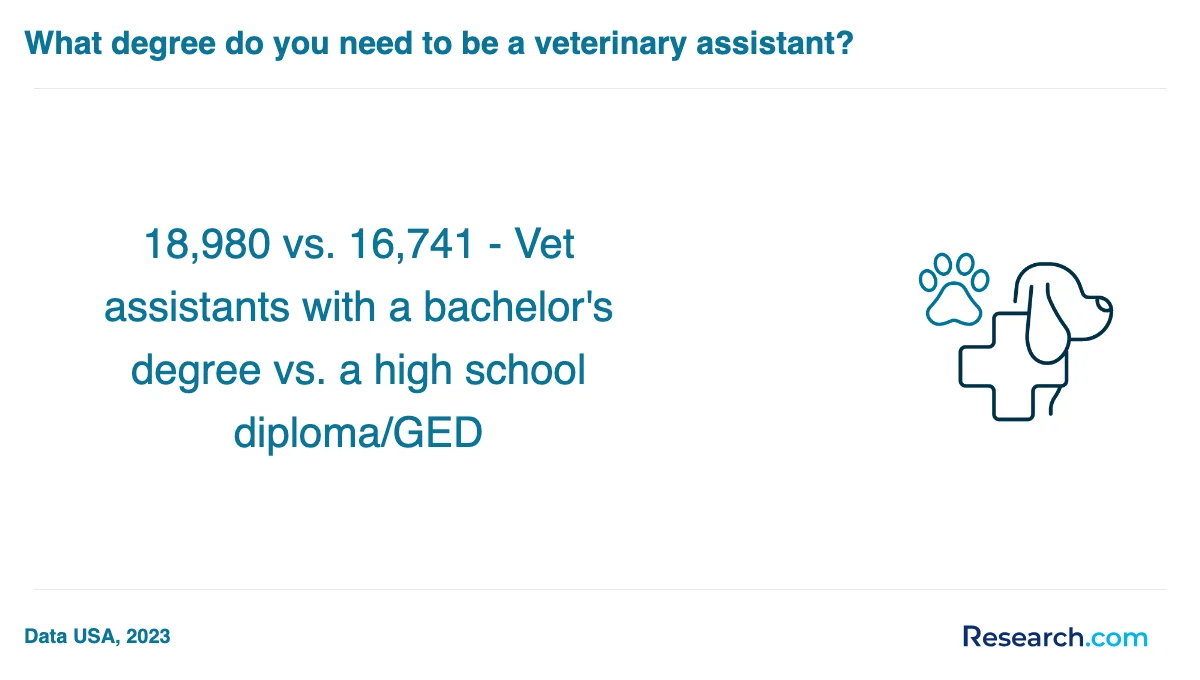
- North Carolina does not require formal certification or a specific education level to work as a veterinary assistant, but most employers prefer a high school diploma or GED.
- Certification through the Approved Veterinary Assistant (AVA) credential is optional and can improve job prospects, earned via externships, experiential learning, or structured programs.
- Clinical experience is essential, with programs like Piedmont Community College requiring 300 supervised clinical hours and a work-based learning position before enrollment.
- Tuition and fees are relatively low, with Piedmont Community College charging a $70 registration fee for clinical courses and offering scholarships for eligible students.
- The average starting salary for veterinary assistants in North Carolina ranges from $25,000 to $31,000 annually, with potential increases based on experience and certification.
How long does it take to complete veterinary assistant trade schools in North Carolina?
Completing a veterinary assistant trade school program in North Carolina typically takes about six to nine months, a timeframe that many graduates describe as both intense and rewarding. At well-known trade schools in the state, students find themselves immersed in hands-on training that prepares them to step confidently into veterinary clinics shortly after graduation.
One graduate shared how the compact schedule felt challenging yet motivating, pushing them to absorb vital skills quickly without sacrificing depth of learning. Another recalled the excitement of their first real-world experience during clinical externships arranged by their school, which often begin within the first few months of the program.
The relatively short duration appeals especially to those eager to start working and earning without years of delay. This focused timeline allows aspiring veterinary assistants in North Carolina to balance education with personal commitments while still gaining essential practical experience that employers value highly.
What's the difference between online and on-campus veterinary assistant trade school programs?
The main difference between online and on-campus veterinary assistant programs in North Carolina centers on how students engage with their studies and gain hands-on experience. Graduates from online programs like those at North Carolina A&T State University often share how the flexibility allowed them to balance work or family while studying animal care and medical terminology remotely. They appreciate being able to learn at their own pace using recorded lectures and interactive modules, but many mention the challenge of independently arranging clinical hours at local veterinary clinics to fulfill practical requirements.
In contrast, students attending on-campus programs such as Piedmont Community College benefit from a structured schedule that includes in-person labs and supervised clinical hours embedded in the curriculum. These graduates often describe the value of direct interaction with instructors and peers, as well as the convenience of having clinical placements coordinated by the school. The hands-on experience gained through these programs helps them feel confident entering the workforce with real-world skills.
What is the average cost of veterinary assistant trade schools in North Carolina?
The average cost veterinary assistant programs North Carolina students consider varies significantly depending on the school and residency status. Graduates from institutions like North Carolina Central University often share that their most noticeable expenses come from tuition, which can range from $184 to $727 per credit hour for an online 225-hour course. This range reflects differences such as in-state versus out-of-state rates, making it crucial for prospective students to budget carefully.
Veterinary assistant training expenses North Carolina students encounter extend beyond tuition. For example, those attending Asheville-Buncombe Technical Community College report that tuition alone is around $76 per credit hour for residents, with an additional $1,216 for heavier course loads. Yet, the true total includes fees like computer use, activity, and campus services, which can subtly add up over semesters.
Many students illuminate the realities of supporting their education by factoring in essentials like books, instruments, uniforms, and consumable supplies, which combined can total about $3,400. These expenditures create a vivid picture of the full commitment behind veterinary assistant training.
Those seeking comprehensive paths might explore accredited online diploma courses that could offer flexible alternatives. Understanding these costs in detail helps prospective students align their aspirations with financial realities in North Carolina's competitive vocational training landscape.
What financial aid is available for veterinary assistant trade schools in North Carolina?
Veterinary assistant students in North Carolina often find financial aid that makes their education more accessible and less stressful. For example, graduates from Piedmont Community College recall how scholarships specifically for residents of Person or Caswell County helped cover registration fees, easing the initial financial burden. These targeted scholarships create a real sense of community support, allowing students to focus on their studies rather than worrying about costs.
Many students also benefit from stipends tied to work-based learning. At Piedmont, enrolling in hands-on clinical courses like WBL 3100A/B can earn a $750 stipend, which graduates say not only offsets expenses but also enriches their practical experience. This combination of earning while learning fuels motivation and confidence.
While federal aid might not always be available-especially for non-credit courses at places like UNC Wilmington-state vocational rehabilitation and workforce development programs often fill the gap. Graduates emphasize the importance of connecting with financial aid offices early, as these teams uncover hidden grants, payment plans, and work-study options that transform financial challenges into manageable steps.
What are the prerequisites for enrolling in veterinary assistant trade schools in North Carolina?
Enrolling in a veterinary assistant trade school program in North Carolina often starts with a few essential prerequisites, designed to ensure students are ready for the hands-on, fast-paced learning environment. Most trade schools expect applicants to have a high school diploma or a GED, which sets the foundation for the technical knowledge and communication skills needed in this field.
Many graduates recall that having a genuine passion for animals and some prior volunteer experience at local shelters or veterinary clinics made the application process smoother and boosted their confidence. Trade schools like those in Charlotte or Raleigh emphasize:
- Basic proficiency in English and math to handle medical records and dosages accurately
- A clear background check to protect animal welfare and client trust
- Proof of immunizations, especially tetanus, to ensure safety during clinical practice
These requirements might seem straightforward, but they prepare students for the reality of veterinary work. Graduates often mention how these steps helped them feel more ready and excited to dive into their hands-on training without surprises.

What are the typical courses in veterinary assistant trade schools in North Carolina?
Veterinary assistant trade school programs in North Carolina typically offer a rich blend of courses designed to build practical skills and confidence in animal care. Graduates from schools like Piedmont Community College often recall how the step-by-step progression through levels I to IV deepened their understanding from basic animal restraint to advanced surgical assistance.
Core subjects usually include:
- Animal anatomy and physiology, providing a clear picture of how different species function.
- Animal restraint techniques, essential for safely handling pets, livestock, and even exotic animals.
- Laboratory procedures, where students practice blood draws and sample analysis under supervision.
Specialty electives at trade schools such as Coastal Carolina Community College allow students to explore areas that spark their passion, like reptile management or wildlife rehabilitation, making their learning experience deeply personal and exciting.
Administrative skills are also emphasized, with programs teaching front-office duties, client communication, and medical record keeping-preparing students for the dynamic nature of veterinary clinics.
This combination of hands-on training and diverse coursework equips students not just with knowledge, but with the practical confidence needed to thrive in real veterinary settings across North Carolina.
What are the available specializations in veterinary assistant trade schools in North Carolina?
Veterinary assistant specializations in North Carolina offer students a dynamic range of pathways to tailor their education and career. Graduates from Coastal Carolina Community College often highlight their enriching experience in small animal care and management, reptile care, and wildlife rehabilitation-skills that bring a deep sense of fulfillment when working hands-on with diverse species. Many find elective courses in avian care and exotic animal medicine open doors to lesser-known yet fascinating roles within zoological and sanctuary settings.
Central Piedmont Community College and UNC Wilmington provide programs that cover a comprehensive spectrum including small and large animal assisting, exotic species, emergency care, and veterinary dentistry. Students appreciate the freedom to pursue clinical rotations aligned with passions such as livestock or companion animal care, fueling their confidence for real-world challenges in veterinary clinics or research labs.
Enrolling in these programs ensures exposure to exotic animal care programs North Carolina students find invaluable, especially when paired with hands-on internships and industry credentials. Those seeking a frontline role choose administrative tracks focusing on veterinary office operations, medical record management, and client relations-a rewarding balance of interaction and animal healthcare support. Prospective students eager to learn more about specialized training may explore recommended vet tech programs.
How do you choose the best veterinary assistant trade school program in North Carolina?
Choosing among accredited veterinary assistant programs in North Carolina means focusing on key factors to ensure a rewarding experience. Graduates from schools like Asheville-Buncombe Technical Community College and Central Carolina Community College often highlight how accreditation by the AVMA guarantees a curriculum that aligns with industry standards, preparing them effectively for real-life veterinary roles.
Factors to consider when selecting a veterinary assistant school in North Carolina include hands-on training opportunities, like access to surgical suites and animal kennels, which many students at Gaston College praised for enhancing their confidence. Smaller class sizes common at Nash Community College also foster personalized instruction, making learning more engaging and practical.
Cost and scheduling flexibility are equally important. Many future assistants appreciate programs with online options or affordable tuition, as found by exploring the cheapest vet tech programs online. This balance allows aspiring students to pursue their passion without sacrificing other commitments or financial stability.

What career paths are available for veterinary assistant trade school graduates in North Carolina?
Graduates of veterinary assistant trade school programs in North Carolina find a wide array of fulfilling career options that tap directly into their passion for animal care. Popular trade schools across the state prepare students for veterinary assistant jobs in North Carolina that range from hands-on roles in private clinics and animal hospitals to specialized positions in emergency centers and boarding facilities.
Many find rewarding work engaging in tasks such as feeding and exercising animals, cleaning medical areas, and supporting veterinarians during exams and post-surgical care, which many graduates describe as deeply satisfying and community-focused. Beyond traditional roles, career options for veterinary assistants in North Carolina often include:
- Kennel technician positions in local boarding kennels
- Laboratory animal caretaker roles in research institutions or universities
- Support roles in wildlife rehabilitation centers and mobile veterinary units
Experienced graduates also progress towards veterinary technician certifications or specialize in fields like animal rehabilitation and emergency care. Students often weigh vocational vs trade school programs to determine which path best supports their ambitions and lifestyle, making it essential to research options carefully before committing.
What is the job market for veterinary assistant trade school graduates in North Carolina?
The veterinary assistant job market in North Carolina offers exciting opportunities for graduates of trade school programs, with growth rates surpassing the national average by a wide margin. Many graduates from popular trade schools in the state report quickly finding positions in local clinics and animal hospitals, benefiting from a labor market that expects a 30.8% increase in veterinary assistant and laboratory animal caretaker jobs through 2026. This means roughly 610 new openings annually, making it a dynamic field for new professionals.
Graduates often describe rewarding hands-on experiences during their training that boost their confidence and skills, aligning well with employers' needs. Key advantages of studying veterinary assistant in North Carolina include:
- Access to a robust network of veterinary clinics actively recruiting well-trained assistants
- The ability to leverage real-life case studies and practical sessions embedded in trade school curricula
- Competitive average wages near $15.67 per hour that, when combined with the local cost of living, create promising career stability
The outlook is practical and promising, especially when considering reports that the job market is not overly saturated, leaving room for career advancement. For those curious about comparable fields or exploring high paying healthcare jobs, North Carolina's veterinary assistant path provides an accessible yet rewarding entry point into animal healthcare careers.
Frequently Asked Questions about veterinary assistant
After completing a veterinary assistant trade school in North Carolina, preparing for the job market involves both practical and professional steps. Graduates should focus on gaining hands-on experience through internships or volunteer work at local veterinary clinics, which can improve employability. Networking within North Carolina's veterinary community is also important, as many job openings are filled through referrals.
Additionally, obtaining certification, such as the Approved Veterinary Assistant (AVA) credential, can enhance job prospects. According to the North Carolina Department of Commerce, the veterinary assistant field in the state is projected to grow by 12% through 2030, indicating positive employment opportunities.
Graduates should also prepare a professional resume highlighting relevant skills like animal care, lab work, and administrative abilities. Staying informed about state veterinary regulations and continuing education can support long-term career growth.
Employers in North Carolina prioritize several key skills when hiring veterinary assistant trade school graduates. According to the North Carolina Veterinary Medical Association, strong animal handling abilities are essential, as assistants must safely manage a variety of species in clinical settings.
Communication skills are also highly valued. Veterinary assistants need to effectively convey information between veterinarians, pet owners, and support staff. This includes both verbal and written communication.
Technical knowledge gained through accredited trade programs is crucial. Familiarity with medical terminology, laboratory procedures, and basic pharmacology enables assistants to support veterinary teams efficiently.
Additionally, attention to detail and the ability to work under supervision are important traits, as veterinary assistants often perform tasks that require precision and adherence to protocols. The U.S. Bureau of Labor Statistics notes that such competencies contribute to better patient care and workplace safety.
Finding internships relevant to veterinary assistant trade school programs in North Carolina involves several practical steps. Start by consulting your trade school's career services, as many schools partner with local veterinary clinics and animal hospitals to offer internship placements. According to the North Carolina Veterinary Medical Association, internships are commonly available through private practices and animal shelters.
Additionally, students should explore opportunities through statewide resources such as the North Carolina Department of Agriculture, which sometimes lists openings in animal care facilities. Networking with local veterinary professionals and attending industry events can also uncover hidden internship positions.
Online job boards focused on veterinary careers, like the Veterinary Career Center, frequently post internships specific to North Carolina. These internships provide essential hands-on experience, improving job prospects after graduation.
Obtaining a veterinary assistant trade school diploma in North Carolina significantly enhances career mobility and advancement opportunities. The diploma provides practical skills and knowledge that meet industry standards, making graduates more competitive for entry-level positions in veterinary clinics and animal hospitals. According to the North Carolina Department of Commerce, veterinary support occupations are projected to grow by 11% through 2030, indicating strong demand for trained assistants.
Trade school graduates often qualify for higher starting wages compared to those without formal training. Additionally, many employers prefer candidates with accredited diplomas as it reflects commitment and competence.
Continuing education and certification, such as becoming a Certified Veterinary Assistant (CVA), is more accessible with a trade school diploma, further supporting career advancement.
Part-time job opportunities in North Carolina that complement veterinary assistant trade school education include working as a veterinary aide or kennel assistant. These roles provide hands-on experience with animal care, which is essential for skill development. According to the North Carolina Department of Commerce, positions in animal care services are expected to grow by 8% through 2030, reflecting steady demand.
Additionally, roles such as veterinary receptionist or animal shelter assistant offer exposure to clinic operations and client communication. These jobs help build practical knowledge while students complete their training. Working part-time in these roles also strengthens resumes, improving employability after graduation.
There are several veterinary assistant degree programs available near North Carolina for those interested in pursuing this career path. Nearby institutions offer robust programs that provide essential skills and knowledge needed for the field, with some having proximity to diverse wildlife and rural settings that enhance practical learning experiences. You can explore academic and vocational options to find a program "near me" by visiting college listings or platforms like Research.com, which can help locate programs tailored to your location and needs.
Related Veterinary Assistant Rankings for Nearby States
- Best Veterinary Assistant Training Programs & Trade Schools - Top Veterinary Assistant Schools in South Carolina for 2026
- Best Veterinary Assistant Training Programs & Trade Schools - Top Veterinary Assistant Schools in Virginia for 2026
- Best Veterinary Assistant Training Programs & Trade Schools - Top Veterinary Assistant Schools in Georgia for 2026
- Best Veterinary Assistant Training Programs & Trade Schools - Top Veterinary Assistant Schools in Tennessee for 2026
- Best Veterinary Assistant Training Programs & Trade Schools - Top Veterinary Assistant Schools in Kentucky for 2026
- Best Veterinary Assistant Training Programs & Trade Schools - Top Veterinary Assistant Schools in Florida for 2026
- Best Veterinary Assistant Training Programs & Trade Schools - Top Veterinary Assistant Schools in Maryland for 2026
- Best Veterinary Assistant Training Programs & Trade Schools - Top Veterinary Assistant Schools in Alabama for 2026
- Best Veterinary Assistant Training Programs & Trade Schools - Top Veterinary Assistant Schools in Pennsylvania for 2026
- Best Veterinary Assistant Training Programs & Trade Schools - Top Veterinary Assistant Schools in Ohio for 2026
Top Trending Rankings
References
- 5 Career Paths for Veterinary Assistants - HCI College https://www.hci.edu/hci-news/23660-5-career-paths-for-veterinary-assistants
- Your Veterinary Assistant Career Guide (Salary, Job Duties, & Requirements) | Penn Foster https://www.pennfoster.edu/blog/your-veterinary-assistant-career-guide-salary-job-duties-requirements
- Train for a Veterinary Assistant Career with ICH! - Integrity College of Health https://ich.edu/blog/train-for-a-veterinary-assistant-career-with-ich/
- 12 Alternative Career Paths for Veterinary Techs https://unity.edu/careers/alternative-career-paths-vet-techs/
- Veterinary Assistant Career Exploration and Expansion https://blackstone.edu/veterinary-assistant-career-exploring/
- Veterinary Assistant https://www.cpp.edu/cpge/professional-development/online-learning/career-training/vet-assistant.shtml
- Should I train to work as a Veterinary Assistant? - San Joaquin Valley College https://www.sjvc.edu/blog/is-a-career-as-a-veterinary-assistant-right-for-me/
- Online Veterinary Assistant from University of North Carolina Wilmington https://careertraining.uncw.edu/training-programs/veterinary-assistant/
- Vet Assistant Schools in NC - Near You & Awesome https://vettechnicians.org/vet-assistant/nc/
- Career Opportunities | College of Veterinary Medicine https://cvm.ncsu.edu/about/career-opportunities/


