
Best Veterinary Assistant Training Programs & Trade Schools - Top Veterinary Assistant Schools in Kansas for 2026

Co-Founder and Chief Data Scientist
Choosing the right veterinary assistant trade school in Kansas can feel overwhelming, but you’re not alone. This article introduces a helpful ranking created by the Research.com team of data scientists, designed to guide you in finding programs that truly stand out.
Whether you’re starting fresh or looking to advance your skills, earning a diploma or certification opens doors to a rewarding career caring for animals. Reading this article will give you clear insights and confidence to make the best decision for your future in veterinary care.
Key benefits of finishing veterinary assistant trade school in Kansas
- Graduates can expect an average starting salary around $16 per hour or about $32,756 annually in Kansas, with room to grow as experience and skills increase.
- Many graduates find rewarding career paths in veterinary clinics, animal shelters, or specialty practices, gaining hands-on experience and advancing to roles like veterinary technicians or office managers.
- Completing a veterinary assistant trade school online offers flexibility and convenience, allowing students to balance work or family while learning, as many online graduates from Kansas programs report feeling well-prepared for their careers.
What can I expect from veterinary assistant trade schools in Kansas?
Enrolling in a veterinary assistant trade school program in Kansas means immersing yourself in a dynamic mix of classroom learning and hands-on practice. Graduates from schools like Kansas City Community College often describe the experience as both challenging and rewarding, with courses designed to build confidence in animal handling, client communication, and record keeping within just nine months. Picture yourself in a busy lab session, practicing restraint techniques on a cooperative dog, followed by an externship at a local animal hospital where real-world skills come alive.
Many students appreciate the flexibility offered by programs that combine online and on-campus options, allowing them to balance life's demands while progressing steadily. Tuition costs vary, but students frequently find the investment worthwhile, considering the practical training and direct exposure to veterinary environments.
It's important to remember that veterinary assistant programs focus on foundational support skills, setting you up for entry-level roles in clinics or shelters. Graduates often speak of the excitement and sense of purpose they felt when stepping into their first job, fully prepared to contribute to animal care teams across Kansas.
Where can I work after finishing veterinary assistant trade schools in Kansas?
After finishing a veterinary assistant trade school program in Kansas, graduates find themselves welcomed into a variety of rewarding workplaces. Many quickly step into roles at private veterinary clinics and animal hospitals, where they assist veterinarians with patient care, lab work, and client communication. Graduates from popular trade schools often share how hands-on training prepared them to confidently support busy clinics in Wichita, where job openings are plentiful.
Others discover fulfilling careers in small animal practices or mixed animal clinics, working with everything from household pets to livestock. For example, some graduates have found meaningful positions at the Veterinary Health Center at Kansas State University, helping care for horses and cattle while gaining valuable experience in emergency settings.
Animal shelters, humane societies, and rescue groups also attract many graduates passionate about animal welfare, offering daily care and medical support to rescued pets. Boarding facilities and specialty care centers provide additional opportunities, allowing graduates to choose environments that truly match their interests and lifestyle.
How much can I make after finishing veterinary assistant trade schools in Kansas?
After completing a veterinary assistant trade school program in Kansas, many graduates find themselves earning between $15.38 and $16.11 per hour. This range reflects entry-level positions in the state's animal care sector, translating to an annual salary from about $24,120 to $32,756. For example, graduates from well-known Kansas trade schools often share how their first jobs, whether in a small-town clinic or a larger city hospital, start on the lower end but quickly provide valuable hands-on experience.
One common story among these graduates is the excitement of stepping into a real veterinary setting, where even an hourly wage of around $16 feels rewarding when paired with the passion for helping animals. While these salaries are somewhat lower than other healthcare roles in Kansas, such as phlebotomy or medical assisting, many find the career's meaningful work and growth potential motivating.
Factors like workplace location or extra certifications can boost earnings slightly, and graduates often report that their trade school training gave them a competitive edge, opening doors in specialty clinics or urban centers. This early stage is about building skills, confidence, and connections that can lead to higher pay and career advancement.
Best Veterinary Assistant Training Programs & Trade Schools - Top Veterinary Assistant Schools in Kansas for 2026
# 1 position
Independence Community College - Veterinary/Animal Health Technology/Technician and Veterinary Assistant.
associateIndependence Community College offers a program in Veterinary/Animal Health Technology/Technician and Veterinary Assistant that trains students to assist veterinarians and animal health professionals in patient care and clinical procedures. The curriculum covers animal nursing, health, nutrition, clinical pathology, radiology, anesthesiology, dental care, surgical assisting, laboratory procedures, and office administration. The program is accredited by the Higher Learning Commission, with an annual in-state tuition of $4,260.
# 2 position
Colby Community College - Veterinary/Animal Health Technology/Technician and Veterinary Assistant.
associateColby Community College offers a program in Veterinary/Animal Health Technology/Technician and Veterinary Assistant designed to train individuals to assist veterinarians and animal health professionals. The curriculum covers animal nursing, clinical procedures, radiology, anesthesiology, surgical assisting, and office administration. Students gain skills in patient care, owner communication, and applicable regulations. The program’s annual in-state tuition is $4,046 and it is accredited by the Higher Learning Commission.
# 3 position
Wichita State University-Campus of Applied Sciences and Technology - Veterinary/Animal Health Technology/Technician and Veterinary Assistant.
associateWichita State University-Campus of Applied Sciences and Technology offers a program in Veterinary/Animal Health Technology/Technician and Veterinary Assistant. The program trains students to assist veterinarians and animal health professionals in patient care, clinical procedures, and owner communication. Instruction covers animal nursing, clinical pathology, radiology, anesthesiology, surgical assisting, and office administration. The program is accredited by the Higher Learning Commission. Annual in-state tuition is $6,018.
# 4 position
Butler Community College - Veterinary/Animal Health Technology/Technician and Veterinary Assistant.
associateButler Community College offers a program in Veterinary/Animal Health Technology/Technician and Veterinary Assistant that prepares students to assist veterinarians and animal specialists in patient care and clinical procedures. The curriculum covers animal nursing, health, nutrition, handling, clinical pathology, radiology, anesthesiology, dental prophylaxis, surgical assisting, laboratory procedures, and office administration. The program is accredited by the Higher Learning Commission, with an annual in-state tuition of $3,556.
Key Findings
- Kansas has no statewide educational or licensing requirements for veterinary assistants, but most schools and employers require a high school diploma or GED.
- Programs are available at community colleges, technical schools, and online, covering animal care, veterinary office procedures, surgical assisting, lab techniques, and client communication.
- Many programs include about 80 hours of supervised hands-on externships to gain real-world veterinary experience.
- Tuition for certificate programs ranges from $1,500 to $3,000, with online options generally costing less than in-person programs.
- The veterinary assistant field in Kansas is growing at an estimated rate of 16%, with around 900 assistants currently employed mainly in urban areas.
- Average annual salary is about $24,120, or $11.60 per hour, with certification like the Approved Veterinary Assistant (AVA) improving job prospects.
How long does it take to complete veterinary assistant trade schools in Kansas?
Completing a veterinary assistant trade school program in Kansas typically takes between six months and one year, depending on the school and the intensity of the course schedule. Many graduates from well-known Kansas trade schools share how the compact timeline allowed them to quickly transition from classroom learning to hands-on experience in local veterinary clinics. This swift completion time is perfect for those eager to start working without spending years in school.
For example, students often describe the satisfaction of finishing their studies just in time to join a busy animal hospital, feeling confident thanks to the practical skills they gained. The focused curriculum in Kansas trade schools balances anatomy, animal care, and technical skills, making the learning process efficient yet thorough. This means you can expect to acquire both knowledge and real-world readiness within a manageable timeframe, ideal for busy adults or career changers in Kansas.
Such programs often include externships, which further reduce the gap between school and employment, helping students feel prepared and excited to enter the workforce quickly.
What's the difference between online and on-campus veterinary assistant trade school programs?
The key difference between online and on-campus veterinary assistant trade school programs in Kansas lies in how students experience their education. Graduates from online programs at schools like Colby Community College appreciate the flexibility of accessing lectures and assignments from home, especially those juggling jobs or family. They often describe the convenience of learning foundational skills-like client communication and record management-at their own pace without sacrificing quality.
However, these same graduates emphasize the importance of hands-on training, which online programs require through externships at local clinics. This blend allows students living in rural areas to gain real-world experience without relocating.
On the other hand, on-campus students at Kansas City Community College often share how the structured schedule and face-to-face interaction with instructors and peers enhance their confidence. They value immediate access to labs and live animal handling, which brings lessons to life and fosters teamwork.
Both paths ultimately prepare students for entry-level roles, but the choice hinges on whether you prefer flexible remote learning or immersive, in-person engagement.
What is the average cost of veterinary assistant trade schools in Kansas?
The average cost of veterinary assistant programs in Kansas can vary widely depending on the institution and program format, but many students find tuition fees for veterinary assistant schools in Kansas to be a manageable investment in their future. For example, graduates of Butler Community College's hands-on program in El Dorado report that the total in-state cost of $3,497, which includes registration and testing fees, felt like a fair price for the comprehensive 595-hour education they received. This program's structure ensures students develop real skills and confidence, helping them stand out when entering the workforce.
Meanwhile, some students looking for flexibility appreciate online options like those from Kansas City Kansas Community College, where the price is set at $2,795 for a focused Veterinary Assistant course that prepares participants with fundamental skills. Though affordable, students often balance these tuition costs with expenses for books and uniforms, learning from peers who emphasize budgeting carefully while pursuing their passion for animal care.
Other graduates from Colby Community College share how tuition fees for veterinary assistant schools in Kansas range from $142 to $227 per credit hour, reflecting differences in residency. Many remark that the ability to engage in programs varying from administrative to technical veterinary skills allows them to tailor their education to their career goals.
Prospective students eager to explore the lifestyle and career opportunities can benefit from understanding the broader types of veterinary jobs and salaries, which often motivates them to invest wisely in their education and plan ahead for financial aid options.

What financial aid is available for veterinary assistant trade schools in Kansas?
Many veterinary assistant students in Kansas find financial aid essential to turning their career dreams into reality. At schools like WSU Tech, graduates often share how applying through the Free Application for Federal Student Aid (FAFSA) unlocked access to federal grants such as the Pell Grant and Federal Supplemental Educational Opportunity Grant (FSEOG). These grants, paired with subsidized and unsubsidized federal loans, ease the burden of tuition and living expenses during training.
Veteran students or their families frequently benefit from GI Bill educational benefits, which can significantly reduce costs if the trade school is veteran-approved. Meanwhile, some community colleges and technical schools offer institutional scholarships or state-funded grants, though these are less common specifically for veterinary assistants compared to broader healthcare fields. Graduates recall how checking in with their school's financial aid office revealed helpful tuition payment plans and local aid opportunities they hadn't considered.
While larger forgivable loan programs target Doctor of Veterinary Medicine candidates, Kansas veterinary assistant students mainly rely on these federal and school-based supports to confidently pursue their passion for animal care.
What are the prerequisites for enrolling in veterinary assistant trade schools in Kansas?
Entering a veterinary assistant trade school program in Kansas typically requires a high school diploma or GED, setting a clear foundation for success. Many graduates from well-known Kansas trade schools recall how this basic requirement felt like the first step toward their rewarding careers.
Aside from academic credentials, these programs often expect:
- Strong communication skills, essential when handling both animals and their owners.
- A genuine passion for animal care, demonstrated through volunteer work or prior experience in shelters.
- Basic computer literacy to manage records and appointments efficiently.
For example, graduates frequently share stories of how their time volunteering at local clinics made the application process smoother, turning passion into tangible experience. This blend of formal education and heartfelt enthusiasm is key in Kansas trade schools, where hands-on learning is emphasized in a supportive environment.
Meeting prerequisites is less about hurdles and more about proving your commitment to a career that truly matters, inspiring confidence even before classes begin.
What are the typical courses in veterinary assistant trade schools in Kansas?
Veterinary assistant trade school programs in Kansas equip students with a mix of practical skills and foundational knowledge critical for thriving in busy clinics. Graduates from schools like Colby Community College often recall hands-on courses in animal anatomy and physiology, where understanding the structure and function of various animals becomes second nature.
Core courses typically include:
- Animal restraint and handling techniques-essential for safely managing nervous or injured animals during exams or procedures.
- Laboratory procedures-where students learn to collect samples and run diagnostic tests, mimicking real clinic workflows.
- Veterinary office administration-covering client communication, scheduling, and record-keeping, key skills highlighted in Kansas trade schools.
Programs like Washburn Institute of Technology enrich their curriculum with specialized topics such as emergency care, pharmacy procedures, and veterinary dentistry, offering a comprehensive skill set that many students find exciting and rewarding.
For those drawn to equine care, elective modules like horse care management at Kansas City Community College add a personalized touch to the learning journey. Most students appreciate the blend of classroom theory and real-world practice, often completing their certificates in under a year and feeling confident stepping into veterinary environments.
What are the available specializations in veterinary assistant trade schools in Kansas?
Veterinary assistant specializations in Kansas trade schools cater to varied interests and career paths within animal care. Many students at Colby Community College, for instance, Choose the administrative veterinary assisting track, which sharpens skills in scheduling, client communication, and recordkeeping - perfect for those drawn to the heartbeat of clinic operations.
Others gravitate toward clinical veterinary assisting, gaining hands-on experience with animal exams, surgery prep, and lab procedures. Graduates from WSU Tech often highlight the rewarding challenge of mastering anesthesia support and animal handling, which equips them for frontline animal care roles.
Students passionate about immersive learning frequently enroll in externships across Kansas, where real-world settings from emergency clinics to rural hospitals deepen their expertise. These animal care program options Kansas can be tailored to companion animals, livestock, or shelter work, making the education feel directly relevant and exciting.
Graduates report a strong sense of fulfillment knowing their training aligns with their career goals, especially as many leverage these specializations for enhanced job prospects. For students exploring veterinary assistant options, online diploma education offers additional flexibility to pursue these paths intensively.
How do you choose the best veterinary assistant trade school program in Kansas?
Choosing the best veterinary assistant programs in Kansas means focusing on accreditation and hands-on training. Graduates from schools like Colby Community College and Independence Community College often emphasize how clinical practicums transformed their learning, preparing them to confidently assist in busy veterinary clinics. These programs ensure students gain practical skills in real veterinary environments, not just theory.
Flexibility in scheduling is another key factor. Many students balance work, family, and education by selecting programs with online options or evening classes, a common feature at WSU Tech. This adaptability allows for uninterrupted progress even with a busy lifestyle.
When reviewing veterinary assistant training options in Kansas, consider school reputation and employment outcomes. Graduates frequently praise programs with strong connections to local clinics, which help them secure jobs quicker. Exploring these aspects will make your educational experience more fulfilling and better align with your career goals in this rewarding field.
Discover how your path fits within broader occupations in the medical field as you advance.
What career paths are available for veterinary assistant trade school graduates in Kansas?
Graduates of veterinary assistant trade school programs in Kansas find themselves stepping into a variety of rewarding career paths tailored to their passions and skills. Many secure positions in busy veterinary offices, animal hospitals, and specialty clinics in cities like Wichita and Kansas City, gaining hands-on experience with pets and exotic animals. Some graduates thrive supporting rural veterinary practices, assisting with livestock care on farms or ranches, which offers a close connection to Kansas's agricultural roots. Others pursue fulfilling roles in animal shelters, rescue organizations, or research laboratories, dedicating their time to animal welfare beyond clinical care.
Veterinary assistant career opportunities in Kansas flourish particularly for graduates who enhance their credentials through national certification or on-the-job experience. Career advancement often follows, with paths leading to supervisory roles or specialized fields such as laboratory animal care and practice management. Graduates from popular trade schools in Kansas describe how their training prepared them not only with technical skills but also the confidence to navigate these diverse workplaces.
For those exploring quick but comprehensive training, completing 2 year health care programs proves invaluable to entering the field promptly and competently.
Animal care jobs for veterinary assistant graduates in Kansas thus offer a dynamic mix of urban and rural possibilities, reflecting the state's unique blend of communities and industries.
What is the job market for veterinary assistant trade school graduates in Kansas?
The veterinary assistant job openings in Kansas remain robust, especially for graduates from well-regarded trade schools in cities like Wichita and Topeka. Many graduates recount landing positions quickly in busy urban clinics or community animal hospitals, where their practical training makes a real difference. Trade programs that align closely with National Association of Veterinary Technicians in America standards often see higher demand from veterinary employers seeking skilled assistants.
Salaries generally range from $15.50 to $19.00 per hour, reflecting veterinary assistant salary trends in Kansas that are competitive for entry-level roles. Graduates describe starting in smaller clinics before moving to larger veterinary hospitals in Kansas City or Manhattan, driven by a growing network of animal care providers. Benefits such as health insurance and paid leave are common perks.
Most job responsibilities involve animal care, assisting vets and technicians, managing patient intake, and clear communication with pet owners-skills honed during trade school. Many graduates appreciate hands-on experience working with both companion and farm animals, highlighting Kansas' unique mix of environments. For students wondering what degree leads to these roles, exploring a veterinarian degree path is a natural next step.
Frequently Asked Questions about veterinary assistant
After completing a veterinary assistant trade school in Kansas, preparing for the job market involves several strategic steps. First, gaining hands-on experience through internships or externships offered by schools can significantly improve employment prospects. According to the Kansas Department of Labor, veterinary assistants in the state have a projected job growth rate of about 12% from 2022 to 2032, which is faster than the average for all occupations.
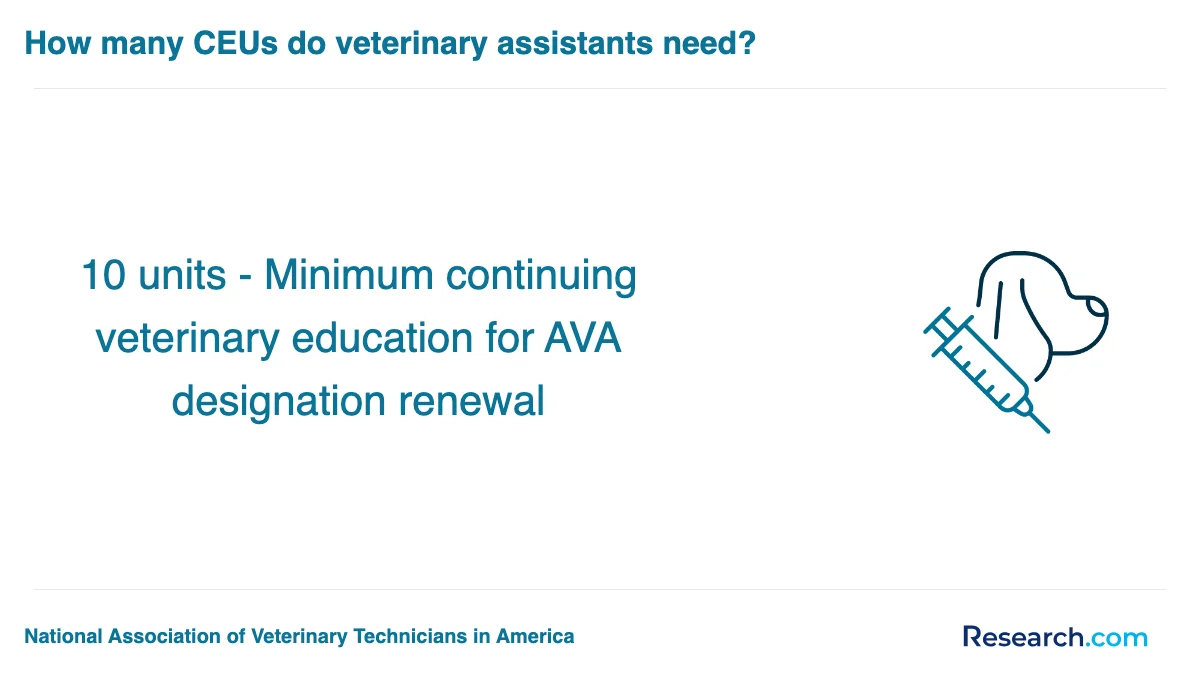
Building a professional resume that highlights practical skills, certifications like the Approved Veterinary Assistant (AVA) credential, and volunteer work at animal shelters can make candidates more attractive to employers. Networking with local veterinary clinics and participating in job fairs hosted by trade schools also enhances job opportunities. Finally, staying informed about state licensing requirements and continuing education helps maintain competitiveness in Kansas's veterinary job market.
Employers in Kansas highly value veterinary assistant graduates who demonstrate strong practical skills alongside solid knowledge of animal care. According to the Kansas Department of Labor, key skills include proficiency in animal handling, assisting with medical procedures, and maintaining sanitary environments. Communication skills are also crucial, as veterinary assistants often interact with pet owners and veterinary teams.
Technical skills such as administering medications and understanding basic laboratory work are frequently requested. Additionally, employers look for candidates with attention to detail and the ability to follow veterinarians' instructions accurately. These competencies help ensure quality care and safety in veterinary settings.
Trade schools that emphasize hands-on training and clinical experience better prepare students for these employer expectations. The U.S. Bureau of Labor Statistics notes that veterinary assistants in the Midwest earn a median wage of about $13 per hour, highlighting the importance of skill development for career advancement in Kansas.
Finding internships relevant to veterinary assistant trade school programs in Kansas involves several strategic steps. Start by contacting your trade school's career services, as many maintain partnerships with local veterinary clinics and animal hospitals. These connections can provide internship opportunities tailored to your curriculum.
Additionally, explore listings on Kansas-based job boards such as the Kansas Department of Labor's website, which occasionally posts veterinary assistant internships. Networking through professional organizations like the Kansas Veterinary Medical Association can also lead to valuable internship placements.
According to the U.S. Bureau of Labor Statistics, internships in veterinary support roles are growing by about 16% nationally through 2030, reflecting increased demand within the state. Engaging early with local clinics and demonstrating a strong commitment to animal care improves your chances of securing a relevant internship.
Obtaining a veterinary assistant trade school diploma in Kansas can significantly enhance career mobility within the veterinary field. This credential demonstrates practical skills and knowledge required for entry-level positions, making graduates more competitive when applying for jobs in clinics, animal hospitals, and shelters. According to the Kansas Department of Labor, veterinary assisting roles are expected to grow by 15% through 2030, faster than the average for all occupations.
Holding a diploma can also open doors to advancement opportunities, such as becoming a veterinary technician with additional education or specializing in animal care areas. Employers often prefer candidates with formal training, which can lead to higher starting salaries and job stability. Furthermore, some Kansas employers require certification eligibility that a trade school diploma supports, aiding professional development and upward mobility in this sector.
Part-time job opportunities in Kansas can significantly enhance the education of students enrolled in veterinary assistant trade schools. Positions such as veterinary receptionist, animal care attendant, or kennel assistant provide hands-on experience while allowing flexible schedules. According to the Kansas Department of Labor, veterinary assistants in the state earn an average hourly wage of $13.50, with part-time roles commonly available in animal clinics and shelters.
Working in such roles helps students apply classroom knowledge to real-world settings, improving skills in animal handling, client communication, and administrative tasks. Additionally, volunteering at local animal shelters is another valuable option to build experience and professional networks.
Choosing the best Veterinary Assistant degree program near me involves evaluating factors such as accreditation, hands-on training opportunities, and post-graduation job placement rates. Researching universities and community colleges near Kansas provides options with strong programs tailored to your career goals. Consulting resources like Research.com can help compare the curriculums and facilities of programs near you.
Related Veterinary Assistant Rankings for Nearby States
- Best Veterinary Assistant Training Programs & Trade Schools - Top Veterinary Assistant Schools in Oklahoma for 2026
- Best Veterinary Assistant Training Programs & Trade Schools - Top Veterinary Assistant Schools in Iowa for 2026
- Best Veterinary Assistant Training Programs & Trade Schools - Top Veterinary Assistant Schools in Minnesota for 2026
- Best Veterinary Assistant Training Programs & Trade Schools - Top Veterinary Assistant Schools in New Mexico for 2026
- Best Veterinary Assistant Training Programs & Trade Schools - Top Veterinary Assistant Schools in Wisconsin for 2026
- Best Veterinary Assistant Training Programs & Trade Schools - Top Veterinary Assistant Schools in Tennessee for 2026
- Best Veterinary Assistant Training Programs & Trade Schools - Top Veterinary Assistant Schools in Alabama for 2026
- Best Veterinary Assistant Training Programs & Trade Schools - Top Veterinary Assistant Schools in Kentucky for 2026
- Best Veterinary Assistant Training Programs & Trade Schools - Top Veterinary Assistant Schools in Michigan for 2026
- Best Veterinary Assistant Training Programs & Trade Schools - Top Veterinary Assistant Schools in Indiana for 2026
Top Trending Rankings
References
- Steps on How to Become a Veterinary Assistant in Kansas https://www.veterinarianedu.org/kansas-veterinary-assistant/
- Vet Assistant Schools in KS - Near You & Awesome https://vettechnicians.org/vet-assistant/ks/
- Veterinary Technology Program (A.A.S. Degree & Certificates) https://mcckc.edu/programs/veterinary-technology/index.aspx
- Best Veterinary Assistant Programs in Kansas | How to Become https://vetcareerschools.com/near-you/veterinary-assistant/kansas/
- Online Veterinary Assistant from Washburn Institute of Technology https://careertraining.washburn.edu/training-programs/veterinary-assistant/
- Veterinary Technician | Degree & Certification | WSU Tech | Wichita KS https://wsutech.edu/veterinary-technician-veterinary-nursing/
- Become a Veterinary Assistant https://continuinged.jccc.edu/courses/detail/46161
- Become a Veterinary Assistant | Manhattan Area Technical College https://www.ed2go.com/matech/online-courses/become-a-veterinary-assistant/
- Career Pathways / Animal Science Pathway https://www.olatheschools.org/Page/10894
- Veterinary Assistant Jobs In Kansas - AmeriVet https://amerivet.com/veterinary-jobs/assistant/kansas/


