
Best Veterinary Assistant Training Programs & Trade Schools - Top Veterinary Assistant Schools in New Mexico for 2026

Co-Founder and Chief Data Scientist
Exploring a career as a veterinary assistant in New Mexico is an exciting step toward working with animals and making a difference in their care. Choosing the right trade school program is essential to building a strong foundation for your future.
This article features a veterinary assistant trade school programs ranking created by the Research.com team of data scientists. It’s designed to help you make an informed decision about which schools offer quality education and valuable training.
Reading this guide will give you confidence in selecting a program that fits your goals and sets you up for success in this rewarding field.
Key benefits of finishing veterinary assistant trade school in New Mexico
- Graduates from veterinary assistant trade schools in New Mexico can expect starting salaries around $16.71 per hour, with certified assistants earning up to $22.29 per hour or more, offering strong earning potential early in their careers.
- Career paths include working in clinics, animal hospitals, or veterinary offices, with many graduates from popular schools quickly finding rewarding roles that offer hands-on experience and growth opportunities.
- Completing a veterinary assistant program online offers flexible scheduling and the ability to learn at your own pace, as demonstrated by successful online graduates who balance work and study while gaining the same valuable skills as traditional students.
What can I expect from veterinary assistant trade schools in New Mexico?
Enrolling in a veterinary assistant trade school program in New Mexico means diving into a hands-on learning journey designed to prepare you for real-world animal care. Graduates from schools like Pima Medical Institute in Albuquerque often describe the experience as both challenging and rewarding, with a nine-month curriculum that blends classroom theory with practical skills-from animal handling to assisting in surgeries.
Others who chose programs like Northern New Mexico College appreciate the flexibility of shorter, online courses that let them study at their own pace, although they note the lack of direct clinical practice requires extra effort to gain hands-on experience elsewhere. Many find the combination of nutrition, first aid, and diagnostic training essential for feeling confident when communicating with clients or assisting veterinarians.
Students frequently mention feeling supported by career services and financial aid options, which make pursuing their passion more accessible. The practical nature of these programs leaves graduates ready to step into veterinary clinics or shelters, equipped with both skills and the satisfaction of having made a meaningful commitment to animal care.
Where can I work after finishing veterinary assistant trade schools in New Mexico?
Graduates from veterinary assistant trade schools in New Mexico often find themselves stepping into roles at veterinary clinics and animal hospitals, where their hands-on training truly comes to life. Many recall their first days assisting veterinarians with animal restraint or comforting anxious pets, tasks they mastered during their program. Popular trade schools in Albuquerque and Santa Fe prepare students well for such environments, reflecting the strong local demand. Employers like Banfield Pet Hospital in major cities frequently seek candidates with NAVTA-approved certificates, making graduation a proud milestone.
Beyond clinics, graduates have embraced careers in animal shelters, rescue organizations, and specialty care centers, where compassionate care is as vital as technical skills. Some recall the rewarding experience of supporting spay/neuter programs or working with livestock vets in rural communities, expanding their impact. Others find fulfillment in mobile veterinary services or animal control agencies, where flexibility and community connection are key.
With over 120 job openings statewide and entry-level pay ranging from $14 to $24 per hour, graduates feel hopeful and motivated, knowing their qualifications open doors across New Mexico's diverse animal care landscape.
How much can I make after finishing veterinary assistant trade schools in New Mexico?
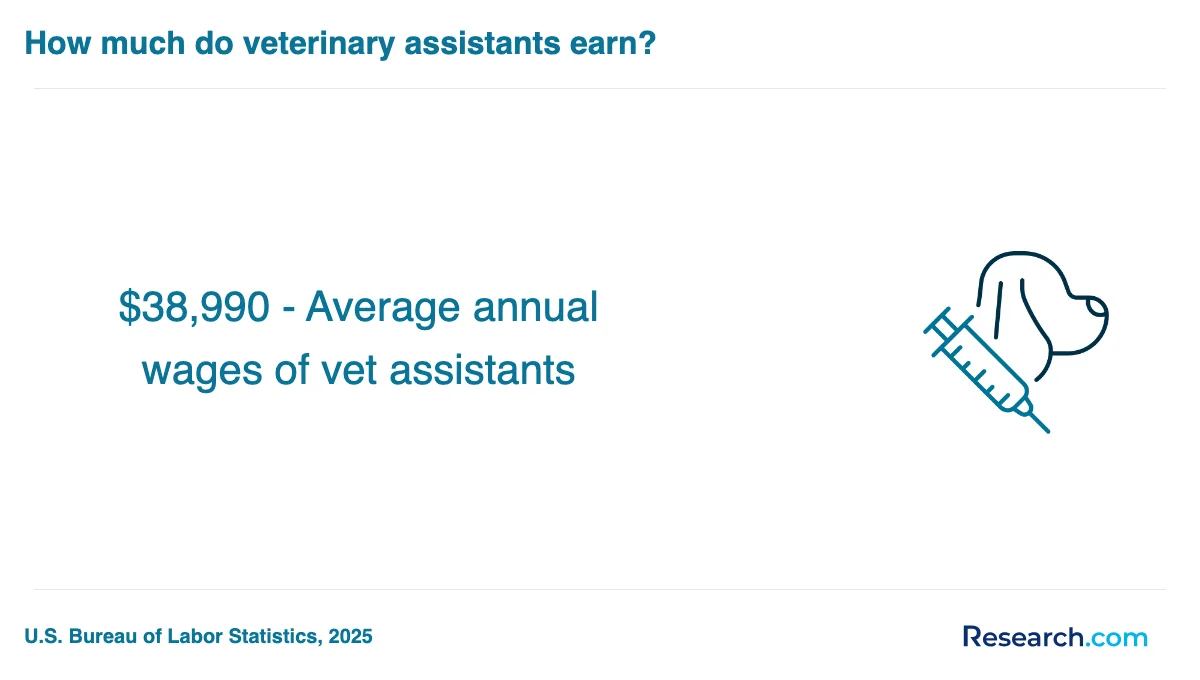
Graduates from veterinary assistant trade schools in New Mexico often find their starting salaries around $28,540 annually, a figure that many feel reflects the solid foundation their programs provide. Those who trained at well-known schools in Albuquerque or Santa Fe share how their hands-on experience helped them quickly secure jobs paying between $22,550 and $37,500, depending on location and experience.
One graduate recalls starting out in Santa Fe earning just over $30,000 a year, appreciating how the local demand for skilled assistants translated into steady work and growth. Another, trained in Albuquerque, describes progressing to an hourly wage near $18, which made a real difference in their ability to support themselves while gaining confidence in their role.
While salaries in New Mexico remain below the national average, many find encouragement in the steady job growth and increasing need for pet care professionals. The real-life stories from trade school alumni reveal a positive outlook: steady incomes, valued skills, and opportunities to advance in thriving veterinary communities across the state.
Best Veterinary Assistant Training Programs & Trade Schools - Top Veterinary Assistant Schools in New Mexico for 2026
# 1 position
Central New Mexico Community College - Veterinary/Animal Health Technology/Technician and Veterinary Assistant.
associateCentral New Mexico Community College offers a program in Veterinary/Animal Health Technology/Technician and Veterinary Assistant. This program trains students to assist veterinarians and animal care professionals in patient management, clinical procedures, and owner communication. Coursework includes animal nursing, health, nutrition, clinical pathology, radiology, anesthesiology, surgical assisting, and office administration. The program is accredited by the Higher Learning Commission and has an annual in-state tuition of $1,934.
# 2 position
Navajo Technical University - Veterinary/Animal Health Technology/Technician and Veterinary Assistant.
associateNavajo Technical University offers a program in Veterinary/Animal Health Technology/Technician and Veterinary Assistant that prepares students to assist veterinarians and animal health professionals in patient care, clinical procedures, and owner communication. The curriculum covers animal nursing, health and nutrition, clinical pathology, radiology, anesthesiology, surgical assisting, and office administration. The program is accredited by the Higher Learning Commission, with an annual in-state tuition of $4,250.
# 3 position
San Juan College - Veterinary/Animal Health Technology/Technician and Veterinary Assistant.
associateSan Juan College offers a program in Veterinary/Animal Health Technology/Technician and Veterinary Assistant, preparing students to assist veterinarians and animal health professionals with patient care and clinical procedures. The curriculum covers animal nursing, health, nutrition, handling, clinical pathology, radiology, anesthesiology, dental prophylaxis, surgical assisting, laboratory procedures, and office administration. The program is accredited by the Higher Learning Commission, with an annual in-state tuition of $1,790.
# 4 position
Pima Medical Institute-Albuquerque - Veterinary/Animal Health Technology/Technician and Veterinary Assistant.
associatePima Medical Institute-Albuquerque offers a program in Veterinary/Animal Health Technology/Technician and Veterinary Assistant that prepares students to assist veterinarians and animal care professionals. The curriculum covers animal nursing, clinical pathology, radiology, anesthesiology, surgical assisting, and office administration. The program is accredited by the Accrediting Bureau of Health Education Schools and emphasizes practical skills in patient management, animal handling, and owner communication.
# 5 position
Eastern New Mexico University-Roswell Campus - Veterinary/Animal Health Technology/Technician and Veterinary Assistant.
certificate or diplomaEastern New Mexico University-Roswell Campus offers a Veterinary/Animal Health Technology/Technician and Veterinary Assistant program that trains students to support veterinarians and animal care professionals. The curriculum covers animal nursing, clinical procedures, radiology, anesthesiology, surgical assisting, and office administration. The program is accredited by the Higher Learning Commission. Annual in-state tuition is $2,256, providing an affordable pathway into veterinary technical roles.
# 6 position
San Juan College - Veterinary/Animal Health Technology/Technician and Veterinary Assistant.
certificate or diplomaSan Juan College offers a Veterinary/Animal Health Technology/Technician and Veterinary Assistant program designed to prepare students for patient management and clinical support under veterinary supervision. The curriculum covers animal nursing, health, nutrition, clinical pathology, radiology, anesthesiology, surgical assisting, and office administration. The program is accredited by the Higher Learning Commission and has an annual in-state tuition of $1,790.
# 7 position
Pima Medical Institute-Albuquerque - Veterinary/Animal Health Technology/Technician and Veterinary Assistant.
certificate or diplomaThe Veterinary/Animal Health Technology/Technician and Veterinary Assistant program at Pima Medical Institute-Albuquerque prepares students to assist veterinarians and zoological professionals with patient care and clinical procedures. The curriculum covers animal nursing, health, nutrition, handling, clinical pathology, radiology, anesthesiology, dental prophylaxis, surgical assisting, laboratory procedures, and office administration. The program is accredited by the Accrediting Bureau of Health Education Schools.
Key Findings
- New Mexico does not require formal education or certification to become a veterinary assistant, but most employers prefer candidates with a post-secondary diploma or certificate.
- Veterinary assistant certificate programs typically last about seven months and cover animal care, grooming, medical terminology, and administrative duties.
- Tuition for these programs ranges from $1,500 to $3,000, with additional costs for textbooks, supplies, and possible immunizations.
- Some programs are approved by NAVTA, which may improve job prospects.
- Entry-level veterinary assistants in New Mexico earn around $26,000 to $30,000 annually, with experienced assistants making up to $35,000 or more.
How long does it take to complete veterinary assistant trade schools in New Mexico?
Completing a veterinary assistant trade school program in New Mexico typically takes between six months and one year, depending on the school's structure and the student's pace. Many graduates from well-regarded trade schools in Albuquerque and Santa Fe recall how the accelerated schedules allowed them to balance studies with part-time work or family commitments, making the journey feel both achievable and rewarding.
Students often share that the hands-on training components, such as clinical rotations at local veterinary clinics, give a tangible sense of progress, turning abstract lessons into real-world skills within just a few months. This practical focus helps maintain motivation and excitement throughout the program.
For example, those attending popular institutions in New Mexico highlight how completing the course in under a year enabled them to quickly enter the workforce, feeling confident and prepared. The relatively short timeframe is a key reason many choose these programs, appreciating how efficiently they can transition from classroom learning to caring for animals professionally.
What's the difference between online and on-campus veterinary assistant trade school programs?
The main difference between online and on-campus veterinary assistant programs in New Mexico lies in how students engage with their training and the hands-on experience they receive. Graduates from Northern New Mexico College's online program often appreciate the flexibility to study animal care topics like nutrition and first aid at their own pace, fitting coursework around busy schedules. However, they sometimes mention missing the immediate, face-to-face guidance that on-campus students receive.
On the other hand, those attending Pima Medical Institute in Albuquerque describe the value of in-person labs and clinical rotations, where practicing surgical assisting or anesthesia under supervision builds confidence quickly. The lively interaction with instructors and peers creates a motivating atmosphere that many find rewarding.
While online students often complete externships to gain practical skills, on-campus learners benefit from integrated clinical training within their curriculum. Both paths offer meaningful preparation, but the choice often depends on whether a student values flexible timing or direct hands-on support in New Mexico's veterinary assistant trade schools.
What is the average cost of veterinary assistant trade schools in New Mexico?
The average cost veterinary assistant programs New Mexico reflect a range of options depending on the institution and program structure. Graduates often recall that tuition fees typically fall between $2,500 and $3,000. For example, students from popular trade schools like the University of New Mexico have shared how their online veterinary assistant course, priced at $2,995, provided flexible learning without sacrificing the quality of education. Similarly, those who attended programs at San Juan College benefited from a one-year certificate at nearly $2,500, proving that affordable tuition fees veterinary assistant schools New Mexico can be found without compromising on essential skills training.
Another common experience among graduates is studying at community colleges such as Central New Mexico Community College, where overall costs were around $2,850 for a hands-on certificate program that included both classroom instruction and clinical internships. Many students find that these programs are valuable because they offer a balanced mix of theory and real-world practice. It's worth noting that, beyond tuition, learners budget extra for supplies, textbooks, and exam fees-typically an additional $1,000 to $2,000 annually.
For those navigating this financial landscape, exploring federal financial aid through FAFSA, state grants, scholarships, and institutional work-study opportunities is crucial. Prospective students eager to thrive in this field can find guidance on managing these costs while pursuing careers in the medical field, ensuring that their investment leads to rewarding outcomes and growth in their veterinary assistant career.
What financial aid is available for veterinary assistant trade schools in New Mexico?
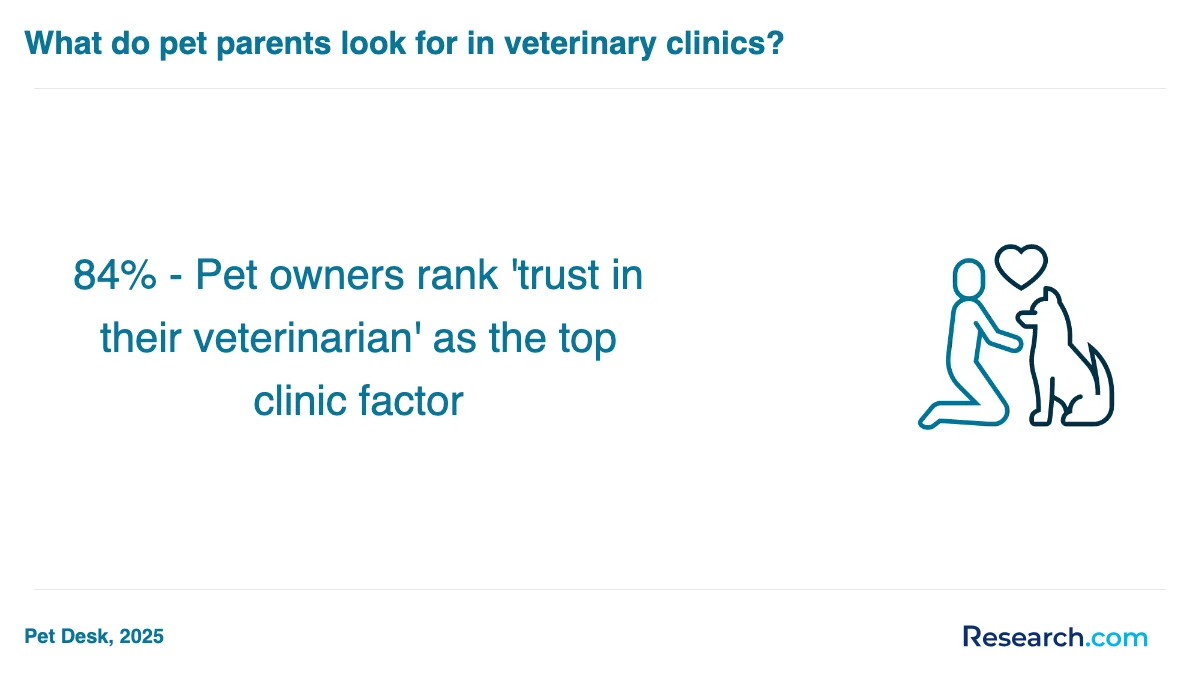
Veterinary assistant students in New Mexico often find financial aid to be a vital support throughout their studies. Graduates from Central New Mexico Community College (CNM) frequently recall how federal aid, like Pell Grants and student loans accessed via FAFSA, eased their tuition burden, allowing them to focus on hands-on learning rather than stressing over bills. Many also benefited from state-specific grants, such as the New Mexico Opportunity Scholarship, which covers essential fees and tuition for eligible programs.
Beyond federal and state aid, institutional scholarships and flexible payment plans at schools like CNM provide a practical lifeline. These options helped students manage their expenses in real time, making education feel more attainable. Some graduates from private trade schools mention how internal scholarships and tailored payment plans created a sense of financial security despite the absence of federal aid.
Even those enrolled in online or out-of-state programs like Penn Foster appreciate interest-free payment plans and military discounts, highlighting the diversity of aid options available. For many, reaching out to financial aid offices proved invaluable in navigating these opportunities and turning their educational goals into reality.
What are the prerequisites for enrolling in veterinary assistant trade schools in New Mexico?
Enrolling in a veterinary assistant trade school program in New Mexico usually requires meeting a few straightforward prerequisites that set students on the right path. Most programs expect applicants to have a high school diploma or GED, ensuring a foundational level of education. Graduates often recall how this baseline prepared them well for understanding the technical and medical aspects of animal care taught in class.
Some schools in New Mexico also recommend or require the following:
- Basic proficiency in reading and math to handle medication dosages and record-keeping accurately
- A genuine passion for working with animals, often demonstrated through volunteer experience at shelters or clinics
- Proof of immunizations, particularly for tetanus, to maintain health and safety on campus and in clinical settings
- A clean background check, especially for programs with externships in veterinary clinics
Many graduates from popular New Mexico trade schools share how meeting these prerequisites helped them feel confident and fully prepared as they began hands-on training. The clear expectations create an encouraging environment where students can focus on developing practical skills without unnecessary hurdles.
What are the typical courses in veterinary assistant trade schools in New Mexico?
Veterinary assistant trade school programs in New Mexico immerse students in a variety of essential courses that build confidence and competence for real-world veterinary roles. Graduates from well-regarded schools like Pima Medical Institute often recall how courses in animal life stages, nutrition, and nursing skills helped them understand the unique needs of different animals at every phase of life.
Students gain hands-on experience through:
- Administering basic care and recognizing normal versus abnormal behaviors
- Supporting veterinarians during surgeries with anesthesia and surgical assisting
- Learning diagnostic imaging and laboratory sample collection techniques
Many New Mexico programs emphasize practical knowledge in pharmacology and common veterinary medicines, preparing students to handle medications safely. Graduates often share how courses in first aid, vaccination, and parasite control equipped them to manage everyday challenges in busy clinics.
Administrative skills are also vital. Training in veterinary business procedures and client communication prepares students to navigate the dual medical and office roles they will encounter, especially in clinics throughout New Mexico. Flexible options like online certificates from San Juan College allow learners to study at their own pace, making this career path accessible and rewarding.
What are the available specializations in veterinary assistant trade schools in New Mexico?
Veterinary assistant trade school programs in New Mexico commonly offer a variety of specializations to suit different career paths and interests. Graduates from schools such as Pima Medical Institute in Albuquerque often recall focusing on clinical care skills like surgical assisting, anesthesia, and laboratory procedures, which prepare them for hands-on roles in veterinary clinics and research settings. Another popular choice is administrative and client services specialization, where students learn essential tasks like appointment scheduling, client communication, and fee management-skills especially valued at places like New Mexico Junior College and Central New Mexico Community College.
For those passionate about animal welfare beyond the clinic, programs also feature animal behavior and preventative healthcare training. This area equips students to work confidently in pet daycares, grooming facilities, or boarding centers by helping them recognize behavioral signals and promote animal health.
Some students seeking flexibility find online or hybrid options appealing, allowing them to pursue veterinary assistant program specializations in New Mexico without sacrificing work or family commitments. Additional niche fields include exotic animal care training New Mexico, which broadens career possibilities in specialty clinics. To explore opportunities, consider reviewing most affordable online veterinary technician trade school programs for accessible learning paths.
How do you choose the best veterinary assistant trade school program in New Mexico?
Choosing the best veterinary assistant schools in New Mexico involves more than just picking a program by name. Graduates often emphasize the importance of accreditation and hands-on training, which many top programs in institutions like New Mexico Junior College provide. This combination ensures students gain practical skills alongside theoretical knowledge, making the transition to the workplace smoother.
Flexibility is another key factor. Many students juggling work or family responsibilities appreciate programs offering part-time or online courses, allowing them to tailor their education to their lives without sacrificing quality. Additionally, successful graduates highlight how programs with strong local industry connections boost employment outcomes, opening doors within New Mexico's veterinary community.
Location matters too; studying close to home reduces commute stress and fosters network-building with regional clinics. Weighing financial considerations and program length also plays a role. For those new to the field, exploring easy trades to learn that pay well online can provide useful insight into career possibilities alongside veterinary assistant programs in New Mexico.
What career paths are available for veterinary assistant trade school graduates in New Mexico?
Veterinary assistant trade school graduates in New Mexico find their career opportunities for veterinary assistants in New Mexico rich and varied. Many begin working in private practices or animal hospitals across Albuquerque and Santa Fe, where they handle daily clinical duties and support veterinarians. Graduates from well-known trade schools often share how their hands-on training gave them the confidence to assist during exams and maintain vital equipment. Employers like Banfield Pet Hospital prioritize candidates with NAVTA-approved training, highlighting the value of accredited programs.
Beyond clinics, career paths extend to animal shelters and humane societies, where graduates contribute to animal welfare with rewarding, community-focused roles. For instance, working for the City of Albuquerque offers veterinary assistants steady salaries near $42,390 while caring for shelter animals.
Fostering growth, veterinary assistant advancement in New Mexico often leads to becoming veterinary technicians through additional education and experience. Many graduates champion continuing education or volunteer work to enhance skills and prospects. Those interested in further growth can explore what degree do you need for a veterinarian to plan their next step.
What is the job market for veterinary assistant trade school graduates in New Mexico?
The job market for veterinary assistant trade school graduates in New Mexico presents a mix of challenges and opportunities. Graduates from popular trade schools in Albuquerque often find the market to be moderate, with average annual salaries around $28,540. Many express appreciation for gaining practical skills but also acknowledge the competitive landscape, especially since New Mexico ranks 50th nationwide for veterinary assistant job activity.
Many graduates report that working in Albuquerque offers a brighter outlook due to higher wages, such as the $35,200 average yearly salary and the chance to work with recognized employers like Bernalillo County or Banfield Pet Hospital. These settings provide graduates with valuable experience and a supportive work environment, fueling positive feelings about their career choice despite limited openings.
Key points from veterinary assistant employment opportunities New Mexico include:
- Hourly wages typically range from $14.66 to $18.41, with certified assistants earning up to $34.71 per hour
- Veterinary assistant roles pay about 9% less than comparable medical professions but offer greater rewards than transcriptionists or animal caretakers
- Success often depends on geographic location and certification status
While some graduates share that job hunting can be slow, the strong foundational training from trade programs helps them remain optimistic. Understanding the market is essential-those considering the field should explore urban centers and well-established practices to maximize opportunities.
For students weighing this career path, it helps to compare it to other roles by exploring what medical profession makes the most money, gaining insight into broader healthcare support salaries and growth trends.
Frequently Asked Questions about veterinary assistant
After completing a veterinary assistant trade school in New Mexico, preparing for the job market involves several key steps. First, graduates should obtain certification, such as the Approved Veterinary Assistant (AVA) credential offered by the National Association of Veterinary Technicians in America, which can improve employability. Networking with local veterinary clinics and attending job fairs in cities like Albuquerque and Santa Fe also helps connect candidates with employers.
According to the U.S. Bureau of Labor Statistics, veterinary assistant jobs in New Mexico are expected to grow at a rate similar to the national average of about 16% through 2030, indicating a positive job outlook. Additionally, gaining practical experience through internships or volunteering can enhance candidates' resumes and skills.
Employers in New Mexico seek veterinary assistant graduates with strong practical skills and a solid understanding of animal care. Key abilities include proficiency in handling animals safely, basic medical procedures, and familiarity with veterinary office software. According to the New Mexico Department of Workforce Solutions, communication skills are also vital, as assistants often interact with pet owners and veterinary teams.
Attention to detail and the ability to follow instructions precisely are critical for tasks like administering medications or maintaining clean environments. Additionally, adaptability and teamwork are highly valued in New Mexico's diverse veterinary clinics, ensuring smooth daily operations.
To find internships relevant to veterinary assistant trade school programs in New Mexico, start by contacting your school's career services department. Many trade schools have established partnerships with local veterinary clinics, animal hospitals, and shelters.
Additionally, the New Mexico Veterinary Medical Association offers resources and networking opportunities that can help students locate internship openings. Checking listings on state job boards such as New Mexico Workforce Connection is also useful, as they often post internship positions in veterinary care.
Internships typically last between 8 to 12 weeks and provide hands-on experience in animal care, which is crucial for certification and employment. According to the U.S. Bureau of Labor Statistics, veterinary assistant roles in New Mexico are projected to grow by 16% from 2022 to 2032, increasing internship demand.
Obtaining a veterinary assistant trade school diploma in New Mexico significantly enhances career mobility by providing practical skills recognized by local employers. Graduates gain hands-on experience with animal care, medical terminology, and clinic procedures, which improves their competitiveness in the job market. According to the New Mexico Department of Workforce Solutions, veterinary technician and assistant roles are expected to grow by 15% through 2030, indicating a positive job outlook.
Having a diploma can also facilitate advancement to higher positions, such as veterinary technician or office manager, especially when combined with on-the-job experience. Employers in New Mexico often prefer candidates with formal training, which can lead to better wages and more stable employment opportunities. Overall, a diploma from a reputable trade school is a practical step toward career growth in the veterinary field within the state.
Students enrolled in veterinary assistant trade schools in New Mexico can benefit from various part-time job opportunities that reinforce their education. Positions such as veterinary receptionist, kennel assistant, or animal care technician allow hands-on experience with animal handling and clinic operations. According to the U.S. Bureau of Labor Statistics (BLS), New Mexico employs approximately 500 veterinary assistants and laboratory animal caretakers, with job growth projected at 14% from 2022 to 2032.
Local animal shelters and veterinary clinics often seek part-time help, providing practical skills relevant to coursework. These roles support skill development in patient care, medical record keeping, and client communication, essential for veterinary assistants. Additionally, jobs at pet boarding facilities or grooming centers can complement classroom learning by enhancing animal behavior understanding.
To choose the best Veterinary Assistant degree program near New Mexico, research programs offered by institutions near you, considering factors such as curriculum quality, faculty expertise, and hands-on training opportunities. Utilize resources like Research.com to compare veterinary programs, and look for programs with strong partnerships with veterinary clinics and hospitals for internships. There are various programs and universities available near New Mexico that can provide the education and skills necessary for a successful career as a Veterinary Assistant.
Related Veterinary Assistant Rankings for Nearby States
- Best Veterinary Assistant Training Programs & Trade Schools - Top Veterinary Assistant Schools in Arizona for 2026
- Best Veterinary Assistant Training Programs & Trade Schools - Top Veterinary Assistant Schools in Colorado for 2026
- Best Veterinary Assistant Training Programs & Trade Schools - Top Veterinary Assistant Schools in Oklahoma for 2026
- Best Veterinary Assistant Training Programs & Trade Schools - Top Veterinary Assistant Schools in Nevada for 2026
- Best Veterinary Assistant Training Programs & Trade Schools - Top Veterinary Assistant Schools in Iowa for 2026
- Best Veterinary Assistant Training Programs & Trade Schools - Top Veterinary Assistant Schools in Minnesota for 2026
- Best Veterinary Assistant Training Programs & Trade Schools - Top Veterinary Assistant Schools in Wisconsin for 2026
- Best Veterinary Assistant Training Programs & Trade Schools - Top Veterinary Assistant Schools in Alabama for 2026
- Best Veterinary Assistant Training Programs & Trade Schools - Top Veterinary Assistant Schools in Tennessee for 2026
- Best Veterinary Assistant Training Programs & Trade Schools - Top Veterinary Assistant Schools in Kentucky for 2026
Top Trending Rankings
References
- Top Veterinary Assistant Schools in New Mexico | Learn to Become https://vetcareerschools.com/near-you/veterinary-assistant/new-mexico/
- 8 Vet Tech Schools in NM - Accredited & Awesome https://vettechnicians.org/nm/
- Online Veterinary Assistant from University of New Mexico - Albuquerque https://careertraining.unm.edu/training-programs/veterinary-assistant/
- Veterinary Technician Program at CNM https://www.cnm.edu/programs/programs-a-z/veterinary-technician
- Veterinary Assistant Certificate Program https://pmi.edu/on-campus-programs/certificate/veterinary-assistant/
- Steps on How to Become a Veterinary Assistant in New Mexico https://www.veterinarianedu.org/new-mexico-veterinary-assistant/
- New Mexico Vet Assistant School https://www.animalbehaviorcollege.com/veterinary-assistant/local-vet-assistant-school/new-mexico-vet-assistant-school/
- Veterinary Technician Schools in New Mexico (NM) - Accredited Programs https://www.vettechcolleges.com/schools/new-mexico
- Pre-Veterinary Medicine | New Mexico State University | BE BOLD. Shape the Future. https://anrs.nmsu.edu/pre-vet.html
- Veterinary Assistant Program | Ross Education https://rosseducation.edu/programs/veterinary-assistant.php


