
Best Veterinary Assistant Training Programs & Trade Schools - Top Veterinary Assistant Schools in Iowa for 2026

Co-Founder and Chief Data Scientist
Choosing the right veterinary assistant trade school in Iowa can shape your future career and open doors to rewarding opportunities. This article introduces a carefully crafted ranking of veterinary assistant programs developed by the Research.com team of data scientists, designed to help you make an informed decision.
By exploring these top programs, you’ll discover options that fit your goals and lifestyle. Earning a diploma or certification not only boosts your skills but also increases your confidence and employability in a growing field. Let’s start your path to a fulfilling career in animal care together.
Key benefits of finishing veterinary assistant trade school in Iowa
- Graduates of veterinary assistant trade schools in Iowa can expect starting salaries around $16 per hour, with opportunities to earn up to $44,000 annually as experience grows, offering a solid financial foundation.
- A typical graduate from a popular Iowa trade school often finds diverse career paths in clinics, animal shelters, or grooming centers, gaining hands-on experience that opens doors to growth.
- Finishing an online veterinary assistant program provides flexible learning schedules and saves commuting time, making it easier for busy students to balance work and study successfully.
What can I expect from veterinary assistant trade schools in Iowa?
Enrolling in a veterinary assistant trade school program in Iowa means diving into a hands-on learning environment where you'll quickly gain practical skills. Graduates often recall working directly with animals of all kinds-from small pets to livestock-using up-to-date equipment like digital radiology machines and surgical tools, just as you would in a real clinic. Expect to spend about six months to a year completing 40 credit hours filled with courses on veterinary terminology, anatomy, and animal handling, combined with essential skills in communication and math.
Many students appreciate how instructors, who are experienced veterinary assistants or technicians, share real-world insights that prepare them for the everyday challenges of the job. Career prep modules help build confidence through resume workshops and mock interviews, making the transition to animal hospitals or shelters smoother. Financial aid options, such as Iowa's Last-Dollar Scholarship, often ease the path, allowing students to focus on mastering client communication and animal care without added stress.
Where can I work after finishing veterinary assistant trade schools in Iowa?
After completing a veterinary assistant trade school program in Iowa, graduates find themselves welcomed into a variety of rewarding workplaces. Many quickly secure positions in private veterinary practices, whether in bustling urban clinics like those in Des Moines or in rural mixed animal facilities near towns such as Bondurant and Newton. These roles allow graduates to apply hands-on skills learned at schools like Des Moines Area Community College and Hawkeye Community College, supporting veterinarians with everything from animal handling to medication administration.
Others discover fulfilling paths in animal shelters, rescue groups, or boarding kennels, where compassionate care and daily interactions with animals awaiting adoption bring personal satisfaction. Graduates often describe the joy of seeing animals recover or find new homes as a highlight. For those interested in science, research facilities offer a unique environment to assist with lab animal care under strict safety protocols, a path some Iowa trade school alumni pursue.
Overall, the steady demand for veterinary assistants across Iowa means graduates can confidently envision a career filled with meaningful work and growth opportunities close to home.
How much can I make after finishing veterinary assistant trade schools in Iowa?
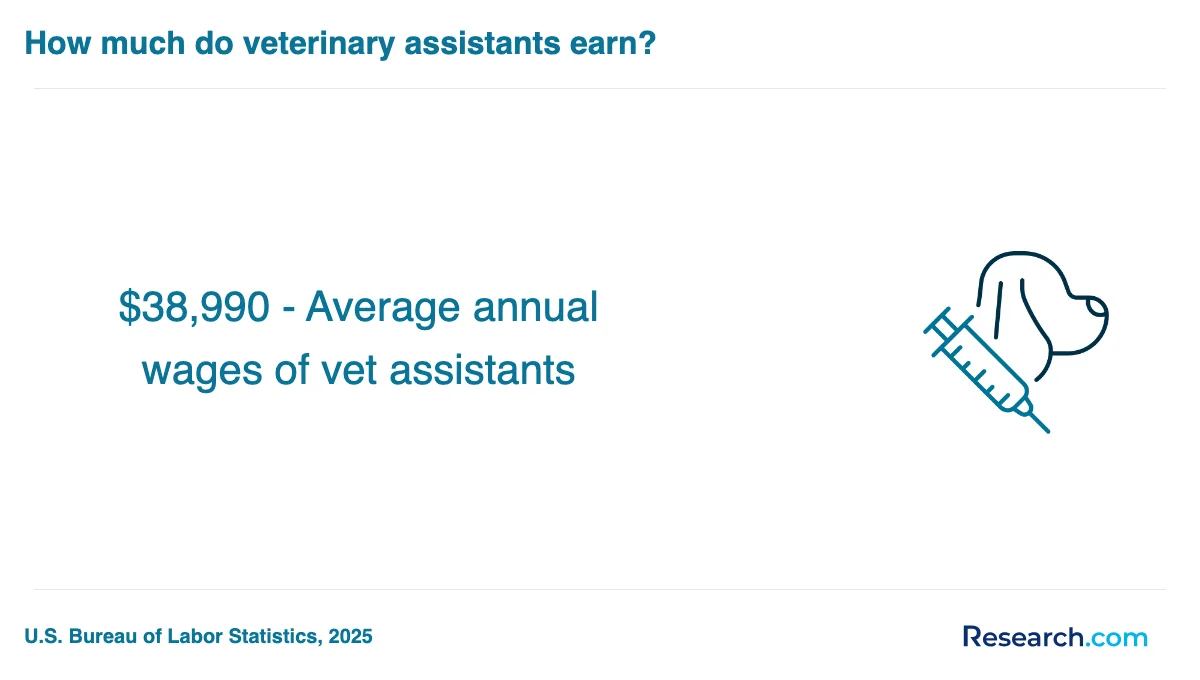
After finishing a veterinary assistant trade school program in Iowa, graduates often find themselves earning an average hourly wage of about $16.27, which translates to roughly $31,567 per year. Many graduates from popular trade schools in Iowa share how this starting point feels like a rewarding step toward a fulfilling career working with animals, especially when they land roles in cities like Marion or Cedar Rapids, where wages can be notably higher.
Some recent graduates describe their first jobs paying close to $20 per hour in Marion, giving them confidence to cover living expenses and plan for further certifications. Others starting out in smaller towns appreciate the steady income near $19,852 annually and the chance to build experience that could push their salaries closer to $44,000 with time.
Trade schools in Iowa emphasize practical skills that help graduates stand out, making it easier to secure higher-paying positions in competitive markets like Des Moines or Iowa City. For many students, the combination of hands-on training and local demand creates an optimistic outlook for increasing earnings as their careers progress.
Best Veterinary Assistant Training Programs & Trade Schools - Top Veterinary Assistant Schools in Iowa for 2026
# 1 position
Eastern Iowa Community College District - Veterinary/Animal Health Technology/Technician and Veterinary Assistant.
associateEastern Iowa Community College District offers a program in Veterinary/Animal Health Technology/Technician and Veterinary Assistant that trains students to assist veterinarians and animal health professionals. The curriculum covers animal nursing care, clinical procedures, radiology, anesthesiology, surgical assisting, and office administration. The program is accredited by the Higher Learning Commission. Annual in-state tuition is $4,680, providing an affordable option for students pursuing animal health careers.
# 2 position
Kirkwood Community College - Veterinary/Animal Health Technology/Technician and Veterinary Assistant.
associateKirkwood Community College offers a program in Veterinary/Animal Health Technology/Technician and Veterinary Assistant that prepares students to assist veterinarians and animal health professionals. The curriculum covers animal nursing care, clinical procedures, radiology, anesthesiology, surgical assisting, and office administration. The program is accredited by the Higher Learning Commission. Annual in-state tuition is $5,980, focusing on practical skills for patient and owner management under professional supervision.
# 3 position
Des Moines Area Community College - Veterinary/Animal Health Technology/Technician and Veterinary Assistant.
associateDes Moines Area Community College offers a program in Veterinary/Animal Health Technology/Technician and Veterinary Assistant designed to prepare students for patient management and clinical procedure assistance under professional supervision. The curriculum covers animal nursing care, health, nutrition, handling, clinical pathology, radiology, anesthesiology, surgical assisting, and office administration. The program is accredited by the Higher Learning Commission. Annual in-state tuition is $5,550.
# 4 position
Northeast Iowa Community College - Veterinary/Animal Health Technology/Technician and Veterinary Assistant.
associateNortheast Iowa Community College offers a program in Veterinary/Animal Health Technology/Technician and Veterinary Assistant that trains students to assist veterinarians and other animal professionals in patient care and clinical procedures. The curriculum covers animal nursing, health, nutrition, handling, clinical pathology, radiology, anesthesiology, dental prophylaxis, surgical assisting, lab procedures, office skills, and applicable regulations. Annual in-state tuition is $6,600. The program is accredited by the Higher Learning Commission.
# 5 position
Iowa Lakes Community College - Veterinary/Animal Health Technology/Technician and Veterinary Assistant.
associateIowa Lakes Community College offers a Veterinary/Animal Health Technology/Technician and Veterinary Assistant program designed to prepare students for clinical and patient care roles under veterinary supervision. The curriculum covers animal nursing, health, nutrition, laboratory procedures, radiology, anesthesiology, surgical assisting, and office administration. The program is accredited by the Higher Learning Commission. Annual in-state tuition is $7,196.
# 6 position
Iowa Western Community College - Veterinary/Animal Health Technology/Technician and Veterinary Assistant.
associateIowa Western Community College offers a program in Veterinary/Animal Health Technology/Technician and Veterinary Assistant that prepares individuals to assist veterinarians and animal specialists. The curriculum includes animal nursing care, clinical procedures, radiology, anesthesiology, surgical assisting, and office administration. The program is accredited by the Higher Learning Commission. Annual in-state tuition is $6,780.
# 7 position
Western Iowa Tech Community College - Veterinary/Animal Health Technology/Technician and Veterinary Assistant.
certificate or diplomaWestern Iowa Tech Community College offers a program in Veterinary/Animal Health Technology/Technician and Veterinary Assistant designed to prepare students for patient management, clinical procedures assistance, and owner communication under veterinary supervision. The curriculum covers animal nursing care, health and nutrition, clinical pathology, radiology, anesthesiology, surgical assisting, and office administration. The program is accredited by the Higher Learning Commission, with an annual in-state tuition of $5,042.
# 8 position
Northeast Iowa Community College - Veterinary/Animal Health Technology/Technician and Veterinary Assistant.
certificate or diplomaNortheast Iowa Community College offers a program in Veterinary/Animal Health Technology/Technician and Veterinary Assistant, preparing students to assist veterinarians and animal health professionals in patient care and clinical procedures. The curriculum covers animal nursing, clinical pathology, radiology, anesthesiology, surgical assisting, office administration, and applicable standards. Annual in-state tuition is $6,600. The program is accredited by the Higher Learning Commission.
Key Findings
- No statewide licensing or certification is required for veterinary assistants in Iowa, with most programs requiring a high school diploma or GED.
- Certificate programs typically last less than one year, while diploma programs may take up to two years depending on the curriculum.
- Average annual tuition for in-state students is around $4,100 to $4,200, with additional costs of about $1,200 for learning materials.
- Financial aid options include Iowa's Last-Dollar Scholarship and other state grants for qualifying students.
- Entry-level salaries range from $27,000 to $32,000 per year, with modest salary growth into the lower to mid-$30,000s over time.
How long does it take to complete veterinary assistant trade schools in Iowa?
In Iowa, completing a veterinary assistant trade school program typically takes about 6 to 12 months, depending on whether you enroll full-time or part-time. Many graduates from well-known trade schools in cities like Des Moines and Cedar Rapids share how the compact timeframe allowed them to quickly transition into the workforce, balancing studies with personal commitments.
One common experience among these students is the excitement of hands-on learning early in the program. For example, during clinical practicums, they work directly with animals, fostering a strong sense of fulfillment and confidence that motivates them to keep progressing. This practical approach helps students see real-world results by the time they finish.
Trade schools in Iowa often offer flexible schedules, which means students juggling jobs or family life can still complete their programs without feeling overwhelmed. Graduates frequently express pride in how efficiently they gained valuable skills, making the short completion time feel like a rewarding sprint rather than a marathon.
What's the difference between online and on-campus veterinary assistant trade school programs?
The key difference between online and on-campus veterinary assistant trade school programs in Iowa centers on how and where you learn practical skills. Graduates from online programs, like those offered by Iowa Western Community College or Northwest Iowa Community College, often share how the flexibility to study anywhere helped them balance work and family life. They describe logging into digital platforms at their own pace, which made learning less stressful. However, they still gained hands-on experience through local externships, giving them real-world confidence in animal care.
On the other hand, graduates from on-campus programs such as Western Iowa Tech Community College emphasize the value of face-to-face instruction and immediate feedback. They recall working directly with animals in labs and building strong connections with instructors and peers, which made the learning experience feel more immersive and supportive. For many, the structured schedule and in-person environment helped them stay motivated and focused.
Both pathways cover similar material over six months to a year, but the choice comes down to whether you prefer flexible, remote learning or a more traditional, hands-on classroom setting in Iowa.
What is the average cost of veterinary assistant trade schools in Iowa?
The average cost of veterinary assistant programs in Iowa varies but typically falls around the tuition and fees required by community colleges offering diploma programs. For example, Western Iowa Tech Community College's Veterinary Assistant diploma program, requiring 35 credits, has estimated costs including approximately $7,455 for in-state tuition and fees and slightly higher for out-of-state students. Graduates often recall managing additional expenses such as educational fees around $97 per semester and allocating roughly $600 per semester for books. These costs can feel manageable when viewed as an investment toward a fulfilling career assisting veterinarians in clinics or shelters across Iowa.
Many students find the tuition fees for veterinary assistant schools in Iowa reflect a balance between quality education and affordability. Personal experiences shared by recent graduates highlight the value they found in hands-on training paired with classroom instruction, which is available at various trade schools known for their practical, industry-aligned curricula. Though tuition forms the primary cost, budgeting for transportation, housing, and personal expenses-estimated at about $1,373 and $3,450 per semester respectively-shapes the broader financial picture. Such real-world insights help prospective students anticipate the full scope of expenses involved.
Exploring various institutions can uncover programs that fit different financial plans, including some offering online courses or flexible schedules. Students eager to compare options might find it useful to look into what colleges offer vet tech programs, as this can broaden understanding of cost and format variations without compromising educational quality. Budgeting carefully and considering scholarships or financial aid opportunities often make these programs feel like an attainable step toward a rewarding veterinary assisting career.
What financial aid is available for veterinary assistant trade schools in Iowa?
Veterinary assistant students in Iowa often find financial aid to be a lifeline that makes their education feel achievable and less stressful. Graduates from Northeast Iowa Community College recall how the Kibbie Grant significantly eased their tuition burden, allowing them to focus more on learning than worrying about finances. This grant supports many enrolled in veterinary assistant programs at Iowa community colleges, covering a portion of tuition for residents pursuing these in-demand careers.
Others attending Hawkeye Community College have benefited from the Iowa Last-Dollar Scholarship, which kicks in after federal and state aid, covering remaining tuition costs. Many students describe this as a game-changer, making veterinary training feel within reach even when budgets were tight.
Institutional scholarships offered by schools like Kirkwood Community College also play a crucial role. Graduates often mention how these awards, based on academic performance or financial need, brought a sense of encouragement and validation.
Veterans and military families in Iowa find additional support through specialized education benefits, further widening access to veterinary assistant trade programs. For those in non-credit courses, schools frequently offer tuition discounts, helping make diverse pathways affordable.
What are the prerequisites for enrolling in veterinary assistant trade schools in Iowa?
Enrolling in a veterinary assistant trade school program in Iowa typically requires a high school diploma or GED, setting a clear foundation for hands-on learning. Many students find that demonstrating a genuine passion for animal care boosts their application, much like graduates from popular Iowa trade schools have shared. These prerequisites help ensure you're ready to thrive in a fast-paced, practical environment.
Common expectations include:
- Basic proficiency in English and math to handle coursework and recordkeeping efficiently
- Proof of immunizations and a clean background check, especially for programs partnering with veterinary clinics
- Some schools might ask for a brief personal statement or interview to understand your motivation and commitment
Imagine a typical student at an Iowa trade school eagerly recalling their first day, feeling excited but well-prepared thanks to these clear prerequisites. The smooth transition into clinical settings often comes from meeting these initial requirements, fueling confidence and early success in training.

What are the typical courses in veterinary assistant trade schools in Iowa?
Veterinary assistant trade school programs in Iowa typically include courses that prepare students for hands-on work in clinics and animal care settings. Graduates often reflect on how courses like animal anatomy and physiology helped them confidently understand the bodies they work with daily. Many recall practicing animal handling and restraint techniques, learning to safely manage everything from playful dogs to larger livestock, which made real-world internships, such as the 320-hour experience at Hawkeye Community College, feel manageable and rewarding.
Core courses usually cover:
- Animal diseases and disease prevention, teaching students to spot illness early and protect animal populations.
- Laboratory procedures, where students assist with sample collection and diagnostics, reinforcing skills used in clinics.
- Veterinary pharmacology, introducing medication administration and dosage calculations necessary for daily tasks.
- Basic animal nursing care, including wound care and post-surgical support, which graduates find essential for veterinary teamwork.
Additional training often focuses on clinic operations and kennel management, helping students understand record keeping and facility sanitation, vital for smooth clinic function. Many graduates appreciate the inclusion of client communication and education courses, which boost confidence when explaining care plans to pet owners. Some programs even offer modules on resume writing and job readiness, easing the transition from classroom to career in Iowa's animal care industry.
What are the available specializations in veterinary assistant trade schools in Iowa?
In Iowa, veterinary assistant specializations often reflect a student's passion for specific animal care settings. Graduates from Hawkeye Community College frequently share how their training includes hands-on work with companion animals like cats and dogs, as well as large animals such as cattle and sheep. This dual exposure prepares them for diverse environments-from busy clinics to sprawling farms.
Some programs, like those at Kirkwood Community College, go further by offering specializations in areas such as:
- Animal diseases and disease prevention
- Small animal pharmacology
- Pet grooming and kennel management
- Animal behavior and nutrition
These skills empower students to pursue dynamic careers in hospitals, boarding facilities, or pet retail environments, creating a rewarding connection with animals every day. Other Iowa schools, including Western Iowa Tech Community College, emphasize clinical lab skills and surgical assistance, providing experience in diagnostic imaging and laboratory procedures that open doors to careers in specialized veterinary roles.
Students appreciate how these animal care training programs Iowa allow them to tailor their education to their dreams, whether working hands-on with pets or supporting veterinarians through technical expertise. Those curious about healthcare jobs can find exciting opportunities by pursuing these personalized paths.
How do you choose the best veterinary assistant trade school program in Iowa?
When choosing the best veterinary assistant programs in Iowa, prioritize accreditation by the American Veterinary Medical Association (AVMA). This ensures your training meets high industry standards and improves job prospects. Graduates from top-rated veterinary assistant schools in Iowa often share how accredited programs, like those at Hawkeye Community College, provided them with 320 hours of hands-on internships that made learning engaging and directly applicable to real-world veterinary settings.
Flexibility and program length also matter. Some students appreciate options like those at Ross Education, where online and hybrid formats allow balancing work and study without missing critical experiential learning. Emotional satisfaction often comes from hands-on experiences where students gain confidence through direct patient care, preparing them for the rewarding career ahead.
Financial aid availability and tuition play a large role in decision-making. For example, the Kibbie Grant helps ease financial burdens at Hawkeye Community College, encouraging prospective students to pursue their dreams without overwhelming debt. Researching employment outcomes in Iowa veterinary practices reassures students that their investment leads to stable careers.
Considering these factors within Iowa's unique educational landscape helps you find the right fit. Knowing that veterinary assistants can build a meaningful career in a growing field motivates many. To explore career potential further, examine the highest paying job in the medical field trends to align your education with future opportunities.
What career paths are available for veterinary assistant trade school graduates in Iowa?
Veterinary assistant trade school graduates in Iowa often find rewarding veterinary assistant jobs in Iowa across multiple settings. Many secure positions in veterinary clinics and animal hospitals, where they assist with routine clinical tasks and support veterinarians. Graduates from popular trade schools appreciate gaining hands-on experience through internships, which help them confidently handle animals and laboratory work from day one.
Opportunities also exist in animal shelters, boarding kennels, and pet grooming salons, where veterinary assistants care for animals' daily needs while enriching their lives. Graduates describe these roles as fulfilling, as they directly impact animal welfare and community education.
Advancement opportunities for veterinary assistants in Iowa are promising. Some graduates leverage their experience toward becoming veterinary technicians or pursuing veterinary school, often exploring affordable online vet tech programs. Others find unique paths in research laboratories and wildlife facilities, contributing to studies and animal conservation efforts. The growth of this field suggests a bright future for those trained in Iowa's trade programs.
What is the job market for veterinary assistant trade school graduates in Iowa?
The job market for veterinary assistant trade school graduates in Iowa is notably strong and expanding, particularly in cities like Des Moines and Iowa City. Graduates from popular veterinary assistant programs report encouraging hiring experiences, often landing positions even with minimal prior work history. Many employers value the hands-on training provided by these trade schools, which prepares students for real-world scenarios in animal clinics and shelters.
Recent graduates frequently highlight key advantages of completing veterinary assistant training in Iowa, including:
- Access to a steady stream of job openings-over 60 positions listed in larger cities within months
- Positive employer willingness to offer on-the-job training coupled with formal education
- Potential for career advancement into veterinary technician roles by leveraging additional certifications
- Competitive hourly pay ranging approximately from $14 to $17, alongside benefits like health insurance and paid time off
These factors contribute to a promising Iowa veterinary assistant employment outlook. Students from local institutions share stories of quickly finding roles due to practical skills gained during their programs, positioning them well for evolving animal care needs. For those wondering about the easiest trade to learn that pays well, veterinary assisting in Iowa presents an encouraging path enriched by community demand and professional support.
Frequently Asked Questions about veterinary assistant
After completing a veterinary assistant trade school in Iowa, preparing for the job market involves several key steps. First, obtaining certification, such as the Approved Veterinary Assistant (AVA) credential offered by the Iowa Veterinary Medical Association, can enhance your employability. Employers often prefer candidates with formal certification demonstrating practical skills and knowledge.
Next, gaining hands-on experience through internships or externships during your training is valuable. Many Iowa programs include these opportunities, which help build professional networks and improve job prospects.
Research from the U.S. Bureau of Labor Statistics indicates that veterinary assistant roles in Iowa are expected to grow by about 15% through 2030, reflecting increasing demand for animal healthcare support.
Finally, crafting a strong resume highlighting your education, certifications, and practical experience is essential to stand out in the competitive Iowa job market.
Employers in Iowa seek specific skills when hiring veterinary assistant trade school graduates. Strong knowledge of animal anatomy and medical terminology is essential. Graduates must be proficient in handling and restraining animals safely to reduce stress and prevent injury. Technical skills such as administering medications, collecting samples, and assisting in surgeries are highly valued.
Communication skills are also critical, as veterinary assistants often interact with pet owners and veterinary teams. According to the Iowa Workforce Development, employers prioritize candidates who demonstrate reliability, attention to detail, and the ability to multitask in fast-paced clinical settings. These combined skills ensure graduates are job-ready for Iowa's growing veterinary healthcare sector.
Finding internships relevant to veterinary assistant trade school programs in Iowa involves several strategic steps. Start by contacting your school's career services or internship coordinator, as many trade schools maintain partnerships with local veterinary clinics and animal hospitals.
Iowa has numerous veterinary practices in urban areas like Des Moines and Cedar Rapids, where internships are often available. The Iowa Veterinary Medical Association (IVMA) website also lists internship opportunities and resources specific to veterinary careers.
Additionally, using online job boards such as IowaWORKS can help locate internship openings. Networking at local animal shelters and attending veterinary career fairs in Iowa can further increase your chances.
According to the IVMA, about 60% of veterinary assistant students in Iowa secure internships through school-affiliated programs, emphasizing the importance of leveraging educational resources.
Obtaining a veterinary assistant trade school diploma in Iowa significantly enhances career mobility and advancement opportunities within the state's growing animal care sector. According to the Iowa Workforce Development, the demand for veterinary assistants is expected to grow by 17% from 2022 to 2032, faster than the average for all occupations. This diploma provides practical skills and recognized credentials that help graduates qualify for entry-level positions in veterinary clinics, animal hospitals, and shelters.
With formal training, individuals can advance to supervisory roles or pursue further education in veterinary technology. Trade school graduates often report higher starting wages compared to those without formal education, improving financial stability and career prospects. The diploma also supports networking with local employers, increasing job placement rates in Iowa's agricultural and urban regions.
Students enrolled in veterinary assistant trade schools in Iowa can benefit from various part-time job opportunities that provide practical experience. Common roles include veterinary receptionist, animal care technician, and kennel assistant. These positions help develop skills in animal handling, client communication, and clinic operations.
According to the U.S. Bureau of Labor Statistics (2023), Iowa employs about 1,200 veterinary assistants and laboratory animal caretakers, with a median hourly wage of $13.50. Part-time work in animal shelters, veterinary clinics, or pet boarding facilities can complement classroom learning by offering real-world exposure.
Additionally, some students find work in livestock handling or farm animal care, especially in rural Iowa areas. Such jobs enhance understanding of animal behavior and health, which is valuable for veterinary assistant roles.
To choose the best Veterinary Assistant degree program near me in Iowa, consider researching local community colleges and technical schools that offer accredited programs, ensuring that they provide comprehensive coursework and hands-on training. Consulting resources like Research.com can help identify institutions near Iowa that have strong veterinary assistant programs. Visiting campuses and talking with faculty or students may also provide valuable insights into the quality and outcomes of the programs available.
Related Veterinary Assistant Rankings for Nearby States
- Best Veterinary Assistant Training Programs & Trade Schools - Top Veterinary Assistant Schools in Minnesota for 2026
- Best Veterinary Assistant Training Programs & Trade Schools - Top Veterinary Assistant Schools in Wisconsin for 2026
- Best Veterinary Assistant Training Programs & Trade Schools - Top Veterinary Assistant Schools in Indiana for 2026
- Best Veterinary Assistant Training Programs & Trade Schools - Top Veterinary Assistant Schools in Michigan for 2026
- Best Veterinary Assistant Training Programs & Trade Schools - Top Veterinary Assistant Schools in Ohio for 2026
- Best Veterinary Assistant Training Programs & Trade Schools - Top Veterinary Assistant Schools in Kentucky for 2026
- Best Veterinary Assistant Training Programs & Trade Schools - Top Veterinary Assistant Schools in Oklahoma for 2026
- Best Veterinary Assistant Training Programs & Trade Schools - Top Veterinary Assistant Schools in Tennessee for 2026
- Best Veterinary Assistant Training Programs & Trade Schools - Top Veterinary Assistant Schools in Colorado for 2026
- Best Veterinary Assistant Training Programs & Trade Schools - Top Veterinary Assistant Schools in Alabama for 2026
Top Trending Rankings
References
- 5 Career Paths for Veterinary Assistants - HCI College https://www.hci.edu/hci-news/23660-5-career-paths-for-veterinary-assistants
- Your Veterinary Assistant Career Guide (Salary, Job Duties, & Requirements) | Penn Foster https://www.pennfoster.edu/blog/your-veterinary-assistant-career-guide-salary-job-duties-requirements
- Train for a Veterinary Assistant Career with ICH! - Integrity College of Health https://ich.edu/blog/train-for-a-veterinary-assistant-career-with-ich/
- 12 Alternative Career Paths for Veterinary Techs https://unity.edu/careers/alternative-career-paths-vet-techs/
- Veterinary Assistant Career Exploration and Expansion https://blackstone.edu/veterinary-assistant-career-exploring/
- Veterinary Assistant https://www.cpp.edu/cpge/professional-development/online-learning/career-training/vet-assistant.shtml
- Should I train to work as a Veterinary Assistant? - San Joaquin Valley College https://www.sjvc.edu/blog/is-a-career-as-a-veterinary-assistant-right-for-me/
- Veterinary Assistant Program | Ross Education https://rosseducation.edu/programs/veterinary-assistant.php
- Online Veterinary Assistant Program | Self-Paced Course https://www.uscareerinstitute.edu/online-veterinary-assistant-school
- Veterinary Assistant Certificate Program https://pmi.edu/on-campus-programs/certificate/veterinary-assistant/


