
Most Affordable Veterinary Assistant Schools & Training - Budget-Friendly Veterinary Assistant Trade Programs in Aurora for 2026

Co-Founder and Chief Data Scientist
Choosing the right veterinary assistant trade school in Aurora can feel overwhelming. This article features a veterinary assistant trade school programs ranking created by the Research.com team of data scientists to help you make an informed decision.
By exploring these top programs, you’ll discover affordable options that fit your goals and budget. Earning a diploma or certification in this field opens doors to a rewarding career working with animals, bringing both personal satisfaction and job stability.
Take the first step toward a fulfilling future with confidence and clarity.
Key benefits of finishing veterinary assistant trade school in Aurora
- Graduates from veterinary assistant trade schools in Aurora can expect to earn between $17 and $23 per hour, reflecting a competitive salary range that supports a comfortable lifestyle.
- Career paths for graduates often include roles in local clinics, animal hospitals, and specialty veterinary facilities, offering diverse opportunities to gain experience and advance.
- Completing a veterinary assistant program online provides flexible learning schedules and faster entry into the workforce, as experienced by many successful online graduates from popular Aurora trade schools.
What can I expect from veterinary assistant trade schools in Aurora?
When you enroll in a veterinary assistant trade school program in Aurora, expect a hands-on, fast-paced experience that gets you ready to work with animals quickly. Graduates from places like Pickens Technical College and Pima Medical Institute often share how their days were split between classroom lessons and real-world practice, like learning how to handle animals gently or assist in surgeries. You'll dive into animal anatomy, lab work, and even pharmacy basics-all skills that boost your confidence in a busy clinic setting.
Many students appreciate the supportive instructors who bring industry experience, making lessons feel relevant and practical. Some programs, like Pima Medical Institute, even let you mix online classes with in-person labs, which is great if you need flexibility. You'll also get training on communication and administrative tasks, so you're prepared to interact with pet owners and manage records smoothly.
Graduates often mention how the well-equipped labs made them feel ready for real jobs, and the career services helped with resumes and interviews. Overall, you can expect a balanced, engaging program designed to launch your career in less than a year.
Where can I work after finishing veterinary assistant trade schools in Aurora?
After finishing a veterinary assistant trade school program in Aurora, many graduates find themselves working in animal hospitals, private veterinary clinics, or animal care centers right in their local community. These spots are bustling with activity, where assistants help veterinarians with everything from preparing animals for surgery to keeping the clinic clean and organized. It's common to hear from recent grads that the hands-on training they received in Aurora's trade schools gave them the confidence to jump straight into these roles.
Some also land jobs at well-known places like VCA Animal Hospitals or Banfield Pet Hospital, which have several locations around Aurora. These employers value the practical skills learned at local trade schools, where students get real-world experience. Others find rewarding work in animal shelters or pet boarding facilities, enjoying the chance to care for animals in a more relaxed setting. Many grads share how much they love the variety of tasks, from assisting surgeries to greeting pet owners, making every day feel different and meaningful.
How much can I make after finishing veterinary assistant trade schools in Aurora?
After finishing a veterinary assistant trade school program in Aurora, you can expect to make between $17.50 and $20 per hour, which translates to about $36,400 to $41,600 annually if you work full-time. Many graduates from popular local trade schools share that starting salaries usually fall around $33,000 to $45,000 per year, depending on the clinic and your experience.
One graduate mentioned landing a job at a busy Aurora veterinary clinic where hands-on skills learned during school helped secure a higher hourly wage, sometimes reaching up to $24 an hour. This kind of income feels rewarding, especially knowing that the Aurora market pays slightly above the Colorado average.
Employers often look for candidates with practical skills from trade schools, offering about $19 to $22 per hour to those who show they're ready to handle real clinic responsibilities. For many, this means turning their passion for animals into a steady paycheck with room to grow.
Most Affordable Veterinary Assistant Schools & Training - Budget-Friendly Veterinary Assistant Trade Programs in Aurora for 2026
# 1 position
Pima Medical Institute-Aurora - Veterinary/Animal Health Technology/Technician and Veterinary Assistant.
associateThis program at Pima Medical Institute-Aurora prepares students to assist veterinarians and animal health professionals in patient care and clinical procedures. Coursework covers animal nursing, health and nutrition, handling, clinical pathology, radiology, anesthesiology, dental care, surgical assisting, laboratory procedures, office administration, and communication. It is accredited by the Accrediting Bureau of Health Education Schools, ensuring recognized standards in veterinary and animal health technology training.
# 2 position
Pickens Technical College - Veterinary/Animal Health Technology/Technician and Veterinary Assistant.
certificate or diplomaPickens Technical College offers a Veterinary/Animal Health Technology/Technician and Veterinary Assistant program that trains individuals to assist veterinarians and animal health professionals in patient care and clinical procedures. The curriculum covers animal nursing, health, nutrition, clinical pathology, radiology, anesthesiology, surgical assisting, and office administration. The program is accredited by the Council on Occupational Education and has an annual in-state tuition of $4,930.
# 3 position
Pima Medical Institute-Aurora - Veterinary/Animal Health Technology/Technician and Veterinary Assistant.
certificate or diplomaPima Medical Institute-Aurora offers a program in Veterinary/Animal Health Technology/Technician and Veterinary Assistant designed to prepare students for roles supporting veterinarians and animal care professionals. The curriculum includes animal nursing care, clinical procedures, radiology, anesthesiology, surgical assisting, and office administration. Students learn patient and owner management along with applicable standards and regulations. The program is accredited by the Accrediting Bureau of Health Education Schools.
Key Findings
- Veterinary assistant certificate programs in Aurora typically cost between $2,376 and $16,443 per year, with additional materials fees ranging from $600 to $2,117.
- Most programs take 9 to 12 months to complete and combine classroom learning with hands-on experience using industry-grade equipment.
- Some schools offer hybrid options that mix in-person and online classes, while fully online programs are available but usually require some hands-on training.
- Prerequisites are minimal, generally only requiring a high school diploma or equivalent, and no prior animal care experience is needed for entry-level certificates.
- Job opportunities in Aurora for veterinary assistants are nearly nine times higher than the national average, with starting salaries around $26,000 and top earners making $40,000 or more.
- Completing NAVTA-approved programs and earning the Approved Veterinary Assistant (AVA) certification can improve job prospects.
How long does it take to complete veterinary assistant trade schools in Aurora?
Completing a veterinary assistant trade school program in Aurora typically takes about 6 to 12 months, depending on whether you choose full-time or part-time classes. Many students find this timeframe perfect because it allows them to quickly jump into the workforce without sacrificing quality training.
Graduates from popular Aurora trade schools often share that the fast pace of the program keeps things exciting and engaging. One graduate mentioned how the hands-on labs and real-world clinic experiences helped them feel confident and ready for their first job within just half a year.
Another common experience is the balance between theory and practice, which trade schools in Aurora emphasize to prepare students thoroughly. This means you're not only learning in the classroom but also getting valuable time assisting with animals, which makes the months fly by.
For busy folks, part-time options stretch the program closer to a year, offering flexibility while still ensuring you gain all the essential skills. Overall, the timeline in Aurora feels manageable and rewarding for those eager to start their veterinary assistant careers.
What's the difference between online and on-campus veterinary assistant trade school programs?
The main difference between online and on-campus veterinary assistant programs in Aurora really comes down to how you learn and practice skills. Graduates from online programs, like those at the Community College of Aurora, often mention loving the flexibility. They can study on their own schedule, which is a lifesaver if you're juggling work or family. Course materials, lectures, and assignments are all available online, so you don't have to worry about commuting or fixed class times.
On the other hand, students from on-campus programs, such as at Pima Medical Institute's Aurora campus, rave about the hands-on experience. Being in a classroom and lab setting means you get immediate feedback and the chance to practice real veterinary tasks under supervision-something many say boosted their confidence.
Some Aurora students choose blended programs to get the best of both worlds: online flexibility plus in-person labs. It's like having your cake and eating it too, especially if you want both convenience and hands-on training before stepping into a clinic.
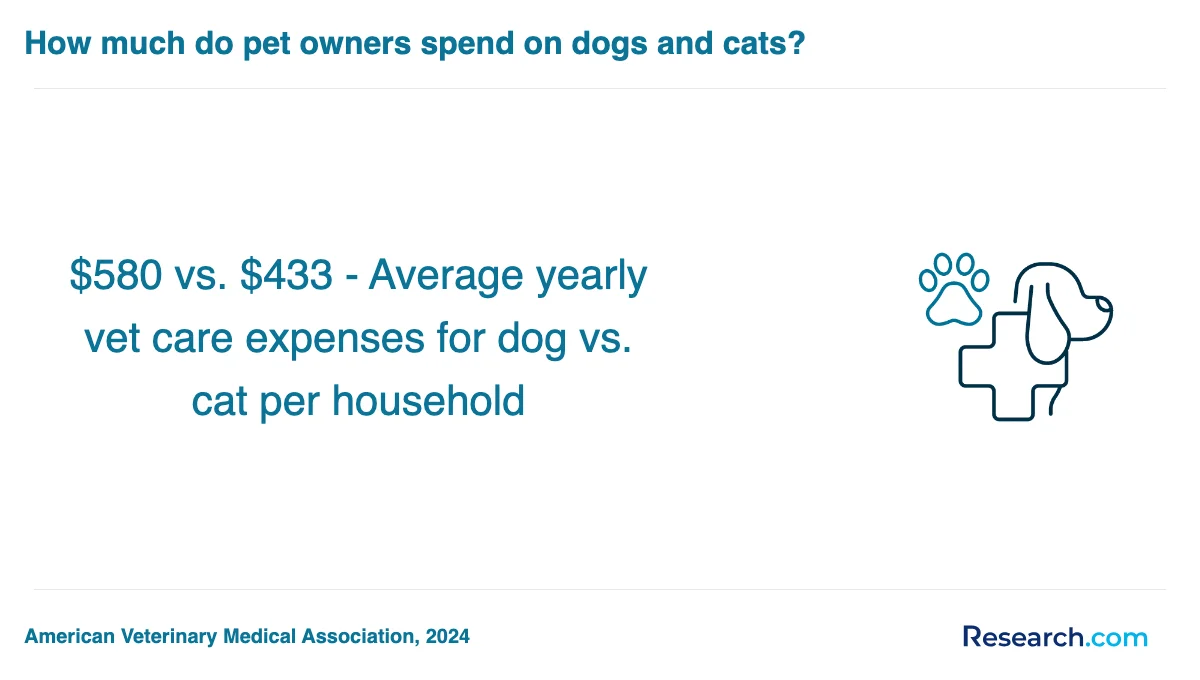
What is the average cost of veterinary assistant trade schools in Aurora?
When considering the average tuition for veterinary assistant programs in Aurora, costs can vary depending on which trade school you choose. For example, graduates from Pickens Technical College often share how manageable their tuition was, around $2,376 per year for in-state students, plus roughly $600 for books and supplies. It's an affordable entry into the field, especially if you live nearby.
On the other hand, students from Pima Medical Institute-Aurora highlight that the cost of veterinary assistant diploma in Aurora Colorado can be higher, especially if opting for the associate program, which comes in at about $16,443 annually. Their certificate program is a bit less expensive at around $12,024 per year, but you should also budget for supplies, which might add $743 to $2,117. These graduates often mention the value of the comprehensive hands-on training they received for the price paid.
Community College of Denver offers another option, with tuition of approximately $3,509 annually for in-state students and a higher rate for out-of-state attendees. Graduates from this program note that while tuition might be a bit more upfront than some other places, the quality of lab experiences and materials, which can be about $1,800, helped them feel confident walking into their first job.
Choosing the right program also means considering the full cost picture, including fees and supplies. It's a good idea to explore what each school offers and connect with former students or advisors. If you want to get a broader sense of what colleges offer vet tech programs, check out what colleges offer vet tech programs to help guide your decision.
What financial aid is available for veterinary assistant trade schools in Aurora?
If you're thinking about becoming a veterinary assistant in Aurora, you'll be glad to know there are several financial aid options to help ease the cost. Many students at schools like Pima Medical Institute find federal aid, such as the Federal Pell Grant or federal student loans, really helpful. Just remember, you'll need to fill out the FAFSA form to see what you qualify for, and the school's financial aid team is usually great at guiding you through it.
Graduates from the Bel-Rea Institute often mention using a mix of federal aid and veteran benefits, which made their journey much more manageable. If you're a Colorado resident, don't overlook state programs either-grants and scholarships through workforce development boards or the Colorado Opportunity Scholarship Initiative can give you a nice boost.
Some local schools, like Pickens Technical College, offer affordable tuition and institutional scholarships that many students appreciate. Plus, if you want more flexibility, programs like Penn Foster offer lower-cost online options, though you'll want to check if they qualify for federal aid. Overall, there are plenty of ways to make studying veterinary assisting in Aurora feel doable and exciting.
What are the prerequisites for enrolling in veterinary assistant trade schools in Aurora?
When you're looking to enroll in a veterinary assistant trade school program in Aurora, the good news is that prerequisites tend to be pretty straightforward and welcoming. Most schools want to make sure you're ready to dive into hands-on learning without unnecessary barriers.
Typically, you'll need:
- A high school diploma or GED - this is the basic entry ticket, making sure you have foundational skills.
- Basic communication and math skills - since you'll be interacting with pet owners and handling medications.
- A genuine passion for animals - something graduates often highlight as the key driver that helped them push through the program.
Many students share how the trade schools in Aurora focus on practical experience, so being ready to engage actively in labs and clinics is crucial. For example, graduates recall feeling excited about learning to assist in real veterinary offices early on, which made the experience rewarding and kept motivation high.
Some schools might ask for a background check or immunization records to ensure safety around animals and clinical environments, but nothing too overwhelming.
Overall, if you love animals and have your high school diploma, you're likely set to start your journey in Aurora's welcoming veterinary assistant programs.
What are the typical courses in veterinary assistant trade schools in Aurora?
If you're thinking about veterinary assistant trade schools in Aurora, you'll find the courses cover everything you need to get hands-on with animal care. Graduates from popular local schools like Pima Medical Institute and the Community College of Aurora often mention how the mix of classroom time and real-world labs helped them feel confident from day one.
Typical courses include:
- Animal anatomy and physiology: This is where you get to know the ins and outs of animal bodies, which is super helpful when assisting vets during exams or surgeries.
- Animal restraint techniques: Learning how to safely and calmly handle animals makes stressful moments easier for you and the pets.
- Laboratory procedures and pharmacy basics: You'll practice collecting samples like blood and learn how to prepare medications, which feels rewarding when you see how it helps diagnosis and treatment.
- Assisting in surgeries and post-op care: Many students say these hands-on lessons really boost their confidence in real clinic settings.
- Communication skills: From talking with pet owners to keeping medical records, this course preps you for the daily flow of a veterinary office.
These courses are designed to make sure you're ready to jump into the workforce, blending theory and practice in a way that feels supportive and engaging.
What are the available specializations in veterinary assistant trade schools in Aurora?
Veterinary assistant trade school programs in Aurora come with a variety of specializations that help students focus on what they love most in animal care. Graduates often mention how valuable it was to dive into clinical animal care, learning hands-on skills like nursing animals, assisting in surgeries, and handling pre- and post-operative care. This specialization is perfect for anyone wanting to work directly with furry patients in clinics or emergency settings.
Other popular paths include:
- Laboratory procedures, where you get comfortable with collecting samples and diagnostic testing, which is great if you enjoy the behind-the-scenes medical support side.
- Pharmacy procedures that teach safe medication handling and pharmacology basics-ideal for assisting with treatments and client guidance.
- Exotic species and large animal assisting, opening doors to working with everything from zookeepers to rural farmers.
- Client communication and administrative skills, boosting confidence in managing records and interacting with pet owners professionally.
Many students from Aurora's trade schools like the Pima Medical Institute appreciate hybrid options that blend online coursework with hands-on labs, fitting busy schedules while preparing them well. With these animal care program options Aurora CO offerings, students enter the workforce ready and excited. Plus, exploring these specializations can set you on a path toward some of the highest paying medical jobs related to veterinary care.
How do you choose the best veterinary assistant trade school program in Aurora?
When choosing the best veterinary assistant trade school program in Aurora, look for affordable veterinary assistant programs in Aurora that offer hands-on training. Graduates from Pickens Technical College often share how spending half their time in real clinical settings made the learning experience rewarding and directly relevant to working with animals. Flexibility also matters-schools like the Community College of Aurora make it possible to balance life and study with online or part-time options, which many students appreciate.
It's also important to consider schools with strong reputations for graduate success. For example, programs linked with high exam pass rates, such as those reported by institutions in Denver, inspire confidence in future employment. Financial aid and support, like what Pima Medical Institute provides, can ease the burden of tuition fees. Understanding the difference between a trade school program and a vocational program can help you pick the path that fits your lifestyle and goals best.

What career paths are available for veterinary assistant trade school graduates in Aurora?
Graduates of veterinary assistant trade school programs in Aurora quickly discover a variety of rewarding career paths right in their backyard. Many jump straight into hands-on roles as veterinary assistants, supporting vets and techs in animal hospitals or specialty clinics. These jobs often involve prepping pets for surgery, helping with procedures, and keeping equipment ready. A lot of graduates from popular Aurora trade schools find this practical work fulfilling, especially with over 300 local job openings highlighting strong demand for veterinary assistant career opportunities in Aurora.
Others enjoy working as animal care specialists in shelters or boarding facilities, where daily care like feeding, bathing, and exercising animals creates a dynamic and loving environment. Some vets' offices also need reliable administrative staff-roles like veterinary receptionist or clinic coordinator can be perfect for assistants aiming to shift toward client or office management.
With more experience, many consider advancing into veterinary technician jobs Aurora CO employers value, which come with extra certification and responsibility. Motivated graduates often take advantage of continuing education supported by local employers for this career growth.
This range of roles, paired with competitive pay and benefits, makes studying veterinary assisting in Aurora a smart and exciting choice for anyone passionate about animal care. For a closer look at the field, check out the veterinarian job outlook.
What is the job market for veterinary assistant trade school graduates in Aurora?
The veterinary assistant job market in Aurora is buzzing with opportunity right now. Recent graduates from popular trade schools here share how their training opened doors quickly, landing them roles in various clinics, animal hospitals, and bigger chains like Banfield and VCA. Many find themselves doing hands-on tasks such as prepping animals for surgeries and supporting busy vets right after completing their programs.
Here's what makes Aurora's veterinary assistant employment opportunities Aurora CO stand out:
- Over 400 job openings available, making it easier to start immediately.
- Entry-level pay typically ranges from $15 to $28 per hour, with room to grow.
- Employers often offer competitive benefits like health insurance, paid time off, and uniform allowances.
- Positions value formal training but welcome recent trade school grads excited about animal care.
Graduates often describe the satisfaction of seeing their trade school skills put to work from day one, especially in clinics focused on career growth and skill-building. If you're exploring easiest trades that lead to high paying careers, this path offers a rewarding mix of compassion and steady pay in a growing field right here in Aurora.
Frequently Asked Questions about veterinary assistant
After completing a veterinary assistant trade school in Aurora, preparing for the job market involves several key steps. First, graduates should obtain certification, such as the Approved Veterinary Assistant (AVA) credential from the National Association of Veterinary Technicians in America (NAVTA), which can improve job prospects.
Networking is also important. Joining local veterinary associations or attending job fairs in Aurora can connect graduates with employers. Additionally, gaining hands-on experience through internships or volunteer work at animal clinics strengthens resumes.
Research from the U.S. Bureau of Labor Statistics shows that veterinary assistant jobs in Colorado are projected to grow by 17% through 2031, indicating promising employment opportunities in the region.
Finally, tailoring resumes to highlight relevant skills and preparing for interviews by understanding common veterinary office procedures can help graduates stand out to local employers.
Employers in Aurora seeking veterinary assistant trade school graduates prioritize a mix of technical and interpersonal skills. According to the U.S. Bureau of Labor Statistics, strong knowledge of animal anatomy and medical terminology is essential for daily tasks such as administering medications and assisting veterinarians during exams.
Communication skills are highly valued, enabling graduates to interact effectively with pet owners and team members. Attention to detail is critical for maintaining accurate medical records and ensuring animal safety.
Additionally, employers look for graduates proficient in handling animals calmly to reduce stress and prevent injuries. Time management skills are also important, as veterinary assistants often juggle multiple responsibilities in busy clinics.
Overall, Aurora employers favor graduates who demonstrate both technical competence and compassionate care.
Finding internships relevant to a veterinary assistant trade school program in Aurora involves several practical steps. Start by contacting local veterinary clinics and animal hospitals directly, as many offer internship opportunities for students. The Colorado Veterinary Medical Association provides a directory of clinics in Aurora, which can be a useful resource.
Additionally, trade schools often have partnerships with nearby veterinary practices and can assist students in securing internships. According to the U.S. Bureau of Labor Statistics, hands-on experience is critical in this field, so engaging with your school's career services is essential.
Online platforms like Indeed and local job boards also list veterinary assistant internships in Aurora, often updated weekly.
Obtaining a veterinary assistant trade school diploma in Aurora can significantly enhance career mobility within the local animal care industry. Graduates typically gain practical skills that meet employer demands, increasing their chances of securing entry-level positions in veterinary clinics, animal shelters, and pet care facilities.
According to the Bureau of Labor Statistics, veterinary assistants in Colorado, including Aurora, can expect a faster employment growth rate than the national average, driven by rising pet ownership. This diploma often serves as a stepping stone to more advanced roles, such as veterinary technician, when combined with further education.
Local employers value trade school credentials for their focus on hands-on training, which can lead to higher starting wages and promotional opportunities. The Aurora Workforce Center reports that certified veterinary assistants earn approximately 10-15% more than non-certified workers in related roles.
Part-time job opportunities in Aurora that complement veterinary assistant trade school education include roles such as veterinary receptionist, animal care aide, and kennel assistant. These positions provide hands-on experience with animal handling, client communication, and basic medical support. According to the U.S. Bureau of Labor Statistics, veterinary assistant positions in Colorado, including Aurora, are expected to grow by 20% from 2022 to 2032, indicating increasing job availability.
Working in local animal shelters or veterinary clinics can enhance practical skills learned in trade school. Additionally, jobs at pet stores or grooming centers offer valuable exposure to animal care routines. Balancing these roles with studies can improve both professional competence and employability in Aurora's veterinary field.
To find the most affordable Veterinary Assistant degree program near Aurora, CO, you can start by researching local community colleges and technical schools, as they often offer cost-effective programs. You can use online resources like Research.com to compare tuition rates and program offerings to help identify schools near me. Additionally, consider visiting the campuses or contacting their admissions offices directly for information on financial aid opportunities and program specifics.
Related Veterinary Assistant Rankings for Nearby Cities
- Most Affordable Veterinary Assistant Schools & Training - Budget-Friendly Veterinary Assistant Trade Programs in Phoenix for 2026
- Most Affordable Veterinary Assistant Schools & Training - Budget-Friendly Veterinary Assistant Trade Programs in Las Vegas for 2026
- Most Affordable Veterinary Assistant Schools & Training - Budget-Friendly Veterinary Assistant Trade Programs in Ventura for 2026
Top Trending Rankings
References
- 5 Career Paths for Veterinary Assistants - HCI College https://www.hci.edu/hci-news/23660-5-career-paths-for-veterinary-assistants
- Your Veterinary Assistant Career Guide (Salary, Job Duties, & Requirements) | Penn Foster https://www.pennfoster.edu/blog/your-veterinary-assistant-career-guide-salary-job-duties-requirements
- Train for a Veterinary Assistant Career with ICH! - Integrity College of Health https://ich.edu/blog/train-for-a-veterinary-assistant-career-with-ich/
- 12 Alternative Career Paths for Veterinary Techs https://unity.edu/careers/alternative-career-paths-vet-techs/
- Veterinary Assistant Career Exploration and Expansion https://blackstone.edu/veterinary-assistant-career-exploring/
- Veterinary Assistant https://www.cpp.edu/cpge/professional-development/online-learning/career-training/vet-assistant.shtml
- Should I train to work as a Veterinary Assistant? - San Joaquin Valley College https://www.sjvc.edu/blog/is-a-career-as-a-veterinary-assistant-right-for-me/
- How Much Do Vet Assistants Make? Vet Assistant Salary in 2025 https://www.theacademyofpetcareers.com/blog/how-much-do-vet-assistants-make/
- How to Become a Veterinary Assistant | Salary & Requirements https://nurse.org/healthcare/veterinary-assistant/
- Veterinary Assistant – Casper College https://www.caspercollege.edu/programs-courses/continuing-education/businesses/veterinary-assistant/


