
Best Veterinary Assistant Training Programs & Trade Schools - Top Veterinary Assistant Schools in Hawaii for 2026

Co-Founder and Chief Data Scientist
If you're considering a career as a veterinary assistant in Hawaii, finding the right trade school program is an important first step. This article introduces a carefully crafted veterinary assistant trade school programs ranking created by the Research.com team of data scientists to guide you in making a confident and informed decision.
Exploring these top programs can help you discover valuable options that match your goals. Earning a diploma or certification in this field opens doors to rewarding work with animals and a fulfilling career path. Let’s help you take the next step toward your future.
Key benefits of finishing veterinary assistant trade school in Hawaii
- Graduates in Hawaii can expect a competitive salary, with average hourly wages around $20.88 and certified assistants earning up to $23.90 or more, offering strong financial motivation.
- Career paths often include working in veterinary clinics, animal hospitals, or specialty practices, as seen with graduates from popular local trade schools who quickly find rewarding jobs.
- Completing a veterinary assistant program online offers flexibility and convenience, allowing students to balance work and study, a benefit highlighted by successful online graduates from well-known Hawaii trade schools.
What can I expect from veterinary assistant trade schools in Hawaii?
Enrolling in a veterinary assistant trade school program in Hawaii means diving into a mix of hands-on learning and classroom theory tailored to prepare you for real-world animal care. Graduates often recall their time at Windward Community College, the state's only campus-based program, where they balanced full-time on-campus classes or a flexible hybrid schedule that fit around their work at local clinics.
Expect to master essential skills like animal handling, medical terminology, and veterinary office procedures. Many students find the clinical labs and externships especially rewarding, gaining confidence while assisting in surgeries or performing lab tests during their 80-hour externships at nearby veterinary practices.
Beyond technical skills, programs emphasize professional growth-career workshops help build resumes and sharpen interview techniques, easing the jump into the workforce. Online or hybrid options also appeal to students on neighbor islands, combining virtual lessons with hands-on experience close to home. Overall, the journey is challenging but fulfilling, leaving students excited and ready to join Hawaii's veterinary healthcare teams.
Where can I work after finishing veterinary assistant trade schools in Hawaii?
After finishing a veterinary assistant trade school program in Hawaii, graduates often find rewarding opportunities in private veterinary clinics and animal hospitals across the islands. Many alumni from popular trade schools share how they quickly secured positions at places like Kaua'i North Shore Animal Clinic, where they assist with exams and care for dogs, cats, and even pocket pets. These roles are ideal for those eager to learn on the job and develop strong communication skills.
Others have moved into larger facilities such as VCA Animal Hospitals in Honolulu, appreciating the mix of full-time or part-time schedules and benefits like medical and dental coverage. Here, veterinary assistants support surgeries and maintain client relationships, gaining hands-on experience in a bustling environment.
Some graduates find their passion working with rescued animals at shelters like Oahu SPCA, helping with adoptions and daily care. For those interested in large animals, rural ranches offer roles involving horses and livestock, blending traditional skills with Hawaii's unique agricultural culture.
With over 70 veterinary assistant jobs available statewide, trade school graduates have a broad range of career paths to explore, often enjoying fulfilling and dynamic work that matches their training and passion.
How much can I make after finishing veterinary assistant trade schools in Hawaii?
After finishing a veterinary assistant trade school program in Hawaii, many graduates find themselves earning between $17 and $21 per hour, which is notably higher than the national average. For example, graduates from popular trade schools in Honolulu often share how landing entry-level positions at local clinics or animal hospitals quickly led to a steady paycheck averaging around $20 per hour. This wage reflects Hawaii's unique cost of living and strong demand for skilled veterinary assistants.
New graduates can expect starting wages typically between $15 and $18 per hour in smaller communities, while those who gain experience or specialize may see offers up to $25 per hour in larger cities like Honolulu or Pearl City. Many report feeling encouraged by how their trade school training directly translates into career opportunities that support a comfortable lifestyle in Hawaii.
Seeing peers from their programs move into full-time roles earning over $30,000 annually motivates new students to envision a rewarding future where passion for animal care meets financial stability.
Best Veterinary Assistant Training Programs & Trade Schools - Top Veterinary Assistant Schools in Hawaii for 2026
# 1 position
Windward Community College - Veterinary/Animal Health Technology/Technician and Veterinary Assistant.
associateWindward Community College offers a Veterinary/Animal Health Technology/Technician and Veterinary Assistant program that prepares students to assist veterinarians and animal health professionals. The curriculum includes animal nursing care, clinical procedures, radiology, anesthesiology, surgical assisting, and office administration. The program is accredited by the Western Association of Schools and Colleges Accrediting Commission for Community and Junior Colleges. Annual in-state tuition is $3,194.
# 2 position
Windward Community College - Veterinary/Animal Health Technology/Technician and Veterinary Assistant.
certificate or diplomaWindward Community College offers a Veterinary/Animal Health Technology/Technician and Veterinary Assistant program designed to prepare students to assist veterinarians, laboratory animal specialists, and zoological professionals. The curriculum covers animal nursing care, clinical procedures, animal health and nutrition, radiology, anesthesiology, surgical assisting, and office administration. The program’s annual in-state tuition is $3,194 and is accredited by the Western Association of Schools and Colleges Accrediting Commission for Community and Junior Colleges.
Key Findings
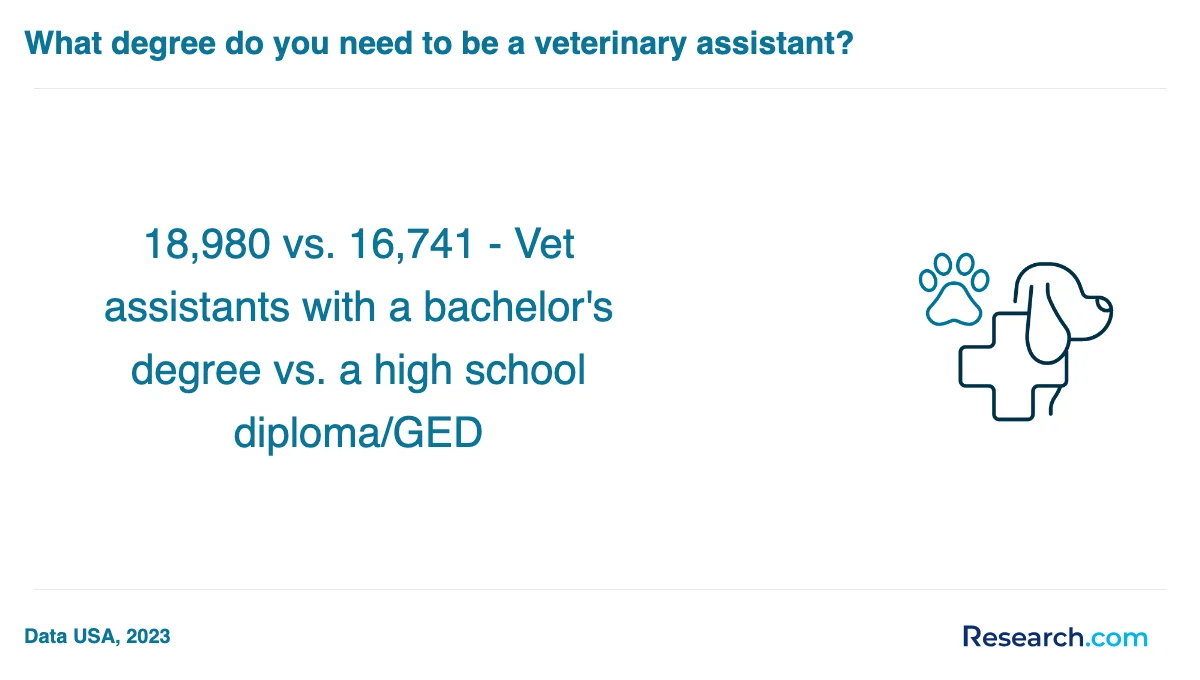
- Formal education is not legally required to work as a veterinary assistant in Hawaii, but most employers prefer candidates with a high school diploma or GED.
- The Certificate of Achievement in Veterinary Assisting (VETA) is offered by Windward Community College, with admission requirements including age 18+, an information session, application, health clearance, and proficiency in English and math.
- Penn Foster's online veterinary assistant program costs about $900 and can be completed in as little as seven months.
- Certification is optional; the Approved Veterinary Assistant (AVA) certification exam costs around $100 and may improve job prospects.
- The average salary for veterinary assistants in Hawaii ranges from $29,000 to $34,000 per year depending on experience and training.
How long does it take to complete veterinary assistant trade schools in Hawaii?
Completing a veterinary assistant trade school program in Hawaii typically takes between 6 to 12 months, depending on the school and whether students choose full-time or part-time schedules. Many graduates from popular trade schools in Honolulu and Maui share that the immersive, hands-on approach makes the months fly by, fueling their passion for animal care.
For example, graduates often recount how quickly they moved from classroom theory to real-world clinic experience, which made the learning process feel both rewarding and practical. The balance of veterinary terminology, lab work, and internship hours fits well within a year, allowing students to enter the workforce without long delays.
This timeframe also suits those balancing jobs or family commitments, as some schools offer flexible evening or weekend classes. The sense of accomplishment students express upon finishing their programs on time is a strong motivator, helping them stay focused and optimistic about their veterinary careers in Hawaii's unique environment.
What's the difference between online and on-campus veterinary assistant trade school programs?
Choosing between online and on-campus veterinary assistant trade school programs in Hawaii often comes down to how you want to learn and live. Graduates from Windward Community College describe the hands-on labs with live animals as invaluable, sharing that working directly in Hawaii's veterinary clinics gave them confidence that no video can replace. The tactile experience of prepping surgical tools or performing radiology under instructor supervision creates a deep connection to the work.
Conversely, those who completed online programs like Penn Foster appreciate the flexibility to balance family or jobs, especially from neighbor islands. They highlight the convenience of studying veterinary office procedures at their own pace and then applying skills during an externship at a local clinic. The mix of self-driven online learning with real-world practice often sparks pride and a sense of independence.
Both paths appeal differently: on-campus offers immersive, structured training in Hawaii's unique animal care settings, while online suits self-motivated students seeking adaptable schedules without sacrificing essential hands-on experience.
What is the average cost of veterinary assistant trade schools in Hawaii?
The average cost of veterinary assistant programs in Hawaii typically varies depending on whether you enroll at a public or private trade school. For instance, graduates from public institutions like Windward Community College in Kaneohe often mention that tuition fees for veterinary assistant schools in Hawaii hover around $3,144 per year for in-state students. These programs usually last two semesters and require around 31 credit hours. Beyond tuition, students budget for additional expenses such as a $25 student activity fee, a $100 per semester program fee, and supplies including uniforms and textbooks.
Private online options also attract many hopeful vet assistants seeking flexible schedules. One popular route is through programs like Penn Foster College, where tuition is approximately $900 for the entire Veterinary Assistant program. Graduates appreciate the relatively low cost and the inclusion of an eight-week externship, which offers invaluable hands-on experience in local veterinary practices. These alternatives offer a practical path for those wanting to complete training quickly without sacrificing quality.
Many aspiring veterinary assistants find motivation in planning their education around financial realities. With the possibility of financial aid and scholarships, students can strategically manage their investment in this field. Exploring career paths in veterinary medicine might also help clarify how these tuition fees fit into long-term professional goals within Hawaii's vibrant veterinary community.

What financial aid is available for veterinary assistant trade schools in Hawaii?
Veterinary assistant students in Hawaii often find financial aid options that make pursuing their education more manageable. Graduates from Windward Community College frequently mention how the total program cost of around $4,000-covering tuition, books, and supplies-felt attainable thanks to a combination of federal aid and school-based resources. Many rely on Pell Grants, which provide crucial funding if their program qualifies, easing the burden of upfront costs.
While direct scholarships for veterinary assistant certificates are limited, some students have benefited from private animal welfare scholarships that reward community involvement and academic effort. In contrast, those enrolled in online programs like Penn Foster appreciate flexible monthly payment plans and discounts, making it easier to budget over time without sacrificing their dreams.
Though the Hawaii Veterinary Medical Association's $1,000 scholarship primarily supports veterinary medicine doctoral students, assistant students often feel hopeful that expanding this aid could soon benefit trade school learners as well.
These options, combined with careful planning and school guidance, help many students confidently navigate the cost of becoming a veterinary assistant in Hawaii.
What are the prerequisites for enrolling in veterinary assistant trade schools in Hawaii?
Enrolling in a veterinary assistant trade school program in Hawaii often starts with straightforward prerequisites that open doors for many eager students. Most trade schools in Hawaii expect applicants to have a high school diploma or GED, providing a solid foundation before diving into hands-on animal care. Graduates from popular programs frequently share how this basic requirement made their journey feel accessible and motivating.
Beyond formal education, schools may require:
- Proof of immunizations to ensure a safe environment for both animals and students
- Background checks, especially for those working with vulnerable populations or clinics
- Basic computer literacy, supporting tasks like record-keeping and scheduling
Many students recall that demonstrating a genuine passion for animals during interviews or application essays significantly boosted their acceptance chances. For example, those attending well-known Hawaiian trade schools often highlight how sharing personal volunteer experiences at local shelters created a relatable and positive impression.
These prerequisites reflect the program's commitment to preparing compassionate, responsible veterinary assistants ready to thrive in Hawaii's unique environment.

What are the typical courses in veterinary assistant trade schools in Hawaii?
Veterinary assistant trade school programs in Hawaii typically include a set of hands-on, practical courses designed to prepare students for real-world veterinary environments. Graduates from places like Hawaii Community College and Windward Community College often highlight how courses such as veterinary office procedures and hospital etiquette gave them confidence in managing appointments, client communication, and medical records-skills essential for smooth clinic operations.
Core classes also focus heavily on animal behavior, handling, and restraint, where students learn to read animal body language and safely restrain pets during exams or treatments. This training helps reduce stress for both the animals and veterinary teams, a crucial skill praised by recent graduates who now work in busy Hawaii clinics.
- Exam room procedures and small animal nursing teach techniques like sample collection and administering medications.
- Pharmacy and pharmacology courses cover common veterinary medications and safe drug handling.
- Surgical preparation and assisting include sterile techniques and supporting veterinarians during operations.
- Laboratory procedures and radiology introduce diagnostic testing and imaging basics.
Students appreciate the balance of theory and clinical experience, often sharing how externships at local animal hospitals solidified their skills and boosted their confidence in professional settings across Hawaii.
What are the available specializations in veterinary assistant trade schools in Hawaii?
Veterinary assistant specializations in Hawaii often focus on practical, in-demand skills that prepare students for diverse animal care roles. Graduates from Hawaii Community College, for example, frequently highlight the rewarding experience of their online Veterinary Assistant with Horse Care Management specialization, which merges veterinary training with hands-on equine care. This program equips students for careers in stables and equestrian centers, offering a unique blend of clinical skills and horse management knowledge.
Meanwhile, Windward Community College offers a Certificate of Achievement in Veterinary Assisting that appeals to students who want to work in clinics, animal shelters, or research settings. Graduates share how the emphasis on live animal laboratories and life sciences coursework fosters both confidence and competence, making them ready for real-world veterinary environments.
Popular Hawaii veterinary assistant program specializations also include preparation for the Approved Veterinary Assistant (AVA) certification, which is nationally recognized and valued by many employers across the islands. Many students find that pursuing this certification online complements their trade school education and boosts job prospects.
Future students considering these paths benefit from programs that let them explore:
- Equine care and horse management linked to veterinary assistance
- Hands-on animal handling and clinical procedures in a variety of animal care settings
- Certified credentials that enhance employability across Hawaii
Those interested in expanding their skillset beyond traditional training might explore available online vet tech programs that offer additional certifications and career advancement opportunities.
How do you choose the best veterinary assistant trade school program in Hawaii?
Choosing the best veterinary assistant programs in Hawaii means prioritizing accredited institutions with strong reputations. Graduates from Windward Community College often praise its CVTEA accreditation and comprehensive hands-on training, which deeply enhanced their confidence in clinical settings. When comparing programs, consider how flexible the format is-many students juggling island life and jobs find hybrid options invaluable, especially those offered on neighbor islands or online.
How to compare veterinary assistant schools in Hawaii also involves looking closely at admission requirements and practical experience. Students who completed externships through programs like Animal Behavior College highlight how real-world exposure prepared them for the fast pace of veterinary clinics. Costs and program duration vary, so balancing affordability with quality is key. Some programs even help you earn the Approved Veterinary Assistant certification, adding an edge to your resume.
Exploring options through online schools diploma resources can reveal additional flexible and affordable pathways that fit your lifestyle while maintaining rigorous standards.
What career paths are available for veterinary assistant trade school graduates in Hawaii?
Graduates of veterinary assistant trade school programs in Hawaii often find a variety of fulfilling career paths available. Many step directly into roles as veterinary assistants in clinics, specialty hospitals, or animal shelters, where they enjoy hands-on work caring for animals and supporting veterinarians. Those seeking a stable entry-level role appreciate the consistent demand and positive work environment shared by graduates from popular trade schools on the islands.
Others leverage their experience into related roles including:
- Veterinary receptionist positions managing appointments and client communications
- Feline care specialists focusing on cat health and adoption support
Looking ahead, some graduates pursue further education and training to access higher responsibility and pay in veterinary technician jobs for graduates in Hawaii. This progression often excites former students eager to deepen their clinical skills while staying connected to the animals they love. Many graduates appreciate that programs incorporate valuable on-the-job training experiences that prepare them well for these career steps.
For those interested in efficient training pathways, exploring 2 year medical programs that pay well offers promising options for advancing veterinary healthcare careers in Hawaii's diverse animal care landscape.
What is the job market for veterinary assistant trade school graduates in Hawaii?
The job market for veterinary assistant trade school graduates in Hawaii offers a unique blend of steady opportunity and manageable competition. Graduates from popular trade schools often find that despite Hawaii's smaller population, there are consistent openings-roughly 50 annually statewide-with about 320 total jobs available, especially in urban hubs like Honolulu. Many graduates describe feeling optimistic about their prospects due to local demand in veterinary clinics, animal shelters, and research centers. The growth rate, while slightly slower than the national average, still signals an expanding field.
Hawaii veterinary assistant employment opportunities come with competitive wages, often ranging between $18 and $25 per hour. Graduates who earn additional credentials, such as the Approved Veterinary Assistant distinction, frequently report better pay and more job offers. Real-world experiences shared by alumni highlight how the blend of hands-on classes and certificate programs prepares them confidently for these roles.
Students considering whether to enroll in a vocational school vs trade certificate program often appreciate the clear pathway these schools provide into rewarding careers in animal care.
Frequently Asked Questions about veterinary assistant
After completing a veterinary assistant trade school in Hawaii, preparing for the job market involves several practical steps. First, gaining hands-on experience through internships or externships offered by your program is essential. These opportunities provide real-world skills and professional connections. According to the U.S. Bureau of Labor Statistics, veterinary assistant roles in Hawaii are projected to grow by about 15% through 2031, reflecting increasing demand.
Networking with local veterinary clinics and attending industry events in Hawaii can improve job prospects. Additionally, obtaining certification, such as the Approved Veterinary Assistant (AVA) credential, may enhance employability. Staying informed about state-specific licensing or continuing education requirements is also important for career advancement.
Employers in Hawaii seek veterinary assistant graduates who demonstrate strong practical skills and a solid understanding of animal care. Key skills include proficiency in handling animals safely and compassionately, as well as knowledge of basic clinical procedures such as administering medications and assisting in exams. Communication skills are critical, as veterinary assistants must interact effectively with pet owners and veterinary staff.
According to the U.S. Bureau of Labor Statistics and Hawaii's Department of Labor, employers also value graduates who are familiar with medical record keeping and maintaining clean, organized workspaces. Technical competence with veterinary software is increasingly important in modern clinics.
Attention to detail and the ability to work under supervision are essential traits for success in this field in Hawaii's competitive job market.
Finding internships in Hawaii relevant to veterinary assistant trade school programs involves several practical steps. Start by contacting local veterinary clinics and animal hospitals, as many offer internship opportunities to students for hands-on experience. The Hawaii Veterinary Medical Association is a useful resource for locating member clinics that may provide internships.
Additionally, trade schools often have partnerships with veterinary practices or can assist in placing students in internships. It's important to inquire directly with the school's career services or internship coordinator.
Online platforms such as the U.S. Department of Labor's CareerOneStop can help locate internships by filtering for veterinary assistant roles within Hawaii.
According to recent data from the National Association of Veterinary Technicians in America, internships enhance job prospects by up to 40%, making them a critical part of training in this field.
Obtaining a veterinary assistant trade school diploma in Hawaii can significantly enhance career mobility and advancement. This credential provides practical skills and foundational knowledge required for entry-level positions in veterinary clinics, animal shelters, and research facilities. According to the U.S. Bureau of Labor Statistics, veterinary assistant roles in Hawaii are expected to grow moderately, offering steady employment opportunities.
Trade school diplomas often lead to higher starting wages compared to those without formal training. Additionally, diploma holders may qualify for positions with greater responsibility, such as veterinary technician support roles. Local employers value hands-on experience combined with certification, which can improve prospects for promotions and specialized tasks.
While specific Hawaii data on social mobility for veterinary assistants is limited, national studies show that vocational diplomas generally increase job stability and earning potential, contributing positively to upward economic movement.
In Hawaii, part-time job opportunities that complement veterinary assistant trade school education often include positions such as veterinary receptionist, animal care attendant, or kennel assistant. These roles provide hands-on experience with animal handling and clinic operations, essential for skill-building. According to the U.S. Bureau of Labor Statistics, veterinary assistants in Hawaii earn a median hourly wage of around $14.50, with demand expected to grow moderately through 2028.
Local animal shelters and veterinary clinics frequently hire part-time workers, allowing students to apply classroom knowledge in real-world settings. Additionally, some farms and rescue organizations offer flexible roles that enhance animal care skills relevant to a veterinary career.
To find the best Veterinary Assistant degree program near you, consider exploring local academic institutions and community colleges that offer vet tech or veterinary assistant courses. If you're near Hawaii, check for universities and training programs available on the islands, which may provide relevant coursework and certifications. Research.com can serve as a helpful resource to compare programs based on rankings, faculty, and curriculum quality.
Related Veterinary Assistant Rankings for Nearby States
- Best Veterinary Assistant Training Programs & Trade Schools - Top Veterinary Assistant Schools in Washington for 2026
- Best Veterinary Assistant Training Programs & Trade Schools - Top Veterinary Assistant Schools in Nevada for 2026
- Best Veterinary Assistant Training Programs & Trade Schools - Top Veterinary Assistant Schools in Arizona for 2026
- Best Veterinary Assistant Training Programs & Trade Schools - Top Veterinary Assistant Schools in Colorado for 2026
- Best Veterinary Assistant Training Programs & Trade Schools - Top Veterinary Assistant Schools in New Mexico for 2026
- Best Veterinary Assistant Training Programs & Trade Schools - Top Veterinary Assistant Schools in Oklahoma for 2026
- Best Veterinary Assistant Training Programs & Trade Schools - Top Veterinary Assistant Schools in Minnesota for 2026
- Best Veterinary Assistant Training Programs & Trade Schools - Top Veterinary Assistant Schools in Iowa for 2026
- Best Veterinary Assistant Training Programs & Trade Schools - Top Veterinary Assistant Schools in Wisconsin for 2026
- Best Veterinary Assistant Training Programs & Trade Schools - Top Veterinary Assistant Schools in Michigan for 2026
Top Trending Rankings
References
- Veterinary technology programs accredited by the AVMA CVTEA | American Veterinary Medical Association https://www.avma.org/education/center-for-veterinary-accreditation/veterinary-technology-programs-accredited-avma-cvtea
- Online Vet Tech Program - Associate Degree | Penn Foster https://www.pennfoster.edu/programs/veterinary/veterinary-technician-associate-degree
- Online Veterinary Assistant Program | Self-Paced Course https://www.uscareerinstitute.edu/online-veterinary-assistant-school
- Veterinary Assistant Program | Ross Education https://rosseducation.edu/programs/veterinary-assistant.php
- Veterinary Assistant Program https://trocaire.edu/academics/workforce-development/veterinary-assistant-program/
- 4 Places a Veterinary Assistant Can Work - Check Out Career Options https://pmi.edu/blog/4-places-a-veterinary-assistant-can-work/
- 5 Career Paths for Veterinary Assistants - HCI College https://www.hci.edu/hci-news/23660-5-career-paths-for-veterinary-assistants
- Work as a Vet Assistant | Medical Career & Technical College https://medicalcareerandtechnicalcollege.edu/where-can-i-work-as-a-veterinary-assistant/
- 12 Alternative Career Paths for Veterinary Techs https://unity.edu/careers/alternative-career-paths-vet-techs/
- Veterinary Assistants and Laboratory Animal Caretakers : Occupational Outlook Handbook: : U.S. Bureau of Labor Statistics https://www.bls.gov/ooh/healthcare/veterinary-assistants-and-laboratory-animal-caretakers.htm


