
Best Veterinary Assistant Training Programs & Trade Schools - Top Veterinary Assistant Schools in Colorado for 2026

Co-Founder and Chief Data Scientist
Choosing the right veterinary assistant trade school in Colorado can shape your future career in animal care. This article introduces a carefully crafted ranking of veterinary assistant trade school programs, developed by the Research.com team of data scientists. It’s designed to help you make an informed decision on which programs truly stand out.
By exploring these options, you’ll discover the best paths to earn a diploma or certification that opens doors in this rewarding field. Taking this step can bring you closer to a fulfilling job helping animals and their owners every day.
Key benefits of finishing veterinary assistant trade school in Colorado
- Graduates can expect an average starting salary between $28,000 and $34,000 per year in Colorado, with opportunities to earn more as experience and skills grow.
- Many veterinary assistant trade school graduates find rewarding roles in animal care clinics, shelters, or even specialized veterinary offices, opening doors to diverse career paths.
- Completing the program online offers flexibility and convenience, allowing students to balance studies with work or family, as experienced by many successful online graduates from popular Colorado schools.
What can I expect from veterinary assistant trade schools in Colorado?
When you enroll in a veterinary assistant trade school program in Colorado, expect a perfect mix of classroom learning and hands-on practice. For example, graduates from Pickens Technical College talk about spending half their time in class mastering veterinary medical terminology, animal anatomy, and pharmacy procedures, and the other half working directly with animals and equipment in a simulated vet setting. This balance helps you feel confident both in theory and in real-life tasks.
Many students appreciate learning how to handle animals safely, prepare them for surgeries, and even identify parasites under a microscope. Beyond medical skills, programs often include training on how to talk with pet owners, so you're ready to explain nutrition, vaccinations, and medications with empathy and professionalism.
Programs like the one at Front Range Community College, which is NAVTA-accredited, also offer career prep resources such as resume workshops and interview coaching, making the jump into the Colorado job market smoother and more exciting.
Where can I work after finishing veterinary assistant trade schools in Colorado?
After finishing a veterinary assistant trade school program in Colorado, you'll find plenty of exciting job options waiting for you. Graduates often land positions in veterinary clinics and animal hospitals, especially in cities like Denver and Colorado Springs. Picture yourself working hands-on at places such as Banfield Pet Hospital or VCA Briargate Veterinary Clinic, assisting vets with exams, surgeries, and everyday animal care. Many grads from popular Colorado trade schools share how rewarding it feels to be part of a team that helps animals get better every day.
If you're drawn to a faster-paced environment, emergency and specialty veterinary centers offer roles where you can learn advanced skills and handle urgent cases. Animal shelters and rescue organizations also hire new assistants, where feeding and caring for rescued pets creates a truly fulfilling daily routine.
Some graduates even find work in boarding facilities, research labs, or mobile vet services. Plus, if you enjoy organization, veterinary administrative assistant roles let you combine animal care with office tasks. Colorado trade schools prepare you well, and many employers provide on-the-job training to help you grow confidently in your new career.
How much can I make after finishing veterinary assistant trade schools in Colorado?
After finishing a veterinary assistant trade school program in Colorado, many graduates find themselves earning between $30,400 and $35,099 a year. For example, alumni from popular local trade schools often share how starting out with an hourly wage around $16 to $19 felt like a rewarding step into veterinary care. Some even report hitting closer to $24 per hour in cities like Denver or Fort Collins, where demand and pay tend to be higher.
Graduates often mention how the hands-on training helped them feel confident stepping into clinics, making the pay feel well-earned and motivating. Many find that with a bit of experience, certification, or working in emergency vet practices, their hourly rates and annual salaries can rise noticeably above the starting range.
While the job market in Colorado isn't super busy, those who complete these programs appreciate the steady income and the chance to work closely with animals every day, which makes the salary feel even more rewarding.
Best Veterinary Assistant Training Programs & Trade Schools - Top Veterinary Assistant Schools in Colorado for 2026
# 1 position
Colorado Mountain College - Veterinary/Animal Health Technology/Technician and Veterinary Assistant.
associateColorado Mountain College offers a Veterinary/Animal Health Technology/Technician and Veterinary Assistant program preparing students to assist veterinarians and animal health professionals. The curriculum includes animal nursing care, clinical procedures, radiology, anesthesiology, surgical assisting, and office administration. The program is accredited by the Higher Learning Commission. Annual in-state tuition is $2,700.
# 2 position
Apex College of Veterinary Technology - Veterinary/Animal Health Technology/Technician and Veterinary Assistant.
associateApex College of Veterinary Technology offers a program in Veterinary/Animal Health Technology/Technician and Veterinary Assistant designed to prepare students for patient care and clinical procedure assistance under professional supervision. The curriculum covers animal nursing, health, nutrition, handling, clinical pathology, radiology, anesthesiology, dental prophylaxis, surgical assisting, laboratory procedures, and office administration. The program is accredited by the Council on Occupational Education and has an annual in-state tuition of $13,850.
# 3 position
Front Range Community College - Veterinary/Animal Health Technology/Technician and Veterinary Assistant.
associateFront Range Community College offers a program in Veterinary/Animal Health Technology/Technician and Veterinary Assistant designed to prepare students for roles assisting veterinarians and animal health professionals. The curriculum covers animal nursing, clinical procedures, radiology, anesthesiology, surgical assisting, and office administration. The program is accredited by the Higher Learning Commission and has an annual in-state tuition of $4,740.
# 4 position
Community College of Denver - Veterinary/Animal Health Technology/Technician and Veterinary Assistant.
associateThe Veterinary/Animal Health Technology/Technician and Veterinary Assistant program at Community College of Denver prepares students to assist veterinarians and animal care professionals in patient management and clinical procedures. The curriculum includes animal nursing, health and nutrition, clinical pathology, radiology, anesthesiology, surgical assisting, and office administration. The program is accredited by the Higher Learning Commission. Annual in-state tuition is $4,902.
# 5 position
Colorado Mesa University - Veterinary/Animal Health Technology/Technician and Veterinary Assistant.
associateColorado Mesa University offers a program in Veterinary/Animal Health Technology/Technician and Veterinary Assistant that prepares students to assist veterinarians and animal health professionals in patient care, clinical procedures, and owner communication. The curriculum covers animal nursing, health, nutrition, clinical pathology, radiology, anesthesiology, surgical assisting, and office administration. The program’s annual in-state tuition is $9,712 and it is accredited by the Higher Learning Commission.
# 6 position
Colorado Academy of Veterinary Technology - Veterinary/Animal Health Technology/Technician and Veterinary Assistant.
associateThe Colorado Academy of Veterinary Technology offers a program in Veterinary/Animal Health Technology/Technician and Veterinary Assistant. It prepares students to assist veterinarians and animal health professionals in patient care, clinical procedures, and owner communication. Instruction covers animal nursing, health, nutrition, handling, pathology, radiology, anesthesiology, dental care, surgical assisting, laboratory procedures, and office administration. The program is accredited by the Council on Occupational Education. Annual in-state tuition is $19,721.
# 7 position
Bel-Rea Institute of Animal Technology - Veterinary/Animal Health Technology/Technician and Veterinary Assistant.
associateBel-Rea Institute of Animal Technology offers a program in Veterinary/Animal Health Technology/Technician and Veterinary Assistant, preparing students to assist veterinarians and specialists in patient care and clinical procedures. The curriculum includes animal nursing, health, nutrition, clinical pathology, radiology, anesthesiology, surgical assisting, and office administration. The program is accredited by the Accrediting Commission of Career Schools and Colleges. Annual in-state tuition is $13,819.
# 8 position
Pima Medical Institute-Aurora - Veterinary/Animal Health Technology/Technician and Veterinary Assistant.
associateThis program at Pima Medical Institute-Aurora prepares students to assist veterinarians and animal health professionals in patient care and clinical procedures. Coursework covers animal nursing, health and nutrition, handling, clinical pathology, radiology, anesthesiology, dental care, surgical assisting, laboratory procedures, office administration, and communication. It is accredited by the Accrediting Bureau of Health Education Schools, ensuring recognized standards in veterinary and animal health technology training.
# 9 position
Pima Medical Institute-Colorado Springs - Veterinary/Animal Health Technology/Technician and Veterinary Assistant.
associateThe Veterinary/Animal Health Technology/Technician and Veterinary Assistant program at Pima Medical Institute-Colorado Springs prepares students to assist veterinarians and zoological professionals in patient care and clinical procedures. The curriculum covers animal nursing, health, nutrition, handling, clinical pathology, radiology, anesthesiology, dental prophylaxis, surgical assistance, laboratory procedures, office administration, and communication. The program is accredited by the Accrediting Bureau of Health Education Schools.
# 10 position
Pickens Technical College - Veterinary/Animal Health Technology/Technician and Veterinary Assistant.
certificate or diplomaPickens Technical College offers a Veterinary/Animal Health Technology/Technician and Veterinary Assistant program that trains individuals to assist veterinarians and animal health professionals in patient care and clinical procedures. The curriculum covers animal nursing, health, nutrition, clinical pathology, radiology, anesthesiology, surgical assisting, and office administration. The program is accredited by the Council on Occupational Education and has an annual in-state tuition of $4,930.
Key Findings
- No statewide high school diploma or GED is required to enroll, but it is recommended and may be preferred by some programs and employers.
- Most veterinary assistant programs in Colorado are short-term certificate courses that can be completed in less than a year.
- In-state tuition at Pickens Technical College is about $2,376 per academic year, with out-of-state tuition around $4,656, plus approximately $600 for books and materials.
- National Association of Veterinary Technicians in America (NAVTA) approval allows graduates to earn the Approved Veterinary Assistant (AVA) credential, which is valued by employers.
- Entry-level salaries for veterinary assistants in Colorado range from $31,000 to $37,000 per year, with experienced workers earning $40,000 or more.
- Hands-on experience through internships or paid work is often required and highly valued by employers and programs.
How long does it take to complete veterinary assistant trade schools in Colorado?
If you're wondering how long it takes to complete a veterinary assistant trade school program in Colorado, the answer is pretty encouraging: most programs wrap up in about 6 to 12 months. This shorter timeframe is perfect if you want to jump quickly into working with animals without spending years in school.
Many graduates from popular trade schools around Denver and Colorado Springs share how this timeline helped them stay motivated and focused. One talked about balancing their classes with a part-time job, appreciating how the program's pace felt just right-not too rushed, but definitely efficient. Another graduate mentioned how finishing in under a year allowed them to start gaining hands-on experience at local animal clinics sooner than expected, which was both exciting and rewarding.
These programs often combine classroom learning with practical labs, so you're not just reading about animal care but actually practicing it. For busy Colorado students, the blend of quick completion and real-world skills makes these trade schools an appealing option to launch a veterinary assistant career.
What's the difference between online and on-campus veterinary assistant trade school programs?
The biggest difference between online and on-campus veterinary assistant trade school programs in Colorado comes down to how you learn and get hands-on experience. Online programs, like the one from Colorado State University, let you study animal anatomy, lab work, and emergency care from home. Many graduates love the flexibility-it's perfect if you're juggling work or family since you can set your own pace. But the tricky part is you have to find your own internships to get real animal handling experience, which some say can feel a bit overwhelming without direct support.
On the other hand, on-campus programs at places like Pickens Technical College or the Colorado Academy of Veterinary Technology offer in-person classes and supervised hands-on training with live animals. Graduates often mention how much more confident they felt after working directly with instructors and animals during their 36-week program at Technical College of the Rockies. It's a great way to build practical skills quickly and connect with peers who share your passion.
What is the average cost of veterinary assistant trade schools in Colorado?
The average tuition for veterinary assistant programs in Colorado can vary widely depending on the school and whether you are a resident. For example, some graduates from Pickens Technical College in Aurora share that their certificate program costs about $2,376 for in-state students, making it a more affordable option for those living in Colorado. Out-of-state students might pay roughly double, around $4,656, but even then it's considered reasonable for the quality of hands-on training they receive.
On the other hand, those attending Colorado Academy of Veterinary Technology in Colorado Springs might describe their experience as a bit pricier, with tuition fees near $11,435 for in-state enrollees and $19,721 for out-of-state students. But these graduates often emphasize that the investment feels worthwhile, given the thorough instruction and access to clinical practice. That said, the cost of veterinary assistant diploma programs in Colorado doesn't stop at tuition; students also need to budget for books, supplies, and living expenses. For instance, living off-campus and required materials can add about $15,000 per year, making good financial planning essential.
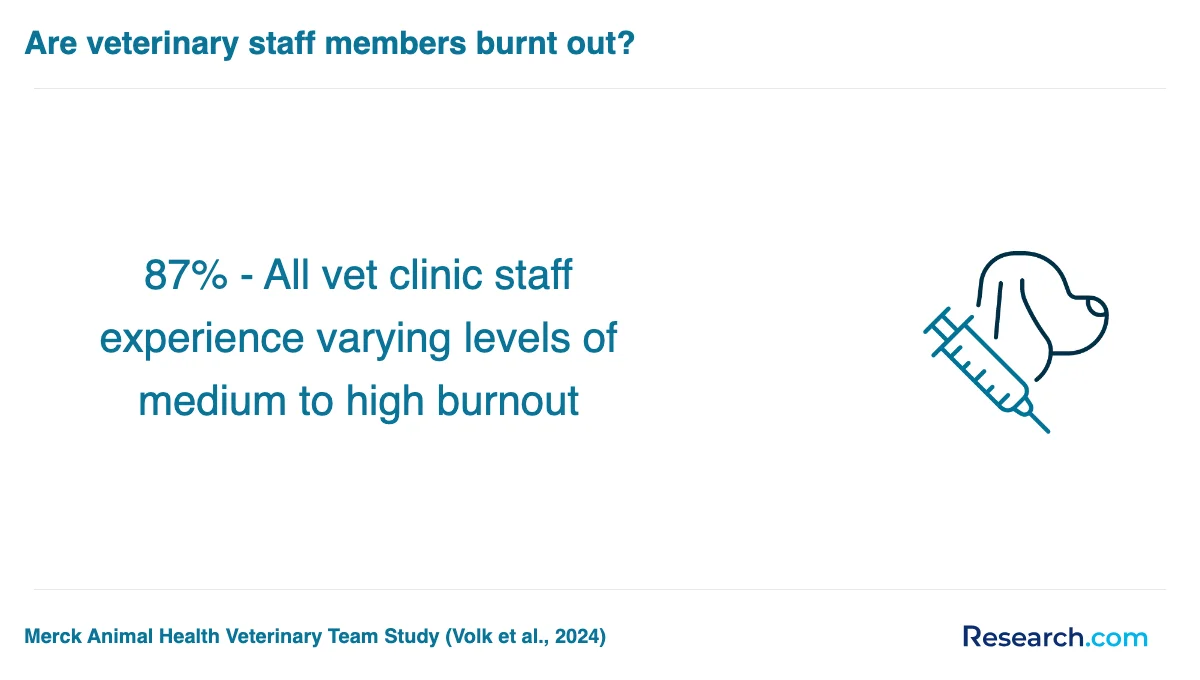
Many students find encouragement in knowing that financial aid, scholarships, and grants are available to help ease these costs, allowing them to focus on their education and career goals. Plus, starting a career in this field can lead you toward some of the best paying jobs in health care, which makes this investment in your future feel very promising.
What financial aid is available for veterinary assistant trade schools in Colorado?
If you're thinking about veterinary assistant trade schools in Colorado, you'll be glad to know there's a solid range of financial aid options to help ease the cost. Many students at places like the Colorado Academy of Veterinary Technology rely on federal financial aid, including Pell Grants and student loans, which can make a huge difference. Graduates often share how getting a Pell Grant meant less worry about debt while focusing on hands-on training.
Veterans and their families also have access to education benefits that can cover much of their tuition. This has made a big impact for several vets studying at community colleges like Front Range Community College, where friendly financial aid counselors guide them through the process.
Plus, some schools offer state scholarships and work-study programs, so students can earn while they learn. Just remember, not every program qualifies for federal aid, so checking with your school's financial aid office early on can save you headaches down the road.
What are the prerequisites for enrolling in veterinary assistant trade schools in Colorado?
When it comes to enrolling in a veterinary assistant trade school program in Colorado, most schools keep the prerequisites pretty straightforward and accessible. Typically, you'll need a high school diploma or a GED to get started. This basic requirement ensures you have the foundational skills to handle the coursework.
Many graduates from well-known Colorado trade schools mention that having a genuine love for animals and a willingness to learn hands-on skills really helps you thrive in these programs. Schools often look for students who are ready to dive into practical experiences, like assisting with animal care or learning about medical terminology.
Here are some common prerequisites you can expect:
- A high school diploma or GED
- Proof of immunizations, especially for diseases common in animal care
- Sometimes a background check, since you'll be working around animals and clinics
- Basic computer literacy, as many programs include digital record-keeping
One graduate shared how showing enthusiasm during the application and interview process made a big difference at a popular Colorado trade school. They stressed that being honest about your passion and readiness to work hard helped them get accepted and stay motivated throughout the program.

What are the typical courses in veterinary assistant trade schools in Colorado?
Veterinary assistant trade school programs in Colorado pack in courses that get you ready for real-world animal care. Graduates often share how courses like animal anatomy and physiology helped them understand what's going on inside a pet's body-super useful when spotting health issues in clinics around Denver or Boulder.
Hands-on skills come early too. You'll learn animal restraint and handling techniques, which graduates say made them feel confident and safe working with everything from fearful cats to energetic dogs at local shelters.
Typical course highlights include:
- Laboratory procedures: practicing sample collection and diagnostics, so you're ready to assist vets in testing blood or urine.
- Veterinary medical math: mastering dosage calculations to avoid any medication mishaps.
- Pharmacology and pharmacy procedures: understanding drug laws and safe handling, crucial for assisting vets responsibly.
- Emergency and surgical assisting: preparing to support vets during surgeries and post-op care, a favorite among students who want to be hands-on.
- Diagnostic imaging: training in X-rays and ultrasounds, helping you learn how to assist with vital diagnostics.
Plus, communication skills and professional ethics courses ensure you'll handle pet owners with empathy and professionalism. Many programs even offer externships at Colorado clinics, letting you apply what you've learned in real settings. Graduates often describe these experiences as "eye-opening" and "incredibly rewarding," giving them a true feel for the day-to-day pace of veterinary work in the state.
What are the available specializations in veterinary assistant trade schools in Colorado?
Veterinary assistant trade school programs in Colorado offer specializations that help students gain solid, hands-on skills for real-world animal care. Graduates from schools like Pickens Technical College share how learning animal restraint and handling boosted their confidence when working with nervous pets. These programs also cover surgical assisting and nursing care, which means students get comfortable helping vets during procedures and recovery phases.
Many students appreciate the focus on laboratory procedures and preventative care for domestic and exotic animals. This broad exposure makes it easier to step into various roles, from general veterinary clinics to specialty practices and shelters. The Colorado Academy of Veterinary Technology, for example, prepares students with veterinary medical terminology and practical skills to help them succeed as veterinary technicians.
Choosing these programs also opens doors to a range of rewarding, easy trades that pay well-a big plus for anyone eager to jump into a fulfilling animal care career quickly.
How do you choose the best veterinary assistant trade school program in Colorado?
When deciding on the best veterinary assistant programs in Colorado, start by checking the program's accreditation. Graduates from schools recognized by the Colorado Community College System often mention how this gave them confidence their education met industry standards and helped with credit transfers. Hands-on training is another must-schools like Pickens Technical College offer practical animal care experiences that students rave about, saying it prepared them well for real clinic situations.
Duration and flexibility matter too. Many programs last under a year, which works great if you want to jump into work quickly. Look for options that fit your schedule, especially if you need evening or part-time classes. Cost is always a factor; some programs charge around $11,000 to $12,000 annually, but many students find financial aid and scholarships make this manageable.
Finally, consider job placement rates. Schools partnering with local clinics give you a real leg up, offering externships that turn into job offers. If you're wondering how to choose a veterinary assistant school in Colorado, focus on these factors to find a program that fits your goals and lifestyle. Also, exploring options for non clinical veterinary jobs can broaden your career path after graduation.
What career paths are available for veterinary assistant trade school graduates in Colorado?
Graduates of veterinary assistant trade school programs in Colorado find veterinary assistant career opportunities in Colorado that go beyond just private clinics. Many start out helping in busy animal hospitals, assisting vets and techs with everything from animal care to daily clinic tasks. Some graduates from popular schools like Colorado Mesa University or Pikes Peak State College share how their training prepared them to work with not only pets but also large animals and wildlife-a variety that really opens doors.
Other exciting animal care jobs for veterinary assistant graduates Colorado include roles in specialty hospitals, research labs, wildlife rehab centers, zoos, and conservation groups. These places value hands-on skills in animal handling and preventive care, giving you a chance to make a real impact. Graduates often mention how rewarding it feels to care for endangered species or support vital conservation efforts.
Many also pursue certification as Certified Veterinary Assistants (CVA) to boost their job prospects and take on more responsibilities. And if you want to grow even further, becoming a veterinary technician or veterinarian is within reach by following the educational requirements for a veterinarian-a path that many veterinary assistants choose for long-term career satisfaction.
What is the job market for veterinary assistant trade school graduates in Colorado?
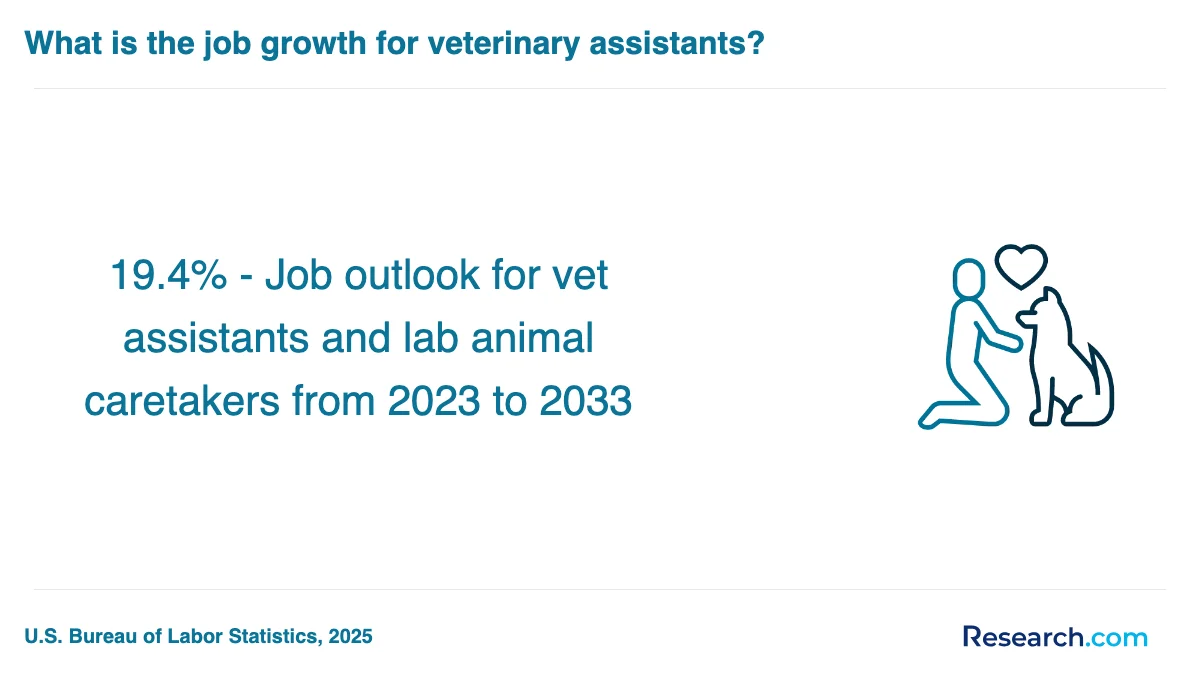
The veterinary assistant job outlook Colorado graduates face is steady but modest, especially for those coming from popular trade schools around the state. Many graduates share positive experiences about quickly finding entry-level roles in busy clinics or pet care centers in cities like Denver and Colorado Springs. These spots offer competitive hourly wages, averaging about $18.13, though newcomers typically start near $15.91 per hour while gaining experience.
Wage growth aligns with gaining skills or working in higher-demand urban areas. Graduates often describe their time at trade schools as a solid foundation, helping them understand hands-on animal care and boosting confidence when entering the job market.
Key points about the veterinary assistant salary trends Colorado include:
- Average annual pay hovering around $34,658 statewide
- Slightly higher wages near large cities reaching up to about $34,627
- Opportunities mainly in clinics, hospitals, and sometimes shelters or research
- Advancement chances with more education or on-the-job specialization
For anyone wondering what is the difference between a trade and a vocation, understanding this can really clarify why trade schools in Colorado are a popular short path to entering the veterinary care field without a lengthy college commitment. Overall, while the market isn't booming, it's a reliable start for graduates eager to work with animals and grow their careers locally.
Frequently Asked Questions about veterinary assistant
After completing a veterinary assistant trade school in Colorado, preparing for the job market involves several strategic steps. First, graduates should obtain certification such as the Approved Veterinary Assistant (AVA) credential from the Colorado Veterinary Medical Association, which can enhance employability.
Networking is important; attending local veterinary job fairs and joining professional groups can provide valuable connections. Colorado's veterinary industry is growing, with the U.S. Bureau of Labor Statistics projecting a 16% increase in veterinary technologist and technician jobs nationally by 2032, a positive sign for assistants.
Additionally, gaining hands-on experience through internships or volunteering at clinics strengthens resumes. Strong communication skills and familiarity with veterinary software are also highly valued by employers in Colorado.
Employers in Colorado prioritize a mix of technical and interpersonal skills when hiring veterinary assistant trade school graduates. Key technical skills include knowledge of animal anatomy, basic medical procedures, and proficiency in handling medical equipment. According to the Colorado Department of Labor and Employment, 70% of veterinary assistants in the state must demonstrate competency in animal care and safety protocols.
Strong communication skills are equally important, as assistants interact closely with pet owners and veterinary teams. Employers also value problem-solving abilities and adaptability in fast-paced clinical settings. Time management and teamwork are essential, given the collaborative nature of veterinary clinics.
Overall, graduates who combine practical veterinary knowledge with effective communication and organizational skills have a competitive edge in Colorado's job market.
Finding internships related to veterinary assistant programs in Colorado involves proactive research and networking. Start by contacting trade schools directly, as many have partnerships with local veterinary clinics offering internships. According to the Colorado Veterinary Medical Association, internships provide hands-on experience essential for career readiness.
Utilize online job boards and internship platforms such as Handshake or Indeed, filtering for veterinary assistant roles within Colorado. Additionally, reach out to animal hospitals and shelters in urban areas like Denver and Colorado Springs, where internship opportunities are more frequent.
Networking through professional organizations and attending local career fairs can also help connect students with internship openings. Remember that internships in this field often require background checks and vaccination records, so prepare these documents in advance.
Obtaining a veterinary assistant trade school diploma in Colorado significantly enhances career mobility by providing essential skills recognized by local employers. According to the Colorado Department of Labor and Employment, veterinary assistants with formal training experience faster job placement and higher starting wages compared to those without diplomas.
The diploma equips graduates with practical knowledge in animal care, medical terminology, and clinic procedures, which increases eligibility for diverse roles within veterinary clinics, animal shelters, and research facilities. This credential also supports advancement to supervisory positions or specialized tasks.
Furthermore, Colorado's growing veterinary services sector-projected to expand by 12% through 2030-favors candidates with accredited diplomas, improving long-term job security and upward mobility opportunities.
Students enrolled in veterinary assistant trade schools in Colorado can benefit from several part-time job opportunities that complement their education. Working as a veterinary receptionist or kennel assistant provides hands-on experience with animal care and clinic operations. These roles develop practical skills essential for future veterinary assistants.
According to the U.S. Bureau of Labor Statistics, Colorado has a growing demand for veterinary support staff, with a 12% projected employment increase through 2032. Part-time positions in animal shelters or pet grooming facilities also offer valuable exposure to animal handling and client interaction.
Such jobs help students apply classroom knowledge in real-world settings while building professional networks within Colorado's veterinary community.
When choosing the best Veterinary Assistant degree program near me in Colorado, consider factors such as accreditation, curriculum, cost, and hands-on training opportunities. Research offers helpful guidance and rankings that can assist with finding reputable programs and universities near Colorado. Attend campus tours and information sessions when possible to gather firsthand insights into different programs.
Related Veterinary Assistant Rankings for Nearby States
- Best Veterinary Assistant Training Programs & Trade Schools - Top Veterinary Assistant Schools in New Mexico for 2026
- Best Veterinary Assistant Training Programs & Trade Schools - Top Veterinary Assistant Schools in Oklahoma for 2026
- Best Veterinary Assistant Training Programs & Trade Schools - Top Veterinary Assistant Schools in Arizona for 2026
- Best Veterinary Assistant Training Programs & Trade Schools - Top Veterinary Assistant Schools in Nevada for 2026
- Best Veterinary Assistant Training Programs & Trade Schools - Top Veterinary Assistant Schools in Iowa for 2026
- Best Veterinary Assistant Training Programs & Trade Schools - Top Veterinary Assistant Schools in Minnesota for 2026
- Best Veterinary Assistant Training Programs & Trade Schools - Top Veterinary Assistant Schools in Wisconsin for 2026
- Best Veterinary Assistant Training Programs & Trade Schools - Top Veterinary Assistant Schools in Indiana for 2026
- Best Veterinary Assistant Training Programs & Trade Schools - Top Veterinary Assistant Schools in Kentucky for 2026
- Best Veterinary Assistant Training Programs & Trade Schools - Top Veterinary Assistant Schools in Alabama for 2026
Top Trending Rankings
References
- Jobs & Student Opportunities | Professional Program in Veterinary Medicine | Nebraska https://vetmed.unl.edu/jobs-opportunities/
- Your Veterinary Assistant Career Guide (Salary, Job Duties, & Requirements) | Penn Foster https://www.pennfoster.edu/blog/your-veterinary-assistant-career-guide-salary-job-duties-requirements
- Career Opportunities | College of Veterinary Medicine https://cvm.ncsu.edu/about/career-opportunities/
- Careers in Veterinary Medicine - Veterinary Technology Resources - LibGuides at LaGuardia Community College https://guides.laguardia.edu/vettechresources
- Top 10 vet tech jobs & who’s hiring | Handshake https://joinhandshake.com/blog/students/top-10-vet-tech-jobs-whos-hiring/
- Online Vet Assistant Programs & Trade Schools https://www.best-trade-schools.net/programs/vet-services/vet-assistant/
- Shoreline Veterinary Jobs | WA Veterinary Employment Opportunities https://cascadepethospital.com/careers
- Veterinary Assistants and Laboratory Animal Caretakers : Occupational Outlook Handbook: : U.S. Bureau of Labor Statistics https://www.bls.gov/ooh/healthcare/veterinary-assistants-and-laboratory-animal-caretakers.htm
- Veterinary Assistant Career Exploration and Expansion https://blackstone.edu/veterinary-assistant-career-exploring/
- - Veterinary Assistant Professional Program #HF-VAPP-01 https://www.worldeducation.net/veterinary-assistant-professional-program


