
Most Affordable Veterinary Assistant Schools & Training - Budget-Friendly Veterinary Assistant Trade Programs in Houston for 2026

Co-Founder and Chief Data Scientist
The right veterinary assistant trade school in Houston should do more than fit your schedule. It should prepare you for real clinic work, make sense financially, and help you compete for entry-level roles in animal hospitals, private practices, shelters, emergency clinics, and related animal care settings.
This guide reviews veterinary assistant trade school options in Houston using a ranking developed by the Research.com team of data scientists. It is designed for students comparing program length, tuition, hands-on training, online versus on-campus formats, career outcomes, and return on investment.
Use this guide to understand what veterinary assistant programs typically include, how much they may cost, what salaries graduates can expect, and which factors matter most before you enroll. Because job duties, credentials, and program names can vary by school and employer, the strongest choice is usually the program that combines practical training, transparent costs, student support, and clear preparation for the type of animal care environment where you want to work.
Key benefits of finishing veterinary assistant trade school in Houston
Finishing a veterinary assistant trade school program in Houston can help you move into animal care work faster than a longer academic route, while still building the practical skills clinics expect from entry-level staff. The strongest benefit is job readiness: students learn how to handle animals safely, support veterinarians and technicians, communicate with pet owners, and keep clinical areas organized.
- Graduates from veterinary assistant trade schools in Houston can expect starting salaries typically between $27,000 and $41,000 annually, with hourly wages ranging from $14 to $18. This gives new workers a defined income range as they enter the field and begin gaining experience.
- Trade school graduates can pursue roles in animal hospitals, private veterinary practices, specialty clinics, shelters, boarding facilities, and other animal care settings. Houston’s large pet care market gives graduates several possible work environments rather than a single career track.
- Online and hybrid veterinary assistant programs can make training more accessible for students balancing school with work, caregiving, or transportation limits. These formats are most useful when they still include meaningful hands-on practice or a local externship.
A veterinary assistant program is especially valuable for students who want a practical, direct path into animal healthcare but are not yet ready to commit to a longer veterinary technician degree. It can also help you test whether daily clinical animal care is the right fit before investing in additional credentials.
What can I expect from veterinary assistant trade schools in Houston?
Veterinary assistant trade schools in Houston focus on career preparation rather than broad general education. You can expect a mix of classroom instruction, lab practice, animal handling, clinical procedures, and training in professional communication. The goal is to help you become useful in a veterinary workplace soon after graduation.
Programs commonly cover animal anatomy, pharmacology, nutrition, veterinary office procedures, lab basics, and client communication. Strong programs also teach safe restraint, sanitation, appointment flow, record keeping, and how to support veterinarians and veterinary technicians during exams or procedures.
Hands-on training is a major difference between a useful program and a weak one. For example, students at the Vet Tech Institute of Houston complete over 1,700 hours of in-person training, including at least 250 hours of externship in actual veterinary clinics. That kind of clinical exposure can help students build confidence before entering the job market.
What a strong program should include
- Practical labs: Students should practice animal handling, equipment use, basic lab procedures, and clinic routines in a supervised setting.
- Externship or clinical placement: Real workplace experience helps students understand pace, expectations, safety, and client interaction.
- Career support: Resume help, interview preparation, employer connections, and job placement assistance can make the transition to employment easier.
- Clear outcomes: Schools should be able to explain graduation rates, employment support, credential options, and total program costs.
Flexible options such as hybrid classes can be helpful, but students should confirm how hands-on skills are taught. Veterinary assisting is not only an academic subject; employers need graduates who can work safely and calmly around animals, clients, and medical teams.
Where can I work after finishing veterinary assistant trade schools in Houston?
After completing a veterinary assistant trade school program in Houston, graduates can work in several types of animal care settings. The most common path is an entry-level role in a private veterinary clinic or animal hospital, where assistants help with exams, animal restraint, cleaning, record keeping, lab support, and post-operative care.
Graduates may also find positions in emergency clinics, specialty animal care centers, shelters, boarding facilities, grooming businesses, kennels, and rescue organizations. Each workplace has a different pace. A general practice may offer steady routines and client relationships, while an emergency clinic may involve urgent cases, nights, weekends, and a faster environment.
Common work settings for graduates
- Private veterinary clinics: A good fit for students who want broad exposure to routine exams, vaccinations, client service, and daily animal care.
- Animal hospitals: Often provide a wider range of medical services and may require stronger comfort with procedures and patient monitoring.
- Emergency or specialty clinics: Better for graduates who can handle pressure, irregular hours, and urgent patient needs.
- Animal shelters and rescue organizations: Useful for students interested in welfare work, high-volume animal handling, and community service.
- Kennels, boarding, grooming, and pet care facilities: Can be a starting point for graduates who want direct animal care experience while building clinical skills.
Entry-level positions are plentiful, with over 1000 openings listed locally. Still, job quality can vary. Before accepting an offer, compare pay, scheduling, training support, benefits, advancement opportunities, and whether the clinic encourages continuing education.
How much can I make after finishing veterinary assistant trade schools in Houston?
After finishing a veterinary assistant trade school program in Houston, graduates can typically expect to earn between $34,081 and $34,339 annually, or roughly $16.46 to $17 per hour. These figures describe a realistic starting point for many entry-level veterinary assistant roles.
Pay can vary by employer, schedule, experience, credentials, and job duties. The broader salary range for veterinary assistants in Houston is between $27,460 and $41,109 yearly. Some graduates move toward the higher end by gaining experience, taking on additional responsibilities, earning relevant certifications, or working in busier practices or specialty settings.
Veterinary assistants who also perform receptionist or front-office duties may earn around $43,608 annually. These combined roles may involve appointment scheduling, client communication, billing support, medical record updates, and clinic workflow coordination in addition to animal care tasks.
How to think about salary potential
- Entry-level pay is only one part of value. Consider benefits, shift differentials, training support, and promotion potential.
- Broader skills can increase usefulness. Assistants who can handle animals, support exams, communicate with clients, and manage records are often more competitive.
- Further education may open higher-responsibility roles. Students who later pursue veterinary technician training may qualify for more technical duties, depending on employer requirements and state rules.
Most Affordable Veterinary Assistant Schools & Training - Budget-Friendly Veterinary Assistant Trade Programs in Houston for 2026
# 1 position
Houston Community College - Veterinary/Animal Health Technology/Technician and Veterinary Assistant.
certificate or diplomaHouston Community College offers a program in Veterinary/Animal Health Technology/Technician and Veterinary Assistant preparing students to assist veterinarians and animal professionals in patient care and clinical procedures. The curriculum covers animal nursing, health, nutrition, clinical pathology, radiology, anesthesiology, surgical assisting, and office administration. Annual in-state tuition is $2,040. The program is accredited by the Southern Association of Colleges and Schools Commission on Colleges.
# 2 position
Pima Medical Institute-Houston - Veterinary/Animal Health Technology/Technician and Veterinary Assistant.
associateA program that prepares individuals, under the supervision of veterinarians, laboratory animal specialists, and zoological professionals, to provide patient management, care, and clinical procedures assistance as well as owner communication. Includes instruction in animal nursing care, animal health and nutrition, animal handling, clinical pathology, radiology, anesthesiology, dental prophylaxis, surgical assisting, clinical laboratory procedures, office administration skills, patient and owner management, and applicable standards and regulations. Accredited by the Accrediting Bureau of Health Education Schools.
# 3 position
Pima Medical Institute-Houston - Veterinary/Animal Health Technology/Technician and Veterinary Assistant.
certificate or diplomaPima Medical Institute-Houston offers a program in Veterinary/Animal Health Technology/Technician and Veterinary Assistant that trains individuals to assist veterinarians and zoological professionals with patient care, clinical procedures, and owner communication. Instruction covers animal nursing, health, nutrition, clinical pathology, radiology, anesthesiology, dental prophylaxis, surgical assisting, laboratory procedures, office administration, and regulatory standards. The program is accredited by the Accrediting Bureau of Health Education Schools.
# 4 position
Vet Tech Institute of Houston - Veterinary/Animal Health Technology/Technician and Veterinary Assistant.
associateThe Veterinary/Animal Health Technology/Technician and Veterinary Assistant program at Vet Tech Institute of Houston prepares students to assist veterinarians and animal health professionals in patient care and clinical procedures. The curriculum includes animal nursing, clinical pathology, radiology, anesthesiology, surgical assisting, and office administration. The program is accredited by the Accrediting Commission of Career Schools and Colleges. Annual in-state tuition is $16,024.
Key Findings
- Certificate programs in Houston typically take 9 to 18 months, while associate degree programs can last up to two years.
- Certificate program costs range from $2,000 to $6,000, and associate degrees cost about $15,000 including tuition and fees.
- Students must complete around 200 coursework hours and 225 clinical hours for certification, with associate degrees requiring over 1,700 training hours.
- Certification exams cost about $50 and can improve job prospects, though certification is not always required for employment.
- Starting salaries for veterinary assistants range from $25,000 to $32,000, with experienced workers earning over $38,000 annually.
- Some Houston schools report a 95% employment rate for recent veterinary assistant program graduates.
These findings show why students should compare more than school names. Program length, hands-on hours, total cost, certification preparation, and employment support can differ significantly. A lower-cost program may be a strong choice if it provides enough clinical practice and employer connections. A longer or more expensive program may be worth considering if it offers deeper training, stronger externships, or clearer advancement pathways.
How long does it take to complete veterinary assistant trade schools in Houston?
Veterinary assistant trade school programs in Houston typically take about 6 to 12 months to complete, depending on the school, format, and whether you attend full-time or part-time. Some certificate programs in Houston typically take 9 to 18 months, while associate degree programs can last up to two years.
The best timeline depends on your goals. A shorter certificate can help you enter the workforce sooner. A longer associate degree may include more extensive coursework, more supervised practice, and broader preparation for technical animal healthcare roles.
| Program type | Typical timeline | Best fit |
| Short certificate or diploma | About 6 to 12 months | Students who want faster entry into veterinary assistant work |
| Certificate program | 9 to 18 months | Students who want structured coursework plus clinical preparation |
| Associate degree program | Up to two years | Students seeking more extensive training and possible future advancement |
If you are working while enrolled, ask whether the school offers evening, weekend, online, or hybrid options. Also ask how clinical hours are scheduled. A program that looks convenient on paper may be difficult if labs or externships conflict with your job or family responsibilities.
What's the difference between online and on-campus veterinary assistant trade school programs?
The main difference is how each format handles hands-on training. Online veterinary assistant programs offer more scheduling flexibility, while on-campus programs usually provide more direct supervision, lab access, and structured practice with animals and equipment.
Online veterinary assistant programs in Houston can work well for students who need to study from home or move through lessons around work and family obligations. Graduates from the University of Houston's online program often appreciate the flexibility and digital access to materials covering anatomy, emergency care, and lab procedures. The trade-off is that students may need to arrange hands-on externships at local clinics, which requires planning and self-motivation.
On-campus programs at schools like Vet Tech Institute of Houston provide a more immersive environment. Students work in kennels, labs, and surgical suites under instructor supervision. Programs with over 1,700 in-person hours, including 250+ externship hours, can help students build confidence through repetition, teamwork, and feedback.
Online, on-campus, and hybrid: how to compare
| Format | Strengths | Potential drawbacks |
| Online | Flexible schedule, remote coursework, useful for working students | Hands-on training may require a separately arranged externship |
| On-campus | Supervised labs, direct feedback, stronger daily structure | Less flexible and may require commuting |
| Hybrid | Combines online lectures with in-person labs or clinical practice | Still requires reliable availability for required hands-on sessions |
Before choosing an online program, confirm where and how you will complete animal handling, lab, and clinical practice requirements. A flexible format is only valuable if it still prepares you for the physical and interpersonal demands of a veterinary workplace.
What is the average cost of veterinary assistant trade schools in Houston?
The cost of veterinary assistant trade schools in Houston varies by credential level, school type, program length, and included supplies. Students should compare total cost, not just advertised tuition. Books, materials, uniforms, equipment, exam fees, transportation, and unpaid externship time can affect the real price of enrollment.
At the Vet Tech Institute of Houston, the 18-month Associate of Applied Science in Veterinary Technology has tuition fees around $14,200 per year. Books and supplies add roughly $934. This option may appeal to students looking for a more extensive training path with significant in-person preparation.
Pima Medical Institute-Houston offers a faster, 8-month Certificate program costing approximately $12,024 in tuition annually, plus about $743 for materials. This option may suit students who want a shorter, focused route into the workforce.
Houston Community College offers a Certificate-level Veterinary Assistant program with tuition of $1,632 for in-district students, $3,360 for in-state students, and $3,756 for out-of-state students. Books and supplies can add an estimated $3,000, so students should budget carefully even when tuition appears more affordable.
| School or option | Program detail | Published cost figures |
| Vet Tech Institute of Houston | 18-month Associate of Applied Science in Veterinary Technology | About $14,200 per year in tuition fees, plus roughly $934 for books and supplies |
| Pima Medical Institute-Houston | 8-month Certificate program | Approximately $12,024 in tuition annually, plus about $743 for materials |
| Houston Community College | Certificate-level Veterinary Assistant program | $1,632 for in-district students, $3,360 for in-state students, $3,756 for out-of-state students, plus an estimated $3,000 for books and supplies |
When reviewing tuition, ask whether the program qualifies for federal financial aid, whether payment plans are available, and whether externship placement is included. Students comparing healthcare training options may also find it useful to review 2 year medical programs that pay well to understand how different short-term healthcare paths compare on cost and earnings potential.
What financial aid is available for veterinary assistant trade schools in Houston?
Financial aid for veterinary assistant trade schools in Houston may include federal grants, federal student loans, scholarships, work-study, military education benefits, and school-based payment options. Availability depends on the school’s eligibility, your financial situation, enrollment status, and the specific program.
At trade schools like Vet Tech Institute of Houston, about 77% of first-year students receive Pell Grants that average $5,418. Pell Grants are valuable because they generally do not need to be repaid, making them one of the most important aid sources for eligible students.
Federal student loans may include Direct Subsidized or Unsubsidized Loans. These can help cover remaining costs but must be repaid with interest after graduation. Some parents may also use Direct PLUS Loans to help pay for a student’s education.
Common aid options to check
- FAFSA-based aid: Completing the FAFSA is usually the first step for federal grants, loans, and some school-based aid.
- Pell Grants: Need-based grant aid that can reduce out-of-pocket costs for eligible students.
- Federal student loans: Borrowed funds that can help pay tuition and fees but require repayment.
- Scholarships: Awards based on need, academics, career interest, community service, or local eligibility.
- Work-study: Part-time employment that can help students earn money while enrolled, when available.
- Veterans and military family benefits: Education benefits may apply for eligible students and should be confirmed with the school’s financial aid office.
Apply early and ask each school for a written cost estimate after aid is applied. A program with higher tuition may become more affordable with grants or scholarships, while a lower-cost program may still require careful budgeting for supplies, transportation, and clinical placement costs.
What are the prerequisites for enrolling in veterinary assistant trade schools in Houston?
Most veterinary assistant trade schools in Houston require applicants to have a high school diploma or GED. This is the standard baseline because students need reading, math, communication, and study skills for coursework, lab procedures, medication-related calculations, and clinical documentation.
Some schools may also consider whether applicants have prior animal care experience, volunteer work, or a clear interest in veterinary medicine. Experience at an animal shelter, boarding facility, grooming business, rescue organization, or clinic can help students understand the physical and emotional realities of animal care before enrolling.
Programs may also ask for:
- Proof of residency or ability to study in Texas
- Basic background check to ensure safety in clinical settings
- Completion of immunizations or health screenings
Because requirements vary, contact admissions before applying and ask for a checklist. You should know the required documents, deadlines, start dates, placement testing rules, health requirements, and whether clinical sites have separate eligibility standards.
Students should also be honest about the work itself. Veterinary assisting can involve cleaning, lifting, standing for long periods, restraining nervous animals, communicating with distressed pet owners, and following safety protocols. A strong applicant is not only someone who loves animals, but someone who can stay calm, careful, and professional in a clinical environment.

What are the typical courses in veterinary assistant trade schools in Houston?
Veterinary assistant trade school courses in Houston are designed to prepare students for daily support work in veterinary clinics and animal care facilities. The curriculum usually combines animal science, clinical assisting, safety, client communication, and administrative procedures.
Typical courses include:
- Animal anatomy and physiology: Builds understanding of how animal body systems work, which helps students follow clinical instructions and recognize basic health concerns.
- Animal restraint: Teaches safe handling techniques for protecting patients, staff, and clients during exams, procedures, and transport.
- Laboratory procedures: Covers sample collection, basic diagnostic support, and routine lab tasks that veterinary assistants may help prepare or organize.
- Emergency care: Introduces students to urgent care support, patient monitoring, and the importance of following instructions quickly and accurately.
- Small and large animal assisting: Focuses on species-specific care needs and handling practices for different types of animals.
- Exotic species care: Helps students understand the needs of less common pets and animals, which can be useful in a large metro area like Houston.
- Veterinary dentistry and pharmacy procedures: Covers dental support tasks and safe medication handling within the limits of a veterinary assistant role.
- Client interaction: Trains students to communicate clearly with pet owners about clinic instructions, nutrition, medication routines, and follow-up care.
Many Houston programs, including options connected with the University of Houston, combine coursework with practical clinic experience. When comparing schools, ask how often students practice skills in labs, whether live animal handling is included, and how externship sites are selected.
What are the available specializations in veterinary assistant trade schools in Houston?
Veterinary assistant programs are usually general career-training programs, but many Houston options include focused coursework or electives that let students build strength in specific areas of animal care. These areas can help you choose a workplace after graduation or prepare for future study.
Common specialization-related topics include:
- Animal Anatomy and Physiology
- Clinical Management of Canine, Feline, and Equine Species
- Exotic and Laboratory Animal Care
- Veterinary Nutrition and Parasitology
- Pharmacological Calculations and Veterinary Radiology
Students interested in more hands-on clinical work may prefer programs that emphasize surgical assisting, anesthesia, and emergency care in modern veterinary clinic settings. Programs like the Vet Tech Institute of Houston include these areas as part of broader preparation for work in private practices, shelters, or zoos.
Students drawn to equine care may look for options such as Veterinary Assistant with Horse Care Management in Houston. Those needing more scheduling flexibility may consider Online Veterinary Assistant Training in Houston, provided the program includes a plan for practical experience.
Specialization should support your job goal. For example, emergency care may fit students who want fast-paced clinic work, while equine-focused training may fit students interested in horses, farms, or large animal practices. Students comparing flexible credential options can also review online schools diploma programs to understand how online certificates and diplomas are structured.
How do you choose the best veterinary assistant trade school program in Houston?
Choose the best veterinary assistant trade school in Houston by comparing accreditation or institutional approval, hands-on training, total cost, schedule, student support, and employment outcomes. The right program is not always the cheapest or the fastest; it is the one that prepares you for the work you actually want to do.
Factors to compare before enrolling
- Accreditation and recognition: Verify whether the school and program meet relevant standards and whether employers recognize the credential.
- Hands-on training: Look for labs, animal handling, externships, and supervised clinical practice. Programs with strong clinical exposure, such as those at Pima Medical Institute-Houston, can better prepare students for real workplace tasks.
- Total cost: Compare tuition, books, supplies, fees, transportation, and lost work time. Houston Community College may appeal to cost-conscious students, while other schools may offer different support or training depth.
- Financial aid: Ask whether students can use grants, loans, scholarships, payment plans, or military education benefits.
- Schedule and format: Decide whether you need online, hybrid, evening, or full-time options, but make sure clinical training is still strong.
- Student outcomes: Ask about graduation rates, externship placement, employer partners, job placement support, and recent graduate employment.
Graduates from accredited schools, like Vet Tech Institute of Houston, often point to recognition and hands-on training as advantages when applying for entry-level positions. Smaller class sizes may also matter if you want more instructor feedback and a more personal learning environment.
Before committing, request a program catalog, written tuition estimate, financial aid estimate, course list, externship details, and career services information. If you are also considering related veterinary technology programs, review what colleges have vet tech programs to compare longer technical pathways with veterinary assistant training.
What career paths are available for veterinary assistant trade school graduates in Houston?
Veterinary assistant trade school graduates in Houston usually begin in entry-level animal care and clinical support roles. Many work in private animal hospitals, specialty clinics, emergency practices, shelters, and rescue organizations where they assist with animal handling, cleaning, feeding, record keeping, exam room preparation, and client communication.
Some graduates later pursue veterinary technician career paths in Houston by continuing their education or earning additional credentials. Schools like the Vet Tech Institute demonstrate a strong 95% employment rate, showing that structured training and employer connections can support movement from school into the workforce.
Possible career paths include:
- Veterinary assistant: Supports veterinarians and technicians with routine care, exams, restraint, cleaning, and client service.
- Animal hospital or clinic assistant: Works in a broader clinical setting that may include surgical preparation, patient monitoring support, and inventory tasks.
- Emergency clinic assistant: Helps in urgent care settings where speed, calm communication, and careful procedure support are important.
- Shelter or rescue animal care worker: Provides daily care, intake support, sanitation, and animal welfare assistance.
- Kennel attendant, animal caretaker, or pet care worker: Focuses on feeding, cleaning, monitoring, enrichment, and safe handling.
- Practice management support: With experience, some graduates move toward scheduling, client coordination, inventory, and clinic operations.
- Teaching or training support: Experienced workers may later help train new staff or support community education programs.
- Animal welfare or municipal animal control support: Some graduates work with agencies focused on public animal services and community care.
Understanding what is the difference between a trade school and a vocational program can help students choose the right training route. Veterinary assistant programs are generally career-focused and practical, while longer veterinary technology pathways may lead to more technical responsibilities depending on education, credentials, and employer requirements.
What is the job market for veterinary assistant trade school graduates in Houston?
The job market for veterinary assistant trade school graduates in Houston remains favorable, with over 270 active positions listed recently. Demand comes from private clinics, animal hospitals, emergency centers, specialty practices, shelters, and pet care businesses that need trained support staff.
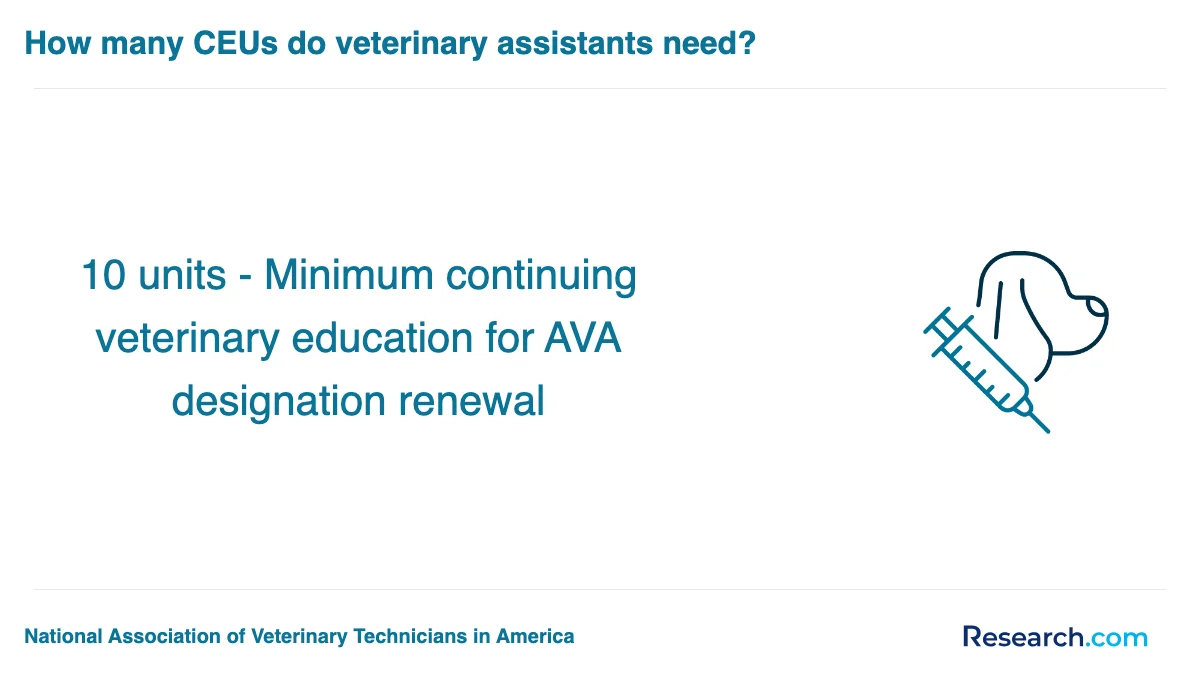
Graduates of local veterinary assistant trade schools often move into roles involving animal care, record keeping, cleaning, exam room preparation, client communication, and support during procedures. Employers may prefer candidates with formal training or certifications like the Approved Veterinary Assistant (AVA), especially when applicants have limited prior clinic experience.
Common job duties include:
- Supporting veterinarians during procedures
- Providing postoperative animal care
- Maintaining accurate medical records
- Interacting empathetically with pet owners
Entry-level veterinary assistant salary and demand in Houston typically range between $16 and $19 per hour, influenced by experience and employer type. Candidates may improve their prospects by emphasizing animal handling, reliability, communication skills, clinical externship experience, and willingness to work evenings, weekends, or busy shifts when required.
Some clinics encourage advancement through educational assistance programs. Students who want to move beyond assistant-level work can compare most affordable online accredited vet tech programs as a possible next step toward becoming a veterinary technician and increasing long-term earning potential.
Frequently Asked Questions about veterinary assistant
In 2026, some of the most affordable veterinary assistant schools in Houston include Houston Community College, Vet Tech Institute of Houston, and the Pima Medical Institute. These institutions offer budget-friendly programs with comprehensive training, making them excellent choices for aspiring veterinary assistants seeking value and quality education.
In 2026, Houston offers several budget-friendly options for pursuing a veterinary assistant degree. Institutions like Houston Community College and Lone Star College provide affordable programs. These schools offer a blend of classroom instruction and hands-on training, ensuring students receive comprehensive education without financial strain.
Finding internships in Houston related to veterinary assistant trade school programs involves several practical steps. First, students should contact their school's career services or internship coordinator, as many trade schools maintain partnerships with local veterinary clinics and animal hospitals.
Networking is also essential. Joining professional organizations like the Texas Veterinary Medical Association can provide internship leads and valuable contacts within Houston's veterinary community. Online job platforms such as Indeed or Handshake often list local internships relevant to veterinary assistants.
According to the Texas Workforce Commission, Houston's veterinary services sector grew by 4% annually over recent years, increasing internship opportunities. Students should apply early and prepare a resume highlighting hands-on skills gained during their coursework.
In 2026, veterinary assistant students in Houston often face challenges such as balancing classwork with practical experience, managing financial constraints, and finding part-time job opportunities that align with their demanding schedules. Additionally, students frequently encounter a competitive job market upon graduation.
Part-time jobs in Houston can effectively complement veterinary assistant trade school education by providing practical experience and income. Common opportunities include working as a veterinary receptionist, animal care technician, or kennel assistant. These roles allow students to apply classroom knowledge in real-world settings, enhancing skills in animal handling, client communication, and clinic operations.
According to the U.S. Bureau of Labor Statistics, Houston's demand for veterinary assistants is growing faster than average, with a median hourly wage around $13.50. Local animal shelters and veterinary clinics often hire part-time workers, making these positions accessible to students balancing coursework.
Gaining hands-on experience through these roles can strengthen resumes and improve job prospects after graduation.
Finding an affordable Veterinary Assistant degree program near me can be challenging, but there are several programs and universities near Houston, TX that offer cost-effective options. Community colleges and vocational schools often provide associate degrees or certificate programs that are budget-friendly and can be completed in a relatively short time frame. Research.com can be a helpful resource for identifying local programs and comparing tuition rates and program details to ensure a good fit financially and academically.
Related Veterinary Assistant Rankings for Nearby Cities
- Most Affordable Veterinary Assistant Schools & Training - Budget-Friendly Veterinary Assistant Trade Programs in New Orleans for 2026
- Most Affordable Veterinary Assistant Schools & Training - Budget-Friendly Veterinary Assistant Trade Programs in St. Petersburg for 2026
- Most Affordable Veterinary Assistant Schools & Training - Budget-Friendly Veterinary Assistant Trade Programs in Statesboro for 2026
- Most Affordable Veterinary Assistant Schools & Training - Budget-Friendly Veterinary Assistant Trade Programs in Aurora for 2026
Top Trending Rankings
References
- 5 Career Paths for Veterinary Assistants - HCI College https://www.hci.edu/hci-news/23660-5-career-paths-for-veterinary-assistants
- Your Veterinary Assistant Career Guide (Salary, Job Duties, & Requirements) | Penn Foster https://www.pennfoster.edu/blog/your-veterinary-assistant-career-guide-salary-job-duties-requirements
- Train for a Veterinary Assistant Career with ICH! - Integrity College of Health https://ich.edu/blog/train-for-a-veterinary-assistant-career-with-ich/
- 12 Alternative Career Paths for Veterinary Techs https://unity.edu/careers/alternative-career-paths-vet-techs/
- Veterinary Assistant Career Exploration and Expansion https://blackstone.edu/veterinary-assistant-career-exploring/
- Veterinary Assistant https://www.cpp.edu/cpge/professional-development/online-learning/career-training/vet-assistant.shtml
- Should I train to work as a Veterinary Assistant? - San Joaquin Valley College https://www.sjvc.edu/blog/is-a-career-as-a-veterinary-assistant-right-for-me/
- Houston, Texas Vet Tech Program | AVMA-Accredited Training https://www.vettechinstitute.edu/campuses/houston-campus
- Veterinary Assistant Certificate Program https://pmi.edu/on-campus-programs/certificate/veterinary-assistant/
- Become a Veterinary Assistant | University of Houston https://www.ed2go.com/uh/online-courses/become-a-veterinary-assistant/


