
Best Veterinary Assistant Training Programs & Trade Schools - Top Veterinary Assistant Schools in Minnesota for 2026

Co-Founder and Chief Data Scientist
Considering a career as a veterinary assistant in Minnesota? Choosing the right trade school is an important step toward a rewarding future working with animals. This article introduces the best veterinary assistant trade school programs in Minnesota for 2026, featuring a ranking created by the Research.com team of data scientists.
By exploring these carefully researched programs, you’ll gain insights to make a confident, informed choice. Earning a diploma or certification opens doors to meaningful work and personal growth in a caring profession. Let this guide support your journey toward a fulfilling career helping animals and their owners.
Key benefits of finishing veterinary assistant trade school in Minnesota
- Graduates of veterinary assistant trade schools in Minnesota can expect starting salaries around $28,000, with experienced professionals earning up to $47,000 annually, offering a rewarding income for your skills.
- Many graduates find diverse career paths including roles in animal hospitals, clinics, or specialty care, as shown by alumni from popular Minnesota trade schools who quickly find fulfilling jobs.
- Completing a veterinary assistant trade school online offers flexibility and convenience, allowing students to balance work and study, a benefit highlighted by successful online program graduates in Minnesota.
What can I expect from veterinary assistant trade schools in Minnesota?
Students enrolling in veterinary assistant trade school programs in Minnesota can expect a dynamic blend of classroom instruction and hands-on training. Graduates from schools like Hennepin Technical College describe spending significant time in both in-person and online classes, combined with around 100 hours of internships at local veterinary clinics or animal shelters. This real-world experience builds confidence in handling animals and performing basic medical tasks.
Coursework typically includes animal behavior, laboratory techniques, and veterinary procedures taught by licensed professionals. Students appreciate learning not only the science but also the compassionate care needed to work effectively with animals and pet owners.
Many students find the fast-paced environment challenging but rewarding, as they gain practical skills essential for entry-level veterinary roles. The opportunity to work under supervision with companion animals, livestock, and sometimes wildlife creates engaging, relatable experiences that make the training feel immediately relevant to future careers in Minnesota's growing animal care industry.
Where can I work after finishing veterinary assistant trade schools in Minnesota?
Graduates of veterinary assistant trade schools in Minnesota frequently secure positions in private veterinary clinics, animal hospitals, and specialty veterinary practices. These settings offer hands-on experience supporting veterinarians with patient care and surgical assistance, reflecting what many students at popular Minnesota trade schools describe as rewarding and engaging work environments.
Employment opportunities also extend to animal shelters and rescue organizations, where graduates apply their training to animal intake and daily care. Many report feeling fulfilled working in these roles, especially in larger humane societies or municipal animal control facilities that value their technical skills.
Some graduates pursue careers in laboratory animal care or wildlife rehabilitation centers, although these paths may require additional experience. Urban centers like Minneapolis and Saint Paul provide the most openings, with entry-level wages typically between $16 and $18 per hour, while suburban and rural areas offer diverse roles involving both small and large animals.
Additional career paths include kennel assistant, field operations assistant, and pet grooming, all of which leverage the practical skills gained during trade school. Graduates often highlight the supportive work culture and benefits such as health insurance and paid time off in these positions.
How much can I make after finishing veterinary assistant trade schools in Minnesota?
Graduates of veterinary assistant trade school programs in Minnesota typically start with an average annual salary of about $35,640. Entry-level wages often range from $28,010 up to around $47,330 for those gaining experience or working in higher-paying urban clinics. For example, recent graduates from popular trade schools in Minneapolis report starting hourly wages between $14.86 and $18.61, which aligns well with state averages.
In Minneapolis, where many veterinary assistant programs are located, hourly pay can reach $17.98 to $19.24, with some graduates landing positions offering even $18 to $22 per hour in specialty animal hospitals. Many students from well-known Minnesota trade schools find this range encouraging, especially as hands-on skills and experience grow.
Veterinary assistant graduates often share how steady demand in urban and suburban veterinary practices supports reliable income growth. They appreciate that gaining technical skills during their programs directly contributes to higher pay and better job opportunities across the state.
Best Veterinary Assistant Training Programs & Trade Schools - Top Veterinary Assistant Schools in Minnesota for 2026
# 1 position
Dakota County Technical College - Veterinary/Animal Health Technology/Technician and Veterinary Assistant.
associateDakota County Technical College offers a program in Veterinary/Animal Health Technology/Technician and Veterinary Assistant, preparing students to assist veterinarians and specialists in patient management and clinical procedures. The curriculum covers animal nursing, health, nutrition, clinical pathology, radiology, anesthesiology, dental care, surgical assistance, laboratory procedures, and office administration. The program is accredited by the Higher Learning Commission, with an annual in-state tuition of $6,419.
# 2 position
Ridgewater College - Veterinary/Animal Health Technology/Technician and Veterinary Assistant.
associateRidgewater College offers a program in Veterinary/Animal Health Technology/Technician and Veterinary Assistant that prepares students to assist veterinarians and animal specialists in patient care, clinical procedures, and owner communication. The curriculum covers animal nursing, health, nutrition, clinical pathology, radiology, anesthesiology, dental prophylaxis, surgical assisting, laboratory procedures, and office administration. The program’s annual in-state tuition is $6,109 and it is accredited by the Higher Learning Commission.
# 3 position
Minnesota North College - Veterinary/Animal Health Technology/Technician and Veterinary Assistant.
associateMinnesota North College offers a program in Veterinary/Animal Health Technology/Technician and Veterinary Assistant, designed to train individuals to assist veterinarians and animal health professionals. The curriculum covers animal nursing care, clinical procedures, radiology, anesthesiology, surgical assisting, and office administration. The program is accredited by the Higher Learning Commission. Annual in-state tuition costs $6,004, preparing students for patient management and communication within veterinary settings.
# 4 position
Rochester Community and Technical College - Veterinary/Animal Health Technology/Technician and Veterinary Assistant.
associateRochester Community and Technical College offers a Veterinary/Animal Health Technology/Technician and Veterinary Assistant program that prepares students to assist veterinarians and animal health professionals in patient care and clinical procedures. The curriculum includes animal nursing, clinical pathology, radiology, anesthesiology, surgical assisting, and office administration. The program is accredited by the Higher Learning Commission. Annual in-state tuition is $6,359.
Key Findings
- Minnesota does not require formal education or certification for veterinary assistants, but most employers prefer candidates with a high school diploma or GED.
- Veterinary assistant programs, like the one at Hennepin Technical College, include classroom, online learning, and about 100 hours of internship for hands-on experience.
- The cost of veterinary assistant trade school programs in Minnesota ranges from $1,200 to $3,000, excluding books and exam fees.
- National certification such as the Approved Veterinary Assistant (AVA) credential is not required but can improve job prospects; certification can be earned through work experience and passing an exam.
- The average starting salary for veterinary assistants in Minnesota is around $32,000 per year, with experienced workers earning up to $38,000 annually.
- Job opportunities exist in veterinary clinics, animal shelters, research labs, and wildlife rehabilitation centers, with demand expected to grow.
How long does it take to complete veterinary assistant trade schools in Minnesota?
Veterinary assistant trade school programs in Minnesota typically take between 6 months and 1 year to complete, depending on the school and program structure. Many popular trade schools in the state offer accelerated courses that allow students to finish quickly while gaining hands-on experience in clinical settings. Graduates often share that the compact timeline helped them stay motivated and focused, especially when balancing school with other responsibilities.
For example, those attending well-known Minnesota trade schools found that the practical labs and externships integrated within the curriculum enriched their learning without extending the program length. This approach enables students to apply skills directly, making the months fly by and building confidence early on.
Completing the program within a year means graduates can enter the workforce swiftly, a crucial factor for those eager to start earning and advancing their careers. The manageable duration combined with immersive training makes these programs appealing to many aspiring veterinary assistants in Minnesota.
What's the difference between online and on-campus veterinary assistant trade school programs?
The primary difference between online and on-campus veterinary assistant trade school programs in Minnesota is the mode of instruction and access to hands-on experience. On-campus programs, such as those at Hennepin Technical College and Ridgewater College, combine classroom learning with practical labs and internships. Graduates often describe the direct interaction with instructors and live animals as invaluable, highlighting the confidence gained from handling real veterinary equipment and participating in clinical procedures under supervision.
Conversely, online programs provide flexible pacing and convenience, enabling students to study from anywhere in Minnesota. However, graduates note that online coursework mainly covers theory and office protocols, making it necessary to arrange separate internships or practicums for practical skills. Without this, students may feel less prepared for employer expectations regarding animal restraint and medication administration.
This distinction means that on-campus students frequently report a stronger sense of readiness for veterinary roles, while online learners appreciate the ability to balance education with other responsibilities but must proactively seek hands-on opportunities.
What is the average cost of veterinary assistant trade schools in Minnesota?
The average cost of veterinary assistant programs in Minnesota typically ranges from $1,000 to $5,000, depending on the institution and program structure. For example, a graduate from Hennepin Technical College shared that their 60-hour veterinary assistant program, which combines in-person and online learning, totaled around $3,000 in tuition fees. This tuition covers instruction, textbooks, and materials, though additional costs such as uniforms for internships may not be included. When considering tuition fees for veterinary assistant schools in Minnesota, students often find that the overall expenditure can increase by $100 to $500 for essential supplies like textbooks and study materials.
Most trade schools and public community colleges in Minnesota charge roughly between $5,000 and $6,000 annually for tuition and associated fees, which can be manageable for many students with the availability of financial aid. Graduates commonly express relief and satisfaction upon discovering that scholarships and grants, often accessed through filing the Free Application for Federal Student Aid (FAFSA), play a crucial role in offsetting educational costs. For those exploring cost-effective training opportunities, seeking out cheap vet tech programs online can be a practical strategy to lower expenses further without compromising on quality.
Students emphasize the importance of researching multiple institutions to find a program that aligns with both educational goals and budget constraints. This data-driven approach helps prospective veterinary assistants make informed decisions about their investment in education and secure a pathway toward a rewarding career.
What financial aid is available for veterinary assistant trade schools in Minnesota?
Veterinary assistant trade school students in Minnesota often face limited access to federal aid like FAFSA or Pell Grants since many programs are non-credit or certificate-based. However, institutional scholarships provide crucial financial relief. For instance, graduates from Dakota County Technical College and Rochester Community Technical College frequently share how the Minnesota Veterinary Medical Foundation's scholarships-totaling over $179,000 annually-helped them manage tuition and expenses. These awards consider academic achievement and dedication to animal health, making them highly sought after.
Additionally, the Minnesota Association of Veterinary Technicians Scholarship offers $1,000 for residents with strong GPAs who are midway through AVMA-accredited veterinary programs. Some veterinary assistant students at Minnesota North College have reported benefiting from this overlap in program eligibility, easing their financial burden.
Local grants and vocational rehabilitation programs also support students facing employment barriers or disabilities, adding another layer of aid. Many graduates express relief and motivation knowing these options exist, enabling them to focus on their hands-on training and career goals.
What are the prerequisites for enrolling in veterinary assistant trade schools in Minnesota?
Enrolling in a veterinary assistant trade school program in Minnesota typically requires a high school diploma or GED, which serves as the basic educational foundation. Many schools also expect applicants to demonstrate a genuine passion for animal care, often assessed through a brief personal statement or interview.
Graduates from popular Minnesota trade schools frequently emphasize how these prerequisites helped them prepare mentally and emotionally for the hands-on nature of the training. For example, students recall how their background in volunteering at animal shelters created a confident starting point for practical lessons on animal handling.
Key prerequisites often include:
- Completion of high school or equivalent certification
- Basic proficiency in reading and writing to understand veterinary terminology
- Some programs may request a health clearance or immunization records to ensure safety during clinical practice
- Strong interpersonal skills, essential for client communication and teamwork
These requirements ensure students can thrive in a fast-paced learning environment like those found in Minnesota's well-regarded trade schools, where hands-on experience and empathy are core to success.

What are the typical courses in veterinary assistant trade schools in Minnesota?
Veterinary assistant trade school programs in Minnesota typically include a set of core courses designed to prepare students for hands-on roles in clinics and animal hospitals. Graduates from popular schools like Hennepin Technical College often emphasize the value of learning anatomy and physiology of domestic animals, which builds essential knowledge about animal health through detailed study of body functions.
Key courses cover:
- Animal restraint and handling techniques to ensure safe, compassionate interaction with animals of various sizes and temperaments.
- Basic laboratory procedures, such as fecal exams, urinalysis, and blood testing, which students find crucial for everyday clinical tasks.
- Emergency care and first aid, equipping students to respond confidently in urgent situations.
- Assisting with both small and large animals, reflecting the diversity of Minnesota's veterinary settings.
- Specialized modules on exotic species and veterinary dentistry, broadening practical skills.
- Pharmacy procedures, nutrition, vaccination education, and the human-animal bond, emphasizing client communication and animal welfare.
Many graduates appreciate the hands-on internships or externships integrated into programs, which provide real-world experience and enhance career readiness through resume building and interview preparation tailored to Minnesota's job market.
What are the available specializations in veterinary assistant trade schools in Minnesota?
In Minnesota, veterinary assistant trade school programs offer various specializations to equip students with comprehensive skills in animal care. Typical areas of focus include small animal care, large animal care, exotic animal care, veterinary office management, and laboratory procedures. Additionally, programs often emphasize critical technical skills like surgical assisting, anesthesia and pain management, clinical pathology, radiography, pharmacology, dentistry, emergency and critical care, and animal behavior and training.
For instance, graduates of Hennepin Technical College highlight how the program's blend of in-person and online coursework strengthened their understanding of professional conduct, medical terminology, basic anatomy and physiology, disease, behavior, restraint, and patient care. Meanwhile, Ridgewater College's Veterinary Technology program-known for excellence in the Upper Midwest-provides a hands-on learning environment that fosters confidence and practical experience.
Many students find that these specializations translate into rewarding career opportunities working with a variety of animals and clinical tasks. For potential enrollees seeking easy online trade programs that leads to high paying jobs, reviewing the curriculum and specialization options at Minnesota schools is essential for aligning with career goals.
How do you choose the best veterinary assistant trade school program in Minnesota?
Choosing the best veterinary assistant trade school program in Minnesota requires a focus on practical training and strong local industry connections. Graduates from well-known institutions in the Twin Cities often highlight the value of hands-on clinical experience paired with coursework tailored to Minnesota's veterinary standards. For example, students report feeling confident entering clinics after engaging in real-world scenarios during externships, which are crucial for skill-building.
Accreditation and curriculum relevance to Minnesota's veterinary regulations are key criteria. Programs that update their content based on state veterinary board requirements ensure students aren't caught off-guard by licensing or certification processes. Many graduates emphasize how curriculum alignment with local practices helped them transition smoothly into employment.
Another important factor is career support services. Schools with established networks in Minnesota's veterinary community provide better job placement assistance. Hearing from graduates, this support often translates into faster employment and greater job satisfaction, reinforcing positive emotions about their educational choice.
When evaluating programs, consider resources that discuss healthcare career examples, as veterinary assisting shares many skill sets with broader healthcare professions. This perspective helps clarify job expectations and growth potential.

What career paths are available for veterinary assistant trade school graduates in Minnesota?
Veterinary assistant trade school graduates in Minnesota have a variety of veterinary assistant career opportunities in Minnesota that span multiple animal care settings. Common roles include positions in veterinary clinics and hospitals, where graduates support veterinarians by assisting during medical procedures and providing basic animal care. Many graduates from popular trade schools in the state share experiences of fast-paced work environments that sharpen their technical skills and client communication.
Additional career paths include:
- Animal shelters and rescue organizations, focusing on the care and rehabilitation of homeless animals.
- Research laboratories, where assistants help maintain animal welfare and support scientific studies.
- Zoos and wildlife rehabilitation centers, offering unique hands-on experience with exotic and injured animals.
- Specialized roles such as mobile veterinary services or rural large animal practices.
- Kennel assistants in boarding facilities, enhancing animal well-being and facility management.
Veterinary assistant jobs in Minnesota often serve as stepping stones to advanced roles, encouraging graduates to pursue further training as veterinary technicians or technologists. Students appreciate trade programs that offer practical exposure, enabling them to envision diverse career paths. For those interested in expanding their skill set online, resources like best vet tech programs online provide a flexible next step after trade school.
What is the job market for veterinary assistant trade school graduates in Minnesota?
The veterinary assistant job outlook in Minnesota remains strong, with over 270 positions actively posted as of April 2025, particularly in urban hubs like Minneapolis and St. Paul. Graduates from well-known veterinary assistant trade schools in Minnesota report positive hiring experiences, often securing entry-level roles that offer competitive wages ranging from $17 to $21 per hour. Employers frequently provide benefits such as health insurance and paid time off, reflecting a welcoming job market for new professionals.
Graduates highlight how their training-including hands-on skills from programs lasting under a year-prepared them to contribute confidently to clinics. Many clinics value applicants with the Approved Veterinary Assistant (AVA) designation or related certifications, which often enhance starting salaries and advancement opportunities.
Veterinary assistants frequently:
- Support veterinarians in daily animal care and lab work
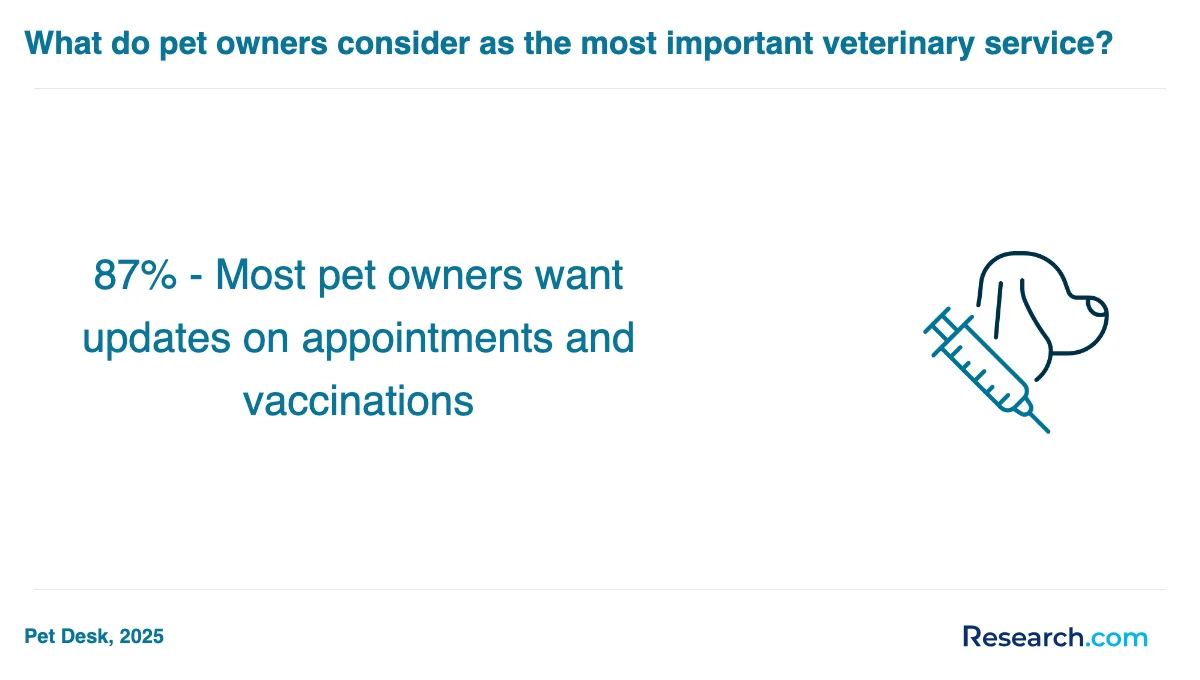
- Communicate with pet owners and manage appointments
- Gain on-the-job training, especially when coming from accredited programs
These programs align well with 2 year medical programs that pay well, further expanding opportunities for Minnesota students interested in quick, rewarding healthcare careers.
With clear paths toward veterinary technology and telemedicine roles, the veterinary assistant salary Minnesota 2026 projections confirm a steady and attractive earning potential for those entering the field.
Frequently Asked Questions about veterinary assistant
After completing a veterinary assistant trade school in Minnesota, preparing for the job market involves several key steps. First, gaining hands-on experience through internships or externships enhances practical skills and improves employability. Many Minnesota programs include clinical practice, which employers highly value.
Networking is also important. Joining professional groups such as the Minnesota Veterinary Medical Association can connect graduates with local job opportunities. Additionally, obtaining the Approved Veterinary Assistant (AVA) certification from the National Association of Veterinary Technicians in America can boost a candidate's credentials.
According to the Minnesota Department of Employment and Economic Development, veterinary assistant jobs are projected to grow by 10% through 2030, indicating strong demand.
Employers in Minnesota seek veterinary assistant graduates with strong practical and interpersonal skills. Key abilities include animal handling, basic clinical procedures, and knowledge of veterinary terminology. According to the Minnesota Department of Employment and Economic Development (DEED), candidates with experience in medical record keeping and laboratory tasks are highly valued.
Communication skills are essential, as veterinary assistants often interact with pet owners and veterinary teams, requiring clear and compassionate exchanges. Problem-solving and attention to detail also rank high, particularly for ensuring animal safety and accurate care.
Technical proficiency with clinic software and familiarity with sanitation protocols are increasingly important due to evolving veterinary practices in Minnesota.
Finding internships in Minnesota relevant to veterinary assistant trade school programs involves several practical steps. Start by contacting local veterinary clinics and hospitals, as many offer internship opportunities to students. According to the Minnesota Veterinary Medical Association, numerous practices around the Twin Cities and greater Minnesota actively seek interns to support their teams.
Trade schools often have partnerships with local clinics, so inquire with your program's career services or internship coordinator for available placements. Additionally, websites such as the Minnesota Workforce Center provide listings for veterinary internships and apprenticeships statewide.
Volunteering at animal shelters and rescue organizations is another way to gain relevant experience and network within the industry. The Minnesota Board of Veterinary Medicine also recommends attending career fairs and joining professional groups to increase your chances of securing an internship.
In Minnesota, earning a veterinary assistant trade school diploma can significantly enhance career mobility within the animal care industry. Trade schools provide hands-on training and practical skills that meet local employer demands, making graduates more competitive in the job market. According to the Minnesota Department of Employment and Economic Development, veterinary assistant roles are expected to grow by 12% through 2030, faster than the average for all occupations.
Graduates often find opportunities in veterinary clinics, animal shelters, and research facilities. The diploma also serves as a stepping stone for further certifications or education, which can lead to higher-paying roles or supervisory positions. Employers value the formal training, which reduces onboarding time and increases job readiness.
Additionally, trade school diplomas can support social mobility by providing affordable, shorter pathways to employment compared to traditional degrees. This accessibility helps many Minnesotans enter the workforce quickly, contributing to economic stability and career growth within the state's growing veterinary field.
Students enrolled in veterinary assistant trade schools in Minnesota can benefit from various part-time job opportunities that provide practical experience alongside their studies. Common roles include animal care attendants and kennel assistants at veterinary clinics or animal shelters. These positions help develop essential skills such as animal handling, basic medical care, and client communication.
According to the Minnesota Department of Employment and Economic Development, animal care workers in the state earn a median hourly wage of around $13.50, making these jobs accessible for students. Additionally, pet supply stores often hire part-time employees knowledgeable about animal needs, further complementing education.
Volunteering at local humane societies also offers valuable hands-on experience without conflicting with school schedules, enhancing resumes for future employment.
To find the best Veterinary Assistant degree programs near me, I would begin by researching local colleges, community colleges, and universities that offer veterinary science or animal care programs in my area. Near Minnesota, I can explore specific institutions that provide relevant coursework and hands-on experiences tailored to veterinary assistance. A helpful resource to consult is Research.com, which can provide rankings and detailed information about programs that meet my criteria.
Related Veterinary Assistant Rankings for Nearby States
- Best Veterinary Assistant Training Programs & Trade Schools - Top Veterinary Assistant Schools in Wisconsin for 2026
- Best Veterinary Assistant Training Programs & Trade Schools - Top Veterinary Assistant Schools in Iowa for 2026
- Best Veterinary Assistant Training Programs & Trade Schools - Top Veterinary Assistant Schools in Michigan for 2026
- Best Veterinary Assistant Training Programs & Trade Schools - Top Veterinary Assistant Schools in Indiana for 2026
- Best Veterinary Assistant Training Programs & Trade Schools - Top Veterinary Assistant Schools in Ohio for 2026
- Best Veterinary Assistant Training Programs & Trade Schools - Top Veterinary Assistant Schools in Colorado for 2026
- Best Veterinary Assistant Training Programs & Trade Schools - Top Veterinary Assistant Schools in Kentucky for 2026
- Best Veterinary Assistant Training Programs & Trade Schools - Top Veterinary Assistant Schools in Oklahoma for 2026
- Best Veterinary Assistant Training Programs & Trade Schools - Top Veterinary Assistant Schools in Tennessee for 2026
- Best Veterinary Assistant Training Programs & Trade Schools - Top Veterinary Assistant Schools in Alabama for 2026
Top Trending Rankings
References
- Vet Assistant Schools in MN - Near You & Awesome https://vettechnicians.org/vet-assistant/mn/
- Online Veterinary Assistant from Minnesota State College Southeast https://careertraining.southeastmn.edu/training-programs/veterinary-assistant/
- Veterinary Technician Program - Rochester Community and Technical College https://www.rctc.edu/program/vt/
- Top Veterinary Assistant Schools in Minnesota | Learn to Become https://vetcareerschools.com/near-you/veterinary-assistant/minnesota/
- Veterinary Technician - Minnesota North College https://minnesotanorth.edu/programs/veterinary-technician/
- Veterinary Technician Program - DCTC https://www.dctc.edu/academics/programs-majors/health-education/veterinary-technician/
- Become a Veterinary Assistant | Anoka Technical College and Anoka-Ramsey Community College https://www.ed2go.com/arcc/online-courses/become-a-veterinary-assistant/
- How to Become a Veterinary Assistant in Minnesota | Dreambound https://dreambound.com/blog/how-to-become-a-veterinary-assistant-in-minnesota
- Veterinary Assistant Online Training https://southcentral.edu/workforce/online-veterinary-assistant-training.html
- VMC Careers | Veterinary Medical Center https://vmc.umn.edu/about/vmc-careers


