
Best Veterinary Assistant Training Programs & Trade Schools - Top Veterinary Assistant Schools in Melbourne for 2026

Co-Founder and Chief Data Scientist
Choosing the right veterinary assistant trade school in Melbourne can feel overwhelming, but this article is here to guide you. We've included a veterinary assistant trade school programs ranking crafted by the Research.com team of data scientists to help you find trustworthy and quality options.
Whether you want to start a rewarding career or enhance your skills, earning a diploma or certification opens many doors. Reading this article will give you clear insights to make a confident, informed decision about your future in animal care.
Key benefits of finishing veterinary assistant trade school in Melbourne
- Graduates of veterinary assistant trade schools in Melbourne can expect starting salaries around $15 per hour, with opportunities to earn up to $21 per hour as certified veterinary assistants, offering a strong financial foundation.
- Career paths include roles as veterinary assistants, certified assistants, or even transitioning to veterinary technician positions, providing graduates with flexible options to grow in the animal care field.
- Completing a veterinary assistant trade school online offers convenience and flexibility, allowing students to balance studies with personal commitments while still gaining valuable skills recognized by local employers.
What can I expect from veterinary assistant trade schools in Melbourne?
If you're thinking about a veterinary assistant trade school program in Melbourne, expect a hands-on experience that gets you right into the heart of animal care. Graduates often say how quickly they picked up essential skills like safely handling and restraining animals, helping vets during exams, and even drawing blood or collecting samples. Many programs are designed to be completed in under a year, with some finishing as fast as seven months, which means you can jump into the workforce sooner than you'd think.
Most schools here focus on real-world training, including externships where you work directly in veterinary clinics or shelters. This on-the-job experience is a game-changer, helping students feel confident and ready. Plus, these programs often prepare you to get nationally recognized credentials, like the Approved Veterinary Assistant certification, which really boosts your resume.
Graduates from popular Melbourne trade schools share how the blend of classroom learning and practical work made their transition into vet hospitals and clinics smooth and exciting. It's a busy, rewarding path if you love animals and want to start making a difference fast.
Where can I work after finishing veterinary assistant trade schools in Melbourne?
After finishing a veterinary assistant trade school program in Melbourne, you'll find plenty of job options waiting for you. Many graduates quickly land roles as veterinary assistants or technicians in local small animal clinics and emergency hospitals. Imagine starting your day helping a vet with a routine check-up or supporting a surgery-these hands-on experiences are what many graduates from popular Melbourne trade schools talk about with excitement.
Some grads also find rewarding work in animal shelters, rescue groups, or boarding kennels around Melbourne. One common story is working as a kennel technician, where you get to care for animals daily while gaining valuable experience. Others land jobs in specialty surgical centers, where skills like anesthesia monitoring come in handy, showing how trade school training really pays off.
Plus, with over 50 veterinary assistant openings in Melbourne at any given time, many graduates feel hopeful about finding a job quickly. Whether it's urgent care centers, mobile vet units, or even front-desk roles combining client care and admin tasks, the career paths after trade school are diverse and promising.
How much can I make after finishing veterinary assistant trade schools in Melbourne?
After finishing a veterinary assistant trade school program in Melbourne, FL, you can expect to start earning around $31,190 per year on average. Many graduates from popular local trade schools share how they began with entry-level jobs paying roughly $15.79 per hour, which feels like a solid starting point when you're fresh out of school. As you gain experience and certifications, those numbers often climb.
Some grads have landed positions at larger clinics or even Banfield Pet Hospital, where wages jump to about $23.06 per hour-that's a nice boost, about 36% above the national average! It's exciting to hear stories from former students who started nervous but now enjoy steady paychecks closer to $34,000 a year, especially in Melbourne's competitive market.
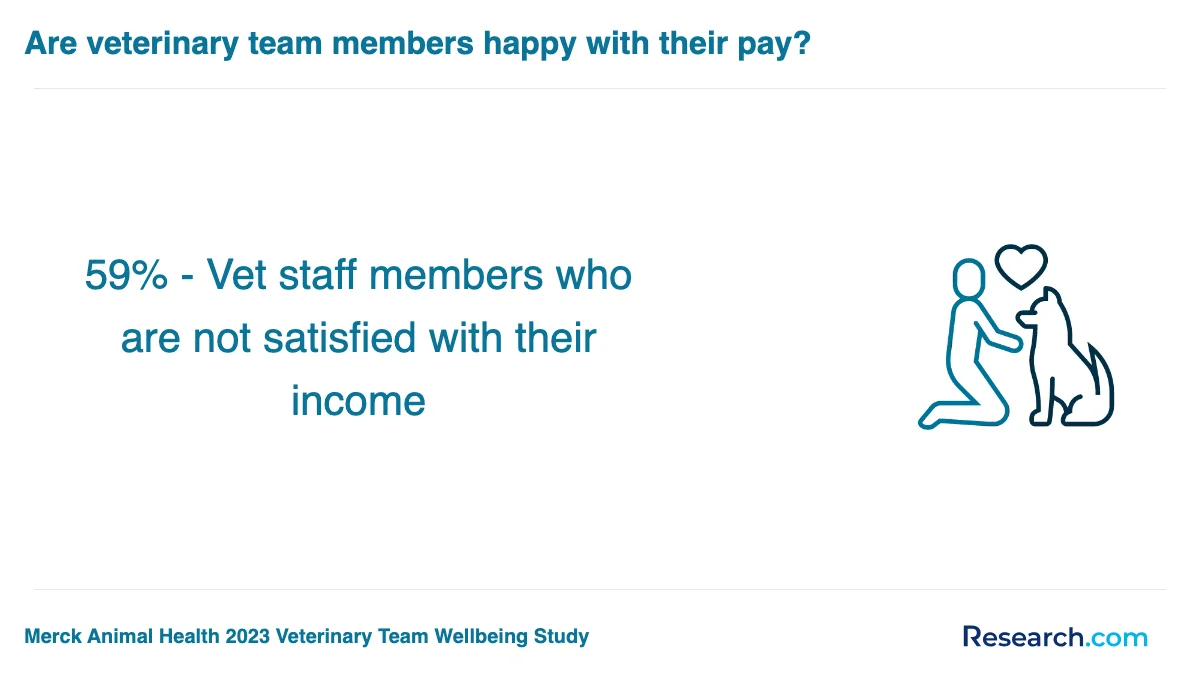
Keep in mind, veterinary assistants earn less than veterinary technicians, who require more schooling but also make more hourly. Still, for many Melbourne grads, the trade school route offers a rewarding career start with real chances for growth and increased pay as they build skills.
Best Veterinary Assistant Training Programs & Trade Schools - Top Veterinary Assistant Schools in Melbourne for 2026
# 1 position
Eastern Florida State College - Veterinary/Animal Health Technology/Technician and Veterinary Assistant.
associateThe Veterinary/Animal Health Technology/Technician and Veterinary Assistant program at Eastern Florida State College prepares students to assist veterinarians and animal health professionals in clinical and patient care tasks. The curriculum covers animal nursing, clinical pathology, anesthesiology, surgical assisting, and office administration. The program is accredited by the Southern Association of Colleges and Schools Commission on Colleges. Annual in-state tuition is $2,496.
# 2 position
Eastern Florida State College - Veterinary/Animal Health Technology/Technician and Veterinary Assistant.
certificate or diplomaThe Veterinary/Animal Health Technology/Technician and Veterinary Assistant program at Eastern Florida State College prepares students to assist veterinarians and animal specialists with patient care, clinical procedures, and owner communication. Coursework includes animal nursing, clinical pathology, radiology, anesthesiology, surgical assisting, and office administration. The program is accredited by the Southern Association of Colleges and Schools Commission on Colleges. Annual in-state tuition is $2,496.
Key Findings
- Veterinary assistant programs typically take less than one year, often around 7 months, and include about 14 credit hours of coursework.
- Admissions usually require a specific application and use a point-based system, with no placement tests or general education prerequisites.
- Graduates of NAVTA-accredited programs can take the Approved Veterinary Assistant (AVA) exam, which costs $100 and requires renewal every two years for $10 with continuing education credits.
- Program costs generally range from $1,200 to $3,000, excluding additional expenses like textbooks and uniforms.
- Entry-level salaries for veterinary assistants average between $25,000 and $32,000 per year, with job growth expected due to steady demand.
How long does it take to complete veterinary assistant trade schools in Melbourne?
Completing a veterinary assistant trade school program in Melbourne usually takes about 6 to 12 months, depending on whether you study full-time or part-time. Many graduates from well-known Melbourne trade schools share how this timeframe felt just right for diving deep into hands-on skills without feeling rushed. For example, one graduate recalled balancing practical work with studying animal care techniques, which made the learning experience both rewarding and manageable.
Popular trade schools in Melbourne offer flexible schedules, which is perfect if you're juggling a job or family commitments. The programs focus on real-world training, so you spend plenty of time in clinics or animal shelters, getting that first-hand experience. Graduates often mention how quickly they felt confident handling animals, thanks to the immersive nature of the courses.
Overall, the timeframe is designed to get you job-ready fast while still giving you the solid foundation you need. It's a great mix of classroom learning and practical work that helps you step into the veterinary field with enthusiasm and skills.
What's the difference between online and on-campus veterinary assistant trade school programs?
The main difference between online and on-campus veterinary assistant trade school programs in Melbourne comes down to how you experience the learning. Online programs offer great flexibility-you can study from home, juggling coursework and videos around your work or family schedule. Graduates often mention the freedom to learn at their own pace, but they also talk about needing to be proactive in finding local clinics for hands-on practice. For example, students from popular Melbourne trade schools appreciate how online courses let them balance life while still getting solid veterinary knowledge.
On the flip side, on-campus programs provide direct, face-to-face training. Graduates from well-known Melbourne campuses often highlight the energy of being in a classroom and handling animals under expert supervision. They value the immediate feedback and teamwork with classmates, which makes mastering animal care skills feel more natural and supported. This structured, hands-on environment suits those who thrive with routine and in-person interaction.
Both paths have their perks, but it really depends on your lifestyle and how you learn best in Melbourne's veterinary assistant trade schools.
What is the average cost of veterinary assistant trade schools in Melbourne?
The average cost of veterinary assistant programs in Melbourne generally falls between AUD 205 and AUD 1,260, depending on the trade school you choose and the course format. Popular institutions like Melbourne Polytechnic offer a variety of options, with some students sharing that while the tuition fees may seem varied, the value they get from hands-on experiences and practical learning is well worth it. Many graduates highlight that opting for in-person classes, though sometimes pricier, gives them confidence and skill that online courses can't fully match.
It's important to factor in extra costs too, like textbooks, uniforms, and sometimes commuting or accommodation if you're traveling for practical placements. Tuition fees for veterinary assistant courses in Melbourne can spike based on these additional expenses, but students often appreciate the transparency when schools provide clear breakdowns.
Many students feel excited about how accessible these programs have become, especially with more flexible online options. Some graduates even find that investing in these trade school programs pays off quickly as they move toward gaining qualifications needed for roles in clinics or animal care centers.
If you're curious about the financial aspects of pursuing this path, keep in mind that researching specific schools and their fee structures is key. For instance, several students have combined insights from verified sources on the highest paying medical jobs to assess the return on investment before committing.

What financial aid is available for veterinary assistant trade schools in Melbourne?
Financial aid for veterinary assistant trade school students in Melbourne can be a bit tricky since many certificate programs don't qualify for federal aid like Pell Grants or federal loans. Graduates from popular trade schools often share how tuition payment plans really helped them manage costs by breaking down payments into smaller, more manageable chunks over the duration of their courses.
Some students have found state-based scholarships or savings plans useful, especially if their school participates in programs like the Florida Bright Futures Scholarship, though these vary widely and need careful checking with the school's financial aid office. Veterans and their families sometimes tap into educational benefits approved by the U.S. Department of Veterans Affairs, which can significantly ease the financial burden.
Private scholarships from animal welfare groups or veterinary foundations have made a difference for many, but they're competitive and usually require essays or community service proof. Also, working part-time as a vet assistant while studying, a common route among Melbourne's trade school students, often helps cover living costs though not always tuition.
International students should note that private loans are hard to secure for overseas programs, and U.S. federal aid isn't available for Melbourne-based veterinary assistant certificates.
What are the prerequisites for enrolling in veterinary assistant trade schools in Melbourne?
Getting into a veterinary assistant trade school in Melbourne is pretty straightforward, but there are a few key prerequisites you should know about. Most schools expect you to have completed Year 10 or equivalent, which means having a basic foundation in science and maths. This is important because you'll need to understand animal biology and care routines.
Graduates from popular Melbourne trade schools often mention how helpful it was to have some hands-on experience before enrolling - even if it's just volunteering at a local animal shelter or clinic. It really boosts your confidence and shows schools your genuine passion for animal care.
Here are some typical requirements you'll encounter:
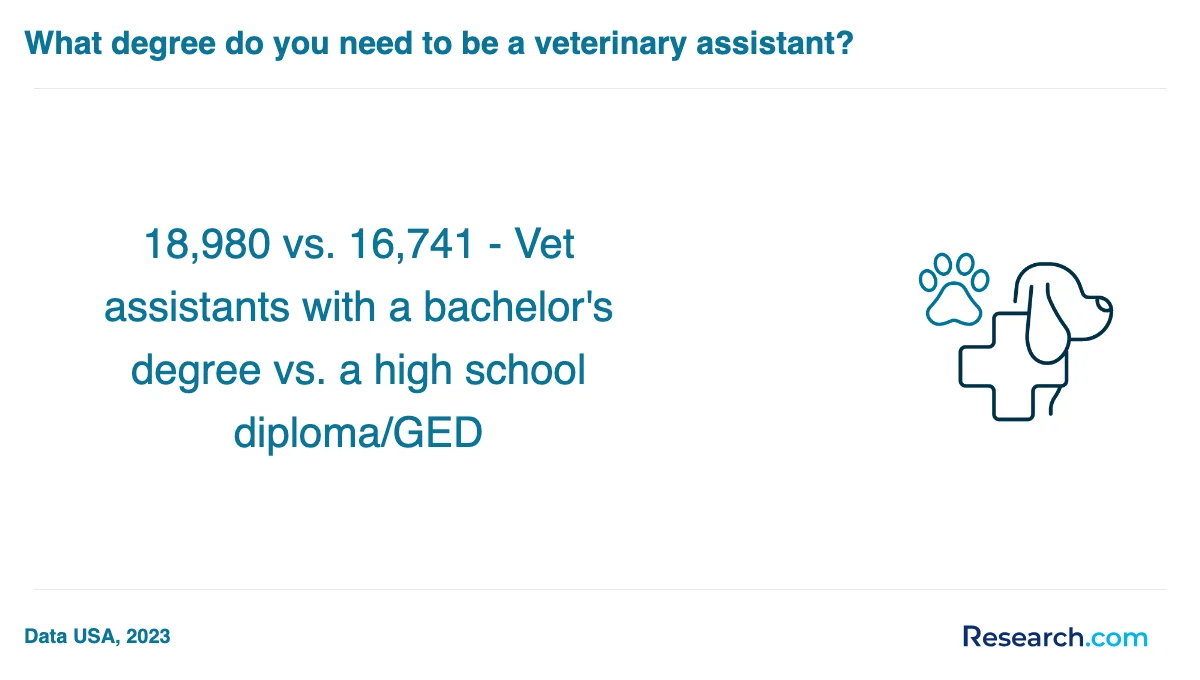
- Proof of basic education like a high school certificate or equivalent
- Some schools may ask for a police check, especially if you'll be working with animals in a clinical setting
- Basic English proficiency to understand course materials and communicate effectively
- A positive attitude and willingness to learn, which many graduates highlight as crucial for success
Imagine starting your first day at a Melbourne trade school, excited and ready because you've already spent weekends helping at shelters. That real-world experience combined with meeting these prerequisites makes the whole program feel more accessible and rewarding.
What are the typical courses in veterinary assistant trade schools in Melbourne?
Veterinary assistant trade school programs in Melbourne are packed with hands-on courses that really get you ready for the busy world of animal care. Graduates from popular schools like Melbourne Polytechnic often talk about how the mix of practical and classroom learning made all the difference. You'll dive into topics such as:
- Clinical and surgical routines: helping vets during procedures and keeping everything sterile, which feels super rewarding when you see animals recover.
- Animal care basics: feeding, bathing, and exercising pets-skills that make you feel connected to the animals every day.
- Reception duties: managing appointments and chatting with pet owners, which builds your confidence in communication.
- Clinical pathology: learning lab work like blood tests, which adds a fascinating science angle to your training.
- Radiology: understanding animal imaging and safely handling diagnostic tools.
Many students also appreciate the real-world experience from a 240-hour practical placement in a vet clinic. This is where classroom lessons truly come alive, giving you the boost to feel prepared and excited about your future career in Melbourne's animal care scene.
What are the available specializations in veterinary assistant trade schools in Melbourne?
Veterinary assistant specializations in Melbourne often cover a range of practical skills that really prepare students for the fast-paced environment of animal clinics. Graduates frequently share how courses in clinical and surgical nursing give them confidence assisting vets in surgeries or handling clinical pathology tasks. At popular trade schools like Melbourne Polytechnic, hands-on training in surgical routines and recovery monitoring makes students feel ready for real-world challenges.
Animal care course options Melbourne also include areas like dental nursing, where students learn to assist with dental cleanings-a growing field in vet practices today. Others find value in specialization areas such as anaesthesia support, where they master drug preparation and monitoring, keeping animals safe during complex procedures. Many students emphasize how these diverse options let them find a focus that fits their passion.
Beyond direct animal care, veterinary assistants gain skills in workplace health and safety along with administrative management, helping clinics run smoothly. For anyone wondering what degree do you need to be a veterinarian, understanding these specializations can be a helpful first step toward a rewarding career working with animals.
How do you choose the best veterinary assistant trade school program in Melbourne?
When choosing the best veterinary assistant trade schools Melbourne offers, focus on programs that combine accreditation with hands-on training. Graduates from popular Melbourne colleges often highlight the value of learning in fully equipped labs and animal care facilities, making their transition into real veterinary settings smoother and more enjoyable.
Look for smaller class sizes that create a supportive environment-graduates frequently mention how personalized attention made complex topics easier to grasp. Also, consider how flexible the schedule is; many students juggling work and studies appreciate programs that accommodate their lifestyle without sacrificing quality.
Job placement assistance is another key feature students rave about, especially those from well-connected veterinary assistant programs Melbourne-wide. These schools often have partnerships with local clinics, making it easier to land your first role.
Cost is always a factor, but don't overlook financial aid options that could make a big difference. If you're already exploring jobs in the medical field list, this investment can feel much more manageable and rewarding.
What career paths are available for veterinary assistant trade school graduates in Melbourne?
Graduates from veterinary assistant trade schools in Melbourne quickly find a range of exciting career options that fit different interests and skills. Many start with veterinary assistant jobs in Melbourne, helping veterinarians with animal care, lab work, and basic office duties-hands-on roles that build confidence and essential skills. Some graduates share how their first positions at local clinics turned into opportunities for specialized work, like becoming a veterinary technician or kennel technician with extra training.
Others explore animal care career opportunities Melbourne offers outside clinics, such as working in shelters or research labs, where they handle daily animal care and observation. Strong communication skills can lead to rewarding spots as veterinary receptionists, managing schedules and client calls.
Veterinary assistants from popular Melbourne trade schools often find jobs that let them grow into leadership roles, supervising teams or managing departments. For those ready to advance, many enroll in low cost vet tech programs online to boost their credentials and income potential.
What is the job market for veterinary assistant trade school graduates in Melbourne?
The veterinary assistant job market in Melbourne is buzzing with opportunities, especially for those fresh out of trade schools. Graduates from popular programs can often find positions quickly, whether it's at a local private clinic or an animal hospital. Many employers appreciate candidates with hands-on training from local schools, and graduates frequently share stories about landing jobs shortly after completing their courses.
Typical roles include supporting veterinarians in surgery prep, handling animals, or managing front-desk duties, which helps broaden your skills and resume. The demand remains steady, with over 50 openings across Melbourne as of mid-2025, meaning new grads rarely have to wait long for job offers.
Here's what recent grads highlight about working in Melbourne:
- Real-world experience gained during school boosts confidence on the job.
- Employers seek candidates with certification or some related experience.
- Many trade programs emphasize continued skill development, aiding career growth.
The veterinary assistant salary Melbourne 2026 outlook is pretty encouraging too. Most earn between $25,000 and $37,000 annually, with certified assistants pulling in closer to $43,000. Hourly rates vary but often land around $21 for those with credentials. For anyone interested in easy to learn trade jobs that lead to high paying careers, veterinary assisting in Melbourne offers a solid pathway with plenty of room to grow.
Frequently Asked Questions about veterinary assistant
After completing a veterinary assistant trade school in Melbourne, preparing for the job market involves several practical steps. First, gaining hands-on experience through internships or volunteer work at local animal clinics can significantly improve employability. According to the Australian Government's Job Outlook, practical experience is highly valued by employers in the veterinary field.
Additionally, graduates should develop a strong resume highlighting both technical skills and soft skills such as communication and teamwork. Networking with professionals in the veterinary industry through local associations or job fairs can also open doors to job opportunities.
Continuing education and certifications, like pet first aid, can further enhance a candidate's profile. Staying updated on industry trends and job openings via websites such as Seek or VetJobs is recommended to ensure timely applications.
Employers in Melbourne seek veterinary assistant trade school graduates with a balanced mix of technical and interpersonal skills. Key abilities include animal handling, knowledge of basic veterinary procedures, and familiarity with medical terminology. According to the Australian Government's Job Outlook, proficiency in animal care is essential for workplace success.
Communication skills are also highly valued, as assistants must interact effectively with veterinarians, pet owners, and team members. Attention to detail is critical when managing records and administering medications. Furthermore, employers appreciate candidates with strong organizational skills and the ability to work under pressure in busy clinical environments.
Practical experience gained through internships or hands-on training significantly increases job readiness and employability in Melbourne's veterinary sector.
Finding internships in Melbourne relevant to a veterinary assistant trade school program requires proactive research and networking. Start by contacting local veterinary clinics and animal hospitals, as many offer internship opportunities for hands-on experience. The Australian Veterinary Association (AVA) website often lists available internships and placements.
Trade schools typically have partnerships with local clinics, so inquire at your chosen institution about existing internship programs. According to the AVA, approximately 60% of veterinary assistant students in Melbourne secure internships through school connections or professional networks.
Online platforms like Seek and Indeed also list veterinary internships in Melbourne. Tailoring applications to highlight relevant coursework and practical skills can increase your chances of placement.
Volunteering at animal shelters or rescue organizations can also build experience and open doors to formal internships.
Obtaining a veterinary assistant trade school diploma in Melbourne can significantly enhance career mobility and advancement opportunities. According to the Australian Government Department of Education, Skills and Employment, diploma holders in veterinary assisting are more likely to secure entry-level positions quickly and gain practical experience in clinical settings.
This credential demonstrates specialized knowledge and skills, making graduates competitive candidates for roles in animal hospitals, shelters, and clinics. Additionally, diploma holders often find pathways to further certifications or veterinary technician programs, which can lead to higher salaries and supervisory roles.
While specific data on salary increases in Melbourne are limited, national trends indicate that certified veterinary assistants earn approximately 15-20% more than those without formal training (Job Outlook Australia, 2023). Employers value trade school diplomas as proof of commitment and competence, which supports upward mobility within the veterinary field.
Part-time job opportunities that complement veterinary assistant trade school education in Melbourne often include roles such as veterinary receptionist, animal shelter assistant, and pet care aide. These positions provide practical experience with animal handling, customer service, and clinic operations, which are essential skills for veterinary assistants.
According to the Australian Government's Job Outlook, veterinary nurses and assistants can expect steady employment growth in Melbourne, with many clinics offering part-time roles to support their teams. Working in animal shelters or pet stores also helps students gain hands-on experience with animal behavior and care.
Such part-time jobs typically offer flexible hours, allowing students to balance work with their studies. They also provide valuable networking opportunities within the veterinary community.
To choose the best Veterinary Assistant degree program near me, consider factors such as program accreditation, curriculum, hands-on training opportunities, and cost. Institutions near Melbourne, FL may offer programs specifically tailored for students in the area, providing localized support and resources. Utilizing resources like Research.com can help identify reputable programs and universities that align with your educational and career goals.
Related Veterinary Assistant Rankings for Nearby Cities
- Best Veterinary Assistant Training Programs & Trade Schools - Top Veterinary Assistant Schools in St. Petersburg for 2026
- Best Veterinary Assistant Training Programs & Trade Schools - Top Veterinary Assistant Schools in Statesboro for 2026
- Best Veterinary Assistant Training Programs & Trade Schools - Top Veterinary Assistant Schools in Norfolk for 2026
- Best Veterinary Assistant Training Programs & Trade Schools - Top Veterinary Assistant Schools in Canton for 2026
Top Trending Rankings
References
- 6 Things No One Tells You About Being a Vet Tech | Penn Foster https://www.pennfoster.edu/blog/6-things-no-one-tells-you-about-being-a-vet-tech
- The Benefits and Challenges of a Career as a Vet Assistant in 2024 https://www.animalbehaviorcollege.com/blog/animal-career-advice/the-benefits-and-challenges-of-working-as-a-veterinary-assistant-in-2024/
- Skills and Responsibilities of a Vet Assistant https://cariscollege.edu/veterinary-assisting/become-a-vet-assistant/skills-and-responsibilities-of-a-vet-assistant/
- Veterinary technicians and veterinary assistants | American Veterinary Medical Association https://www.avma.org/resources/pet-owners/yourvet/veterinary-technicians-and-veterinary-assistants
- Kookaburra Vets - Melbourne Vet Jobs https://www.kookaburravets.com/australia/permanent/melbourne.htm
- VET pathways in schools | vic.gov.au https://www.vic.gov.au/vet-pathways-schools
- Vocational Education and Training (VET) and TAFE | Study Australia https://www.studyaustralia.gov.au/en/plan-your-studies/vocational-education-and-training
- Certificate IV in Veterinary Nursing | Melbourne Polytechnic https://www.melbournepolytechnic.edu.au/study/certificate-iv/veterinary-nursing/
- VET Delivered to Secondary Schools (VETDSS) https://www.chisholm.edu.au/career-fields/vet-in-schools
- Bachelor of Veterinary Technology - Study https://study.csu.edu.au/courses/bachelor-veterinary-technology


