
Most Affordable Veterinary Assistant Schools & Training - Budget-Friendly Veterinary Assistant Trade Programs in Mesa for 2026

Co-Founder and Chief Data Scientist
Are you considering a career as a veterinary assistant in Mesa? Finding the right trade school is an important step toward a rewarding future working with animals. This article introduces a veterinary assistant trade school programs ranking created by the Research.com team of data scientists to help you make an informed decision.
Discover affordable options that fit your goals and budget. Earning a diploma or certification can open doors to meaningful work and career growth in the veterinary field. Let this guide support your journey toward a fulfilling profession.
Key benefits of finishing veterinary assistant trade school in Mesa
- Graduates from veterinary assistant trade schools in Mesa can expect competitive salaries, typically ranging from $31,000 to $39,000 annually, with opportunities to earn up to $45,000 as they gain experience.
- Career paths include roles like veterinary assistant, receptionist, or technician support, offering diverse opportunities similar to those seen in graduates from popular Mesa trade schools.
- Completing a veterinary assistant trade school online provides flexibility and convenience, allowing students to balance work and study while gaining practical skills, as experienced by many successful online graduates in Mesa.
What can I expect from veterinary assistant trade schools in Mesa?
Enrolling in a veterinary assistant trade school program in Mesa means committing to about nine months of focused, hands-on training. Graduates from programs at well-known schools such as Carrington College and Pima Medical Institute describe a balanced experience between classroom lessons and real-world clinical practice. You can expect to gain essential skills like animal restraint, administering medications, and assisting in surgeries, all under the guidance of experienced veterinary professionals.
Students often find themselves confidently applying knowledge of animal anatomy, nursing, and laboratory testing during supervised labs and local clinic partnerships. This practical exposure helps build competence in tasks like diagnostic imaging and medical record keeping. Many students appreciate how the curriculum also covers client communication and office administration, preparing them for the full scope of a veterinary assistant's daily responsibilities.
Graduates frequently mention the rewarding feeling of combining compassion for animals with technical expertise, which makes the demanding coursework worthwhile. The accredited programs in Mesa ensure you receive industry-standard training that opens doors to roles such as laboratory technician or animal care specialist.
Where can I work after finishing veterinary assistant trade schools in Mesa?
After completing a veterinary assistant trade school program in Mesa, graduates find a variety of rewarding employment opportunities that align with their training. Many begin their careers in private veterinary clinics or animal hospitals, such as Dobson Ranch Animal Hospital, where they assist veterinarians with patient care and routine procedures. This hands-on work environment is highly valued by graduates, who often share how their trade school experience prepared them to confidently support medical teams from day one.
Other common career paths include positions at animal emergency centers and specialty hospitals, where assistants perform vital roles in fast-paced settings. National chains like Banfield Pet Hospital frequently seek trade school graduates, recognizing their skills in animal handling and clinical support. Many also work with animal shelters and rescue organizations, performing intake and daily care duties that make a tangible difference in animal welfare.
Emerging fields such as mobile veterinary services and pet boarding facilities offer flexible and community-focused roles. Graduates appreciate these options for the chance to build meaningful connections with pet owners and animals throughout Mesa. Holding a certificate from a NAVTA-accredited program further boosts employability across these diverse settings, making Mesa an excellent city to start a veterinary assistant career.
How much can I make after finishing veterinary assistant trade schools in Mesa?
Graduates of veterinary assistant trade school programs in Mesa typically start with an hourly wage between $16 and $18.58, which translates to an annual salary of about $33,929 as of mid-2025. Many students from popular Mesa trade schools share that their first job offers align well with these figures, helping them feel confident and motivated as they launch their careers.
Entry-level positions often begin near the lower end of the pay scale, around $26,341 per year, but with hands-on experience and additional responsibilities, earnings can rise to nearly $39,847 annually. Some graduates who take on combined roles, such as veterinary assistant and receptionist, report annual salaries reaching up to $45,815, showcasing the value of multitasking skills gained during training.
These salary ranges reflect the steady demand for veterinary assistants in Mesa and the broader Arizona region. Graduates emphasize that completing a local trade school program provides a clear pathway to stable and growing income, especially when supported by practical training and networking within the community.
Most Affordable Veterinary Assistant Schools & Training - Budget-Friendly Veterinary Assistant Trade Programs in Mesa for 2026
# 1 position
Mesa Community College - Veterinary/Animal Health Technology/Technician and Veterinary Assistant.
associateMesa Community College offers a program in Veterinary/Animal Health Technology/Technician and Veterinary Assistant that trains students to assist veterinarians and animal specialists in patient care and clinical procedures. The curriculum includes animal nursing, health and nutrition, clinical pathology, radiology, anesthesiology, dental prophylaxis, surgical assisting, and office administration. The program is accredited by the Higher Learning Commission. Annual in-state tuition is $2,358.
# 2 position
Mesa Community College - Veterinary/Animal Health Technology/Technician and Veterinary Assistant.
certificate or diplomaMesa Community College offers a program in Veterinary/Animal Health Technology/Technician and Veterinary Assistant, preparing students to assist veterinarians and animal health professionals with patient care and clinical procedures. The curriculum covers animal nursing, health, nutrition, clinical pathology, radiology, anesthesia, dental care, surgical assisting, laboratory procedures, and office administration. The program is accredited by the Higher Learning Commission. Annual in-state tuition is $2,358.
# 3 position
Pima Medical Institute-East Valley - Veterinary/Animal Health Technology/Technician and Veterinary Assistant.
associateA program that prepares individuals to assist veterinarians, laboratory animal specialists, and zoological professionals with patient management, care, and clinical procedures. It includes training in animal nursing, health and nutrition, handling, clinical pathology, radiology, anesthesiology, dental prophylaxis, surgical assisting, laboratory procedures, office administration, and applicable standards and regulations. The program is accredited by the Accrediting Bureau of Health Education Schools.
# 4 position
Pima Medical Institute-East Valley - Veterinary/Animal Health Technology/Technician and Veterinary Assistant.
certificate or diplomaThe Veterinary/Animal Health Technology/Technician and Veterinary Assistant program at Pima Medical Institute-East Valley trains students to assist veterinarians and animal care professionals in clinical procedures and patient management. The curriculum covers animal nursing, health, nutrition, handling, clinical pathology, radiology, anesthesiology, dental care, surgical assisting, laboratory procedures, office administration, and applicable regulations. The program is accredited by the Accrediting Bureau of Health Education Schools.
# 5 position
Carrington College-Mesa - Veterinary/Animal Health Technology/Technician and Veterinary Assistant.
certificate or diplomaA program that prepares individuals to assist veterinarians, laboratory animal specialists, and zoological professionals with patient management, clinical procedures, and owner communication. It includes instruction in animal nursing care, health and nutrition, handling, clinical pathology, radiology, anesthesiology, dental prophylaxis, surgical assisting, laboratory procedures, office administration, and relevant standards. The program is accredited by the Western Association of Schools and Colleges Accrediting Commission for Community and Junior Colleges.
Key Findings
- Programs in Mesa typically award a certificate and take about 9 months of full-time study to complete.
- Courses include animal anatomy, nursing skills, surgical procedures, lab techniques, and administrative tasks with hands-on training.
- Admission usually requires a high school diploma or equivalent, and some programs accept high school students before graduation.
- Average tuition costs around $14,265 with an additional $580 for books and supplies.
- Starting salaries range from $31,000 to $36,000 per year, with job opportunities mainly in clinics, hospitals, shelters, and research facilities.
How long does it take to complete veterinary assistant trade schools in Mesa?
Completing a veterinary assistant trade school program in Mesa typically takes between six months and one year. Most graduates from popular local trade schools share that this timeframe allows them to gain hands-on experience while balancing personal commitments. For example, students often recall how their classes combined practical skills like animal handling with essential knowledge in a paced schedule, making the learning process engaging and manageable.
Many find that the structured yet flexible format suits those working part-time or managing family responsibilities, which reflects the supportive environments common in Mesa's trade schools. Graduates frequently mention feeling confident entering the workforce quickly after finishing their programs, appreciating how efficiently the curriculum prepares them for real veterinary settings.
In trade schools around Mesa, the focused nature of these programs means students can start applying for jobs or internships shortly after graduation, often within weeks. This accelerated path is especially valuable for those eager to begin their careers helping animals without long delays.
What's the difference between online and on-campus veterinary assistant trade school programs?
Online and on-campus veterinary assistant trade school programs in Mesa differ mainly in how students engage with instruction and practical training. On-campus students at schools like Carrington College or Pima Medical Institute's East Valley campus benefit from direct, hands-on experience with animals and veterinary equipment, receiving immediate feedback from instructors. Graduates often recall the confidence gained through real-time practice in surgical assisting and laboratory skills, which are crucial for their roles.
Conversely, online programs offer greater flexibility, allowing students to study coursework remotely at their own pace. For example, Pima Medical Institute's hybrid option blends online theory with scheduled in-person labs or externships at local clinics, helping students balance education with work or family life. Graduates appreciate this flexibility but emphasize the importance of on-site practical sessions for mastering animal care.
Support services also vary, with on-campus students enjoying direct access to tutoring and counseling, while online learners must proactively seek virtual assistance. Despite these differences, program length, accreditation, and tuition remain consistent across formats in Mesa.
What is the average cost of veterinary assistant trade schools in Mesa?
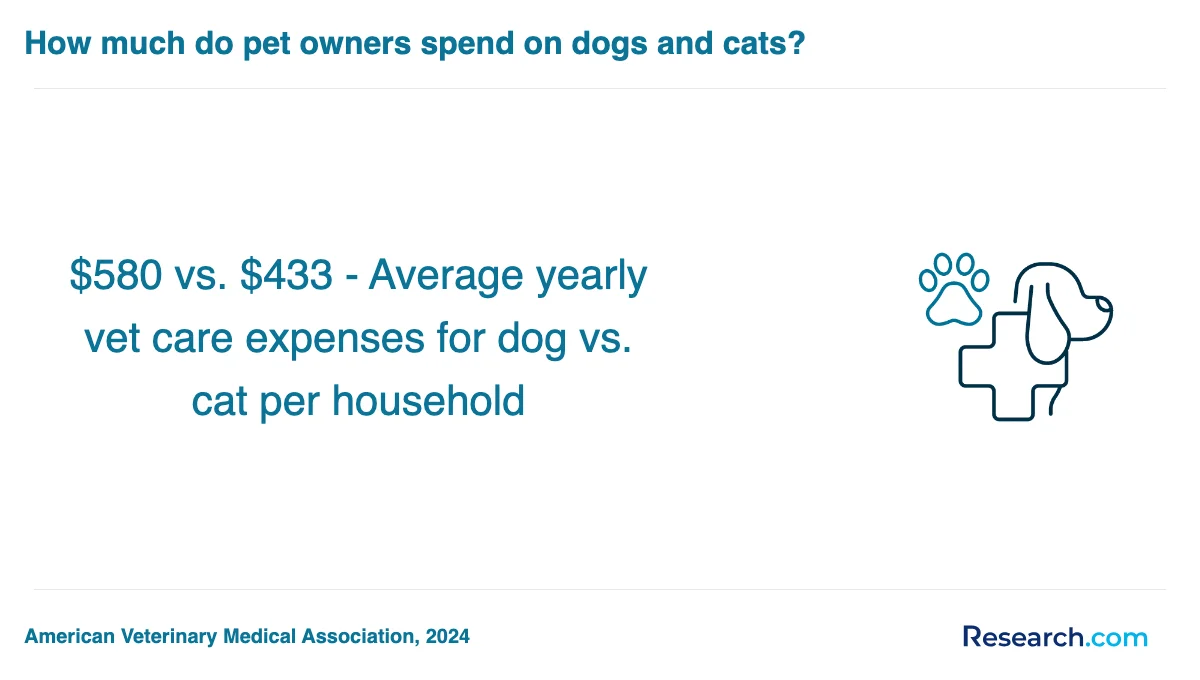
The average cost veterinary assistant programs Mesa Arizona typically range between $12,000 and $18,000 annually, reflecting both tuition and ancillary expenses. Graduates from well-known trade schools such as Carrington College-Mesa report tuition fees around $14,265 yearly, while those attending Pima Medical Institute-Mesa have experienced tuition closer to $12,024 per year. These fees cover the core veterinary assistant training but do not include all costs.
Beyond tuition fees veterinary assistant schools Mesa AZ require students to budget for supplies like books, uniforms, and lab materials, which can add approximately $1,000 to $3,000. For instance, graduates from Mesa Community College often find that their total cost, including mandatory vaccinations and lab fees, aggregates to roughly $12,000. Many students appreciate how understanding these figures ahead of enrollment helps reduce surprises and influences their financial planning positively.
Additional expenditures such as liability insurance, health fees, and transportation may also apply depending on the program. Such costs, although less highlighted, are significant in the practical completion of the veterinary assistant trade programs. Students who carefully consider these elements often feel more prepared and confident in pursuing their career path in animal care.
Prospective students can access financial aid options by completing the FAFSA application. Scholarships and state funding further ease the financial load for Arizona residents. Many find exploring the education required to be a veterinarian helpful in understanding their long-term commitments and costs.
What financial aid is available for veterinary assistant trade schools in Mesa?
Veterinary assistant students in Mesa benefit from a variety of financial aid options that make pursuing their education more manageable. Graduates from Carrington College often recall how federal aid, such as the Pell Grant, eased their financial burden by providing non-repayable funds based on need. Applying through the FAFSA enabled them to access these important resources early in their studies.
State programs also play a key role. Many students at Maricopa Community Colleges have successfully used grants like the Arizona Leveraging Educational Assistance Partnership (AzLEAP) to cover tuition costs, reflecting the strong support available to Arizona residents. These programs significantly reduce out-of-pocket expenses, allowing students to focus more on hands-on learning.
Scholarships tailored to veterinary assistant careers are another vital resource. For example, recipients of the Zoetis Foundation/AVMF Veterinary Technician Student Scholarship describe how these funds helped minimize their reliance on loans. At the East Valley Institute of Technology (EVIT), students often share positive experiences with scholarships from the EVIT Foundation, which directly assist with program fees.
Private scholarships and tuition assistance, awarded for academic merit or financial need, are readily accessible through school counselors who guide students through application deadlines and eligibility. This comprehensive network of financial aid options empowers Mesa's veterinary assistant students to confidently pursue their career goals.
What are the prerequisites for enrolling in veterinary assistant trade schools in Mesa?
To enroll in a veterinary assistant trade school program in Mesa, candidates typically need to meet several key prerequisites that ensure readiness for both the academic and hands-on aspects of the training. Most trade schools in Mesa require applicants to have a high school diploma or GED, providing a foundational level of education essential for understanding veterinary sciences.
Applicants often find it helpful to demonstrate a genuine passion for animal care, something graduates frequently mention as a driving force behind their success. Many programs encourage applicants to have some prior experience, such as volunteering at animal shelters or shadowing veterinary professionals, which cultivates confidence and practical skills before classes begin.
Specific prerequisites include:
- Proof of high school completion or equivalent certification
- Basic proficiency in English and math to handle coursework
- Background checks and immunizations, reflecting the responsibility of working with animals and clients
- Some schools recommend or require an interview or personal statement expressing commitment to animal welfare
Graduates from Mesa's well-regarded trade schools often share how meeting these prerequisites helped them feel prepared and excited on day one. They recall how early volunteer work made the clinical training less intimidating, turning nervousness into enthusiasm for their chosen career path.

What are the typical courses in veterinary assistant trade schools in Mesa?
Veterinary assistant trade school programs in Mesa typically include a well-rounded curriculum designed to prepare students for real-world veterinary environments. Graduates often describe their coursework as both challenging and rewarding, providing them with confidence to handle diverse animal care tasks.
Core courses focus on essential clinical knowledge and skills, such as:
- Animal anatomy and physiology, giving students a clear understanding of how different species function
- Medical terminology, enabling effective communication with veterinary professionals
- Animal nutrition and behavior, teaching how to recognize healthy habits and safely restrain animals
- Infection control and disease prevention, critical for maintaining safe clinic environments
- Pharmacology basics, covering common medications used in veterinary settings
- Surgical assisting and pre- and post-operative care, where students learn to prepare animals and assist during surgeries
Students also develop administrative skills through courses in client communication, office management, and medical recordkeeping, which graduates find invaluable for handling front-desk responsibilities. Hands-on labs and simulated veterinary clinics-features of popular Mesa trade schools-offer practical experience in collecting lab samples, diagnostic imaging, and dental assisting. These immersive experiences help students transition smoothly into entry-level roles, making the training both practical and inspiring.
What are the available specializations in veterinary assistant trade schools in Mesa?
Veterinary assistant trade school programs in Mesa focus on diverse specializations to equip students for multiple roles within animal care and clinic operations. Graduates from popular Mesa programs, like those at Carrington College, often highlight their hands-on training in clinical animal care, including animal nursing, surgical assistance, and laboratory procedures, which prepare them for typical daily tasks in veterinary practices.
These animal care training programs Mesa Arizona emphasize skills such as:
- Animal anatomy and physiology mastery
- Surgical assisting and anesthesia monitoring
- Laboratory diagnostics and dental prophylaxis
Beyond clinical work, programs also offer administrative specializations focusing on client communication, appointment scheduling, and office management. Students find this blend vital for handling front office responsibilities effectively, reflecting real-world veterinary office demands.
Additional specializations available include pharmacology, infection control, diagnostic imaging, dental assisting, and animal behavior, often provided by institutes like EVIT. Graduates feel confident managing inventory, handling prescriptions, and applying preventive healthcare measures, staying aligned with evolving veterinary needs in Mesa.
For students passionate about animal healthcare careers, these programs provide a practical foundation with varied pathways, from emergency animal medical technician roles to wildlife rehabilitation. Exploring these trades ensures alignment with personal career goals and local job market trends, especially for those curious about what medical job pays the most.
How do you choose the best veterinary assistant trade school program in Mesa?
Choosing the best veterinary assistant trade school program in Mesa involves examining several key factors to ensure you receive quality education and practical experience. Graduates from Mesa Community College's accredited program often highlight the confidence gained from their hands-on training and a curriculum aligned with industry standards, which is essential when exploring affordable veterinary assistant programs in Mesa Arizona.
Another vital consideration is program flexibility and length, especially for those balancing work or family. For example, Pima Medical Institute offers accelerated options that allow students to enter the workforce quickly while benefiting from modern facilities like remodeled teaching labs. Such environments foster enthusiasm and real-world readiness.
Evaluating employment outcomes is crucial; programs with strong placement rates provide reassurance about career prospects. Many students value the comprehensive training at East Valley Institute of Technology, where classroom learning is paired with practical exposure.
Understanding the differences between options can be overwhelming, so it helps to consult resources comparing vocational vs trade school pathways as part of your decision-making process.
What career paths are available for veterinary assistant trade school graduates in Mesa?
Graduates of veterinary assistant trade school programs in Mesa often find rewarding veterinary assistant jobs in Mesa AZ, especially in local private clinics, animal hospitals, and emergency care centers. Many graduates from institutions like Carrington College-Mesa and Pima Medical Institute praise the hands-on clinical training they received, which directly prepares them for tasks such as animal care, surgery assistance, and laboratory support. This practical experience boosts their confidence and readiness for fast-paced work environments.
Beyond direct animal care roles, career paths expand into positions such as kennel attendants, animal shelter workers, and animal control officers, where graduates apply their skills in diverse, meaningful ways. Opportunities also exist in specialized areas including dental procedures, diagnostic imaging, and surgical support, often leading to more challenging and fulfilling roles.
As graduates gain experience, many pursue veterinary technician career opportunities Mesa, advancing with associate degrees and certifications. Some transition into management, pharmaceutical sales, or explore further education to become veterinarians or practice managers. Others find satisfaction in non-clinical fields like wildlife rehabilitation or laboratory research.
For those seeking flexible learning routes, exploring affordable online veterinary technician programs can support career growth while balancing real-world demands.
What is the job market for veterinary assistant trade school graduates in Mesa?
The veterinary assistant job outlook in Mesa AZ is notably strong and expanding, benefiting graduates from local trade schools. With over 450 job openings recently posted, Mesa's veterinary hospitals and clinics actively seek certified assistants who graduated from accredited programs. Graduates often share how their hands-on training in popular Mesa trade schools prepared them for tasks such as animal handling, administering basic medical care, and client communication, all highly valued by employers.
Entry-level roles typically require a certificate from an approved veterinary assistant program plus a high school diploma or equivalent. Many students report feeling confident securing roles due to their practical skills and NAVTA-approved certifications, which significantly improve employment prospects.
Typical wages range from $15 to $24 per hour, reflecting experience and credentials, while flexible schedules offer work-life balance. For those wanting more insight into easy to learn trade jobs that lead to high paying careers, the Mesa veterinary assistant field ranks as a promising option.
Veterinary assistant salary and employment Mesa trends also mirror state data showing a 25% growth projection through 2024, driven by a bustling metropolitan area focused on animal health services.
- Strong demand for certified veterinary assistants in clinics and emergency facilities
- Hands-on training from Mesa trade schools builds real-world readiness
- Positive employment growth and competitive wages foster career stability
Frequently Asked Questions about veterinary assistant
After completing a veterinary assistant trade school in Mesa, preparing for the job market involves several key steps to improve your employability. First, obtain certification through organizations like the National Association of Veterinary Technicians in America (NAVTA), which enhances credibility. Networking with local veterinary clinics and attending job fairs in Mesa can provide valuable contacts and job leads. Gaining hands-on experience through internships or externships offered by your trade school is crucial, as Mesa employers often prefer candidates with practical skills.
Additionally, developing strong communication and customer service skills is important, as veterinary assistants frequently interact with pet owners. According to the U.S. Bureau of Labor Statistics, veterinary assistant jobs in Arizona are projected to grow by 14% through 2031, indicating promising employment opportunities in Mesa. Staying informed about local industry trends through Mesa workforce resources can also help tailor your job search effectively.
Employers in Mesa seek veterinary assistant graduates who demonstrate strong technical and interpersonal skills. Key abilities include animal handling, performing routine clinical tasks, and knowledge of medical terminology. According to the Arizona Department of Economic Security, employers value graduates who can efficiently assist veterinarians with examinations and treatments.
Communication skills are essential, as veterinary assistants often interact with pet owners, explaining care instructions clearly. Attention to detail is critical for maintaining accurate medical records and ensuring safety protocols.
Practical experience gained during trade school programs is highly regarded, helping students develop competence in laboratory procedures and animal restraint. These skills improve job readiness in Mesa's competitive veterinary market.
Finding internships in Mesa relevant to a veterinary assistant trade school program involves several practical steps. Start by contacting local veterinary clinics, animal hospitals, and shelters, as many offer hands-on internship opportunities. The Arizona Veterinary Medical Association and the Mesa Chamber of Commerce can provide useful directories of such facilities.
Many trade schools include internship placements as part of their curriculum, so consulting with your school's career services is essential. According to the Bureau of Labor Statistics, veterinary assistant roles often require practical experience, making internships crucial for job readiness.
Additionally, online platforms like Handshake and Indeed list veterinary assistant internships in Mesa, allowing students to filter by location and requirements. Networking through local veterinary events or animal welfare organizations can also uncover hidden opportunities.
Obtaining a veterinary assistant trade school diploma in Mesa significantly enhances career mobility by providing practical skills and recognized credentials. Employers in veterinary clinics and animal hospitals often prefer candidates with formal training, which can lead to higher starting wages and better job stability.
According to the Arizona Department of Economic Security, the veterinary support occupation sector in Mesa is projected to grow by 12% through 2030, indicating rising demand for qualified assistants. A diploma helps graduates meet this demand and qualify for diverse roles, such as animal care technician or clinic receptionist.
Additionally, a trade school diploma can serve as a stepping stone for further education and certifications, fostering professional advancement within Mesa's veterinary community. This credential demonstrates commitment and foundational knowledge, which may result in quicker promotions and expanded responsibilities.
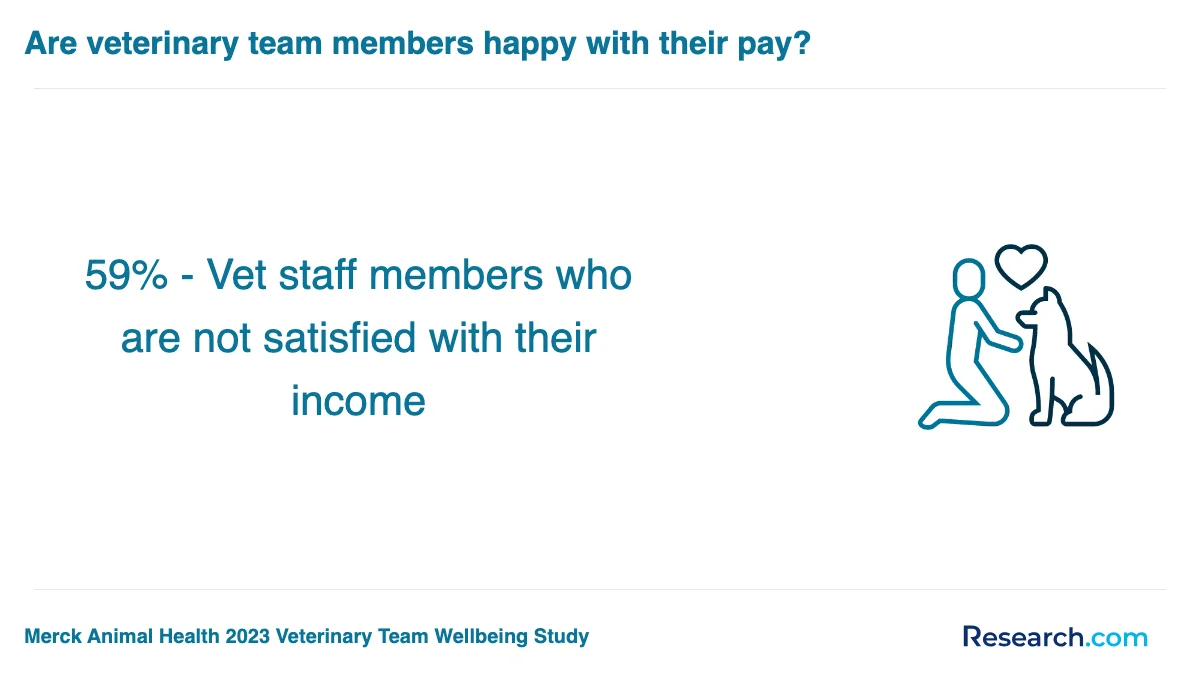
Students enrolled in veterinary assistant trade schools in Mesa can benefit from several part-time job opportunities that complement their education. Working as a veterinary receptionist or kennel assistant provides hands-on experience with animal care and client communication. These roles help build practical skills relevant to veterinary settings. According to the U.S. Bureau of Labor Statistics, veterinary assistants in Arizona earn a median wage of around $14 per hour, making part-time work financially viable.
Employment at local animal shelters or pet grooming centers in Mesa also offers valuable experience. Such positions expose students to diverse animal handling scenarios, enhancing their technical and interpersonal abilities. This real-world exposure can improve job prospects post-graduation.
Additionally, Mesa's veterinary clinics and hospitals often seek part-time help, allowing students to apply classroom knowledge in clinical environments. These opportunities align well with the hands-on nature of veterinary assistant training.
Yes, there are affordable Veterinary Assistant degree programs available near Mesa, AZ. Community colleges and vocational schools located near me typically offer such programs, often at a lower cost than larger universities. For those seeking further information about Veterinary Assistant programs, Research.com can be a helpful resource to find specific program details and rankings.
Top Trending Rankings
References
- Veterinary Technology | Programs & Degrees | Mesa Community College https://www.mesacc.edu/programs/veterinary-technology
- Veterinary Technology Program and Courses | San Diego Mesa College https://www.sdmesa.edu/academics/v2/programs/veterinary-technology/
- Veterinary Assistant Certificate Program https://pmi.edu/on-campus-programs/certificate/veterinary-assistant/
- Veterinary Assisting | Maricopa Community Colleges https://www.maricopa.edu/degrees-certificates/science-technology-engineering-mathematics/veterinary-assisting-5960-ccl
- Veterinary Technology Program and Degree Options | Colorado Mesa University https://www.coloradomesa.edu/tech/programs/veterinary-technology.html
- 13 Vet Tech Schools in AZ - Accredited & Awesome https://vettechnicians.org/az/
- Guide to Becoming a Veterinary Assistant | Carrington College https://carrington.edu/guides/how-to-become-vet-assistant-guide/
- Veterinary Assistant Jobs in Mesa, AZ (Hiring Now!) https://www.zippia.com/vet-assistant-mesa-az-jobs/
- 6 Things No One Tells You About Being a Vet Tech | Penn Foster https://www.pennfoster.edu/blog/6-things-no-one-tells-you-about-being-a-vet-tech
- The Benefits and Challenges of a Career as a Vet Assistant in 2024 https://www.animalbehaviorcollege.com/blog/animal-career-advice/the-benefits-and-challenges-of-working-as-a-veterinary-assistant-in-2024/


