
Best Veterinary Assistant Training Programs & Trade Schools - Top Veterinary Assistant Schools in Midwest for 2026

Co-Founder and Chief Data Scientist
Choosing the right veterinary assistant trade school in the Midwest can set the foundation for a rewarding career working with animals. This article introduces a carefully crafted ranking of veterinary assistant trade school programs developed by the Research.com team of data scientists to guide you in making an informed decision.
Exploring these top programs will help you find quality education that fits your goals and lifestyle. Earning a diploma or certification opens doors to valuable job opportunities and personal fulfillment in a field dedicated to animal care and wellbeing.
Key benefits of finishing veterinary assistant trade school in Midwest
- Graduates can expect an average hourly wage between $16 and $19 in the Midwest, with states like Minnesota and Illinois offering competitive pay that reflects strong job demand.
- Many veterinary assistant graduates find rewarding careers in animal clinics, shelters, or specialty practices, gaining valuable hands-on experience that opens doors to further opportunities.
- Completing a veterinary assistant program online offers flexibility and convenience, allowing students to balance work and study while accessing quality training from respected Midwest schools.
What can I expect from veterinary assistant trade schools in Midwest?
Enrolling in a veterinary assistant trade school program in the Midwest means diving into hands-on, practical training that prepares you for real-world animal care roles quickly. Graduates from popular programs like those at Southeastern Illinois College often share how their externships at local clinics gave them invaluable confidence and skills, from handling small animal nursing to mastering client communication.
Expect to learn a broad range of essential topics such as animal anatomy, restraint techniques, veterinary ethics, and even practice management. Many students find excitement in daily tasks like administering medication or assisting with surgical prep, which bring classroom lessons vividly to life. The focus on routine care and technical skills ensures you're ready to make a difference the moment you step into a veterinary setting.
With guidance from credentialed instructors and veterinary professionals, you'll build both scientific knowledge and interpersonal skills. Whether helping at shelters or pet shops, Midwest programs emphasize practical experience that leads to job-ready confidence and a rewarding career path in animal care.
Where can I work after finishing veterinary assistant trade schools in Midwest?
After finishing a veterinary assistant trade school program in the Midwest, graduates discover a world full of rewarding career paths. Many find themselves working in bustling private veterinary clinics or animal hospitals, where their hands-on training from schools like those in Chicago or Indianapolis truly shines. Imagine starting your day by helping a frightened puppy feel calm during a check-up-this is the kind of meaningful work waiting for you.
Others step into roles at animal shelters and humane societies, providing care and comfort to rescued animals. The Midwest's strong agricultural roots also open doors to jobs in livestock care facilities and pet daycare centers, where you can apply your skills in diverse, dynamic environments.
Excitingly, some graduates secure positions in university research labs, supporting groundbreaking animal studies right in states like Minnesota and Ohio. With flexible full- or part-time schedules and growing demand, your passion for animal care can blossom into a fulfilling lifelong career throughout the Midwest.
How much can I make after finishing veterinary assistant trade schools in Midwest?
After completing a veterinary assistant trade school program in the Midwest, many graduates find themselves stepping into rewarding careers with promising wages. In Missouri, for example, new graduates often start around $14 to $16 per hour, with the opportunity to quickly grow their earnings as they gain experience. Imagine finishing a program at a popular Midwest trade school and within months, earning close to $17 an hour, supporting your passion for animal care while building financial independence.
Graduates from trade schools in cities like Minneapolis have reported starting wages near $19 per hour, reflecting vibrant job markets and strong demand. These earnings translate to annual salaries ranging from $25,000 up to $35,000 or more, a solid foundation for those launching their careers. Many graduates share stories of feeling proud and motivated, knowing that every hour they work helps animals and supports their families.
With dedication and additional certifications, your pay can rise steadily. The Midwest offers a balanced blend of community support, career growth, and competitive wages, making a veterinary assistant trade school degree a smart investment for your future.
Best Veterinary Assistant Training Programs & Trade Schools - Top Veterinary Assistant Schools in Midwest for 2026
# 1 position
Joliet Junior College - Veterinary/Animal Health Technology/Technician and Veterinary Assistant.
associateJoliet Junior College offers a program in Veterinary/Animal Health Technology/Technician and Veterinary Assistant that prepares students to assist veterinarians and animal specialists with patient care and clinical procedures. The curriculum covers animal nursing, health, nutrition, clinical pathology, radiology, anesthesiology, dental prophylaxis, surgical assisting, laboratory procedures, and office administration. The annual in-state tuition is $4,530, and the program is accredited by the Higher Learning Commission.
# 2 position
Lansing Community College - Veterinary/Animal Health Technology/Technician and Veterinary Assistant.
associateLansing Community College offers a program in Veterinary/Animal Health Technology/Technician and Veterinary Assistant designed to train individuals to assist veterinarians and animal specialists in patient care and clinical procedures. The curriculum includes animal nursing, health, nutrition, clinical pathology, radiology, anesthesiology, surgical assisting, laboratory procedures, and office administration. The program is accredited by the Higher Learning Commission, with an annual in-state tuition of $4,010.
# 3 position
Sinclair Community College - Veterinary/Animal Health Technology/Technician and Veterinary Assistant.
associateSinclair Community College offers a program in Veterinary/Animal Health Technology/Technician and Veterinary Assistant that prepares students to assist veterinarians and animal care professionals. The curriculum covers animal nursing, clinical procedures, radiology, anesthesiology, dental prophylaxis, surgical assisting, and office administration. The program is accredited by the Higher Learning Commission and has an annual in-state tuition of $3,435.
# 4 position
Macomb Community College - Veterinary/Animal Health Technology/Technician and Veterinary Assistant.
associateMacomb Community College offers a program in Veterinary/Animal Health Technology/Technician and Veterinary Assistant that prepares students to assist veterinarians and animal care professionals. The curriculum covers animal nursing, clinical procedures, radiology, anesthesiology, surgical assisting, and office administration. The program is accredited by the Higher Learning Commission. Annual in-state tuition is $3,600, providing affordable training in animal health and patient management under professional supervision.
# 5 position
Crowder College - Veterinary/Animal Health Technology/Technician and Veterinary Assistant.
associateCrowder College offers a program in Veterinary/Animal Health Technology/Technician and Veterinary Assistant that prepares students to assist veterinarians and animal specialists in patient care and clinical procedures. The curriculum covers animal nursing, health, nutrition, clinical pathology, radiology, anesthesiology, surgical assisting, and office administration. The program is accredited by the Higher Learning Commission. Annual in-state tuition is $6,180.
# 6 position
Columbus State Community College - Veterinary/Animal Health Technology/Technician and Veterinary Assistant.
associateColumbus State Community College offers a program in Veterinary/Animal Health Technology/Technician and Veterinary Assistant, preparing students to assist veterinarians and other professionals in animal care and clinical procedures. Instruction covers animal nursing, health, nutrition, clinical pathology, radiology, anesthesiology, surgical assisting, and office administration. The program’s annual in-state tuition is $5,338 and it is accredited by the Higher Learning Commission.
# 7 position
Black Hawk College - Veterinary/Animal Health Technology/Technician and Veterinary Assistant.
associateBlack Hawk College offers a program in Veterinary/Animal Health Technology/Technician and Veterinary Assistant, preparing students to assist veterinarians and animal specialists in patient care and clinical procedures. The curriculum covers animal nursing, health, nutrition, clinical pathology, radiology, anesthesia, surgical assisting, and office administration. The program is accredited by the Higher Learning Commission, with an annual in-state tuition of $4,920.
# 8 position
Independence Community College - Veterinary/Animal Health Technology/Technician and Veterinary Assistant.
associateIndependence Community College offers a program in Veterinary/Animal Health Technology/Technician and Veterinary Assistant that trains students to assist veterinarians and animal health professionals in patient care and clinical procedures. The curriculum covers animal nursing, health, nutrition, clinical pathology, radiology, anesthesiology, dental care, surgical assisting, laboratory procedures, and office administration. The program is accredited by the Higher Learning Commission, with an annual in-state tuition of $4,260.
# 9 position
Southeastern Illinois College - Veterinary/Animal Health Technology/Technician and Veterinary Assistant.
associateSoutheastern Illinois College offers a Veterinary/Animal Health Technology/Technician and Veterinary Assistant program accredited by the Higher Learning Commission. The program trains students to assist veterinarians and other professionals in animal care, clinical procedures, and patient management. It covers topics such as animal nursing, clinical pathology, radiology, surgical assisting, and office administration. Annual in-state tuition is $4,320.
# 10 position
Colby Community College - Veterinary/Animal Health Technology/Technician and Veterinary Assistant.
associateColby Community College offers a program in Veterinary/Animal Health Technology/Technician and Veterinary Assistant designed to train individuals to assist veterinarians and animal health professionals. The curriculum covers animal nursing, clinical procedures, radiology, anesthesiology, surgical assisting, and office administration. Students gain skills in patient care, owner communication, and applicable regulations. The program’s annual in-state tuition is $4,046 and it is accredited by the Higher Learning Commission.
Key Findings
- Admission usually requires a high school diploma or equivalent, with applicants typically needing to be at least 16 years old and in good physical and mental health.
- Programs last between six months and one year, covering skills like animal handling, medical terminology, and veterinary ethics.
- Tuition ranges from $2,000 to $8,000, with financial aid available through federal programs and scholarships.
- Graduates may qualify for certifications such as the Approved Veterinary Assistant (AVA) through AVMA or NAVTA-accredited schools.
- Job growth in veterinary support roles is projected at 19% from 2022 to 2033, with starting salaries between $28,000 and $35,000 annually.
- Programs often include hands-on learning and externships to prepare students for work in clinics, shelters, and labs.
How long does it take to complete veterinary assistant trade schools in Midwest?
Completing a veterinary assistant trade school program in the Midwest typically takes between 6 to 12 months, making it an accessible and achievable goal for those eager to start their career quickly. Many graduates from popular Midwest trade schools share how this focused timeline allowed them to balance studies with personal commitments while gaining hands-on experience in animal care.
At schools known for their practical approach, students often find themselves immersed in real veterinary clinic settings shortly after starting, which fuels their passion and builds confidence. One graduate described how the accelerated pace kept motivation high and made every day feel purposeful, knowing they were steps away from working alongside veterinarians.
For Midwest students, the manageable duration of these programs means jumping into a meaningful career swiftly-helping animals, supporting vets, and making a difference in their communities without years of delay. This timeline inspires hope and determination, proving that a fulfilling veterinary assistant career is well within reach.
What's the difference between online and on-campus veterinary assistant trade school programs?
The key difference between online and on-campus veterinary assistant trade school programs in the Midwest lies in how students experience their learning journey. Online programs, like those from the University of Wisconsin-River Falls, let students study vital topics such as animal anatomy and emergency care from home. Graduates often share how the flexible schedule allowed them to balance work or family commitments while pursuing their passion. Many online programs blend virtual lessons with local externships, giving hands-on experience at nearby clinics, which helps students feel connected and confident.
On-campus programs, such as those at Ross Education centers, offer an immersive, face-to-face environment where students engage directly with instructors and classmates. Graduates frequently highlight the excitement of working in labs and handling animals daily, building strong bonds with peers and mentors. The structured routine and immediate support inspire many to thrive and prepare confidently for real-world veterinary roles.
Both paths empower Midwest students to transform their love for animals into rewarding careers, each catering to different lifestyles and learning preferences.
What is the average cost of veterinary assistant trade schools in Midwest?
The average cost veterinary assistant programs Midwest offer a range of options that suit many budgets and lifestyles. Many students find in-person trade school programs typically cost between $1,500 and $3,000, a worthwhile investment for hands-on training that fuels their passion for animal care. Graduates from schools like Madison Area Technical College, with tuition around $9,180 per year, often share how the immersive experience shaped their confidence and skillset, preparing them well for rewarding careers.
For those seeking more flexibility and affordability, online courses provide accessible alternatives, with prices from $600 to $1,800. Online programs, such as those found through affordable online veterinary technician trade school programs, have empowered many aspiring veterinary assistants in the Midwest to achieve their goals while balancing work and family. The blend of convenience and cost-effectiveness makes these programs a motivating choice for busy individuals.
Understanding tuition fees veterinary assistant schools Midwest offers can feel overwhelming, but hearing from graduates who have succeeded often inspires new students. Many celebrate how the investment in their education was balanced by scholarships, flexible payment plans, and the joy of stepping into a veterinary career. The promising future that comes from this education brings both hope and excitement to every dedicated learner ready to make a difference in animals' lives.
What financial aid is available for veterinary assistant trade schools in Midwest?
Veterinary assistant students in the Midwest find a wealth of financial aid options designed to turn their dreams into reality. Many accredited trade schools and community colleges participate in federal programs like Federal Pell Grants and Direct Subsidized Loans, making education accessible regardless of financial background. Completing the FAFSA opens doors to these essential funds, which countless graduates from schools like Vet Tech Institute and Midwest Institute have relied on to ease tuition burdens.
State grant programs in Illinois and Indiana further lift students by offering support tailored to career and technical education, rewarding dedication and residency. Imagine a student juggling family life who, thanks to a state grant, can focus more on mastering animal care without constant financial stress.
Scholarships at these schools often spark hope-hundreds are awarded based on merit or need, some automatically matched through the application process, providing hundreds to thousands of dollars that transform opportunities. Work-study options and military tuition benefits add layers of support, allowing many to earn while they learn.
Graduates often share how payment plans and private loans helped them manage costs smoothly, proving that with the right guidance from financial aid offices, every determined student can find a path to success in Midwest veterinary assistant programs.
What are the prerequisites for enrolling in veterinary assistant trade schools in Midwest?
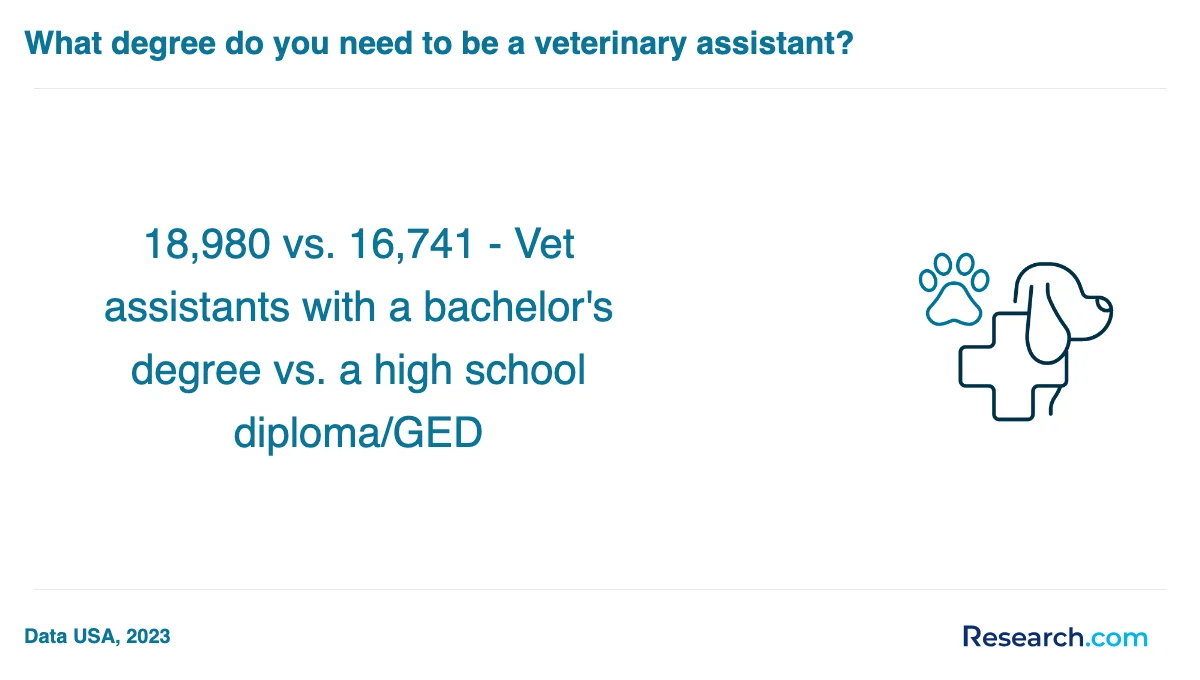
Enrolling in a veterinary assistant trade school program in the Midwest is an exciting step, and understanding the prerequisites can make the journey smoother and more rewarding. Most trade schools welcome applicants who have completed a high school diploma or GED, which sets the foundation for the hands-on training ahead. Graduates from popular Midwest schools often share how this basic requirement prepared them well for the coursework and practical experiences.
Additionally, schools may look for candidates who demonstrate a genuine passion for animal care and strong communication skills. Imagine walking into a classroom at a well-known trade school in the Midwest, eager to learn how to assist veterinarians by applying both compassion and precision-this enthusiasm often shines through in interviews or application essays.
- High school diploma or GED completion
- Basic understanding of biology or animal science is helpful but not always required
- Strong interpersonal skills and a caring attitude toward animals
- Some schools may ask for letters of recommendation or personal statements
These prerequisites ensure students are ready to thrive in an engaging, hands-on environment where real-life veterinary clinic scenarios come alive. Graduates often recall how their initial preparation helped them confidently assist in procedures, communicate with pet owners, and support veterinary teams throughout the Midwest.
What are the typical courses in veterinary assistant trade schools in Midwest?
Veterinary assistant trade school programs in the Midwest offer an inspiring blend of classroom learning and hands-on experience that truly prepares you for a rewarding career. Graduates from schools like Ross Education and Madison College often share how courses in animal anatomy and physiology gave them a deep understanding of different species, making every interaction with animals meaningful and confident.
Core subjects include:
- Animal restraint and handling techniques-essential for safely managing pets and farm animals during exams.
- Veterinary ethics and law-helping students grasp their professional responsibilities.
- Veterinary terminology-enabling clear communication with vets and technicians.
Students also gain vital skills in routine care such as feeding and monitoring, alongside technical tasks like assisting with X-rays and lab work. Many recall how their externships brought classroom lessons to life, working side-by-side with professionals in real clinics. Courses in emergency care and first aid empower students to respond calmly under pressure, while pharmacy procedures prepare them to handle medications safely.
This comprehensive training, often completed in about six months, creates confident, compassionate veterinary assistants ready to make a difference in animal health across the Midwest.
What are the available specializations in veterinary assistant trade schools in Midwest?
Veterinary assistant specializations in Midwest trade schools offer students dynamic pathways tailored to their passions and career goals. Graduates from these programs often speak highly of small animal nursing tracks, where hands-on instruction in caring for beloved pets like dogs and cats builds confidence for roles in clinics and shelters.
Popular Midwest veterinary assistant programs animal care tracks also include exotic animal care, bringing vibrant experiences working with reptiles, birds, and small mammals. Students recall exciting moments managing delicate creatures in zoo partnerships or specialized clinics, turning their love for all animals into practical skills.
Other valuable specializations embrace veterinary practice management, where graduates gain solid expertise in client communication, billing, and administrative success-critical for helping clinics thrive behind the scenes. Laboratory procedures training equips students to master sample collection and diagnostics, opening doors to research labs and diagnostic centers.
Pet daycare and boarding operations prepare students to create safe, loving environments daily, blending customer service with animal wellbeing. These specializations empower students to pursue their unique calling within the Midwest's thriving veterinary community, inspired by programs that truly nurture their aspirations. For anyone wondering what is the education requirements for a veterinarian, these trade schools provide foundational, career-launching expertise.
How do you choose the best veterinary assistant trade school program in Midwest?
Choosing the best veterinary assistant program in Midwest means focusing on schools that blend hands-on experience with strong accreditation. Graduates from colleges like Hennepin Technical College and Rochester Community and Technical College share how their combined classroom learning and clinical externships created confidence in real-world settings. These programs not only prepare you with essential skills but also connect you to local clinics, making the learning feel alive and relevant.
When exploring the top veterinary assistant schools in Midwest, consider factors such as program flexibility and cost. Schools like Colby Community College offer both online and in-person options, allowing students to balance work and study. Meanwhile, financial aid options at Parkland College help ease the burden, inspiring many to pursue their passion without hesitation. Graduates emphasize the importance of strong support services in career placement, which can make all the difference in launching a fulfilling career.
For those wondering what career paths might follow, exploring what is the highest paying job in the medical field can provide motivation and clarity when choosing your path.

What career paths are available for veterinary assistant trade school graduates in Midwest?
Veterinary assistant trade school graduates in the Midwest enjoy a wealth of career opportunities that are both fulfilling and diverse. Many find joy working directly with animals at private animal practices, veterinary clinics, and animal hospitals, where veterinary assistant jobs in Midwest animal clinics are plentiful. Graduates often take on rewarding roles assisting veterinarians with procedures, surgery prep, and laboratory tasks while building strong bonds with pets and their owners. Others thrive in environments such as animal shelters, kennels, and pet shops, where compassion and hands-on care make each day meaningful.
Graduates from popular Midwest trade schools share inspiring stories of growth, moving from entry-level animal care to more advanced roles. Some pursue certification to become veterinary technicians or technologists, unlocking higher salaries and specialized careers. The journey is exciting and motivational, filled with daily interactions that make a real difference.
For those eager to explore broader horizons, options include working as laboratory animal caretakers or entering research fields. These roles combine animal welfare with science and offer unique paths within the region's expanding job market.
The career opportunities for veterinary assistant graduates in Midwest truly reflect a vibrant and evolving field. If you're considering this path, learning about different types of healthcare jobs can help you envision your future in animal care and beyond.
What is the job market for veterinary assistant trade school graduates in Midwest?
The job market for veterinary assistant trade school graduates in the Midwest is vibrant and expanding, offering exciting opportunities for those who complete their training. Graduates from well-known Midwest veterinary assistant programs often share stories of landing positions quickly due to high demand in states like Illinois and Missouri, where job openings exceed 700 combined. These roles exist in diverse environments-from private clinics and large animal hospitals to agricultural and equine facilities-allowing graduates to find a niche that suits their passion.
Key advantages for graduates include:
- Competitive wages with median hourly rates between $16 and $21, reflecting strong regional demand
- Benefits like health insurance and paid time off, often included with employment
- Growth potential, as the field is projected to expand 19% through 2033, outpacing many other careers
Many graduates credit their practical training at trade schools for helping them confidently manage animal care and client interactions immediately on the job. Plus, earning a certificate often enhances starting salaries and career advancement. Those interested in flexible study options can explore an online diploma certificate, which many Midwest students find helpful for balancing education with life commitments.
For anyone passionate about animal care, the Midwest veterinary assistant employment opportunities are not only plentiful but rewarding, making trade school an inspiring path forward.
Frequently Asked Questions about veterinary assistant
After completing a veterinary assistant trade school in the Midwest, preparing for the job market involves several key steps. First, graduates should obtain certification, such as the Approved Veterinary Assistant (AVA) credential offered by the National Association of Veterinary Technicians in America (NAVTA), which can improve employability.
Networking is crucial; attending local veterinary conferences or joining professional groups like the Midwest Veterinary Technician Association helps connect with potential employers. Internships or externships completed during training often lead to job offers, so maintaining those relationships is important.
According to the U.S. Bureau of Labor Statistics, veterinary assistant jobs in the Midwest are expected to grow by about 16% through 2031, reflecting strong demand. Job seekers should tailor resumes to highlight hands-on skills gained in trade school and be prepared for entry-level roles in clinics, animal hospitals, or research facilities.
Employers in the Midwest seek veterinary assistant graduates who demonstrate strong animal care skills and technical knowledge. According to the U.S. Bureau of Labor Statistics, practical experience in handling animals safely is essential. Communication skills are also highly valued, as assistants must interact with pet owners and veterinary staff clearly and compassionately.
Knowledge of medical terminology and basic lab procedures is important, supported by trade schools that emphasize hands-on training. Midwest employers often look for candidates familiar with state-specific regulations on animal welfare and record-keeping. Time management and teamwork are critical, given the fast-paced clinical environment.
Recent surveys by the National Association of Veterinary Technicians in America highlight that 70% of employers prioritize practical skills combined with professionalism. Trade schools that offer internships or externships in local clinics tend to better prepare students for these expectations.
Finding internships relevant to veterinary assistant trade school programs in the Midwest requires a strategic approach. Start by contacting local veterinary clinics, animal hospitals, and shelters, as many offer internship opportunities for hands-on experience. According to the American Veterinary Medical Association (AVMA), about 60% of veterinary practices in the Midwest support student internships.
Trade schools often have partnerships with these facilities, so inquire with your school's career services. Websites like the Midwest Veterinary Medical Association also list internship openings and resources for students. Networking through local veterinary events and job fairs can further increase your chances.
Additionally, consider reaching out to state veterinary boards, which sometimes maintain internship listings. The U.S. Department of Labor's Occupational Outlook Handbook highlights that internships improve job placement rates by up to 20% for veterinary assistants.
Obtaining a veterinary assistant diploma from a trade school in the Midwest can significantly enhance career mobility and advancement opportunities. According to the U.S. Bureau of Labor Statistics (BLS), veterinary assistants in the Midwest earn a median annual wage of approximately $30,000, with higher wages accessible through additional certification or experience.
Trade school diplomas provide practical skills valued by employers, increasing the likelihood of job placement and promotion within veterinary clinics and animal care facilities. Many Midwest employers prioritize graduates from accredited programs, which often include externships or hands-on training, boosting employability.
Moreover, the diploma can serve as a stepping stone toward further education, such as veterinary technician programs, which offer higher salaries and expanded responsibilities. Regional workforce studies show that diploma holders experience a 10-15% higher employment rate than those without formal training in the field.
Students enrolled in veterinary assistant trade schools in the Midwest can benefit from various part-time job opportunities that enhance their practical skills. Common roles include veterinary receptionist, animal shelter worker, and kennel assistant. These positions provide hands-on experience with animal care, customer service, and clinic operations.
According to the U.S. Bureau of Labor Statistics, the Midwest has a steady demand for veterinary assistants, with an average hourly wage around $13-$16. Working part-time in veterinary clinics or animal shelters allows students to apply classroom knowledge while building a professional network.
Additionally, pet boarding facilities and grooming salons often seek assistants, offering flexible hours that fit well with school schedules. These jobs contribute to understanding animal behavior and care routines.
To choose the best Veterinary Assistant degree program near you in the Midwest, begin by researching accredited programs, considering factors such as curriculum, hands-on training opportunities, and faculty expertise, which are often detailed on university websites. Make sure to visit campuses or reach out to advisors for more personalized insights, including potential career paths and job placement rates, which can vary significantly from one institution to another. Additionally, utilizing resources like Research.com can help identify top programs near Midwest that align with your career goals in veterinary assistance.
Top Trending Rankings
References
- 5 Career Paths for Veterinary Assistants - HCI College https://www.hci.edu/hci-news/23660-5-career-paths-for-veterinary-assistants
- Your Veterinary Assistant Career Guide (Salary, Job Duties, & Requirements) | Penn Foster https://www.pennfoster.edu/blog/your-veterinary-assistant-career-guide-salary-job-duties-requirements
- Train for a Veterinary Assistant Career with ICH! - Integrity College of Health https://ich.edu/blog/train-for-a-veterinary-assistant-career-with-ich/
- 12 Alternative Career Paths for Veterinary Techs https://unity.edu/careers/alternative-career-paths-vet-techs/
- Veterinary Assistant Career Exploration and Expansion https://blackstone.edu/veterinary-assistant-career-exploring/
- Veterinary Assistant https://www.cpp.edu/cpge/professional-development/online-learning/career-training/vet-assistant.shtml
- Should I train to work as a Veterinary Assistant? - San Joaquin Valley College https://www.sjvc.edu/blog/is-a-career-as-a-veterinary-assistant-right-for-me/
- Online Vet Assistant Programs & Trade Schools https://www.best-trade-schools.net/programs/vet-services/vet-assistant/
- Veterinary Assistant Program | Ross Education https://rosseducation.edu/programs/veterinary-assistant.php
- Veterinary technology programs accredited by the AVMA CVTEA | American Veterinary Medical Association https://www.avma.org/education/center-for-veterinary-accreditation/veterinary-technology-programs-accredited-avma-cvtea


