
Most Affordable Veterinary Assistant Schools & Training - Budget-Friendly Veterinary Assistant Trade Programs in Colorado for 2026

Co-Founder and Chief Data Scientist
Looking to start a rewarding career as a veterinary assistant in Colorado? Choosing the right trade school is an important step toward achieving your goals. This article introduces a carefully crafted ranking of veterinary assistant trade school programs, developed by the Research.com team of data scientists. It’s designed to help you find affordable and quality options tailored to your needs.
Reading this guide will give you confidence in your decision and highlight the benefits of earning a diploma or certification. Your future in animal care starts here, and we’re here to support your journey.
Key benefits of finishing veterinary assistant trade school in Colorado
- Graduates of veterinary assistant trade schools in Colorado can expect starting salaries near $27,926, with the average around $34,658 annually, offering a solid income foundation early in their careers.
- A veterinary assistant graduate from a popular Colorado trade school can pursue roles in clinics, shelters, or veterinary hospitals, with opportunities to advance into specialized tasks or supervisory positions.
- Completing a veterinary assistant program online provides flexibility and convenience, as experienced by many online graduates, allowing them to balance studies with personal commitments while entering the workforce quickly.
What can I expect from veterinary assistant trade schools in Colorado?
Students enrolling in veterinary assistant trade school programs in Colorado can expect a balanced mix of theory and hands-on practice. Graduates from schools like Pickens Technical College in Aurora report spending roughly half their time working directly with animals, using professional-grade equipment in simulated clinical settings. This practical experience builds confidence in tasks such as restraining animals for exams, administering medications, and prepping for surgeries.
The curriculum typically covers essential topics including veterinary medical terminology, animal anatomy, physiology, laboratory procedures, and emergency care. Many programs address care for a broad spectrum of animals, from domestic pets to exotic species and occasionally livestock, preparing students for diverse work environments.
Students also develop communication skills, learning how to effectively educate pet owners on nutrition, vaccinations, and general animal care. Programs like Front Range Community College offer accredited certificates that can be completed within one year, making them accessible for those eager to start their careers quickly.
Graduates often express excitement about entering entry-level roles in clinics, hospitals, and rehabilitation centers, encouraged by Colorado's high demand for veterinary assistants and competitive starting salaries around $26,000.
Where can I work after finishing veterinary assistant trade schools in Colorado?
Graduates of veterinary assistant trade schools in Colorado frequently secure employment in diverse animal care settings such as animal hospitals, veterinary clinics, specialty practices, and pet hospitals. For instance, those completing programs at well-known Colorado trade schools have found rewarding roles at establishments like Banfield Pet Hospital and VCA Briargate Veterinary Clinic in cities including Denver and Colorado Springs. These positions involve supporting veterinarians with medical procedures, animal care, and client communication, creating hands-on, fulfilling daily experiences.
Many graduates appreciate the dynamic work environments, ranging from emergency clinics to specialty departments like surgery, which broaden their practical skills. Others find meaningful opportunities in animal shelters and rehabilitation centers, where they assist with both routine care and medical treatments, fostering a strong sense of purpose.
Some veterinary assistant alumni also transition into administrative roles within clinics, managing scheduling and educating pet owners, which adds variety and growth potential. With over 450 positions statewide in mid-2025, the demand for trained veterinary assistants in Colorado remains robust.
How much can I make after finishing veterinary assistant trade schools in Colorado?
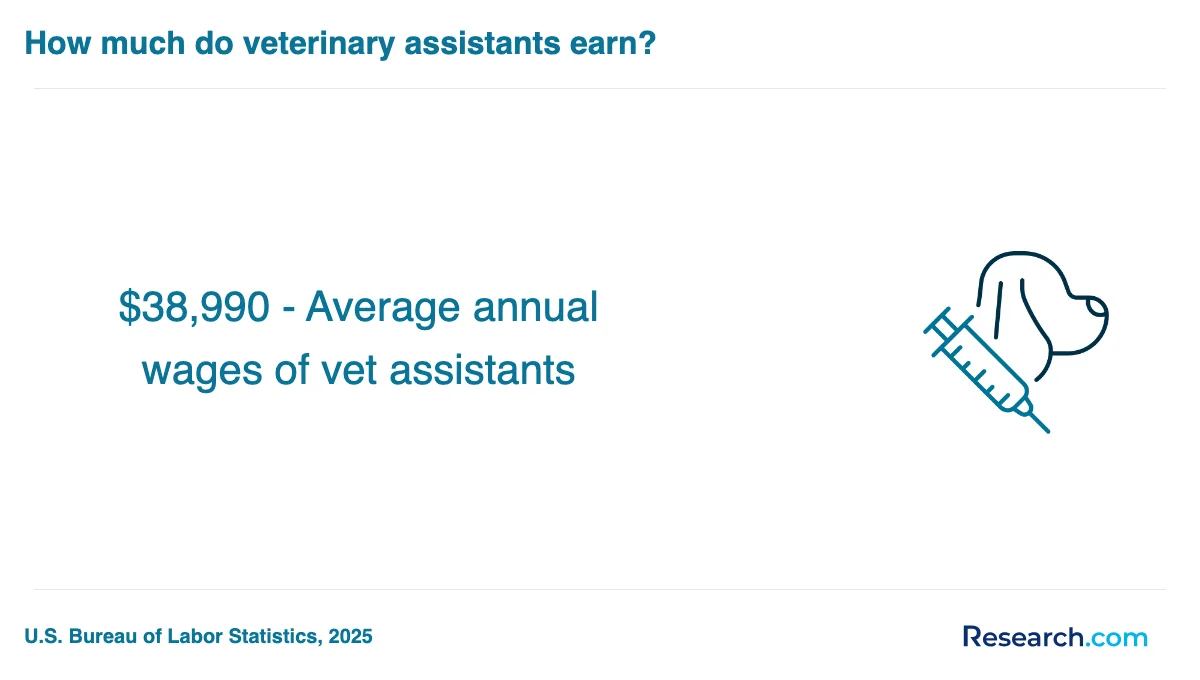
After completing a veterinary assistant trade school program in Colorado, graduates typically earn between $30,000 and $35,000 annually, with many starting closer to $28,000. For example, graduates from well-known Colorado trade schools often report entry-level salaries around $15.91 to $19.95 per hour, translating to approximately $36,000 to $41,000 yearly for those working full-time.
Some graduates share that working in metropolitan areas or larger veterinary clinics can boost their pay, occasionally reaching up to $25 per hour. This increase often reflects additional responsibilities or specialized skills gained during training. Many find this wage rewarding as it offers a steady income while gaining valuable animal care experience.
While veterinary assistant salaries in Colorado rank lower than similar healthcare roles, the trade school experience equips students with practical skills that employers value. Graduates often express satisfaction with the balance between meaningful work and a reliable entry-level wage, making this path appealing for those passionate about animal care in Colorado.
Most Affordable Veterinary Assistant Schools & Training - Budget-Friendly Veterinary Assistant Trade Programs in Colorado for 2026
# 1 position
Pickens Technical College - Veterinary/Animal Health Technology/Technician and Veterinary Assistant.
certificate or diplomaPickens Technical College offers a Veterinary/Animal Health Technology/Technician and Veterinary Assistant program that trains individuals to assist veterinarians and animal health professionals in patient care and clinical procedures. The curriculum covers animal nursing, health, nutrition, clinical pathology, radiology, anesthesiology, surgical assisting, and office administration. The program is accredited by the Council on Occupational Education and has an annual in-state tuition of $4,930.
# 2 position
Colorado Mountain College - Veterinary/Animal Health Technology/Technician and Veterinary Assistant.
associateColorado Mountain College offers a Veterinary/Animal Health Technology/Technician and Veterinary Assistant program preparing students to assist veterinarians and animal health professionals. The curriculum includes animal nursing care, clinical procedures, radiology, anesthesiology, surgical assisting, and office administration. The program is accredited by the Higher Learning Commission. Annual in-state tuition is $2,700.
# 3 position
Lamar Community College - Veterinary/Animal Health Technology/Technician and Veterinary Assistant.
certificate or diplomaLamar Community College offers a program in Veterinary/Animal Health Technology/Technician and Veterinary Assistant designed to prepare students for patient management and clinical assistance under professional supervision. The curriculum covers animal nursing care, health and nutrition, clinical pathology, radiology, anesthesiology, dental prophylaxis, surgical assisting, and office administration. The program is accredited by the Higher Learning Commission, with an annual in-state tuition of $4,422.
# 4 position
Pima Medical Institute-Aurora - Veterinary/Animal Health Technology/Technician and Veterinary Assistant.
associateThis program at Pima Medical Institute-Aurora prepares students to assist veterinarians and animal health professionals in patient care and clinical procedures. Coursework covers animal nursing, health and nutrition, handling, clinical pathology, radiology, anesthesiology, dental care, surgical assisting, laboratory procedures, office administration, and communication. It is accredited by the Accrediting Bureau of Health Education Schools, ensuring recognized standards in veterinary and animal health technology training.
# 5 position
Pima Medical Institute-Aurora - Veterinary/Animal Health Technology/Technician and Veterinary Assistant.
certificate or diplomaPima Medical Institute-Aurora offers a program in Veterinary/Animal Health Technology/Technician and Veterinary Assistant designed to prepare students for roles supporting veterinarians and animal care professionals. The curriculum includes animal nursing care, clinical procedures, radiology, anesthesiology, surgical assisting, and office administration. Students learn patient and owner management along with applicable standards and regulations. The program is accredited by the Accrediting Bureau of Health Education Schools.
# 6 position
Pima Medical Institute-Colorado Springs - Veterinary/Animal Health Technology/Technician and Veterinary Assistant.
associateThe Veterinary/Animal Health Technology/Technician and Veterinary Assistant program at Pima Medical Institute-Colorado Springs prepares students to assist veterinarians and zoological professionals in patient care and clinical procedures. The curriculum covers animal nursing, health, nutrition, handling, clinical pathology, radiology, anesthesiology, dental prophylaxis, surgical assistance, laboratory procedures, office administration, and communication. The program is accredited by the Accrediting Bureau of Health Education Schools.
# 7 position
Pima Medical Institute-Denver - Veterinary/Animal Health Technology/Technician and Veterinary Assistant.
certificate or diplomaA program at Pima Medical Institute-Denver trains students to assist veterinarians and animal health professionals in patient care, clinical procedures, and owner communication. The curriculum includes animal nursing care, clinical pathology, radiology, anesthesiology, dental prophylaxis, surgical assisting, and office administration. It is accredited by the Accrediting Bureau of Health Education Schools and prepares students for roles in veterinary and animal health technology and assistance.
# 8 position
Pima Medical Institute-Colorado Springs - Veterinary/Animal Health Technology/Technician and Veterinary Assistant.
certificate or diplomaThe Veterinary/Animal Health Technology/Technician and Veterinary Assistant program at Pima Medical Institute-Colorado Springs prepares students to assist veterinarians and other animal health professionals in patient care and clinical procedures. The curriculum covers animal nursing, health, nutrition, clinical pathology, radiology, anesthesiology, surgical assisting, and office administration. Graduates gain skills in patient and owner management, following applicable standards and regulations. The program is accredited by the Accrediting Bureau of Health Education Schools.
# 9 position
Pikes Peak State College - Veterinary/Animal Health Technology/Technician and Veterinary Assistant.
certificate or diplomaPikes Peak State College offers a program in Veterinary/Animal Health Technology/Technician and Veterinary Assistant that prepares students to assist veterinarians and animal health professionals with patient care and clinical procedures. The curriculum covers animal nursing, health and nutrition, clinical pathology, radiology, anesthesiology, surgical assisting, and office administration. The program is accredited by the Higher Learning Commission. Annual in-state tuition is $4,302.
# 10 position
Front Range Community College - Veterinary/Animal Health Technology/Technician and Veterinary Assistant.
associateFront Range Community College offers a program in Veterinary/Animal Health Technology/Technician and Veterinary Assistant designed to prepare students for roles assisting veterinarians and animal health professionals. The curriculum covers animal nursing, clinical procedures, radiology, anesthesiology, surgical assisting, and office administration. The program is accredited by the Higher Learning Commission and has an annual in-state tuition of $4,740.
Key Findings
- Most veterinary assistant programs in Colorado do not require a high school diploma or GED, but having one is recommended to improve job prospects.
- Colorado does not require state certification for entry-level veterinary assistants, but the Approved Veterinary Assistant (AVA) credential is preferred by many employers.
- Pickens Technical College charges about $2,376 per year for in-state students and $4,656 for out-of-state, plus around $600 for fees and materials.
- Starting salaries for veterinary assistants in Colorado range from $29,000 to $33,000 per year, with experienced workers earning up to $38,000.
- The Certified Veterinary Assistant (CVA) program requires at least 90 days or 500 hours of practical experience in a veterinary clinic.
How long does it take to complete veterinary assistant trade schools in Colorado?
Completing a veterinary assistant trade school program in Colorado generally takes between 6 to 12 months, depending on the institution and whether the student attends full-time or part-time. Many popular trade schools in Colorado offer flexible scheduling options, allowing students to balance work, family, and study commitments. Graduates often share how this manageable timeframe helped them stay motivated and quickly transition into the workforce.
For example, graduates from well-known Colorado trade schools describe their experience as intensive but rewarding, with hands-on labs and real-world clinical exposure compressing a lot of learning into a relatively short period. This allows students to develop practical skills swiftly, making them confident and job-ready.
Students who chose full-time programs reported feeling energized by the fast pace, enjoying the sense of accomplishment as they completed their certifications within a year. Part-time students appreciated the ability to maintain income while studying, describing the program as a realistic and hopeful path toward a veterinary career in Colorado's growing animal care sector.
What's the difference between online and on-campus veterinary assistant trade school programs?
The primary difference between online and on-campus veterinary assistant trade school programs in Colorado lies in their delivery format and hands-on training approach. Online programs, like the NAVTA-approved course at Penn Foster Career School, let students study remotely at their own pace, making it easier to balance work, family, or living far from major cities. Graduates appreciate the flexibility but often share how completing hands-on externships locally was challenging yet rewarding, providing real-world clinic experience.
Conversely, on-campus programs at institutions such as Pickens Technical College in Aurora or the Technical College of the Rockies offer immersive, face-to-face learning. Students engage directly with animals and practical procedures from day one, which many find energizing and confidence-building. The structured 36-week, 611-hour program at Technical College of the Rockies ensures steady progress through supervised labs and clinical practice.
Some students choose hybrid models like those at Front Range Community College, combining online theory with mandatory in-person labs, blending flexibility with essential hands-on skills. NAVTA approval across these formats reassures employers of program quality statewide.
What is the average cost of veterinary assistant trade schools in Colorado?
The average cost of veterinary assistant programs in Colorado varies significantly by institution and residency status, with tuition fees for veterinary assistant schools in Colorado ranging from around $2,220 to $19,721 per year. Graduates from the Colorado Academy of Veterinary Technology recall managing tuition costs near $20,000 annually, alongside additional expenses like books and supplies estimated at $1,300 and room and board around $9,500, bringing the total cost of attendance to nearly $35,000. This higher-end investment often reflects comprehensive hands-on instruction and certificate credentials valued in the field.
Conversely, many trade schools offer more affordable alternatives. For example, students attending Front Range Community College or Pickens Technical College benefit from in-state tuition fees as low as $2,376 to $3,527 annually, with supplementary costs such as books typically under $2,000. These programs deliver practical training in veterinary assisting, often fitting tight budgets for locals while providing solid career prep. Students have expressed satisfaction with balancing reasonable tuition costs with quality education.
In addition to institutional fees, prospective students should factor in typical expenses like uniforms, transportation, and personal costs. Considering these variables helps create a realistic financial outlook. Many Colorado students explore financial aid options and scholarships to offset costs. For those seeking economical pathways, exploring cheap online veterinary technician programs can complement their education budget while maintaining certification goals.

What financial aid is available for veterinary assistant trade schools in Colorado?
Students pursuing veterinary assistant trade school programs in Colorado often encounter limited access to federal financial aid due to the non-credit nature of many certificate courses. For instance, graduates from Arapahoe Community College recall the challenge of ineligibility for Pell Grants or federal loans, as their program is non-credit and thus excluded from FAFSA benefits. Despite this, several avenues remain open for funding.
Many students find relief through institutional scholarships and state-based aid offered by schools like Colorado Mesa University and Front Range Community College, where financial aid offices actively guide applicants through available options. Graduates describe feeling encouraged when discovering these resources, which sometimes include flexible payment plans and work-study opportunities tailored for adult learners or high school students retraining for the workforce.
Additionally, national scholarships such as the Tuition for Vet Techs Scholarship provide $2,500 awards, occasionally accessible to veterinary assistant students enrolled in accredited programs. Private industry awards, including those from Merck Animal Health, can also supplement funding, especially for students advancing their training. These combined options help many students manage tuition costs and stay motivated throughout their programs.
What are the prerequisites for enrolling in veterinary assistant trade schools in Colorado?
To enroll in a veterinary assistant trade school program in Colorado, prospective students typically need a high school diploma or GED. This basic academic requirement ensures candidates have foundational skills in reading, writing, and math essential for success in the program.
Many trade schools in Colorado, such as those popular in Denver and Colorado Springs, also expect students to demonstrate a genuine passion for animal care. Graduates often recall how their love for animals motivated them to meet prerequisites and excel in hands-on training environments.
Additional prerequisites often include:
- Proof of immunizations and a clean health record to safely work with animals and in clinical settings
- Basic computer literacy for managing patient records and scheduling
- A background check, especially for programs affiliated with veterinary clinics or hospitals
Some programs encourage or require volunteer experience at animal shelters or veterinary offices. Graduates frequently highlight how this early exposure built their confidence and clarified their career goals before starting formal education.
Lastly, strong communication skills are emphasized since veterinary assistants must interact with pet owners and veterinary teams effectively, a fact confirmed by numerous Colorado trade school alumni.
What are the typical courses in veterinary assistant trade schools in Colorado?
Veterinary assistant trade school programs in Colorado consistently include a core set of courses designed to equip students with essential skills for veterinary care. Graduates from popular Colorado trade schools highlight the value of foundational classes such as animal anatomy and physiology, which help them confidently understand companion animals' and livestock's biological systems during hands-on clinic work.
Key courses typically include:
- Animal restraint and handling techniques, enabling safe management of various species during exams and treatments.
- Laboratory procedures, where students practice collecting samples and performing diagnostic tests, a favorite for those who enjoy practical lab work.
- Veterinary medical terminology, crucial for clear communication and accurate record-keeping in busy clinic environments.
- Emergency care and first aid, preparing students to assist in urgent animal health situations confidently.
- Veterinary pharmacy procedures, covering medication handling and dosage calculations with attention to legal compliance.
- Veterinary dentistry, teaching assistance in dental cleanings and oral health record maintenance, often praised by graduates who love specialized care.
- Client communication and education, emphasizing clear, compassionate interaction with pet owners about nutrition, vaccines, and routine care.
Students from Colorado trade schools frequently mention how internships at local clinics bring these courses to life, allowing them to apply techniques learned in class to real animals, deepening their confidence and enthusiasm for the profession.
What are the available specializations in veterinary assistant trade schools in Colorado?
Veterinary assistant trade school programs in Colorado commonly include specializations that provide graduates with versatile skills needed for various animal care roles. These programs emphasize restraint and handling of domestic and exotic animals, a crucial skill that graduates report as highly rewarding when working in veterinary clinics or animal shelters. Typical specializations also include assisting with surgical and post-surgical care, ensuring students gain hands-on experience vital for supporting veterinarians during operations and recovery phases.
Laboratory procedures are another key focus, equipping students with the ability to perform essential diagnostic tasks confidently. Additionally, many programs integrate office management and client communication training, which graduates appreciate for preparing them to interact effectively with pet owners and manage clinic operations smoothly.
Colorado's Community College of Denver, for example, offers a Veterinary Technology Assistant Certificate Program that highlights veterinary health and handling of diverse species. Similarly, Front Range Community College's Veterinary Assistant Certificate Program trains students to assist the entire veterinary team across various domestic, exotic, and large animal settings, making real-world scenarios vividly clear.
Those looking to expedite their journey can explore numerous medical 2 year degrees, which align with these comprehensive trade programs and enhance career readiness.
How do you choose the best veterinary assistant trade school program in Colorado?
When choosing the best veterinary assistant trade school program in Colorado, start by verifying accreditation status to ensure you receive quality training. Graduates from schools like the Community College of Denver attest to the value of accredited programs that cover critical skills such as veterinary medical terminology and surgical nursing. These programs provide a solid foundation, preparing students for real-world animal care scenarios with confidence and competence.
Consider affordable veterinary assistant programs in Colorado that also offer hands-on experience through internships or clinical rotations. Many students appreciate programs featuring 90-hour internships in veterinary hospitals, which help translate theory into practice. Financial aid availability, like scholarships totaling $1,000,000 at certain colleges, can ease the cost burden and make professional training more accessible.
Scheduling flexibility and location are also key. Students balancing personal responsibilities favor evening or online classes nearby to cut commuting time. Selecting a program with a comprehensive curriculum and practical exposure is pivotal for those seeking quick to learn trades that pay well and build rewarding careers in veterinary care.
What career paths are available for veterinary assistant trade school graduates in Colorado?
Veterinary assistant trade school graduates in Colorado encounter a dynamic job market with diverse veterinary assistant jobs in Colorado. Many launch their careers in private clinics or animal hospitals, where they engage directly with animal care, client communication, and clinic operations. Graduates from popular Colorado trade schools often highlight how specialized training and certifications like the Certified Veterinary Assistant (CVA) significantly boost employment prospects in these competitive settings.
Beyond clinics, career opportunities for veterinary assistant graduates in Colorado include roles in specialty hospitals, animal shelters, kennels, and wildlife rehabilitation centers. For instance, graduates from Pikes Peak State College report fulfilling experiences working in wildlife conservation or humane societies, where their skills impact local ecosystems and animal welfare.
Advancement pathways frequently involve progressing to veterinary technician or technologist roles, which demand further education. Many veterinary assistants take advantage of their foundational experience to explore varied fields, often consulting resources about what colleges have vet tech programs to plan the next step in their careers.
What is the job market for veterinary assistant trade school graduates in Colorado?
The veterinary assistant job outlook in Colorado shows steady demand with opportunities concentrated in urban centers like Denver, Fort Collins, and Colorado Springs. Graduates from well-regarded trade schools in Colorado often report gaining hands-on skills through internships and externships, which employers highly value. Entry-level salaries average around $34,658 annually, with hourly wages typically between $15.91 and $19.95, though some specialty clinics in larger cities may offer up to $25.02 per hour.
Success stories from various graduates highlight that practical experience and strong references significantly improve employment prospects. Many find roles in private veterinary clinics, animal hospitals, and nonprofits, navigating a competitive market that still favors those with real-world skills.
- Most openings require a high school diploma or completion of a veterinary assistant training program.
- Graduates who advance their education often pursue veterinary technician certification for higher earning potential.
- Average wages are slightly below veterinary technologists but comparable to animal caretakers.
The veterinary assistant salary trends Colorado reflect a market that rewards experience and location, with rural jobs typically paying less than urban roles. For those weighing options, understanding the difference between trade school and vocational programs can clarify which path aligns best with their career goals and timeline.
Frequently Asked Questions about veterinary assistant
After completing a veterinary assistant trade school in Colorado, preparing for the job market involves several key steps. First, obtaining certification such as the Approved Veterinary Assistant (AVA) credential can improve employment prospects. Many employers in Colorado prefer candidates with recognized certifications, which demonstrate practical skills and knowledge.
Networking plays a crucial role; attending local veterinary conferences or joining professional groups like the Colorado Veterinary Medical Association helps graduates connect with potential employers. Additionally, gaining hands-on experience through internships or volunteer positions at animal clinics can enhance a resume.
According to the U.S. Bureau of Labor Statistics, veterinary assistant jobs in Colorado are projected to grow faster than average, with a 15% increase expected through 2032, signaling a favorable job outlook.
Employers in Colorado seek veterinary assistant graduates with strong technical skills and practical knowledge. Key abilities include animal handling, administering medications, and assisting in medical procedures. According to the Colorado Department of Labor and Employment, proficiency in animal restraint and basic laboratory tasks is essential for entry-level roles.
Effective communication skills are also highly valued, as veterinary assistants often interact with pet owners and veterinary staff. Attention to detail and the ability to follow instructions accurately contribute to workplace safety and animal care quality.
Additionally, familiarity with veterinary software and record-keeping systems is increasingly important in Colorado clinics. Trade schools that emphasize hands-on experience help graduates meet these employer expectations.
Finding internships relevant to veterinary assistant trade school programs in Colorado involves several strategic steps. Start by contacting your trade school's career services, as many schools have partnerships with local veterinary clinics and animal hospitals. According to the Colorado Veterinary Medical Association, over 70% of veterinary assistant internships occur at private practices in the Denver and Colorado Springs areas.
Additionally, utilize state-specific job boards such as Colorado's Workforce Center, which often lists veterinary internship opportunities. Networking through professional groups like the Colorado Veterinary Technician Association can also provide leads on internships.
Applying early and preparing a tailored resume highlighting relevant skills increases your chances. Most internships last between 8 to 12 weeks and provide hands-on experience essential for certification exams.
Obtaining a veterinary assistant diploma from a trade school in Colorado can significantly enhance career mobility and advancement opportunities. The Colorado Department of Labor projects a 16% growth in veterinary assistant roles through 2030, driven by increasing pet ownership and veterinary care demand.
A formal diploma provides practical skills and recognized credentials, which employers often prioritize. This qualification can lead to higher starting wages compared to entry-level positions without certification, with median annual salaries around $32,000 as reported by the U.S. Bureau of Labor Statistics.
Additionally, many trade schools offer connections to local veterinary clinics, facilitating internships and job placements that support career advancement. Graduates are also better positioned to pursue further education or certifications, expanding their roles within veterinary healthcare.
Part-time job opportunities in Colorado that complement veterinary assistant trade school education include roles such as veterinary receptionist, animal care technician, and pet groomer assistant. These positions provide hands-on experience with animals and client communication, essential skills for veterinary assistants. According to the U.S. Bureau of Labor Statistics, Colorado's veterinary technician and assistant employment is projected to grow by 16% from 2022 to 2032, faster than the average for all occupations.
Working in animal shelters or veterinary clinics part-time also allows students to apply classroom knowledge in real-world settings. These roles often offer flexible hours, fitting well with trade school schedules. Additionally, jobs in pet stores or dog daycare centers can enhance understanding of animal behavior and care.
Such part-time experiences strengthen resumes and improve job prospects upon graduation in Colorado's competitive veterinary field.
Finding an affordable Veterinary Assistant degree program near me in Colorado is possible, as there are various community colleges and technical schools across the state offering cost-effective options. Additionally, potential students can find programs both near Colorado and online, providing flexibility and a range of tuition fees. Using resources like Research.com, individuals can identify and compare institutions that best meet their educational and financial needs.
Related Veterinary Assistant Rankings for Nearby States
- Most Affordable Veterinary Assistant Schools & Training - Budget-Friendly Veterinary Assistant Trade Programs in Wyoming for 2026
- Most Affordable Veterinary Assistant Schools & Training - Budget-Friendly Veterinary Assistant Trade Programs in New Mexico for 2026
- Most Affordable Veterinary Assistant Schools & Training - Budget-Friendly Veterinary Assistant Trade Programs in Arizona for 2026
- Most Affordable Veterinary Assistant Schools & Training - Budget-Friendly Veterinary Assistant Trade Programs in Nevada for 2026
- Most Affordable Veterinary Assistant Schools & Training - Budget-Friendly Veterinary Assistant Trade Programs in Montana for 2026
- Most Affordable Veterinary Assistant Schools & Training - Budget-Friendly Veterinary Assistant Trade Programs in Iowa for 2026
- Most Affordable Veterinary Assistant Schools & Training - Budget-Friendly Veterinary Assistant Trade Programs in Minnesota for 2026
- Most Affordable Veterinary Assistant Schools & Training - Budget-Friendly Veterinary Assistant Trade Programs in Illinois for 2026
- Most Affordable Veterinary Assistant Schools & Training - Budget-Friendly Veterinary Assistant Trade Programs in Wisconsin for 2026
- Most Affordable Veterinary Assistant Schools & Training - Budget-Friendly Veterinary Assistant Trade Programs in Indiana for 2026
Top Trending Rankings
References
- Earn a two-year Veterinary Technician degree or certificate https://www.frontrange.edu/programs-courses/program-list/veterinary-technology.html
- 7 Vet Assistant Schools in CO - Near You & Awesome https://vettechnicians.org/vet-assistant/co/
- Veterinary Assisting Program | Pikes Peak State College https://www.pikespeak.edu/programs/veterinary-technology/index.php
- Veterinary Technology | Community College of Denver https://www.ccd.edu/program/veterinary-technology
- Veterinary Assistant Training Program in Aurora, CO https://www.pickenstech.org/programs/natural-sciences/veterinary-assistant/
- Online Veterinary Assistant from Colorado State University Professional Education https://careertraining.online.colostate.edu/training-programs/veterinary-assistant/
- Certified Veterinary Assistant - CVMA https://colovma.org/certified-veterinary-assistant/
- Veterinary Technology Program and Degree Options | Colorado Mesa University https://www.coloradomesa.edu/tech/programs/veterinary-technology.html
- How to Become a Veterinary Assistant in Colorado | Dreambound https://dreambound.com/blog/how-to-become-a-veterinary-assistant-in-colorado
- Veterinary internships and externships | American Veterinary Medical Association https://www.avma.org/education/veterinary-internships-and-externships


