
Most Affordable Veterinary Assistant Schools & Training - Budget-Friendly Veterinary Assistant Trade Programs in Pittsburgh for 2026

Co-Founder and Chief Data Scientist
Choosing the right veterinary assistant trade school in Pittsburgh can feel overwhelming. To make this easier, the Research.com team of data scientists has created a veterinary assistant trade school programs ranking to guide you in finding quality options worth considering.
Reading this article will help you discover affordable programs that match your goals, making your path to certification or a diploma clearer and more achievable.
Starting a career as a veterinary assistant is rewarding, and the right education can open doors to a fulfilling future helping animals in your community.
Key benefits of finishing veterinary assistant trade school in Pittsburgh
- Graduates of veterinary assistant trade schools in Pittsburgh can expect starting wages between $14 and $18 per hour, with some employers offering up to $25 per hour for specialized roles, providing a strong return on your education investment.
- Career paths for graduates include working in general veterinary clinics, urgent care centers, or specialty animal hospitals, offering diverse opportunities to grow and specialize in a rewarding field.
- Completing an online veterinary assistant trade school program offers flexibility and convenience, allowing students to balance studies with other commitments while gaining the same valuable skills as traditional programs.
What can I expect from veterinary assistant trade schools in Pittsburgh?
Students enrolling in veterinary assistant trade school programs in Pittsburgh can expect a balanced mix of hands-on training and classroom learning. Programs at well-known schools like Vet Tech Institute and Pittsburgh Career Institute typically last between 18 to 24 months, depending on whether students attend full-time or part-time. Graduates often describe their experience working directly with animals in facilities equipped with kennels, surgical suites, and clinical labs, which creates an engaging environment for skill development.
Many programs include extensive practical training, such as Vet Tech Institute's 1,700+ hours of in-person instruction and 260 hours of externships. These externships place students in real veterinary clinics and shelters, helping them build confidence and professional connections. Graduates frequently highlight how this hands-on exposure made them feel ready for entry-level roles immediately after finishing.
Students also learn vital topics like animal anatomy, pharmacology, and client communication, blending theory with practice. The supportive faculty and interactive learning experiences contribute to strong graduation rates and high employment outcomes, with some schools reporting employment rates up to 95% for their graduates.
Where can I work after finishing veterinary assistant trade schools in Pittsburgh?
Graduates of veterinary assistant trade school programs in Pittsburgh typically find employment in a variety of local settings, including veterinary hospitals and clinics. Many work alongside veterinarians and veterinary technicians, assisting with animal care, preparing for procedures, and maintaining medical records. Popular trade schools in Pittsburgh prepare students well for these roles, with graduates frequently securing positions at well-known employers like Banfield Pet Hospital.
Beyond clinics, career opportunities extend to private veterinary practices, specialty clinics, emergency veterinary services, and animal shelters. Graduates often share positive experiences working in shelters and rescue organizations, where they help care for animals and assist with adoption events, which many find emotionally rewarding.
Some graduates also explore roles in research laboratories and veterinary diagnostic centers, supporting animal handling and lab work. Both full-time and part-time options are common, offering flexibility. Entry-level pay ranges from $14 to $24 per hour, reflecting demand and experience. Overall, Pittsburgh's trade school graduates benefit from a vibrant job market with diverse, fulfilling career paths.
How much can I make after finishing veterinary assistant trade schools in Pittsburgh?
After completing a veterinary assistant trade school program in Pittsburgh, graduates typically earn an average hourly wage of $17.77, which many find encouraging as they begin their careers. This hourly rate translates to about $33,374 annually when working full-time, offering a solid foundation for those entering the field.
Many recent graduates from well-known Pittsburgh trade schools report starting wages between $14 and $18 per hour, reflecting local employer trends. For instance, several new assistants at clinics like PetVet365 begin at around $18.05 per hour, a rate that often feels rewarding compared to other entry-level roles. These wages provide a tangible boost for those eager to apply their training and make a difference in animal care.
Some graduates who pursue specialized certifications or gain experience at emergency or specialty clinics have seen wages increase up to $25 per hour. This progression highlights how skills development can create opportunities for higher pay and more challenging responsibilities within Pittsburgh's growing veterinary sector.
Veterinary care assistants in the area, who often have additional training, earn even more, with averages close to $41,325 annually. Graduates envisioning this path feel motivated by these figures as they plan their career growth locally.
Most Affordable Veterinary Assistant Schools & Training - Budget-Friendly Veterinary Assistant Trade Programs in Pittsburgh for 2026
# 1 position
Vet Tech Institute - Veterinary/Animal Health Technology/Technician and Veterinary Assistant.
associateThe Veterinary/Animal Health Technology/Technician and Veterinary Assistant program at Vet Tech Institute prepares students to assist veterinarians and animal health professionals in patient care and clinical procedures. The curriculum covers animal nursing, health, nutrition, handling, clinical pathology, radiology, anesthesiology, dental prophylaxis, surgical assisting, laboratory procedures, and office administration. Annual in-state tuition is $16,920. The program is accredited by the Accrediting Commission of Career Schools and Colleges.
# 2 position
Institute of Medical Careers - Veterinary/Animal Health Technology/Technician and Veterinary Assistant.
associateA program that prepares individuals to assist veterinarians, laboratory animal specialists, and zoological professionals in patient management, care, and clinical procedures. Instruction includes animal nursing care, health and nutrition, handling, clinical pathology, radiology, anesthesiology, dental prophylaxis, surgical assisting, laboratory procedures, office administration, and applicable standards and regulations. The program is accredited by the Accrediting Bureau of Health Education Schools.
Key Findings
- Veterinary assistant programs in Pittsburgh typically take 18 to 24 months to complete, including hands-on training and externships totaling over 1,700 hours in some cases.
- Look for AVMA CVTEA accreditation to ensure eligibility for the Veterinary Technician National Examination and better job prospects.
- Annual tuition ranges from $14,860 to $17,850, with total program costs between $28,000 and $36,000 including books and supplies.
- Graduate placement rates are high, with some schools reporting up to 95% employment, and starting salaries range from $29,000 to $34,000 annually.
- Admission usually requires a high school diploma or GED, with some programs asking for biology or chemistry prerequisites and proof of animal care interest.
- Many schools offer multiple start dates each year to accommodate different enrollment schedules.
How long does it take to complete veterinary assistant trade schools in Pittsburgh?
Completing a veterinary assistant trade school program in Pittsburgh typically takes between 6 to 12 months, depending on the school's curriculum and whether the student attends full-time or part-time. Graduates from prominent Pittsburgh trade schools often share how the accelerated pace allowed them to quickly transition from classroom learning to hands-on experience in local veterinary clinics.
One graduate described the intensive 9-month program as challenging but rewarding, emphasizing the balance between theoretical knowledge and practical skills gained. This blend helps students feel confident and prepared when they start working with animals right after graduation.
Another common experience involves evening or weekend classes, which many students appreciate for accommodating work or family commitments while still completing the program in under a year. These flexible schedules make it easier for Pittsburgh residents to pursue their passion without sacrificing other responsibilities.
Overall, the completion time aligns well with the goal of quickly entering the workforce, making veterinary assistant trade schools in Pittsburgh an attractive option for motivated individuals eager to start their careers.
What's the difference between online and on-campus veterinary assistant trade school programs?
The primary difference between online and on-campus veterinary assistant trade school programs in Pittsburgh lies in the learning format and hands-on experience. Graduates from on-campus programs at institutions like Vet Tech Institute and Pittsburgh Career Institute highlight the value of face-to-face instruction combined with over 1,700 hours of practical training in clinical labs, kennels, and surgical suites. These students describe the confidence gained from working directly with live animals and specialized equipment under expert supervision, which prepares them thoroughly for real-world animal care.
In contrast, online students appreciate the flexibility to balance studies with personal commitments, accessing the same theoretical content through virtual lectures. However, many recount challenges arranging local externships independently, which introduces variability in clinical exposure. While online programs cover essential topics like pharmacology and medical terminology, students often miss the immersive, hands-on guidance that on-campus peers receive.
Overall, Pittsburgh's on-campus programs foster a supportive environment with peer networking and a strong employment track record, making the experience both engaging and career-oriented.
What is the average cost of veterinary assistant trade schools in Pittsburgh?
The average cost veterinary assistant programs Pittsburgh students encounter typically range between $5,000 and $15,000. Graduates from popular trade schools in the area often recall that shorter certificate courses on the lower end of this spectrum provided a focused, affordable path to entering the field quickly, while more comprehensive diploma programs required a higher investment but offered a thorough skillset that boosted their confidence and career readiness. One graduate shared that the tuition fees veterinary assistant schools Pittsburgh charge reflect not only classroom instruction but also hands-on training essential for success, which can justify the expense.
Additional expenses beyond tuition include textbooks, uniforms, certification exam fees, and transportation. Many students find budgeting for these costs manageable through financial aid options such as grants and scholarships, which are commonly available at these Pittsburgh institutions. Encouragingly, some employers offer tuition assistance programs, reducing the financial burden during studies.
Students often report a strong sense of accomplishment and excitement upon completing their programs, attributing their positive experiences to well-structured classes and supportive faculty. Exploring the category of easy trades to learn that pay well can also help prospective students validate this career choice as a viable and rewarding investment of time and resources.
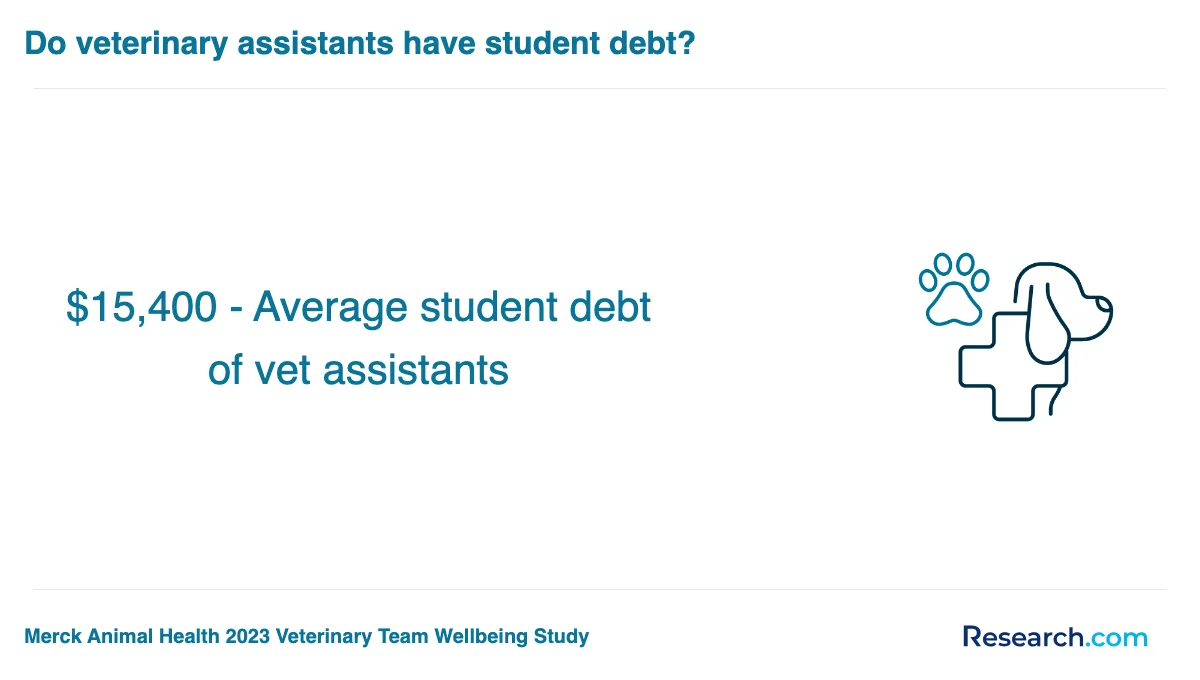
What financial aid is available for veterinary assistant trade schools in Pittsburgh?
Veterinary assistant students in Pittsburgh benefit from multiple financial aid opportunities, making education more accessible. At popular schools like Vet Tech Institute, 96% of graduates report receiving aid, with an average annual award of $7,872 against tuition costs near $14,422. Many find federal aid crucial, especially the Federal Pell Grant, which requires no repayment and is awarded based on financial need.
Additional support often comes from Federal Supplemental Educational Opportunity Grants (FSEOG) for those facing significant financial challenges. Borrowers can access Federal Direct Subsidized and Unsubsidized Loans, with subsidized loans offering interest relief while in school, easing monthly stress. Parents may also apply for Federal Direct PLUS Loans to cover remaining expenses.
State grants provide extra relief specifically for Pennsylvania residents attending trade schools, further reducing tuition burdens. Institutional scholarships and flexible payment plans are common at Pittsburgh schools, allowing students to manage costs effectively throughout the year. Graduates frequently express relief and gratitude for these options, which transform daunting expenses into manageable steps toward their veterinary careers.
Veteran students often receive additional benefits, and government sponsorships occasionally support training in animal health, highlighting broad aid availability. Completing the FAFSA is essential for unlocking these resources, serving as the gateway to federal, state, and institutional funds that empower Pittsburgh's veterinary assistant students.
What are the prerequisites for enrolling in veterinary assistant trade schools in Pittsburgh?
Enrolling in a veterinary assistant trade school program in Pittsburgh typically requires a high school diploma or GED, which serves as the foundational academic prerequisite. Many trade schools in the area emphasize the importance of basic science and math skills, so applicants with strong backgrounds in biology or chemistry often feel more confident during their studies.
Graduates from popular Pittsburgh trade schools often mention that having completed prerequisite courses or having volunteer experience in animal care significantly enhanced their admission prospects. Some schools also require a background check or immunization records to ensure student and animal safety.
Key prerequisites for Pittsburgh veterinary assistant programs often include:
- High school diploma or GED completion
- Basic proficiency in science and math
- Volunteer or work experience with animals (preferred)
- Background check clearance
- Up-to-date immunizations, including rabies and tetanus
For instance, graduates recall feeling well-prepared entering clinical settings thanks to these requirements, which foster a hands-on learning environment. These prerequisites help students transition smoothly from classroom theory to practical veterinary care, making the trade schools in Pittsburgh highly effective for career starters.
What are the typical courses in veterinary assistant trade schools in Pittsburgh?
Veterinary assistant trade school programs in Pittsburgh focus on comprehensive course offerings that prepare students for hands-on roles in animal care. Graduates from popular schools like Parkway West CTC and Forbes Road Career & Technology Center often highlight courses that blend theory with practical skills, making the learning experience both engaging and effective.
Typical courses include:
- Animal anatomy and physiology for understanding animal body systems, crucial when assisting veterinarians with treatments.
- Medical terminology tailored to veterinary practice, enabling clear communication in fast-paced clinic environments.
- Animal behavior and nutrition, which helps students relate better to animals and recommend proper dietary care.
- Pharmacology, teaching safe medication handling and administration, a vital skill in daily veterinary tasks.
- Hands-on training in animal restraint, lab procedures, vaccinations, blood draws, and emergency care, ensuring students are clinic-ready.
- Specialized subjects like veterinary dentistry and radiology, offered at select Pittsburgh trade schools, expand career opportunities.
Students frequently mention how externships integrated into these programs provide real-world experience, turning classroom knowledge into confident practice. This mix of courses and applied learning creates a rewarding path for those passionate about animal welfare in Pittsburgh's diverse veterinary settings.
What are the available specializations in veterinary assistant trade schools in Pittsburgh?
Veterinary assistant trade school programs in Pittsburgh offer focused tracks that align closely with local industry demands. Graduates from popular institutions like Parkway West CTC highlight how veterinary assistant program specializations in Pittsburgh cover key areas such as small animal care, where students manage the health and daily needs of pets like dogs and cats, gaining hands-on experience in vaccinations and nutrition.
Other specialized options include laboratory animal science, preparing students for roles in research settings caring for rodents and rabbits. This track prioritizes animal welfare and proper handling. Additionally, graduates appreciate training in veterinary radiology and diagnostic imaging, learning to operate X-ray equipment and assist with critical diagnostics.
Students pursuing surgical assistance report feeling confident in sterile techniques, anesthesia monitoring, and post-operative care, while those interested in shelter medicine gain practical skills addressing unique behavioral and health challenges faced by shelter populations.
These animal care technician training options Pittsburgh provide career flexibility, combining theoretical knowledge with clinical exposure, designed to meet AVMA accreditation standards. For more detailed prerequisites on advancing within veterinary fields, consider exploring what degree does a veterinarian need.
How do you choose the best veterinary assistant trade school program in Pittsburgh?
Choosing an affordable veterinary assistant programs Pittsburgh involves verifying accreditation and hands-on training opportunities. Graduates from Pittsburgh's Vet Tech Institute often highlight how the AVMA-accredited curriculum and over 1,700 in-person hours, including externships, equipped them for real-world clinical settings. Such practical experience is critical for smooth entry into the workforce.
Flexibility in program length and scheduling can significantly impact your success. Many students appreciate the option at local schools like Vet Tech Institute to start three times a year, allowing working adults to balance studies with personal commitments. Access to well-equipped facilities and convenient downtown locations further enhance this experience.
When evaluating costs, prospective students should compare tuition and financial aid options carefully. Pittsburgh's programs may vary widely, so consulting resources like cheapest online accredited vet tech programs can provide additional insight. Employment outcomes also matter; graduates report strong job placement rates, reflecting the industry recognition of these programs and boosting confidence in career prospects at the best veterinary assistant schools Pittsburgh.

What career paths are available for veterinary assistant trade school graduates in Pittsburgh?
Graduates of veterinary assistant trade school programs in Pittsburgh have access to a variety of veterinary assistant jobs in Pittsburgh PA, reflecting the city's strong demand for animal care professionals. Many find employment in private veterinary hospitals and specialty clinics where they support veterinarians by handling animals during exams, preparing equipment, and educating pet owners. For example, several graduates from popular trade schools in Pittsburgh share positive experiences working with employers like Banfield Pet Hospital, highlighting hands-on roles that combine both clinical and animal care duties.
Beyond traditional settings, career options extend to animal shelters, animal control agencies, research laboratories, and pet boarding facilities. These roles often involve caring for rescued animals or assisting with animal welfare programs, offering meaningful work for those passionate about community impact.
Veterinary assistants aiming to advance their career frequently explore veterinary technician career opportunities Pittsburgh, where with additional credentials they can take on greater responsibilities and higher wages. Many graduates consider progressing by earning a 2-year degree that pays $100k, efficiently building on their trade school foundation to open doors to specialized animal healthcare positions.
What is the job market for veterinary assistant trade school graduates in Pittsburgh?
Veterinary assistant trade school graduates in Pittsburgh enter a job market with steady veterinary assistant job openings in Pittsburgh and competitive wages. Graduates from popular local trade schools quickly find roles in private clinics and emergency hospitals, where the average hourly wage ranges from $14.23 to $25.59. Employers like VCA Animal Hospitals and BluePearl Specialty + Emergency Pet Hospital offer wages as high as $22.84 per hour or $43,000 annually, reflecting strong demand for skilled assistants. Recent graduates report feeling encouraged by these opportunities, particularly when their formal training accelerates career advancement.
Key factors enhancing employment prospects include:
- Consistent job postings in diverse settings such as specialty practices and emergency care
- Structured career development from major employers in the region
- A salary spectrum with room for growth from entry-level $27,800 to $43,500 annually
Students nearing graduation can expect their Pittsburgh veterinary assistant salary and demand to align well with national averages and appreciate the value of certification. Many share how practical skills gained at trade schools position them confidently for these roles. For those exploring careers in this field, resources highlighting careers in the medical field also emphasize the rewarding stability and growth potential in veterinary support professions.
Frequently Asked Questions about veterinary assistant
After completing a veterinary assistant trade school in Pittsburgh, preparing for the job market involves several important steps. First, graduates should obtain certification, such as the Approved Veterinary Assistant (AVA) credential, which can improve employment prospects. According to the Pennsylvania Department of Labor, the region's demand for veterinary assistants is expected to grow by 10% through 2030, making timely certification valuable.
Building practical experience through internships or volunteer work at local animal clinics enhances skills and networking opportunities. Additionally, crafting a professional resume highlighting hands-on training and any externships is essential. Joining local veterinary associations or online groups can also provide job leads and industry insights relevant to Pittsburgh's market.
Employers in Pittsburgh seek veterinary assistant graduates who possess strong clinical and interpersonal skills. Practical knowledge of animal care, including handling, restraint, and basic medical procedures, is essential. According to the Bureau of Labor Statistics, proficiency in assisting with examinations and maintaining clean, safe environments ranks highly for entry-level roles.
Communication skills are also critical. Veterinary assistants must effectively interact with pet owners and veterinary staff, demonstrating empathy and clear information sharing. The Pennsylvania Department of Labor highlights teamwork and reliability as key traits valued by employers in this region.
Additionally, familiarity with medical record keeping and basic office software improves job prospects. Many Pittsburgh veterinary clinics prefer candidates who can multitask efficiently while following safety protocols. These skills help graduates stand out in a competitive job market.
Finding internships in Pittsburgh relevant to veterinary assistant trade school programs involves several strategic steps. Start by contacting local veterinary clinics, animal hospitals, and shelters, as many offer hands-on internship opportunities. The Pennsylvania Veterinary Medical Association often posts internship openings and resources specifically for the region.
Trade schools frequently partner with local facilities to provide students with practical experience, so inquire directly with your school's career services. Additionally, websites like Indeed or Handshake list internships in Pittsburgh, with some focused on veterinary assistance roles.
According to the Bureau of Labor Statistics, internships significantly enhance employment prospects in veterinary fields, making early engagement valuable. Networking through local veterinary events and joining organizations such as the Pittsburgh Veterinary Medical Association can also increase access to internship leads.
Obtaining a veterinary assistant trade school diploma in Pittsburgh can significantly enhance career mobility and advancement opportunities within the local animal care industry. Graduates often qualify for entry-level roles in veterinary clinics, animal shelters, and research facilities, gaining practical skills valued by employers.
According to the Bureau of Labor Statistics (BLS), veterinary assistants in Pennsylvania earn a median annual wage of about $29,000, with potential increases as experience and certifications grow. Completing a diploma program demonstrates specialized training, making candidates more competitive for promotions and salary improvements.
Local employers frequently prefer diploma holders for roles involving direct animal care and clinic operations, which can lead to expanded responsibilities and supervisory positions over time. Additionally, trade schools in Pittsburgh often provide networking and internship opportunities, further supporting career growth.
Part-time job opportunities in Pittsburgh can significantly enhance the practical skills of students enrolled in veterinary assistant trade schools. Positions such as veterinary receptionist, kennel assistant, or animal care technician are common roles that provide hands-on experience in clinical and animal care settings.
According to the U.S. Bureau of Labor Statistics, Pittsburgh's growing demand for veterinary services supports steady employment growth of 15% for veterinary technologists and technicians through 2031. Local animal shelters and veterinary clinics often seek part-time help, allowing students to apply theoretical knowledge in real-world environments.
Additionally, pet grooming assistants or dog walkers offer flexible schedules and exposure to animal behavior, complementing formal education. These roles not only improve resumes but also help students build professional networks within the Pittsburgh veterinary community.
Finding an affordable Veterinary Assistant degree program near Pittsburgh, PA, is possible as several community colleges and vocational schools offer such programs. Exploring reputable educational institutions near me can be facilitated by using resources like Research.com to compare program costs and offerings. These programs typically provide practical, hands-on training essential for starting a career in veterinary assistance.
Related Veterinary Assistant Rankings for Nearby Cities
Top Trending Rankings
References
- Veterinary technology programs accredited by the AVMA CVTEA | American Veterinary Medical Association https://www.avma.org/education/center-for-veterinary-accreditation/veterinary-technology-programs-accredited-avma-cvtea
- Online Vet Tech Program - Associate Degree | Penn Foster https://www.pennfoster.edu/programs/veterinary/veterinary-technician-associate-degree
- Online Veterinary Assistant Program | Self-Paced Course https://www.uscareerinstitute.edu/online-veterinary-assistant-school
- Veterinary Assistant https://www.cpp.edu/cpge/professional-development/online-learning/career-training/vet-assistant.shtml
- Veterinary Assistant Program | Ross Education https://rosseducation.edu/programs/veterinary-assistant.php
- Pittsburgh Vet Tech Program | AVMA-Accredited Training https://www.vettechinstitute.edu/campuses/pittsburgh-campus
- Accredited Vet Tech Programs in Pennsylvania (PA) https://www.vettechcolleges.com/schools/pennsylvania
- Veterinary Assistant Schools in Pennsylvania | Learn to Become https://vetcareerschools.com/near-you/veterinary-assistant/pennsylvania/
- Pittsburgh, Pennsylvania Veterinary Assistant Programs https://www.trade-school.com/programs/Veterinary-Assistant/PA/Pittsburgh
- Vet Assistant Schools in PA - Near You & Awesome https://vettechnicians.org/vet-assistant/pa/


