
Most Affordable Veterinary Assistant Schools & Training - Budget-Friendly Veterinary Assistant Trade Programs in West for 2026

Co-Founder and Chief Data Scientist
Choosing the right veterinary assistant trade school can shape your future in animal care. For students in the West, finding affordable and quality programs is essential to start a rewarding career without unnecessary financial strain.
This article features a veterinary assistant trade school programs ranking created by the Research.com team of data scientists. It’s designed to help you make an informed decision by highlighting the best options available.
Reading this guide will empower you to pursue a diploma or certification that opens doors to meaningful work with animals. Your journey toward a fulfilling veterinary career begins here.
Key benefits of finishing veterinary assistant trade school in West
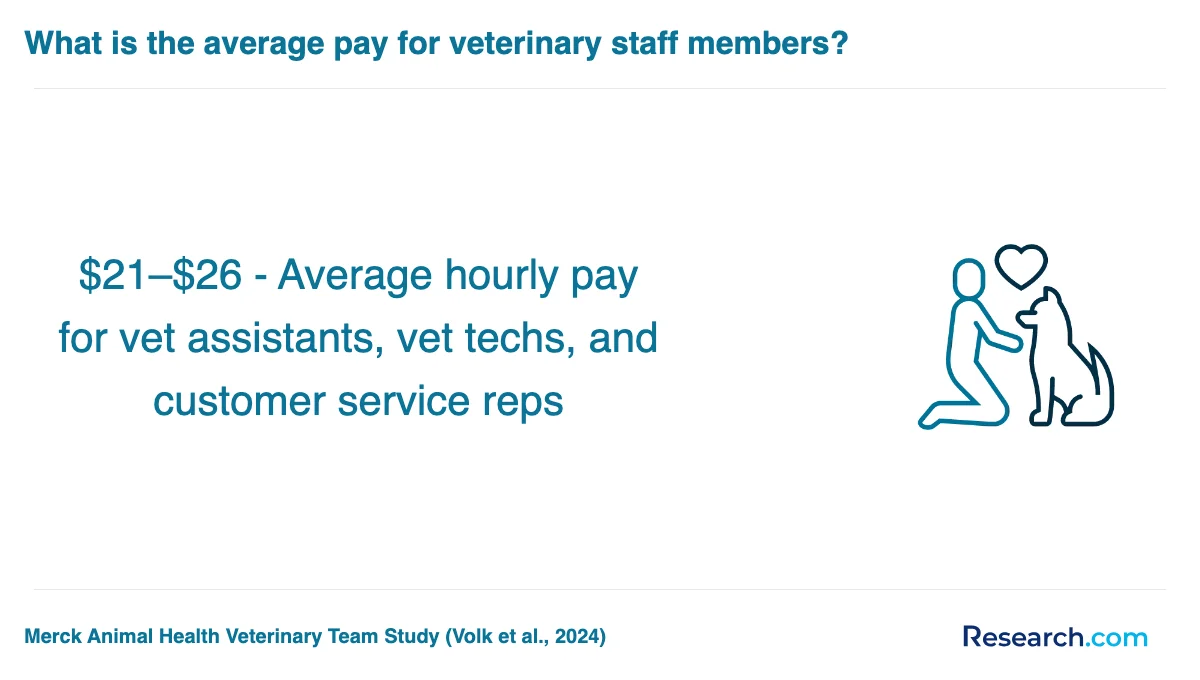
- Graduates in the Western US can expect competitive salaries, with averages around $18.41 per hour nationally and up to $23.15 per hour in California, offering strong earning potential right after school.
- Veterinary assistant graduates often find diverse career paths, including roles in animal hospitals, specialty clinics, or shelters, helping them gain valuable hands-on experience quickly.
- Completing a veterinary assistant program online provides flexibility and convenience, allowing students to balance study with work or family, as many online graduates report faster completion times and practical skills ready for immediate use.
What can I expect from veterinary assistant trade schools in West?
Students enrolling in veterinary assistant trade school programs in the West can expect a hands-on, career-focused experience that blends classroom learning with practical training. Graduates often describe balancing around 150 hours of lectures with 100 hours of clinical externships, where they assist veterinarians and care for animals in real veterinary clinics. For example, many students from well-known Western trade schools share how their externships helped build confidence by working directly with pets and clients, turning theory into everyday practice.
The curriculum typically covers animal anatomy, nursing basics, medical terminology, and office management, providing a comprehensive skill set. Some programs also offer additional training in grooming or behavioral support, which many students find rewarding for expanding job prospects.
Students appreciate flexible learning options, such as self-paced online classes combined with scheduled labs, which fit busy lifestyles. Graduates often highlight the value of support services like externship placement and job assistance, easing the transition into veterinary careers. Program durations usually range from 16 to 24 weeks, making it possible to complete training quickly and start working sooner.
Where can I work after finishing veterinary assistant trade schools in West?
After finishing a veterinary assistant trade school program in the West, graduates find diverse job opportunities that match their passion for animal care. Many secure roles in private veterinary clinics and animal hospitals, from small community clinics to large facilities serving pets and owners. This hands-on experience is exactly what trade schools in the West prepare students for, making graduates confident and ready to contribute on day one.
Some graduates share that working in animal shelters and rescue organizations, especially along the West Coast, gives them a fulfilling chance to care for vulnerable animals while supporting veterinary teams. Others enjoy roles in kennels and boarding facilities, where daily animal health monitoring is key. Corporate veterinary hospital chains also offer steady employment, often with clear paths for advancement.
For those seeking unique experiences, specialty practices focusing on exotic pets or emergency care provide exciting environments, while research labs and universities offer opportunities that may require extra training but reward with valuable skills. Graduates appreciate that their trade school credentials open doors across these settings, providing both meaningful work and steady demand throughout the Western states.
How much can I make after finishing veterinary assistant trade schools in West?
After finishing a veterinary assistant trade school program in the Western U.S., graduates can expect to earn between $30,000 and over $45,000 annually. Many graduates from popular trade schools in California report starting salaries near $18 per hour, especially in metropolitan areas like Los Angeles where demand is high. This higher pay often comes quickly for those who complete hands-on externships included in their programs, boosting confidence and job readiness.
Entry-level wages typically range from $10.25 to $12.65 per hour nationwide, but Western graduates often start above this due to regional demand and quality training. For example, graduates working in private clinics or animal hospitals in California see median hourly wages around $22, reflecting the state's strong market. These figures show that investing in a trade school here can lead to solid, stable income early in your career.
Full-time roles commonly include benefits like health insurance and paid leave, adding real value beyond just the paycheck. Graduates often share how their training helped them quickly secure positions that offer both financial security and personal fulfillment, making the effort worthwhile.
Most Affordable Veterinary Assistant Schools & Training - Budget-Friendly Veterinary Assistant Trade Programs in West for 2026
# 1 position
San Diego Mesa College - Veterinary/Animal Health Technology/Technician and Veterinary Assistant.
associateSan Diego Mesa College offers a Veterinary/Animal Health Technology/Technician and Veterinary Assistant program that prepares students to assist veterinarians and animal health professionals with patient care, clinical procedures, and owner communication. The curriculum covers animal nursing, health, nutrition, clinical pathology, radiology, anesthesiology, surgical assisting, and office administration. The program’s in-state tuition is $1,150 annually and is accredited by the Western Association of Schools and Colleges Accrediting Commission for Community and Junior Colleges.
# 2 position
College of Southern Idaho - Veterinary/Animal Health Technology/Technician and Veterinary Assistant.
associateThe College of Southern Idaho offers a program in Veterinary/Animal Health Technology/Technician and Veterinary Assistant that trains students to assist veterinarians and animal health professionals in patient care and clinical procedures. The curriculum covers animal nursing, handling, clinical laboratory work, radiology, anesthesiology, surgical assisting, and office administration. The program is accredited by the Northwest Commission on Colleges and Universities. Annual in-state tuition is $3,360.
# 3 position
Ventura College - Veterinary/Animal Health Technology/Technician and Veterinary Assistant.
associateVentura College offers a program in Veterinary/Animal Health Technology/Technician and Veterinary Assistant that trains students to assist veterinarians and animal specialists with patient care, clinical procedures, and owner communication. The curriculum covers animal nursing, health, nutrition, clinical pathology, radiology, anesthesiology, surgical assisting, and office administration. The program is accredited by the Western Association of Schools and Colleges Accrediting Commission for Community and Junior Colleges. Annual in-state tuition is $1,416.
# 4 position
Ventura College - Veterinary/Animal Health Technology/Technician and Veterinary Assistant.
certificate or diplomaVentura College offers a program in Veterinary/Animal Health Technology/Technician and Veterinary Assistant that prepares individuals to assist veterinarians and other animal care professionals. The curriculum covers animal nursing care, clinical procedures, radiology, anesthesiology, surgical assisting, and office administration. The program is accredited by the Western Association of Schools and Colleges Accrediting Commission for Community and Junior Colleges. Annual in-state tuition is $1,416.
# 5 position
Modesto Junior College - Veterinary/Animal Health Technology/Technician and Veterinary Assistant.
associateModesto Junior College offers a program in Veterinary/Animal Health Technology/Technician and Veterinary Assistant that prepares students to assist veterinarians and animal health professionals in patient care and clinical procedures. The curriculum covers animal nursing, clinical pathology, radiology, anesthesiology, dental prophylaxis, surgical assisting, and office administration. The program is accredited by the Western Association of Schools and Colleges Accrediting Commission for Community and Junior Colleges. Annual in-state tuition is $1,270.
# 6 position
Modesto Junior College - Veterinary/Animal Health Technology/Technician and Veterinary Assistant.
certificate or diplomaModesto Junior College offers a program in Veterinary/Animal Health Technology/Technician and Veterinary Assistant that prepares students to assist veterinarians and animal health professionals with patient care, clinical procedures, and owner communication. The curriculum includes animal nursing, clinical pathology, radiology, anesthesiology, surgical assisting, and office administration. The program is accredited by the Western Association of Schools and Colleges Accrediting Commission for Community and Junior Colleges. Annual in-state tuition is $1,270.
# 7 position
Yuba College - Veterinary/Animal Health Technology/Technician and Veterinary Assistant.
associateYuba College offers a program in Veterinary/Animal Health Technology/Technician and Veterinary Assistant that prepares students to assist veterinarians and animal specialists in patient care and clinical procedures. The curriculum includes animal nursing, health, nutrition, clinical pathology, radiology, anesthesiology, dental prophylaxis, surgical assisting, and office administration. The program is accredited by the Western Association of Schools and Colleges Accrediting Commission for Community and Junior Colleges. Annual in-state tuition is $1,128.
# 8 position
Yuba College - Veterinary/Animal Health Technology/Technician and Veterinary Assistant.
certificate or diplomaYuba College offers a program in Veterinary/Animal Health Technology/Technician and Veterinary Assistant, preparing students to assist veterinarians and animal specialists in patient care and clinical procedures. The curriculum covers animal nursing, health, nutrition, handling, clinical pathology, radiology, anesthesiology, dental prophylaxis, surgical assistance, laboratory procedures, office skills, and regulatory standards. The program is accredited by the Western Association of Schools and Colleges Accrediting Commission for Community and Junior Colleges. Annual in-state tuition is $1,128.
# 9 position
Mt San Antonio College - Veterinary/Animal Health Technology/Technician and Veterinary Assistant.
associateMt San Antonio College offers a Veterinary/Animal Health Technology/Technician and Veterinary Assistant program that trains students to assist veterinarians and animal health professionals in patient care and clinical procedures. The curriculum covers animal nursing, health, nutrition, handling, clinical pathology, radiology, anesthesiology, dental prophylaxis, surgical assistance, laboratory procedures, and office administration. The program is accredited by the Western Association of Schools and Colleges Accrediting Commission for Community and Junior Colleges. Annual in-state tuition is $1,364.
# 10 position
Eastern Wyoming College - Veterinary/Animal Health Technology/Technician and Veterinary Assistant.
associateEastern Wyoming College offers a program in Veterinary/Animal Health Technology/Technician and Veterinary Assistant designed to prepare students for roles supporting veterinarians and animal health professionals. The curriculum covers patient care, clinical procedures, animal nursing, handling, pathology, radiology, anesthesiology, dental prophylaxis, and office administration. The program is accredited by the Higher Learning Commission. Annual in-state tuition is $4,290.
Key Findings
- Veterinary assistant trade programs in the West typically require a high school diploma or equivalent for admission.
- Program lengths usually range from 8 to 12 months, with options for online, in-person, and hybrid learning.
- Tuition costs average between $2,000 and $7,000, depending on the school and program format.
- Graduates of NAVTA-accredited programs can take the Approved Veterinary Assistant (AVA) exam for a $100 fee to earn a recognized credential.
- Entry-level salaries for veterinary assistants in the West range from $29,000 to $36,000 annually, with job growth expected due to rising demand for veterinary services.
How long does it take to complete veterinary assistant trade schools in West?
Completing a veterinary assistant trade school program in West typically takes between 6 to 12 months, depending on the school's structure and your chosen pace. Many trade schools in West offer flexible schedules that accommodate working students or those with family commitments, allowing you to progress steadily without feeling overwhelmed.
Graduates often share how the compact timeline helped them quickly transition into the workforce, gaining hands-on experience in animal care and clinical procedures. For example, at popular West trade schools, students balance classroom learning with real-world practice, which makes the months fly by while building confidence.
One graduate described the experience as "challenging but incredibly rewarding," highlighting how the program's duration allowed them to maintain motivation and focus without burnout. If you pick an accelerated option, you may finish in as little as 6 months, perfect for those eager to start their veterinary careers promptly.
Choosing a program with a realistic timeline ensures you gain comprehensive skills without unnecessary delays, making the journey both practical and enjoyable.
What's the difference between online and on-campus veterinary assistant trade school programs?
Online veterinary assistant trade school programs in the West offer unmatched flexibility for busy students. Graduates from Trocaire College's online program often share how they appreciated fitting coursework around their jobs or family commitments. They complete lectures and assignments digitally at their own pace but still gain essential hands-on experience through local veterinary clinics, fulfilling required clinical hours on their schedule.
In contrast, on-campus programs like those at the College of the Desert or UTRGV Continuing Education provide a more immersive, community-driven experience. Students attend live lectures and labs, benefiting from instant feedback and peer interaction. Graduates frequently mention how the structured environment helped them stay motivated and build strong professional connections during externships at nearby animal hospitals.
Both pathways prepare you for the NAVTA Approved Veterinary Assistant exam, but the key difference lies in how theory is delivered and clinical practice is arranged. Online suits those needing flexibility, while on-campus offers hands-on guidance and a campus community, helping students thrive in different ways.
What is the average cost of veterinary assistant trade schools in West?
The average cost veterinary assistant programs West 2026 typically range widely depending on the institution and program length. For example, graduates from Linn-Benton Community College in Oregon recall investing around $5,000 for a 17-week veterinary assistant program, not including additional fees for textbooks and supplies. These expenses often add up to around $200, which covers necessary uniforms and materials.
Students pursuing veterinary assistant program tuition fees Western US 2026 at well-known trade schools like Carrington College in California experience a more extended and comprehensive study path, with tuition reaching roughly $32,266 per year for a 64-credit hour veterinary technician track. This pathway can feel intensive but rewarding, preparing graduates with strong hands-on skills that boost confidence in clinical settings.
Affordable alternatives are emerging through online programs such as Penn Foster College, where the tuition is approximately $900 for a NAVTA-approved veterinary assistant program that can be completed in about seven months. Graduates from these programs often highlight the flexibility and cost-effectiveness, which make balancing work and studies more manageable for many prospective students in the West.
Further expenses include textbooks priced between $40 and $70 each, and students often find financial aid or scholarships invaluable to ease the upfront burden. Exploring these options can be crucial, especially when planning your career investment with a focus on what medical field makes the most money as a future veterinary assistant.

What financial aid is available for veterinary assistant trade schools in West?
Veterinary assistant students in the West often find financial aid accessible through multiple channels, making their education more affordable and less stressful. Graduates from popular trade schools report relying heavily on federal aid, such as Pell Grants and subsidized loans, which many qualify for by completing the FAFSA. This aid helps cover tuition and living costs, easing financial pressure while studying.
State-based grants and scholarships tailored to Western residents also boost affordability. For example, students at well-known West Coast technical schools frequently receive state grants that reward academic merit or financial need, allowing them to focus more on hands-on training rather than finances.
Private scholarships from veterinary organizations and school partnerships provide additional support. Graduates often share stories of employer-sponsored tuition assistance through local veterinary clinics, which encourages continued employment during and after their programs.
Veterans benefit from VA programs and WIOA grants, making education accessible to those transitioning from service. Many schools also offer installment plans, allowing students to manage payments comfortably throughout their studies.
What are the prerequisites for enrolling in veterinary assistant trade schools in West?
Most veterinary assistant trade schools in the West require applicants to have a high school diploma or GED before enrolling. This foundation ensures students are prepared for the coursework and hands-on training involved. Many graduates recall that meeting this basic requirement was straightforward but crucial for their success.
Additional prerequisites often include:
- Basic proficiency in math and science, which helps when learning about animal anatomy and medication dosages
- Strong communication skills, as working with pet owners and veterinary teams is essential
- A completed application and sometimes a personal statement explaining your passion for animal care
- Background checks or immunization records, especially for programs with clinical rotations
Trade schools like those in California and Washington often encourage applicants to have some volunteer experience at animal shelters or clinics. Graduates from these programs say this hands-on exposure boosted their confidence and made the learning process more engaging and relatable.
Many students find that meeting these prerequisites sets a positive tone, making them feel ready and excited to start their veterinary assistant journey in the West's supportive trade school environment.
What are the typical courses in veterinary assistant trade schools in West?
Veterinary assistant trade school programs in the West focus on practical, hands-on courses that prepare you for real clinic environments. Graduates from well-known Western trade schools often highlight how foundational classes in veterinary medical terminology and anatomy helped them confidently understand vet instructions and medical records from day one.
Key courses typically include:
- Animal behavior and handling to safely manage pets during exams-graduates recall learning to read animal body language, reducing stress for both pets and staff.
- Veterinary office procedures, covering hospital workflows, receptionist duties, and client communication, which students say made them feel ready for the fast-paced clinic front desk.
- Nursing and clinical procedures, such as assisting surgeries, lab tests, and emergency care, giving students hands-on confidence in real vet settings.
- Pharmacy procedures, teaching safe medication handling and legal compliance, crucial for day-to-day clinic operations.
Most programs include a clinical externship lasting several weeks or 180+ hours, where students apply skills directly in veterinary offices. Graduates often describe this experience as the turning point, boosting their confidence and excitement to start work immediately after graduation.
Additional subjects like veterinary dentistry, nutrition, and infectious diseases round out the curriculum, ensuring you're well-prepared to handle a variety of cases common in Western veterinary practices.
What are the available specializations in veterinary assistant trade schools in West?
Veterinary assistant specializations in Western United States trade schools often focus on essential practical skills like animal anatomy, lab procedures, radiology, and surgical assistance. Graduates from programs at schools such as Carrington College describe feeling confident managing animal diagnostics, equipment upkeep, and client interactions thanks to the hands-on experience gained.
Specialized veterinary assistant programs in Western US typically include:
- Animal husbandry and care routines
- Veterinary laboratory techniques and sample collection
- Training in radiology and imaging basics
- Assistance in surgical and emergency procedures
Students at Renton Technical College appreciate the internships and real-world clinic exposure, which help translate classroom knowledge into professional success. Some programs also offer advanced courses in anesthesia, dentistry, or emergency care, giving graduates a competitive edge. For those exploring further credentials, more detailed veterinary technician programs are available, providing wider opportunities. Explore comprehensive veterinary technician programs for expanded specialization options beyond veterinary assisting.
How do you choose the best veterinary assistant trade school program in West?
When selecting one of the best veterinary assistant trade schools in Western United States, prioritize accreditation by the AVMA to ensure the program meets industry standards. Graduates from accredited schools in California and neighboring states frequently share how hands-on clinical rotations and internships helped them gain real-world confidence. The program length and flexibility also matter; many students appreciate options for part-time or evening classes to balance work and study. Location plays a key role too-graduates often highlight benefits from schools near major veterinary hospitals, where connections to employers are strong. Cost is another factor; look for affordable veterinary assistant programs in Western US that also offer financial aid. Exploring low cost online veterinary technician trade school programs can expand your options without sacrificing quality. Choosing wisely means finding a program tailored to your lifestyle and career ambitions with proven outcomes in job placement and skill development.
What career paths are available for veterinary assistant trade school graduates in West?
Veterinary assistant trade school graduates in the West enjoy a variety of career options that make use of their practical skills and passion for animal care. Many find rewarding roles in private veterinary clinics, animal hospitals, or specialty practices where hands-on experience from popular trade schools comes alive through assisting vets during exams or prepping animals for surgery. Others choose animal shelters, kennels, or rescue organizations, supporting animal welfare by managing daily care and intake exams.
Animal care jobs for trade school graduates West also include opportunities in zoos and wildlife preserves, where graduates assist with health checks and habitat upkeep. Some take on roles in animal research facilities, ensuring ethical animal treatment while supporting scientific work. Graduates have reported that externships offered by these trade programs give them the confidence and networks to step into roles such as pet grooming assistants or boarding service helpers.
- Advance to veterinary technician or technologist roles with further education
- Work as animal clinic managers or laboratory caretakers
- Explore pet food and product representation for animal health companies
Many graduates from West trade schools describe their path as both exciting and fulfilling, with robust growth projected in the field. For those seeking some of the easiest trades to learn that pays well, this career path offers opportunity and upward mobility.
What is the job market for veterinary assistant trade school graduates in West?
The veterinary assistant job outlook in Western states is highly promising, especially for graduates from well-known trade schools across California, Washington, and Oregon. These states lead the nation in employment opportunities, with California alone employing over 11,000 veterinary assistants. Graduates from popular West Coast trade programs often find themselves quickly placed in clinics and animal hospitals due to strong regional demand.
Many graduates share positive experiences of securing competitive salaries upon starting their careers. For example, in California, average annual pay reaches $37,479, well above the national average, encouraging new entrants to build long-term careers locally. Washington and Oregon also offer rewarding compensation and steady openings in metropolitan and rural areas alike.
A few factors contribute to this growing market:
- Rising pet ownership increasing need for animal care
- Veterinary clinics expanding into underserved regions
- Use of staffing agencies helping graduates find fits faster
The veterinary assistant demand and salary in the West remain attractive, making trade school education here a practical choice. Graduates often praise programs that combine hands-on training with employment support, enhancing their readiness for local job markets.
For those weighing career paths in animal health, trade schools in the West provide a direct link into a field that's both stable and fulfilling. In addition to strong salaries and job growth, the region's focus on better benefits and work-life balance shows a bright future. Exploring career options within health care professions related to veterinary assistance can widen horizons for new graduates eager to thrive in this expanding industry.
Frequently Asked Questions about veterinary assistant
After completing a veterinary assistant trade school in West, preparing for the job market involves several key steps. First, graduates should obtain relevant certifications such as the Approved Veterinary Assistant (AVA) credential, which can improve employment prospects. Networking within local veterinary clinics and attending job fairs in West are effective ways to connect with potential employers. According to the Bureau of Labor Statistics, veterinary assistant jobs in the western U.S. are expected to grow by 19% through 2032, indicating a strong demand in the region. Additionally, gaining hands-on experience through internships or volunteering can enhance practical skills and resumes.
Building a professional resume tailored to veterinary roles is essential, highlighting both technical skills and soft skills like communication and teamwork. Many trade schools in West also offer career services to help students with job placement and interview preparation. Staying informed about local labor market trends through resources like the West Department of Labor can help graduates target growing employers and geographic areas with higher job availability. Consistent follow-up and professional persistence are crucial in securing veterinary assistant positions after graduation.
Employers in West highly value veterinary assistant graduates who demonstrate strong technical and interpersonal skills. According to the U.S. Bureau of Labor Statistics, attention to detail is crucial, especially in tasks like handling medical instruments and assisting with animal care. Practical knowledge of animal anatomy and basic clinical procedures is often required.
Communication skills are equally important, as veterinary assistants regularly interact with pet owners and veterinary staff. The ability to follow instructions accurately and manage time efficiently also ranks high on employer checklists in West.
Data from local workforce reports highlight that candidates with certification from accredited trade schools tend to have better job prospects due to their hands-on training and professionalism.
Finding internships in West for veterinary assistant trade school students involves a combination of research and networking. Start by contacting the career services departments at local trade schools, as they often maintain relationships with veterinary clinics and animal hospitals. According to the West State Department of Labor, about 65% of veterinary assistant students secure internships through school partnerships.
Another effective approach is to directly reach out to veterinary offices and animal shelters in your area. Many facilities offer unpaid or paid internships to support hands-on learning. Websites like the West Veterinary Medical Association also list internship opportunities and resources.
Additionally, attending local veterinary events or job fairs can connect you with professionals willing to mentor or offer internships. Maintaining a professional resume and expressing eagerness to learn will increase your chances of placement.
Obtaining a veterinary assistant trade school diploma in West significantly enhances career mobility and advancement opportunities. According to the Bureau of Labor Statistics, veterinary assistants in the U.S. are expected to see a 16% job growth from 2022 to 2032, higher than the average for all occupations. In West, accredited trade programs provide practical skills that align with employer expectations, increasing graduates' chances of securing entry-level positions quickly.
Graduates often find pathways to roles such as veterinary technician or animal care supervisor, especially when combined with experience. Trade school credentials also improve earning potential; according to recent state workforce data, diploma holders can expect a median wage increase of 10-15% compared to uncertified workers.
Furthermore, many West veterinary clinics prefer hiring candidates with formal training, which can shorten the time needed for on-the-job training and boost professional credibility.
Students enrolled in veterinary assistant trade schools in West can find valuable part-time job opportunities that complement their education and build practical skills. Common roles include veterinary receptionist, kennel assistant, and animal care technician positions at local veterinary clinics, animal shelters, or pet boarding facilities. These roles provide hands-on experience with animal handling, basic medical care, and client communication.
According to the U.S. Bureau of Labor Statistics, West has a growing demand for veterinary support staff, with a projected 15% increase in related jobs over the next decade. Part-time jobs in these settings often offer flexible hours, allowing students to balance work and study effectively.
Gaining experience in these roles can improve job prospects after graduation and enhance understanding of veterinary practices.
If you are looking for affordable Veterinary Assistant degree programs near you, many community colleges and vocational schools offer these programs at a lower cost than traditional universities. Research.com can help locate suitable programs near West for those in that region. Additionally, some universities near West offer programs designed for college transfer students seeking an associate degree in the field.
Top Trending Rankings
References
- Best Vet Assistant Programs: Top 6 Vet Assisting Programs in 2025 https://www.theacademyofpetcareers.com/blog/best-vet-assistant-programs/
- 5 Tips for Choosing a Veterinary Assisting Program - HCI College https://www.hci.edu/hci-news/19470-5-tips-for-choosing-a-veterinary-assisting-program
- Online Veterinary Assistant from West Georgia Technical College https://careertraining.westgatech.edu/training-programs/veterinary-assistant/
- Certified Veterinary Assistant Program - GVMA https://gvma.net/certified-veterinary-assistant-program/
- Veterinary Assistant Program - Continuing Education | UTRGV https://www.utrgv.edu/ce/programs/healthcare-and-fitness/veterinary-assistant/index.htm
- Veterinary Technology https://foothill.edu/vettech/
- Become a Veterinary Assistant Online | Blog | University of West Florida https://uwf.edu/continuinged/about-us/blog/become-a-veterinary-assistant-online.html
- Your Veterinary Assistant Career Guide (Salary, Job Duties, & Requirements) | Penn Foster https://www.pennfoster.edu/blog/your-veterinary-assistant-career-guide-salary-job-duties-requirements
- Veterinary Career Programs & Trade Schools https://www.best-trade-schools.net/programs/vet-services/
- Veterinary Assistant Program Benefits of Choosing This Path - San Joaquin Valley College https://www.sjvc.edu/program/veterinary-assistant/


