
Most Affordable Veterinary Assistant Schools & Training - Budget-Friendly Veterinary Assistant Trade Programs in Wyoming for 2026

Co-Founder and Chief Data Scientist
Choosing the right veterinary assistant trade school in Wyoming can feel overwhelming. This article helps simplify that decision by presenting a carefully crafted ranking of veterinary assistant trade school programs, developed by the Research.com team of data scientists.
By exploring these top programs, you’ll gain insight into affordable options that fit your goals and budget. Earning a diploma or certification in veterinary assisting opens doors to rewarding careers working with animals and supporting veterinary professionals.
Read on to discover trustworthy information that empowers your educational journey and future success.
Key benefits of finishing veterinary assistant trade school in Wyoming
- Graduates from veterinary assistant trade schools in Wyoming can expect salaries ranging from about $29,620 to $36,174 annually, with entry-level positions starting near $22,940 and potential to earn up to $37,710 in larger clinics.
- Career paths for graduates often include working in veterinary clinics, animal shelters, or research facilities, providing a rewarding chance to work closely with animals and grow skills in a supportive environment.
- Completing a veterinary assistant trade school online offers flexibility and convenience, allowing students to balance studies with personal commitments while gaining hands-on experience through local internships, as shown by successful online graduates in Wyoming.
What can I expect from veterinary assistant trade schools in Wyoming?
Enrolling in a veterinary assistant trade school program in Wyoming means engaging in a hands-on, practical education that balances classroom learning with real-world experience. Graduates from schools like Eastern Wyoming College often share how small class sizes helped them gain personalized instruction, making complex topics like animal anatomy and medical terminology easier to grasp.
Expect to develop essential skills such as handling and restraining animals, taking vital signs, and assisting with vaccinations. For example, students frequently describe the rewarding challenge of working directly with both small pets and large farm animals, reflecting Wyoming's agricultural environment. Practical labs simulate real veterinary settings, which many find invaluable for building confidence before entering the workforce.
Flexibility is another key aspect, with online options available through institutions like Casper College. These programs allow students to manage their pace while still requiring local externships, ensuring hands-on training isn't compromised. Graduates often highlight how this balance helped them juggle personal responsibilities while gaining meaningful experience.
Students can expect tuition roughly between $2,495 for online certificates and up to $2,789 annually for in-state community college programs, excluding materials. Accreditation by bodies such as the Higher Learning Commission assures that the education meets quality standards, preparing students for immediate employment or further studies.
Where can I work after finishing veterinary assistant trade schools in Wyoming?
Graduates of veterinary assistant trade school programs in Wyoming find diverse job opportunities across the state. Many start their careers in veterinary clinics and animal hospitals, such as those in Cheyenne or Riverton, where they apply skills learned in trade schools like Laramie County Community College. These workplaces offer hands-on roles assisting veterinarians with animal exams, preparing treatment areas, and managing records, making the work both engaging and rewarding.
Others pursue roles in animal shelters or humane societies, caring for pets awaiting adoption. This path often appeals to graduates who enjoy daily interaction with animals and contributing to their well-being in a community setting. Trade schools emphasize practical animal care, which graduates say helps them confidently handle feeding, grooming, and basic medical tasks in these environments.
Additionally, some graduates find meaningful work in Wyoming's large animal practices or ranches, supporting livestock health. These roles often involve working outdoors and require adaptability, skills cultivated through Wyoming's veterinary assistant programs. Overall, graduates appreciate the steady demand across urban and rural areas, with many reporting satisfaction in finding jobs that align with their passion for animal care.
How much can I make after finishing veterinary assistant trade schools in Wyoming?
After finishing a veterinary assistant trade school program in Wyoming, graduates typically see starting salaries around $22,940 annually, with average earnings statewide closer to $32,933 per year. Many recent graduates from popular Wyoming trade schools share a sense of accomplishment when landing roles that pay between $16 and $17 hourly, which feels rewarding given the hands-on skills they gained.
Salary varies notably by location. For example, graduates working in Casper often report hourly wages near $14.67, while those in cities like Gillette and Cheyenne enjoy salaries above $26,000 annually. Working in Rock Springs or Laramie can push earnings slightly higher, often exceeding $27,000, reflecting regional demand differences. These figures paint a realistic picture for those wondering about financial outcomes after investing time and effort in training.
Veterinary assistants in Wyoming earn roughly 7% less than medical assistants but more than animal caretakers. This balance often reassures graduates who value animal care careers but want competitive pay. Many find that their trade school experience in Wyoming prepares them well to enter a job market influenced by the state's strong agricultural sector and a need for animal care in rural communities.
Most Affordable Veterinary Assistant Schools & Training - Budget-Friendly Veterinary Assistant Trade Programs in Wyoming for 2026
# 1 position
Eastern Wyoming College - Veterinary/Animal Health Technology/Technician and Veterinary Assistant.
associateEastern Wyoming College offers a program in Veterinary/Animal Health Technology/Technician and Veterinary Assistant designed to prepare students for roles supporting veterinarians and animal health professionals. The curriculum covers patient care, clinical procedures, animal nursing, handling, pathology, radiology, anesthesiology, dental prophylaxis, and office administration. The program is accredited by the Higher Learning Commission. Annual in-state tuition is $4,290.
# 2 position
Eastern Wyoming College - Veterinary/Animal Health Technology/Technician and Veterinary Assistant.
certificate or diplomaEastern Wyoming College offers a program in Veterinary/Animal Health Technology/Technician and Veterinary Assistant that prepares students to assist veterinarians and animal specialists in patient care, clinical procedures, and owner communication. The curriculum covers animal nursing, health and nutrition, clinical pathology, radiology, anesthesia, surgical assisting, and office administration. The program is accredited by the Higher Learning Commission, with an annual in-state tuition of $4,290.
# 3 position
Northwest College - Veterinary/Animal Health Technology/Technician and Veterinary Assistant.
associateNorthwest College offers a program in Veterinary/Animal Health Technology/Technician and Veterinary Assistant that prepares students to assist veterinarians and animal health professionals with patient care and clinical procedures. The curriculum covers animal nursing, health, nutrition, handling, clinical pathology, radiology, anesthesiology, dental care, surgical assisting, laboratory procedures, office administration, and owner communication. The program is accredited by the Higher Learning Commission and has an annual in-state tuition of $4,935.
Key Findings
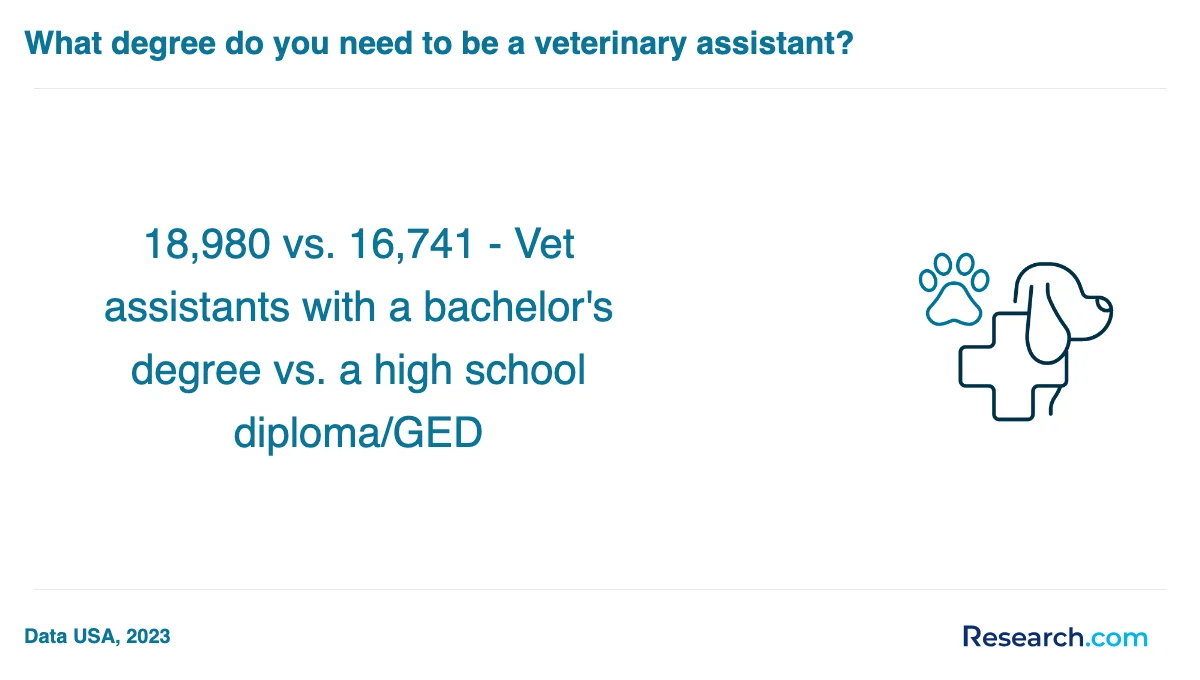
- No formal minimum education is required to start veterinary assistant training in Wyoming, though some employers prefer a high school diploma or GED.
- Wyoming does not require national certification or state licensing, but the NAVTA Approved Veterinary Assistant (AVA) credential can improve job prospects.
- NAVTA-approved programs are not available in-person in Wyoming, but four online programs, including Animal Behavior College, are accessible to residents; the certification exam fee is $100.
- In-state tuition at Wyoming public colleges ranges from about $2,568 to $2,789 per year, with additional costs of $1,000-$1,300 for books and supplies; out-of-state tuition is around $6,500-$6,800 annually.
- Entry-level veterinary assistants in Wyoming typically earn between $25,000 and $30,000 per year, with higher salaries possible through certification or further education.
How long does it take to complete veterinary assistant trade schools in Wyoming?
Completing a veterinary assistant trade school program in Wyoming typically takes between six months and one year, depending on the school and course intensity. Graduates from popular Wyoming trade schools often mention how the manageable length allowed them to quickly enter the workforce without sacrificing the depth of hands-on experience.
For instance, many students appreciate the balance between classroom learning and clinical practice, which helps build confidence rapidly. One graduate shared that by the eighth month, they were already comfortable performing routine tasks in a veterinary clinic, thanks to the practical training emphasized at their trade school.
This relatively short duration is ideal for those eager to start working but still wanting a solid foundation. The focused curriculum at Wyoming's trade schools ensures students can absorb essential skills without unnecessary delays, enabling them to feel prepared and motivated to contribute to animal care soon after graduation.
What's the difference between online and on-campus veterinary assistant trade school programs?
The main difference between online and on-campus veterinary assistant trade school programs in Wyoming lies in how students engage with their training. Graduates from Eastern Wyoming College's on-campus program often recall the hands-on experience working directly with animals-both small and large-in intimate class settings. This face-to-face interaction with instructors and peers helped build their confidence and practical skills quickly, making real-time feedback an invaluable part of their learning journey.
In contrast, those who chose online programs, like the one at Casper College or Eastern Wyoming College's digital option, appreciate the flexibility to study from home at their own pace. These students juggle coursework with jobs or family, enjoying interactive videos and digital modules that cover key subjects such as animal anatomy and lab procedures. However, they must proactively arrange local externships to gain the necessary hands-on experience, which can be a rewarding challenge for self-motivated learners living in rural areas.
Both paths provide solid foundations, but the choice often depends on whether immediate, supervised clinical practice or adaptable scheduling better suits the student's lifestyle and goals.
What is the average cost of veterinary assistant trade schools in Wyoming?
The average cost of veterinary assistant programs in Wyoming varies notably depending on the type of institution and format chosen. For example, graduates from Western Wyoming Community College often share that the $2,795 tuition for their online veterinary assistant course represents a manageable investment, especially considering the flexibility the program offers. Similarly, students at Casper College appreciate their 100% online training available for $2,495, which allows working adults to balance education and other responsibilities while benefiting from competitive tuition fees for veterinary assistant schools in Wyoming.
More comprehensive options, like the Associate of Applied Science degree in Veterinary Assistant at Northwest College in Powell, include tuition fees around $2,789 annually for in-state students, with out-of-state fees rising to about $6,773. Graduates from this program highlight the value of a formal degree for advancing their careers, emphasizing how these tuition fees reflect the deeper knowledge and hands-on experience gained.
However, tuition is only part of the equation. Additional costs such as textbooks, uniforms, and protective equipment frequently add several hundred dollars more to total expenses, which many students find worthwhile given the practical benefits. Prospective students should carefully weigh these figures and take advantage of financial aid options commonly offered across these schools.
For those seeking flexible payment and pacing, some online platforms like Animal Behavior College feature variable tuition from $2,795 to $5,430, catering to diverse budgets and schedules.
Students exploring these options often research accredited online diploma courses to maximize both quality and affordability. Ensuring the program's accreditation helps confirm the education meets industry standards, enhancing future employment opportunities.
What financial aid is available for veterinary assistant trade schools in Wyoming?
Veterinary assistant students in Wyoming often rely on a combination of state grants, scholarships, and federal aid to manage tuition and living expenses while attending popular trade schools like Laramie County Community College or Gillette College. Many graduates recall how the Wyoming Works Grant eased their financial burden by covering up to $1,680 per academic year, allowing them to focus more on hands-on training instead of worrying about bills.
Others highlight the impact of scholarships such as the Tuition for Vet Techs Scholarship, which awards $2,500 to eligible students enrolled in AVMA-accredited programs, including veterinary assistant tracks. Recipients frequently share that this support not only reduced stress but also boosted their confidence in pursuing their career goals.
Federal aid through Pell Grants and student loans also plays a significant role. Completing the FAFSA early opened doors for many to access critical funding. Graduates often describe how combining these financial aids transformed their educational experience, making Wyoming's veterinary assistant programs both attainable and rewarding.
What are the prerequisites for enrolling in veterinary assistant trade schools in Wyoming?
Enrolling in a veterinary assistant trade school program in Wyoming typically requires a few straightforward prerequisites that ensure candidates are prepared and motivated. Most programs ask for a high school diploma or GED, establishing a basic educational foundation. Graduates from popular Wyoming trade schools often recall how this requirement was a simple first step, allowing them to quickly focus on hands-on learning rather than academic hurdles.
Additionally, many programs prefer or require applicants to have a genuine passion for animal care, sometimes demonstrated through volunteer work or prior experience with animals. For example, graduates frequently mention how volunteering at local shelters or farms helped them feel confident and excited during their training, reinforcing the emotional connection to the field.
Common prerequisites also include:
- Proof of immunizations to ensure safety in clinical settings
- Basic background checks, especially for programs involving direct animal handling
- Ability to commit time to both classroom and practical training sessions
These requirements are designed not only to protect students but also to cultivate a supportive learning environment. Graduates often highlight that meeting these clear, manageable prerequisites was encouraging, giving them confidence to pursue their veterinary assistant career in Wyoming's trade schools.
What are the typical courses in veterinary assistant trade schools in Wyoming?
Veterinary assistant trade school programs in Wyoming typically include a well-rounded set of courses designed to prepare students for real-world animal care. Graduates from schools like Eastern Wyoming College often highlight how the curriculum balances classroom theory with hands-on practice, making the learning experience both engaging and practical.
Core courses usually cover:
- Animal anatomy and physiology fundamentals, helping students visualize and understand different species' body systems.
- Animal restraint and handling techniques, teaching safe and humane ways to manage animals during exams-essential for both small pets and large farm animals common in Wyoming.
- Laboratory procedures, where students practice diagnostic testing and sample collection, simulating clinic environments.
- Emergency care and first aid, preparing students to respond calmly in urgent situations.
- Pharmacy and medication administration under supervision, giving insight into veterinary prescriptions.
- Veterinary office skills such as managing records and client communication, which many graduates find invaluable on the job.
Many students appreciate the inclusion of courses addressing Wyoming's agricultural context, like large animal care and vaccination protocols, which reflect the state's rural demands. Others mention how training in nutrition and exotic animal care opened up diverse career pathways. The emphasis on soft skills, particularly effective communication with pet owners and staff, is often described as a confidence booster for entering the workforce.
What are the available specializations in veterinary assistant trade schools in Wyoming?
Veterinary assistant trade school programs in Wyoming commonly offer several specialized tracks that reflect the state's diverse animal care environment. Graduates from Eastern Wyoming College, for example, often highlight their hands-on training in large animal care, which prepares them to work confidently with cattle and horses, a vital skill given Wyoming's extensive livestock industry. This specialization aligns well with careers in rural ranches or wildlife parks.
Other programs emphasize small animal care, equipping students with skills in pet restraint, breed identification, and nutrition. Graduates recall feeling well-prepared to assist in clinics or pet shelters with companion animals like dogs and cats.
Additionally, students can gain expertise in laboratory and diagnostic support, learning sample collection and prescription preparation-essential for roles in clinics that require precision in disease prevention. Popular Wyoming programs also offer courses in veterinary practice management, teaching administrative duties such as appointment scheduling and client communication, which enhance graduates' versatility in busy veterinary offices.
This range of veterinary assistant specializations in Wyoming trade schools allows students to tailor their education toward practical, rewarding career paths. Those interested will find programs with both online and on-campus options, often completable in a year, enabling quick entry into the workforce. For prospective students, considering these specializations is crucial when exploring careers in healthcare.
How do you choose the best veterinary assistant trade school program in Wyoming?
Choosing the best veterinary assistant programs Wyoming offers means prioritizing accreditation, curriculum, and location. Graduates from Eastern Wyoming College praise its AVMA-accredited program for delivering hands-on experience through clinical externships, which boost confidence in real veterinary settings. Online programs, like those at Western Wyoming Community College, provide flexibility and affordability, with courses priced reasonably at $2,495, making them appealing for working students seeking affordable veterinary assistant schools Wyoming.
Equally important is the curriculum; Casper College graduates highlight how comprehensive topics, including animal anatomy and emergency care, prepared them for diverse responsibilities. Consider programs approved by NAVTA to qualify for certifications like the Approved Veterinary Assistant credential, enhancing employment prospects. Many students find proximity a key factor-Northwest College's location in Powell allows easy access to local externships, reducing commute stress.
For those aiming to advance quickly, check program length. Some institutions offer accelerated tracks, aligning with the urgency to start a career. Aspiring assistants should also explore career growth pathways within veterinary fields, often detailed alongside insights on veterinarian jobs with highest salaries.
What career paths are available for veterinary assistant trade school graduates in Wyoming?
Graduates of veterinary assistant trade school programs in Wyoming quickly find a variety of veterinary assistant job opportunities in Wyoming, from private clinics to large animal facilities reflecting the state's ranching culture. Many graduates report fulfilling experiences working in clinics like Animal Medical Center, where assisting veterinarians with patient care and surgical prep builds hands-on skills and confidence.
Beyond these roles, options in animal shelters, research facilities, and emergency veterinary services appeal to those seeking diverse day-to-day work. Popular Wyoming trade schools equip students to handle animals ranging from household pets to horses and cattle, expanding their employability in both urban and rural settings.
For those aiming higher, veterinary technician assistant careers Wyoming offer a rewarding path. Graduates often pursue certification for greater responsibility and pay-Jackson-area technicians, for example, earn competitive wages up to $26 per hour. This progression empowers assistants eager to deepen their expertise and commitment.
Practical experience can also be gained through externships in cities like Casper and Gillette, enriching resumes and networks. For students curious about roles with financial upside, learning more about the highest paying medical job trends provides valuable perspective on advancing in animal healthcare.
What is the job market for veterinary assistant trade school graduates in Wyoming?
The veterinary assistant job market in Wyoming offers steady opportunities for graduates from local trade schools, reflecting a statewide increase in demand for these roles. Although Wyoming's rural landscape limits large-volume hiring, private veterinary offices consistently seek well-trained assistants. Graduates often report finding entry-level positions in cities like Casper and Laramie, where salaries typically range between $22,940 and $37,710 annually, with some areas offering higher pay. Many appreciate that completing a trade school program enhances employability by providing practical skills directly applicable in clinic settings.
Key factors supporting success for veterinary assistant trade school graduates include:
- Hands-on internships and volunteer opportunities that build real-world experience
- Networking through resources like the Wyoming Veterinary Medical Association job boards
- The ability to command salaries competitive with related fields such as veterinary technologists
Understanding what is the education requirements for a veterinarian, including certification options after trade school, often motivates students to fully commit to their studies and improve their job prospects. Graduates commonly describe the satisfaction of entering a consistently growing profession with positive employment outlooks.
For those focused on Wyoming specifically, staying informed on the veterinary assistant salary and employment outlook Wyoming will guide career planning in the state's evolving market.
Frequently Asked Questions about veterinary assistant
After completing a veterinary assistant trade school in Wyoming, preparing for the job market involves several key steps. First, gaining hands-on experience through internships or externships offered by schools can significantly improve employability. Wyoming's veterinary industry often values practical skills alongside formal education.
Networking with local veterinary clinics and professional organizations, such as the Wyoming Veterinary Medical Association, helps graduates access job openings and career advice. Additionally, obtaining certification like the Approved Veterinary Assistant (AVA) credential, though voluntary, can enhance a resume and demonstrate professional competence.
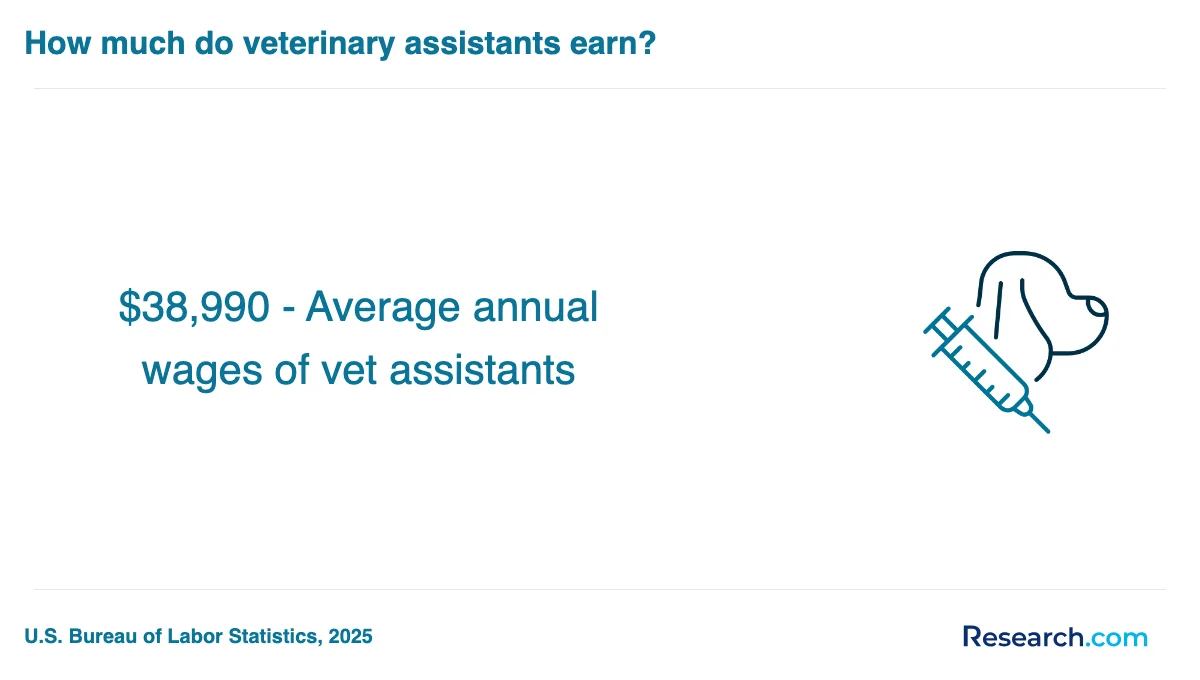
According to the U.S. Bureau of Labor Statistics, veterinary assistants in Wyoming earn a median wage of around $28,000 annually, with job growth expected at 16% through 2031, which is faster than average. Staying informed about these trends supports better career planning.
Employers in Wyoming seek veterinary assistant graduates with a combination of technical and interpersonal skills. Proficiency in animal handling and basic medical procedures is essential, as outlined by the Wyoming Workforce Services. Graduates must demonstrate knowledge of common veterinary tools and safety protocols to support veterinarians effectively.
Strong communication skills are also highly valued. Veterinary assistants frequently interact with pet owners, requiring clear explanation of care instructions and compassionate customer service. According to the U.S. Bureau of Labor Statistics, teamwork and reliability rank among the top traits for success in this role.
Additionally, attention to detail and the ability to maintain accurate medical records are important, ensuring precise documentation of treatments and medications. These skills collectively prepare graduates for employment in Wyoming's growing veterinary care sector.
Finding internships relevant to veterinary assistant trade school programs in Wyoming involves several strategic steps. Start by contacting local veterinary clinics, animal hospitals, and shelters, as many offer hands-on internship opportunities for students. The Wyoming Veterinary Medical Association is a useful resource for locating member clinics that may accept interns.
Additionally, trade schools often have partnerships with local businesses and can provide internship placement assistance. According to the U.S. Bureau of Labor Statistics, internships improve job prospects for veterinary assistants by increasing practical experience.
Students should also explore resources like Wyoming Workforce Services, which lists healthcare internships and training programs. Networking with instructors and attending local job fairs can further enhance internship opportunities.
Obtaining a veterinary assistant trade school diploma in Wyoming can significantly enhance career mobility and advancement. This credential equips graduates with practical skills and knowledge, making them competitive candidates for entry-level positions in veterinary clinics, animal shelters, and research facilities. According to the Wyoming Department of Workforce Services, veterinary assistants with formal training tend to earn higher starting wages compared to those without credentials.
Additionally, a diploma often serves as a stepping stone towards more advanced roles, such as veterinary technician or practice manager. Employers in Wyoming frequently prefer candidates with verified education, which can improve job stability and promotion prospects.
Trade schools also provide networking opportunities and connections with local veterinary professionals, further supporting career growth within the state.
Students enrolled in veterinary assistant trade schools in Wyoming can benefit from various part-time job opportunities that align with their studies. Positions such as veterinary receptionist, animal care attendant, or kennel assistant are common options. These roles provide hands-on experience with animal handling, office duties, and basic medical tasks, which complement classroom learning.
Wyoming's rural and agricultural economy also offers opportunities in livestock farms or animal shelters, where students can gain practical skills. According to the U.S. Bureau of Labor Statistics, veterinary assistants in Wyoming earn an average hourly wage of around $12 to $14, making part-time work financially supportive during training.
Engaging in these jobs helps build professional networks and enhances resumes for future veterinary careers.
Yes, there are veterinary assistant programs that are considered affordable and accessible, including those near Wyoming. When looking for affordable options near me, it's beneficial to consider community colleges or vocational schools, as they often offer cost-effective training programs. Research.com is a useful resource for finding programs and universities that fit your geographic and financial preferences, ensuring you can find the educational opportunities needed to pursue a career in veterinary assistance.
Related Veterinary Assistant Rankings for Nearby States
- Most Affordable Veterinary Assistant Schools & Training - Budget-Friendly Veterinary Assistant Trade Programs in Montana for 2026
- Most Affordable Veterinary Assistant Schools & Training - Budget-Friendly Veterinary Assistant Trade Programs in Colorado for 2026
- Most Affordable Veterinary Assistant Schools & Training - Budget-Friendly Veterinary Assistant Trade Programs in Iowa for 2026
- Most Affordable Veterinary Assistant Schools & Training - Budget-Friendly Veterinary Assistant Trade Programs in Nevada for 2026
- Most Affordable Veterinary Assistant Schools & Training - Budget-Friendly Veterinary Assistant Trade Programs in Minnesota for 2026
- Most Affordable Veterinary Assistant Schools & Training - Budget-Friendly Veterinary Assistant Trade Programs in Arizona for 2026
- Most Affordable Veterinary Assistant Schools & Training - Budget-Friendly Veterinary Assistant Trade Programs in New Mexico for 2026
- Most Affordable Veterinary Assistant Schools & Training - Budget-Friendly Veterinary Assistant Trade Programs in Wisconsin for 2026
- Most Affordable Veterinary Assistant Schools & Training - Budget-Friendly Veterinary Assistant Trade Programs in Illinois for 2026
- Most Affordable Veterinary Assistant Schools & Training - Budget-Friendly Veterinary Assistant Trade Programs in Indiana for 2026
Top Trending Rankings
References
- 5 Career Paths for Veterinary Assistants - HCI College https://www.hci.edu/hci-news/23660-5-career-paths-for-veterinary-assistants
- Your Veterinary Assistant Career Guide (Salary, Job Duties, & Requirements) | Penn Foster https://www.pennfoster.edu/blog/your-veterinary-assistant-career-guide-salary-job-duties-requirements
- Train for a Veterinary Assistant Career with ICH! - Integrity College of Health https://ich.edu/blog/train-for-a-veterinary-assistant-career-with-ich/
- 12 Alternative Career Paths for Veterinary Techs https://unity.edu/careers/alternative-career-paths-vet-techs/
- Veterinary Assistant Career Exploration and Expansion https://blackstone.edu/veterinary-assistant-career-exploring/
- Veterinary Assistant https://www.cpp.edu/cpge/professional-development/online-learning/career-training/vet-assistant.shtml
- Should I train to work as a Veterinary Assistant? - San Joaquin Valley College https://www.sjvc.edu/blog/is-a-career-as-a-veterinary-assistant-right-for-me/
- Riverton, WY Veterinary Jobs – The Stock Doc Veterinary Services https://rivertonvet.com/riverton-wy-veterinary-jobs/
- Veterinary Assistant – Casper College https://www.caspercollege.edu/programs-courses/continuing-education/businesses/veterinary-assistant/
- Vet Assistant Schools in WY - Near You & Awesome https://vettechnicians.org/vet-assistant/wy/


