
Most Affordable Veterinary Assistant Schools & Training - Budget-Friendly Veterinary Assistant Trade Programs in Illinois for 2026

Co-Founder and Chief Data Scientist
Choosing the right veterinary assistant trade school in Illinois can feel overwhelming. That’s why this article presents a carefully crafted ranking of the most affordable programs, developed by the Research.com team of data scientists.
By exploring these options, you’ll gain clarity on which schools offer quality training without breaking the bank. Earning a veterinary assistant diploma or certification opens doors to a rewarding career working with animals and making a difference.
Whether you’re starting fresh or changing paths, this guide helps you take confident steps toward your goal.
Key benefits of finishing veterinary assistant trade school in Illinois
- Graduates of veterinary assistant trade schools in Illinois can expect an average annual salary around $34,822, with opportunities to earn up to $48,540 as they gain experience and advance their skills.
- Career paths include working in busy veterinary clinics, animal shelters, or specialty practices, offering diverse and rewarding roles like assisting veterinarians or managing animal care.
- Completing a veterinary assistant program online provides flexibility for busy schedules and often faster completion, allowing graduates to enter the workforce quickly while balancing other responsibilities.
What can I expect from veterinary assistant trade schools in Illinois?
Enrolling in a veterinary assistant trade school program in Illinois means diving into a curriculum that combines hands-on learning with essential theory. Graduates from programs like those at Lincoln Land Community College often share how evening classes balanced with a 60-hour externship helped them gain real-world skills in animal restraint and emergency care. Imagine attending hybrid courses at colleges such as the College of DuPage, where you engage live via Zoom and complete assignments on Blackboard, all while practicing exam room procedures and surgical prep.
Students typically find themselves mastering not just animal anatomy and pharmacology terminology but also client relations and professional communication. Many describe the experience as both challenging and rewarding, especially when preparing for externships that require scrubs, background checks, and CPR certification. With tuition ranging from $1,499 to $2,490, students appreciate the inclusion of textbooks and lab fees, though budgeting for extras is wise.
Information sessions before classes start help clarify expectations and introduce key topics like field mathematics and ethics, setting a confident tone. Graduates often highlight how the program sharpens their resume and interview skills, leaving them optimistic about entering a growing job market across clinics, shelters, and hospitals in Illinois.
Where can I work after finishing veterinary assistant trade schools in Illinois?
After completing a veterinary assistant trade school program in Illinois, many graduates find themselves quickly employed in private veterinary clinics and animal hospitals, especially in bustling cities like Chicago. These roles often involve hands-on work such as preparing animals for exams and assisting during procedures, which graduates from popular Illinois trade schools describe as rewarding and energizing. One graduate shared how their training allowed them to confidently support veterinarians in busy clinic settings, turning classroom knowledge into real-life skills.
Beyond clinics, numerous opportunities arise in animal shelters and humane societies across Illinois, where assistants play a vital role in daily animal care and adoption processes. Graduates often express fulfillment working with shelter animals, noting the meaningful impact they make.
Some also explore careers in animal rehabilitation centers, research labs, or boarding kennels, where their skills in animal handling and basic medical care are highly valued. Others find unique paths as veterinary receptionists or in veterinary supply companies, blending animal care with administrative tasks. The variety of career paths reflects the practical, hands-on training Illinois trade schools provide, inspiring confidence and optimism for the future.
How much can I make after finishing veterinary assistant trade schools in Illinois?
After finishing a veterinary assistant trade school program in Illinois, graduates often find themselves earning between $14.66 and $18.41 per hour. Many from well-known Illinois trade schools share how starting at around $16.71 hourly feels rewarding, especially when balancing part-time work and continuing education. One graduate described the excitement of landing a full-time position that translates to roughly $34,770 annually, making the training feel worthwhile.
Those working in the Chicago area often report even higher wages, with averages near $17 to $18.60 per hour and some hitting $20 to $24 per hour at larger clinics. These numbers spark hope for recent graduates aiming for urban veterinary hospitals where demand and pay are stronger. In contrast, graduates in smaller Illinois cities like Carbondale or Champaign experience lower pay but appreciate the opportunity to gain hands-on experience and build skills.
Many graduates express pride in starting their careers with solid wages and see room for growth through experience and specialized training, which trade schools emphasize during their programs.
Most Affordable Veterinary Assistant Schools & Training - Budget-Friendly Veterinary Assistant Trade Programs in Illinois for 2026
# 1 position
Southeastern Illinois College - Veterinary/Animal Health Technology/Technician and Veterinary Assistant.
associateSoutheastern Illinois College offers a Veterinary/Animal Health Technology/Technician and Veterinary Assistant program accredited by the Higher Learning Commission. The program trains students to assist veterinarians and other professionals in animal care, clinical procedures, and patient management. It covers topics such as animal nursing, clinical pathology, radiology, surgical assisting, and office administration. Annual in-state tuition is $4,320.
# 2 position
Southeastern Illinois College - Veterinary/Animal Health Technology/Technician and Veterinary Assistant.
certificate or diplomaSoutheastern Illinois College offers a program in Veterinary/Animal Health Technology/Technician and Veterinary Assistant that trains individuals to assist veterinarians and animal care professionals. The curriculum covers animal nursing, health and nutrition, clinical pathology, radiology, anesthesiology, surgical assisting, and office administration. The program is accredited by the Higher Learning Commission. Annual in-state tuition is $4,320, providing focused training in patient and owner management within veterinary settings.
# 3 position
Rend Lake College - Veterinary/Animal Health Technology/Technician and Veterinary Assistant.
certificate or diplomaRend Lake College offers a program in Veterinary/Animal Health Technology/Technician and Veterinary Assistant that prepares students to assist veterinarians and other animal professionals in patient care and clinical procedures. The curriculum covers animal nursing, health, nutrition, clinical pathology, radiology, anesthesiology, surgical assisting, laboratory procedures, and office administration. The program is accredited by the Higher Learning Commission, with an annual in-state tuition of $4,500.
# 4 position
Black Hawk College - Veterinary/Animal Health Technology/Technician and Veterinary Assistant.
associateBlack Hawk College offers a program in Veterinary/Animal Health Technology/Technician and Veterinary Assistant, preparing students to assist veterinarians and animal specialists in patient care and clinical procedures. The curriculum covers animal nursing, health, nutrition, clinical pathology, radiology, anesthesia, surgical assisting, and office administration. The program is accredited by the Higher Learning Commission, with an annual in-state tuition of $4,920.
# 5 position
Black Hawk College - Veterinary/Animal Health Technology/Technician and Veterinary Assistant.
certificate or diplomaBlack Hawk College offers a program in Veterinary/Animal Health Technology/Technician and Veterinary Assistant that prepares students to assist veterinarians and related professionals in patient care and clinical procedures. The curriculum includes animal nursing, health and nutrition, clinical pathology, radiology, anesthesiology, surgical assisting, and office administration. The program is accredited by the Higher Learning Commission, and the annual in-state tuition is $4,920.
# 6 position
Joliet Junior College - Veterinary/Animal Health Technology/Technician and Veterinary Assistant.
associateJoliet Junior College offers a program in Veterinary/Animal Health Technology/Technician and Veterinary Assistant that prepares students to assist veterinarians and animal specialists with patient care and clinical procedures. The curriculum covers animal nursing, health, nutrition, clinical pathology, radiology, anesthesiology, dental prophylaxis, surgical assisting, laboratory procedures, and office administration. The annual in-state tuition is $4,530, and the program is accredited by the Higher Learning Commission.
# 7 position
Joliet Junior College - Veterinary/Animal Health Technology/Technician and Veterinary Assistant.
certificate or diplomaJoliet Junior College offers a Veterinary/Animal Health Technology/Technician and Veterinary Assistant program accredited by the Higher Learning Commission. This program prepares students to assist veterinarians and animal specialists with patient care, clinical procedures, and owner communication. Coursework includes animal nursing, clinical pathology, radiology, anesthesiology, surgical assisting, and office administration. Annual in-state tuition is $4,530, providing practical training in animal health and clinical support skills.
# 8 position
Parkland College - Veterinary/Animal Health Technology/Technician and Veterinary Assistant.
associateParkland College offers a program in Veterinary/Animal Health Technology/Technician and Veterinary Assistant that prepares students to assist veterinarians and animal health professionals in patient care and clinical procedures. The curriculum includes animal nursing, health and nutrition, clinical pathology, radiology, anesthesiology, surgical assisting, and office administration. The program is accredited by the Higher Learning Commission. Annual in-state tuition is $4,284.
# 9 position
Fox College - Veterinary/Animal Health Technology/Technician and Veterinary Assistant.
associateFox College offers a program in Veterinary/Animal Health Technology/Technician and Veterinary Assistant that prepares students to assist veterinarians and animal health professionals with patient care and clinical procedures. The curriculum covers animal nursing, clinical pathology, radiology, anesthesiology, surgical assisting, and office administration. The program is accredited by the Higher Learning Commission. Annual in-state tuition is $17,190.
# 10 position
Stautzenberger College-Rockford Career College - Veterinary/Animal Health Technology/Technician and Veterinary Assistant.
certificate or diplomaStautzenberger College-Rockford Career College offers a program in Veterinary/Animal Health Technology/Technician and Veterinary Assistant, preparing students to assist veterinarians and animal health professionals. The curriculum covers animal nursing care, clinical procedures, radiology, anesthesiology, surgical assisting, and office administration. The program is accredited by the Accrediting Commission of Career Schools and Colleges. Annual in-state tuition is $16,699.
Key Findings
- Admission to veterinary assistant programs in Illinois is generally straightforward, with no formal state-mandated educational prerequisites, though some schools may have special criteria.
- Program length and format vary, often including hybrid or online courses with hands-on training, covering topics like animal restraint and medical terminology.
- The College of DuPage charges $1,499 for its veterinary assistant program for the Fall 2025 semester, with some schools offering payment plans.
- Passing the Approved Veterinary Assistant (AVA) exam requires renewal every two years and continuing education credits.
- The average annual salary for veterinary assistants in Illinois is $29,890, with the job market expected to grow by 15% by 2030.
How long does it take to complete veterinary assistant trade schools in Illinois?
Completing a veterinary assistant trade school program in Illinois typically takes about six months to one year, depending on the school and course format. Many graduates from well-known Illinois trade schools share how this timeframe allowed them to quickly gain hands-on experience while balancing part-time jobs or family commitments. For example, some found the accelerated courses intense but rewarding, finishing their certification just in time to start entry-level roles at local animal clinics.
Others appreciated the flexible scheduling options that included evening and weekend classes, which made it easier to complete the program without sacrificing other responsibilities. These students often describe a sense of accomplishment and excitement, knowing they are on a direct path to working with animals professionally in their own communities.
Trade schools in Illinois frequently combine practical labs with real-world externships, so students can see the immediate impact of their learning. This approach not only speeds up skill acquisition but also boosts confidence, making the relatively short completion time feel both efficient and fulfilling.
What's the difference between online and on-campus veterinary assistant trade school programs?
Online and on-campus veterinary assistant trade school programs in Illinois mainly differ in how students experience their education. Graduates from online programs at schools like Lewis University appreciate the flexibility of studying animal care and veterinary procedures through videos and eBooks, fitting coursework around busy work or family lives. Many share how optional externships at local clinics helped them gain hands-on skills despite learning remotely.
On the other hand, students attending on-campus or hybrid programs, such as those at the College of DuPage, value the structured in-person labs and immediate access to instructors. They often describe the confidence gained from practicing animal handling and surgical prep face-to-face with peers, making the learning feel more tangible and interactive.
Technical requirements also shape the experience: online learners rely on steady internet and devices, while on-campus students manage commuting and fixed schedules. Both paths offer externships, but the way practical experience is integrated varies, creating distinct yet rewarding journeys for Illinois veterinary assistant students.
What is the average cost of veterinary assistant trade schools in Illinois?
The average cost veterinary assistant programs Illinois students consider typically range from $600 to $3,000 depending on the program format and institution. Those who choose trade schools with in-person classes often pay closer to the $1,500 to $3,000 range for programs that last several months and include hands-on training. Graduates from these programs frequently share their satisfaction with the immersive experience and practical skills gained, making the tuition fees feel like a worthwhile investment.
Veterinary assistant program tuition fees Illinois also include options for online learning, which tend to be more affordable, usually between $600 and $1,800. For example, online trade schools offer flexible schedules that many students appreciate, especially those balancing work or family commitments. These students often emphasize how cost-effective and convenient the online path was for them while still providing a solid foundation in veterinary care.
Additional expenses to consider include books, supplies, and uniforms, costing anywhere from $70 to $270 in total. Many graduates mention that these costs can be offset by programs that bundle materials or offer discounts. Since Illinois doesn't require veterinary assistant licensure, students often pursue certification voluntarily to boost job prospects, feeling confident that their credentials will pay off.
For those curious about easy trades to learn that pay well without a degree, veterinary assisting is a promising option. The combination of manageable tuition fees at Illinois trade schools and the ability to quickly enter the workforce makes this path appealing to many aspiring animal care professionals.
What financial aid is available for veterinary assistant trade schools in Illinois?
Veterinary assistant students in Illinois often find relief through multiple financial aid options tailored to their needs. Graduates from schools like Vet Tech Institute and Fox College frequently share how completing the FAFSA opened doors to Federal Pell Grants and Supplemental Educational Opportunity Grants, which helped them cover significant portions of tuition without adding debt. Many have also benefited from the Illinois Monetary Award Program (MAP) Grant, a state-funded resource that eases tuition costs for residents by rewarding financial need determined through FAFSA.
Beyond grants, personalized financial aid counseling at these trade schools guides students to explore institutional scholarships and flexible payment plans, making monthly budgeting manageable. One graduate recalls how freezing tuition rates at their school provided peace of mind throughout their program.
Veterans studying veterinary assisting appreciate access to education benefits tailored to their service, enhancing affordability. While federal aid may be limited for non-credit programs, those students often find that lower tuition and payment plans enable them to pursue their passion without overwhelming loans.
What are the prerequisites for enrolling in veterinary assistant trade schools in Illinois?
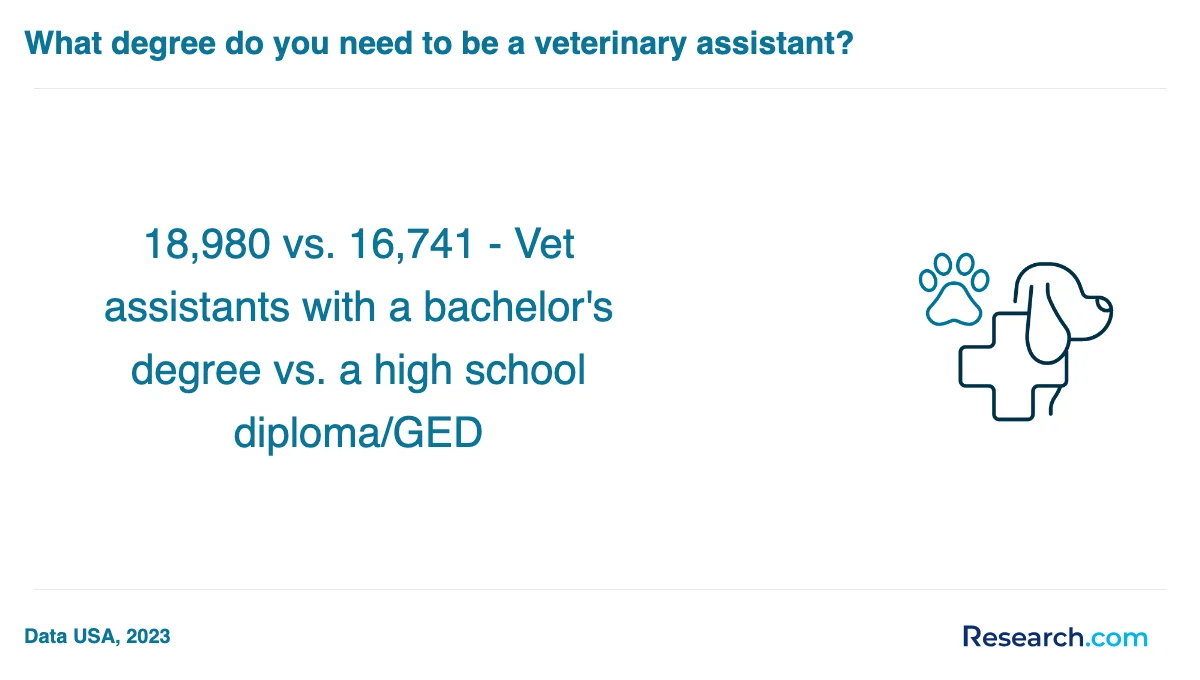
Enrolling in a veterinary assistant trade school program in Illinois usually requires a straightforward set of prerequisites designed to welcome motivated students. Most schools expect applicants to have a high school diploma or equivalent, which sets a solid foundation for the hands-on training ahead.
Graduates from popular Illinois trade schools often share how their prior experience with animals, whether through volunteer work at shelters or caring for pets at home, gave them a confident edge during enrollment. This practical background isn't always mandatory but is highly encouraged to boost your readiness.
Common prerequisites include:
- Proof of high school completion or GED
- Basic proficiency in reading and math to handle coursework
- Some schools may require a TB test or immunization records due to clinical placements
- Pass a background check in programs affiliated with veterinary clinics
Imagine walking into a bustling trade school in Chicago, where instructors appreciate students who arrive prepared with genuine enthusiasm and a little animal care experience. This blend of formal education and heartfelt passion often shapes the most rewarding veterinary assistant journeys in Illinois.
What are the typical courses in veterinary assistant trade schools in Illinois?
Veterinary assistant trade school programs in Illinois typically include courses that build both practical skills and scientific knowledge crucial for success. Graduates often recall how foundational classes in animal anatomy and physiology helped them confidently assist vets in real clinics. These courses cover:
- Introduction to veterinary science focusing on disease recognition and prevention
- Animal nursing skills such as feeding, medication administration, and pre/post-surgical care
- Animal restraint and handling techniques ensuring safety for both animals and staff
Many students share excitement about hands-on labs and externships offered by popular Illinois schools, where they practiced surgical prep, radiology basics, and lab procedures. The inclusion of veterinary practice management courses prepares students for the business side of veterinary care, including record keeping, billing, and client communication.
Customer relations training is another highlight, as it equips students to compassionately educate pet owners on nutrition and vaccinations. Some programs even explore veterinary dentistry, emergency care, and working with exotic or large animals, broadening career possibilities.
Overall, these courses create a well-rounded experience that graduates describe as rewarding and empowering, perfectly suited to Illinois' growing veterinary job market.
What are the available specializations in veterinary assistant trade schools in Illinois?
Veterinary assistant trade school programs in Illinois offer a diverse range of specializations tailored to equip students with hands-on skills and deep knowledge essential for animal care. Graduates from popular programs like Southeastern Illinois College and Moraine Valley Community College often highlight their training in areas such as small animal nursing, veterinary practice management, surgical assisting, and diagnostic imaging, which prepare them to confidently assist veterinarians in real-world settings.
Many programs also emphasize specialized training including:
- Pharmacology and pharmacy procedures
- Laboratory techniques and safety
- Animal behavior, handling, and husbandry
- Radiology and emergency care
- Client communication and education
This focus on varied specializations reflects the complexity of animal healthcare roles, whether in private practices, veterinary hospitals, or animal shelters. Some Illinois programs go beyond basics by including exotic animal and wildlife management, granting students a broader scope of practice. These comprehensive courses align well with the [veterinarian salary](https://research.com/careers/vet-careers-guide-to-career-paths-options-and-salary) growth outlook, motivating students to pursue advanced skills.
Students often describe their experience as rewarding, gaining invaluable insight into clinical pathology and veterinary anatomy, which builds confidence and ensures readiness for the dynamic veterinary environment.
How do you choose the best veterinary assistant trade school program in Illinois?
Choosing the best veterinary assistant programs in Illinois means starting with accreditation. Graduates from schools like Heartland Community College often share how AVMA-accredited programs gave them confidence in their skills and better job opportunities. When you compare veterinary assistant schools Illinois, look closely at program formats-some students appreciate Joliet Junior College for its smaller classes and hands-on learning, which creates a supportive and engaging environment. Location matters too; selecting a campus close to home or with flexible online options can ease balancing studies with daily life.
Tuition and overall costs vary widely in Illinois, from affordable in-district rates at Rend Lake College to higher fees at others, so it's smart to consider financial aid availability. Hearing from alumni who praise strong career services and positive job placement rates can help you envision your own success. To better understand how these programs differ, it's useful to explore resources like a trade school program vs vocational program and see what fits your goals.

What career paths are available for veterinary assistant trade school graduates in Illinois?
Veterinary assistant trade school graduates in Illinois enjoy a broad range of career opportunities tailored to their skills and interests. Many graduates find fulfilling veterinary assistant jobs in Illinois within animal hospitals, veterinary clinics, and animal shelters, where they support veterinarians by handling animals, assisting in procedures, and managing patient records. Graduates from popular trade schools often share how real-world clinical experience gained during training helped them confidently step into these roles.
Beyond traditional clinical settings, career opportunities for veterinary assistants Illinois include working in specialized practices like animal dentistry or dermatology, as well as in kennels, pet shops, and boarding facilities. Some graduates pursue roles in research facilities or laboratory animal care, supporting university or private sector studies that advance animal health.
- Animal hospitals and veterinary clinics
- Animal shelters and rescue organizations
- Laboratory and research facilities
- Pet shops, kennels, and boarding
Graduates often describe the pride they feel contributing to animal welfare daily and how their certificate opens doors to further education, such as veterinary technician programs or even veterinary degrees. For those curious about what is the education requirement for a veterinarian, such paths are a natural next step after gaining hands-on experience in Illinois.
What is the job market for veterinary assistant trade school graduates in Illinois?
The veterinary assistant job outlook in Illinois is optimistic for graduates of trade school programs, reflecting steady demand and growth. Many recent graduates from Illinois trade schools share positive experiences finding roles in veterinary clinics, animal hospitals, and shelters throughout both urban and suburban areas. Their stories often feature quick placements and satisfying work environments where hands-on skills gained during training directly translate to real-world tasks.
Key aspects shaping this vibrant job market include:
- A projected 15% increase in veterinary assistant positions by 2030, outpacing many similar support roles.
- Employment settings ranging from local vaccination clinics to larger veterinary hospitals offering varied daily responsibilities.
- Average hourly pay around $16.71, with top employers providing up to $20.79, encouraging graduates to pursue specialized certifications for greater advancement.
Students appreciate how Illinois trade schools emphasize practical experience, enabling smooth entry into this rewarding field. For those evaluating earnings potential, veterinary assistant salary trends Illinois show competitive wages, making it a worthwhile investment. Additionally, exploring the highest paying medical job data can inspire graduates aiming to scale their careers within or beyond assistant roles.
Frequently Asked Questions about veterinary assistant
After completing a veterinary assistant trade school program in Illinois, preparing for the job market involves several key steps. First, graduates should obtain certification through the Illinois Veterinary Assistant Certification Program, which enhances credibility and employability. According to the Illinois Department of Employment Security, veterinary assistant positions are expected to grow by 15% from 2022 to 2032, indicating strong job prospects. Networking with local veterinary clinics and attending job fairs can help secure positions. Additionally, gaining practical experience through internships or volunteer work at animal shelters improves skills and resumes. Staying current with continuing education opportunities also supports career advancement in this field.
Employers in Illinois seek veterinary assistant graduates with a mix of technical and interpersonal skills. Key abilities include animal handling, understanding medical terminology, and performing basic lab tests safely. According to the Illinois Department of Employment Security, strong communication skills are essential, as assistants often interact with pet owners and veterinary staff.
Proficiency in administrative tasks such as scheduling and record-keeping is also highly valued. Many clinics emphasize the importance of teamwork and adaptability, given the fast-paced nature of veterinary environments. Practical experience gained through trade school externships significantly improves job prospects in Illinois's competitive market.
Finding internships in Illinois relevant to veterinary assistant trade school programs involves several strategic steps. Start by contacting your trade school's career services or internship coordinator, as many schools maintain partnerships with local veterinary clinics and animal hospitals.
Additionally, explore opportunities through the Illinois Veterinary Medical Association (IVMA), which often lists internships and externships suitable for students. According to the IVMA, internships in Illinois veterinary practices increased by 12% from 2020 to 2023, reflecting growing practical training availability.
Networking with local veterinary offices, animal shelters, and wildlife rehabilitation centers can also uncover unpaid or paid internships. Online platforms like the American Veterinary Medical Association's (AVMA) career center provide searchable listings, including Illinois-specific roles. Early application and demonstrating relevant skills from your coursework improve chances of securing a position.
Obtaining a veterinary assistant trade school diploma in Illinois significantly enhances career mobility and advancement opportunities. According to the Illinois Department of Employment Security, veterinary support occupations are projected to grow by 16% from 2022 to 2032, faster than the average for all jobs. A diploma provides essential hands-on training and industry-recognized skills, making graduates more competitive in the job market.
Employers in Illinois often prefer candidates with formal education, as diplomas demonstrate commitment and foundational knowledge in animal care and clinical procedures. This credential can lead to higher starting wages, which average around $14-$17 per hour statewide.
Additionally, diploma holders may find it easier to transition into related roles such as veterinary technician or clinic manager, supporting long-term career growth. Registered Veterinary Assistant (RVA) certification, attainable post-diploma, further boosts credibility and advancement potential.
Students enrolled in veterinary assistant trade schools in Illinois often seek part-time jobs that provide practical experience alongside their studies. Common opportunities include working as veterinary receptionists, kennel assistants, or animal care aides. These roles help students develop hands-on skills such as animal handling, basic medical procedures, and client communication.
According to the U.S. Bureau of Labor Statistics, the Chicago metropolitan area employs a significant portion of veterinary assistants in Illinois, making urban clinics and animal shelters prime employers. Part-time work in these settings typically offers flexible hours suited to student schedules.
Additionally, volunteering at animal shelters or rescue organizations can enhance a student's resume and practical expertise, complementing formal education effectively.
Yes, there are affordable Veterinary Assistant degree programs available near Illinois. Prospective students can consider community colleges or technical schools, often providing lower tuition rates compared to traditional universities, and offering practical, hands-on training for a career as a Veterinary Assistant. Research.com can be a helpful resource to compare various programs and institutions near me to find the most cost-effective options that align with your educational needs and career goals.
Related Veterinary Assistant Rankings for Nearby States
- Most Affordable Veterinary Assistant Schools & Training - Budget-Friendly Veterinary Assistant Trade Programs in Indiana for 2026
- Most Affordable Veterinary Assistant Schools & Training - Budget-Friendly Veterinary Assistant Trade Programs in Wisconsin for 2026
- Most Affordable Veterinary Assistant Schools & Training - Budget-Friendly Veterinary Assistant Trade Programs in Iowa for 2026
- Most Affordable Veterinary Assistant Schools & Training - Budget-Friendly Veterinary Assistant Trade Programs in Michigan for 2026
- Most Affordable Veterinary Assistant Schools & Training - Budget-Friendly Veterinary Assistant Trade Programs in Minnesota for 2026
- Most Affordable Veterinary Assistant Schools & Training - Budget-Friendly Veterinary Assistant Trade Programs in Ohio for 2026
- Most Affordable Veterinary Assistant Schools & Training - Budget-Friendly Veterinary Assistant Trade Programs in Pennsylvania for 2026
- Most Affordable Veterinary Assistant Schools & Training - Budget-Friendly Veterinary Assistant Trade Programs in Virginia for 2026
- Most Affordable Veterinary Assistant Schools & Training - Budget-Friendly Veterinary Assistant Trade Programs in North Carolina for 2026
- Most Affordable Veterinary Assistant Schools & Training - Budget-Friendly Veterinary Assistant Trade Programs in Florida for 2026
Top Trending Rankings
References
- Veterinary Assistant Program | Ross Education https://rosseducation.edu/programs/veterinary-assistant.php
- Online Veterinary Assistant Program | Self-Paced Course https://www.uscareerinstitute.edu/online-veterinary-assistant-school
- Veterinary Assistant Program https://trocaire.edu/academics/workforce-development/veterinary-assistant-program/
- Veterinary Assistant https://www.cpp.edu/cpge/professional-development/online-learning/career-training/vet-assistant.shtml
- Online Vet Tech Program - Associate Degree | Penn Foster https://www.pennfoster.edu/programs/veterinary/veterinary-technician-associate-degree
- 5 Career Paths for Veterinary Assistants - HCI College https://www.hci.edu/hci-news/23660-5-career-paths-for-veterinary-assistants
- 12 Alternative Career Paths for Veterinary Techs https://unity.edu/careers/alternative-career-paths-vet-techs/
- Train for a Veterinary Assistant Career with ICH! - Integrity College of Health https://ich.edu/blog/train-for-a-veterinary-assistant-career-with-ich/
- Veterinary Assistant Career Exploration and Expansion https://blackstone.edu/veterinary-assistant-career-exploring/
- Online Vet Assistant Programs & Trade Schools https://www.best-trade-schools.net/programs/vet-services/vet-assistant/


