
Best Veterinary Assistant Training Programs & Trade Schools - Top Veterinary Assistant Schools in Illinois for 2026

Co-Founder and Chief Data Scientist
Choosing the right veterinary assistant trade school in Illinois can feel overwhelming, but it doesn’t have to be. This article introduces a carefully crafted ranking of veterinary assistant programs, developed by the Research.com team of data scientists, to guide you toward the best options available for 2026.
Whether you’re starting a new career or enhancing your skills, earning a diploma or certification opens doors to rewarding work with animals. Reading this article will help you make an informed decision and take confident steps toward your future in veterinary care.
Key benefits of finishing veterinary assistant trade school in Illinois
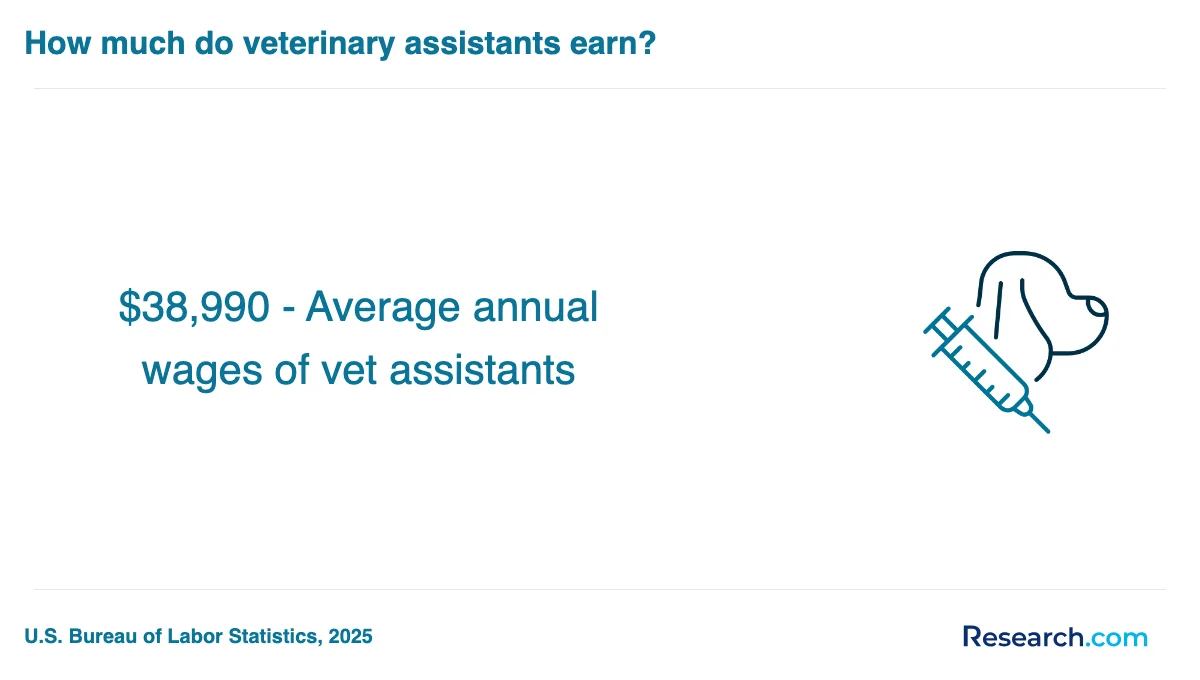
- Graduates of veterinary assistant trade schools in Illinois can expect an average annual salary around $34,822, with hourly wages typically between $16.71 and $18.60, and higher pay in cities like Chicago reaching up to $20.37 per hour.
- Career paths include working in general veterinary clinics, emergency animal hospitals, or specialty practices, offering diverse opportunities for growth and hands-on experience after graduation.
- Completing a veterinary assistant program online offers flexibility and convenience, allowing students to balance work or family while gaining practical skills, as many online graduates report smooth transitions into local veterinary roles.
What can I expect from veterinary assistant trade schools in Illinois?
When you enroll in a veterinary assistant trade school program in Illinois, expect a balanced mix of classroom learning and hands-on experience. Graduates from Lincoln Land Community College often recall the 60-hour externship as a pivotal moment-applying their skills directly in veterinary clinics, assisting with surgical prep, lab work, and radiology. This real-world exposure builds confidence and practical know-how.
At the College of DuPage, students appreciate the hybrid format that blends online and in-person classes, offering flexibility while maintaining engagement. They also mention the informative orientation sessions that prepare them for the physical demands and ethical responsibilities of the role.
Many programs, like those at the University of Illinois at Springfield, offer fully online, self-paced options, ideal for balancing work or family. Coursework covers everything from animal anatomy to veterinary office practices, ensuring you're ready for various settings, from small pets to exotic animals.
Students find the minimal prerequisites welcoming, and though tuition ranges from roughly $1,500 to $2,500, payment plans help ease financial pressure. NAVTA approval is a key indicator of quality, ensuring your training aligns with industry standards and readies you for the AVA exam.
Where can I work after finishing veterinary assistant trade schools in Illinois?
After finishing a veterinary assistant trade school program in Illinois, you'll find many rewarding job opportunities waiting for you. Graduates often start their careers in private veterinary clinics or animal hospitals, especially in cities like Chicago or smaller towns across the state. Imagine stepping into a busy clinic, helping veterinarians with animal restraint and prepping pets for surgery-these hands-on roles give you real satisfaction daily.
Many graduates from popular Illinois trade schools share how they quickly found work with employers like VCA Animal Hospitals or Banfield Pet Hospital. Some even take on combined roles, assisting with both animal care and front-desk duties, which adds variety and hones valuable skills. Others find fulfilling positions in animal shelters or rescue groups, where they help care for pets awaiting adoption, making a meaningful difference in the community.
The best part is trade school graduates don't usually need state licensure to start working, so you can jump right into your career. Whether you prefer a fast-paced emergency clinic or a calm rehabilitation center, Illinois offers diverse paths for veterinary assistants eager to make an impact.
How much can I make after finishing veterinary assistant trade schools in Illinois?
After finishing a veterinary assistant trade school program in Illinois, you can expect to earn an average annual salary around $34,800. Many graduates from popular Illinois trade schools share that starting salaries typically range from $28,000 to $42,000, depending on location and employer. For example, those working in Chicago often earn higher wages, with hourly rates averaging about $17.76 and sometimes reaching up to $24 per hour in specialty clinics or emergency care settings.
Graduates in smaller cities like Peoria or Champaign-Urbana report more modest earnings, around $27,000 to $28,500 annually, which still provides a solid entry-level income. Working in rural areas can mean starting closer to $21,400 a year, but many find the close-knit work environment rewarding. Many new veterinary assistants express excitement about how their training opens doors to positions in reputable animal hospitals, including those affiliated with Veterinary Centers of America (VCA), where wages and advancement opportunities tend to be higher.
These real-world earnings show that completing a trade school program in Illinois offers a dependable paycheck while building valuable experience in a growing, caring profession.
Best Veterinary Assistant Training Programs & Trade Schools - Top Veterinary Assistant Schools in Illinois for 2026
# 1 position
Joliet Junior College - Veterinary/Animal Health Technology/Technician and Veterinary Assistant.
associateJoliet Junior College offers a program in Veterinary/Animal Health Technology/Technician and Veterinary Assistant that prepares students to assist veterinarians and animal specialists with patient care and clinical procedures. The curriculum covers animal nursing, health, nutrition, clinical pathology, radiology, anesthesiology, dental prophylaxis, surgical assisting, laboratory procedures, and office administration. The annual in-state tuition is $4,530, and the program is accredited by the Higher Learning Commission.
# 2 position
Black Hawk College - Veterinary/Animal Health Technology/Technician and Veterinary Assistant.
associateBlack Hawk College offers a program in Veterinary/Animal Health Technology/Technician and Veterinary Assistant, preparing students to assist veterinarians and animal specialists in patient care and clinical procedures. The curriculum covers animal nursing, health, nutrition, clinical pathology, radiology, anesthesia, surgical assisting, and office administration. The program is accredited by the Higher Learning Commission, with an annual in-state tuition of $4,920.
# 3 position
Southeastern Illinois College - Veterinary/Animal Health Technology/Technician and Veterinary Assistant.
associateSoutheastern Illinois College offers a Veterinary/Animal Health Technology/Technician and Veterinary Assistant program accredited by the Higher Learning Commission. The program trains students to assist veterinarians and other professionals in animal care, clinical procedures, and patient management. It covers topics such as animal nursing, clinical pathology, radiology, surgical assisting, and office administration. Annual in-state tuition is $4,320.
# 4 position
Parkland College - Veterinary/Animal Health Technology/Technician and Veterinary Assistant.
associateParkland College offers a program in Veterinary/Animal Health Technology/Technician and Veterinary Assistant that prepares students to assist veterinarians and animal health professionals in patient care and clinical procedures. The curriculum includes animal nursing, health and nutrition, clinical pathology, radiology, anesthesiology, surgical assisting, and office administration. The program is accredited by the Higher Learning Commission. Annual in-state tuition is $4,284.
# 5 position
Fox College - Veterinary/Animal Health Technology/Technician and Veterinary Assistant.
associateFox College offers a program in Veterinary/Animal Health Technology/Technician and Veterinary Assistant that prepares students to assist veterinarians and animal health professionals with patient care and clinical procedures. The curriculum covers animal nursing, clinical pathology, radiology, anesthesiology, surgical assisting, and office administration. The program is accredited by the Higher Learning Commission. Annual in-state tuition is $17,190.
# 6 position
Joliet Junior College - Veterinary/Animal Health Technology/Technician and Veterinary Assistant.
certificate or diplomaJoliet Junior College offers a Veterinary/Animal Health Technology/Technician and Veterinary Assistant program accredited by the Higher Learning Commission. This program prepares students to assist veterinarians and animal specialists with patient care, clinical procedures, and owner communication. Coursework includes animal nursing, clinical pathology, radiology, anesthesiology, surgical assisting, and office administration. Annual in-state tuition is $4,530, providing practical training in animal health and clinical support skills.
# 7 position
Black Hawk College - Veterinary/Animal Health Technology/Technician and Veterinary Assistant.
certificate or diplomaBlack Hawk College offers a program in Veterinary/Animal Health Technology/Technician and Veterinary Assistant that prepares students to assist veterinarians and related professionals in patient care and clinical procedures. The curriculum includes animal nursing, health and nutrition, clinical pathology, radiology, anesthesiology, surgical assisting, and office administration. The program is accredited by the Higher Learning Commission, and the annual in-state tuition is $4,920.
# 8 position
Southeastern Illinois College - Veterinary/Animal Health Technology/Technician and Veterinary Assistant.
certificate or diplomaSoutheastern Illinois College offers a program in Veterinary/Animal Health Technology/Technician and Veterinary Assistant that trains individuals to assist veterinarians and animal care professionals. The curriculum covers animal nursing, health and nutrition, clinical pathology, radiology, anesthesiology, surgical assisting, and office administration. The program is accredited by the Higher Learning Commission. Annual in-state tuition is $4,320, providing focused training in patient and owner management within veterinary settings.
# 9 position
Rend Lake College - Veterinary/Animal Health Technology/Technician and Veterinary Assistant.
certificate or diplomaRend Lake College offers a program in Veterinary/Animal Health Technology/Technician and Veterinary Assistant that prepares students to assist veterinarians and other animal professionals in patient care and clinical procedures. The curriculum covers animal nursing, health, nutrition, clinical pathology, radiology, anesthesiology, surgical assisting, laboratory procedures, and office administration. The program is accredited by the Higher Learning Commission, with an annual in-state tuition of $4,500.
# 10 position
Stautzenberger College-Rockford Career College - Veterinary/Animal Health Technology/Technician and Veterinary Assistant.
certificate or diplomaStautzenberger College-Rockford Career College offers a program in Veterinary/Animal Health Technology/Technician and Veterinary Assistant, preparing students to assist veterinarians and animal health professionals. The curriculum covers animal nursing care, clinical procedures, radiology, anesthesiology, surgical assisting, and office administration. The program is accredited by the Accrediting Commission of Career Schools and Colleges. Annual in-state tuition is $16,699.
Key Findings
- Most veterinary assistant programs in Illinois require students to be at least 18 years old and have a high school diploma or GED.
- Programs typically last about six months and include training in animal care, medical terminology, and client communication, often with externship opportunities.
- Tuition costs range from $1,200 to $2,500, with some schools offering payment plans or financial aid options.
- Illinois employs around 2,940 veterinary assistants, with an average annual salary of $29,890.
- The job market for veterinary assistants in Illinois is expected to grow by 15% by 2030 due to increasing pet ownership.
How long does it take to complete veterinary assistant trade schools in Illinois?
Completing a veterinary assistant trade school program in Illinois typically takes about 6 to 12 months, depending on the school and whether you attend full-time or part-time. Many graduates from popular Illinois trade schools share how this timeline allowed them to quickly transition into hands-on roles, balancing coursework with real-world practice. For example, students at well-known programs in Chicago often complete their training in under a year, which fuels their excitement about entering the workforce swiftly.
These programs are designed to be intensive yet manageable, providing the essential skills needed without unnecessary delays. Imagine attending classes a few days a week while gaining practical experience in clinics or animal hospitals nearby-this combination is what makes the timeline feel both achievable and rewarding. Graduates frequently describe feeling confident and prepared within months, highlighting how the focused curriculum in Illinois trade schools equips them to start working and making a difference in animal care sooner than expected.
What's the difference between online and on-campus veterinary assistant trade school programs?
Online veterinary assistant programs in Illinois, like those at Southern Illinois University or Northeastern Illinois University, offer great flexibility. Graduates often share how studying at their own pace from home helped them balance work and family life without missing essential coursework on animal care and emergency procedures. This format suits those who need to fit learning into a busy schedule.
In contrast, on-campus programs provide a hands-on experience that many students find invaluable. Attending classes in person at accredited Illinois trade schools means daily access to live animals, veterinary equipment, and direct instructor support. Graduates often recall how the immediate feedback during lab sessions and clinical simulations boosted their confidence and skills quickly.
Externships differ too. Online students usually arrange their own placements, sometimes with coordinator help, which can feel like a rewarding challenge. On-campus students benefit from established clinic partnerships, making the process smoother and more integrated into their training.
Both paths lead to success but cater to different learning styles and life situations in Illinois.
What is the average cost of veterinary assistant trade schools in Illinois?
The average tuition for veterinary assistant programs in Illinois typically ranges from $3,000 to $10,000, depending on the trade school you choose. Graduates from popular Illinois trade schools often share that public community colleges offer some of the most affordable tuition fees, usually falling between $3,000 and $5,000. This lower cost can make pursuing a career as a veterinary assistant feel more accessible, especially when balancing other financial commitments.
On the other hand, some graduates who attended private vocational schools mention that the cost of veterinary assistant certification in Illinois can be higher, sometimes exceeding $10,000. These programs often include more intensive hands-on training or specialized courses, which might justify the price for students seeking advanced skills or faster completion times.
Aside from tuition, students should prepare for additional expenses like books, supplies, and lab fees, which can add several hundred dollars to the overall cost. Thankfully, many Illinois trade schools provide financial aid options, including Pell Grants and state-specific scholarships through organizations such as the Illinois Student Assistance Commission. Students frequently recommend contacting the financial aid office early to understand the support available.
For those exploring options and wanting to compare institutions thoroughly, there are comprehensive resources listing colleges that offer veterinary technician programs to help gauge costs and program benefits before deciding.
What financial aid is available for veterinary assistant trade schools in Illinois?
Veterinary assistant students in Illinois often rely on federal financial aid, which has been a game-changer for many graduates from well-known trade schools. Programs like the Federal Pell Grant and federal student loans helped one recent graduate manage tuition without overwhelming debt, by simply completing the FAFSA early. This process felt straightforward with the support of the school's financial aid office, which made all the difference.
State-level aid, such as the Illinois Monetary Award Program (MAP) Grant, also plays a crucial role. Many students at popular community colleges found this grant essential for covering costs that federal aid didn't fully address. Applying early is key, since funds are limited and awarded on a first-come, first-served basis.
Some schools offer payment plans, allowing students to spread tuition over months, which eased financial stress for those balancing work and study. Additionally, veterans and their families often access education benefits, making these programs even more accessible.
Keep in mind, non-credit courses usually don't qualify for federal aid, but vocational programs sometimes have alternative funding options through workforce agencies, which helped a few graduates complete their training without extra financial burden.
What are the prerequisites for enrolling in veterinary assistant trade schools in Illinois?
To enroll in a veterinary assistant trade school program in Illinois, you'll typically need a high school diploma or GED as the basic starting point. Many trade schools in the state, like those in Chicago or Springfield, require this to ensure you have foundational skills before diving into the hands-on animal care training.
Graduates often share how having prior experience with animals-whether through volunteering at shelters or working in pet stores-gave them a boost during their application process. Schools appreciate when you demonstrate genuine passion and some familiarity with animal care.
Common prerequisites include:
- Proof of high school completion or GED
- Minimum age requirement, usually 18 years old
- Immunization records to ensure safety around animals
- Basic English proficiency for understanding coursework and communicating effectively
One graduate from a well-known Illinois trade school recalled feeling reassured by the clear prerequisites, which helped them prepare mentally and physically. Knowing what's expected upfront allows you to start your journey confidently, making the learning experience more enjoyable and rewarding.
What are the typical courses in veterinary assistant trade schools in Illinois?
Veterinary assistant trade school programs in Illinois typically include a variety of courses designed to prepare you for real-world veterinary settings. Graduates from popular Illinois trade schools often share how core classes in animal anatomy and physiology gave them a solid foundation for understanding pets' health, making it easier to assist vets confidently during exams.
You'll also learn essential animal nursing techniques such as feeding, weighing, and administering medications-skills that graduates describe as empowering when caring for animals in clinics or shelters.
Communication is key, so expect courses in client interaction and veterinary practice management. Many students recall how learning to manage appointments and medical records helped them become the friendly, professional face clients appreciate.
Hands-on skills are built through:
- Laboratory and diagnostic procedures, teaching sample collection and lab tests
- Emergency care and first aid to handle urgent animal needs
- Basic radiology, pharmacology, and veterinary dentistry
Some Illinois programs even offer training on exotic species care and the human-animal bond, broadening your expertise. Plus, nearly all programs include an externship, where you gain invaluable real-world experience, boosting your confidence before starting your career.
What are the available specializations in veterinary assistant trade schools in Illinois?
Veterinary assistant trade school programs in Illinois offer a wide range of specializations tailored to prepare you for real-world animal care challenges. Graduates from popular Illinois schools describe how their training covered everything from small animal nursing and surgical assisting to office and hospital procedures, giving them confidence in versatile clinical roles. For example, programs at Southeastern Illinois College emphasize veterinary practice management along with hands-on skills like doggy daycare and boarding, fostering a well-rounded experience.
Typical Illinois veterinary assistant training specializations include:
- Small animal nursing
- Animal behavior and handling
- Pharmacology and pharmacy practices
- Diagnostic imaging such as radiology and MRI
- Client relations and education
- Laboratory procedures and safety
- Emergency and critical care
These specializations equip students to succeed in diverse settings, from private clinics to animal shelters. Those who trained at Moraine Valley Community College highlight how their comprehensive courses in exam room procedures and radiology helped them transition smoothly into veterinary assistant roles. If you're aiming to maximize future job prospects, understanding the various specializations available within Illinois programs is key. Plus, exploring the highest paying medical jobs related to veterinary medicine can inspire your career goals.
How do you choose the best veterinary assistant trade school program in Illinois?
When choosing the best veterinary assistant trade school program in Illinois, start by verifying the program's accreditation, ideally from the AVMA through the CVTEA. Graduates from Joliet Junior College and Rockford Career College often share how this accreditation gave them confidence their education met industry standards and prepared them well for the Veterinary Technician National Exam. Hands-on training is equally crucial; programs that include clinical externships, like those at Black Hawk College, allow you to gain real-world skills that employers highly value.
Many students balancing jobs or family find flexible scheduling options at Parkland College especially helpful, making it easier to manage coursework alongside life's demands. Location matters too-choosing a school within commuting distance or with online components, such as those offered by the Vet Tech Institute at Fox College, can reduce stress and improve focus.
To compare veterinary assistant schools Illinois offers, pay attention to support services like job placement assistance and career advising, which helped numerous alumni transition smoothly into veterinary careers. For those looking for accessible options, consider exploring the most affordable online veterinary technician trade school programs that can still provide quality education and training.
What career paths are available for veterinary assistant trade school graduates in Illinois?
Graduates of veterinary assistant trade schools in Illinois often find rewarding opportunities in a variety of animal care settings. Many step confidently into roles at private veterinary clinics and hospitals, assisting with animal handling, prepping for surgeries, and providing essential nursing care. This hands-on experience, commonly offered by popular Illinois trade schools, builds a solid foundation for veterinary assistant job opportunities in Illinois.
Others enjoy working in animal shelters or kennels, where they care for rescued animals, administer medications, and help with adoptions, creating a sense of fulfillment through direct impact on animal welfare. Some also thrive in pet shops or doggy daycare centers, blending animal care with customer service and facility management.
For those curious about specialized roles, positions in veterinary dentistry, dermatology, or orthopedics offer exciting paths, as do opportunities at zoos and wildlife rehabilitation. A few graduates take an interest in research labs, supporting scientific studies under controlled environments.
Many students from Illinois trade schools view their certification as a stepping stone. Programs often guide students toward advanced animal care careers after veterinary assistant school Illinois, encouraging further education to become veterinary technicians or technologists. If you're exploring flexible options, consider online diploma education to expand your credentials and career horizons.
What is the job market for veterinary assistant trade school graduates in Illinois?
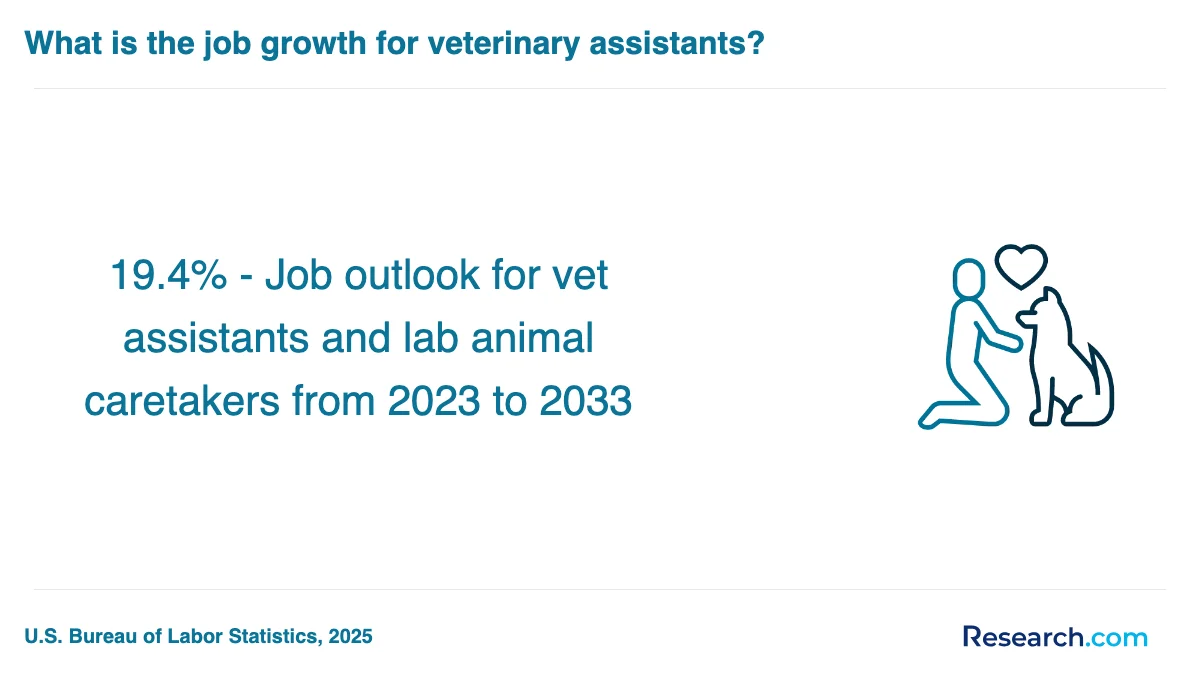
The veterinary assistant job market in Illinois offers promising opportunities for graduates of trade school programs. Many graduates find positions quickly in settings like private clinics, animal hospitals, and shelters, where demand for skilled assistants remains strong. Illinois employs around 2,940 veterinary assistants, and this number is expected to grow by about 15 percent by 2030, driven by increasing pet ownership and expanded animal healthcare facilities.
Hourly wages in Illinois range from $14.66 to $18.41, with some employers paying as much as $20.79 per hour. Graduates from popular Illinois trade schools often share how they secured jobs near their communities and appreciated the competitive salaries compared to national averages. This positive employment outlook Illinois encourages many to enter the field with confidence.
Many students also report that their experience opens doors to advancing as veterinary technicians or pursuing further education. If you're curious about is there a difference between a trade and a vocational program, programs in Illinois deliver solid foundational training to support your career growth.
Frequently Asked Questions about veterinary assistant
After completing a veterinary assistant trade school in Illinois, preparing for the job market involves several strategic steps. First, graduates should pursue certification such as the Approved Veterinary Assistant (AVA) credential offered by the Illinois Veterinary Medical Association, which can enhance employability.
Networking is also crucial; attending local veterinary conferences or joining professional groups helps connect with potential employers. Additionally, gaining hands-on experience through internships or volunteer work in clinics increases practical skills and job prospects.
According to the Illinois Department of Employment Security, veterinary assistant jobs are expected to grow by 12% through 2030, reflecting a positive job outlook in the state.
Finally, tailoring resumes to highlight relevant skills and preparing for interviews with common veterinary assistant questions will improve chances of securing a position.
Employers in Illinois seek veterinary assistant graduates who demonstrate strong technical and interpersonal skills. According to the Illinois Department of Employment Security, critical skills include proficiency in animal handling, basic medical procedures, and maintaining sanitary environments. Graduates must also show knowledge of veterinary terminology and the ability to assist veterinarians during exams and treatments.
Communication skills are highly valued, as veterinary assistants often interact with pet owners. Problem-solving and multitasking abilities are essential due to the fast-paced clinic environment. Additionally, familiarity with electronic medical records is increasingly important, reflecting trends in Illinois veterinary practices.
Finding internships relevant to veterinary assistant trade school programs in Illinois involves several strategic steps. Start by contacting local veterinary clinics and animal hospitals, as many offer hands-on internship opportunities for students. The Illinois Veterinary Medical Association often lists available internships and externships on their website, which can be a valuable resource.
Trade schools themselves frequently assist students in securing internships through partnerships with veterinary practices. According to the U.S. Bureau of Labor Statistics, veterinary assistant roles are expected to grow 16% nationally through 2032, making internships critical for gaining practical experience.
Additionally, job boards such as Indeed and Handshake sometimes feature veterinary assistant internships specific to Illinois. Networking at local animal care events or through school career services can also increase internship prospects.
Obtaining a veterinary assistant trade school diploma in Illinois can significantly impact career mobility and advancement. According to the Illinois Department of Employment Security, veterinary assistants with formal training have higher employment rates and better job stability than those without certification.
The diploma demonstrates practical skills and knowledge, making graduates more competitive for entry-level positions in veterinary clinics, animal hospitals, and shelters. This credential often leads to opportunities for specialized roles, such as anesthesia assistance or laboratory work.
Furthermore, many employers in Illinois prefer or require graduates from accredited programs, which can accelerate promotions and wage increases. The U.S. Bureau of Labor Statistics notes veterinary assistants in Illinois earn a median annual wage slightly above the national average, reflecting regional demand and credential value.
Overall, a trade school diploma enhances professional credibility and opens pathways to further education or supervisory roles within the veterinary field in Illinois.
Part-time job opportunities in Illinois that complement veterinary assistant trade school education often include roles such as veterinary receptionist, animal care technician, and kennel assistant. These positions offer practical experience in animal handling, client communication, and clinic operations, which align closely with the skills taught in trade programs.
According to the U.S. Bureau of Labor Statistics (BLS), Illinois employs over 2,000 veterinary assistants and laboratory animal caretakers, with a median hourly wage around $13.50 as of 2023. Gaining part-time experience in local veterinary clinics or animal shelters can enhance hands-on skills and improve job prospects upon graduation.
Additionally, volunteering or working in pet boarding facilities provides valuable exposure to animal behavior and care routines. These roles demand flexibility and are often available evenings or weekends, fitting well with class schedules. Such experiences not only reinforce classroom learning but also build professional networks within the Illinois veterinary community.
To choose the best Veterinary Assistant degree program near me in Illinois, start by considering factors such as curriculum, accreditation, faculty expertise, and campus facilities or online learning options. Assess programs and universities available by consulting resources like Research.com, which can help identify top-tier veterinary schools and their reputations. Additionally, visiting campuses or attending virtual tours and information sessions can provide insights into the student experience and program fit.
Related Veterinary Assistant Rankings for Nearby States
- Best Veterinary Assistant Training Programs & Trade Schools - Top Veterinary Assistant Schools in Indiana for 2026
- Best Veterinary Assistant Training Programs & Trade Schools - Top Veterinary Assistant Schools in Wisconsin for 2026
- Best Veterinary Assistant Training Programs & Trade Schools - Top Veterinary Assistant Schools in Iowa for 2026
- Best Veterinary Assistant Training Programs & Trade Schools - Top Veterinary Assistant Schools in Kentucky for 2026
- Best Veterinary Assistant Training Programs & Trade Schools - Top Veterinary Assistant Schools in Michigan for 2026
- Best Veterinary Assistant Training Programs & Trade Schools - Top Veterinary Assistant Schools in Minnesota for 2026
- Best Veterinary Assistant Training Programs & Trade Schools - Top Veterinary Assistant Schools in Ohio for 2026
- Best Veterinary Assistant Training Programs & Trade Schools - Top Veterinary Assistant Schools in Tennessee for 2026
- Best Veterinary Assistant Training Programs & Trade Schools - Top Veterinary Assistant Schools in Oklahoma for 2026
- Best Veterinary Assistant Training Programs & Trade Schools - Top Veterinary Assistant Schools in Alabama for 2026
Top Trending Rankings
References
- Top Veterinary Assistant Schools in Illinois | Learn to Become https://vetcareerschools.com/near-you/veterinary-assistant/illinois/
- Online Veterinary Assistant from University of Illinois at Springfield https://careertraining.uis.edu/training-programs/veterinary-assistant/
- Veterinary Medical Technology Program | Joliet Junior College https://jjc.edu/choose-your-path/agricultural-sciences-vet-tech/veterinary-technology
- Veterinary Assistant Training | McHenry County College https://www.mchenry.edu/veterinary
- Vet Assistant Schools in IL - Near You & Awesome https://vettechnicians.org/vet-assistant/il/
- Veterinary Assistant Training https://www.llcc.edu/explore/medical-district/health-wellness-training/veterinary-assistant-training
- AVMA-Accredited Vet Tech Degrees in Illinois (IL) - Schools & Certification https://www.vettechcolleges.com/schools/illinois
- Veterinary Assistant Badge: Harper College https://www.harpercollege.edu/pro/veterinary-assistant/index.php
- Veterinary Assisting Certificate - Black Hawk College https://www.bhc.edu/academics/programs/veterinary-assisting-certificate/
- How to Become a Veterinary Assistant in Illinois https://www.veterinaryschoolsu.com/vet-assistant/illinois/


