
Most Affordable Veterinary Assistant Schools & Training - Budget-Friendly Veterinary Assistant Trade Programs in St. Petersburg for 2026

Co-Founder and Chief Data Scientist
Choosing the right veterinary assistant trade school in St. Petersburg can feel overwhelming. That’s why this article offers a carefully crafted ranking of veterinary assistant programs, developed by the Research.com team of data scientists. It’s designed to help you make an informed decision based on reliable data.
Whether you’re just starting or looking to enhance your skills, earning a diploma or certification opens doors to rewarding career opportunities. Reading this guide will give you confidence and clarity as you take the next step toward a fulfilling future in animal care.
Key benefits of finishing veterinary assistant trade school in St. Petersburg
- Graduates in St. Petersburg can expect an average salary of about $18.04 per hour, which translates to approximately $37,500 annually, offering a strong start compared to the Florida state average.
- Many graduates find rewarding careers in veterinary clinics, emergency animal hospitals, or specialty practices, gaining valuable hands-on experience that opens doors to growth.
- Completing a veterinary assistant program online allows flexible learning schedules and faster entry into the workforce, as experienced by many local students balancing work and study successfully.
What can I expect from veterinary assistant trade schools in St. Petersburg?
Students enrolled in veterinary assistant trade school programs in St. Petersburg can expect a hands-on learning experience that blends classroom instruction with real-world practice. Graduates from local schools describe daily interactions with a diverse range of animals, including dogs, cats, birds, and even larger farm animals like horses and cattle. These experiences help build confidence in tasks such as grooming, administering medications, and assisting with surgical procedures.
Many programs require completion of 100 to 250 hours of supervised externships at veterinary clinics or animal care centers, allowing students to apply their skills in professional settings. Wearing scrubs and closed-toe shoes daily is standard, and students often find the work physically engaging and rewarding.
Throughout their studies, students benefit from access to modern lab facilities and partnerships with local veterinary practices, providing a supportive environment for mastering anatomy, disease prevention, and animal handling. Graduates frequently highlight the satisfaction of contributing directly to animal welfare while preparing for certification opportunities like the Certified Veterinary Assistant credential.
Where can I work after finishing veterinary assistant trade schools in St. Petersburg?
After completing a veterinary assistant trade school program in St. Petersburg, graduates find a variety of rewarding employment opportunities within the local animal care sector. Many begin working in private veterinary clinics or animal hospitals, where they assist veterinarians with exams, treatments, and routine pet care. These settings offer hands-on experience in handling animals and communicating with pet owners, which graduates from popular trade schools in St. Petersburg often describe as both challenging and fulfilling.
Beyond clinics, animal shelters and rescue organizations in the area regularly hire veterinary assistants to care for rescued pets and support spay/neuter initiatives. Some graduates also discover roles in specialty practices-such as aquatic animal care-or in research facilities, though these may require additional training or experience.
Veterinary assistant alumni frequently share how working for well-known local employers, including large hospital chains, provides competitive wages and benefits like paid holidays and pet care discounts. The diversity of roles and supportive environments makes St. Petersburg an ideal place to launch a meaningful veterinary assistant career immediately after trade school.
How much can I make after finishing veterinary assistant trade schools in St. Petersburg?
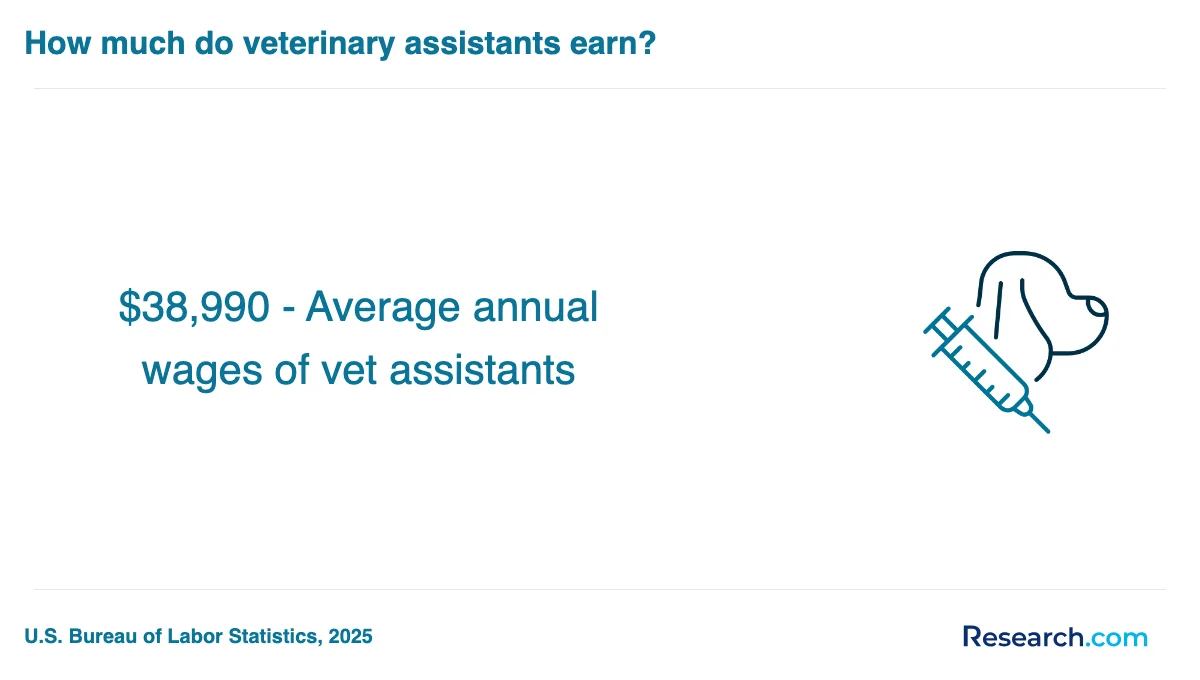
After completing a veterinary assistant trade school program in St. Petersburg, graduates typically earn an average hourly wage of $18.04. For those working full-time, this translates to about $37,500 per year before taxes. Many students from well-known local trade schools share that starting near this wage allows them to confidently support themselves while gaining valuable hands-on experience.
Wages can vary depending on the workplace, with facilities like Beacon Emergency Veterinary Hospital offering slightly higher pay, around $18.49 per hour. This is encouraging news for graduates aiming to work in specialized or emergency care settings, where their skills are in high demand.
Entry-level professionals often find their salaries beginning close to these averages, but with dedication, continuing education, and practical experience, it's common to see pay increase over time. Graduates express satisfaction knowing their training opens doors to stable jobs and opportunities for growth in St. Petersburg's veterinary field.
Most Affordable Veterinary Assistant Schools & Training - Budget-Friendly Veterinary Assistant Trade Programs in St. Petersburg for 2026
# 1 position
St Petersburg College - Veterinary/Animal Health Technology/Technician and Veterinary Assistant.
associateSt Petersburg College offers a program in Veterinary/Animal Health Technology/Technician and Veterinary Assistant that prepares students to assist veterinarians and animal specialists in patient care, clinical procedures, and owner communication. The curriculum includes animal nursing, health, nutrition, clinical pathology, radiology, anesthesiology, surgical assisting, and office administration. Annual in-state tuition is $2,682. The program is accredited by the Southern Association of Colleges and Schools Commission on Colleges.
# 2 position
St Petersburg College - Veterinary/Animal Health Technology/Technician and Veterinary Assistant.
certificate or diplomaSt Petersburg College offers a Veterinary/Animal Health Technology/Technician and Veterinary Assistant program designed to prepare students for roles assisting veterinarians and animal health professionals. The curriculum covers animal nursing, clinical procedures, radiology, anesthesiology, surgical assisting, and office administration. The program is accredited by the Southern Association of Colleges and Schools Commission on Colleges. Annual in-state tuition is $2,682.
Key Findings
- Applicants must complete general education courses like composition, math, and natural sciences before starting veterinary technology classes.
- At least 40 hours of volunteer or work experience in a veterinary hospital is required to apply, ensuring familiarity with the field.
- Programs include hands-on training, such as 250 hours of work-based experience at animal treatment centers.
- Tuition for in-state students typically ranges from $6,000 to $11,000, with additional costs for uniforms and equipment.
- Graduates can earn certifications like the Certified Veterinary Assistant (CVA) to boost employment opportunities.
- Starting salaries for veterinary assistants in Florida are around $28,000-$34,000, with experienced workers earning over $40,000 annually.
How long does it take to complete veterinary assistant trade schools in St. Petersburg?
Completing a veterinary assistant trade school program in St. Petersburg typically takes between 6 to 12 months, depending on the school and whether you attend full-time or part-time. Many popular trade schools in the area offer accelerated courses that allow students to finish quickly, often in just 6 months, which appeals to those eager to start working with animals right away.
Graduates from these programs often share how the hands-on training and real-world clinical experiences helped them build confidence early in their careers. For example, students at well-known St. Petersburg trade schools frequently describe balancing their coursework with practical sessions at local veterinary clinics, which makes the learning process both exciting and deeply rewarding.
This efficient timeline allows students to enter the workforce swiftly, making it possible to support themselves or their families sooner. The manageable length of these programs fits well with busy schedules, enabling many to pursue their passion for animal care without a long delay.
What's the difference between online and on-campus veterinary assistant trade school programs?
The key difference between online and on-campus veterinary assistant trade school programs in St. Petersburg lies in how students engage with their coursework and clinical training. On-campus programs, like those at Richard O. Jacobson Technical High School and St. Petersburg College, immerse students in hands-on learning with live animals daily, supported by direct access to specialized facilities and faculty. Graduates often describe the on-campus experience as highly interactive, with structured externships such as 250 hours at local animal treatment centers or 100 hours in veterinary hospitals, providing a strong sense of community and immediate feedback.
In contrast, online programs-such as the fully remote Veterinary Technology A.S. degree at St. Petersburg College-offer flexibility by allowing students to complete coursework from home. However, these students still arrange their own clinical practicums locally, committing about 4-5 hours weekly to hands-on training totaling 100 hours per semester. Many online graduates appreciate this format for fitting education around work and family, though it requires self-discipline and proactive scheduling to succeed.
What is the average cost of veterinary assistant trade schools in St. Petersburg?
The average cost veterinary assistant programs St. Petersburg 2026 typically range around $9,000 to $12,000 per year for tuition and fees at well-known trade schools such as St. Petersburg College. Graduates often recall that while tuition comprises the bulk of expenses, additional costs like textbooks, uniforms, clinical supplies, and laboratory fees can add between $1,000 and $2,500 annually. This combined expense is a realistic figure students should budget for, reflecting the commitment required to excel in the hands-on, skill-focused training.
Many students appreciate how the structured nature of these programs helps them develop confidence and practical skills in veterinary settings, making the investment worthwhile. The tuition fees veterinary assistant schools St. Petersburg 2026 vary for in-state versus out-of-state students, with out-of-state tuition being higher, but financial aid options such as federal aid and scholarships often help ease the financial burden.
Popular trade schools in St. Petersburg offer comprehensive veterinary assistant programs that prepare graduates for rewarding careers. These programs often integrate clinical experiences that foster positive learning moments, reinforcing the value of the costs involved. Prospective students seeking detailed information about program quality and cost-effectiveness can explore resources on what colleges have a vet tech program to find suitable options tailored to their needs.
What financial aid is available for veterinary assistant trade schools in St. Petersburg?
Students pursuing veterinary assistant trade school programs in St. Petersburg commonly access federal financial aid through the Free Application for Federal Student Aid (FAFSA). Many graduates recall how the Federal Pell Grant and Direct Subsidized Loans significantly eased their tuition burden, allowing them to focus on hands-on learning at institutions like St. Petersburg College.
State-based aid is another crucial resource. Florida residents often qualify for grants and scholarships aimed at career and technical education, which many students have found to be a helpful supplement when combined with federal aid. Applying separately for these opportunities often leads to awards based on merit or financial need, making them accessible to a broad range of applicants.
St. Petersburg College stands out with over 350 institutional scholarships via the SPC Foundation. Graduates frequently share how completing one scholarship application connected them to multiple tailored opportunities, boosting their confidence and financial stability throughout their studies.
Flexible installment payment plans offered by local trade schools help students manage tuition in smaller payments, reducing stress for those without full scholarship coverage. Additionally, work-study programs provide part-time campus jobs, enabling students to earn income while gaining valuable experience related to veterinary care.
Veterans and their families often benefit from specialized financial aid programs, with dedicated staff at St. Petersburg's colleges guiding them through veterans' benefits, ensuring no one misses out on available support.
What are the prerequisites for enrolling in veterinary assistant trade schools in St. Petersburg?
Enrolling in a veterinary assistant trade school program in St. Petersburg typically requires a few straightforward prerequisites that ensure candidates are well-prepared for the hands-on training ahead. Most trade schools expect applicants to have a high school diploma or GED as a minimum foundation. This basic qualification confirms the student's readiness for technical coursework and clinical practice.
Beyond formal education, many programs value applicants who demonstrate a genuine passion for animal care, often assessed through a personal statement or interview. Graduates from popular St. Petersburg trade schools frequently highlight how their enthusiasm for animals motivated their acceptance and success in the program.
Some common prerequisites include:
- Proof of high school completion or equivalent
- Basic proficiency in English and math to handle course materials
- Completion of a background check or health screening, ensuring suitability for clinical environments
- Recommendation letters or prior volunteer experience with animals, which can strengthen an application
For example, graduates recall that having prior volunteer hours at local shelters in St. Petersburg often helped them stand out during admissions. These prerequisites create a supportive learning environment where students are eager and capable, fostering confidence as they move into their veterinary assistant roles.
What are the typical courses in veterinary assistant trade schools in St. Petersburg?
Veterinary assistant trade school programs in St. Petersburg typically include a blend of foundational knowledge and hands-on skills essential for supporting veterinarians. Graduates from local schools often highlight courses such as:
- Animal anatomy and physiology: Understanding the structure and function of common domestic animals like dogs, cats, and horses is crucial for daily clinical work.
- Disease prevention and veterinary pharmacology: These classes teach how to recognize illnesses, administer medications safely, and maintain animal health.
- Surgical assisting: Students gain practical experience preparing animals and instruments for surgery, maintaining sterile environments, and assisting during procedures.
- Animal grooming and husbandry: Emphasizing nutrition, hygiene, and overall well-being, this course prepares students to care for animals in shelters and clinics.
At Richard O. Jacobson Technical High School's Veterinary Assisting Academy, students complete 250 hours of on-site work, allowing them to apply their learning with live animals and diverse species. Many programs also include training for industry certifications like the Certified Veterinary Assistant (CVA), along with basic CPR and first aid, enhancing emergency readiness. Supportive courses in communication, math, and natural sciences ensure a well-rounded education tailored to workplace demands in St. Petersburg's veterinary community.
What are the available specializations in veterinary assistant trade schools in St. Petersburg?
Veterinary assistant trade school programs in St. Petersburg typically offer a range of specializations that prepare students for hands-on roles in animal care. Graduates from popular trade schools describe gaining confidence through courses focusing on:
- Animal Anatomy and Physiology
- Medical Terminology
- Laboratory Procedures
- Pharmacology
- Radiology
- Veterinary Clinical Procedures
- Hospital and Surgical Procedures
- Veterinary Assisting Externship
These veterinary assistant specializations in St. Petersburg equip students with the skills to support veterinarians effectively and advance their careers. For example, students at Southern Technical College experience real-world clinical procedures that build practical expertise and prepare them to pass the Certified Veterinary Assistant exam. Similarly, those in the St. Petersburg College programs appreciate how specialized training in areas like emergency care and pharmacology creates well-rounded professionals ready for diverse job settings.
Exploring St. Petersburg veterinary assistant program options often reveals flexible course formats and rigorous externships that foster both technical skills and compassionate animal handling. Many students find these programs rewarding and a strong foundation for medical careers with 2 year degree paths.
How do you choose the best veterinary assistant trade school program in St. Petersburg?
To select the best veterinary assistant schools in St. Petersburg, prioritize programs accredited by the American Veterinary Medical Association (AVMA) or the Florida Veterinary Medical Association (FVMA). Graduates from St. Petersburg College and Richard O. Jacobson Technical High School highlight the value of hands-on learning through clinical hours in local veterinary clinics, which builds confidence and practical skills essential for real-world veterinary care.
Consider the St. Petersburg veterinary assistant program costs alongside curriculum flexibility. Some programs offer hybrid or fully online courses, helping students manage work and study commitments effectively. Graduates often praise the inclusion of industry certifications like the Certified Veterinary Assistant (CVA) and CPR training, which enhance employability in Florida's competitive job market.
Successful students report that programs with strong VTNE pass rates and job placement statistics truly prepare them for rewarding careers. If affordability and skill-building are your priorities, exploring the easiest trades to learn that pays well can complement your education and career planning.
What career paths are available for veterinary assistant trade school graduates in St. Petersburg?
Veterinary assistant trade school graduates in St. Petersburg often begin their careers in roles such as veterinary assistants at animal hospitals, private clinics, or specialty practices. These positions involve hands-on support with examinations, treatments, and animal care, providing invaluable experience. Many graduates find fulfillment working as kennel assistants or kennel technicians, focusing on the comfort and safe handling of animals. Others leverage their communication skills to work as receptionists in veterinary clinics, managing client interactions smoothly.
Career advancement is common among graduates of popular trade schools in St. Petersburg, who often benefit from educational assistance offered by employers. This support helps them pursue certifications like those from AVMA-CVTEA accredited programs, opening doors to roles as veterinary technicians or laboratory animal caretakers. Successful graduates describe their job growth as both rewarding and motivating, highlighting the diverse veterinary career opportunities in St. Petersburg.
Recent graduates have noted that the strong local demand for veterinary assistant jobs in St. Petersburg FL creates an encouraging job market. Many find jobs that come with benefits such as paid holidays and 401k plans. Those interested in expanding their knowledge also weigh the advantages of trade programs vs vocational school to determine the best path for their future.
What is the job market for veterinary assistant trade school graduates in St. Petersburg?
The veterinary assistant job openings in St. Petersburg currently exceed 193 positions, indicating a robust demand for graduates of veterinary assistant trade school programs. Local employers such as animal hospitals, private clinics, and specialty veterinary centers frequently seek skilled assistants trained in programs popular among St. Petersburg students. Graduates often share positive experiences about how their hands-on training in animal handling, assisting with exams, and lab work has prepared them to meet these job requirements confidently.
Veterinary assistant salary and career growth St. Petersburg are competitive, with hourly wages reported between $14 and $23, depending on experience and employer. Many graduates find positions with top employers like Banfield Pet Hospital or Petco, where opportunities for advancement, paid time off, and educational support encourage long-term career development. Employers often prefer candidates with certificates from NAVTA-approved programs or equivalent trade school credentials, ensuring a direct pathway from education to employment.
Graduates appreciate the balance of practical skills and career support. For those seeking affordable alternatives, exploring low cost online veterinary technician trade school programs can expand options while maintaining professional growth potential.
Frequently Asked Questions about veterinary assistant
After completing a veterinary assistant trade school in St. Petersburg, preparing for the job market involves several key steps. First, gaining practical experience through internships or externships offered by local clinics can improve employability. According to the Bureau of Labor Statistics, veterinary assistant jobs are expected to grow 16% nationwide by 2032, reflecting strong demand.
Networking with local veterinary professionals and joining relevant associations, such as the National Association of Veterinary Technicians in America (NAVTA), can provide valuable job leads. Updating a resume to highlight hands-on skills and certifications earned during training is essential. Finally, researching local job openings in St. Petersburg through platforms like the Florida Department of Economic Opportunity can help target applications effectively.
Employers in St. Petersburg seek specific skills when hiring veterinary assistant trade school graduates. Strong animal handling abilities are essential, as assistants regularly interact with various animals. According to the U.S. Bureau of Labor Statistics, effective communication skills are also critical, enabling clear interaction with pet owners and veterinary staff.
Technical skills like knowledge of basic medical procedures, such as administering medications and taking vital signs, are highly valued. Employers look for graduates familiar with clinical software and record-keeping, as digital proficiency improves efficiency.
Attention to detail and the ability to work under supervision are important traits. Local job postings in St. Petersburg often emphasize reliability and compassion, reflecting the community's need for empathetic animal care.
Finding internships in St. Petersburg relevant to veterinary assistant trade school programs involves exploring local veterinary clinics, animal hospitals, and shelters that offer hands-on experience. Many trade schools maintain partnerships with these facilities to facilitate internships for students. According to the Florida Veterinary Medical Association, students in St. Petersburg can find opportunities through clinics registered with the association.
Additionally, job boards like Indeed and local community college career centers often list veterinary assistant internships. Networking through school career advisors and attending local veterinary events can also increase chances of securing a position.
Internships typically last from 6 to 12 weeks and provide exposure to animal care, medical procedures, and client communication, which are essential skills for veterinary assistants.
Obtaining a veterinary assistant trade school diploma in St. Petersburg significantly enhances career mobility and advancement opportunities. The diploma provides foundational skills recognized by local clinics and animal hospitals, which increases employability in a competitive job market. According to the Florida Department of Education, graduates from accredited programs in St. Petersburg often experience a 15% higher job placement rate within six months compared to those without formal credentials.
Furthermore, the diploma serves as a stepping stone for roles with greater responsibility, such as veterinary technician positions, which typically offer higher wages. Employers in St. Petersburg value certified assistants for their practical knowledge and professionalism, aiding career progression. This credential also supports eligibility for industry certifications that can lead to additional salary increases and leadership roles.
Students enrolled in veterinary assistant trade schools in St. Petersburg can benefit from part-time jobs that provide practical experience and supplement their education. Local animal clinics and veterinary hospitals frequently offer positions such as veterinary assistant aides or receptionists, allowing students to apply classroom knowledge in real-world settings.
Pet grooming centers and animal shelters also present opportunities to develop skills related to animal care, handling, and customer service. According to the U.S. Bureau of Labor Statistics, veterinary assistant roles in Florida are expected to grow by 15% from 2022 to 2032, reflecting regional demand.
Additionally, pet boarding facilities and dog walking services in St. Petersburg can help students gain hands-on experience while managing flexible schedules suitable for balancing studies.
Yes, there are affordable Veterinary Assistant degree programs near you in St. Petersburg, FL. Various community colleges and technical schools in the region offer relevant programs, providing practical training and coursework at competitive tuition rates. To evaluate options and find programs near St. Petersburg, FL, you may explore local college listings and Research.com for detailed information on veterinary programs and their costs.
Related Veterinary Assistant Rankings for Nearby Cities
- Most Affordable Veterinary Assistant Schools & Training - Budget-Friendly Veterinary Assistant Trade Programs in Statesboro for 2026
- Most Affordable Veterinary Assistant Schools & Training - Budget-Friendly Veterinary Assistant Trade Programs in New Orleans for 2026
- Most Affordable Veterinary Assistant Schools & Training - Budget-Friendly Veterinary Assistant Trade Programs in Norfolk for 2026
Top Trending Rankings
References
- Veterinary internships and externships | American Veterinary Medical Association https://www.avma.org/education/veterinary-internships-and-externships
- Veterinary Assistant Internship – Global Vet Experience https://globalvetexperience.com/veterinary-assistant-internship/
- Veterinary Internships 101: Your Essential Guide to Getting Started https://www.roo.vet/roo4you/veterinary-internships
- AVMA Student Externship Locator – AVMA My Veterinary Life https://myvetlife.avma.org/current-student/your-career/student-externship-locator
- How Do I Get An Internship Working With Animals? | Handshake https://joinhandshake.com/blog/students/how-do-i-get-an-animal-internship/
- 24 Cool Vet Tech Internships - Eligibility & Details https://www.vettechcolleges.com/blog/cool-veterinary-tech-internships
- Veterinary Technician Internship – OVC Health Sciences Centre https://www.ovchsc.ca/veterinary-technician-internship/
- Salary: Veterinary Assistant in Saint Petersburg, FL 2025 | Glassdoor https://www.glassdoor.com.hk/Salaries/saint-petersburg-veterinary-assistant-salary-SRCH_IL.0,16_IC1154421_KO17,37.htm
- Veterinary Assistant Salaries & Top Paying Companies in Saint Petersburg, FL | Aug 12, 2025 https://www.readysethire.com/job-search/position-salary-in-city/veterinary-assistant-salary-in-saint-petersburg-fl
- Your Veterinary Assistant Career Guide (Salary, Job Duties, & Requirements) | Penn Foster https://www.pennfoster.edu/blog/your-veterinary-assistant-career-guide-salary-job-duties-requirements


