
Best Veterinary Assistant Training Programs & Trade Schools - Top Veterinary Assistant Schools in San Antonio for 2026

Co-Founder and Chief Data Scientist
If you’re considering a career as a veterinary assistant in San Antonio, choosing the right trade school is a crucial first step. This article introduces a carefully crafted veterinary assistant trade school programs ranking developed by the Research.com team of data scientists to guide you through the best options available.
By exploring these programs, you’ll gain valuable insights that make your decision easier and more confident. Earning a diploma or certification opens doors to rewarding opportunities in animal care and support.
Take this chance to invest in your future with knowledge you can trust.
Key benefits of finishing veterinary assistant trade school in San Antonio
- Graduates can expect an average salary around $32,201 per year in San Antonio, with hourly wages typically ranging from $15.50 to $16.04, offering a strong start to a rewarding career.
- Many graduates find diverse career paths, including roles in animal hospitals, private clinics, or emergency care, reflecting the opportunities available after completing a well-known local trade school.
- Completing a veterinary assistant program online provides flexibility and convenience, as shown by successful graduates who balance work and study while gaining valuable skills without the need for a traditional campus experience.
What can I expect from veterinary assistant trade schools in San Antonio?
Enrolling in a veterinary assistant trade school program in San Antonio means immersing yourself in a hands-on, practical education designed to prepare you for real-world animal care. Graduates from schools like Palo Alto College and Pima Medical Institute often reflect on the blend of classroom learning and clinical rotations that taught them how to safely restrain animals, assist in surgeries, and manage lab work such as drawing blood.
Students typically experience a structured curriculum lasting around nine months for certificate programs, where they master skills like equipment sterilization and client communication. Many appreciate the guidance from experienced instructors and the access to modern facilities that simulate actual veterinary environments.
The option for hybrid learning adds flexibility without sacrificing support services like career advice and mental health resources, making the journey less daunting. Graduates often mention the confidence gained through these programs, especially knowing they are prepared to pursue Certified Veterinary Assistant credentials recognized in Texas.
Where can I work after finishing veterinary assistant trade schools in San Antonio?
After completing a veterinary assistant trade school program in San Antonio, many graduates find themselves stepping confidently into roles at private veterinary clinics, animal hospitals, and emergency veterinary practices. These settings provide daily opportunities to work closely with animals-whether it's assisting with examinations, feeding, or helping with basic medical care. Students often share how rewarding it feels to support veterinarians and technicians, gaining hands-on experience that builds both skill and compassion.
Graduates from popular San Antonio trade schools frequently mention employment with large hospital chains like Banfield Pet Hospital, where multiple locations offer steady openings. Beyond clinical environments, some find fulfilling careers at animal shelters, boarding kennels, or specialty care centers, expanding their interaction with diverse animal species. Others enjoy the dynamic nature of mobile vaccination clinics or animal control facilities, which often involve travel throughout the city.
Many students appreciate how their training prepares them not only for animal handling but also for administrative tasks, making them versatile team members. The variety of career paths available in San Antonio's robust animal care community brings a sense of purpose and excitement to graduates eager to make a difference.
How much can I make after finishing veterinary assistant trade schools in San Antonio?
After finishing a veterinary assistant trade school program in San Antonio, many graduates find themselves earning an average hourly wage of around $16.04. This feels encouraging, especially when you consider that working full time can translate to an annual salary near $33,000. Graduates from popular local trade schools often share how this steady income helped them start building financial independence shortly after completing their studies.
Entry-level pay typically ranges between $13.89 and $17.45 per hour, depending on the employer and setting. For instance, some graduates working at well-known clinics or hospitals in San Antonio report starting closer to the higher end of that scale, feeling proud that their training prepared them well for real-world demands.
More experienced assistants or those who move into specialty or emergency veterinary roles sometimes earn up to $23 per hour, reflecting how skills gained during trade school can open doors to better pay. Graduates often describe how local employers value their practical training, making the active San Antonio job market a promising place to launch a veterinary assistant career.
Best Veterinary Assistant Training Programs & Trade Schools - Top Veterinary Assistant Schools in San Antonio for 2026
# 1 position
Palo Alto College - Veterinary/Animal Health Technology/Technician and Veterinary Assistant.
associatePalo Alto College offers a Veterinary/Animal Health Technology/Technician and Veterinary Assistant program designed to train individuals in patient care and clinical procedure assistance under professional supervision. The curriculum covers animal nursing, health, nutrition, handling, clinical pathology, radiology, anesthesiology, dental prophylaxis, surgical assisting, laboratory procedures, office administration, and communication. The program’s annual in-state tuition is $3,412 and it is accredited by the Southern Association of Colleges and Schools Commission on Colleges.
# 2 position
Pima Medical Institute-San Antonio - Veterinary/Animal Health Technology/Technician and Veterinary Assistant.
associateA program that prepares individuals to assist veterinarians, laboratory animal specialists, and zoological professionals with patient care, clinical procedures, and owner communication. Instruction covers animal nursing, health, nutrition, handling, clinical pathology, radiology, anesthesiology, dental prophylaxis, surgical assisting, laboratory procedures, office administration, and applicable regulations. The program is accredited by the Accrediting Bureau of Health Education Schools.
# 3 position
Palo Alto College - Veterinary/Animal Health Technology/Technician and Veterinary Assistant.
certificate or diplomaThe Veterinary/Animal Health Technology/Technician and Veterinary Assistant program at Palo Alto College prepares students to assist veterinarians and animal health professionals in patient care and clinical procedures. The curriculum includes animal nursing, clinical pathology, radiology, anesthesiology, surgical assisting, and office administration. The program is accredited by the Southern Association of Colleges and Schools Commission on Colleges. Annual in-state tuition is $3,412.
# 4 position
Pima Medical Institute-San Antonio - Veterinary/Animal Health Technology/Technician and Veterinary Assistant.
certificate or diplomaA program that prepares individuals, under the supervision of veterinarians and related professionals, to assist in patient management, clinical procedures, and owner communication. Instruction includes animal nursing care, health and nutrition, handling, clinical pathology, radiology, anesthesiology, dental prophylaxis, surgical assisting, laboratory procedures, office administration, and applicable standards. The program is accredited by the Accrediting Bureau of Health Education Schools.
Key Findings
- Veterinary assistant certificate programs in San Antonio usually require a high school diploma or GED, completion of the Texas Success Initiative, three letters of recommendation, and 80 hours of veterinary clinic experience.
- Programs typically take 9 months to 1 year to complete, requiring around 46 semester credit hours, with some offering hybrid learning options.
- Total program costs range from $3,000 to $7,000, including fees, supplies, and textbooks, with financial aid and scholarships available for eligible students.
- Starting salaries for veterinary assistants in San Antonio are between $28,000 and $32,000 per year, rising to $35,000-$40,000 with experience and additional credentials.
- The certificate serves as a stepping stone to advanced programs like an Associate of Applied Science in Veterinary Technology, with coursework typically transferable for career advancement.
How long does it take to complete veterinary assistant trade schools in San Antonio?
Completing a veterinary assistant trade school program in San Antonio typically takes between six months to one year, depending on the school's curriculum and class schedule. Graduates often recall how the compact timeline allowed them to quickly transition from eager learners to confident professionals, ready to assist in bustling veterinary clinics.
At popular San Antonio trade schools, students balance hands-on training with classroom theory, often attending full-time for about 20 to 30 hours per week. One graduate described the experience as "intense but rewarding," emphasizing how the focused program helped them absorb essential skills like animal handling and medical terminology without feeling overwhelmed.
Others appreciated the flexibility offered by evening or weekend classes, which made it possible to work or manage personal commitments while pursuing their certification. This adaptability is a key reason many find the timeline manageable and motivating.
Overall, the efficient completion period reflects San Antonio's commitment to preparing veterinary assistants swiftly, helping students step confidently into the workforce with practical experience and a strong foundation.
What's the difference between online and on-campus veterinary assistant trade school programs?
Online and on-campus veterinary assistant trade school programs in San Antonio differ mainly in how students experience their education. Graduates from on-campus programs, like those at Pima Medical Institute, often recall the value of hands-on labs where they could physically assist with animal care and surgical equipment sterilization. Being in a dedicated facility with instructors nearby created a strong sense of community and immediate feedback, which many found motivating and reassuring.
In contrast, online students appreciate the flexibility to study from home, balancing coursework with work or family life. Some have shared how hybrid options, combining online lessons with occasional on-campus labs, helped them gain practical skills without sacrificing convenience. Despite the distance, these students still engaged in required hands-on externships, which ensured they met certification standards.
Both formats demand real-world clinical experience, but the choice often comes down to personal lifestyle and how one prefers to connect with instructors and peers during this important career step in San Antonio.
What is the average cost of veterinary assistant trade schools in San Antonio?
In San Antonio, the average cost veterinary assistant programs San Antonio vary widely depending on the type of trade school and residency status. Graduates often reflect on the experience at institutions like Palo Alto College, where tuition fees for veterinary assistant schools San Antonio can range from approximately $2,088 for in-district students to over $10,000 for out-of-state students. These costs highlight the importance of considering your residency when budgeting for education.
Some students who pursued the program at the University of Texas at San Antonio found the $2,895 fee for its online training course manageable and appreciated the flexibility it offers, though it may not cover full certification preparation like longer programs. Others opted for more comprehensive programs that include expenses for books and supplies-often adding around $2,000 to the overall investment.
Reflecting on these cost structures, many veterinary assistant graduates emphasize the value of weighing tuition fees veterinary assistant schools San Antonio against the quality and depth of training provided. Understanding the difference between a trade school program and a vocational program often helps students decide on a path that fits both their career goals and financial situation.

What financial aid is available for veterinary assistant trade schools in San Antonio?
Students pursuing veterinary assistant programs in San Antonio often find relief through a variety of financial aid options that make their education more affordable. Graduates from schools like Palo Alto College frequently share how federal and state grants, including the Pell Grant and Texas-specific awards, eased their tuition burdens significantly. These grants, combined with scholarships offered by both the colleges and local veterinary organizations, create a safety net that many rely on to focus fully on their studies.
Many students appreciate the guidance from financial aid offices at institutions such as Pima Medical Institute, where staff help them navigate the FAFSA process and uncover eligibility for loans or work-study programs. Work-study roles not only help cover costs but also provide hands-on experience, which graduates recall as invaluable. Some students have found installment payment plans especially helpful, allowing them to manage tuition in smaller, manageable payments rather than a single lump sum.
Veterans and their families often benefit from special tuition rates and scholarships, further widening access. These financial aids transform what might feel like a daunting investment into a reachable goal, inspiring confidence and hope in future veterinary assistants across San Antonio.
What are the prerequisites for enrolling in veterinary assistant trade schools in San Antonio?
Enrolling in a veterinary assistant trade school program in San Antonio usually requires meeting a straightforward set of prerequisites, designed to ensure students are prepared and motivated for the hands-on nature of the training. Most trade schools in San Antonio ask for a high school diploma or GED, which serves as the basic educational foundation.
Graduates often reflect on how having a genuine passion for animal care was just as essential as meeting formal requirements. Many share that schools appreciate applicants who demonstrate responsibility and empathy, qualities crucial for working closely with animals.
Common prerequisites include:
- Proof of high school completion or equivalent
- Minimum age of 18 years
- Basic proficiency in reading and writing English
- Some schools may require a background check or immunization records
For example, students at popular San Antonio trade schools recall how clear prerequisites helped them focus on what mattered-developing practical skills in a supportive environment. This clarity removes uncertainty, allowing learners to embark on their veterinary assistant journey with confidence and enthusiasm.

What are the typical courses in veterinary assistant trade schools in San Antonio?
Veterinary assistant trade school programs in San Antonio offer a rich mix of courses that prepare students for hands-on work with animals. Graduates from well-known local schools often recall learning essential skills through courses like:
- Animal anatomy and physiology - understanding the inner workings of animals, which builds confidence when assisting veterinarians.
- Animal restraint and handling - mastering techniques that keep both pets and staff safe during exams or procedures.
- Laboratory procedures - gaining experience in collecting samples and running basic tests, which students find exciting and practical.
- Small and large animal care - covering the unique needs of different species, a favorite among students who love variety in their daily tasks.
- Emergency care and surgical assistance - preparing for critical moments, helping students feel ready to support urgent veterinary work.
Many also appreciate courses in veterinary dentistry, pharmacy, and nutrition, which deepen their understanding of pet health. Communication skills are emphasized, helping students connect with pet owners compassionately. Trade schools like Pima Medical Institute and Alamo Colleges District often incorporate hybrid learning, making it easier for busy students to balance theory with practical labs on campus. This combination creates a rewarding educational journey full of confidence and real-world readiness.
What are the available specializations in veterinary assistant trade schools in San Antonio?
Veterinary assistant specializations San Antonio students often explore reflect the diverse demands of animal care professions. Graduates from programs at popular San Antonio institutions describe hands-on training in small-animal nursing procedures, refining skills needed to comfort and treat pets during routine and emergency care. These programs also emphasize diagnostic imaging, where students learn to operate equipment crucial for detecting hidden injuries or illnesses.
Many San Antonio veterinary assistant programs offer modules on dental assisting, enabling students to perform vital oral health procedures that promote overall animal wellness. Additionally, trainees prepare to assist with exotic and large-animal species, shifting seamlessly from household pets to farm or zoo environments, which adds versatility to their expertise. Students appreciate how these specializations enhance their confidence and employability in varied veterinary settings.
For those seeking more technical roles, accredited courses such as those at Palo Alto College prepare students for Licensed Veterinary Technician roles in research, industrial, or commercial contexts. If you want to learn more about the most affordable online veterinary technician trade school programs, these offerings provide affordable pathways without sacrificing quality.
How do you choose the best veterinary assistant trade school program in San Antonio?
Choosing the best veterinary assistant programs in San Antonio means looking beyond just coursework. Graduates often share how accredited programs, like those at Pima Medical Institute, gave them confidence through recognized certification and hands-on clinical experiences. These real-world training opportunities were crucial in developing their skills and feeling prepared for work in busy animal hospitals.
Flexibility also matters. Some found that hybrid options allowed them to balance studies with jobs or family, while others preferred the full-time immersive environment at Palo Alto College to dive deeply into animal care. Considering your own schedule and learning style is key when evaluating veterinary assistant school cost comparison San Antonio reveals that prices vary widely, so weigh cost against value carefully.
Finally, explore support services and career resources offered by the programs. Connecting with admissions teams and understanding graduation rates or job placement can clarify your path. For those curious about advancing further, it's helpful to explore what degree do i need to be a veterinarian to plan future goals.
What career paths are available for veterinary assistant trade school graduates in San Antonio?
Veterinary assistant trade school graduates in San Antonio find a welcoming job market with versatile veterinary assistant job opportunities in San Antonio. Many graduates quickly step into roles at local veterinary clinics, animal hospitals, or specialty practices, where they engage directly in patient care-helping with exams, monitoring hospitalized pets, and preparing medications. These hands-on experiences reflect the practical skills honed through popular trade schools in San Antonio, where students appreciate how their training translates into real-world impact.
Some graduates advance into specialized roles such as emergency veterinary support or surgical assistance, especially in larger clinics with comprehensive care teams. Employers often encourage assistants to engage in further education, offering career advancement programs that support growth toward becoming certified veterinary technicians, a path known for better wages and responsibilities.
Beyond clinical settings, veterinary clinic careers for graduates in San Antonio can include work in animal shelters, boarding facilities, or zoos. Here, skills in animal handling and health procedures prove invaluable. Many graduates recall the rewarding experience of helping animals while fostering client education and administrative support within these roles.
- Entry-level veterinary assistant in clinics and hospitals
- Specialized emergency or surgical assistant positions
- Educational advancement toward certified veterinary technician roles
- Careers in animal shelters, boarding, and zoological facilities
Those looking to maximize these pathways often explore further credentialing coupled with practical experience. Those interested can also research the best 2 year healthcare degrees available, complementing their veterinary assistant trade school foundation.
What is the job market for veterinary assistant trade school graduates in San Antonio?
The veterinary assistant job outlook San Antonio is notably positive, driven by a strong demand for trained professionals in various animal care settings. Graduates from popular trade schools in San Antonio often report swift job placement thanks to practical skills acquired during their programs, including hands-on clinical experience highly valued by employers. Clinics, emergency animal hospitals, and local veterinary networks frequently post openings, reflecting a diverse job market.
Veterinary assistant graduates commonly share experiences of engaging work environments where they assist veterinarians, manage records, and provide compassionate pet care. Many credit their NAVTA-approved certification as a key factor in standing out.
Regarding veterinary assistant salary San Antonio Texas, wages typically range from $13 to $23 per hour, with most graduates expecting $18 to $22 per hour depending on experience and employer size. This competitive pay underscores the city's growing veterinary industry tied closely to rising pet ownership.
For those exploring further education, many students consider an online diploma accredited programs to boost qualifications and career advancement, which also improves job prospects locally.
- Strong demand for skilled veterinary assistants across San Antonio
- Real-world training at trade schools leads to quick hiring
- Competitive salaries reflecting experience and certification
- Opportunities in diverse clinical environments
Frequently Asked Questions about veterinary assistant
After completing a veterinary assistant trade school in San Antonio, preparing for the job market involves several key steps. First, graduates should obtain certification, such as through the National Association of Veterinary Technicians in America (NAVTA), which enhances employability. Networking within local veterinary clinics and attending job fairs in San Antonio can provide valuable connections.
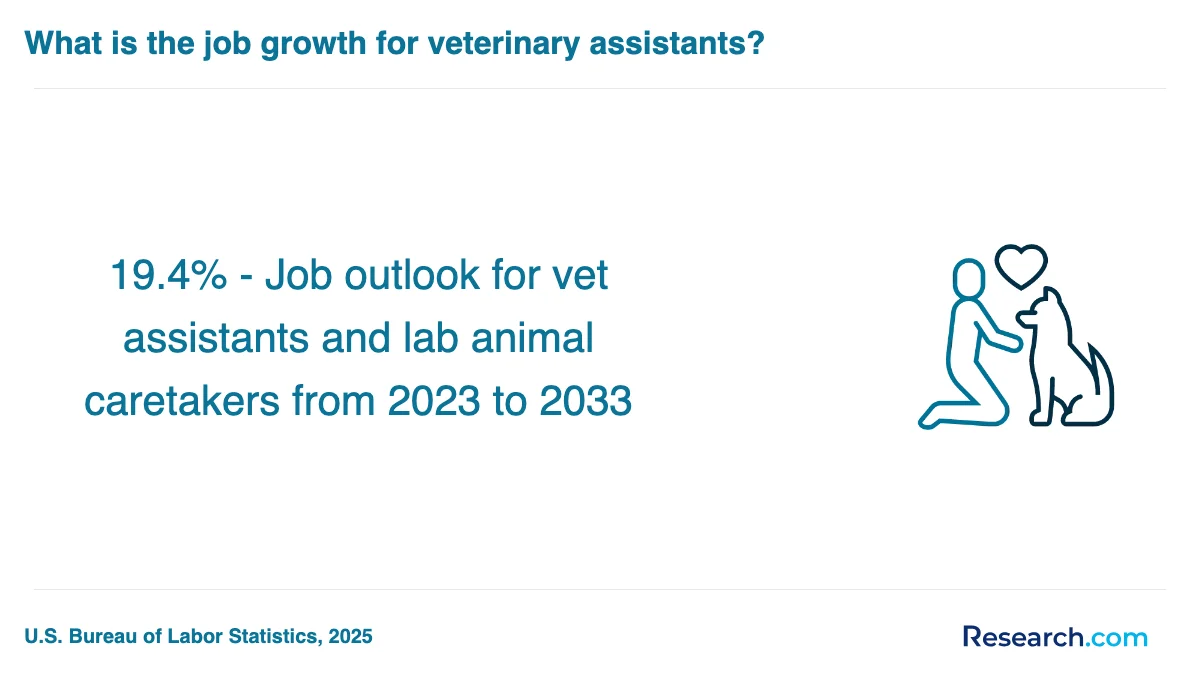
Additionally, gaining hands-on experience through internships or volunteer work is crucial. According to the U.S. Bureau of Labor Statistics, veterinary assistants in Texas have a median annual wage of about $30,000, with demand expected to grow by 16% through 2031. Staying updated on local job listings and continuing education opportunities also supports career advancement.
Employers in San Antonio highly value veterinary assistant graduates who demonstrate strong practical skills combined with effective communication. According to the U.S. Bureau of Labor Statistics, veterinary assistants must be proficient in animal handling and basic medical procedures, such as administering medications and assisting with exams. Local veterinary clinics also emphasize soft skills like teamwork, reliability, and the ability to manage stressful situations calmly. Trade schools that provide hands-on training in animal care, sanitation, and clinic operations tend to produce more employable graduates. Additionally, familiarity with electronic medical records and scheduling software is increasingly important in San Antonio's growing veterinary industry.
Finding internships in San Antonio relevant to veterinary assistant trade school programs involves a few strategic steps. Start by contacting local veterinary clinics, animal hospitals, and shelters, as many offer internship opportunities for students. The San Antonio Veterinary Medical Association can be a valuable resource for connecting with professionals in the field. Additionally, some trade schools in the area have established partnerships with veterinary practices, so inquire with your program's career services.
Online job platforms like Handshake and Indeed often list internships specifically for veterinary assistants in San Antonio. According to the Texas Workforce Commission, internships in veterinary fields are growing by approximately 5% annually in the region, reflecting increased demand.
Networking at local animal health events and volunteer work can also lead to internship openings. Be proactive in reaching out early, as many programs require completed internships before graduation.
Obtaining a veterinary assistant trade school diploma in San Antonio significantly enhances career mobility and advancement opportunities within the local job market. The diploma provides practical skills and recognized credentials, which many veterinary clinics and animal hospitals in the area require. According to the Texas Workforce Commission, veterinary support roles in San Antonio are expected to grow faster than the national average through 2028, emphasizing the demand for qualified assistants.
Graduates with diplomas often access higher starting salaries compared to those without formal training, with median wages around $14-$17 per hour reported by the U.S. Bureau of Labor Statistics for veterinary assistants in Texas. Additionally, the diploma can serve as a foundation for pursuing further certifications or specialized roles, increasing long-term advancement potential.
Employers in San Antonio value the hands-on experience and technical knowledge gained through accredited trade programs, which can lead to quicker promotions or transitions into veterinary technician positions. Thus, earning a diploma from a local trade school can be a crucial step toward sustainable career growth in San Antonio's veterinary field.
Part-time job opportunities in San Antonio that complement veterinary assistant trade school education often include roles such as animal care attendants, kennel assistants, and veterinary receptionists. These positions provide hands-on experience with animal handling, basic medical tasks, and administrative duties, which align well with coursework. According to the U.S. Bureau of Labor Statistics, veterinary assistants in Texas earn a median hourly wage of about $12.50, making part-time work financially viable alongside studies.
Local animal shelters and veterinary clinics frequently seek part-time help, offering flexible schedules suited for students. Volunteering at rescue organizations can also build relevant skills and professional networks.
Such roles not only reinforce classroom learning but also improve employability upon graduation.
When looking for the best Veterinary Assistant degree program near me, consider factors such as accreditation, curriculum, hands-on training, and graduate placement success. To specifically evaluate programs near San Antonio, TX, research local community colleges and technical schools that offer specialized veterinary assistant programs. Research.com is a helpful resource for comparing educational institutions and program quality in your area.
Related Veterinary Assistant Rankings for Nearby Cities
- Best Veterinary Assistant Training Programs & Trade Schools - Top Veterinary Assistant Schools in Denver for 2026
- Best Veterinary Assistant Training Programs & Trade Schools - Top Veterinary Assistant Schools in St. Petersburg for 2026
- Best Veterinary Assistant Training Programs & Trade Schools - Top Veterinary Assistant Schools in Statesboro for 2026
Top Trending Rankings
References
- 6 Things No One Tells You About Being a Vet Tech | Penn Foster https://www.pennfoster.edu/blog/6-things-no-one-tells-you-about-being-a-vet-tech
- The Benefits and Challenges of a Career as a Vet Assistant in 2024 https://www.animalbehaviorcollege.com/blog/animal-career-advice/the-benefits-and-challenges-of-working-as-a-veterinary-assistant-in-2024/
- Contemporary Challenges for Veterinary Medical Education: Examining the State of Inter-Professional Education in Veterinary Medicine | Journal of Veterinary Medical Education https://utppublishing.com/doi/full/10.3138/jvme-2020-0066
- Our veterinary assistant students... - Community Care College | Facebook https://www.facebook.com/communitycarecollege/posts/our-veterinary-assistant-students-are-facing-one-of-the-biggest-challenges-in-an/1016606067153224/
- Veterinary Assistant Salary in San Antonio, TX (August 01, 2025) | Salary.com https://www.salary.com/research/salary/benchmark/veterinary-assistant-salary/san-antonio-tx
- Veterinary Assistant/ Receptionist in San Antonio, TX Salary - August 2025 https://www.comparably.com/salaries/salaries-for-veterinary-assistant%2F-receptionist-in-san-antonio-tx
- Employment & Internships - San Antonio Humane Society https://sahumane.org/employment/
- Veterinary Assistant Program | Ross Education https://rosseducation.edu/programs/veterinary-assistant.php
- Online Veterinary Assistant Program | Self-Paced Course https://www.uscareerinstitute.edu/online-veterinary-assistant-school
- Veterinary Assistant Certificate Program https://pmi.edu/on-campus-programs/certificate/veterinary-assistant/


