
Most Affordable Veterinary Assistant Schools & Training - Budget-Friendly Veterinary Assistant Trade Programs in Georgia for 2026

Co-Founder and Chief Data Scientist
Choosing the right veterinary assistant trade school in Georgia can feel overwhelming, but this article simplifies that decision for you. Based on a ranking developed by the Research.com team of data scientists, it highlights the most affordable and reputable programs for 2026.
Whether you’re starting your career or seeking new opportunities, earning a diploma or certification as a veterinary assistant opens doors in a rewarding field. This guide will help you find quality education options that fit your budget and goals.
Explore your future with confidence and take the first step toward a fulfilling career helping animals.
Key benefits of finishing veterinary assistant trade school in Georgia
- Graduates of veterinary assistant trade schools in Georgia can expect an average hourly wage around $16.92, with annual salaries typically ranging from $26,521 to $39,703, offering a solid starting income.
- Career paths include working in veterinary clinics, animal shelters, or specialty practices, as demonstrated by many successful graduates from popular Georgia trade schools who quickly find rewarding jobs.
- Completing a veterinary assistant program online provides flexibility and convenience, allowing students to balance work or family commitments, much like graduates from well-known online programs in Georgia report.
What can I expect from veterinary assistant trade schools in Georgia?
In a veterinary assistant trade school program in Georgia, students quickly engage with both theory and hands-on skills essential for animal care roles. Graduates from well-known programs like Coastal Pines Technical College describe learning critical topics such as animal anatomy, veterinary terminology, and clinical procedures that prepare them for real-world scenarios. For instance, they practice safely handling and restraining animals, taking vital signs, and assisting veterinarians during exams, which builds confidence in their daily work.
Students also gain experience with administrative tasks, including managing medical records and client communication, which are vital in busy clinics. Many programs emphasize customer service and office management, helping graduates feel ready to handle front desk responsibilities seamlessly. Flexible options, such as the University of Georgia's online program, allow students to balance studies with personal commitments, often completing coursework within six months.
Hands-on validation by licensed professionals ensures skill mastery, making graduates feel proud and prepared to join veterinary teams in clinics, hospitals, or research labs across Georgia.
Where can I work after finishing veterinary assistant trade schools in Georgia?
Graduates of veterinary assistant trade school programs in Georgia often find rewarding employment across diverse animal care settings. Many secure positions in veterinary clinics, animal hospitals, and specialty practices throughout the state, from bustling Atlanta to smaller rural communities. For instance, those completing programs from well-known trade schools frequently join large employers like Banfield Pet Hospital, where a NAVTA-approved certificate is highly valued. These workplaces offer hands-on experience and ongoing training that help graduates grow their skills and advance their careers.
In addition to clinical roles, veterinary assistants work in animal shelters, rescue organizations, and boarding facilities, where they combine animal care with administrative duties. Graduates often describe the satisfaction of supporting animal welfare in these environments. Others find opportunities in research labs, zoos, or mobile veterinary units, reflecting the flexible career paths available after trade school.
With over 370 job openings statewide, the demand for skilled veterinary assistants remains strong. Graduates appreciate how formal training from Georgia trade schools equips them with practical skills in animal handling, basic medical procedures, and client communication, making the transition into their first jobs smoother and more confident.
How much can I make after finishing veterinary assistant trade schools in Georgia?
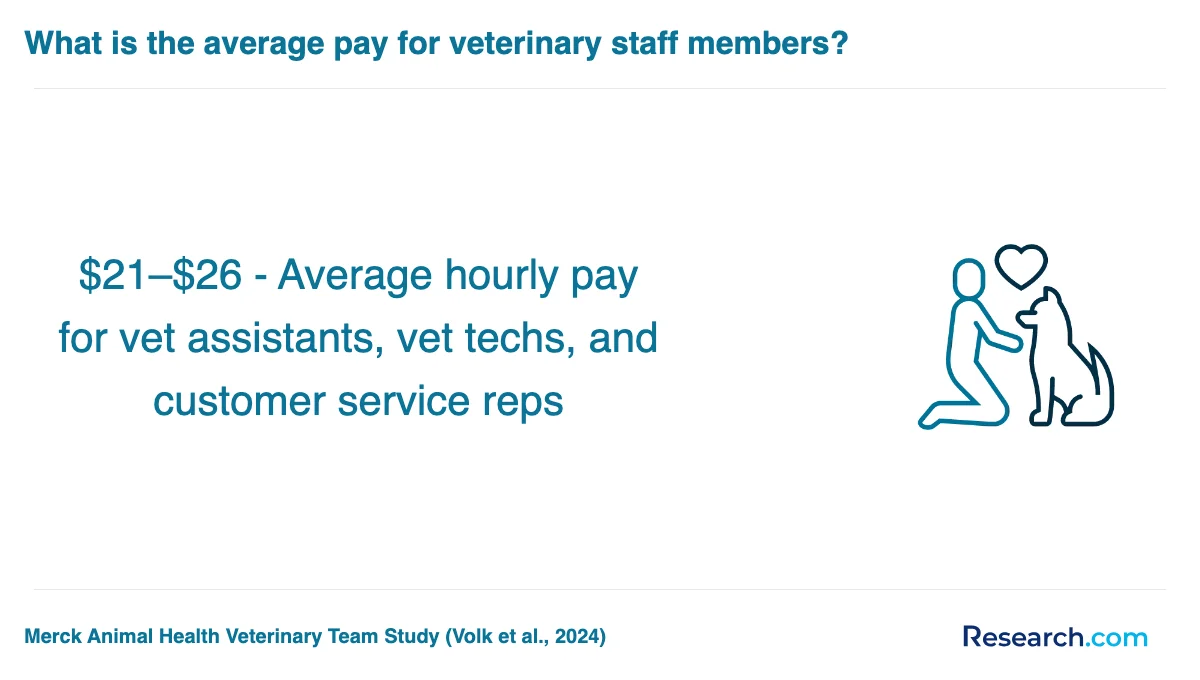
After completing a veterinary assistant trade school program in Georgia, graduates typically earn between $14.56 and $16.92 per hour, with annual salaries ranging from about $28,820 to $33,180. These figures come from multiple reliable sources in 2025 and reflect the real-world experiences of many graduates from well-known Georgia trade schools.
Many graduates report starting positions that pay around $14 to $20 per hour, depending on their location and employer. For example, those working in urban centers like Atlanta or Savannah often enjoy higher wages due to greater demand and cost of living.
Graduates from popular programs feel confident that their training positions them well for steady employment, with some entering roles that can pay up to $22.46 per hour as they gain experience. The hands-on education they receive helps them quickly adapt to the fast-paced environment of veterinary clinics, making them valuable team members right away.
Though Georgia's wages are slightly below the national average, many graduates find they can increase their earnings by gaining certifications or specializing within their practice, turning their trade school investment into a rewarding career.
Most Affordable Veterinary Assistant Schools & Training - Budget-Friendly Veterinary Assistant Trade Programs in Georgia for 2026
# 1 position
Central Georgia Technical College - Veterinary/Animal Health Technology/Technician and Veterinary Assistant.
certificate or diplomaCentral Georgia Technical College offers a Veterinary/Animal Health Technology/Technician and Veterinary Assistant program designed to prepare students for roles assisting veterinarians and animal health professionals. The curriculum covers animal nursing care, clinical procedures, radiology, anesthesiology, surgical assisting, and office administration. The program is accredited by the Southern Association of Colleges and Schools Commission on Colleges, with annual in-state tuition at $3,180.
# 2 position
Southern Regional Technical College - Veterinary/Animal Health Technology/Technician and Veterinary Assistant.
associateSouthern Regional Technical College offers a program in Veterinary/Animal Health Technology/Technician and Veterinary Assistant, preparing students to assist veterinarians and zoological professionals in patient care and clinical procedures. The curriculum includes animal nursing, clinical pathology, radiology, anesthesiology, surgical assisting, and office administration. The program is accredited by the Southern Association of Colleges and Schools Commission on Colleges. Annual in-state tuition is $3,122.
# 3 position
Athens Technical College - Veterinary/Animal Health Technology/Technician and Veterinary Assistant.
associateAthens Technical College offers a Veterinary/Animal Health Technology/Technician and Veterinary Assistant program that trains students to assist veterinarians and animal health professionals with patient care and clinical procedures. The curriculum covers animal nursing, health and nutrition, clinical pathology, radiology, anesthesiology, surgical assisting, and office administration. The program is accredited by the Southern Association of Colleges and Schools Commission on Colleges. Annual in-state tuition is $3,172.
# 4 position
Athens Technical College - Veterinary/Animal Health Technology/Technician and Veterinary Assistant.
certificate or diplomaAthens Technical College offers a Veterinary/Animal Health Technology/Technician and Veterinary Assistant program that prepares students to assist veterinarians and animal care professionals. The curriculum covers animal nursing, health, nutrition, clinical procedures, radiology, anesthesiology, surgical assisting, and office administration. The program is accredited by the Southern Association of Colleges and Schools Commission on Colleges. Annual in-state tuition is $3,172.
# 5 position
Ogeechee Technical College - Veterinary/Animal Health Technology/Technician and Veterinary Assistant.
associateThe Veterinary/Animal Health Technology/Technician and Veterinary Assistant program at Ogeechee Technical College prepares students to assist veterinarians and animal health professionals in patient care, clinical procedures, and owner communication. The curriculum covers animal nursing, health, nutrition, handling, clinical pathology, radiology, anesthesiology, dental care, surgical assisting, laboratory procedures, and office administration. Annual in-state tuition is $3,170. The program is accredited by the Southern Association of Colleges and Schools Commission on Colleges.
# 6 position
Ogeechee Technical College - Veterinary/Animal Health Technology/Technician and Veterinary Assistant.
certificate or diplomaOgeechee Technical College offers a program in Veterinary/Animal Health Technology/Technician and Veterinary Assistant that prepares students to assist veterinarians and animal health professionals. The curriculum covers animal nursing care, clinical procedures, radiology, anesthesiology, surgical assisting, and office administration. The program emphasizes patient management, owner communication, and compliance with relevant standards. Annual in-state tuition is $3,170. It is accredited by the Southern Association of Colleges and Schools Commission on Colleges.
# 7 position
Gwinnett Technical College - Veterinary/Animal Health Technology/Technician and Veterinary Assistant.
associateGwinnett Technical College offers a program in Veterinary/Animal Health Technology/Technician and Veterinary Assistant that trains students to assist veterinarians and animal health professionals in patient care, clinical procedures, and owner communication. The curriculum covers animal nursing, health and nutrition, clinical pathology, radiology, anesthesiology, surgical assisting, and office administration. The program’s annual in-state tuition is $3,356 and it is accredited by the Southern Association of Colleges and Schools Commission on Colleges.
# 8 position
Gwinnett Technical College - Veterinary/Animal Health Technology/Technician and Veterinary Assistant.
certificate or diplomaGwinnett Technical College offers a program in Veterinary/Animal Health Technology/Technician and Veterinary Assistant that prepares students to assist veterinarians and animal health professionals. The curriculum covers animal nursing, clinical procedures, radiology, anesthesiology, surgical assisting, and office administration. The program is accredited by the Southern Association of Colleges and Schools Commission on Colleges. Annual in-state tuition is $3,356.
Key Findings
- The minimum requirement to enroll in a veterinary assistant program in Georgia is a high school diploma or GED.
- Programs usually last one year or less and include classroom learning combined with hands-on animal care experience.
- Certification like the Approved Veterinary Assistant (AVA) or the Certified Veterinary Assistant from GVMA is not required but can improve job prospects.
- Average tuition costs range from $3,600 to $5,500, with additional fees for exams, textbooks, and vaccinations.
- Entry-level veterinary assistants in Georgia earn between $25,000 and $31,000 annually, with steady job demand in clinics and research facilities.
How long does it take to complete veterinary assistant trade schools in Georgia?
Completing a veterinary assistant trade school program in Georgia typically takes between 6 to 12 months, depending on the school and whether the student attends full-time or part-time. Many graduates from well-known trade schools in Georgia share that the accelerated pace of their programs made the journey both challenging and rewarding. They often mention how the hands-on training and real-world veterinary clinic experiences helped them quickly build confidence and practical skills.
For example, students in Atlanta's popular trade schools often describe their schedules as intensive but fulfilling, with clinical externships providing invaluable exposure to everyday veterinary tasks. Balancing coursework with practical learning within a year allows many to enter the workforce sooner, fueling their enthusiasm for helping animals and advancing their careers.
The relatively short completion time appeals to those eager to transition quickly into veterinary assistant roles, especially given Georgia's growing demand for skilled veterinary professionals. This timeframe enables motivated students to start gaining experience and earning a salary within a year of enrollment.
What's the difference between online and on-campus veterinary assistant trade school programs?
The main difference between online and on-campus veterinary assistant trade school programs in Georgia lies in how instruction and hands-on training are delivered. Online programs, such as those offered by the University of Georgia and Savannah Technical College, provide flexible coursework that students can complete remotely at their own pace. Graduates often appreciate the ability to balance studies with work or family commitments. However, they must independently secure local internships or externships for practical experience, which can be both empowering and challenging.
In contrast, on-campus programs like Gwinnett Technical College offer structured, face-to-face classes and labs where students actively practice clinical skills under supervision. Graduates frequently highlight the value of immediate instructor feedback and the camaraderie built through in-person interaction. This format suits those who thrive in a more traditional learning environment with fixed schedules.
Both paths cover core subjects like animal anatomy and emergency care, but choosing between them depends on whether you prefer flexible, self-driven study or guided, hands-on training within a physical campus setting.
What is the average cost of veterinary assistant trade schools in Georgia?
The average cost veterinary assistant programs Georgia students encounter varies primarily depending on the program type and institution. Certificate programs at community colleges and vocational schools typically cost between $1,000 and $5,000. Many graduates recall that enrolling in these shorter programs, such as the online course offered by Georgia Piedmont Technical College at $2,795, provided an affordable and flexible pathway into animal care careers without a heavy financial burden.
Tuition fees veterinary assistant schools Georgia for associate degree programs show a wider range. Community colleges charge approximately $3,500 to $7,000 annually, while four-year institutions can ask for $10,000 to $25,000 per year for in-state students. Graduates often emphasize that while these degrees require a larger investment, the comprehensive training they receive, combined with hands-on experience, greatly enhances their job readiness and satisfaction.
Additional costs for books, uniforms, and equipment, typically $1,500 to $2,500 yearly, add to the total expenditure, though many find these investments worthwhile given the career opportunities ahead. Financial aid options such as federal aid, state grants, and scholarships ease the financial strain for many students.
Those seeking affordable, accredited online options can explore the most affordable online accredited vet tech programs, which have garnered positive feedback from learners balancing studies with other commitments.

What financial aid is available for veterinary assistant trade schools in Georgia?
Veterinary assistant students in Georgia benefit from multiple financial aid options designed to ease educational expenses. The HOPE Grant and HOPE Scholarship, administered by the Georgia Student Finance Commission, are among the most valuable resources. Many students attending technical colleges like Gwinnett Technical College share how these programs substantially reduce tuition costs, allowing them to focus on hands-on learning without overwhelming debt.
Institutional scholarships at schools such as Gwinnett Technical College provide additional financial relief. Graduates often recall competitive but rewarding experiences applying for these awards, which helped cover textbooks and supplies. National scholarships also play a key role; for instance, the Tuition for Vet Techs Scholarship offers $2,500 annually to eligible students enrolled in AVMA-accredited programs, including Georgia trade schools. This scholarship supports full-time students maintaining a 3.0 GPA and NAVTA membership, alleviating stress around tuition payments.
Federal aid through FAFSA is another critical avenue. Many students find that Pell Grants and subsidized loans make a significant difference, especially when paired with school-based work-study or flexible payment plans. Engaging directly with financial aid offices often uncovers personalized support options, turning daunting costs into manageable steps toward a veterinary assistant career.
What are the prerequisites for enrolling in veterinary assistant trade schools in Georgia?
To enroll in a veterinary assistant trade school program in Georgia, applicants typically need a high school diploma or GED. This foundational requirement ensures students have the essential skills for the coursework ahead. Many trade schools also prefer candidates who demonstrate a genuine passion for animal care, which can be reflected through volunteer experience at animal shelters or veterinary clinics.
Graduates from popular Georgia trade schools often share that having hands-on experience before starting the program made a significant difference. For example, volunteering at a local animal hospital helped them feel confident in practical settings early on.
Common prerequisites include:
- High school diploma or GED
- Basic proficiency in reading, writing, and math
- Proof of immunizations, especially for tetanus and rabies
- Background check and drug screening in some schools
- Demonstrated interest through volunteer work or pet care experience
Such requirements not only prepare students academically but also ensure their readiness to engage with animals safely and responsibly. Students often express excitement about joining these programs, feeling well-prepared and supported from day one at their chosen Georgia trade school.
What are the typical courses in veterinary assistant trade schools in Georgia?
Veterinary assistant trade school programs in Georgia typically include a comprehensive set of courses designed to equip students with essential skills for animal care. Graduates from popular programs often highlight their confidence gained through hands-on learning in courses such as:
- Animal anatomy and physiology, which helps students understand how organs function in both small and large animals, crucial during clinical assessments.
- Animal handling and restraint techniques, teaching safe and humane ways to manage different species during exams or procedures, a skill graduates frequently recall practicing in labs and real clinics.
- Veterinary medical terminology, enabling clear communication with veterinarians and staff, often described as a vital foundation for smooth workplace interactions.
- Basic pharmacology and pharmacy procedures, where students learn to prepare and administer medications responsibly under supervision.
- Nutrition, vaccinations, and medication administration, reinforcing essential preventive care skills.
- Laboratory procedures like blood collection and diagnostic testing, providing practical experience that builds both competence and confidence.
- Veterinary dentistry and radiography, allowing students to assist with dental cleanings and x-rays, often a highlight of hands-on training.
- Client communication and administrative skills, including managing medical records, scheduling, billing, and front office tasks, which graduates find empowering for professional client interactions.
These courses, offered at technical colleges and universities throughout Georgia, ensure students graduate ready to contribute effectively from day one in veterinary settings. Graduates often reflect on how this blend of theory and practice helped them feel prepared and excited to start their careers.
What are the available specializations in veterinary assistant trade schools in Georgia?
Veterinary assistant trade school programs in Georgia typically offer specializations that cover both clinical and administrative skills essential for thriving in animal healthcare. Students gain hands-on experience in animal restraint, assisting with surgical procedures, administering medications, and performing diagnostic tests such as blood draws and radiographs. Graduates from popular schools like Chattahoochee Technical College often report feeling confident managing real-world clinical scenarios, from comforting nervous pets to prepping animals for treatment.
On the administrative side, Georgia veterinary assistant program options frequently include training in managing medical records, scheduling appointments, and communicating effectively with clients. This dual focus equips students with a balanced skill set relevant to daily veterinary practice operations. Programs also emphasize front office management, ensuring graduates are ready for diverse roles.
Some students pursue advanced tracks through AVMA-accredited veterinary technology programs at institutions like Gwinnett Technical College, providing deeper expertise and certification opportunities. Those interested in flexible learning paths may explore the best online certificate programs available to supplement their practical training, helping build a strong foundation for a rewarding veterinary assistant career.
How do you choose the best veterinary assistant trade school program in Georgia?
Choosing the best veterinary assistant programs in Georgia starts with ensuring the school's accreditation, such as those accredited by the AVMA. Graduates from Athens Technical College and Southern Regional Technical College often highlight how accreditation gave them confidence in their education's quality and employer recognition. When comparing schools, consider program outcomes like graduation and job placement rates-Southern Regional Technical College is praised for supporting students successfully into veterinary careers.
Cost is another key factor. Many graduates from Ogeechee Technical College appreciate the affordable tuition and available financial aid options, which made their education accessible without overwhelming debt. Smaller class sizes, such as the 30:1 ratio at Ogeechee, allow for more personalized instruction, a benefit often noted by students who thrived in hands-on learning environments.
Finally, location and campus resources matter. Schools near veterinary clinics or with strong industry connections provide valuable internship opportunities. When evaluating how to compare veterinary assistant schools in Georgia, also consider the quality of instructors and facilities. For further insights into career paths, exploring health care professions can help clarify your goals.
What career paths are available for veterinary assistant trade school graduates in Georgia?
Veterinary assistant trade school graduates in Georgia find diverse veterinary assistant job opportunities in Georgia, commonly starting in busy private practices, animal hospitals, and specialty clinics. Graduates from well-known programs in Atlanta and Savannah share that hands-on training at these trade schools prepares them to confidently support veterinarians during medical procedures and client interactions.
Many also thrive working in animal shelters, humane societies, or rescue organizations, where they make a direct impact by assisting with animal care and daily operations. Large employers like Banfield Pet Hospital and Veterinary Centers of America provide stable roles offering structured career advancement and benefits.
Graduates who aim for the veterinary technician career path Georgia can pursue additional education, including associate degrees and certification exams. Some trade schools even guide students toward becoming Approved Veterinary Assistants (AVA), enhancing job prospects. Those interested in expanding their credentials often explore colleges with good vet tech programs to further their careers.
What is the job market for veterinary assistant trade school graduates in Georgia?
The veterinary assistant job market in Georgia offers steady opportunities for graduates from trade school programs, particularly in cities like Atlanta, Savannah, and Athens. Graduates often find entry-level positions in veterinary clinics, hospitals, and animal shelters. Many report that completing hands-on training at popular trade schools in Georgia made securing a job more accessible, especially when open to flexible scheduling or working in underserved suburban or rural areas. Practical skills such as client communication and basic lab work are in demand, helping new assistants transition smoothly into the workforce.
Key aspects of the veterinary assistant salary trends Georgia reveal an average hourly wage around $16.92, with potential increases in metropolitan areas. Graduates experience real benefits from beginning their careers here, and some use this role as a stepping stone to become licensed veterinary technicians. Job openings remain consistent statewide, though competition is less intense compared to other health roles. Positive career experiences and employer feedback highlight that hard work and compassion make a significant impact.
For those curious about earning potential compared to other professions, exploring what is the highest paid medical profession can provide useful context for long-term career planning.
Frequently Asked Questions about veterinary assistant
After completing a veterinary assistant trade school in Georgia, preparing for the job market involves a few key steps. First, obtaining certification through organizations like the National Association of Veterinary Technicians in America (NAVTA) can improve employment prospects. Georgia's demand for veterinary assistants is growing, with the U.S. Bureau of Labor Statistics projecting a 19% increase in veterinary technician jobs nationwide from 2022 to 2032, indicating positive job growth.
Networking is also important; attending local veterinary conferences or joining professional groups can connect graduates with potential employers. Additionally, gaining hands-on experience through internships or volunteering at animal clinics enhances practical skills and resumes.
Staying informed about the Georgia Veterinary Medical Association's guidelines helps graduates understand state-specific regulations and expectations. Tailoring resumes to highlight specific trade school training and certifications can make candidates stand out in Georgia's competitive job market.
Employers in Georgia seeking veterinary assistant graduates prioritize a combination of technical and interpersonal skills. According to the Bureau of Labor Statistics and Georgia's Department of Labor, strong animal handling abilities are essential, as assistants must safely manage animals during exams and treatments.
Additionally, proficiency in basic clinical tasks like administering medication, taking vital signs, and assisting with laboratory work is highly valued. Communication skills are critical too, since veterinary assistants often interact with pet owners and support veterinary teams.
Attention to detail and the ability to follow strict hygiene and safety protocols also rank high among employer expectations. These skills ensure quality care and compliance with veterinary regulations in Georgia's clinics and hospitals.
Finding internships relevant to veterinary assistant trade school programs in Georgia involves several practical steps. Start by contacting the career services office of your trade school, as many maintain relationships with local veterinary clinics and animal hospitals offering internship opportunities. According to the Georgia Veterinary Medical Association, internships often provide hands-on experience in small and large animal care, essential for skill development.
Networking is crucial; attend local veterinary conferences or join online groups like the Georgia Veterinary Technician Association to connect with professionals. Additionally, explore job boards such as the Georgia Department of Labor's website for postings specifically targeting veterinary assistant internships.
Some programs require or recommend a minimum number of internship hours, typically around 150 to 200, so verify these requirements early to plan accordingly.
Obtaining a veterinary assistant trade school diploma in Georgia can significantly impact career mobility and advancement. Graduates with this diploma meet the practical skill requirements sought by employers in veterinary clinics, animal hospitals, and shelters across the state. According to the Georgia Department of Labor, veterinary assistants earn an average annual wage of around $28,000, with opportunities for growth as experience and certifications increase.
Trade school diplomas often provide hands-on training, making candidates more competitive compared to those without formal education. This credential can open doors to entry-level positions and offers a pathway to specialized roles, such as anesthesia or laboratory assistance. Additionally, some employers prefer or require a diploma for promotion eligibility.
In Georgia, accredited trade programs also facilitate connections with local veterinary practices, enhancing job placement rates. The diploma may serve as a stepping stone toward further education, such as veterinary technician programs, which offer higher salaries and more advanced responsibilities.
Students enrolled in veterinary assistant trade schools in Georgia can benefit from several part-time job opportunities that enhance their practical skills. Common roles include veterinary receptionist, kennel assistant, and animal care technician. These positions offer hands-on experience with animal handling, medical terminology, and client communication.
According to the U.S. Bureau of Labor Statistics, Georgia's animal care sector is projected to grow by 15% through 2031, creating more job openings. Local veterinary clinics and animal shelters often seek part-time help, allowing students to apply classroom knowledge in real-world settings. This practical exposure can improve job prospects post-graduation.
Working part-time in these roles also helps students build professional networks within Georgia's veterinary community, which is valuable for future employment opportunities.
To choose the most affordable Veterinary Assistant degree program near me in Georgia, start by researching local community colleges and technical institutes offering veterinary assisting programs, which are typically more budget-friendly. Comparing tuition rates, program length, and job placement rates of these local institutions with those near Georgia will provide a clearer picture of the options available. Additionally, resources like Research.com can offer insights and rankings that could assist in identifying affordable programs that meet your educational goals.
Related Veterinary Assistant Rankings for Nearby States
- Most Affordable Veterinary Assistant Schools & Training - Budget-Friendly Veterinary Assistant Trade Programs in Florida for 2026
- Most Affordable Veterinary Assistant Schools & Training - Budget-Friendly Veterinary Assistant Trade Programs in North Carolina for 2026
- Most Affordable Veterinary Assistant Schools & Training - Budget-Friendly Veterinary Assistant Trade Programs in Virginia for 2026
- Most Affordable Veterinary Assistant Schools & Training - Budget-Friendly Veterinary Assistant Trade Programs in Indiana for 2026
- Most Affordable Veterinary Assistant Schools & Training - Budget-Friendly Veterinary Assistant Trade Programs in Ohio for 2026
- Most Affordable Veterinary Assistant Schools & Training - Budget-Friendly Veterinary Assistant Trade Programs in Maryland for 2026
- Most Affordable Veterinary Assistant Schools & Training - Budget-Friendly Veterinary Assistant Trade Programs in Illinois for 2026
- Most Affordable Veterinary Assistant Schools & Training - Budget-Friendly Veterinary Assistant Trade Programs in Pennsylvania for 2026
- Most Affordable Veterinary Assistant Schools & Training - Budget-Friendly Veterinary Assistant Trade Programs in Wisconsin for 2026
- Most Affordable Veterinary Assistant Schools & Training - Budget-Friendly Veterinary Assistant Trade Programs in Iowa for 2026
Top Trending Rankings
References
- Veterinary technology programs accredited by the AVMA CVTEA | American Veterinary Medical Association https://www.avma.org/education/center-for-veterinary-accreditation/veterinary-technology-programs-accredited-avma-cvtea
- Online Vet Tech Program - Associate Degree | Penn Foster https://www.pennfoster.edu/programs/veterinary/veterinary-technician-associate-degree
- Veterinary Assistant Program | Ross Education https://rosseducation.edu/programs/veterinary-assistant.php
- Veterinary Assistant Program https://trocaire.edu/academics/workforce-development/veterinary-assistant-program/
- Online Veterinary Assistant Program | Self-Paced Course https://www.uscareerinstitute.edu/online-veterinary-assistant-school
- Veterinary Career Programs & Trade Schools https://www.best-trade-schools.net/programs/vet-services/
- Veterinary Assistant – BMCC https://www.bmcc.cuny.edu/ce/online-courses/veterinary-assistant/
- Veterinary Assistant Program Benefits of Choosing This Path - San Joaquin Valley College https://www.sjvc.edu/program/veterinary-assistant/
- Veterinary Assistant - Technical College of the Rockies https://tcr.edu/vet-assist/
- Veterinary Assistant Certificate - Blended Learning School https://chartercollege.edu/programs/veterinary/veterinary-assistant-training/


