
Best Veterinary Assistant Training Programs & Trade Schools - Top Veterinary Assistant Schools in Pennsylvania for 2026

Co-Founder and Chief Data Scientist
Choosing the right veterinary assistant trade school in Pennsylvania can be a big step toward a rewarding career. This article introduces a carefully crafted ranking of veterinary assistant programs created by the Research.com team of data scientists to help you make an informed decision.
By exploring these top programs, you’ll discover options that fit your goals and lifestyle. Earning a diploma or certification opens doors to working closely with animals and contributing to their care.
Whether you’re starting fresh or changing careers, this guide supports your journey with reliable information and positive encouragement.
Key benefits of finishing veterinary assistant trade school in Pennsylvania
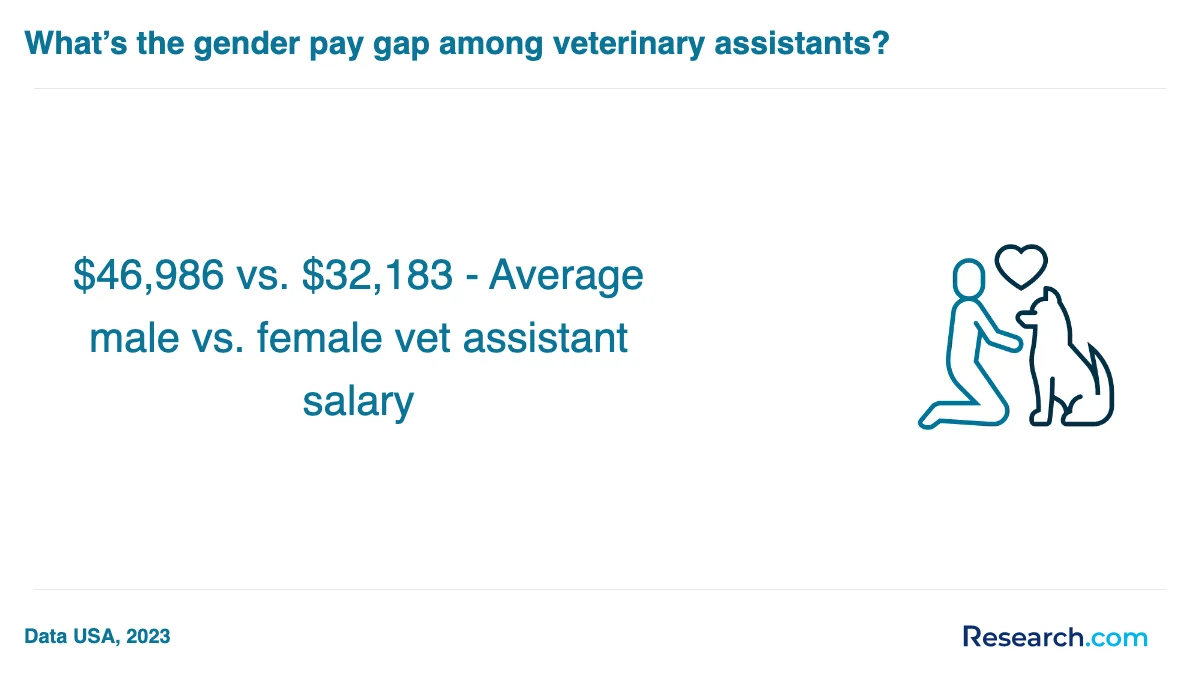
- Graduates from veterinary assistant trade schools in Pennsylvania can expect an average salary around $34,246 per year, with potential to earn up to $45,987 as experience grows.
- Many trade school graduates find rewarding roles in veterinary clinics, animal hospitals, or specialty practices, building a fulfilling career caring for animals.
- Completing an online veterinary assistant program offers flexible learning and faster completion, making it easier to start working and earning sooner compared to traditional degrees.
What can I expect from veterinary assistant trade schools in Pennsylvania?
When you enroll in a veterinary assistant trade school program in Pennsylvania, expect a hands-on education that balances classroom learning with real-world experience. Graduates from popular schools like Dauphin County Technical School share how they quickly gained confidence by practicing animal handling, surgical assistance, and laboratory work on-site. These programs typically cover animal nursing care, radiology, pharmacy procedures, and managing both small and large animals, including exotics.
Many students find the clinical externship to be the most rewarding part, working directly with veterinarians and techs in clinics or shelters. This experience not only sharpens practical skills but also creates valuable professional connections. You'll learn everything from safely restraining animals to preparing surgical instruments, with courses often endorsed by Pennsylvania's Veterinary Medical Association, adding credibility to your training.
Graduates appreciate that programs are designed to be completed quickly, allowing them to enter the workforce sooner. Plus, you can take the PVMA-endorsed exam and, if you choose, pursue the national AVA credential to boost your job prospects.
Where can I work after finishing veterinary assistant trade schools in Pennsylvania?
After finishing a veterinary assistant trade school program in Pennsylvania, graduates find job opportunities in a variety of practical settings. Many secure positions in private veterinary clinics and hospitals, where they support veterinarians and technicians with daily animal care and client communication. For example, graduates from popular trade schools in Philadelphia often describe the satisfaction of working hands-on with pets in busy clinics that offer advanced services like ultrasound and lab tests.
Others land roles in emergency and specialty animal hospitals, gaining experience in critical care and patient monitoring. Working in shelters and rescue organizations is another common path, where graduates help with intake exams and routine treatments, often sharing stories of rewarding moments caring for rescued animals.
Many also find employment in pet boarding, grooming salons, or rehabilitation centers, applying their skills in animal health monitoring. Some graduates expand their careers into veterinary reception or administrative roles, enjoying the variety and client interaction these jobs offer. This range of options reflects the strong demand for trained veterinary assistants throughout Pennsylvania.
How much can I make after finishing veterinary assistant trade schools in Pennsylvania?
After completing a veterinary assistant trade school program in Pennsylvania, graduates typically earn between $29,620 and $34,246 annually. Many students from popular Pennsylvania trade schools find their starting salaries range from about $26,581 to $39,793, depending on their location and employer. For example, those working in Philadelphia often see jobs offering between $30,000 and $44,000, with an average salary near $35,894. This means many graduates feel encouraged knowing their paycheck can support a steady living right out of school.
Hourly wages usually fall between $16 and $17.28, with some entry-level positions starting as low as $15.19. Graduates often share that working at larger hospital chains or well-established clinics increases earning potential, with salaries closer to $35,000 to $37,000. Others in smaller clinics might start near $32,000, which still provides a solid foundation for building a career in animal care.
Veterinary assistant graduates appreciate that while their salaries might be slightly lower than those of medical assistants or pharmacy technicians in Pennsylvania, their work is fulfilling and valued. Many feel confident that gaining experience or certifications will open doors to higher-paying opportunities within the veterinary field.
Best Veterinary Assistant Training Programs & Trade Schools - Top Veterinary Assistant Schools in Pennsylvania for 2026
# 1 position
Lehigh Carbon Community College - Veterinary/Animal Health Technology/Technician and Veterinary Assistant.
associateLehigh Carbon Community College offers a program in Veterinary/Animal Health Technology/Technician and Veterinary Assistant that prepares students to assist veterinarians and animal health professionals. The curriculum covers animal nursing care, clinical procedures, radiology, anesthesiology, surgical assisting, and office administration. The program is accredited by the Middle States Commission on Higher Education. Annual in-state tuition is $5,215.
# 2 position
Northampton County Area Community College - Veterinary/Animal Health Technology/Technician and Veterinary Assistant.
associateNorthampton County Area Community College offers a program in Veterinary/Animal Health Technology/Technician and Veterinary Assistant. The curriculum prepares students to assist veterinarians and specialists with patient care, clinical procedures, and owner communication. Instruction includes animal nursing, health, nutrition, clinical pathology, radiology, anesthesiology, surgical assisting, and office administration. The program is accredited by the Middle States Commission on Higher Education. Annual in-state tuition is $5,310.
# 3 position
Vet Tech Institute - Veterinary/Animal Health Technology/Technician and Veterinary Assistant.
associateThe Veterinary/Animal Health Technology/Technician and Veterinary Assistant program at Vet Tech Institute prepares students to assist veterinarians and animal health professionals in patient care and clinical procedures. The curriculum covers animal nursing, health, nutrition, handling, clinical pathology, radiology, anesthesiology, dental prophylaxis, surgical assisting, laboratory procedures, and office administration. Annual in-state tuition is $16,920. The program is accredited by the Accrediting Commission of Career Schools and Colleges.
# 4 position
Johnson College - Veterinary/Animal Health Technology/Technician and Veterinary Assistant.
associateJohnson College offers a program in Veterinary/Animal Health Technology/Technician and Veterinary Assistant that prepares students to assist veterinarians and other animal health professionals. The curriculum covers animal nursing care, clinical procedures, radiology, anesthesiology, surgical assisting, and office administration. The program is accredited by the Middle States Commission on Higher Education. Annual in-state tuition is $20,733.
# 5 position
Manor College - Veterinary/Animal Health Technology/Technician and Veterinary Assistant.
associateManor College offers a program in Veterinary/Animal Health Technology/Technician and Veterinary Assistant designed to prepare students for roles assisting veterinarians and animal health professionals. The curriculum covers animal nursing care, clinical procedures, radiology, anesthesiology, dental prophylaxis, surgical assisting, and office administration. The program is accredited by the Middle States Commission on Higher Education. Annual in-state tuition for this program is $19,964.
# 6 position
Pennsylvania Western University - Veterinary/Animal Health Technology/Technician and Veterinary Assistant.
associatePennsylvania Western University offers a Veterinary/Animal Health Technology/Technician and Veterinary Assistant program that prepares students to assist veterinarians and animal health professionals in patient care and clinical procedures. The curriculum covers animal nursing, clinical pathology, radiology, anesthesiology, surgical assisting, and office administration. Annual in-state tuition is $11,388. The program is accredited by the Middle States Commission on Higher Education.
# 7 position
Harcum College - Veterinary/Animal Health Technology/Technician and Veterinary Assistant.
associateHarcum College offers a program in Veterinary/Animal Health Technology/Technician and Veterinary Assistant designed to prepare students for patient management and clinical assistance under veterinary supervision. The curriculum covers animal nursing care, clinical pathology, radiology, anesthesiology, surgical assisting, and office administration. The program is accredited by the Middle States Commission on Higher Education. Annual in-state tuition is $29,900.
# 8 position
YTI Career Institute-York - Veterinary/Animal Health Technology/Technician and Veterinary Assistant.
associateThe Veterinary/Animal Health Technology/Technician and Veterinary Assistant program at YTI Career Institute-York prepares students to assist veterinarians and animal health professionals in patient care and clinical procedures. Instruction covers animal nursing, health, nutrition, handling, clinical pathology, radiology, anesthesiology, dental prophylaxis, surgical assisting, laboratory procedures, office administration, and regulatory standards. The program is accredited by the Accrediting Commission of Career Schools and Colleges.
# 9 position
Lancaster County Career and Technology Center - Veterinary/Animal Health Technology/Technician and Veterinary Assistant.
associateThe Veterinary/Animal Health Technology/Technician and Veterinary Assistant program at Lancaster County Career and Technology Center trains students to assist veterinarians and animal health professionals in patient care, clinical procedures, and owner communication. The curriculum covers animal nursing, health, nutrition, clinical pathology, radiology, anesthesiology, surgical assisting, and office administration. This program is accredited by the Council on Occupational Education.
# 10 position
Institute of Medical Careers - Veterinary/Animal Health Technology/Technician and Veterinary Assistant.
associateA program that prepares individuals to assist veterinarians, laboratory animal specialists, and zoological professionals in patient management, care, and clinical procedures. Instruction includes animal nursing care, health and nutrition, handling, clinical pathology, radiology, anesthesiology, dental prophylaxis, surgical assisting, laboratory procedures, office administration, and applicable standards and regulations. The program is accredited by the Accrediting Bureau of Health Education Schools.
Key Findings
- No formal state education is required in Pennsylvania; a high school diploma is usually enough for entry-level veterinary assistant jobs.
- Trade school programs last six months to one year and cover subjects like anatomy, medical terminology, animal care, and basic nursing skills.
- Certifications available include the NAVTA national certification and the Pennsylvania Veterinary Medical Association state certificate.
- Program costs are generally lower than veterinary technician degrees, with some financial aid and scholarships available.
- Average salaries are about $30,690 per year or $14.24 per hour, with higher pay up to $19.00 per hour in research labs and cities like Philadelphia and Pittsburgh.
How long does it take to complete veterinary assistant trade schools in Pennsylvania?
Completing a veterinary assistant trade school program in Pennsylvania typically takes between six months and one year, depending on the school and course structure. Many graduates from well-known Pennsylvania trade schools report finishing their programs in about nine months, balancing hands-on training with classroom learning. This timeline fits well for those eager to enter the workforce quickly without sacrificing essential skills.
For instance, students often share how the compact nature of the programs allowed them to maintain jobs or family responsibilities while studying. One graduate described feeling a steady sense of accomplishment as each module wrapped up, boosting confidence for practical work with animals.
Programs at popular Pennsylvania trade schools emphasize practical experience alongside theory, making the compressed timeline feel manageable and rewarding. This structure helps students stay motivated and see tangible progress, such as mastering animal handling or medical terminology, well before graduation.
What's the difference between online and on-campus veterinary assistant trade school programs?
Online veterinary assistant programs in Pennsylvania offer flexibility that appeals to students balancing work or family. Graduates from popular trade schools recall how they could complete lectures and assignments at their own pace through digital platforms, fitting study around their busy lives. However, because veterinary assisting demands hands-on skills, these programs require local externships or clinical rotations, arranged with nearby veterinary practices, to provide real-world experience.
On the other hand, on-campus programs-like the 300-hour course endorsed by the Pennsylvania Veterinary Medical Association-immerse students directly in practical training. Graduates often highlight the confidence gained from practicing animal handling, lab work, and surgical assistance under direct instructor supervision in well-equipped facilities. The face-to-face mentorship and immediate feedback they received helped build solid foundational skills.
Both options prepare students for the PVMA exam and the NAVTA national certification, but the key difference lies in how practical experience is delivered: integrated on campus versus coordinated off site. Choosing between them depends on whether you prioritize schedule flexibility or hands-on guidance.
What is the average cost of veterinary assistant trade schools in Pennsylvania?
The average cost of veterinary assistant programs in Pennsylvania typically ranges between $900 and $4,200, depending largely on the type of institution and program format. For instance, trade school graduates from Dauphin County Technical School often recall that the hybrid Veterinary Assistant Program priced at about $4,180 was a worthwhile investment, combining practical in-person sessions with the flexibility of online learning. This balance tends to suit students who enjoy hands-on experience but need adaptable schedules.
Many prospective students are drawn to more affordable options, such as fully online programs like those at Penn Foster, where tuition fees for veterinary assistant schools in Pennsylvania can start as low as $899 when paid upfront. Graduates have expressed appreciation for how these lower-cost online programs allow them to pursue their career goals without incurring overwhelming debt, especially when combined with monthly payment plans.
Community colleges also provide a competitive price point. The Community College of Allegheny County offers a Veterinary Assistant Certificate program costing around $3,500 and designed to be completed in a single semester. This option is ideal for those who want a concentrated curriculum focused on essential skills like animal anatomy and pharmacology. Many graduates mention that the clear structure and shorter duration helped them enter the workforce quickly.
While tuition covers tuition, additional costs are real considerations: textbooks can add $40 to $70 each, and uniforms might range from $30 to $200. For students exploring options, it's wise to review financial aid and scholarships. Those seeking low cost online veterinary technician programs can find resources to balance their budget while achieving quality training, making the path to becoming a veterinary assistant both accessible and rewarding.
What financial aid is available for veterinary assistant trade schools in Pennsylvania?
Students pursuing veterinary assistant trade school programs in Pennsylvania can access multiple financial aid options to ease the cost of education. Federal aid is widely used, including Pell Grants and Federal Supplemental Educational Opportunity Grants, which provide need-based funding without requiring repayment. Those attending schools like Vet Tech Institute often share how completing the FAFSA unlocked these funds, making studies feel more manageable.
State-specific aid through the Pennsylvania State Grant supports residents enrolled at least half-time in approved programs. Graduates from Northampton Community College recall how this grant significantly reduced their tuition burden, allowing them to focus more on learning than on finances.
Many schools also offer scholarships, payment plans, and federal work-study opportunities, helping students cover gaps in funding. Veterans benefit from dedicated education benefits, with several Pennsylvania campuses approved for veteran training, adding another financial layer for those with military backgrounds.
Applying early and consulting each school's financial aid office is key to securing the best support, as many students find personalized advice invaluable in navigating these options.
What are the prerequisites for enrolling in veterinary assistant trade schools in Pennsylvania?
To enroll in a veterinary assistant trade school program in Pennsylvania, you'll typically need a high school diploma or GED. This baseline requirement ensures you're prepared for the course's practical and theoretical demands. Many trade schools also expect you to be at least 18 years old, which aligns with the hands-on nature of veterinary work involving animals and equipment.
Some Pennsylvania programs may require or recommend the following before admission:
- Basic proficiency in reading and math, often demonstrated through placement tests
- Proof of immunizations, especially for programs involving clinical practice
- Ability to pass a background check, as some externships take place in clinical settings
Graduates from popular Pennsylvania trade schools often recall how meeting these prerequisites gave them confidence. One shared how having a solid high school science background made anatomy lessons easier to grasp. Another appreciated the clear checklist of requirements before starting, which helped avoid last-minute stress. These practical steps prepare you not just for admission, but for succeeding in hands-on training and externships that define the veterinary assistant experience in Pennsylvania.
What are the typical courses in veterinary assistant trade schools in Pennsylvania?
Veterinary assistant trade school programs in Pennsylvania cover essential courses that prepare students for hands-on work in animal care settings. Graduates often highlight how courses in animal anatomy and physiology gave them a clear understanding of both small pets and larger animals they'll encounter daily. This foundation is crucial when safely handling animals or assisting vets.
Students at well-known trade schools in the state report gaining confidence through:
- Animal restraint and handling techniques tailored for domestic and exotic animals
- Veterinary medical terminology to communicate seamlessly with veterinary teams
- Laboratory and diagnostic procedures, including sample collection and basic testing
- Nursing care and surgical assistance, such as prepping animals and instruments
- Pharmacy basics and medication administration to support vets and educate pet owners
- Office procedures and client communication skills, helping with record-keeping and appointment management
Many programs incorporate clinical externships, providing real-world experience that students find invaluable. One graduate shared how working in a local animal hospital during the externship made the classroom lessons come alive, reinforcing their skills and boosting confidence for their veterinary career.
What are the available specializations in veterinary assistant trade schools in Pennsylvania?
Veterinary assistant specializations in Pennsylvania trade schools cover a broad spectrum designed for hands-on animal care. Graduates from popular programs describe immersive training in areas like Small Animal Care and Management, where they learn daily husbandry and behavior skills essential for dogs and cats. Others highlight Large Animal and Laboratory Animal Care, which prepares them for work with livestock or research animals, often through real-world externships in local clinics.
Core training also includes Veterinary Clinical Sciences, emphasizing diagnostic assistance and treatment techniques, plus Surgical Preparation and Assisting, which builds confidence in supporting complex procedures. Pharmacy and Pharmacology courses teach safe medication handling, a skill graduates find invaluable. Radiology and Imaging specializations train students in positioning animals for x-rays, adding technical expertise to their profiles.
Additionally, programs focus on Client Relations and Communication, crucial for effective teamwork and pet owner education. Those enrolled in animal care training programs Pennsylvania appreciate how these diverse options equip them for rewarding careers. For further advancement, some explore certification and supplement their skills with best certificate and diploma programs online.
How do you choose the best veterinary assistant trade school program in Pennsylvania?
Focus first on accreditation when searching for the best veterinary assistant programs in Pennsylvania. Graduates from schools like Lancaster County Career and Technology Center often praise their education's credibility through NAVTA accreditation, which reassures employers of quality training. Next, consider schools offering hands-on experience; for example, those who completed the Dauphin County Technical School program value its balance of online learning and in-person labs, enabling confident application of skills like surgical assistance and animal nursing.
Scheduling flexibility is key-schools such as the Community College of Allegheny County accommodate working students by offering evening or weekend classes, making it easier to manage work-life balance. Location matters too; choosing a program near your home saves commuting stress, a common wish expressed by Beaver County students. Cost and financial aid availability are practical points; learners often recommend contacting institutions directly for details to make informed decisions.
Finally, understand the program's outcomes by inquiring about graduation and employment rates to ensure your investment leads to success. Considering these factors carefully will guide your choice among the top-rated veterinary assistant schools in Pennsylvania. To explore career possibilities and understand what medical field makes the most money can also inspire clear goals during your studies.

What career paths are available for veterinary assistant trade school graduates in Pennsylvania?
Graduates of veterinary assistant trade school programs in Pennsylvania find a variety of rewarding career paths. Many start as veterinary assistants in bustling clinics or animal hospitals, where daily tasks include supporting veterinarians, managing exam rooms, and handling client communications-a dynamic environment that keeps graduates engaged and motivated. Popular trade schools in Pennsylvania prepare students well for these roles, with graduates often highlighting how their hands-on training makes them confident from day one.
Employment opportunities extend beyond private practices. Graduates often secure jobs in large veterinary networks such as VCA hospitals in Philadelphia or Pittsburgh, animal shelters, research labs, and specialty care centers. Some even land positions in university research labs, benefiting from higher wages and stimulating environments. The diversity of options aligns with the strong veterinary assistant career opportunities in Pennsylvania, appealing to those seeking both stability and variety.
Many graduates aim for advancement options for Pennsylvania veterinary assistant graduates by earning a NAVTA-approved certificate. This credential boosts job prospects and salary potential and often leads to roles with more responsibility. Others use their experience as a springboard, pursuing a veterinary technician role or further education to become a veterinarian degree holder.
What is the job market for veterinary assistant trade school graduates in Pennsylvania?
Veterinary assistant trade school graduates in Pennsylvania enter a job market that balances steady demand with room for growth. With roughly 2,530 veterinary assistants employed statewide, this field is experiencing a projected 19% growth over the next decade, slightly below the national 20.5% but still promising for new entrants. Graduates from popular Pennsylvania trade schools often find themselves quickly absorbed by clinics, animal shelters, and research labs, especially those who earned certifications boosting their credentials.
From personal accounts, graduates appreciate that:
- Starting salaries in Pennsylvania range near $21,830, rising to about $39,450 with experience.
- Urban areas like Philadelphia and Pittsburgh typically offer higher pay and more job openings.
- Working in university research labs can provide hourly wages up to $19.00, a compelling option for specialized assistants.
The market isn't overly competitive but favors those with formal training, making trade school graduates preferable candidates. Employers increasingly look for certified skills, reinforcing the value of completing accredited programs. If you're exploring career paths, consider how this role fits within the broader list of medical professions. This pragmatic outlook helps align your education with strong employment opportunities in Pennsylvania's veterinary assistant job market.
Frequently Asked Questions about veterinary assistant
After completing a veterinary assistant trade school in Pennsylvania, preparing for the job market involves several key steps. First, graduates should obtain certification through the National Association of Veterinary Technicians in America (NAVTA), which can improve employability. Pennsylvania's demand for veterinary assistants is expected to grow by 16% through 2030, according to the U.S. Bureau of Labor Statistics, indicating promising job prospects.
Networking is also crucial. Joining local veterinary associations or attending job fairs can connect graduates with potential employers. Gaining hands-on experience through internships or volunteer work at animal clinics enhances practical skills and resumes.
Finally, tailoring your resume to highlight both technical skills and soft skills like communication can increase chances of securing a position in this competitive field.
Employers in Pennsylvania highly value veterinary assistant graduates who demonstrate strong technical and interpersonal skills. According to the Pennsylvania Department of Labor & Industry, key abilities include animal handling, basic medical knowledge, and proficiency in laboratory procedures. Effective communication is also essential, as assistants often interact with pet owners and veterinary staff.
Attention to detail is critical for tasks such as administering medications and monitoring animal health. Additionally, time management and teamwork skills improve clinic efficiency. Trade schools that emphasize hands-on training and real-world experience tend to prepare students better for these employer expectations.
Overall, graduates who combine practical knowledge with strong soft skills have a competitive edge in Pennsylvania's veterinary job market.
Finding internships relevant to veterinary assistant trade school programs in Pennsylvania involves several practical steps. Start by contacting your school's career services or internship coordinator, as many trade schools have partnerships with local veterinary clinics and animal hospitals. These connections can provide direct internship opportunities tailored to your program requirements.
Additionally, explore listings on Pennsylvania's state job portals and healthcare internship boards, such as the Pennsylvania Department of Labor & Industry or the Pennsylvania Veterinary Medical Association. These sources often post veterinary-related internships available throughout the state.
Networking with local veterinary professionals through events or online platforms like LinkedIn can also lead to internship openings. According to the American Veterinary Medical Association, internships in veterinary assisting have grown by 5% annually, reflecting increasing demand in Pennsylvania's pet care industry.
Obtaining a veterinary assistant trade school diploma in Pennsylvania significantly enhances career mobility within the state's growing animal care industry. According to the Pennsylvania Department of Labor & Industry, veterinary assistant positions are expected to grow by 16% between 2020 and 2030, faster than many other occupations. This diploma provides practical skills and recognized credentials, making graduates more competitive candidates for entry-level jobs in veterinary clinics, animal hospitals, and shelters.
Employers in Pennsylvania often prefer candidates with formal training, as it demonstrates a foundational understanding of animal care and medical procedures. The diploma also opens pathways to advanced roles such as veterinary technician, especially if combined with further education. Additionally, some trade schools offer externships, which improve networking opportunities and job placement rates locally. Overall, the diploma serves as a critical step for career advancement in Pennsylvania's veterinary field.
Part-time job opportunities in Pennsylvania that complement veterinary assistant trade school education include roles such as veterinary receptionist, animal shelter worker, and pet care aide. These positions provide practical experience in animal handling and clinic operations, reinforcing skills learned in school. According to the Pennsylvania Department of Labor & Industry, veterinary assistants in the state earn an average hourly wage of $12 to $15, making part-time roles financially viable as well.
Working at animal shelters or rescue organizations allows students to build hands-on experience with diverse animals. Veterinary receptionists gain exposure to administrative tasks, enhancing communication and organizational skills.
Such roles not only improve resumes but also increase employability upon graduation.
To choose the best Veterinary Assistant degree program near me in Pennsylvania, start by considering programs offered by community colleges or technical schools, often more accessible and affordable. Look for institutions that have accreditation and provide hands-on training opportunities, as these are critical for gaining practical experience and may be emphasized by programs near Pennsylvania. Utilizing resources like Research.com can help you identify reputable schools based on reviews and rankings of local and nearby programs.
Related Veterinary Assistant Rankings for Nearby States
- Best Veterinary Assistant Training Programs & Trade Schools - Top Veterinary Assistant Schools in New Jersey for 2026
- Best Veterinary Assistant Training Programs & Trade Schools - Top Veterinary Assistant Schools in Maryland for 2026
- Best Veterinary Assistant Training Programs & Trade Schools - Top Veterinary Assistant Schools in New York for 2026
- Best Veterinary Assistant Training Programs & Trade Schools - Top Veterinary Assistant Schools in Ohio for 2026
- Best Veterinary Assistant Training Programs & Trade Schools - Top Veterinary Assistant Schools in Virginia for 2026
- Best Veterinary Assistant Training Programs & Trade Schools - Top Veterinary Assistant Schools in Massachusetts for 2026
- Best Veterinary Assistant Training Programs & Trade Schools - Top Veterinary Assistant Schools in Kentucky for 2026
- Best Veterinary Assistant Training Programs & Trade Schools - Top Veterinary Assistant Schools in Tennessee for 2026
- Best Veterinary Assistant Training Programs & Trade Schools - Top Veterinary Assistant Schools in South Carolina for 2026
- Best Veterinary Assistant Training Programs & Trade Schools - Top Veterinary Assistant Schools in Indiana for 2026
Top Trending Rankings
References
- Veterinary Assistant Jobs In Pennsylvania - AmeriVet https://amerivet.com/veterinary-jobs/assistant/pennsylvania/
- Online Veterinary Assistant from Pennsylvania Highlands Community College https://ed2go.pennhighlands.edu/training-programs/veterinary-assistant/
- Veterinary Assistant Schools in Pennsylvania | Learn to Become https://vetcareerschools.com/near-you/veterinary-assistant/pennsylvania/
- How to Become a Veterinary Assistant in Pennsylvania - PA | Veterinary Assistant Schools https://www.veterinarianedu.org/pennsylvania-veterinary-assistant/
- Online Vet Assistant Program Overview | Penn Foster https://www.pennfoster.edu/programs/veterinary/veterinary-assistant-career-diploma
- Veterinary Assistant - DCTS https://dcts.org/program/veterinary-assistant/
- Veterinary Technician | Bucks County Community College https://www.bucks.edu/catalog/majors/health/veterinarytechnician/
- Veterinary Assistant | Community College of Philadelphia https://www.ccp.edu/academic-offerings/professional-development/non-credit-courses/veterinary-assistant
- Vet Tech Institute | Chicago, Houston, Indiana, Pittsburgh https://www.vettechinstitute.edu/
- Veterinary and Biomedical Sciences — Academics — Penn State College of Agricultural Sciences https://agsci.psu.edu/academics/undergraduate/majors/veterinary-and-biomedical-sciences


