
Most Affordable Veterinary Assistant Schools & Training - Budget-Friendly Veterinary Assistant Trade Programs in Holyoke for 2026

Co-Founder and Chief Data Scientist
If you’re exploring career options in Holyoke, becoming a veterinary assistant is a rewarding choice that combines a love for animals with practical skills. This article will guide you through the most affordable veterinary assistant trade schools in the area for 2026.
The programs ranking featured here was carefully developed by the Research.com team of data scientists to help you find trustworthy and valuable options.
By reading this, you’ll gain insights to make an informed decision and take a confident step toward a fulfilling career with a diploma or certification that truly matters.
Key benefits of finishing veterinary assistant trade school in Holyoke
- Graduates of veterinary assistant trade schools in Holyoke can expect starting salaries around $33,000 to $37,000 per year, with potential to earn up to $59,522 as experience grows.
- Career paths include roles in animal hospitals, clinics, and specialty care, as shown by successful graduates from popular local trade schools who quickly find rewarding jobs.
- Completing a veterinary assistant program online offers flexibility and convenience, allowing graduates to balance work and study effectively, as demonstrated by online program alumni from Holyoke's top schools.
What can I expect from veterinary assistant trade schools in Holyoke?
Students enrolling in veterinary assistant programs in Holyoke, such as the Veterinary Assistant Certificate at Holyoke Community College, can expect a practical mix of online lectures and hands-on lab sessions each week. Graduates often highlight the value of balancing flexible study schedules with real animal care experience, like assisting with exams or preparing animals for surgery. This structure helps students feel confident stepping into entry-level roles quickly.
Typical coursework covers animal handling, veterinary terminology, and office procedures, which graduates say made their daily tasks at clinics more manageable. The one-year program admits only one cohort annually, so planning ahead is essential. Admissions require attending an info session and meeting English proficiency standards, with recommended observation hours in veterinary settings to strengthen applications.
While federal financial aid isn't available, many find the focused training worth the investment, especially since they become eligible for the Approved Veterinary Assistant exam, boosting job prospects. Experienced instructors and interactive content ensure students grasp both theory and practical skills.
Where can I work after finishing veterinary assistant trade schools in Holyoke?
After finishing a veterinary assistant trade school program in Holyoke, graduates often find a variety of local job opportunities waiting. Many land positions in private veterinary clinics and animal hospitals, where the demand is consistently strong-recent job listings in Holyoke show dozens of openings. Graduates frequently share how their hands-on training from popular trade schools gave them confidence to step into roles supporting veterinarians during exams and treatments.
Some graduates also pursue careers at animal shelters and rescue organizations, where they apply their skills in animal care and basic medical tasks. These settings offer rewarding work, like helping with intake and daily care, which many find fulfilling after training in Holyoke's specialized programs.
Others explore roles in specialty animal hospitals or emergency clinics nearby, such as those in West Springfield, where experienced veterinary assistants earn competitive hourly wages. Pet boarding, grooming businesses, and animal control agencies are additional workplaces that value the practical training gained at Holyoke trade schools, making employment outcomes both diverse and promising.
How much can I make after finishing veterinary assistant trade schools in Holyoke?
After finishing a veterinary assistant trade school program in Holyoke, you can expect to earn between $33,000 and $37,000 per year, depending on your experience and the facility you work for. Many graduates from popular local trade schools find their starting salaries closer to the lower end of this range but see steady growth as they gain hands-on skills. For example, a recent graduate shared how working full-time at a local animal hospital quickly brought their salary up to about $35,000 within the first year.
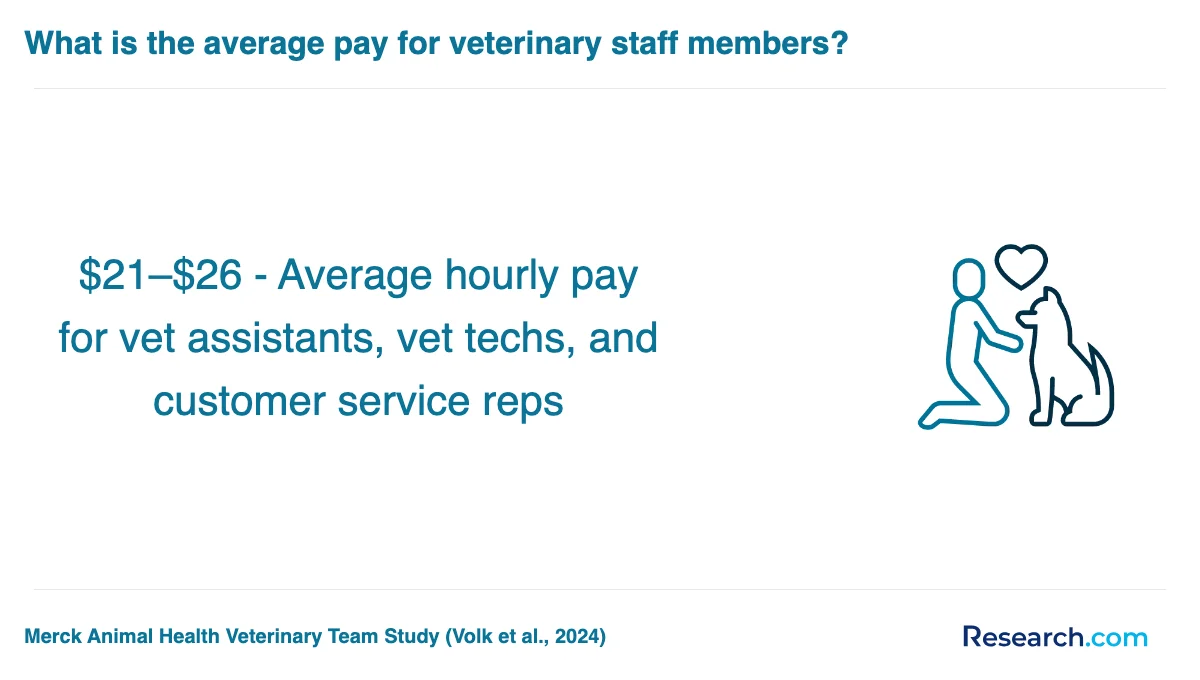
Hourly wages in Holyoke typically fall between $15 and $18 per hour. Graduates often start around $15 per hour, similar to kennel assistants, but with the trade school training, they quickly prove their value and earn more. One graduate described feeling confident applying their classroom knowledge during internships, which helped secure a position paying closer to $17 per hour.
Working in larger clinics or urban areas near Holyoke can boost your pay, making the investment in school feel rewarding. Many students appreciate how the trade school experience prepares them for real-world roles where their skills directly impact animal care and employer satisfaction.
Most Affordable Veterinary Assistant Schools & Training - Budget-Friendly Veterinary Assistant Trade Programs in Holyoke for 2026
# 1 position
Holyoke Community College - Veterinary/Animal Health Technology/Technician and Veterinary Assistant.
associateHolyoke Community College offers a program in Veterinary/Animal Health Technology/Technician and Veterinary Assistant designed to prepare students for clinical and patient care roles under veterinary supervision. The curriculum covers animal nursing, health, nutrition, clinical procedures, radiology, anesthesiology, surgical assisting, and office administration. The program is accredited by the New England Commission on Higher Education. Annual in-state tuition is $5,810.
# 2 position
Holyoke Community College - Veterinary/Animal Health Technology/Technician and Veterinary Assistant.
certificate or diplomaHolyoke Community College offers a program in Veterinary/Animal Health Technology/Technician and Veterinary Assistant that prepares students to assist veterinarians and animal specialists with patient care and clinical procedures. The curriculum covers animal nursing, health, nutrition, clinical pathology, radiology, anesthesiology, surgical assisting, and office administration. The program is accredited by the New England Commission on Higher Education, with an annual in-state tuition of $5,810.
Key Findings
- Holyoke Community College offers a NAVTA-approved Veterinary Assistant Certificate program that qualifies graduates to take the Approved Veterinary Assistant (AVA) exam.
- Admission is selective with one annual fall class; applicants must attend an information session and meet college-level English eligibility.
- The curriculum combines online lectures with weekly on-campus labs to accommodate busy schedules.
- Tuition for similar programs ranges from $5,570 to $10,514, but the certificate program is not eligible for federal financial aid.
- Entry-level salaries for veterinary assistants in Holyoke range from $30,000 to $36,000 annually, with potential increases to about $40,000 with experience.
- The local job market for veterinary assistants is steady, with ongoing demand in animal care services and clinics.
How long does it take to complete veterinary assistant trade schools in Holyoke?
Completing a veterinary assistant trade school program in Holyoke typically takes about six months to one year, depending on the school and whether you attend full- or part-time. Graduates from popular local trade schools often share how this timeline fits well with their busy lives, allowing them to quickly gain practical skills and start working without years of delay.
One graduate described balancing family responsibilities while attending a program that wrapped up in just eight months, which made the commitment feel manageable and rewarding. Another highlighted how the hands-on training offered by Holyoke's trade schools accelerated their confidence in real-world clinics, making the months spent feel both intensive and fulfilling.
This relatively short completion time is ideal if you're looking to enter the workforce promptly. The focused curriculum in Holyoke's veterinary assistant trade schools is designed to cover essential knowledge quickly, with many programs including externships that prepare you for immediate employment.
What's the difference between online and on-campus veterinary assistant trade school programs?
The main difference between online and on-campus veterinary assistant programs in Holyoke centers on the balance of flexibility versus hands-on experience. Graduates from Holyoke Community College's (HCC) on-campus program often recall the value of weekly laboratory sessions where they worked directly with animals and medical equipment. This in-person training built their confidence and skill set quickly, thanks to immediate instructor feedback and peer collaboration.
Meanwhile, students choosing HCC's online Veterinary Assistant Certificate appreciate the ability to fit lectures around busy schedules, studying theory at their own pace. However, even these students attend mandatory weekly labs on campus to gain essential clinical skills. Others who take fully online continuing education courses enjoy interactive videos and virtual demos but sometimes miss out on live animal handling, which some graduates found less fulfilling.
In Holyoke, practical, supervised lab work remains a crucial part of most programs, ensuring students are well-prepared for real-world veterinary settings while accommodating different learning styles.
What is the average cost of veterinary assistant trade schools in Holyoke?
The average cost of veterinary assistant programs in Holyoke MA varies, largely depending on the institution and residency status. For example, Holyoke Community College (HCC) offers a Veterinary Technician program that is often chosen by students seeking a related path. In-state tuition at HCC is approximately $5,520 annually, while out-of-state students pay closer to $10,464. Graduates recount budgeting not only for tuition but also for books and supplies, which can add about $1,200 yearly. These figures reflect the typical tuition fees for veterinary assistant schools in Holyoke MA, although it's important to note HCC does not have a specific veterinary assistant certificate.
For those looking for a dedicated veterinary assistant program, the Community School in Harwich, MA, though a bit farther from Holyoke, offers a NAVTA-approved hybrid course costing $4,750 total for 350 hours, an option some graduates find attractive for its focused training and flexible format. Additional costs like uniforms, lab fees, and textbooks can range from $500 to $1,500 annually, which students often encounter upon enrollment.
Many veterinary assistant students in Holyoke appreciate the value of exploring financial aid options early on, including scholarships specific to Massachusetts residents. Planning carefully can alleviate some of the pressure of upfront costs. For anyone comparing the benefits of various programs or weighing trade school options, understanding the vocational vs trade school pathways can be helpful in deciding the best financial and educational fit.
What financial aid is available for veterinary assistant trade schools in Holyoke?
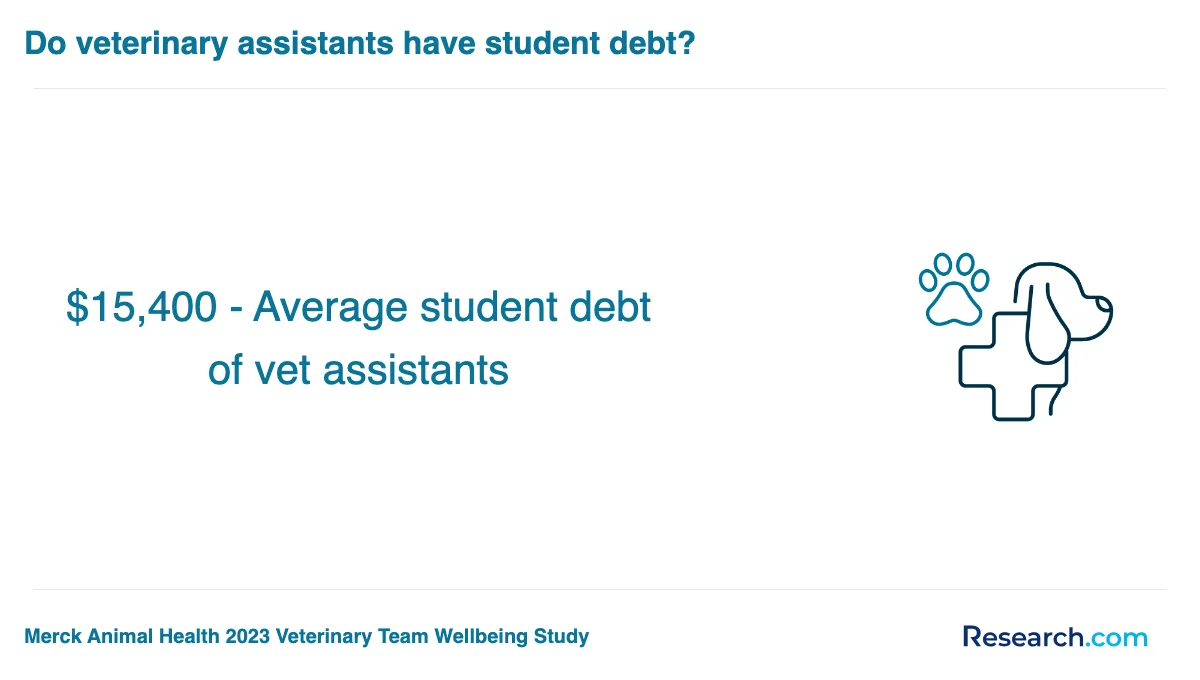
Students pursuing veterinary assistant programs in Holyoke, such as the Veterinary Assistant Certificate at Holyoke Community College (HCC), should anticipate covering most expenses out of pocket. Federal financial aid, including Pell Grants and student loans, is not available since these certificate programs are not classified as degree-granting or accredited by agencies that qualify for such aid.
Graduates often recall managing tuition costs around $4,166 annually, plus about $1,600 for necessary materials. While this may feel daunting, many have found relief through private scholarships. For instance, some students successfully applied for awards from organizations like Merck Animal Health/AVMF, although these are mainly aimed at AVMA-accredited veterinary technician programs, so eligibility can be limited for assistant certificate students.
Local community foundations and workforce development grants have also provided modest support to some students. Many graduates suggest contacting HCC's admissions for institutional scholarships, payment plans, or tuition waivers, which can ease financial strain. Those already working in animal care frequently benefit from employer tuition reimbursement, making this a practical option worth exploring.
What are the prerequisites for enrolling in veterinary assistant trade schools in Holyoke?
To enroll in a veterinary assistant trade school program in Holyoke, there are a few straightforward prerequisites that most local schools expect from applicants. Graduates from popular Holyoke trade schools often highlight how these basic requirements set a clear path toward success without unnecessary hurdles.
Typically, you need to:
- Have a high school diploma or GED, which ensures you're ready for the coursework ahead.
- Be at least 18 years old, as many programs involve hands-on work with animals that require adult supervision.
- Complete a background check, demonstrating responsibility-something graduates often appreciated for building trust with instructors and future employers.
- Submit an application form along with a personal statement or interview, where you can share your genuine passion for animal care, a step many students found motivating.
Some trade schools in Holyoke also recommend or require basic immunizations and proof of physical fitness, given the active nature of veterinary assisting. Graduates often recall how meeting these prerequisites helped them feel prepared and confident walking into their first day.

What are the typical courses in veterinary assistant trade schools in Holyoke?
Veterinary assistant trade school programs in Holyoke, such as those at Holyoke Community College, provide hands-on courses designed to build practical skills quickly. Graduates often recall how essential learning animal anatomy and physiology was for confidently assisting vets during exams and procedures.
Core courses typically include:
- Animal Anatomy and Physiology: Understanding animal body systems to support clinical tasks.
- Veterinary Practice Management: Managing appointments, medical records, and client communication, which graduates find crucial for smooth clinic operations.
- Animal Nursing and Care: Gaining skills in monitoring vitals and safely handling animals, a course praised for its real-world application.
- Veterinary Laboratory Procedures: Training in sample collection and basic diagnostic testing, preparing students for everyday clinic tasks.
- Animal Diseases and Pharmacology: Learning about common diseases and medication basics under supervision.
- Veterinary Radiology: Using imaging tools like X-rays to assist diagnosis.
- Exotic Pet Care: Covering care for less common pets, expanding job opportunities.
Students value the externships integrated in these programs, which place them in local clinics where they apply classroom knowledge. This practical exposure builds confidence and readiness for entry-level roles in veterinary settings across Holyoke.
What are the available specializations in veterinary assistant trade schools in Holyoke?
Veterinary assistant program specializations in Holyoke typically cover a range of practical and specialized skills tailored to various animal care settings. Graduates from popular trade schools in Holyoke often highlight courses in veterinary terminology, routine medical procedures, and effective client communication as foundational. These programs also offer hands-on training in spaying and neutering, euthanasia support, and pet loss counseling-key areas that prepare students for emotionally sensitive roles in clinics and shelters.
Students are frequently able to focus on areas such as:
- Companion animal care including nutrition and vaccination protocols
- Breed-specific knowledge and breeding management for dog enthusiasts
- Livestock support to meet the needs of larger animal facilities
- Shelter medicine emphasizing infection control and emergency response
Flexibility through online lectures paired with weekly labs lets working professionals gain specialized knowledge without disrupting their busy lives. This approach supports animal care career pathways Holyoke trade schools emphasize, striking a balance between generalist skills and focused expertise. For those comparing programs, detailed reviews at colleges that offer veterinary technician programs may help decide which specialization fits best.
How do you choose the best veterinary assistant trade school program in Holyoke?
When selecting the best veterinary assistant programs in Holyoke, start by verifying accreditation from recognized bodies. Graduates from local colleges often share how accreditation gave them confidence their education met industry standards. Look for programs that blend theory with hands-on experience, such as externships at nearby veterinary clinics. Many students find that completing a 100-hour externship helped them gain practical skills and build networks within the Holyoke community.
Flexible scheduling is another consideration; affordable veterinary assistant schools Holyoke MA often offer evening or weekend classes, making it easier for working individuals to attend. Graduates frequently mention how part-time options allowed them to balance work and study effectively. Also, consider program reputation by seeking reviews or testimonials from alumni who've transitioned smoothly into veterinary careers.
Keep total costs in mind, including tuition and materials, but do not overlook financial aid opportunities that can ease the burden. You might also explore options like 2-year medical degrees that pay well to compare your opportunities within a realistic timeframe and budget.
What career paths are available for veterinary assistant trade school graduates in Holyoke?
Graduates of veterinary assistant trade school programs in Holyoke have several practical career paths to consider. Entry-level positions in local veterinary clinics and animal hospitals offer hands-on experience with tasks like animal handling, assisting veterinarians, and maintaining medical records. Many graduates from popular Holyoke trade schools find these roles rewarding and a great foundation for their careers.
Beyond clinics, animal care job paths after Holyoke veterinary assistant school include opportunities in pet boarding kennels, grooming salons, and animal shelters. Graduates often enjoy roles as pet groomers or animal care attendants, using skills acquired during their training to provide compassionate care. Some find the growth potential in grooming particularly promising, with options ranging from employment to self-employment.
Many graduates also pursue advanced certifications or further education to become veterinary technicians or even veterinarians. Those starting as veterinary assistants in Holyoke report wages between $24 and $27 per hour, depending on their role and employer. For students planning their futures, exploring the easiest trades that lead to high paying careers can provide useful insights.
- Veterinary assistant roles in clinics and animal hospitals
- Care positions in animal shelters and boarding kennels
- Pet grooming jobs with growth and entrepreneurial potential
- Pathways to veterinary technician or veterinarian through continued education
What is the job market for veterinary assistant trade school graduates in Holyoke?
The veterinary assistant job openings in Holyoke MA are notably strong, reflecting a robust local market for graduates of trade schools in the area. Graduates from popular programs in Holyoke often find positions quickly, benefiting from a network of veterinary clinics, animal shelters, and grooming centers eager to hire. Many report starting as veterinary assistants or kennel attendants within a few months after completing their course, which gives them practical, hands-on experience. For instance, the diverse job postings in Holyoke show opportunities beyond just clinics-roles like animal care technician and veterinary technician expand career pathways.
Salary expectations align well with local demand. The veterinary assistant salary in Holyoke Massachusetts averages around $41,905, with experienced workers earning up to $59,522. Entry-level salaries may be more modest, but steady growth is common. Local clinics near Holyoke and in neighboring cities offer wages in the range of $24 to $27 per hour for advanced roles, attracting graduates to stay in the region.
Students considering veterinary assistant trade school often explore affordable online accredited vet tech programs to supplement hands-on training from Holyoke schools. This combination prepares them well for diverse animal care positions and meeting local industry demands.
Frequently Asked Questions about veterinary assistant
After completing a veterinary assistant trade school in Holyoke, preparing for the job market involves several key steps. First, graduates should obtain certification, such as the Approved Veterinary Assistant (AVA) credential, which can improve employment prospects. According to the Massachusetts Department of Labor, the demand for veterinary assistants in the region is expected to grow by 16% by 2030, higher than the national average.
Networking with local veterinary clinics and attending job fairs can also be valuable. Many Holyoke trade schools offer career services that help students connect with employers. Additionally, gaining hands-on experience through internships or externships during training increases job readiness and practical skills.
Finally, maintaining a professional resume highlighting both education and clinical experience is essential to stand out in the competitive veterinary job market in Holyoke.
Employers in Holyoke seeking veterinary assistant graduates prioritize both technical and interpersonal skills. According to the U.S. Bureau of Labor Statistics, veterinary assistants nationally must be proficient in animal care tasks such as restraining animals, administering medications, and maintaining cleanliness. Locally, employers emphasize strong communication skills, as assistants often interact with pet owners and veterinary staff.
Additionally, familiarity with medical terminology and basic laboratory procedures is highly valued. Trade schools in Holyoke typically train students in these areas to meet employer expectations. Attention to detail and the ability to follow strict safety protocols are also crucial, reflecting the standards of veterinary clinics in the region.
Overall, graduates with a blend of practical experience and soft skills tend to have better job prospects in Holyoke's veterinary field.
Finding internships in Holyoke relevant to veterinary assistant trade school programs involves several practical steps. Start by contacting local veterinary clinics and animal hospitals, as many offer internship opportunities to students for hands-on experience. The Massachusetts Veterinary Medical Association provides a directory that can help identify nearby practices.
Additionally, trade schools often have partnerships with employers in Holyoke, so inquire with your school's career services. Online platforms like Handshake or Indeed occasionally list veterinary assistant internships specific to the region.
Networking at local animal shelters or veterinary offices can also uncover unadvertised internships. According to the U.S. Bureau of Labor Statistics, gaining practical experience through internships significantly boosts employment prospects in this field.
Obtaining a veterinary assistant trade school diploma in Holyoke significantly enhances career mobility within the region's growing animal care sector. According to the Massachusetts Executive Office of Labor and Workforce Development, veterinary support roles are projected to grow by 16% statewide through 2030, reflecting increased demand for trained professionals.
A diploma provides foundational skills recognized by local clinics and animal hospitals, often serving as a prerequisite for entry-level positions. This credential can lead to higher starting wages compared to uncredentialed workers, with the Massachusetts median hourly wage for veterinary assistants around $15.50.
Moreover, graduates gain access to professional networks and potential advancement opportunities, such as veterinary technician training or supervisory roles. Local employers in Holyoke frequently prefer candidates with formal diplomas, linking education to upward mobility within the industry.
Part-time job opportunities in Holyoke that complement veterinary assistant trade school education often include roles such as veterinary receptionist, kennel assistant, and animal care technician. These positions provide valuable hands-on experience working with animals and veterinary staff, reinforcing classroom learning. According to the U.S. Bureau of Labor Statistics, animal care jobs in Massachusetts are expected to grow by 10% through 2032, reflecting a steady demand in the region.
Local animal shelters and veterinary clinics in Holyoke frequently offer part-time roles, ideal for students managing coursework alongside practical work. Gaining experience in these settings helps develop skills in animal handling, record keeping, and client communication, which are essential for veterinary assistants.
If you're looking for an affordable Veterinary Assistant degree program near Holyoke, MA, there are educational institutions offering training and certificate programs in the veterinary field. Schools and programs near Holyoke provide practical training for aspiring veterinary assistants, with some offering financial aid options to help reduce costs. For those searching for options "near me," utilizing platforms like Research.com can be useful to explore and compare different programs and their affordability.
Top Trending Rankings
References
- Veterinary & Animal Science | Holyoke Community College https://www.hcc.edu/courses-and-programs/areas-of-study/health-sciences/veterinary-and-animal-science
- Online Veterinary Assistant from Holyoke Community College https://careertraining.hcc.edu/training-programs/veterinary-assistant/
- Veterinary Assistant Series | Holyoke Community College https://www.ed2go.com/holyoke/online-courses/veterinary-assistant-series/
- Holyoke Community College Vet Assistant Program | Allied Health Programs Nearby & Online https://alliedhealthprograms.com/school/holyoke-community-college-vet-assistant-program/
- Massachusetts Vet Tech Schools & Certification https://www.vettechcolleges.com/schools/massachusetts
- Veterinary Technician Schools in Massachusetts | Learn to Become https://vetcareerschools.com/near-you/veterinary-technician/massachusetts/
- Veterinary technology programs accredited by the AVMA CVTEA | American Veterinary Medical Association https://www.avma.org/education/center-for-veterinary-accreditation/veterinary-technology-programs-accredited-avma-cvtea
- Veterinary Assistant Program | Ross Education https://rosseducation.edu/programs/veterinary-assistant.php
- Online Veterinary Assistant Program | Self-Paced Course https://www.uscareerinstitute.edu/online-veterinary-assistant-school
- Veterinary Assistant Certificate Program https://pmi.edu/on-campus-programs/certificate/veterinary-assistant/


