Most Affordable Trade School & Training Programs - Leading Certification Courses in Waterville for 2026

Co-Founder and Chief Data Scientist
Choosing the right trade school in Waterville can feel overwhelming, but it doesn’t have to be. This article introduces a helpful trade school programs ranking created by the Research.com team of data scientists to guide you toward the best options for 2026.
By exploring these affordable programs, you’ll discover opportunities that fit your goals and budget. Earning a trade school diploma or certification can open doors to rewarding careers, offering practical skills and confidence.
Take the first step toward a brighter future with informed choices tailored just for you.
Key benefits of finishing trade school programs trade school in Waterville
- Expected salary: Trade school graduates in Waterville can earn between $17.75 and $25.00 per hour depending on their career, with healthcare roles paying $17.75-$23.00 and technical trades like carpentry offering $18.00-$25.00 hourly wages, translating to solid annual incomes.
- Popular career paths: Many graduates pursue jobs in healthcare support, building trades, and technical services, which provide stable employment and meet local salary expectations for skilled workers.
- Online diploma benefits: Completing a trade school diploma online allows flexible learning schedules, making it easier to balance work and education while gaining the same valuable credentials as on-campus students.
- Most Affordable Trade School & Training Programs - Leading Certification Courses in Waterville for 2026
- What can I expect from trade school programs trade schools in Waterville?
- Where can I work after finishing trade school programs trade schools in Waterville?
What can I expect from trade school programs trade schools in Waterville?
The average cost of a trade school program in Waterville is approximately $4,000, making it an affordable option compared to traditional four-year colleges. Graduates from programs at institutions like the Mid-Maine Technical Center (MMTC) often describe a balanced learning experience where classroom theory is directly paired with hands-on practice, adding real-world value to every dollar spent.
Trade programs typically range from 300 to 2,000 hours in length, depending on the skill area and pace of study. For example, students at Kennebec Valley Community College (KVCC) value the flexibility of short-term courses in welding or digital marketing, which can be completed in weeks, fitting well with their work or family commitments.
Many highlight the positive atmosphere that encourages strong work ethic and safety while preparing them with skills aligned to industry standards. Earning certifications like the OSHA 10-hour safety certification or AWS Welding Certification further enhances their employability after graduation. This practical, cost-effective approach resonates well with those eager to start careers swiftly in Waterville's skilled trades.
Where can I work after finishing trade school programs trade schools in Waterville?
After completing a trade school program in Waterville, graduates typically find employment in a range of skilled trades including construction, electrical work, plumbing, HVAC, welding, and carpentry. The local job market is strong, with over 75 trades-related positions available as of 2025. Many graduates are thrilled to secure entry-level roles such as concrete laborer, maintenance person, or saw filer, which often require little to no prior experience. This accessibility makes the transition from trade school to the workforce smoother and more encouraging.
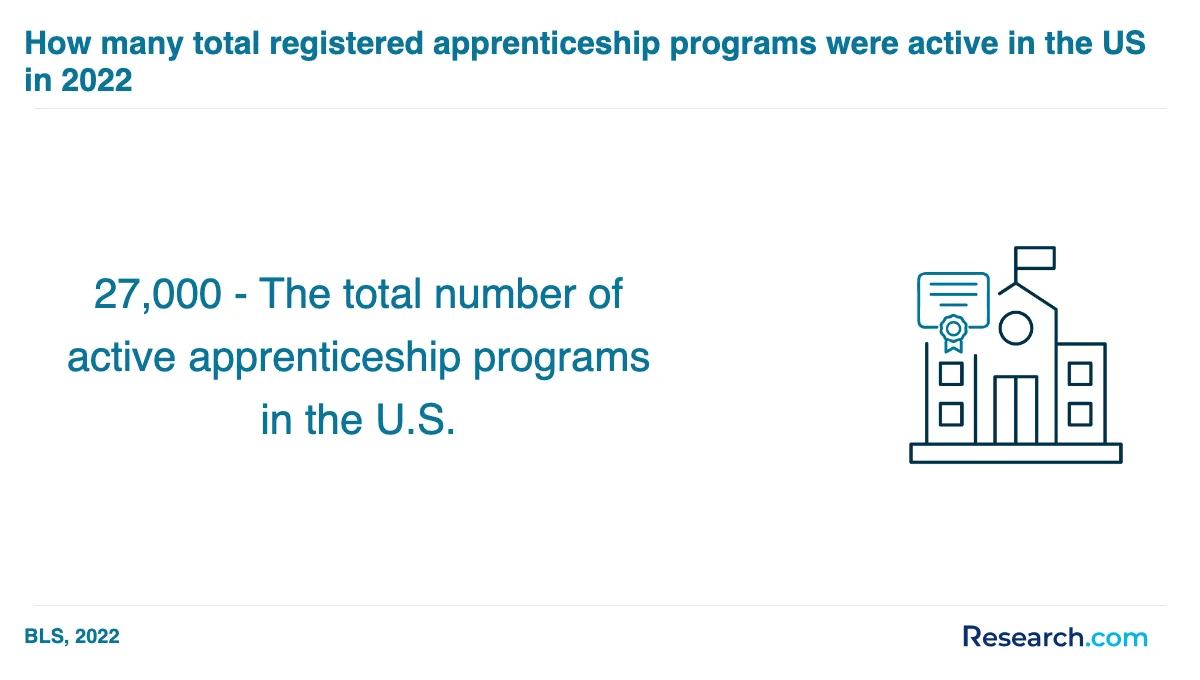
Graduates from popular Waterville trade schools often highlight the value of apprenticeship programs offered by local employers. Through these apprenticeships, they gain hands-on experience while earning between $18 and $36 per hour. This real-world training is especially common in high-demand sectors like electrical, plumbing, HVAC, and welding, making it easier to build a steady career path.
Some graduates also pursue positions within Waterville Public Schools as Educational Technicians, supporting special education roles that align well with their technical training. Others find fulfilling work with local contractors, manufacturing firms, utilities, or facilities maintenance providers, underscoring the versatility and rapid placement potential of trade school credentials in Waterville's robust job market.
After finishing a trade school program in Waterville, graduates typically earn an average annual salary of around $65,014, which translates to about $31.26 per hour. This figure reflects many popular programs available locally, such as electrician, HVAC technician, and automotive service training. For instance, graduates from Waterville's well-regarded trade schools often mention the satisfaction of quickly landing jobs that pay between $48,900 and $78,900 annually, giving them financial independence shortly after completing their studies.
Some vocational teachers in the area, who began their careers with trade school backgrounds, earn about $50,136 per year, highlighting the diverse opportunities beyond traditional trades. Although Maine ranks 50th nationwide for average trade school salaries, the lower cost of living in Waterville often makes these incomes feel more comfortable compared to earnings in larger cities.
Students frequently share positive experiences about how trade programs here helped them enter stable, well-paying careers in fields like healthcare technology and construction, emphasizing how hands-on learning combined with local demand contributes to their success.
- Trade school programs in Waterville often start in high school, with some targeting 10th graders for enrollment in their junior or senior years.
- Common programs include automotive technology, construction technology, culinary arts, welding, digital marketing, and criminal justice.
- Many Career & Technical Education programs are tuition-free for Maine high school students, while some certificate costs, like the EPA 608 Refrigerant Certificate, run about $195.
- Graduates can earn industry-recognized certifications such as OSHA 10-hour cards and AWS welding certifications to boost job prospects.
- Starting salaries for skilled trade graduates in Maine range from $38,000 to $52,000 annually, with some technical roles exceeding $55,000 after gaining experience.
Trade school programs in Waterville typically range from 6 months to 2 years for most certificate and diploma tracks, making them appealing for those eager to enter the workforce quickly. For instance, graduates from Kennebec Valley Community College's Electrical Lineworker Technology certificate describe the one-year program as intensive yet rewarding, providing practical skills that made job opportunities accessible immediately after completion.
Full-time students pursuing an Associate in Applied Science degree at KVCC usually invest about two years, completing 69 credit hours. Many find this path empowering, as it balances foundational knowledge with hands-on application, preparing them for stable careers in technical fields.
Apprenticeship-based programs extend from 1 to 4 years, blending paid work with related instruction. Graduates often highlight the value of earning while learning, gaining confidence through real-world experience supervised by seasoned professionals in Waterville's trades community.
Flexibility in scheduling-including part-time and accelerated options-also helps students tailor their education. Those with prior skills may finish sooner, making the trade schools in Waterville a practical choice regardless of individual circumstances.
The primary difference between online and on-campus trade school programs in Waterville centers on hands-on training and flexibility. Graduates from Mid-Maine Technical Center often emphasize the value of in-person instruction, where they engage directly with automotive or construction equipment under expert supervision. This face-to-face environment fosters collaboration and immediate feedback, crucial for mastering practical skills.
Conversely, online programs in Maine cater to students balancing work or family, offering recorded lectures and virtual labs that provide flexibility. Approximately 26% of trade school students in the state choose this route. However, these students sometimes express challenges in replicating the depth of hands-on practice available on-campus, vital for trades like electrical technology.
Cost savings and convenient scheduling are notable online benefits, but arranging personal practice materials or attending occasional in-person workshops may be necessary. On-campus students also benefit from networking opportunities and direct access to advanced tools, enriching their learning experience in ways online formats may not fully match.
The average trade school cost in Waterville Maine aligns closely with statewide figures, where tuition and fees typically hover around $28,863 per year. Graduates often highlight the affordability compared to traditional colleges in the area, where annual tuitions can surpass $42,000. This makes trade schools a practical choice for many seeking cost-effective, skill-focused education with shorter completion times. For example, Kennebec Valley Community College, a favored institution among Waterville students, offers in-state tuition near $6,442 annually, making it a standout option for those pursuing technical and vocational programs. Graduates from this college frequently praise the balance of affordable education coupled with hands-on learning experiences.
When evaluating Waterville Maine trade school tuition and fees, it's important to account for additional expenses beyond tuition itself, such as books and living costs. Many students factor in an estimated $12,427 for off-campus living or $14,840 when residing on campus in Maine. Several trade school attendees manage to reduce these costs by living at home or seeking financial aid. Regional private schools, like The Landing School, push the tuition price higher, reaching around $27,700 per year, which influences the statewide average and reflects program variety.
For prospective students looking for more affordable and flexible options, researching specific programs and exploring opportunities like cheap online certificate programs in home repair can offer additional savings. These insights help frame a clear picture of the real expenses involved, empowering Waterville residents to make well-informed decisions tailored to their career goals and financial situations.
Trade school students in Waterville have access to multiple financial aid options designed to ease the cost of education. Federal aid through FAFSA opens doors to Pell Grants, FSEOG, federal loans, and Work-Study programs. Many graduates highlight how Pell Grants, which require no repayment, provided crucial relief during their training.
State-specific aid supplements federal support. Maine residents attending trade schools in Waterville can benefit from Maine State Grants and numerous scholarships, with local colleges like Thomas College awarding over $16 million in aid annually. Nearly all families applying here receive some form of assistance, which graduates often describe as transformative in making education affordable.
Institutional scholarships are another key resource. Thomas College offers targeted awards such as the Greenville Lakers Scholarship and Harold and Bibby Alfond Scholarship, helping students from nearby high schools fund their programs. Graduates frequently praise these scholarships for reducing financial stress and fostering a supportive community environment.
Private scholarships and employer tuition assistance also play a role. Many students tap into local business programs or trade associations that reimburse training costs, further increasing access. Financial aid counseling in Waterville's trade schools helps students navigate these options effectively, turning complex applications into manageable steps.
Enrolling in a trade school program in Waterville generally requires a high school diploma or GED, as noted by most local institutions. Graduates sharing their experiences emphasize that submitting official transcripts or GED proof is a smooth step toward admission at schools like Central Maine Community College. For those with at least 60 college credits or an associate's degree, the transcript requirement might be waived, easing the application process.
Specific programs, especially in technical fields, may ask for foundational coursework. For example, many students aiming for business or technical services found that completing Algebra I helped meet prerequisites effectively.
Hands-on trade courses at Kennebec Valley Community College (KVCC) reflect a more flexible approach. Popular short-term trainings, such as Welding I, mostly require registration and payment, making access easier for working adults or career changers.
Key prerequisite points include:
- High school diploma or GED is essential for most programs.
- Official transcripts are commonly requested but sometimes waived with prior college credit.
- Some programs require specific high school courses, like Algebra I.
- Short-term workforce programs often have minimal academic requirements.
- Proof of English proficiency may be needed for international students.
Many graduates note that completing placement tests or orientations, as required, helped them feel better prepared and confident before starting. Early application increases chances of securing a spot in popular programs that fill quickly, especially in Waterville's growing trades market.

Trade school programs in Waterville focus heavily on hands-on, career-ready skills across diverse fields. Graduates from Mid-Maine Technical Center often highlight starting with foundational courses in the Career and Technical Education Academy, covering essential areas such as construction, automotive technology, welding, culinary arts, and health occupations. These courses build practical work ethic and safety habits, frequently culminating in certifications like the 10-hour OSHA card that employers value.
At Kennebec Valley Community College, programs provide both associate degrees and shorter, skills-specific trainings. Students commonly engage in technical specialty courses such as:
- welding with preparation for advanced certification tests
- electrical technology
- applied electronics
- computer technology
Short-term courses at KVCC-often lasting from days to weeks-include EPA 608 Refrigerant certification and electric boat motor technician training, praised by students for their practical, job-ready focus. Thomas College adds value with professional development options like leadership and digital marketing, perfect for learners upgrading workplace skills.
Trade school programs in Waterville offer a broad variety of specializations tailored to equip students with practical, workforce-ready skills. Graduates from local institutions like Mid-Maine Technical Center and Kennebec Valley Community College often highlight the value of hands-on training in fields such as automotive technology, construction, and welding. This last area features tiered courses-from beginner to specialized aluminum welding-enabling students to achieve industry-recognized AWS certification, which significantly boosts job prospects.
Business and technology tracks at Central Maine Community College attract students aiming for careers in IT support, network administration, and digital forensics. Popular choices include Business Administration, Data Science, and Cybersecurity-Digital Forensics. Additionally, the rise in demand for tech-savvy professionals is reflected in short-term courses on digital marketing and UX design, offering flexible scheduling for those balancing work and study.
Other sought-after specializations include culinary arts, focusing on restaurant management and bartending, as well as public service and health-oriented programs like criminal justice and early childhood education.
Students interested in practical and affordable options might consider low cost online electrical lineman programs, which provide flexible learning paths aligned with local employment opportunities.
- Technical and skilled trades with certifications
- Business, digital, and cybersecurity management options
- Culinary arts and hospitality training
- Public service and health-related credentials
Choosing the best trade school programs in Waterville starts with aligning your career goals to local offerings. Graduates from Mid-Maine Technical Center often share how hands-on training in automotive technology or culinary arts directly boosted their confidence and job readiness. To effectively compare Waterville trade schools, scrutinize accreditation and whether programs connect students to industry certifications, like Kennebec Valley Community College's welding courses preparing for AWS certification. This strategic alignment impacts both employability and earning potential.
Next, evaluate program flexibility and costs. Many students balancing work appreciate evening classes or grant-funded options that minimize debt while maintaining skill development. Also, consider programs emphasizing real-world experience through labs and apprenticeships, since graduates report smoother job transitions when schools have strong local employer ties. To explore broader options and rankings, review top vocational trade programs as a supplemental resource to refine your choices in Waterville's competitive trade education environment.

Trade school career options in Waterville cover a broad spectrum of in-demand fields tailored to local industry needs. Graduates from Mid-Maine Technical Center and Kennebec Valley Community College, for instance, often find roles in skilled trades such as welding and electrical work. Many take advantage of programs with industry certifications like the American Welding Society test, valued by manufacturers and construction employers. Students have echoed satisfaction with hands-on training that leads directly to employment.
Healthcare-related careers also attract many graduates, with programs in health sciences and medical assisting meeting steady demand in Waterville hospitals and clinics. In addition, graduates from culinary arts and digital marketing programs report success entering the hospitality and service sectors, highlighting the versatility of Waterville trade school jobs and salaries.
- Skilled trades: welding, electrical work, facilities maintenance
- Healthcare roles: medical assisting, early childhood education
- Service industry: culinary arts, business entrepreneurship
- Technical fields: cybersecurity, data science, criminal justice
- Other options: automotive technology, graphic design, precision machining
Certifications like OSHA 10-hour safety and EPA 608 refrigerant handling ensure graduates meet regulatory standards, enabling timely workforce entry. Those exploring cheapest online maintenance technician training report flexible pathways aligning with local job demands, underscoring practical opportunities awaiting new professionals in Waterville.
The trade school job opportunities in Waterville are robust, with about 75 open positions as of August 2025, reflecting steady demand in construction, maintenance, and technical trades. Graduates from local technical schools often find roles as carpenters, equipment operators, or data cabling technicians in both public organizations like the City of Waterville and private companies. Many of these positions require a high school diploma plus vocational certificates or associate degrees, emphasizing hands-on skills and offering paid apprenticeships or on-the-job training.
Wages in Waterville's skilled trades frequently range from $30 to $40 per hour, along with benefits such as health insurance and retirement plans, especially in public sector jobs. Popular trade schools, including the Mid-Maine Technical Center, actively partner with employers to align training with local needs, ensuring graduates smoothly transition into employment. Many graduates report that boots-on-the-ground experience gained during coursework made the shift to paid work faster and more rewarding.
- Access to paid training and apprenticeships enhances career growth opportunities
- Employers value reliability and willingness to learn, even for entry-level roles
- The local connection between schools and employers increases job placement rates
Those seeking the most affordable baking and pastry arts certificate programs online can also leverage Waterville's employment outlook to find rewarding skilled trades positions that support long-term career advancement.
Most Affordable Trade School & Training Programs - Leading Certification Courses in Waterville for 2026
# 1 position
Thomas College - Business Administration and Management, General.
associateThomas College offers a hybrid program in Business Administration and Management, General, designed to prepare students to plan, organize, direct, and control business functions. The curriculum covers management theory, human resources, accounting, purchasing, logistics, marketing, and decision-making. The program is accredited by the New England Commission on Higher Education. Annual in-state tuition is $30,896, and some distance-education options are available.
# 2 position
Thomas College - Accounting.
associateThe Accounting program at Thomas College prepares students to practice accounting and perform related business functions. The curriculum covers accounting principles, financial and managerial accounting, cost accounting, tax accounting, auditing, and business information systems. Students also study professional standards, ethics, and applications for various organizations. The program is accredited by the New England Commission on Higher Education. Annual in-state tuition is $30,896.
Frequently Asked Questions about trade school programs
After completing trade school in Waterville, preparing for the job market involves several strategic steps. Graduates should focus on building a strong resume that highlights their hands-on skills and certifications earned during training. Networking is crucial; connecting with local employers through job fairs and trade associations in Waterville increases employment opportunities. According to the Maine Department of Labor, nearly 85% of trade school graduates in the state find relevant employment within six months. Additionally, acquiring industry-recognized certifications, such as OSHA safety certificates, boosts a candidate's competitiveness. Continuing education and internships also help maintain up-to-date skills in a rapidly evolving job market.
Employers in Waterville prioritize several key skills when hiring trade school graduates. According to the Maine Department of Labor, technical proficiency in fields such as electrical work, plumbing, and HVAC remains essential. Graduates must demonstrate hands-on experience with relevant tools and machinery.
In addition, strong problem-solving abilities and adaptability rank highly, as employers value workers who can troubleshoot and adjust to changing job sites. Communication skills are also important; clear interaction with team members and clients improves project efficiency.
Finally, reliability and a solid work ethic are consistently emphasized. Studies by the National Center for Education Statistics confirm that employers across the U.S., including in Waterville, seek these soft skills alongside technical know-how.
Finding internships in Waterville relevant to trade school programs involves several strategic steps. Start by contacting your school's career services office, as many trade schools in Maine maintain partnerships with local businesses offering paid or unpaid internships. According to Maine's Department of Labor, industries like manufacturing, healthcare, and information technology actively seek interns in the Waterville area.
Additionally, explore the Maine State Internship Program, which connects students with employers statewide, including Waterville companies. Online job boards such as Indeed and local chambers of commerce websites can also list internship opportunities relevant to technical and vocational skills. Networking directly with local employers in your trade field can increase your chances of placement.
In Waterville, earning a trade school diploma significantly enhances career mobility and advancement opportunities. According to data from the Maine Department of Labor, many local employers prioritize candidates with specific trade certifications when filling skilled positions. These diplomas demonstrate practical skills and job readiness, giving graduates a competitive edge over those with only a high school diploma.
Trade school graduates in Waterville often see faster entry into the workforce, with median starting salaries approximately 15% higher than non-certified peers, based on recent regional workforce reports. Additionally, many local businesses offer advancement pathways tied to additional certifications earned post-graduation.
Industry sectors such as construction, automotive repair, and healthcare in Waterville actively recruit from trade schools, supporting professional growth. This targeted education allows graduates to build relevant experience and earn promotions more quickly than traditional college routes might offer.
Trade school students in Waterville often seek part-time jobs that complement their practical skills and coursework. Common opportunities include positions as automotive service assistants, HVAC helpers, or electrical apprentices. These roles provide hands-on experience directly related to technical fields studied in trade programs.
According to the U.S. Bureau of Labor Statistics (BLS), part-time jobs in construction and installation sectors in the Waterville area grew by 5% between 2021 and 2023, reflecting steady demand. Local employers such as repair shops and small manufacturing firms frequently hire trade students in roles that offer flexible hours and skill development.
Additionally, healthcare trade students may find part-time work as medical assistants or pharmacy technicians at nearby clinics, aligning with state certification requirements and enhancing practical knowledge.
To choose the most affordable degree program near Waterville, ME, start by identifying local community colleges and public universities, as these institutions often offer lower tuition rates than private schools and may have campuses near me. Explore financial aid options such as scholarships, grants, and work-study programs, which can significantly reduce costs. Research.com can be a useful resource to compare program offerings and affordability, ensuring the program aligns with your career goals and financial needs.
- A MeANS to Get Students Interested in the Trades - Good Will-Hinckley https://www.gwh.org/a-means-to-get-students-interested-in-the-trades/
- Career Seekers https://apprenticeship.maine.gov/career-seekers
- Thomas College: 4-Year Private Institution in Waterville, Maine https://www.thomas.edu/
- College Credit for Work and Life Experience-Purdue Global https://www.purdueglobal.edu/transfer-students/work-life-experience/
- Do You Need Previous Experience to Join a Trade School? - I-TAP https://itap.edu/do-you-need-experience-to-join-trade-school/