Most Affordable Certificate Programs - Leading Certification Courses in Columbia for 2026

Co-Founder and Chief Data Scientist
Choosing the right trade school certificate program in Columbia can feel overwhelming. That’s why we created a ranking based on data from the Research.com team of data scientists to guide you toward the most affordable and valuable options for 2026.
Getting a trade school diploma or certification opens doors to skilled careers with real earning potential. This article helps you make an informed decision about which programs offer quality education without breaking the bank.
Explore this guide to find opportunities that match your goals and set you on a path to success.
Key benefits of getting trade school certificate in Columbia
- Trade school graduates in Columbia can earn competitive salaries, with average annual pay around $63,899 and starting salaries ranging from $31,000 to $53,000 across trades like Automotive Maintenance, Welding, and Precision Machining Technology.
- Popular career paths include HVAC, Electrical Systems Design, and Industrial Technology, offering solid growth opportunities, with experienced professionals earning up to $80,000 or more.
- Obtaining a trade certification online provides flexibility and convenience, allowing graduates from Columbia's trade schools to balance work and life while gaining valuable skills without commuting to campus.
- Most Affordable Certificate Programs - Leading Certification Courses in Columbia for 2026
- What can I expect from trade school certification programs in Columbia?
- Where can I work with trade school certification in Columbia?
What can I expect from trade school certification programs in Columbia?
Students enrolling in trade school certification programs in Columbia can expect the average cost to vary significantly depending on the program length and field. For instance, many graduates at Ranken Technical College report paying tuition costs that are substantially offset by financial aid, with about 74% receiving assistance for tuition, books, and tools. This makes the actual out-of-pocket expense more manageable for most.
Programs often last less than two years and some certificate options can be completed in only a few months, which also helps keep costs down compared to traditional four-year degrees. Graduates frequently share how flexible scheduling and combined classroom and on-the-job training opportunities allow them to earn while they learn, reducing financial strain.
Furthermore, programs with stackable credentials enable students to build on their initial certification without repeating prior coursework, effectively maximizing the investment in their education. Many students feel optimistic about this approach, recognizing that the combination of practical training and financial support helps them transition quickly into well-paying technical careers in Columbia.
Where can I work with trade school certification in Columbia?
After finishing a trade school certification program in Columbia, graduates often find rewarding employment in several robust industries. Many secure positions in construction, working as apprentice plumbers, electricians, or HVAC technicians. Local trade schools prepare students for these roles by offering hands-on training that employers value highly, such as property management companies and public institutions like the University of Missouri.
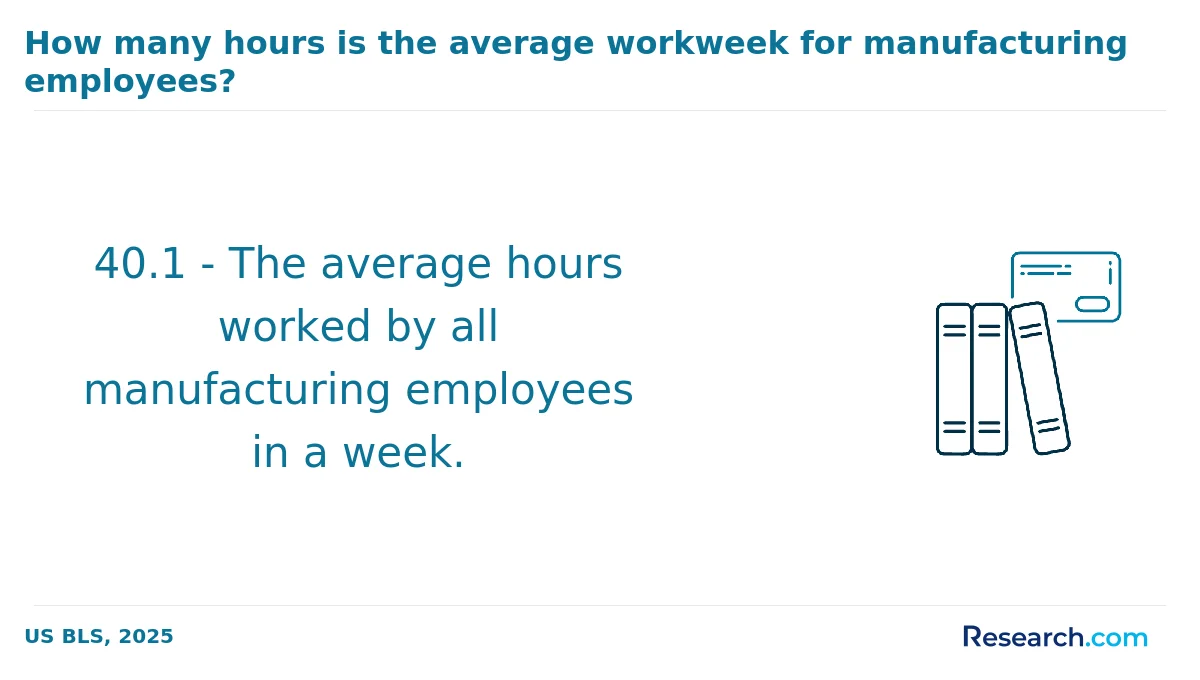
Manufacturing is another key avenue, where graduates become maintenance technicians, machine operators, or CDL drivers through apprenticeships with regional companies. One graduate shared how starting as a machine operator quickly led to wage increases within months, illustrating clear career mobility.
HVAC certification opens doors to jobs as service technicians or installers, often with benefits like health insurance, which recent graduates appreciate for stability. Others take entrepreneurial paths, leveraging skills gained to run home repair or pool installation businesses, embracing flexible schedules and independence.
This range of employers and career paths in Columbia makes trade school certification a practical choice for those seeking tangible job opportunities with room to grow and earn.
After completing a trade school certification program in Columbia, Missouri, graduates can generally expect to earn an average annual salary of about $63,899, which translates roughly to $30.72 per hour. This makes pursuing a trade certification here a compelling choice for those eager to enter the workforce quickly with solid pay. For example, graduates from popular local programs in Electrical Automation Technology often start with salaries near $52,000, reflecting strong demand for technical skills in the region.
Other graduates in fields like Automotive Collision Repair typically begin closer to $30,000 but can see their earnings rise to $45,000-$55,000 after gaining some experience. A graduate from Precision Machining or Plumbing Technology might start in the $34,000-$53,000 range, gradually moving upward as they hone their expertise.
Trade certifications in specialized areas like Control Systems Technology offer even higher starting salaries, sometimes around $60,000, demonstrating the value Columbia's employers place on advanced technical training. Many alumni express satisfaction with these outcomes, appreciating a clear career path and the prospect of steady income growth as they develop their skills over time.
- Javier: The HVAC certification program in Columbia gave me hands-on training that made job hunting smooth. The small classes and supportive instructors boosted my confidence. Now, I'm working at a top company, grateful for the practical skills that set me apart in the job market.
- María: Studying electrical installation at a Columbia trade school was transformative. The curriculum balanced theory and practice perfectly. I loved the community feel, and finding work as an electrician soon after graduation filled me with pride and excitement for my career ahead.
- Carlos: The welding certification was a life changer. The intense focus on real-world projects sharpened my abilities quickly. Thanks to the school's career services, I secured a job at a reputable fabrication shop, truly thankful for an education that opened doors in Columbia's growing industry.
- Most trade school certification programs in Columbia accept high school graduates and GED holders without requiring standardized test scores.
- Certificate programs cost between $3,000 and $12,000, with financial aid and paid apprenticeships often available.
- Program lengths vary from 6 months to under 2 years, with apprenticeships combining classroom and paid on-the-job training.
- Entry-level salaries for trades like HVAC, welding, and medical assisting range from $35,000 to $48,000 annually, increasing to $60,000+ for experienced workers.
- Many programs offer credits that can be applied toward an associate degree or further education for career advancement.
Completing a trade school certification program in Columbia, Missouri usually takes between one and two years, depending on the program and student pace. Graduates from Ranken Technical College often share how their two-year or shorter courses allowed them to quickly enter fields like automotive repair or information technology, emphasizing the practical and timely nature of their education.
Some students appreciate the flexibility offered by programs like the Welding Technician course at Columbia Area Career Center, which is self-paced with open enrollment. Graduates commonly note how having up to 12 months to finish the program helped them balance work and study, adding a sense of control to their learning journey.
Other attendees of Moberly Area Community College mention completing 32 credit hours for certificates in about an academic year, equipping them with job-ready skills in business technology or healthcare support. Meanwhile, healthcare-related certificate seekers at the University of Missouri Health Sciences often finish within one to two semesters, appreciating the clear schedule and optional externships that deepen their experience.
Such varied yet efficient timelines reflect Columbia's commitment to fast, flexible skill-building tailored to each learner's needs.
The main difference between online and on-campus trade school certification programs in Columbia lies in how students engage with their education. Online programs let students complete courses remotely, which suits those balancing work or family commitments. For example, graduates from online business or medical assisting programs often appreciate the ability to study on their own schedules while still earning recognized certificates. These programs, offered by institutions like Columbia's virtual campuses, provide flexibility but sometimes require on-site labs or externships to gain essential hands-on skills.
On-campus programs, such as those at the Columbia Area Career Center or Ranken Technical College, offer direct access to specialized equipment and face-to-face instruction. Graduates from welding or HVAC programs emphasize the value of real-time feedback and working alongside peers in fully equipped workshops. The in-person environment fosters deeper connections through career fairs and apprenticeships, which many students find motivating and supportive in launching their careers.
Choosing between the two depends on your need for flexibility versus hands-on experience, as well as the specific trade you want to pursue in Columbia's job market.
The average cost of trade school certification programs in Columbia typically ranges between $5,000 and $15,000. Many students choose programs focusing on healthcare, automotive technology, HVAC, or skilled trades at public community colleges, where tuition sits closer to the lower end, around $5,000 to $10,000. Graduates from these programs often express satisfaction, highlighting how this investment led to in-demand skills and quicker entry into the job market. In contrast, private or for-profit institutions can charge anywhere from $10,000 up to $25,000, especially for specialized courses. This variation reflects differences in program duration, complexity, and resources provided.
Understanding Columbia trade school certification tuition and fees means acknowledging additional costs beyond tuition. Books, tools, and equipment commonly add $500 to $5,000, depending on the field. For instance, a student pursuing automotive technology may find essential gear crucial for hands-on learning, which raises total expenses but enriches training quality. CDL training programs offer another real-life example; at about $7,000, they represent a mid-range cost with strong local demand, making the price a worthwhile investment for many graduates eager to join the workforce promptly.
Students also navigate multiple financial aid options that soften the blow of upfront costs. South Carolina's targeted scholarships and grants help many in Columbia afford their schooling. For those curious about cost-effective options, exploring cheap online solar technician trade school programs could provide valuable savings and flexibility while maintaining quality training opportunities.
Students pursuing trade school certification programs in Columbia often find federal aid accessible through FAFSA, which opens doors to Pell Grants and federal loans based on financial need. Many graduates from schools like Paul Mitchell The School recall how completing the FAFSA became the first crucial step to funding their education without overwhelming debt.
The state of Missouri complements this with grants like the Access Missouri Financial Assistance Program, offering awards between $500 and $3,500 for students at approved institutions. For example, a Columbia resident attending a public technical college shared how this grant eased financial pressures during their coursework.
Additionally, the Fast Track Workforce Incentive Grant serves as a vital resource, covering tuition and essential materials for those enrolled in high-demand fields, making hands-on training more affordable and accessible in the local trade community.
Local scholarships and aid from Columbia trade schools further support students, often rewarding merit or financial need, reflecting a commitment to helping residents succeed in technical careers.
Enrolling in a trade school certification program in Columbia requires meeting specific prerequisites that ensure readiness for hands-on technical careers. Most programs expect applicants to hold a high school diploma or GED, a baseline many successful graduates share. For instance, graduates from popular Columbia trade schools often recall how their prior education provided essential grounding before diving into specialized training.
Additional prerequisites can include:
- Completion of basic skills assessments to confirm foundational knowledge
- Proof of up to three years or 3,000 clock hours of relevant work experience for advanced certifications
- Submission of official academic transcripts from previous educational institutions
- Passing background checks to qualify for hands-on or field training
Some programs, especially in health sciences or technical education, might require prior college coursework or an associate's degree. Graduates often mention how these standards boosted their confidence, knowing they were prepared both theoretically and practically. In Columbia, these requirements ensure that students enter programs equipped to succeed in the local workforce, making the investment in certification especially worthwhile.
Trade school courses in Columbia MO are built around practical, career-ready skills that graduates can apply immediately. Popular certificate programs offered in Columbia Missouri focus largely on skilled trades such as HVAC, electrical technology, and welding. Graduates often share how hands-on training with real equipment and safety protocols made the material both engaging and confidence-building, helping them feel workforce-ready.
In addition to technical trades, medical field certificate programs like medical assisting and allied health science are prevalent. These courses combine classroom instruction with clinical practicums, offering students real-world patient care experience that many find rewarding and motivating. Others appreciate the flexibility of business and IT-focused programs, including paralegal studies and business administration, which emphasize office management and foundational legal or computer skills.
Students at local trade schools benefit from accelerated options allowing completion in under two years, often balancing work with night or online classes. For those exploring specialized options, the most affordable baking and pastry arts course online provides an additional creative avenue within certificate programs offered in Columbia Missouri.
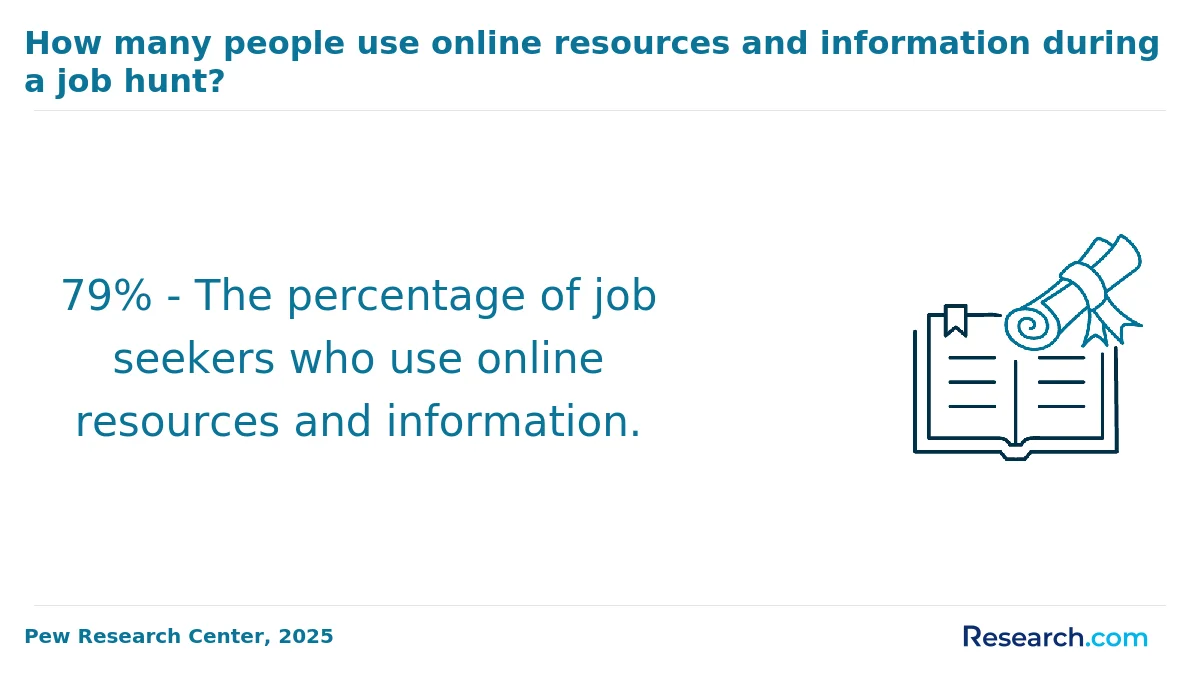
Choosing the best trade school certification program in Columbia starts with aligning your career goals to the right industry. Graduates from Fortis College often share how hands-on experience in healthcare or skilled trades gave them confidence to succeed in local job markets. Similarly, Midlands Technical College students appreciate the broad selection of programs-from automotive technology to building construction-that reflect real-world demands and employer expectations.
To effectively compare options, consider how each school integrates practical training with classroom learning; programs like those at Remington College and Roadmaster Drivers School provide industry-standard equipment and externships that mimic work environments. Understanding how to compare trade school costs in Columbia also helps narrow down choices, especially given tuition ranges from $5,000 to $15,000 alongside available financial aid and scholarships.
Finally, accreditation and job placement support are crucial. Look for programs recognized within your industry that offer career counseling and connections to employers, enhancing your chances for employment post-certification. For a deeper understanding of education paths, consider exploring the differences between a vocational school vs college through trusted sources.
Trade school certification program graduates in Columbia have access to a broad spectrum of rewarding career options rooted in the local economy's needs. Many find opportunities within Columbia MO skilled trades job opportunities, such as HVAC, electrical technology, welding, and carpentry, where programs at institutions like Stephens College equip graduates with hands-on skills for jobs that offer both stability and growth.
Healthcare also stands out as a booming field. Graduates from the Columbia Area Career Center enter roles like medical assistants, dental technicians, or laboratory support staff, thriving in local hospitals and clinics. These careers offer a chance to make a real difference while benefiting from fast-growing demand.
For those drawn to business or technology, trade schools in Columbia provide training for office managers, paralegals, and IT support technicians-roles crucial across many industries that ensure consistent employment.
Graduates often praise the combination of classroom learning and paid apprenticeships, which instill confidence and practical experience. Some explore foundational programs like Job Corps to transition smoothly into the workforce. For up-to-date options, students can explore the most affordable freight broker classes online to diversify their career paths beyond traditional trades.
Choosing trade school careers in Columbia MO means engaging with programs finely tuned to local market demands, fostering both personal fulfillment and economic resilience.
The job market for trade school certification program graduates in Columbia shows strong promise, driven by local industry demand and proactive educational institutions. Graduates from schools like Columbia Area Career Center (CACC) and State Technical College of Missouri often share positive experiences about quick transitions into skilled roles. These institutions focus heavily on work-based learning, offering apprenticeships and partnerships that connect students directly with employers, a key factor behind the favorable Columbia trade school certification employment rates.
Students report benefiting from:
- Hands-on training closely aligned with local business needs
- Job placement support through career expos and employer recruitment events
- Short, intensive programs in in-demand fields such as healthcare, welding, and commercial driving
The job outlook for trade school graduates in Columbia is further strengthened by the city's strategic location and diverse economy. With manufacturing, healthcare, and agriculture sectors expanding, graduates find ample opportunities. Those seeking specific certifications might explore options like most affordable carpentry training online to complement local programs and boost employability in specialized trades.
Most Affordable Certificate Programs - Leading Certification Courses in Columbia for 2026
# 1 position
Fortis College-Columbia - Heating, Air Conditioning, Ventilation and Refrigeration Maintenance Technology/Technician.
certificate or diplomaFortis College-Columbia offers a hybrid Heating, Air Conditioning, Ventilation and Refrigeration Maintenance Technology/Technician program that prepares students to repair, install, service, and maintain HVAC and refrigeration systems. The curriculum covers diagnostic techniques, testing equipment, and principles of mechanics, electricity, and electronics. Annual in-state tuition is $14,576. Graduates have median earnings of $35,785 one year after completing the program. The program is accredited by the Accrediting Bureau of Health Education Schools.
# 2 position
Fortis College-Columbia - Dental Assisting/Assistant.
certificate or diplomaThe Dental Assisting/Assistant program at Fortis College-Columbia offers a hybrid format with some distance education options. It trains students to provide patient care, take dental radiographs, prepare patients and equipment, and assist dentists and hygienists. The curriculum includes medical record-keeping, office duties, scheduling, equipment maintenance, radiography, and supervised practice. Annual in-state tuition is $14,576, and median earnings one year after completion are $24,564.
Frequently Asked Questions about trade school certificates
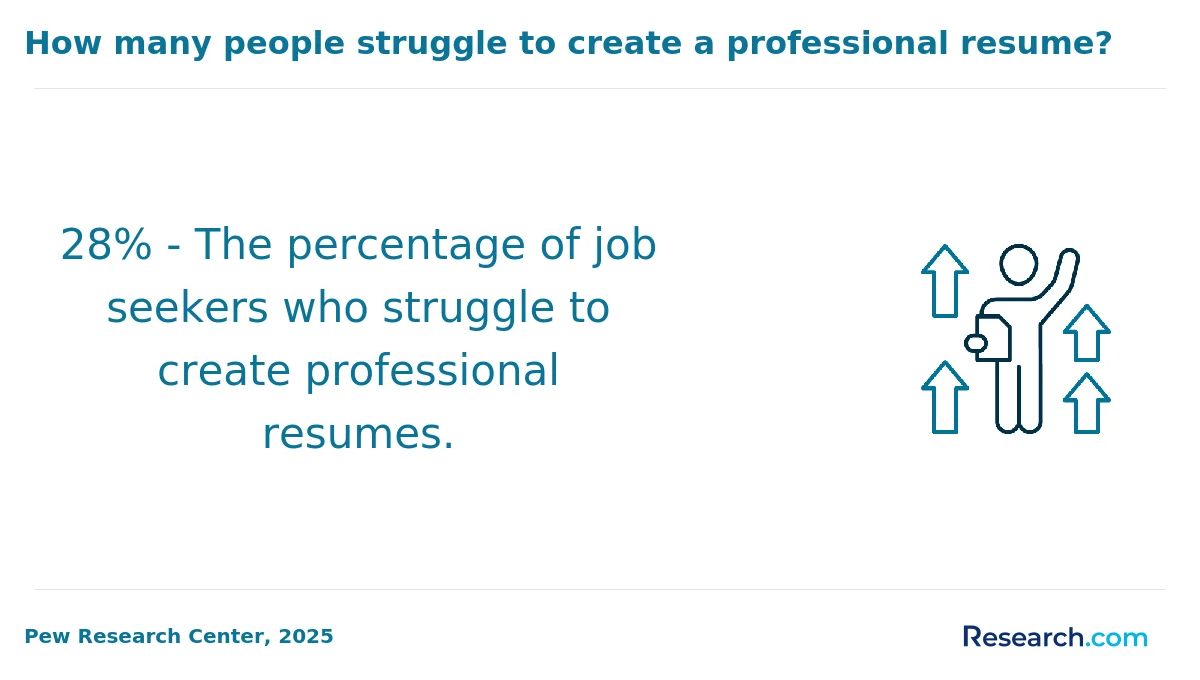
After completing trade school certification programs in Columbia, preparing for the job market involves several key steps. First, graduates should develop a clear resume highlighting their specific skills and certifications, which are highly valued in fields like construction, healthcare, and manufacturing. According to the U.S. Bureau of Labor Statistics, employment for skilled trades is expected to grow by 8% from 2022 to 2032, signaling strong demand.
Networking is crucial; connecting with local employers, attending job fairs, and utilizing resources at Columbia-area vocational schools can open doors. Many trade schools offer career services that assist with job placement and interview preparation. Additionally, obtaining relevant licenses or apprenticeships can enhance employability.
Employers in Columbia highly value trade school certification graduates who possess both strong technical and interpersonal skills. According to the U.S. Bureau of Labor Statistics, proficiency in hands-on abilities such as electrical work, HVAC maintenance, and welding ranks among the most sought-after skills in the region. Additionally, problem-solving capabilities and adaptability are critical, given the evolving demands of technical trades.
Communication skills also play a significant role. Employers prefer graduates who can effectively interact with clients and team members, enhancing workplace collaboration. The National Association of Manufacturers highlights that 82% of manufacturers in the U.S. consider teamwork and communication as top skills for new hires.
Time management and reliability also factor into hiring decisions. Certification programs that emphasize practical experience alongside soft skills preparation tend to produce job-ready candidates, positioning them well for immediate employment in Columbia's competitive markets.
Finding internships in Columbia that match your trade school certification program involves strategic research and networking. Start by contacting your trade school's career services office, as many institutions maintain partnerships with local businesses and offer internship placement assistance. According to the U.S. Department of Education, nearly 60% of trade students gain internships through school-affiliated programs.
Another effective method is utilizing job and internship platforms such as Handshake or Indeed, filtering for positions in Columbia related to your trade. Local industry-specific associations often post internships tailored for trade professionals.
Networking within Columbia's business community, including attending trade fairs and local chamber of commerce events, significantly increases internship opportunities. Statistics from the National Association of Colleges and Employers indicate that 70% of internships are secured through networking.
Trade school certification in Columbia significantly enhances career mobility by providing practical skills that are in demand across industries such as healthcare, construction, and technology. According to the National Center for Education Statistics, individuals with certifications tend to experience lower unemployment rates compared to those with only a high school diploma.
Certification programs often enable faster entry or advancement within the workforce. For example, the U.S. Department of Labor reports that certified workers can earn 20% to 30% more than non-certified peers in similar roles.
Many employers in Columbia prioritize candidates with trade certifications because they demonstrate verified competencies, which can lead to promotions and higher responsibilities over time.
Additionally, certifications may provide a pathway to licensure or further education, helping workers adapt as industries evolve.
In Columbia, part-time job opportunities that complement trade school certification programs often align with the student's field of study, enhancing both skills and employability. For example, students in HVAC or electrical certifications commonly find roles as junior technicians or helpers, which provide hands-on experience.
Retail and warehouse positions are popular among trade students, particularly for those studying logistics or supply chain management. According to the Bureau of Labor Statistics, Columbia's retail sector employs over 15,000 people, offering flexible shifts suitable for students.
Healthcare trainees can often secure part-time roles as medical assistants or pharmacy aides, gaining relevant exposure while earning income.
Construction and manufacturing jobs also offer part-time work, with many employers seeking certified workers for evening or weekend shifts, providing practical experience directly related to trade certifications.
Yes, there are quite a few affordable degree programs available near Columbia, SC, offered by universities and colleges that provide quality education at competitive tuition rates. Researching local institutions can reveal a range of undergraduate and graduate programs that cater to different fields of study, and tools like Research.com can help identify the most cost-effective choices near me. Additionally, considering in-state public universities near Columbia, SC, often provides reduced tuition for residents, making them an attractive option for budget-conscious students.
- University Pathways Certificate - Academics https://columbiaschool.com/academics/university-pathways-certificate/
- Financial Aid https://lowercolumbia.edu/pay-for-college/financial-aid/
- 11 Trade Certifications You Can Earn at Trade School | Top Trade School https://toptrade.school/11-certificates-you-can-earn-at-trade-school/
- Student Employment https://www.columbiabasin.edu/i-am/current-hawk/student-employment/index.html
- Employment | Columbia College https://www.columbiasc.edu/about/employment
- Work Experience https://gocolumbia.edu/career_technical/workexperience.html
- Work and Internships | study.gov.pl https://study.gov.pl/work-and-internships
- Nces - Ipeds https://nces.ed.gov/ipeds/
- Vocational vs. Trade School: Choosing the Right Path https://www.genesiscareer.edu/vocational-vs-trade-school-guide/
- Trade School vs. College: Pros & Cons of Each https://www.best-trade-schools.net/next-student-guide/worth/trade-school-vs-college/