
Best Trade School & Training Programs - Leading Certification Courses in Espanola for 2026

Co-Founder and Chief Data Scientist
Choosing the right trade school in Espanola can shape your future career and open doors to rewarding opportunities. This article highlights the best trade schools in Espanola for 2026, featuring a trade school programs ranking created by the Research.com team of data scientists.
Designed to help you make an informed choice, the ranking points out which programs truly stand out. Whether you're aiming for a diploma or certification, this guide shows you the value and benefits of pursuing a skilled trade education.
Exploring these options can bring confidence and excitement about your next steps.
Key benefits of finishing trade school programs trade school in Espanola
Trade school diplomas in Espanola open doors to well-paying jobs, with average salaries ranging from $22.47 per hour for general trades to $66,405 annually for specialized roles like accounting teachers.
- Popular career paths include plumbing, electrical work, HVAC, and vocational instruction, giving graduates a variety of stable and in-demand options.
- Many graduates enjoy the flexibility of online trade school programs, which allow balancing education with work and personal life, often leading to faster certification compared to traditional campuses.
- Best Trade School & Training Programs - Leading Certification Courses in Espanola for 2026
- What can I expect from trade school programs trade schools in Espanola?
- Where can I work after finishing trade school programs trade schools in Espanola?
What can I expect from trade school programs trade schools in Espanola?
Students attending trade schools in Espanola typically find the cost more affordable compared to traditional four-year colleges. Graduates from programs at institutions like Northern New Mexico College often mention that tuition for certificates or associate degrees usually ranges from a few thousand dollars to around $10,000, depending on the length and type of program. Many appreciate that this investment feels reasonable given the focused, hands-on training they receive.
Financial aid is commonly accessible, and some students benefit from the state's Job Training Incentive Program, which can reimburse a portion of wages while they study, making it easier to manage expenses. A graduate from a welding certificate program shared how this support allowed them to work part-time without overwhelming debt, leading to a smooth transition into a well-paying job.
Overall, costs reflect the practical, career-centered nature of Espanola trade schools, ensuring students gain valuable skills without the burden of excessive tuition fees.
Where can I work after finishing trade school programs trade schools in Espanola?
After finishing a trade school program in Espanola, graduates often find themselves stepping confidently into steady, rewarding jobs right in their community. Many from local programs have secured positions at Presbyterian Espanola Hospital, working as nurse technicians or medical assistants-roles where hands-on skills from healthcare training directly translate to real impact in patient care.
Others have found success through Espanola Public Schools, where roles like bus driver or educational assistant offer more than a paycheck-they provide a sense of purpose and connection. Graduates from automotive or diesel technology tracks report smooth entry into the transportation sector with jobs at the North Central Regional Transit District, maintaining vehicles that keep the city moving.
Local construction and skilled trades also offer lively career paths. Many alumni recall quickly landing electrical or plumbing jobs paying $25 to $50 an hour, letting them support families while mastering their craft. The strong demand and variety of opportunities in Espanola create a positive atmosphere for trade school students, proving that technical training here truly opens doors.
After finishing a trade school program in Espanola, you can expect to earn an average annual salary of about $65,072, which comes out to roughly $31.28 per hour. Many graduates from local trade schools report feeling proud when they land jobs that pay well above minimum wage and provide steady income right after completion.
If you choose skilled trades like electrical work, plumbing, or HVAC, expect an hourly wage starting around $17.69, with many moving up to $25.38 per hour as they gain experience. Some top-certified technicians in the Espanola area even reach hourly rates as high as $32.15, which makes the effort to get additional certifications well worth it.
Graduates working in public schools as life skills trainers or vocational instructors often earn between $23 per hour and $50,000 annually. One alumnus shared how starting as a life skills trainer at Espanola Public Schools earned them a reliable paycheck near $25,884 per year, providing real financial independence soon after graduation.
- Trade school programs in Espanola prepare students for careers in electrical trades, welding, plumbing, carpentry, HVAC, and automotive technology.
- Programs offer certificates lasting a few months up to two years, and associate degrees typically take about two years to complete.
- Admissions usually require a high school diploma or GED, with some programs needing placement tests or prerequisite courses.
- Tuition ranges from $1,684 to $7,540 per year for in-state students, with financial aid available including grants and scholarships.
- Entry-level salaries for skilled trades in New Mexico range from $35,000 to $50,000, and experienced workers can earn $60,000 or more annually.
If you're considering trade schools in Espanola, you'll be pleased to know most programs allow you to start your career swiftly. Certificate and diploma programs can take as little as a few months up to about a year, making them perfect for those eager to jump into the workforce. Many graduates from local trade schools found that programs in fields like plumbing or automotive technology met their goals quickly, which was a huge relief compared to traditional college timelines.
For those wanting a deeper technical education, associate degree programs typically take around two years of full-time study. These programs balance classroom work with hands-on training, similar to experiences shared by graduates from well-known Espanola technical institutes who valued the practical skills gained.
Apprenticeships in trades such as electrician or plumbing generally last four to five years, but graduates mention that their trade school credits helped reduce that time, allowing them to earn while they learn. Younger students in Espanola also benefit from dual credit options, enabling them to start early and shorten the total time to certification.
When deciding between online and on-campus trade school programs in Espanola, it's important to understand how each format fits your lifestyle and learning needs. Graduates from Northern New Mexico College often recall how on-campus courses gave them direct access to workshops and equipment, letting them build hands-on skills in trades like electrical work and plumbing under expert guidance. This environment also created valuable connections with local employers, boosting their confidence for real-world jobs.
In contrast, students who chose online programs appreciated the flexibility to study technical theory, such as blueprint reading, from anywhere-ideal for those balancing work or family. However, many found that truly mastering something like welding or automotive technology required in-person practice, something Espanola's hybrid programs at Santa Fe Community College successfully blend by pairing online theory with scheduled labs.
Choosing the right path depends largely on your trade's hands-on demands and your personal situation. Knowing this helps you pick a program that feels manageable and rewarding, just like other students here have experienced.
The average trade school cost in Espanola is notably affordable compared to other regions, making it a smart choice for those looking to gain practical skills without crippling debt. For example, Northern New Mexico College (NNMC), a leading institution here, charges $110 per credit hour for both residents and non-residents. Since most certificate or Associate of Applied Science programs require between 30 and 45 credit hours, total tuition typically falls between $3,300 and $4,950. Graduates often share how manageable these costs gave them peace of mind while focusing on their studies.
Beyond tuition, keep in mind additional expenses like books, materials, and equipment. Many students budget between $500 and $1,000 for books and materials, with equipment costs ranging from $500 to $3,000 depending on the trade. For those living independently, annual accommodation expenses in Espanola are relatively low, around $1,000 to $1,500. This creates a more relaxed financial environment, letting students focus on building their careers.
Many students coming to this area feel confident because Espanola New Mexico trade school tuition and fees remain accessible, especially when factoring in state grants and scholarships that can ease financial pressures. For those curious about options and deciding between various paths, understanding the difference between a vocation vs trade programs can make the decision clearer. Exploring this can help set realistic expectations about cost and outcomes, making trade school a truly rewarding investment.

Trade school students in Espanola have great financial aid options that make pursuing skilled careers easier and less stressful. Many graduates from local programs recall how starting with the Free Application for Federal Student Aid (FAFSA) opened doors to essential support like grants, loans, and work-study opportunities tailored to their needs. The New Mexico Educational Opportunity Center at Northern New Mexico College offers hands-on help with FAFSA applications, making the process smoother for residents.
Imagine attending a popular trade school in Espanola and having your tuition fully covered through the New Mexico Opportunity Scholarship-something many adult learners have experienced. Recent high school grads often benefit from the New Mexico Lottery Scholarship, which removes tuition worries entirely. Plus, federal Pell Grants provide extra relief without repayment obligations, letting students focus on mastering their trades without financial distraction.
Beyond scholarships, some students have taken advantage of the Job Training Incentive Program, reimbursing a large portion of their wages while enrolled. Combining these aids means you can realistically pursue trade education in Espanola without letting costs weigh you down.
To enroll in a trade school program in Espanola, the essential first step is having a high school diploma, GED, or an equivalent credential. Many graduates recall how showing proof of their diploma opened doors smoothly at local schools like Northern New Mexico College. This requirement is flexible enough to include recognized homeschooling or, in some cases, state-authored equivalency exams.
Age is also a factor-most trade schools require students to be at least 16 years old. Graduates from technical programs often mention this allowed them to start hands-on training earlier than expected, giving them a real jump on their careers.
Applicants should be ready to take a placement test. This isn't a generic college exam but rather a simple assessment to ensure students are prepared for the course material ahead. Students in Espanola often describe this as helpful, as it guides them toward the right pathway, especially in healthcare or technical fields.
Common prerequisites can be summarized as:
- High school diploma, GED, or equivalent certification
- Minimum age of 16, or older for certain programs
- Completion of a placement test to assess readiness
- Submission of application forms and potentially an application fee
- Possible attendance at interviews or orientation sessions
In healthcare pathways, some programs welcome students with just a high school diploma or even less, allowing entry into beginner certifications. Graduates often share how flexible entry helped them start careers as working adults or community members without delay.
Lastly, trade schools in Espanola emphasize advisement. At Northern New Mexico College, students meet regularly with advisors to stay on track, a step many find reassuring as they balance learning with life.
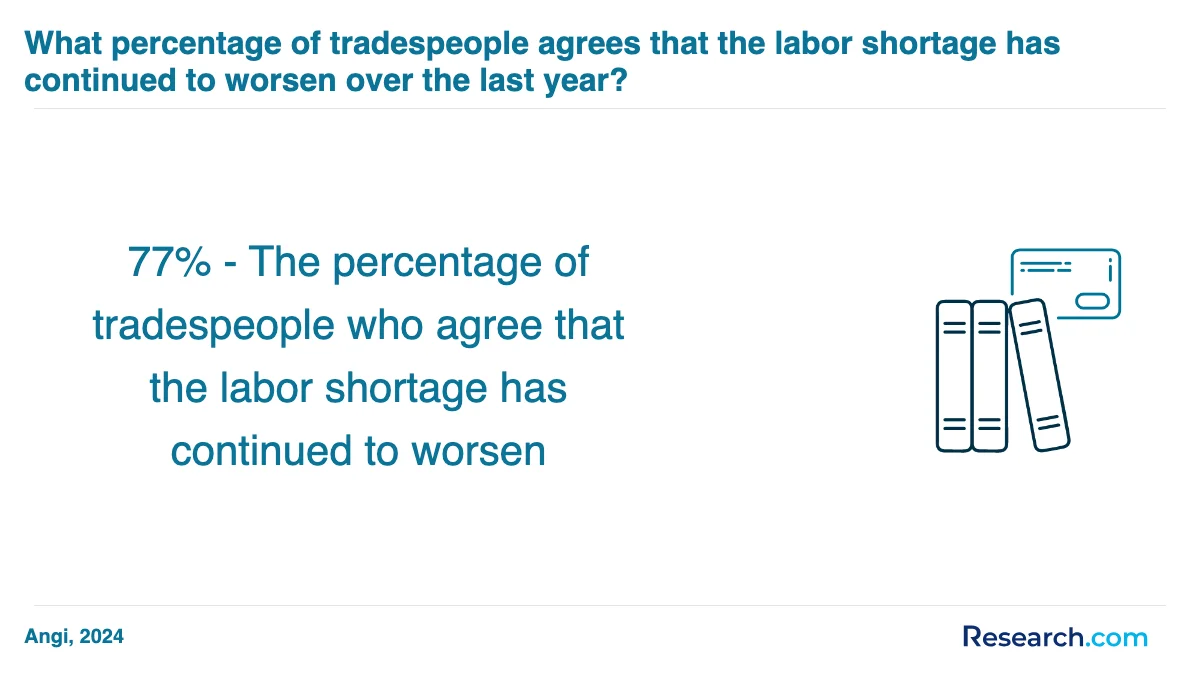
In Española, trade school programs focus on skills that lead directly to good jobs. Graduates often highlight courses in plumbing, electrical work, and carpentry as key to their success. For example, students at Northern New Mexico College have praised hands-on labs where they practiced real-world tasks, like wiring circuits or fitting pipes, giving them confidence before entering the workforce.
Other popular courses include:
- Automotive technology, allowing students to work on engines and diagnostics.
- Welding, offering the chance to create and repair metal structures.
- Heating, ventilation, air conditioning, and refrigeration (HVAC/R), teaching critical skills for climate control systems.
These programs often partner with local unions and employers, so graduates get valuable work experience and job-placement support. Many also start earning credits in high school through dual credit programs, letting students begin career training early. Graduates tell how this hands-on approach made the learning feel practical and exciting, preparing them to step right into construction sites or repair shops with real skills employers need.
In Española, trade school programs focus on hands-on, career-ready specializations that graduates find immediately applicable in the workforce. Many students appreciate programs in technical trades like plumbing, pipefitting, welding, and automotive technology offered by Northern New Mexico College, where state-of-the-art labs simulate real work environments. Graduates often describe how these skills helped them secure jobs quickly, especially since programs collaborate with local unions and high schools to ensure market relevance.
Healthcare pathways also stand out. The Espanola Valley Healthcare and Nursing Careers Pathways Program prepares students for roles such as Licensed Practical Nurse (LPN) with solid academic and social support. Graduates feel confident entering the growing healthcare sector, a top vocational pathway in New Mexico.
Additionally, flexible and dual credit options allow working adults and high schoolers to advance on their schedules. Students in these programs recommend checking out affordable appliance repair courses online to complement their technical skills and increase job opportunities.
When choosing the best trade school programs in Espanola, start by identifying which trade you're passionate about-whether it's electrical, plumbing, welding, or HVAC. Graduates from local institutions like Northern New Mexico College often share how the hands-on training in well-equipped labs gave them real confidence and prepared them for immediate employment.
Another key factor is how to compare Espanola trade schools by looking at their partnerships with local unions and employers. Schools that collaborate with organizations like the UA Local 412 or the International Brotherhood of Electrical Workers offer apprenticeships that many graduates say were crucial in landing skilled jobs right after program completion.
Consider programs offering flexibility, such as dual credit for high schoolers or continuing education for working adults. Scholarships, internships, and bootcamps available around Espanola provide supportive stepping stones. For a broader understanding on education pathways, you might explore the differences of college vs trade school to see what fits your career goals best.
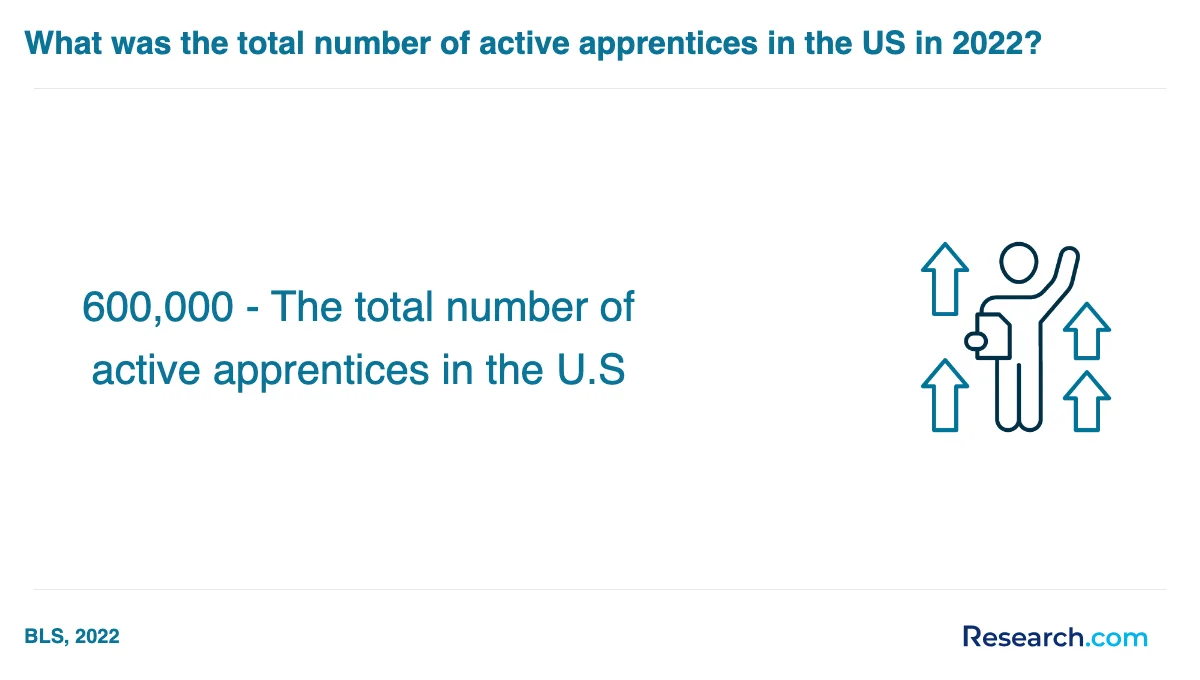
Trade school graduates in Espanola can find rewarding career opportunities tailored to local and regional demands. Many who studied at Northern New Mexico College (NNMC) share success stories of entering skilled trades jobs in Espanola NM, such as electricians, plumbers, or HVAC technicians. These careers provide reliable income and job security, with certifications often earned in two years or less, allowing graduates to start working faster and confidently.
Besides skilled trades, healthcare is a growing field where graduates have thrived. Programs connected to Presbyterian Española Hospital prepare students for roles like Licensed Practical Nurses and medical assistants, meeting urgent community needs and offering stable employment.
Some graduates also explore automotive technology, digital media, or IT, leveraging training from nearby campuses. If you're interested in niche skills, consider looking into cheap online electrical lineworker training programs to expand your options.
Overall, career opportunities for trade school graduates in Espanola continue to grow, supported by strong programs that open doors quickly and prepare you for real workforce needs.
The job market for trade school graduates in Espanola is promising, especially for those attending Northern New Mexico College (NNMC). Graduates report quick transitions from classrooms to hands-on work, thanks to strong partnerships with unions like UA Local 412 Plumbers and Pipefitters and IBEW Local 611. Many who complete plumbing or electrical programs find direct placements into union apprenticeships, ensuring steady employment and good wages.
Healthcare programs are another bright spot in Espanola. Graduates trained as nurse aides or medical assistants are in high demand by local employers like Las Clinicas del Norte and Presbyterian Española Hospital, who often struggle to find qualified staff. This means students with formal training are better positioned for roles with less on-the-job training required.
To put it simply, if you're considering the job market for trade school graduates in Espanola, the outlook is encouraging. The state's Job Training Incentive Program also boosts employment chances by reimbursing employers, making you a more attractive hire.
For those curious about specific programs, you might explore the cheapest online solar technician training program, which reflects the growing energy sector's needs and offers a flexible path to new skills and job opportunities.
Best Trade School & Training Programs - Leading Certification Courses in Espanola for 2026
# 1 position
Northern New Mexico College - Computer and Information Sciences, General.
associateNorthern New Mexico College offers a hybrid Computer and Information Sciences, General program that combines computing, computer science, and information science and systems. The program provides some distance-education options and is accredited by the Higher Learning Commission. Annual in-state tuition is $6,400, making it an accessible choice for students seeking foundational knowledge in these fields without specialization. This program is undifferentiated by title or content from specific computer science or information science programs.
# 2 position
Northern New Mexico College - Criminal Justice/Safety Studies.
associateNorthern New Mexico College offers a Criminal Justice/Safety Studies program delivered in a hybrid format, combining in-person and distance education. The curriculum covers criminal law, policy, police and correctional systems, justice administration, and public attitudes toward criminal justice. The program is accredited by the Higher Learning Commission. Annual in-state tuition is $6,400.
# 3 position
Northern New Mexico College - Electrician.
associateNorthern New Mexico College offers a hybrid Electrician program that prepares students to install, operate, maintain, and repair electrical systems in residential, commercial, and industrial settings. The curriculum covers electronics, wiring, power transmission, safety, job estimation, and electrical codes. The program's annual in-state tuition is $6,400. It is accredited by the Higher Learning Commission and includes some distance-education options for flexibility.
# 4 position
Northern New Mexico College - Plumbing Technology/Plumber.
associateNorthern New Mexico College offers a Plumbing Technology program that prepares students to become licensed plumbers. The curriculum covers skills such as installing and maintaining piping systems for steam, natural gas, oil, and water. Instruction includes blueprint reading, pipe installation, welding, and plumbing codes. The program is accredited by the Higher Learning Commission. Annual in-state tuition is $6,400.
# 5 position
Northern New Mexico College - Business Administration and Management, General.
associateNorthern New Mexico College offers a Business Administration and Management, General program with a hybrid format that includes some distance-education options. The curriculum covers management theory, human resources, accounting, purchasing, logistics, marketing, and business decision-making. Annual in-state tuition is $6,400. The program is accredited by the Higher Learning Commission, preparing students to plan, organize, direct, and control organizational functions and processes effectively.
# 6 position
Northern New Mexico College - Office Management and Supervision.
associateNorthern New Mexico College offers a hybrid Office Management and Supervision program designed to prepare students for managing business office operations and personnel. The curriculum includes employee supervision, labor relations, budgeting, scheduling, office systems, records management, and public relations. The program is accredited by the Higher Learning Commission, with an annual in-state tuition of $6,400.
# 7 position
Northern New Mexico College - Electrician.
certificate or diplomaNorthern New Mexico College offers a Hybrid Electrician program designed to teach technical skills for installing, operating, maintaining, and repairing electrical systems in residential, commercial, and industrial settings. The curriculum covers electronics, wiring, power transmission, safety, job estimation, and electrical codes. The annual in-state tuition is $6,400. The program is accredited by the Higher Learning Commission and includes some distance-education options.
Frequently Asked Questions about trade school programs
After completing a trade school program in Espanola, preparing for the job market involves several key steps. First, graduates should focus on building a strong resume that highlights their hands-on skills and certifications. Employers in technical fields highly value practical experience and credentials.
Networking is vital; attending local job fairs or industry events in New Mexico can connect candidates with employers actively seeking skilled trade workers. According to the New Mexico Department of Workforce Solutions, trade occupations in Espanola have seen steady growth, with a 5% increase in job openings over recent years.
Additionally, pursuing apprenticeships or internships helps graduates gain real-world experience and improve employability. Utilizing school career services for interview preparation and job placement is also recommended for success in the competitive local labor market.
Employers in Espanola highly value practical skills when hiring trade school graduates. According to data from the New Mexico Department of Workforce Solutions, technical proficiency in fields such as welding, HVAC, and electrical work ranks among the top requirements. Graduates who demonstrate hands-on experience through internships or apprenticeships tend to have an advantage.
Beyond technical know-how, employers also emphasize soft skills. Communication, problem-solving, and teamwork abilities are frequently highlighted by regional employers as critical for workplace success. A 2023 survey by the National Skills Coalition found that 85% of trade-related job providers prioritize these skills alongside certifications.
The combination of strong technical training and interpersonal skills prepares students to meet local employer demands effectively.
Finding internships in Espanola related to your trade school program can significantly enhance your hands-on experience and job readiness. Start by connecting with your trade school's career services, as many maintain partnerships with local businesses offering internships.
The Espanola Economic Development Department lists several manufacturing and construction companies that provide internship opportunities relevant to trades such as welding, electrical work, and plumbing. According to the New Mexico Department of Workforce Solutions, over 40% of trade students in Northern New Mexico secure internships through job placement programs linked to local employers.
Utilizing online job portals with filters for internships in Espanola and attending community job fairs can also help you identify openings. Networking with instructors, local unions, and industry professionals increases your chances of finding suitable internships aligned with your field.
In Espanola, obtaining a trade school diploma significantly enhances career mobility and advancement, especially in skilled fields such as welding, HVAC, and healthcare. According to the New Mexico Department of Workforce Solutions, individuals with trade certifications experience an average wage increase of 15-20% compared to those without post-secondary credentials.
Trade diplomas provide practical, industry-specific skills that local employers actively seek, improving job placement rates. For example, a 2023 report by the Espanola Chamber of Commerce highlighted that over 70% of trade school graduates secured employment within six months.
This credential often leads to faster promotions due to verified competencies. Trade school education also reduces barriers related to traditional four-year degrees, making career advancement more accessible for many residents.
In Espanola, part-time job opportunities that complement trade school education often focus on practical, hands-on experience. Roles such as automotive technician assistants, electrician helpers, and construction laborers are common and align well with skills learned in trade programs.
According to the U.S. Bureau of Labor Statistics (2023), these positions typically offer flexible schedules, allowing students to balance work and study effectively. Additionally, local businesses in Espanola often prefer candidates enrolled in trade schools, as this ensures relevant skills and commitment.
Healthcare support roles, like medical assistants or dental aides, are also promising part-time jobs for students pursuing health-related trades. The New Mexico Department of Workforce Solutions highlights steady demand for these roles in the Espanola region.
Engaging in such work not only improves practical skills but can also increase employability after graduation.
Choosing the best degree program near me can be achieved by considering factors such as program reputation, faculty qualifications, and available resources, with Research.com being a helpful resource to explore top-ranking programs. Near Espanola, NM, prospective students can find universities and colleges that offer a variety of programs tailored to different interests and career goals. It is advisable to visit the institutions near Espanola, NM to understand their offerings and speak with admissions counselors for personalized guidance.
- Best Trade School & Training Programs - Leading Certification Courses in Kyle for 2026
- Best Trade School & Training Programs - Leading Certification Courses in Emporia for 2026
- Best Trade School & Training Programs - Leading Certification Courses in Los Angeles for 2026
- Best Trade School & Training Programs - Leading Certification Courses in Springfield for 2026
- Best Trade School & Training Programs - Leading Certification Courses in Little Rock for 2026
- Best Trade School & Training Programs - Leading Certification Courses in Walla Walla for 2026
- Vocational Training in Spain - Carlos V Education https://www.carlosveducation.es/en/vocational-training/vocational-training-in-spain/
- Vocational Courses in Spain: Unlocking New Opportunities https://vocationalspain.com/vocational-courses-in-spain-unlocking-new-opportunities-for-your-career/
- Aura Labor | Vocational Education and Training https://auralabor.com/
- What Is a Trade School? Benefits of Career-Focused Training https://intercoast.edu/articles/what-is-a-trade-school/
- Industrial Trades, Technologies, Transportation, and Apprenticeship | Areas of Study | Lane Community College https://www.lanecc.edu/programs-academics/areas-study/industrial-trades-technologies-transportation-and-apprenticeship
- Discover our technical college programs - EUHT StPOL https://www.santpol.edu.es/en/technical-college/


