
Most Affordable Trade School & Training Programs - Leading Certification Courses in Tyler for 2026

Co-Founder and Chief Data Scientist
Choosing the right trade school in Tyler can be overwhelming, especially when affordability matters. This article introduces a helpful trade school programs ranking developed by the Research.com team of data scientists to guide you in making an informed decision.
By exploring this ranking, you’ll discover the most budget-friendly options that still offer quality education and valuable credentials. Earning a trade school diploma or certification opens doors to rewarding careers and greater financial stability.
Take this step confidently-your future self will thank you for investing in skills that truly matter.
Key benefits of finishing trade school programs trade school in Tyler
- Expected salary: Trade school graduates in Tyler can earn competitive wages, with construction roles like electricians and plumbers averaging $48,000 per year, healthcare support jobs around $31,100, and skilled technical healthcare roles up to $95,200 annually.
- Popular career paths: Many graduates pursue careers in construction, healthcare support, or production fields such as welding and machining, all of which have steady local demand and offer rewarding opportunities.
- Online certification benefits: Earning a trade school diploma online allows flexibility for busy schedules, letting you study at your own pace while still gaining hands-on skills, making it easier to balance work and family life.
- Most Affordable Trade School & Training Programs - Leading Certification Courses in Tyler for 2026
- What can I expect from trade school programs trade schools in Tyler?
- Where can I work after finishing trade school programs trade schools in Tyler?
What can I expect from trade school programs trade schools in Tyler?
The average cost of attending a trade school program in Tyler is surprisingly affordable, with many students finding the investment well worth their future careers. For example, at Tyler Junior College, in-district tuition and fees hover around $3,112 per year as of 2024. Graduates often share how this lower cost compared to four-year universities helped them start training without being overwhelmed by debt.
Hands-on learning is at the heart of these programs. Imagine diving into automotive repair labs or culinary kitchens equipped with industry-standard tools, where real projects mimic what graduates will face on the job. Students appreciate that their time spent mastering electrical work, welding, or healthcare translates directly into skills employers in Tyler actively seek.
Many programs flexibly fit around life's demands, offering both in-person and online options. Graduates describe balancing work or family while pursuing credentials that lead to diplomas, certificates, or associate degrees. Plus, some programs prepare students to ace the certifications and licenses required to hit the ground running in fields like HVAC or electrical services.
Overall, trade schools in Tyler provide not only affordable tuition but also a fast-paced, practical education that sets up students for immediate career success.
Where can I work after finishing trade school programs trade schools in Tyler?
Graduates from trade schools in Tyler step into a world bursting with exciting job opportunities perfectly matched to their skills. Imagine landing a role at a bustling local dealership or a high-energy repair shop after completing an automotive technology program. Or picture yourself welding precision parts in a busy fabrication shop, where every spark tells a story of craftsmanship and growth.
Many welding or manufacturing grads thrive in industrial plants and construction sites, while cosmetology students find joy transforming clients in salons and spas around Tyler. Culinary arts graduates savor the chance to work in kitchens where creativity meets flavor, from cozy restaurants to busy catering services. Healthcare certifications open doors to hospitals and clinics bustling with patient care roles that truly make a difference.
Those trained in IT often become the tech heroes behind local companies and schools, safeguarding data and streamlining networks. Construction and plumbing grads build and maintain homes and businesses, shaping Tyler's expanding skyline. Plus, graduates in law enforcement, fire science, and digital communications find dynamic roles that match their passions, making Tyler a thriving place for skilled trade professionals.
After completing a trade school program in Tyler, you can expect to start earning a competitive salary that quickly rewards your hard work. Many graduates from popular Tyler trade schools, like those in machining or welding, find themselves making around $46,000 per year, which is enough to feel proud of your new skills and independence. Imagine stepping into a workshop knowing your paycheck matches your talent-some CNC tool operators earn even more, close to $47,000 annually, which feels like real proof your training opened doors.
Then there are trades with impressive earning power, such as dental hygienists and web developers in Texas, earning $81,500 and $72,500 respectively. Graduates often share stories of growing confidence as their paychecks grow with experience and certifications.
Typically, Tyler graduates with associate degrees enjoy average earnings of about $44,000, noticeably higher than high school diploma holders. This means investing in a trade school here transforms potential into financial freedom, making your future feel exciting and rewarding every step of the way.
- Admission usually requires a high school diploma or GED, with some schools allowing alternative pathways and dual-enrollment options for younger students.
- Applicants often need to submit official transcripts, complete an online application, and may have to pass a basic skills test like the TSI Assessment.
- In-district tuition at Tyler Junior College averages $3,112 per year, with an estimated total on-campus budget of about $19,590 annually; costs are higher for out-of-district students.
- Entry-level salaries for skilled trades in Tyler range from $35,000 to $50,000, while experienced workers can earn $60,000 or more yearly.
- Programs offer flexible scheduling, including evenings, weekends, and online classes, to accommodate working adults and family commitments.
Imagine diving into a manufacturing fundamentals course in Tyler and finishing it in just 6 weeks-graduates describe the rush of quickly gaining new skills that open doors almost immediately. These short-term trade courses pack powerful knowledge into about 24 hours of training, perfect for those eager to jumpstart their career or add crucial skills fast.
Others choose certificate programs like the Residential Electrician course, which takes roughly 12 months and offers around 125 hours of hands-on experience. Graduates often highlight the balance between learning and landing a reliable job right after, fueling a confident leap into the workforce.
For those aiming high, apprenticeships can last up to 4 years, mixing full-time paid work with nearly 600 hours in the classroom. Many Tyler students appreciate the real-world experience this path provides, blending education and employment seamlessly as they prepare for journeyman exams.
High schoolers in Tyler benefit from multi-year career and technical education programs, earning certifications alongside their diplomas, setting a foundation early on.
Plus, flexible online options mean you control the pace, fitting education around your life. Tyler's trade schools truly offer varied routes for every ambition.
Choosing between online and on-campus trade school programs in Tyler often comes down to how you want to experience learning. Imagine a working parent juggling family and a job-an online program from a local platform lets them study anytime, anywhere, with recorded lectures and interactive tools keeping the connection alive. Graduates recall the freedom of fitting classes around their hectic days, enjoying the ability to replay lessons until concepts clicked perfectly.
On the flip side, picture a hands-on learner at one of Tyler's well-known trade schools, diving into automotive repair or electrical work under the watchful eyes of instructors. The buzz of the workshop, real-time feedback, and face-to-face collaboration create a vibrant energy hard to replicate online. Many graduates praise the immediate support and practical experience they gained, which made complex skills feel tangible and exciting.
Both paths lead to solid certifications, but the choice hinges on whether you crave flexibility or the rich buzz of in-person learning in Tyler's trade scene.
Curious about the average trade school tuition in Tyler Texas? Most students embarking on vocational programs here find costs comfortably aligned with statewide norms. At Tyler Junior College (TJC), for example, in-district students pay just $37 per credit hour plus fees, making a full-time year's tuition roughly $888 to $1,110 before extras. Graduates often share how this affordability let them focus more on mastering hands-on skills rather than worrying about crushing debt.
Venturing beyond TJC, Tyler Texas vocational program costs generally fall between $4,000 and $16,000 annually, depending on the institution and program length. Public two-year trade schools tend to stay near the lower end, while private for-profit options may edge toward the higher price points. Imagine a certificate in welding or automotive repair where additional expenses like books and supplies add just a few hundred dollars, keeping the journey both exciting and achievable.
Many students appreciate how local trade schools keep education accessible, backed by generous financial aid packages-$48 million annually at TJC alone-supporting dreams of skilled trades careers. If you're exploring options, dive into the details of top trade school degrees to uncover programs matching your ambitions and budget. This blend of affordability and opportunity turns the prospect of vocational training in Tyler into a thrilling, practical path forward.
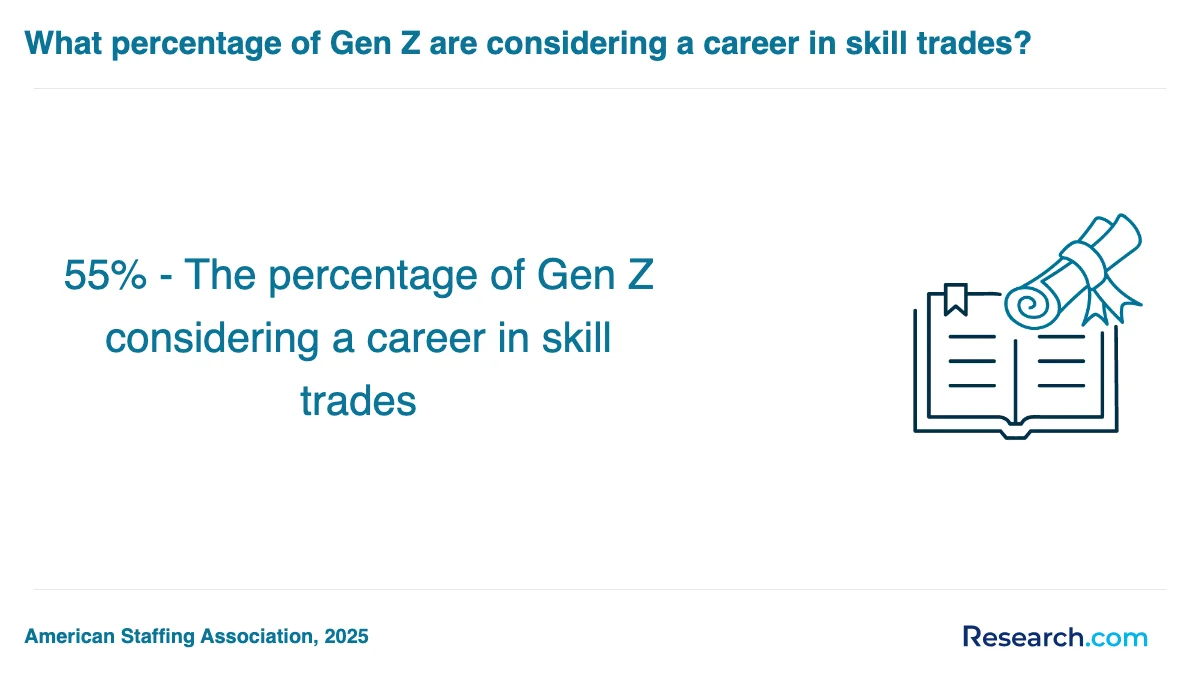
Trade school students in Tyler unlock a treasure trove of financial aid options that make ambition affordable and dreams achievable. The first crucial step? Completing the Free Application for Federal Student Aid (FAFSA). This gateway determines your eligibility for vital federal and state support, as well as aid from your chosen institution-whether it's one of Tyler's renowned technical colleges or specialized trade schools.
Imagine a graduate from a popular Tyler trade school who was able to attend without drowning in debt thanks to the Federal Pell Grant, which offers non-repayable funding based on financial need. Others discover additional gems like the Federal Supplemental Educational Opportunity Grant (FSEOG) or state-specific awards such as the Texas Public Educational Grant and the TEXAS Grant, designed just for Texas residents stepping into programs here.
If there's still a financial gap, many students tap into subsidized or unsubsidized federal loans through the William D. Ford Federal Direct Loan Program, benefiting from lower rates and flexible repayment-a true lifeline for those balancing work and study.
Work-study programs, sometimes offered right on campus, often become a game-changer, providing not just income but valuable experience. And for those with talents or academic achievements, a spectrum of scholarships at Tyler trade schools transforms hard work into rewarding scholarships. Graduates often share how this blend of aid made their journey not only possible but inspiring.
Enrolling in a trade school program in Tyler feels like the first big step toward your future career, and knowing the prerequisites makes the journey smoother. Most popular schools here, like Tyler Junior College and Texas State Technical College, want to see that you've finished high school or earned a GED-proof that you're ready to tackle new skills.
Imagine submitting your official transcripts or GED scores, just like other learners before you who found pride in showing they met these basics. Sometimes, if you took classes online or at a less common school, the admissions office might want a closer look, so be ready to share additional documents for approval.
Some programs add unique twists, such as:
- Being at least 18 years old.
- Passing background checks or drug screenings.
- Completing the Texas Success Initiative (TSI) Assessment to prove your readiness in reading, writing, and math.
For example, students aiming for health-related programs at Tyler County Hospital often recall the rigorous process but celebrate the confidence it gave them once cleared. Transfer students know the importance of submitting every transcript from past colleges to unlock new opportunities without delays.
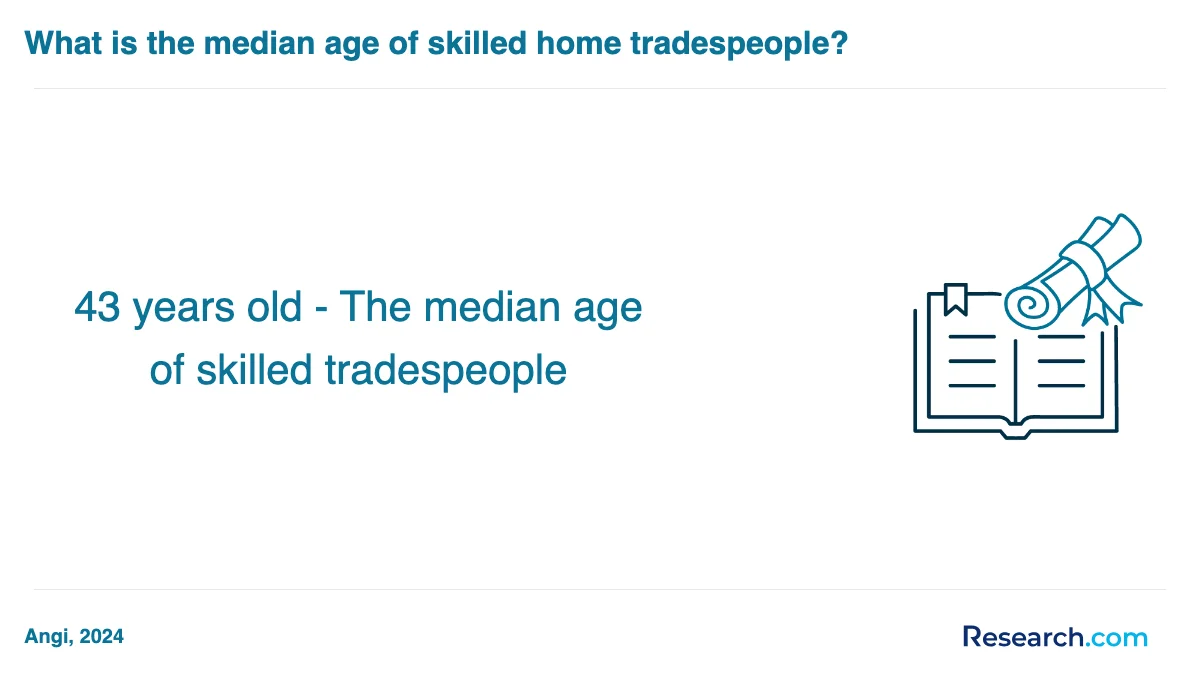
Imagine diving into a trade school in Tyler where hands-on learning meets real career opportunities. Graduates often praise programs like Automotive Technology and Diesel Technician for turning their curiosity about engines into expert-level skills, complete with ASE certification. At Tyler Junior College, many find excitement in interactive workshops that make complex repairs feel approachable and rewarding.
Curious about electrical work? The Electrical Technician courses introduce students to wiring and the National Electrical Code®, preparing them for projects from home renovations to commercial installations, with programs lasting anywhere from weeks to a year-perfect for those eager to start fast.
- HVAC Technician programs equip students with the know-how to keep homes comfortable year-round, blending electricity with hands-on system troubleshooting.
- Welding classes offer thrilling, hands-on practice with cutting-edge techniques like plasma arc cutting, all aligned with American Welding Society standards.
- Plumbing and Pipefitting courses teach crucial safety and repair skills in both residential and commercial settings.
- Others explore Building Construction, Carpentry, Cosmetology, Health Science, Business Management, and IT, each designed to help Tyler students build skills that employers actively seek.
These diverse paths reflect Tyler's commitment to job-ready education, helping students turn their interests into thriving careers with credentialed confidence.
Trade schools in Tyler open doors to adventure with a variety of specializations that match the city's vibrant workforce. Graduates from Tyler Junior College often recall hands-on experience in healthcare fields like Licensed Vocational Nursing, dental hygiene, and emergency medical services-skills that make a real difference in local clinics and hospitals.
At Texas State Technical College, students dive into exciting realms such as advanced manufacturing, robotics, and mechatronics, where building and programming machines feels like crafting the future. Imagine mastering precision machining or automation, ready to power East Texas' bustling industrial scene.
Construction and maintenance also spark enthusiasm, with courses in electrical construction, HVAC, and even solar energy, bringing practical skills that graduates proudly use on job sites every day. For tech lovers, specializations like cybersecurity and computer networking offer real-world challenges, fueling a passion for problem-solving.
Some seek quick pathways through programs like the cheapest electrical lineworker training program online, perfect for those eager to start working fast and gain financial independence.
Choosing the best trade school programs in Tyler TX means starting with accreditation-graduates from popular Tyler colleges often share how knowing their program met recognized standards gave them confidence stepping into the workforce. Imagine a cosmetology student balancing evening classes while working; the flexibility offered at local schools made all the difference in their success story.
When deciding how to compare trade schools in Tyler, look beyond the curriculum and spot programs focusing on current workforce skills like automotive tech or healthcare. Many graduates recall how strong career services, such as internships or job fairs, launched them into stable jobs quickly. Don't forget to weigh tuition costs and financial aid; one technical graduate praised the ease of payment plans easing their financial stress during studies.
For those curious about the easiest trades that lead to high paying careers, Tyler students often explore paths featured on research.com. Visiting campuses and chatting with instructors and alumni gives a vivid sense of the daily experience-turning your choice into an adventurous journey rather than just a decision.

Trade school graduates in Tyler discover exciting trade school career opportunities in Tyler that lead to dynamic, hands-on professions. Many find fulfillment working in fields like automotive technology, welding, plumbing, and industrial maintenance at the highly regarded Career & Technology Center. Graduates often share stories of earning industry certifications and stepping into roles that pay well and provide stable futures, from HVAC technicians to plant operators. The vibrant healthcare sector also beckons ambitious students, offering pathways into medical assisting and patient care that connect them directly with East Texas clinics and hospitals.
For those drawn to diverse skill sets, Tyler's programs include business management, marketing, and IT cybersecurity, equipping students for practical office roles and entrepreneurship. Graduates appreciate how these courses match local workforce needs, making in-demand vocational jobs in Tyler Texas accessible and rewarding. Many explore specialized tracks like cosmetology or fire science, broadening career horizons.
Curious students might consider the most affordable online electrician training to kickstart a promising technical career without geographic limits.
The job market for trade school graduates in Tyler TX is buzzing with opportunity, especially for those ready to dive into skilled trades right after graduation. Popular trade schools in Tyler have alumni landing roles as diesel mechanics, patient representatives, and application developers, showing just how diverse and accessible the pathways can be. Many graduates share stories of quick hires thanks to the local demand, with 87 trade-specific jobs listed on Indeed alone in June 2025.
Unemployment rates in Tyler remain impressively low at 3.5%, a bright spot for those entering the workforce from trade programs. Graduates often find themselves vying in a healthy job market where wages shine - think starting salaries around $70,000 for software developers or up to $120,000 in cybersecurity roles. Students from popular programs describe their transition to roles in cloud computing and AI as adventurous leaps into booming fields.
Consider this practical reality: if you're curious about hands-on careers, Tyler's expanding sectors reward skilled trades with competitive wages and career-growth possibilities. The tech industry alone is projected to grow by 15% by 2031. Many buyers of Tyler's trade school offerings tap into this momentum, finding clear routes to rewarding jobs.
Curious about affordable paths in emerging trades? Check out the cheapest solar technician training program - it's a prime example of how trade education can open doors in Tyler's expanding job market for trade school graduates.
Most Affordable Trade School & Training Programs - Leading Certification Courses in Tyler for 2026
# 1 position
Tyler Junior College - Diagnostic Medical Sonography/Sonographer and Ultrasound Technician.
associateThe Diagnostic Medical Sonography/Sonographer and Ultrasound Technician program at Tyler Junior College is a hybrid format, offering some distance-education options. It trains students to use medical ultrasound techniques for diagnosing conditions under physician supervision. The curriculum covers patient care, sonographic data processing, and equipment operation. Accredited by the Southern Association of Colleges and Schools Commission on Colleges, the annual in-state tuition is $3,112, with median earnings of $56,686 one year after completion.
# 2 position
Tyler Junior College - Physical Therapy Assistant.
associateThe Physical Therapy Assistant program at Tyler Junior College offers a hybrid format with some distance-education options. It prepares students to assist physical therapists by implementing treatment plans, training patients, and documenting progress. The curriculum covers anatomy, physiology, biomechanics, neuroscience, and professional ethics. Annual in-state tuition is $3,112. Graduates have median earnings of $46,586 one year after completion. The program is accredited by the Southern Association of Colleges and Schools Commission on Colleges.
# 3 position
Tyler Junior College - Heating, Air Conditioning, Ventilation and Refrigeration Maintenance Technology/Technician.
associateThe Heating, Air Conditioning, Ventilation and Refrigeration Maintenance Technology/Technician program at Tyler Junior College offers a hybrid format with some distance education options. It prepares students to repair, install, service, and maintain HVAC and refrigeration systems, covering diagnostic techniques, testing equipment, and relevant mechanics, electricity, and electronics. Annual in-state tuition is $3,112, and median earnings one year after completion are $35,231.65. The program is accredited by the Southern Association of Colleges and Schools Commission on Colleges.
# 4 position
Tyler Junior College - Veterinary/Animal Health Technology/Technician and Veterinary Assistant.
associateTyler Junior College offers a Veterinary/Animal Health Technology/Technician and Veterinary Assistant program that prepares students to assist veterinarians and animal health professionals. The curriculum covers animal nursing care, clinical procedures, radiology, anesthesiology, dental prophylaxis, surgical assisting, and office administration. The program is accredited by the Southern Association of Colleges and Schools Commission on Colleges. Annual in-state tuition is $3,112.
# 5 position
Tyler Junior College - Computer and Information Sciences, General.
associateTyler Junior College offers an on-campus program in Computer and Information Sciences, General, focusing on computing, computer science, and information science systems. The program is accredited by the Southern Association of Colleges and Schools Commission on Colleges. Annual in-state tuition is $3,112. This program is undifferentiated in title and content and should not be confused with specific computer science or information science programs.
# 6 position
Tyler Junior College - Computer Science.
associateTyler Junior College offers a Computer Science program delivered in a hybrid format, including some distance-education options. The curriculum covers computer theory, computing problems and solutions, and the design of computer systems and user interfaces from a scientific perspective. Students receive instruction in computational science principles, programming, and practical applications. The annual in-state tuition is $3,112. The program is accredited by the Southern Association of Colleges and Schools Commission on Colleges.
# 7 position
Tyler Junior College - Computer Systems Networking and Telecommunications.
associateTyler Junior College offers a hybrid program in Computer Systems Networking and Telecommunications, focusing on the design, implementation, and management of interconnected computer systems and software. The curriculum covers operating systems, systems design, networking theory, network management, security, and troubleshooting. The annual in-state tuition is $3,112. The program is accredited by the Southern Association of Colleges and Schools Commission on Colleges.
# 8 position
Tyler Junior College - Legal Assistant/Paralegal.
associateThe Legal Assistant/Paralegal program at Tyler Junior College offers a hybrid format with some distance education options. It prepares students to perform research, drafting, investigatory, and administrative functions under attorney supervision. Instruction covers legal research, document drafting, appraising, pleading, courthouse procedures, and legal specializations. Annual in-state tuition is $3,112. The program is accredited by the Southern Association of Colleges and Schools Commission on Colleges.
# 9 position
Tyler Junior College - Industrial Mechanics and Maintenance Technology/Technician.
associateTyler Junior College offers a hybrid Industrial Mechanics and Maintenance Technology/Technician program designed to prepare students for repairing and maintaining industrial machinery, including cranes, pumps, engines, pneumatic tools, and conveyor systems. The annual in-state tuition is $3,112. The program is accredited by the Southern Association of Colleges and Schools Commission on Colleges.
# 10 position
Tyler Junior College - Welding Technology/Welder.
associateTyler Junior College offers a Hybrid Welding Technology/Welder program that prepares students to apply technical skills in welding and metal cutting. Instruction covers arc welding, resistance welding, brazing, soldering, and high-energy beam techniques. The curriculum includes welding metallurgy, safety, structural design, and relevant codes. Annual in-state tuition is $3,112. The program is accredited by the Southern Association of Colleges and Schools Commission on Colleges.
Frequently Asked Questions about trade school programs
After completing a trade school program in Tyler, preparing for the job market involves several key steps. First, graduates should obtain relevant certifications or licenses, which enhance employment prospects in fields like HVAC, electrical work, or welding. According to the Texas Workforce Commission, trade graduates with certifications see a 15% higher chance of employment within six months.
Networking is equally important. Joining local professional organizations or attending job fairs in East Texas can connect graduates with employers actively seeking skilled workers. Many Tyler trade schools offer career services to help with resume writing and interview preparation.
Additionally, gaining practical experience through internships or apprenticeships significantly improves job placement rates. The U.S. Bureau of Labor Statistics highlights that hands-on training often leads to better starting salaries and faster advancement. Graduates should leverage all available resources to transition smoothly from school to work.
Employers in Tyler highly value trade school graduates who demonstrate strong technical skills in their specific fields, such as HVAC repair, electrical work, and welding. According to the Texas Workforce Commission, about 70% of local employers prioritize hands-on experience when hiring.
In addition to technical ability, soft skills like communication, problem-solving, and teamwork are increasingly important. A 2023 labor market study by Georgetown University highlighted that 85% of employers in Texas consider these skills essential for workplace success.
Trade school programs that emphasize real-world training paired with interpersonal development tend to better prepare students for Tyler's job market demands.
Finding internships in Tyler that align with your trade school program involves several strategic steps. Start by consulting your school's career services or internship coordinator, as many trade schools maintain partnerships with local employers. These relationships often provide direct channels to internship opportunities.
Additionally, explore resources from the Tyler Chamber of Commerce, which offers information on local businesses seeking interns in fields like automotive repair, HVAC, and healthcare. According to the Texas Workforce Commission, Tyler's growing industries create a steady demand for skilled interns in trades.
Online job platforms such as Indeed and Handshake also list internships specifically for Tyler, often requiring relevant trade skills. Networking at local job fairs and community events can further increase your chances to connect with employers offering hands-on training.
A trade school diploma in Tyler can significantly enhance career mobility by providing students with hands-on skills tailored to local industries like manufacturing, healthcare, and automotive services. According to data from the Texas Workforce Commission, individuals with trade credentials often experience faster job placement rates compared to those with only a high school diploma.
Career advancement is also positively impacted, as many employers in Tyler prioritize practical expertise and certifications when offering promotions. Trade school graduates typically enter the workforce with specialized skills that meet immediate employer needs, leading to higher starting wages and increased opportunities for overtime and leadership roles.
Additionally, Tyler's growing economy and demand for skilled tradespeople mean that trade diplomas align well with regional employment trends, supporting long-term career growth. This is particularly relevant in trades such as electricians, HVAC technicians, and welders, where diploma holders report median salaries notably higher than local averages.
Part-time job opportunities in Tyler that complement trade school education often align with the specific skills students acquire. For example, those studying automotive technology can find positions at local repair shops or car dealerships, gaining practical experience alongside their coursework. According to the Texas Workforce Commission, automotive service technician positions in Tyler typically offer flexible hours suitable for students.
Healthcare trade students can work as medical assistants or pharmacy aides in clinics and hospitals around Tyler, where part-time roles are in demand due to a growing healthcare sector. The U.S. Bureau of Labor Statistics notes healthcare support jobs are among the fastest-growing in the region.
Additionally, students training in construction and electrical trades may secure part-time jobs with local contractors, providing hands-on exposure while earning an income.
Yes, there are affordable degree programs available near Tyler, TX. Local universities and community colleges offer a variety of programs that are cost-effective and can be researched through helpful resources like Research.com to find options "near me." Students considering affordable programs "near Tyler, TX" can explore public institutions, which often have lower tuition rates compared to private colleges.
- Most Affordable Trade School & Training Programs - Leading Certification Courses in Tulsa for 2026
- Most Affordable Trade School & Training Programs - Leading Certification Courses in Olathe for 2026
- Most Affordable Trade School & Training Programs - Leading Certification Courses in Overland Park for 2026
- Most Affordable Trade School & Training Programs - Leading Certification Courses in Topeka for 2026
- Most Affordable Trade School & Training Programs - Leading Certification Courses in Statesboro for 2026
- Most Affordable Trade School & Training Programs - Leading Certification Courses in Ocala for 2026
- Industrial Technology, College, University https://www.uttyler.edu/academics/colleges-schools/longview/kilgore/industrial-tech/college/index.php
- Trade school: A comprehensive guide https://www.collegeessayguy.com/blog/trade-school-guide
- Requirements for Trade School | Apex Technical School https://apexschool.com/toolbox/how-to-get-into-trade-school/
- Client Challenge https://www.tylerisd.org/o/ctc
- Career Pathways - PAVE East Texas https://www.paveetx.org/career-pathways
- Are You Made for a Trade? School-Based Apprenticeships Explained https://www.migas.com.au/blog/are-you-made-for-a-trade-school-based-apprenticeships-explained
- Trade Schools vs College: Exploring Vocational Programs as a Smart Alternative | MoldStud https://moldstud.com/articles/p-exploring-trade-schools-and-vocational-programs-as-alternatives-to-college





