
Most Affordable Trade School & Training Programs - Leading Certification Courses in South for 2026

Co-Founder and Chief Data Scientist
Choosing the right trade school can be overwhelming, especially when looking for affordable options in the South. This article presents a well-researched trade school programs ranking developed by the Research.com team of data scientists, designed to help you make confident decisions about your education.
Discover programs that offer great value and equip you with practical skills for a rewarding career. Whether you’re aiming for a diploma or certification, this guide highlights opportunities that can open doors and boost your future.
Key benefits of finishing trade school programs trade school in South
- Trade school graduates in the South can expect strong salaries: construction workers earn around $50,000-$55,000 annually, welders start near $50,000 but can exceed $60,000, and electricians or HVAC technicians typically earn between $55,000 and $65,000 per year.
- Popular career paths include construction, welding, electrical work, HVAC, commercial truck driving, and diesel technology, providing a variety of rewarding job options to match your interests and skills.
- Online trade school diplomas offer flexibility for busy students, allowing you to learn at your own pace while balancing work or family, making it easier to start a career without relocating or a strict schedule.
- Most Affordable Trade School & Training Programs - Leading Certification Courses in South for 2026
- What can I expect from trade school programs trade schools in South?
- Where can I work after finishing trade school programs trade schools in South?
What can I expect from trade school programs trade schools in South?
The average cost of a trade school program in the South typically ranges from $5,000 to $15,000, depending on the specific school and program length. Graduates from institutions like Texas State Technical College often mention that this investment feels manageable because of the fast, career-focused training they receive. Many programs take two years or less, allowing students to enter the workforce quickly and start earning.
Students frequently appreciate the flexible learning options at Southern schools like Southeast Technical College, which offer in-person, remote, and hybrid classes. This flexibility helps those balancing work or family commitments avoid extra expenses related to time off work or childcare.
Hands-on learning in real-world environments, such as welding labs or facilities that mirror local job sites, adds value to the cost by improving job readiness. Graduates also highlight the benefit of industry-recognized certifications included in programs, enhancing their ability to secure competitive salaries right after completing school.
Where can I work after finishing trade school programs trade schools in South?
After finishing a trade school program in the South, graduates often find rewarding careers in healthcare, automotive services, manufacturing, and skilled trades. Many who trained at well-known institutions in the region quickly secure jobs as Certified Nursing Assistants or Licensed Practical Nurses, working in hospitals or clinics where they build meaningful connections while earning competitive salaries.
Others who specialized as Automotive Technicians or Service Mechanics report smooth transitions into roles at local dealerships or repair shops, enjoying steady work and the pride of fixing vehicles. Manufacturing trades, like electricians or maintenance repairers trained at Southern technical colleges, frequently find positions in nearby plants or utility companies, gaining hands-on experience and job stability.
Apprenticeships in HVAC, plumbing, and solar installation also attract many, offering paid training and the chance to start building a career immediately after graduation. Graduates appreciate how these programs provide practical skills valued by employers eager to hire skilled workers ready to contribute from day one.
After finishing a trade school program in the South, many graduates see starting salaries between $50,000 and $60,000 annually, which quickly rise with experience and certifications. For instance, graduates from popular Southern trade schools who enter plumbing or pipefitting often start around $67,840, reflecting strong local demand.
Electrical power line installers and boilermakers in the region enjoy even higher earnings, with averages near $85,900 and $73,840 respectively. Some graduates working as elevator installers report salaries exceeding $88,000 within a few years, showing real opportunity for rapid income growth.
Many Southern trade school alumni share stories of feeling proud and secure, thanks to competitive pay that can surpass state median incomes while offering strong job stability. In practical terms, this means affording a comfortable lifestyle and planning for the future with confidence.
Top earners in the South's skilled trades can make over $100,000, especially when overtime and union benefits come into play. Popular trade schools in the South prepare students for these careers by emphasizing hands-on skills and certifications that employers value most.
- The primary admission requirement is a high school diploma or GED, with some schools accepting homeschooling completion.
- Standardized test scores like the SAT or ACT are usually not required, but placement or proficiency tests may be needed for certain programs.
- Most trade schools require students to be at least 17 or 18 years old, with younger students needing parental consent or a school release letter.
- Application processes are often rolling, involving an application form, a fee, and submission of documents like transcripts or proof of legal presence.
- Tuition ranges from $3,000 to $15,000 and may be the same for in-state and out-of-state students, with financial aid often available.
- Starting salaries for graduates typically range from $35,000 to $50,000, with experienced professionals earning $60,000 or more in high-demand fields.
Completing a trade school program in the South generally takes between eight months and two years, making it a quicker path compared to traditional college degrees. Many graduates find this appealing as they can enter the workforce sooner and start earning faster.
For instance, graduates from popular Southern trade schools often finish short-term programs like medical assisting, welding, or cosmetology within a few months to a year. These condensed courses allow students to balance life and studies while gaining practical skills quickly.
On the other hand, more involved trades such as HVAC technician training or advanced healthcare fields may require up to two years. These programs emphasize hands-on experience and thorough knowledge, which graduates appreciate for preparing them well for the job market.
Keep in mind that part-time options are common in Southern trade schools, so students juggling jobs or family responsibilities can extend their program length but still achieve their goals without sacrificing income. Many find this flexibility helpful for personal situations while maintaining steady progress.
Overall, most students in the South complete their trade education within 6 to 24 months, reflecting a balance between fast-track learning and quality training tailored to their career plans.
Online trade school programs in the South offer unmatched flexibility, letting students balance work, family, and study without the daily commute. Graduates from popular Southern schools often share how completing assignments late at night or during lunch breaks helped them stay on track while managing jobs. This flexibility is ideal for those who thrive on self-paced learning.
Conversely, on-campus programs provide a structured routine with scheduled classes and face-to-face interaction. Many students at Southern trade schools appreciate the direct access to hands-on training facilities, such as welding labs or automotive workshops, which build confidence through real-world practice. This setting suits learners who prefer guided instruction and immediate feedback from instructors.
Hands-on experience is key in trades like electrical work or automotive repair. Some online programs in the South use hybrid models requiring in-person labs, but fully online courses might limit practical training. Social interaction also varies; while online students connect through digital platforms, on-campus attendees benefit from daily peer collaboration and networking opportunities.
The average trade school tuition in the South generally ranges from $4,000 to $16,000 at public institutions, making it a feasible option for many students seeking quick career training. Graduates from schools like Galveston College in Texas appreciate the affordability, with average tuition as low as $3,632 a year, while others at Aiken Technical College in South Carolina find net prices near $3,386. These costs reflect the fact that many programs, especially shorter certificate or diploma courses under a year, tend to be on the lower end of the scale.
For more specialized or longer programs, the total cost of Southern trade school programs can increase. For example, a welding certificate program might cost around $4,500 in Texas, but technical programs like aircraft maintenance can push tuition to $20,000. These figures include tuition but often exclude other essentials, so students factor in living expenses, transportation, books, and supplies. Trade schools such as Del Mar College highlight net prices around $4,769 that cover some of these additional fees, helping students budget realistically.
Many students alleviate these costs by applying for financial aid and scholarships. Completing the FAFSA opens doors to federal help, and local scholarships often target Southern technical program students specifically. Those interested in career-focused training may also explore top online hvac training programs to find affordable, flexible options. The total cost of Southern trade school programs remains significantly lower than traditional four-year universities, making them an attractive, practical path to rewarding careers.

Trade school students in the South often find financial aid within reach through multiple channels, making their career training more affordable and less stressful. Many graduates from technical colleges in states like South Carolina share how the Lottery Tuition Assistance Program eased their tuition burden, awarding up to $1,500 per semester and allowing them to focus on hands-on learning instead of worrying about costs.
Federal aid through the Free Application for Federal Student Aid (FAFSA) remains a crucial step, unlocking options such as low-interest Direct Loans and the Federal Pell Grant, which can provide up to $7,395 based on financial need. Graduates from popular institutions throughout Georgia say the HOPE Scholarship helped them stay motivated in certificate programs by reducing out-of-pocket expenses.
Florida students frequently benefit from the Bright Futures scholarship for career and technical education, which unlocks more pathways to complete training without excessive debt. Institutional aid at many trade schools offers additional scholarships and work-study opportunities, rewarding both academic performance and career dedication. For undocumented students in Texas, completing the Texas Application for State Financial Aid (TASFA) opens doors to state grants and scholarships otherwise unavailable.
Prompt FAFSA submission is key, as students recall missing out on some aid due to late applications. Ultimately, the combination of federal, state, and school-based aid creates a tangible support system, helping Southern trade school students turn education into opportunity with confidence.
To enroll in a trade school program in the South, the main prerequisite is having a high school diploma, GED, or proof of completion of an accredited homeschooling program. Many graduates share how presenting these simple documents paved their way into popular South-based trade schools without hassle.
Age-wise, most schools expect students to be at least 17 or 18 years old. Some younger students, even as young as 14, have successfully joined through special high school partnerships or with parental consent, which makes early career training accessible and motivating.
Unlike traditional colleges, trade schools in the South typically do not require SAT or ACT scores. Many students appreciate this relief, stating they felt more confident focusing on hands-on skills rather than test prep.
Other requirements often include:
- Submission of identification documents and completed application forms
- A non-refundable application fee
- Possible proof of residency, which affects tuition rates
- Sometimes a basic placement test focusing on foundational skills
Alternative Career Pathway Programs allow students without diplomas to start through basic skills tests or approved credits, granting many a second chance to join the workforce swiftly.
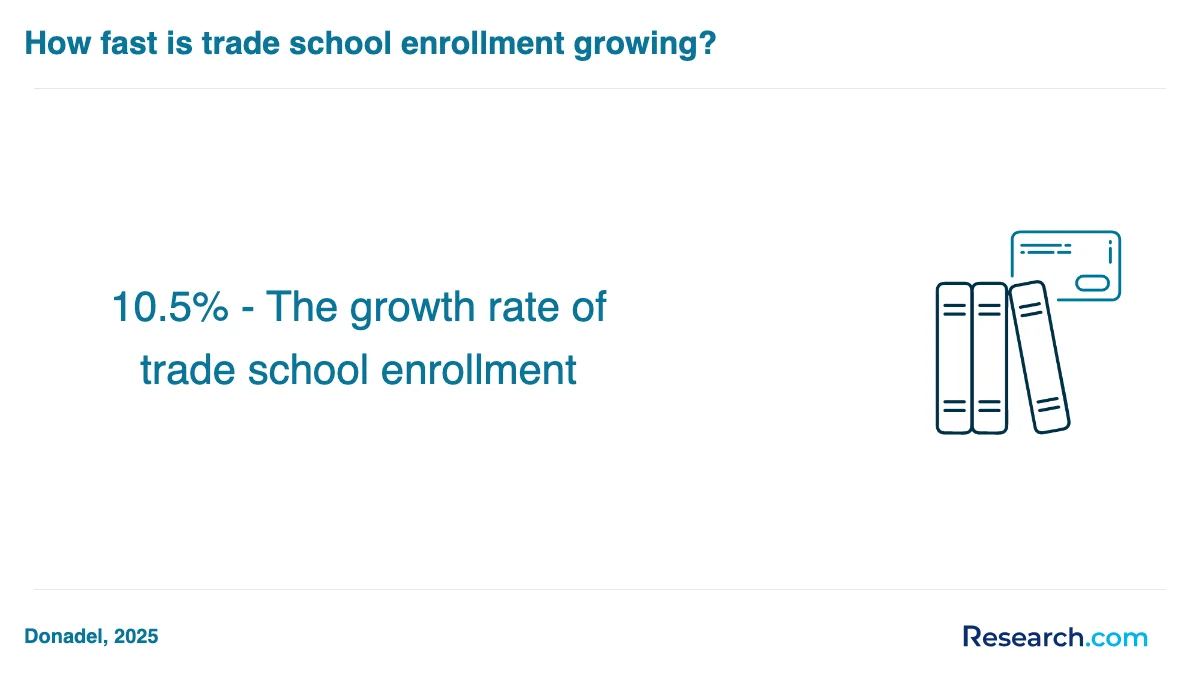
Trade school programs in the South focus on career-ready courses designed to get you job-ready fast. Popular areas of study include healthcare, automotive technology, diesel equipment technology, welding, commercial truck driving, business administration, and cosmetology. These programs blend classroom learning with practical, hands-on training so you gain both the theory and skills employers want.
Graduates from schools like Southeastern Technical College in Georgia often mention programs such as:
- Practical Nursing
- Automotive Technology
- Diesel Equipment Technology (repairing trucks, heavy machinery, marine systems)
- Commercial Truck Driving
- Accounting
- Early Childhood Care and Education
In Texas, Southern Careers Institute offers flexible options including online and in-person classes in:
- Allied Health (Medical Assistant, Pharmacy Technician)
- Trades (Welding, HVAC)
- Technology (IT Support, Coding)
- Beauty (Cosmetology, Esthetics)
- Business (Administrative Assistant, Office Management)
Graduates appreciate the quick completion times and affordable tuition under $5,000 annually at many public institutions. This practical approach helps you enter the workforce confidently and with less debt than a traditional four-year degree.
Trade school programs in the South offer a wide range of specializations tailored to practical skills in high-demand industries. Graduates from schools like WyoTech often praise programs in automotive technology, diesel technology, collision/refinishing technology, and applied welding technology for their hands-on approach and quick entry into the workforce.
Many students excel in specialty tracks such as advanced diesel or motorsports chassis fabrication, gaining expertise that makes them highly competitive in their fields. At Tulsa Welding School, real-world training in welding, electrical, and HVAC/refrigeration prepares students for immediate jobs in manufacturing and construction industries.
Healthcare roles also provide strong career paths, with Southern trade schools focusing on medical assisting, billing and coding, and pharmacy technician roles. These programs address the growing healthcare workforce needs across the South.
Additionally, business and technology offerings cover business administration, accounting, IT support, and digital marketing, with over 100 degrees and certificates available at institutions like South College. Students appreciate how these programs align with evolving job markets and lead them right into careers. Exploring the trade school careers list can help prospective students identify paths that fit their goals.
Choosing the best trade school programs in the South means focusing on programs that align with your career goals and fit your lifestyle. Graduates from popular Southern colleges often highlight how strong campus resources and hands-on training made their transition into jobs smoother. When deciding, consider schools with reputable accreditation and proven job placement rates to ensure your education holds weight in the local job market.
How to select a Southern trade school also involves checking costs and financial aid opportunities carefully. Many Southern schools offer competitive pricing and high acceptance rates, making education attainable. Some graduates found scholarships and grants essential for reducing expenses, so look beyond sticker tuition. Exploring options like cheap online construction training programs can open doors to affordable, flexible learning options.
Location matters for many students; proximity to home often helps balance personal responsibilities. Graduates appreciate programs offering industry connections and internships in the South, which greatly improve employment chances. Focus on schools supporting certifications and career counseling-these features make all the difference when starting a trade career.
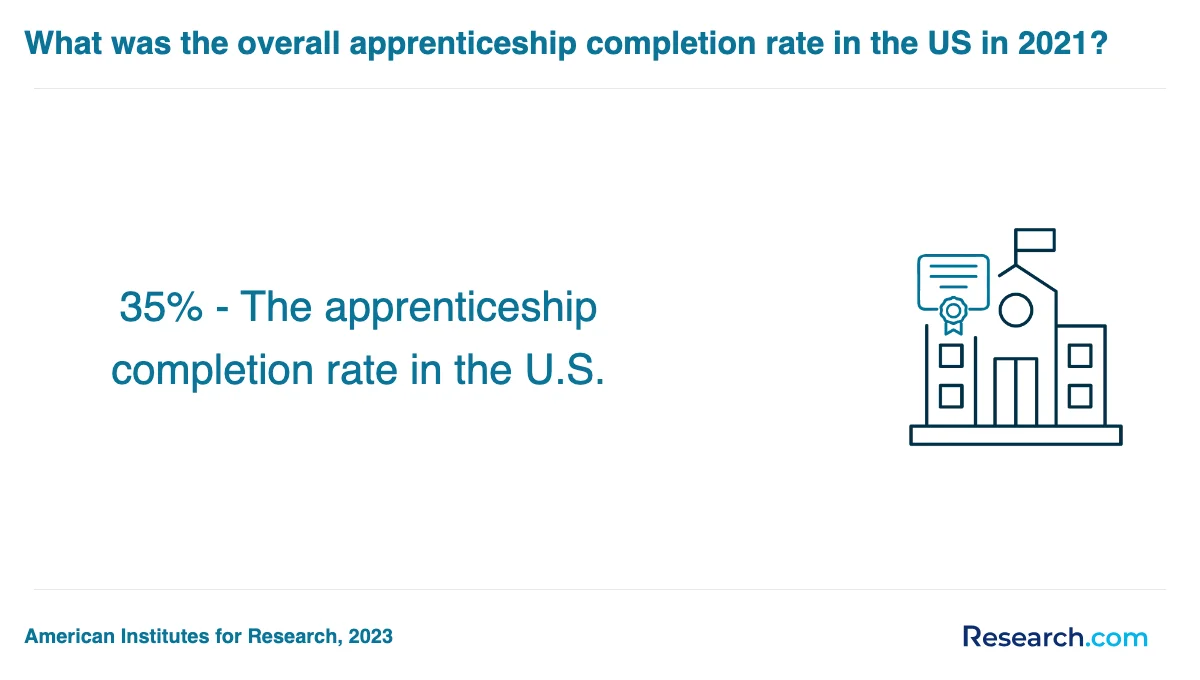
Trade school graduates in the South can pursue a variety of high-demand trade careers in the South, benefiting from both traditional trades and newer technical fields. Popular paths include construction roles such as residential or commercial construction workers, electricians, plumbers, and HVAC technicians. Graduates often share how hands-on experience gained at regional trade schools led to immediate job offers due to the industry's rapid growth.
Healthcare is another thriving sector. Many students train to become dental assistants, medical technicians, or nursing aides, quickly filling local staffing shortages. Manufacturing careers like welding and machining also stand out, with graduates highlighting strong employer demand and high wages.
Other options include automotive service technicians and cosmetologists, where trade school graduates often appreciate the chance to start earning quickly after completing shorter programs. Emerging fields in information technology and media further expand career opportunities after trade school in the South.
For those looking for affordable ways to enter maintenance roles, some students find valuable resources through cheapest maintenance technician training online, enabling steady career growth without relocating.
The job outlook for trade school graduates in the South is exceptionally strong, fueled by high demand in construction, welding, electrical, HVAC, and commercial driving fields. Graduates from popular trade schools in the region often share experiences of quickly securing well-paying jobs due to the booming market driven by ongoing infrastructure projects and population growth. Many find rewarding positions in both residential and commercial developments, benefiting from job stability and competitive wages.
Skilled trades employment trends in Southern states highlight significant shortages, especially in welding and electrician roles, creating a favorable environment for new entrants. Government investments in roads and public facilities further amplify these opportunities.
Graduates report opportunities such as:
- Joining large-scale construction or manufacturing projects
- Filling critical welding vacancies in industrial sectors
- Working as HVAC technicians addressing regional climate demands
For those exploring training options, several renowned programs offer hands-on experience and career placement assistance. To explore these paths, students can find guidance through resources like best construction trade schools tailored to Southern states' growth sectors.
Most Affordable Trade School & Training Programs - Leading Certification Courses in South for 2026
# 1 position
Wiregrass Georgia Technical College - Automobile/Automotive Mechanics Technology/Technician.
associateWiregrass Georgia Technical College offers a hybrid Automobile/Automotive Mechanics Technology/Technician program that prepares students to repair, service, and maintain various automobile systems. The curriculum covers brake systems, electrical systems, engine performance and repair, suspension and steering, transmissions, and heating and air conditioning. Annual in-state tuition is $3,212. Graduates earn a median income of $28,014 one year after completion. The program is accredited by the Southern Association of Colleges and Schools Commission on Colleges.
# 2 position
Wiregrass Georgia Technical College - Computer and Information Systems Security/Auditing/Information Assurance.
associateWiregrass Georgia Technical College offers a hybrid program in Computer and Information Systems Security/Auditing/Information Assurance that prepares students to evaluate and manage security for computer and network systems. The curriculum covers programming, networking, cryptography, risk assessment, and security auditing. The annual in-state tuition is $3,212. The program is accredited by the Southern Association of Colleges and Schools Commission on Colleges.
# 3 position
Wiregrass Georgia Technical College - Electrician.
associateThe Electrician program at Wiregrass Georgia Technical College offers a hybrid format with some distance-education options. It prepares students to install, operate, maintain, and repair electric systems including residential, commercial, and industrial wiring. The curriculum covers electronics principles, wiring, power transmission, safety, inspection, and applicable codes. Annual in-state tuition is $3,212. The program is accredited by the Southern Association of Colleges and Schools Commission on Colleges.
# 4 position
Wiregrass Georgia Technical College - Heating, Air Conditioning, Ventilation and Refrigeration Maintenance Technology/Technician.
associateWiregrass Georgia Technical College offers a hybrid Heating, Air Conditioning, Ventilation and Refrigeration Maintenance Technology/Technician program. This program prepares students to repair, install, service, and maintain HVAC and refrigeration systems, emphasizing diagnostic techniques, testing equipment, and principles of mechanics, electricity, and electronics. The annual in-state tuition is $3,212. The program is accredited by the Southern Association of Colleges and Schools Commission on Colleges.
# 5 position
Wiregrass Georgia Technical College - Industrial Mechanics and Maintenance Technology/Technician.
associateWiregrass Georgia Technical College offers a Hybrid Industrial Mechanics and Maintenance Technology/Technician program. It prepares students to repair and maintain industrial machinery such as cranes, pumps, engines, and conveyor systems. The program is accredited by the Southern Association of Colleges and Schools Commission on Colleges. Annual in-state tuition is $3,212. This program combines technical knowledge with practical skills for maintaining complex industrial equipment.
# 6 position
Wiregrass Georgia Technical College - Computer Numerically Controlled (CNC) Machinist Technology/CNC Machinist.
associateWiregrass Georgia Technical College offers a hybrid Computer Numerically Controlled (CNC) Machinist Technology program that trains students to operate CNC machine tools for machining tasks like cutting, drilling, and shaping. The curriculum includes CNC programming, blueprint reading, CAD/CAM systems, and safety practices. Annual in-state tuition is $3,212. Graduates have median earnings of $26,147 one year after completion. The program is accredited by the Southern Association of Colleges and Schools Commission on Colleges.
# 7 position
Wiregrass Georgia Technical College - Opticianry/Ophthalmic Dispensing Optician.
associateWiregrass Georgia Technical College offers a hybrid Opticianry/Ophthalmic Dispensing Optician program that trains students to fit corrective eyewear and assist patients in frame selection. The curriculum covers geometrical optics, anatomy of the eye, prescription interpretation, contact lens fitting, and prosthesis adaptation. Students also learn laboratory work orders, adjustment tools, and business tasks. The program's annual in-state tuition is $3,212 and is accredited by the Southern Association of Colleges and Schools Commission on Colleges.
# 8 position
Wiregrass Georgia Technical College - Business Administration and Management, General.
associateWiregrass Georgia Technical College offers a program in Business Administration and Management, General, designed to prepare students to plan, organize, direct, and control business functions. The curriculum covers management theory, human resources, accounting, purchasing, logistics, marketing, and business decision-making. Annual in-state tuition is $3,212. The program is accredited by the Southern Association of Colleges and Schools Commission on Colleges.
# 9 position
Wiregrass Georgia Technical College - Accounting Technology/Technician and Bookkeeping.
associateWiregrass Georgia Technical College offers a program in Accounting Technology/Technician and Bookkeeping that prepares students to support professional accountants and financial management personnel. The curriculum includes instruction in posting transactions, record-keeping systems, accounting software operation, and general accounting principles. The annual in-state tuition is $3,212. The program is accredited by the Southern Association of Colleges and Schools Commission on Colleges.
# 10 position
Wiregrass Georgia Technical College - Marketing/Marketing Management, General.
associateWiregrass Georgia Technical College offers a Marketing/Marketing Management, General program designed to prepare students to manage the development of consumer audiences and product distribution. The curriculum covers buyer behavior, marketing research principles, demand analysis, pricing theory, marketing campaigns, and sales operations. The program costs $3,212 annually for in-state students and is accredited by the Southern Association of Colleges and Schools Commission on Colleges.
Frequently Asked Questions about trade school programs
Preparing for the job market after completing a trade school in the South involves a combination of practical steps and strategic planning. Graduates should start by updating their resumes to highlight certifications and hands-on experience gained during their programs. According to the National Center for Education Statistics, about 70% of trade school graduates in Southern states find employment within six months of graduation.
Networking is also crucial. Connecting with local industry professionals through job fairs or trade associations can lead to employment opportunities. Many Southern trade schools offer career services, including job placement assistance tailored to regional markets.
Additionally, obtaining relevant licenses or certifications required in certain trades can increase employability. For example, electricians and HVAC technicians often need state-specific credentials to work legally and competitively in the South.
Employers in the South highly value technical proficiency in trade school graduates, particularly skills related to electrical systems, plumbing, HVAC, and welding. According to the U.S. Bureau of Labor Statistics, these trades show steady growth, emphasizing the demand for hands-on expertise. Additionally, safety knowledge and certifications, such as OSHA training, are crucial due to workplace regulations.
Soft skills like communication, teamwork, and problem-solving also rank highly. A 2023 report from the National Skills Coalition highlights that 70% of Southern employers prioritize adaptability and collaboration alongside technical abilities. This blend ensures graduates can operate effectively in dynamic job environments.
Finding internships in the South that relate to your trade school program often begins with leveraging your school's career services. Many trade schools have established connections with local businesses offering internships in fields like construction, automotive repair, and healthcare support.
Online job portals such as Indeed and state workforce agencies like the Georgia Department of Labor provide up-to-date listings for paid and unpaid internships in the region. According to the National Association of Colleges and Employers, nearly 60% of trade students secure internships through these platforms.
Networking through industry-specific events and local trade unions also increases your chances of landing relevant internships. Exploring apprenticeship programs registered with the US Department of Labor is another reliable route to gain hands-on experience aligned with your training.
A trade school diploma in South can significantly enhance career mobility and advancement. According to the U.S. Bureau of Labor Statistics, skilled trades in the region offer higher-than-average wage growth, with many occupations experiencing projected growth rates above 10% through 2030. Graduates often find opportunities in industries such as construction, automotive repair, and healthcare, which value practical skills over traditional four-year degrees.
Data from the Southern Regional Education Board shows that individuals with trade credentials can increase their earnings by 20-30% compared to those with only a high school diploma. Additionally, many employers in South offer on-the-job training and promotions for certified trade workers, improving their long-term career prospects.
The accessibility and targeted training provided by trade schools make them a practical choice for those seeking rapid entry into the workforce and upward mobility, especially in South's growing urban and rural economies.
Part-time job opportunities in the South that complement trade school education are diverse and can provide valuable hands-on experience. Many students often find roles in construction, automotive repair, and HVAC services, which align directly with common trade programs. These jobs not only reinforce technical skills but also build professional networks.
According to the U.S. Bureau of Labor Statistics, industries like construction and maintenance in the Southern states have projected growth rates of 5% to 10% through 2031, indicating steady demand for skilled workers. Retail and warehouse positions also offer flexible schedules helpful for trade students balancing classes.
Local community centers and trade associations often post apprenticeships and internships with employers seeking part-time help. Such roles are especially valuable as they combine work experience with earning potential, easing financial burdens while enhancing résumés.
Finding affordable degree programs near you in South can be feasible by considering various public universities and community colleges that offer lower tuition rates. Many universities have financial aid options and scholarship programs to assist students, making education more accessible. To explore specific programs and their affordability, using resources like Research.com can help identify institutions both near South and near you.
- Skilled Trades Programs | Skilled Trade Schools in South Texas https://www.stvt.edu/career-training-programs/skilled-trades/
- Career Training and Trade School in South Plainfield, NJ https://www.lincolntech.edu/campus/south-plainfield-nj
- Learn A Trade - SUNY https://www.suny.edu/trades/
- Technical College Right for Me? - Broward Technical Colleges https://www.browardtechnicalcolleges.com/is-a-technical-college-right-for-my-career-path/
- Skilled Trades Schools and Programs | Fortis https://www.fortis.edu/programs/skilled-trades.html


