Most Affordable Trade School & Training Programs - Leading Certification Courses in Philadelphia for 2026

Co-Founder and Chief Data Scientist
Looking for the most affordable trade schools in Philadelphia for 2026? This article is here to help you navigate your options with confidence.
The Research.com team of data scientists has created a trade school programs ranking designed to guide you in choosing the best programs worth considering.
By exploring this article, you’ll discover valuable insights that make earning a trade school diploma or certification feel achievable and rewarding.
Investing in your skills opens doors to new opportunities, and we’re here to support your journey every step of the way.
Key benefits of finishing trade school programs trade school in Philadelphia
- Trade school graduates in Philadelphia can earn strong starting salaries, with apprentices averaging $77,000 per year and skilled workers like electricians and construction managers making $100,000 or more as they gain experience.
- Popular career paths include electricians, construction managers, and elevator installers, offering rewarding work and great opportunities for financial growth through certifications and apprenticeships.
- Online trade school programs provide flexible learning options, helping students balance education with other responsibilities while gaining valuable skills that lead to faster entry into well-paying jobs.
- Most Affordable Trade School & Training Programs - Leading Certification Courses in Philadelphia for 2026
- What can I expect from trade school programs trade schools in Philadelphia?
- Where can I work after finishing trade school programs trade schools in Philadelphia?
What can I expect from trade school programs trade schools in Philadelphia?
The average cost of a trade school program in Philadelphia generally ranges from $5,000 to $20,000, depending on the length and specialization. Graduates from schools like the Philadelphia Technician Training Institute often mention that the combination of affordable tuition and hands-on experience made their investment worthwhile. Many programs, such as automotive repair or welding, can be completed in under a year, reducing the overall financial burden.
Students frequently highlight how flexible payment plans and financial aid options helped them manage costs without compromising their training quality. At Lincoln Tech near Philadelphia, students found that tuition aligned with current industry standards, and the practical skills learned translated directly to faster job placements, maximizing the return on their education.
Overall, trainees appreciate entering the workforce quickly with recognized certifications and relevant skills. The strong local employer connections also give graduates confidence in securing internships or apprenticeships, turning their educational investment into real career opportunities.
Where can I work after finishing trade school programs trade schools in Philadelphia?
After finishing a trade school program in Philadelphia, graduates find strong job opportunities in fields like welding, automotive repair, plumbing, HVAC, and property maintenance. Many who trained at local schools, such as the Philadelphia Technician Training Institute, report quickly landing roles at manufacturing plants or automotive shops around the city. One graduate shared how HVAC certifications helped them secure a position with a well-known utility provider, enjoying steady work and career growth right in their hometown.
Employers like the Philadelphia Navy Yard, UPS, Amazon, and Boeing actively seek skilled workers from these programs. Graduates often start in hands-on roles, repairing equipment, managing warehouses, or working on construction sites connected to city initiatives like Project WOW or the Rebuild program. For those wanting to build a long-term career, union apprenticeships and government-supported programs offer clear pathways to higher pay and advanced skills. The steady demand for tradespeople in Philadelphia means graduates regularly experience the satisfaction of turning technical training into real, reliable employment.
After completing a trade school program in Philadelphia, graduates often find themselves earning competitive wages that can rival or exceed those of many entry-level four-year degree jobs. Apprentices starting out in hands-on roles like electrical work or plumbing typically make around $38,632 annually, reflecting paid training that builds valuable skills.
Many graduates from well-known Philadelphia trade schools report strong earnings right after finishing. For example, HVAC Technicians can command hourly rates up to $35.60, which translates to about $74,048 yearly for full-time work. This high earning potential offers peace of mind and a solid financial start for those entering the skilled trades.
Welders in Philadelphia are also seeing rising wages, especially union members or those with specialized skills, who can make significantly more, sometimes surpassing six figures. Trade Teachers earn between $21.49 and $34.69 per hour, making education another rewarding path. These figures show that finishing a trade program in Philadelphia can open doors to stable, well-paying careers that allow new graduates to thrive.
- Most trade schools in Philadelphia require a high school diploma or GED, and some accept homeschool documentation; a valid driver's license is often needed as well.
- Admission usually involves an interview, campus tour, entrance assessments in reading and math, and submission of necessary documents.
- Tuition costs for trade programs range from $10,000 to $25,000, which is generally lower than four-year college expenses.
- Financial aid, scholarships, and payment plans are commonly available to help manage tuition costs.
- Entry-level salaries for graduates average between $40,000 and $55,000, with experienced workers able to earn $70,000 or more annually in specialized fields.
- Many trade schools have partnerships with local employers to assist students with job placement after completing their programs.
Completing a trade school program in Philadelphia typically ranges from a few months to two years, depending on your chosen field and program intensity. For example, graduates from Orleans Technical College often share how they finished their building trades certificate in just six months, allowing them to quickly start work in construction or carpentry. These short-term programs are great if you want fast entry into skilled trades with flexible day or evening classes.
Healthcare programs at the same college usually take about seven months, combining classroom learning with externships. Graduates appreciate the balance of hands-on experience and quick credentialing, which helps them confidently enter fields like medical assisting or phlebotomy.
Other students aiming for more advanced skills, such as in HVAC or automotive technology, attend schools like Williamson College of the Trades or Philadelphia Technician Training Institute, where programs span one to two years. These students value the comprehensive training that prepares them for higher-paying, technical roles.
High school students pursuing Career and Technical Education programs spend three years gaining certifications alongside their diplomas, setting a strong foundation for immediate employment.
The key difference between online and on-campus trade school programs in Philadelphia is how and where you learn. Online programs offer flexibility, letting you study at your own pace with asynchronous classes or join live sessions as your schedule allows. Graduates from Community College of Philadelphia often share how this flexibility helped them balance work, family, and school without feeling overwhelmed.
On-campus programs focus on hands-on training with scheduled in-person classes. This is crucial for trades like welding or HVAC, where direct practice and instant instructor feedback build confidence and skill. Students appreciate the smaller classes and personal connections with experienced instructors at Philadelphia trade schools, which create a supportive learning environment.
Hybrid options blend both, ideal for those needing the convenience of remote learning but still requiring on-site labs. Understanding your learning style and trade requirements helps you pick the program that fits your life while preparing you for a successful career.
The average trade school cost in Philadelphia varies widely depending on the institution and program type. On average, tuition and fees run about $19,116 per year for both in-state and out-of-state students, which many graduates find reasonable given the solid career skills they gain. For those looking for more affordable options, public community colleges in Philadelphia, such as the Community College of Philadelphia, charge around $159 per credit hour. A typical 13-credit semester will cost roughly $2,684, making the total Philadelphia trade school tuition and fees considerably lower than private schools for many students pursuing certificates or associate degrees.
Private trade schools in the Philadelphia area generally have higher costs, with program prices ranging between $12,000 and $30,000 depending on specialization and length. For example, graduates of Williamson College of the Trades pay about $36,611 annually when including tuition, room, and board, yet many benefit from scholarships that reduce their total expenses. Students often share how investing in these programs boosted their confidence and job readiness, especially in hands-on fields like automotive technology or welding.
It's also important to budget for books, tools, and specific course fees, as these additional expenses can add up. For those seeking more affordable options tailored to specific trades, exploring low cost online beauty and cosmetology trade school programs may be a practical alternative to traditional in-person pricing structures.
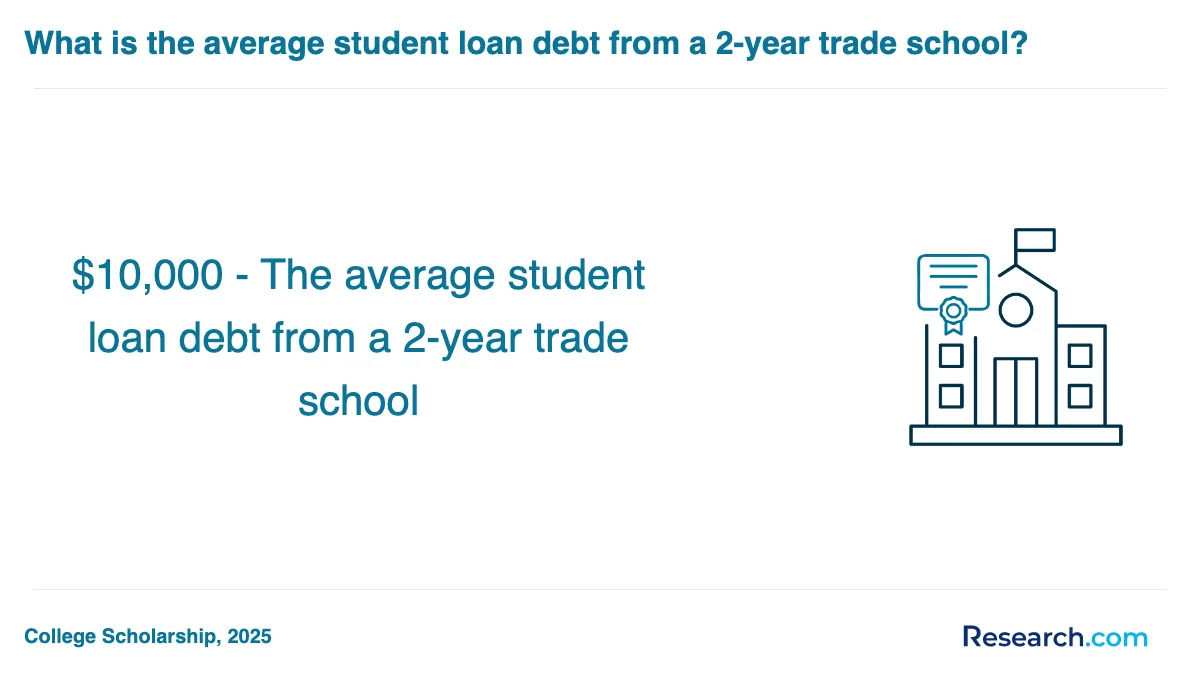
Trade school students in Philadelphia have access to several financial aid resources that make their education more affordable. Completing the FAFSA is the essential first step, unlocking federal, state, and institutional aid opportunities. For example, many students at the Philadelphia Technician Training Institute have received the Federal Pell Grant, which can provide up to $7,395 per year without the burden of repayment.
Pennsylvania residents benefit from the PA State Grant, available to those attending in-state technical schools. This grant can cover up to $5,750 annually when students submit the supplemental form after FAFSA. Graduates from Mercy Vocational High School often highlight how the combination of Pell and state grants eased their financial stress during training.
Federal Work-Study programs offer hands-on, part-time jobs that help cover costs while building skills, a popular option among trade students. Additionally, Mercy CTE awards scholarships like the Josephine C. Connelly Achievement Award, which provides $3,000 annually for up to four years, boosting students' confidence and ability to focus on studies.
Outside institutional aid, scholarships from organizations such as the Connelly Foundation offer significant financial support-sometimes up to $20,000-encouraging many to pursue their trade careers with peace of mind. Attention to deadlines like the August 1st PA State Grant cutoff ensures students maximize these benefits.
To enroll in a trade school program in Philadelphia, you need to provide proof of high school completion. This usually means submitting an official transcript, a high school diploma, homeschooling records, or a GED certificate. Graduates from local programs often recall how providing these documents was straightforward but crucial for verifying their academic readiness.
Applicants must also complete an enrollment agreement, often during a campus visit that includes a personal interview and school tour. These visits allow schools to understand your goals and help you feel confident about your chosen trade. Many students from popular schools like YouthBuild Philadelphia appreciated this personal approach, which made them feel supported from day one.
Philadelphia trade schools follow strict non-discrimination policies but may require students to meet specific physical or intellectual standards for certain programs, with accommodations whenever possible. For example:
- YouthBuild Philadelphia Charter School admits students aged 17-20 who live in Philadelphia and don't yet have a diploma or GED.
- Mercy Career & Technical High School may ask younger students for recent report cards, test scores, and discipline records.
These prerequisites help ensure you are ready to succeed while giving you access to the right support and resources tailored to your needs.

Trade school programs in Philadelphia focus on practical courses that lead directly to skilled jobs, giving students hands-on experience combined with classroom learning. Graduates often share how programs like the Carpentry Academy or masonry courses helped them quickly master essential skills such as drywall installation, bricklaying, painting, and glazing, using real tools and industry techniques.
Beyond construction, manufacturing courses are popular, with students training in metalwork, machine operation, and fabrication. Programs like those at Bucks County Community College and Drexel University equip learners to confidently enter manufacturing roles by practicing safety protocols and material handling.
Digital skills are another key area, where students engage in tech-focused courses like Digital Marketing, Cyber Security, and E-Commerce. These prepare students for dynamic, tech-savvy careers through interactive lessons and projects.
Career readiness training is embedded throughout, with courses in communication, teamwork, budgeting, and problem-solving offered at Community College of Philadelphia. Graduates frequently highlight how these classes boosted their confidence and real-world readiness.
- Construction trades: carpentry, masonry, drywall, painting
- Manufacturing: metalwork, fabrication, machine operation
- Information technology: digital marketing, cyber security, e-commerce
- Career soft skills: communication, teamwork, budgeting
Trade school programs in Philadelphia offer a wide variety of specializations tailored to the city's workforce demands. Graduates from popular local trade schools often share how hands-on training in fields like carpentry, electrical work, plumbing, automotive technology, and HVAC prepared them for rewarding careers. Many students appreciate the opportunity to earn industry-recognized certifications while gaining practical experience.
Unique to Philadelphia are programs in preservation trades, such as bricklaying, stone masonry, and cement masonry & plastering, reflecting the city's commitment to maintaining its historic infrastructure. Several graduates highlight how these specialized skills open doors to union apprenticeships and stable employment within niche areas.
Other sought-after specializations include:
- Steam fitting and pipefitting
- Drywall installation and repair
- Welding
- Allied health fields like medical assisting and dental technology
- Information technology, culinary arts, cosmetology, and business administration
Many students find the blend of classroom instruction and paid, on-the-job experience engaging and motivating, especially as programs typically offer over 1,080 hours of training for high school students across three years. For those exploring career options, Philadelphia's trade schools serve as gateways to stable, well-paying jobs and diverse trade school career paths in the region.
Start by confirming the Philadelphia trade school accreditation requirements, as this ensures the school meets quality standards recognized by employers and licensing boards. Graduates from accredited schools often share how their credentials eased job placement, especially in competitive fields like healthcare or HVAC.
Consider how well the program offerings fit your career goals. For example, students at Delaware County Community College eagerly highlight hands-on training and externships that built their confidence before entering the workforce. Schools offering flexible schedules, including evening and online classes, accommodate those balancing work and study, making the path more manageable.
Cost is also crucial: tuition ranges widely, so explore scholarships and financial aid. Community colleges in the area often provide affordable options with strong support. For students eyeing skilled trades, the cheapest online construction trade school programs can be a practical choice.
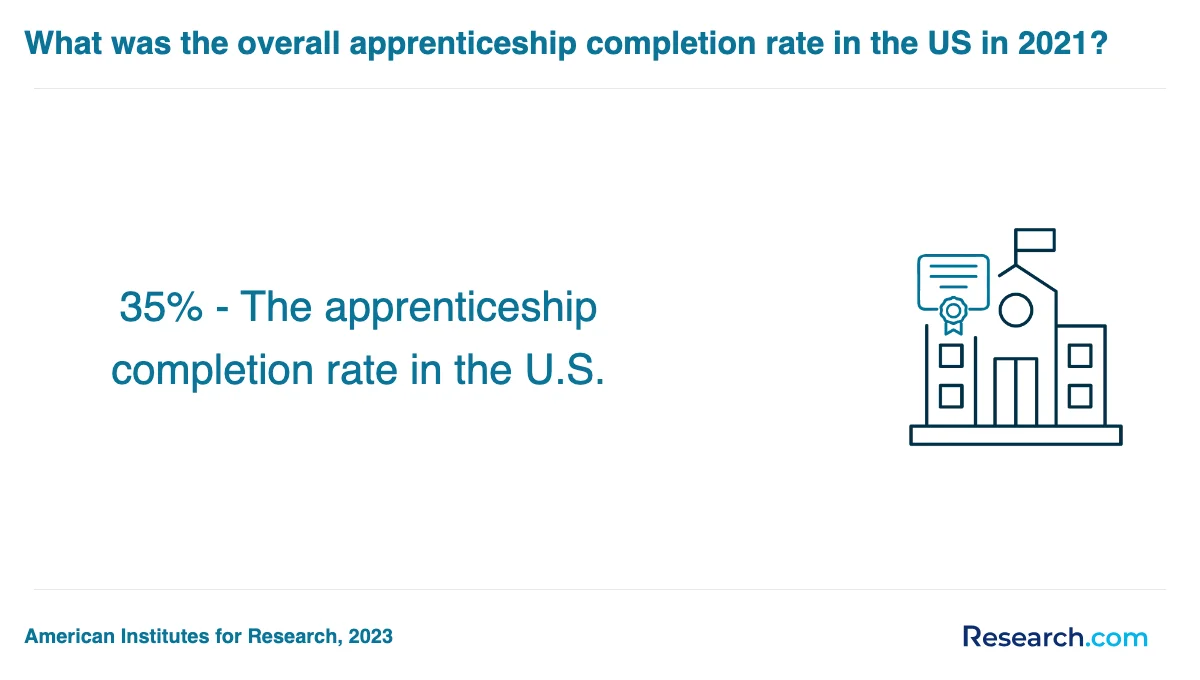
Trade school graduates in Philadelphia find rewarding career opportunities across several thriving industries. Health care is a leading field, with roles like medical assisting, dental assisting, and pharmacy technician offering immediate employment in the city's hospitals and clinics. Graduates often share how their training at local programs opened doors to Philadelphia's booming "eds and meds" sector.
Manufacturing remains strong, especially in advanced areas like robotics and automation. Students trained at institutions such as Drexel University gain hands-on skills that align with job openings for machinists and production supervisors, fueling the skilled trade jobs in Philadelphia that blend tradition and innovation.
Those interested in transportation technologies benefit from specialized courses offered by places like the Universal Technical Institute. Graduates frequently praise their preparation for automotive technician and diesel mechanic roles, enhancing the region's transportation services.
Construction trades including carpentry, plumbing, and HVAC provide stable, well-paying careers. Pre-apprenticeship programs create clear paths to union positions and work on major city projects. Additionally, growing fields in IT support and business administration at Philadelphia campuses equip students for office roles in a knowledge-based economy.
For individuals exploring less common but vital options, consider the most affordable online freight broker training programs that complement Philadelphia's diverse transport and logistics sectors.
The job market for skilled trade jobs in Philadelphia is notably strong, driven by a persistent need for professionals in construction, manufacturing, and technology sectors. Graduates from local trade schools often share stories of quickly finding roles in fields like pipefitting, welding, and electrical work. For example, many report landing positions within months due to the city's shortage of qualified workers and employer demand.
Philadelphia Technical Training Institute highlights a workforce training program job placement rate of 71.07%, reflecting real opportunities for trade school students. Employers value hands-on experience alongside strong connections within local trade communities, which can increase job prospects by up to 40%. Common trades with secure employment include electrical, plumbing, and welding, as these are areas where about 74% of employers nationwide struggle to find skilled staff.
Philadelphia trade school graduate employment trends confirm wage growth, with some fields seeing a 6% annual increase, making skilled trades both stable and financially rewarding careers for local students.
For those weighing options, exploring the college vs trades debate can clarify paths to success in Philadelphia's vibrant job market.
Most Affordable Trade School & Training Programs - Leading Certification Courses in Philadelphia for 2026
# 1 position
Community College of Philadelphia - Legal Assistant/Paralegal.
associateThe Legal Assistant/Paralegal program at Community College of Philadelphia offers a hybrid format with some distance-education options. It prepares students for research, drafting, investigatory, and administrative tasks under attorney supervision. Instruction covers legal research, document drafting, pleading, courthouse procedures, and legal specializations. The program is accredited by the Middle States Commission on Higher Education. Annual in-state tuition is $4,632, with median earnings of $32,311 one year after completion.
# 2 position
Community College of Philadelphia - Computer and Information Systems Security/Auditing/Information Assurance.
associateThe Computer and Information Systems Security/Auditing/Information Assurance program at Community College of Philadelphia offers a hybrid format with some distance-education options. It trains students to assess security needs, recommend safeguards, and manage security systems and procedures. Curriculum includes computer architecture, programming, networking, cryptography, auditing, law, risk assessment, and troubleshooting. Annual in-state tuition is $4,632. The program is accredited by the Middle States Commission on Higher Education.
# 3 position
Community College of Philadelphia - Automobile/Automotive Mechanics Technology/Technician.
associateThe Community College of Philadelphia offers a hybrid Automobile/Automotive Mechanics Technology/Technician program designed to prepare students with technical skills to repair and maintain various automobile systems. The curriculum covers brake systems, electrical systems, engine performance and repair, suspension, steering, transmissions, and heating and air conditioning. Annual in-state tuition is $4,632. The program is accredited by the Middle States Commission on Higher Education.
# 4 position
Community College of Philadelphia - Accounting Technology/Technician and Bookkeeping.
associateThe Accounting Technology/Technician and Bookkeeping program at Community College of Philadelphia offers a hybrid format with some distance-education options. It prepares students to provide technical administrative support to professional accountants and financial management personnel. Instruction covers posting transactions, record-keeping systems, accounting software operation, and general accounting principles. The program is accredited by the Middle States Commission on Higher Education. Annual in-state tuition is $4,632.
# 5 position
Community College of Philadelphia - Computer and Information Sciences, General.
associateThe Computer and Information Sciences, General program at Community College of Philadelphia offers a hybrid learning option combining in-person and distance education. The program focuses on computing, computer science, and information science and systems without specializing in any specific area. Annual in-state tuition is $4,632. Graduates have a median earning of $21,223 one year after completion. The program is accredited by the Middle States Commission on Higher Education.
# 6 position
Community College of Philadelphia - Automobile/Automotive Mechanics Technology/Technician.
certificate or diplomaThe Automobile/Automotive Mechanics Technology/Technician program at Community College of Philadelphia offers a hybrid format with some distance-education options. It prepares students to repair, service, and maintain various automobile systems, including brakes, electrical, engines, transmissions, and heating and air conditioning. The annual in-state tuition is $4,632. The program is accredited by the Middle States Commission on Higher Education.
# 7 position
Community College of Philadelphia - Medical Insurance Specialist/Medical Biller.
certificate or diplomaThe Medical Insurance Specialist/Medical Biller program at Community College of Philadelphia prepares students to manage medical and health insurance operations in various healthcare settings. It covers health insurance processes, laws, office administration, billing, medical terminology, and communication skills. The hybrid program offers some distance education and has an annual in-state tuition of $4,632. The program is accredited by the Middle States Commission on Higher Education.
# 8 position
Community College of Philadelphia - Health and Medical Administrative Services, Other.
certificate or diplomaThe Community College of Philadelphia offers a hybrid Health and Medical Administrative Services, Other program, allowing some distance education. The program is accredited by the Middle States Commission on Higher Education. Annual in-state tuition is $4,632. This program covers instructional content related to health and medical administrative services not listed under other specific categories.
# 9 position
Walnut Hill College - Baking and Pastry Arts/Baker/Pastry Chef.
associateWalnut Hill College offers a hybrid Baking and Pastry Arts/Baker/Pastry Chef program preparing students for professional roles in baking and pastry within restaurants or commercial establishments. The curriculum covers bread and pastry making, handling, storage, decorating, baking industry operations, packaging, marketing, and counter service. Annual in-state tuition is $23,550. Graduates have median earnings of $25,893 one year after completion. The program is accredited by the Accrediting Commission of Career Schools and Colleges.
# 10 position
Peirce College - Information Technology.
associatePeirce College offers an Information Technology program focusing on designing technological information systems for business and research data and communications support. The curriculum includes principles of computer hardware and software, algorithms, databases, telecommunications, user tactics, application testing, and human interface design. Annual in-state tuition is $15,060. The program is accredited by the Middle States Commission on Higher Education.
Frequently Asked Questions about trade school programs
After completing a trade school program in Philadelphia, preparing for the job market requires focused efforts on practical skills and professional readiness. Many Philadelphia trade schools emphasize certification attainment, which boosts employability since 75% of employers in the region prefer candidates with recognized credentials, according to the Philadelphia Workforce Development Corp. Graduates should also build a strong resume highlighting hands-on experience acquired during training.
Networking plays a crucial role; joining local trade associations and attending job fairs can connect graduates with potential employers. Additionally, leveraging resources like the Pennsylvania CareerLink office can provide valuable job placement assistance and labor market information specific to Philadelphia's industries.
Lastly, continuing education and staying updated with new technologies related to your trade increase long-term career prospects in the competitive Philadelphia job market.
Employers in Philadelphia widely recognize the value of trade school graduates who demonstrate strong technical skills relevant to their specific industry. According to data from the U.S. Bureau of Labor Statistics and local workforce reports, skills in areas like electrical work, HVAC, welding, and plumbing are in high demand.
Beyond technical expertise, employers also prioritize problem-solving abilities and adaptability. Trade graduates who can diagnose issues efficiently and adjust to new tools or methods tend to excel in Philadelphia's evolving job market.
Communication skills and teamwork are increasingly important, as many trades now require collaboration on job sites. The Philadelphia Workforce Investment Board highlights these soft skills as critical for long-term success.
Finding internships in Philadelphia relevant to your trade school program involves several practical steps. Begin by contacting your trade school's career services office, which often maintains partnerships with local businesses. These offices can connect students with employers seeking interns in fields such as construction, culinary arts, or healthcare technology.
Additionally, explore online internship platforms like Handshake and Indeed, filtering listings specifically for Philadelphia-based opportunities related to trade skills. The Philadelphia Youth Network also offers programs to assist young adults in securing internships across various trades.
Networking is vital; attend local job fairs and industry meetups to engage with potential employers. According to the Bureau of Labor Statistics, Philadelphia's trade sectors have grown by 3.5% annually, increasing internship availability in recent years.
In Philadelphia, earning a trade school diploma significantly enhances career mobility and advancement opportunities. The city's strong demand for skilled workers in sectors like healthcare, construction, and technology means diploma holders often find quicker job placements compared to those without specialized credentials.
Data from the Pennsylvania Department of Labor shows that trade school graduates in Philadelphia experience an average wage increase of 15% to 25% within two years post-completion. This improvement is tied to the practical skills acquired, which many local employers value highly.
Moreover, trade diplomas provide a direct pathway to apprenticeships and certifications, leading to leadership roles and higher earnings in the region's competitive job market.
Part-time job opportunities in Philadelphia can effectively complement trade school education by providing practical experience and financial support. Many students enrolled in programs like HVAC, electrical work, or carpentry find part-time roles as apprentices, helpers, or assistants within local construction companies. According to the Philadelphia Workforce Development Board, the construction sector saw a 5% employment increase in 2023, highlighting growing opportunities for skilled labor.
Positions in retail or customer service, particularly in hardware stores or automotive shops, also align well with trade skills. These jobs help develop communication and customer interaction abilities. Additionally, internships or part-time roles at local manufacturing firms enable students to apply technical knowledge in real work environments, supporting future full-time employment.
To choose the most affordable degree program near you in Philadelphia, PA, start by identifying local colleges and universities offering programs that align with your career goals. Consider factors like tuition costs, financial aid opportunities, and program accreditation to ensure the program meets your needs while remaining budget-friendly. Additionally, Research.com can be a helpful resource for comparing programs and costs, ensuring you find the best option near Philadelphia, PA.
- Career & Technical Education | School District of Philadelphia https://www.philasd.org/cte/
- Training programs | Programs and initiatives https://www.phila.gov/programs/rebuild/training-programs/
- WOMEN: DIVE INTO THE TRADES! - Philadelphia Works https://philaworks.org/women-dive-into-the-trades/
- Williamson College of the Trades https://williamson.edu/
- Trade Schools, What Are The Benefits - InterCoast Colleges https://intercoast.edu/articles/benefits-of-trade-schools/
- Apprenticeship Programs | Community College of Philadelphia https://www.ccp.edu/degrees-programs/all-academic-offerings/continuing-education-noncredit/apprenticeship-programs
- Family Handyman Magazine: 7 Reasons to Consider Going to Trade School - Orleans Technical College https://orleanstech.edu/news/7-reasons-to-consider-going-to-trade-school/
- Apprenticeship - SMART LU 19 https://www.smartlu19.org/apprenticeship/
- OIC Philadelphia: Free Job Training Programs & Career Development https://oicphila.org/
- Training Opportunities - PA CareerLink® Philadelphia https://pacareerlinkphl.org/training-opportunities/