Most Affordable Trade School & Training Programs - Leading Certification Courses in Monterey for 2026

Co-Founder and Chief Data Scientist
Choosing the right trade school in Monterey can be a life-changing step toward a rewarding career. This article introduces the most affordable options available in 2026, helping you find a school that fits your budget and goals.
The featured trade school programs ranking, developed by the Research.com team of data scientists, offers trustworthy insights to guide your decision. By exploring these schools, you’ll discover valuable opportunities to earn a diploma or certification that can open doors to skilled jobs.
Investing in your education is an exciting journey-one that can build confidence and lead to a brighter future.
Key benefits of finishing trade school programs trade school in Monterey
- Trade school graduates in Monterey can earn competitive salaries, such as skilled carpenters making between $32 and $37 per hour, translating to about $66,560 to $76,960 annually, while healthcare roles like medical assistants typically earn $18 to $25 per hour.
- Popular career paths from trade schools include medical assisting, dental assisting, automotive technology, massage therapy, and medical insurance coding, offering diverse opportunities that match local demand.
- Obtaining a trade school diploma or certification online offers flexibility and convenience, allowing students to balance work and family life while gaining practical skills from respected Monterey institutions.
- Most Affordable Trade School & Training Programs - Leading Certification Courses in Monterey for 2026
- What can I expect from trade school programs trade schools in Monterey?
- Where can I work after finishing trade school programs trade schools in Monterey?
What can I expect from trade school programs trade schools in Monterey?
The average cost of a trade school program in Monterey typically ranges from affordable certificate courses lasting a few months to associate degrees taking up to two years. Graduates from programs at Monterey Peninsula College, for example, report manageable tuition expenses that reflect the focused, hands-on training they receive in fields like medical assisting or dental assisting. Many find their investment worthwhile when small class sizes and direct employer partnerships lead to paid internships or job offers soon after completion.
Students enrolling in a 9-week Tri-County Apprenticeship Preparation program appreciate the balance of classroom learning and a four-week paid internship, which helps offset costs and gain real work experience in construction trades. Practical instruction using industry-standard equipment means learners, whether in welding or CNC machining, develop valuable technical skills without long-term financial burdens.
Support services such as career counseling and job placement assistance are commonly included, making the cost more transparent by helping students transition quickly into local employment. This pragmatic approach results in a positive, motivating experience for many Monterey trade school attendees.
Where can I work after finishing trade school programs trade schools in Monterey?
After finishing a trade school program in Monterey, graduates find solid job opportunities that lead quickly to steady work and satisfying careers. Many graduates land roles as HVAC technicians, plumbing and refrigeration specialists, or general construction laborers, working with local construction firms, property managers, and public agencies. For example, graduates from Monterey Peninsula College often secure positions maintaining facilities in schools and hospitals, gaining hands-on experience in building maintenance or supervisory roles.
Others find rewarding careers as painters or carpenters, employed by specialized contractors or agricultural companies that value skilled trades in food processing and farm-related facilities. Many report feeling confident stepping into these roles because their training matched real-world job demands closely.
Workforce initiatives by Monterey County and the City of Santa Cruz help connect graduates to openings in sustainable building projects and heavy equipment operations. Positions with competitive benefits like health insurance and retirement plans are common, making trade school a practical path toward a stable, well-supported career right in Monterey Bay.
After finishing a trade school program in Monterey, graduates typically find jobs paying between $20 and $30 per hour in entry-level roles like HVAC installation, painting, or drywall. This translates to an annual salary of roughly $41,600 to $62,400 with full-time hours. Many Monterey trade school grads feel encouraged seeing these figures, knowing their skills are valued locally and that starting pay is competitive for new workers.
More advanced positions, such as construction project managers or facility maintenance supervisors, often start around $60,000 and can rise above $90,000 annually after gaining experience and certifications. Those who complete apprenticeships in Monterey through public works programs may begin with wages in the same $20-$30 hourly range but see steady increases as they progress.
Journeyman-level workers in the area frequently earn between $35 and $50 per hour, which can mean making up to about $104,000 per year. This upward path provides clear motivation for current students at Monterey trade schools, who often share stories about steadily improving pay and the pride of mastering a valued trade in their community.
- Trade school programs in Monterey offer certificates, diplomas, and associate degrees, usually taking 6 months to 2 years to complete.
- Most schools require a high school diploma or GED, with some programs needing extra prerequisites or assessments.
- Tuition costs range from $5,000 to $12,000 for most Monterey programs, with financial aid options like grants and scholarships available.
- Many schools provide flexible schedules, including evening and weekend classes, to support working adults.
- Starting salaries for graduates typically range from $38,000 to $55,000, with specialized roles offering over $60,000 annually.
Trade school programs in Monterey offer flexible completion times tailored to your goals and pace. For example, graduates from Monterey Peninsula College's Welder Technician program often finish in just a few months by completing around 125 course hours, which makes jumping into the workforce quick and rewarding.
Others pursuing the Electrical and Electronics Technician Certification typically spend four to six months, balancing classroom hours and hands-on practice. At Monterey Adult School, medical assistant training is an intensive 8-week program, perfect if you want a fast track into healthcare support roles.
For those ready for a longer commitment, the Tri-County Electrical JATC apprenticeship runs five years, combining classroom learning with 8,000 hours of on-the-job training. Graduates from this path appreciate earning while they learn, gaining deep experience and strong job readiness.
Programs like CNC machining or robotics at Monterey Peninsula College offer self-paced options, letting students choose schedules that fit part-time or full-time lifestyles. Knowing these options helps you plan a timeline that suits your life and career ambitions.
The key difference between online and on-campus trade school programs in Monterey centers on how and where you engage with your coursework. At Monterey Peninsula College, online students appreciate the freedom to study anytime via Canvas, fitting classes easily around jobs or family life. Many graduates mention the relief of avoiding daily commutes and the convenience of accessing lectures and assignments from home. However, some programs still require occasional in-person sessions, like labs or fieldwork, which provide essential hands-on experience.
On-campus students, meanwhile, benefit from direct interaction with instructors and peers, as well as using campus facilities and equipment in real time. Graduates often highlight how this structured environment helped them stay focused and gain practical skills immediately. California State University Monterey Bay adds that online classes there cap at 30 students, creating a close-knit virtual community through Zoom, which many find supports their learning just as well as face-to-face classes.
For students considering trade schools in Monterey, the average trade school tuition Monterey is an important factor. Public community colleges like Monterey Peninsula College are the most affordable option-offering annual tuition of approximately $1,104, plus $84 in fees, and around $938 for books and supplies. Graduates from these schools often remark on how this low total program cost helped them avoid large amounts of debt while gaining practical skills quickly.
By contrast, private for-profit institutions near Monterey typically charge much higher tuition. Average costs for a 2-year private trade school program in California hover near $15,727 per year, with some programs exceeding $16,000. While this may feel daunting, some students find that smaller class sizes and specialized programs justify the expense. Still, many former students advise carefully comparing the total cost against available financial aid before committing.
It's worth noting that these expenses don't capture additional costs such as transportation or living expenses, which can add up and influence the Monterey trade school total program cost. Those researching further often look for answers around what is the difference between a trade school and a vocational program to better understand which pathway suits their budget and career goals in this area.
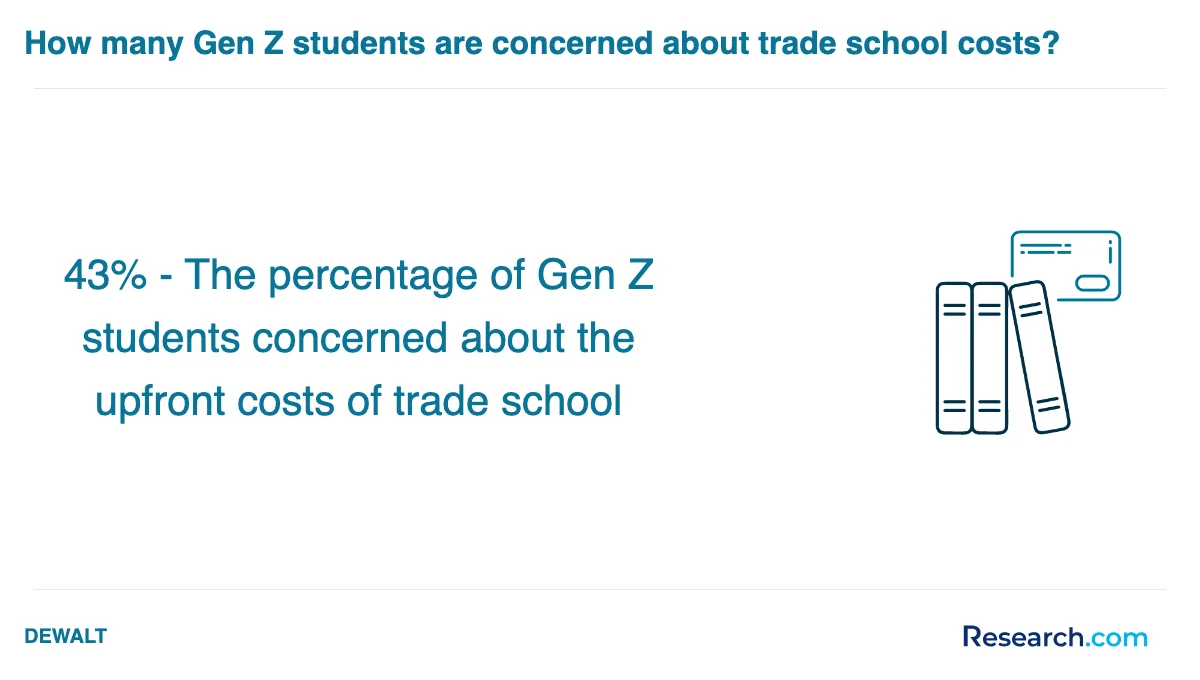
Trade school students in Monterey benefit from several practical financial aid options that make education more accessible. Many start by completing the FAFSA, opening doors to crucial federal and state help. For instance, graduates from Monterey Peninsula College often recall how the Pell Grant covered a substantial part of their tuition without adding any debt.
Local aid like the California College Promise Grant further whispers relief, covering the first two years of tuition for full-time newcomers at MPC. This kind of support turned the dream of studying skilled trades, like automotive technology or culinary arts, from a tough leap into an achievable goal for many.
Scholarships also light the way. Trade students frequently share how awards like the Thomas Campbell Scholarship Fund or the Mrs. Barbara Bucquet Endowed Scholarship eased financial pressures, especially for those balancing urgent life challenges or striving for high GPAs. Some scholarships offer up to $5,000, easing costs for students pursuing hands-on trades such as fire academy training or hospitality careers.
Work-study programs provide paid campus jobs to help cover expenses, allowing students to gain experience while earning. Additionally, loans remain an option, though graduates often highlight the importance of managing these carefully since repayment starts after completing their programs.
Campus financial offices in Monterey emphasize punctual applications to release funds smoothly, ensuring students can focus on their education instead of financial stress.
To enroll in a trade school program in Monterey, you'll first need a high school diploma, GED, or an equivalent credential. This can include recognized state-authorized equivalency exams or homeschooling documentation, which nearly every trade school requires. Graduates from Monterey Peninsula College often recall how proving this basic qualification opened the door to hands-on learning in fields like electrical work or nursing.
Age requirements usually set the minimum at 16 years old, but certain programs, especially those involving hazardous equipment, might require applicants to be 18 or older. Applicants under 18 sometimes join through special options like dual enrollment, which many local students have found helpful to start early.
Prepare for simple placement tests in reading, writing, or math, rather than standardized tests like the SAT or ACT. These help schools like those in Monterey County place you in the right classes without unnecessary pressure.
Additional program-specific steps may include completing detailed applications, attending interviews, and submitting extra documents-common for apprenticeships such as those coordinated by the Tri-County Electrical Joint Apprenticeship Committee.
- Submit transcripts and a non-refundable application fee.
- Attend admissions interviews when required.
- Explore financial aid options without fear of being barred by income.
With rolling admissions and flexible start dates, Monterey trade schools make it practical to balance work, family, and education. Many prospective students have appreciated this flexibility, easing anxiety and fostering confidence as they step toward new careers.
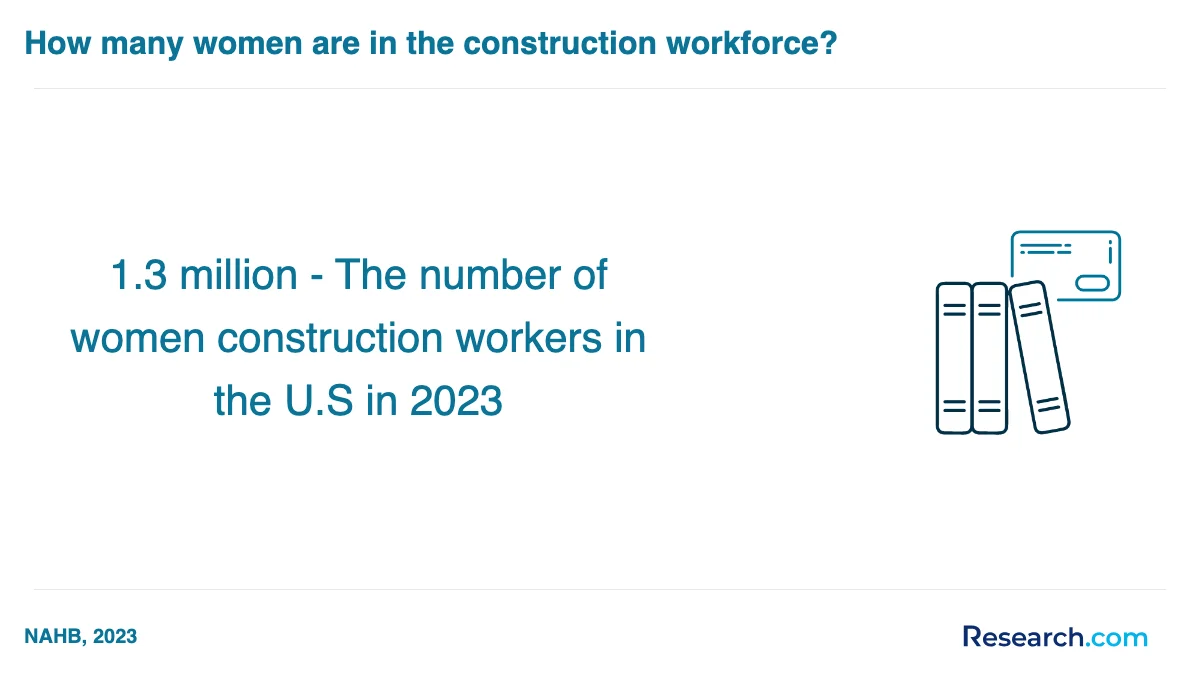
Trade school programs in Monterey typically offer hands-on courses that lead directly to skilled careers. Graduates from popular schools often highlight how practical learning helped them secure jobs quickly. For example, those pursuing building trades gain real-world experience in roles like electrician, plumber, or carpenter through programs combining classroom work with internships.
Courses often focus on:
- Building trades including sheet metal and iron work emphasizing teamwork and physical skills
- Health sciences such as medical/clinical assistant or dental assisting, covering patient care and medical terminology
- Automotive technology, where students learn vehicle diagnostics, repair, and service technician duties
- Digital media and robotics, teaching automation, electrical and mechanical systems useful in modern industries
- Manufacturing roles like welder technician and CNC machinist, with training in safety, quality control, and troubleshooting
Graduates recall how the focused curriculum, such as a certified manufacturing associate program, translated to confidence on the job, preparing them for Monterey's workforce demands with skills employers value immediately.
Trade school programs in Monterey offer a wide variety of specializations tailored to local job markets, making them highly practical for students ready to start working quickly. Graduates from Monterey Peninsula College often speak positively about hands-on courses such as Welding Technician, CNC Machinist, and Electrical and Electronics Technician, which give them real-world skills in metal cutting, inspection, and electrical safety.
Popular options at MPC include:
- Construction trades and manufacturing
- Culinary arts like Baking and Pastry Arts
- Public safety programs, including Fire Protection Technology
- Electrical apprenticeship programs through the Tri-County JATC, combining on-the-job learning with classroom training for a well-rounded experience
Students pursuing creative careers often find paths in Graphic Arts, Jewelry and Metal Arts, or Translation and Interpretation (Spanish/English), reflecting Monterey's diverse community and economy. For those drawn to hospitality and tourism, courses in Hospitality Management and Sustainable Food and Beverage Management prepare graduates for success in local service industries.
For financial practicality, those exploring skilled trades can also find options in affordable programs like the cheapest flooring installer training courses, which offer another route to a steady job in Monterey's growing construction sector.
Start by exploring programs at Monterey Peninsula College, where many graduates praise the hands-on training in fields like automotive technology and allied health that matched their career goals. Understanding the best trade school programs in Monterey County means checking accreditation and student outcomes-graduates often share how verified credentials helped them secure jobs quickly. Comparing costs is crucial, too; community colleges frequently offer affordable paths, while private institutions could include extra fees. Speaking with a school's financial aid office can clarify all expenses and available assistance.
Consider how well each program fits local job prospects. Monterey's job market favors certain trades, so choosing a program aligned with these demands improves employment chances. Some students researching online discovered robust options by visiting sites like the California Labor Market Information Division. For those interested in construction fields, investigating a trade school for construction management through platforms like trade school for construction management can also be eye-opening.

Graduates from trade schools in Monterey find promising career opportunities in several thriving sectors. Construction remains a top choice, with openings for project managers, estimators, and skilled laborers reflecting steady local demand. Many find rewarding positions managing infrastructure projects or contributing to new housing developments. Within applied technology, roles like HVAC technicians, welders, and electricians offer stable, hands-on work; graduates often share how programs at Monterey Peninsula College prepared them for certifications and real-world challenges with local employers. Those seeking allied health careers benefit from medical or dental assisting programs, stepping directly into entry-level healthcare roles supported by Monterey's health networks.
Local students also explore business, hospitality, law enforcement, and public safety fields-areas backed by strong public and private-sector job growth. The diverse range of career opportunities for trade school graduates in Monterey is strengthened by practical education connecting apprenticeships and job placements. For those focused on welding, some choose most affordable online classes for welding trade school to enhance their skills and improve their job prospects in this in-demand trade. These paths offer graduates rewarding careers with benefits, growth, and community impact.
In-demand trade jobs in Monterey CA include:
- Construction project management and skilled labor positions
- HVAC installation and maintenance
- Welding and electrical technician roles
- Allied health support roles like medical assisting
- Hospitality management and public safety professions
The trade school job demand in Monterey remains robust, driven by a regional shortage of skilled tradespeople. Graduates from local trade schools often find ready employment in areas like construction, HVAC, drywall, and facility maintenance. For example, graduates who complete programs in Monterey benefit from hands-on training paired with pre-apprenticeship options, supported by partnerships with local unions and workforce boards. These programs help students transition smoothly into middle-class wage jobs by equipping them with practical skills such as welding, blueprint reading, and safety compliance.
Monterey skilled trades employment outlook is promising, with over 277 open trade positions available across various specialties. Recent graduates frequently secure roles as construction managers, estimators, or quality control technicians as infrastructure and housing developments expand in the area. Many find that ongoing career support after graduation improves their ability to advance in trades requiring further certifications and experience.
Students interested in accelerated training may also explore 6-month certificate programs that pay well online, offering flexible pathways to enter the workforce quickly while maintaining competitive wages.
Most Affordable Trade School & Training Programs - Leading Certification Courses in Monterey for 2026
# 1 position
Monterey Peninsula College - Computer and Information Sciences, General.
associateMonterey Peninsula College offers a hybrid program in Computer and Information Sciences, General, combining computing, computer science, and information systems. The annual in-state tuition is $1,188. This program is accredited by the Western Association of Schools and Colleges Accrediting Commission for Community and Junior Colleges. It provides some distance-education options for flexible learning.
# 2 position
Monterey Peninsula College - Information Technology.
associateMonterey Peninsula College offers a hybrid Information Technology program designed to teach the design of technological information systems for business and research needs. The curriculum covers computer hardware and software principles, algorithms, databases, telecommunications, application testing, and human interface design. The program is accredited by the Western Association of Schools and Colleges Accrediting Commission for Community and Junior Colleges. Annual in-state tuition is $1,188.
# 3 position
Monterey Peninsula College - Computer Science.
associateMonterey Peninsula College offers a Computer Science program with a hybrid format, combining in-person and distance-education options. The program covers computer theory, problem-solving, and system design, emphasizing computational science and programming principles. Annual in-state tuition is $1,188. The program is accredited by the Western Association of Schools and Colleges Accrediting Commission for Community and Junior Colleges.
# 4 position
Monterey Peninsula College - Computer Systems Networking and Telecommunications.
associateMonterey Peninsula College offers a hybrid program in Computer Systems Networking and Telecommunications that prepares students to manage and optimize linked computer systems. The curriculum covers operating systems, systems design, networking theory, security, and troubleshooting. The program is accredited by the Western Association of Schools and Colleges Accrediting Commission for Community and Junior Colleges. Annual in-state tuition is $1,188, with some distance-education options available.
# 5 position
Monterey Peninsula College - Physical Fitness Technician.
associateMonterey Peninsula College offers a Physical Fitness Technician program with a hybrid format, including some distance-education options. The program prepares students for employment in various fitness and wellness settings by covering human anatomy, physiology, exercise science, personal training, nutrition, and customer service. Annual in-state tuition is $1,188. The program is accredited by the Western Association of Schools and Colleges Accrediting Commission for Community and Junior Colleges.
# 6 position
Monterey Peninsula College - Criminal Justice/Law Enforcement Administration.
associateMonterey Peninsula College offers a Criminal Justice/Law Enforcement Administration program with a hybrid format, including some distance education options. The curriculum covers law enforcement history, operational command leadership, labor relations, incident response strategies, budgeting, public relations, and organizational leadership. The program prepares students for managing public law enforcement agencies. Annual in-state tuition is $1,188. It is accredited by the Western Association of Schools and Colleges Accrediting Commission for Community and Junior Colleges.
# 7 position
Monterey Peninsula College - Criminal Justice/Police Science.
associateMonterey Peninsula College offers a Criminal Justice/Police Science program designed to prepare students for roles in law enforcement, including patrol, investigative activities, and evidence management. The hybrid program includes training in traffic and crowd control, witness interviewing, and crime prevention methods. Annual in-state tuition is $1,188. The program is accredited by the Western Association of Schools and Colleges Accrediting Commission for Community and Junior Colleges.
# 8 position
Monterey Peninsula College - Automobile/Automotive Mechanics Technology/Technician.
associateMonterey Peninsula College offers a hybrid program in Automobile/Automotive Mechanics Technology/Technician designed to prepare students with technical skills to repair, service, and maintain various automobile systems. The curriculum covers brake systems, electrical systems, engine performance and repair, suspension and steering, transmissions, and heating and air conditioning. The program’s annual in-state tuition is $1,188 and it is accredited by the Western Association of Schools and Colleges Accrediting Commission for Community and Junior Colleges.
# 9 position
Monterey Peninsula College - Interior Design.
associateThe Interior Design program at Monterey Peninsula College offers a hybrid learning format, combining in-person and distance education. It prepares students to professionally plan, design, and furnish residential and commercial interior spaces. Coursework covers computer applications, drafting, lighting, acoustics, furniture, textiles, historical styles, structural design, codes, and applications in various settings. The program’s annual in-state tuition is $1,188 and is accredited by the Western Association of Schools and Colleges Accrediting Commission for Community and Junior Colleges.
# 10 position
Monterey Peninsula College - Dental Assisting/Assistant.
associateMonterey Peninsula College offers a Dental Assisting/Assistant program in a hybrid format, combining in-person and distance education. The program trains students in patient care, dental radiography, office administration, and chairside assisting under professional supervision. Instruction includes medical record-keeping, scheduling, equipment maintenance, sterilization, and supervised practice. The annual in-state tuition is $1,188. The program is accredited by the Western Association of Schools and Colleges Accrediting Commission for Community and Junior Colleges.
Frequently Asked Questions about trade school programs
Preparing for the job market after completing trade school in Monterey involves several strategic steps. First, students should take advantage of their school's career services, which often provide resume workshops, interview practice, and job placement assistance. According to the California Employment Development Department, many trade schools in Monterey maintain strong connections with local employers in industries like construction, healthcare, and automotive repair.
Networking is also crucial. Joining industry-related associations or attending local job fairs can increase job prospects. Additionally, obtaining relevant certifications beyond the trade school diploma can improve employability and salary potential. Being aware of labor market trends in Monterey will help graduates target growing sectors more effectively.
Employers in Monterey highly value trade school graduates who possess strong technical skills relevant to their industry. For example, proficiency in HVAC systems, welding, or electrical work often ranks at the top, as reported by the Monterey County Workforce Development Board in 2023.
Beyond technical expertise, soft skills are crucial. Communication, problem-solving, and teamwork are frequently cited by local employers as key traits. A 2022 survey by the California Labor Market Information Division found that 68% of Monterey employers prioritize these abilities when hiring trade graduates.
Time management and adaptability also stand out, reflecting the dynamic nature of many trades in the region. Graduates who demonstrate both practical skills and interpersonal strengths are generally better positioned for employment in Monterey's competitive job market.
Finding internships in Monterey relevant to your trade school program involves a combination of local research and networking. Start by contacting your trade school's career services office, which often maintains partnerships with regional employers offering internships. According to the Monterey County Workforce Development Board, industries like hospitality, marine technology, and healthcare actively seek interns each year.
Utilize online resources such as CalJOBS and local job boards specific to Monterey County. These platforms list up-to-date internship opportunities aligned with vocational training. Additionally, attending local job fairs and industry meetups can connect you directly with potential employers.
Engaging with community colleges like Monterey Peninsula College may also provide access to established internship pipelines tailored to trades. Early preparation and proactive communication with Monterey employers increase your chances to secure practical experience vital for career advancement.
In Monterey, earning a trade school diploma can significantly enhance career mobility and advancement opportunities. According to the California Community Colleges Chancellor's Office, graduates from career education programs often experience a 15-25% increase in earnings within two years of completion. This credential equips students with specialized skills that match local industry needs, particularly in sectors like marine technology, hospitality, and automotive repair.
Employers in Monterey frequently seek candidates with trade certifications, valuing their practical expertise over traditional degrees. This demand creates pathways for quicker job placement and promotions.
Trade diplomas also provide flexibility for workers seeking to change industries or advance within their current roles by demonstrating commitment and technical proficiency.
Monterey offers various part-time job opportunities that can effectively complement trade school education. Students enrolled in fields like automotive technology, electrical work, or healthcare often find relevant positions in local businesses, hospitals, and repair shops. According to the U.S. Bureau of Labor Statistics, part-time roles in healthcare support and skilled trades are projected to grow by 10% through 2028, reflecting strong local demand.
Positions such as medical assistants, electrician apprentices, and HVAC technicians provide hands-on experience parallel to coursework. These roles help students apply technical skills while earning income.
Moreover, Monterey's tourism sector also offers part-time roles in customer service and maintenance, beneficial for those studying hospitality or facilities management.
Yes, there are affordable degree programs available near Monterey, CA, offered by various universities and community colleges. Schools in this area typically provide a range of programs, from associate to bachelor’s degrees, at competitive tuition rates. For those searching for cost-effective options, utilizing resources like Research.com can be beneficial to find programs that align with financial and educational goals near me.
- Most Affordable Trade School & Training Programs - Leading Certification Courses in Lancaster for 2026
- Most Affordable Trade School & Training Programs - Leading Certification Courses in Anaheim for 2026
- Most Affordable Trade School & Training Programs - Leading Certification Courses in Bremerton for 2026
- Most Affordable Trade School & Training Programs - Leading Certification Courses in Billings for 2026
- Most Affordable Trade School & Training Programs - Leading Certification Courses in Tulsa for 2026
- Most Affordable Trade School & Training Programs - Leading Certification Courses in Topeka for 2026
- Most Affordable Trade School & Training Programs - Leading Certification Courses in Olathe for 2026
- Most Affordable Trade School & Training Programs - Leading Certification Courses in Overland Park for 2026
- Pre-Apprenticeship | Monterey County Works https://montereycountyworks.com/pre-apprenticeship/
- College and Career Readiness - Monterey County Office of Education https://www.montereycoe.org/divisions-services/educational-services/leadership-and-school-systems/college-and-career-readiness
- Monterey High Pathways – CTE Pathways – Career Technical Education https://cte.mpusd.net/apps/pages/index.jsp
- Monterey High School - CTE https://www.montereywildcats.com/73428_2