
Most Affordable Trade School & Training Programs - Leading Certification Courses in Kansas for 2026

Co-Founder and Chief Data Scientist
Choosing the right trade school in Kansas can feel overwhelming, but it doesn’t have to be. This article introduces the most affordable trade schools for 2026, designed to help you find quality programs without breaking the bank.
Our featured trade school programs ranking was created by the Research.com team of data scientists to guide you toward informed decisions. Exploring these options can open doors to rewarding careers and valuable certifications.
Whether you’re starting fresh or considering a new path, this article aims to inspire confidence and highlight opportunities that match your goals.
Key benefits of finishing trade school programs trade school in Kansas
- Trade school graduates in Kansas can expect competitive salaries, with Licensed Practical Nurses and medical technologists earning $45,000 to $55,000, electricians and HVAC technicians making $50,000 to $65,000, and welders and machinists earning between $48,000 and $60,000 per year.
- Popular career paths for trade school graduates include healthcare, skilled trades like plumbing and electrical work, and manufacturing roles, offering variety and steady job opportunities in Kansas.
- Online trade school programs provide flexibility and convenience, allowing students to balance studies with work or family, making it a great option to earn certifications without commuting to campus.
- Most Affordable Trade School & Training Programs - Leading Certification Courses in Kansas for 2026
- What can I expect from trade school programs trade schools in Kansas?
- Where can I work after finishing trade school programs trade schools in Kansas?
What can I expect from trade school programs trade schools in Kansas?
The average cost of trade school programs in Kansas generally ranges between $4,000 and $15,000, depending on the length and specialization of the program. Graduates from popular Kansas trade schools often highlight how this investment quickly translates into viable job opportunities, thanks to hands-on training closely tied to local workforce demands.
Many students appreciate programs that can be completed in under two years, with some credentials earned in as little as six to twelve months, helping them minimize expenses while entering the job market swiftly. For example, healthcare or manufacturing trainees recall balancing affordable tuition with valuable internships or apprenticeships that helped them build practical skills with real employer connections.
Support services like career counseling and financial aid guidance make these costs more manageable and add value beyond tuition alone. Graduates often report positive emotions tied to this approach-confidence from direct skill application and encouragement from dedicated career counseling that eases their transition into high-demand roles.
Where can I work after finishing trade school programs trade schools in Kansas?
After completing a trade school program in Kansas, graduates find themselves in strong demand across industries like construction, automotive repair, healthcare support, IT, and manufacturing. For example, many HVAC technicians, electricians, welders, and maintenance technicians report quickly securing jobs in cities like Kansas City, where over 460 related openings were available in 2025. Graduates from popular Kansas trade schools express satisfaction working hands-on in roles that leverage the skills they developed during training, from repairing vehicles to installing electrical systems in both urban and rural settings.
Healthcare roles such as medical assisting and practical nursing also provide steady employment opportunities. Graduates often describe rewarding experiences working in clinics or long-term care facilities that value their practical training, especially given Kansas' growing healthcare needs.
Moreover, registered apprenticeship programs combine education with paid work, allowing graduates to gain advanced manufacturing or construction experience while earning a wage. Many students appreciate how these apprenticeships pave the way for long-term career growth and higher starting salaries in Kansas' skilled trades market.
After completing a trade school program in Kansas, graduates typically earn an average annual salary of about $59,887, translating to roughly $28.79 per hour or $4,990 per month. Many graduates from popular Kansas trade schools have shared their excitement over securing jobs that pay between $45,000 and $72,700 annually, with top performers earning up to $89,184. For example, graduates who trained in plumbing or electrical trades often find themselves earning closer to the higher end of this range.
In urban areas like Kansas City, trade school alumni tend to see even better pay, averaging around $64,651 per year or about $31.08 per hour. This boost reflects the greater demand and living costs in these larger cities.
Graduates entering skilled trades such as plumbing, HVAC, or welding report positive experiences, noting that their technical skills quickly translate into well-paying, stable jobs without the burden of heavy student debt. These realistic earnings provide motivation and reassurance for those weighing the value of trade education in Kansas.
- Applicants must have a high school diploma, GED, or be at least 18 years old, with some dual credit options for current high school students meeting specific criteria.
- Tuition at Kansas trade schools typically ranges from $3,000 to $5,000 per year for in-state students, with additional costs for books and supplies between $1,000 and $2,000 annually.
- The Kansas Promise Act Scholarship covers tuition, fees, books, and materials for eligible residents pursuing high-demand programs, requiring recipients to live and work in Kansas for two years after graduation.
- Trade school programs usually last one year for certificates and two years for associate degrees.
- Starting salaries for graduates in fields like HVAC, dental hygiene, and welding range from $35,000 to $45,000 per year, with experienced professionals earning $50,000 to $70,000 or more.
Trade school programs in Kansas vary significantly in completion time, ranging from six months to four years, depending on the trade and credential pursued. For example, graduates from popular Kansas trade schools find that certificate and diploma programs typically last between 6 and 24 months, allowing many to quickly enter the workforce with essential skills.
Short-term programs, such as those in medical assisting or welding, can be completed in just a few months to a year. Graduates often share how these programs equipped them swiftly for entry-level positions, balancing hands-on instruction with manageable classroom hours.
Two-year programs are common in trades requiring broader expertise or licensure, like HVAC technology and dental hygiene. Some dental hygiene graduates highlight spending 2-3 years combined on campus and in clinical settings, which prepares them thoroughly for state certification exams.
Apprenticeships, especially in electrical or plumbing trades in Kansas, usually take about four years. These combine extensive on-the-job training-around 2,000 hours annually-with monthly classroom sessions. Graduates report feeling confident entering the field thanks to this hands-on, immersive learning path tailored to local industry standards.
The key difference between online and on-campus trade school programs in Kansas lies in how students engage with their coursework and training. Online programs, such as those offered by Hutchinson Community College, enable students to complete lessons remotely through digital platforms, making it possible to balance studies with work or family commitments. Graduates often highlight the convenience of accelerated courses lasting only 4 to 8 weeks, which helped them earn credentials faster without sacrificing quality.
Conversely, on-campus programs provide hands-on training essential for technical fields like welding or automotive repair. Students appreciate direct access to specialized labs and face-to-face mentorship from instructors, fostering a sense of community and immediate support. Many graduates value this immersive experience for building practical skills.
Hybrid programs blend these advantages by combining online coursework with scheduled campus visits for labs. This flexible approach resonates with students who want the best of both worlds, reflecting the growing trend in Kansas trade education to accommodate diverse learning needs and lifestyles.
The average cost of a trade school program in Kansas is approximately $16,476 for the 2025 academic year, reflecting the tuition and fees for the largest programs at prominent trade schools across the state. Many graduates recall managing this cost as a worthwhile investment, given the direct pathway to employment their programs provided. For instance, those who enrolled in popular Kansas trade schools often found that the hands-on training justified the tuition and fees, enabling them to enter skilled trades with confidence and financial readiness.
When considering Kansas trade school tuition and fees specifically, it's important to note that the average tuition for both in-state and out-of-state students is around $18,345 for the 2024-2025 academic year. Graduates frequently mention that while this covers most tuition expenses, budgeting for additional costs like books, supplies, and equipment is critical, as these add to the overall investment. Students in programs such as welding or HVAC, which are popular in Kansas, often share positive experiences regarding the value of their education, despite these sometimes unexpected costs.
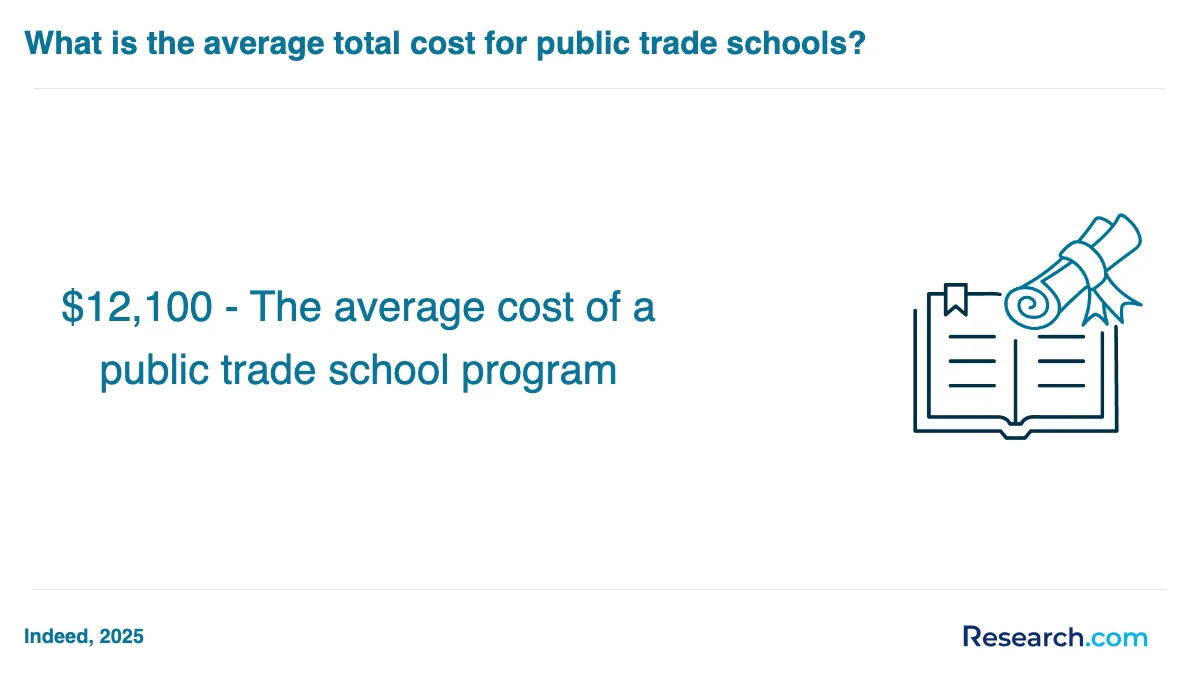
Public programs typically cost between $8,000 and $13,000 total, while private institutions can range from $16,000 to $32,000, reflecting variability in program length and resources. Some graduates recommend exploring all financial aid options, including scholarships and federal loans, to reduce out-of-pocket costs. For those debating whether vocational training is right for them, learning how a trade school compares with other educational paths can be helpful; a comprehensive resource on the topic explains whether is college better than trade school.
Trade school students in Kansas benefit from a range of financial aid options aimed at reducing the burden of tuition and related costs. Completing the Free Application for Federal Student Aid (FAFSA) is essential; it opens the door to federal programs like the Pell Grant and FSEOG, which several graduates from Johnson County Community College found invaluable in funding their studies.
The Kansas Career Technical Workforce Grant is particularly helpful for those enrolled in technical colleges like Wichita State University Campus of Applied Sciences and Technology. Full-time students can receive up to $1,000 annually, easing worries about finances, especially in high-demand fields such as advanced manufacturing and healthcare technology.
Additionally, the Kansas Comprehensive Grant supports full-time students demonstrating financial need, with awards ranging from $100 to $4,000 at public institutions, creating a safety net that many students at Fort Scott Community College appreciate.
Many trade school graduates describe the combined effect of these aids as a source of confidence and motivation, allowing them to focus on mastering skills without constant financial stress.
Enrolling in a trade school program in Kansas typically requires applicants to have a high school diploma, home school equivalent, or GED certificate. Graduates from popular Kansas trade schools often share that this basic qualification helped them smoothly transition into hands-on technical training without delays.
Applicants 18 or older without traditional credentials can still apply by demonstrating their aptitude through placement tests in English, reading, and math. For example, a recent graduate from a well-known Wichita trade school highlighted how passing these assessments unlocked opportunities despite not having a formal diploma initially.
High school students, including sophomores to seniors, may enroll with written principal approval, enabling early college pathways. Gifted students with Individualized Education Programs (IEPs) specifying college coursework also benefit from tailored admission processes in Kansas programs.
Certain technical fields impose additional prerequisites such as background checks, immunizations, or specific certifications. These safeguards ensure student and community safety, as noted by graduates from healthcare and skilled trade programs across Kansas.
- Basic educational requirement: diploma, GED, or homeschool equivalent
- Placement tests for non-traditional students aged 18+
- Written principal permission for dual enrollment high school students
- Additional program-specific requirements (certifications, immunizations, background checks)
Understanding these prerequisites helps prospective students feel confident and prepared to embark on their trade education journey in Kansas. Many graduates express pride in meeting these standards, recognizing them as key steps toward rewarding careers.

Trade school programs in Kansas commonly include courses designed to equip students with practical skills for high-demand industries. Graduates from WSU Tech, for example, often recall hands-on experiences in Aerospace Manufacturing, Aviation Maintenance, and Avionics Technology, where they mastered blueprint reading and safety protocols. These programs also provide pathways into healthcare roles with courses in Certified Nursing Assistant and Surgical Technology, emphasizing patient care and clinical procedures.
At Johnson County Community College, programs focus on industrial trades and transportation, including Automotive Technology, HVAC, Metal Fabrication, and Railroad Conductor training. Students engage in troubleshooting mechanical and electrical systems, gaining confidence in diagnostics and repair.
Fort Hays Tech North Central offers courses in Construction Technology, Plumbing, Electrical Technology, and Commercial Driver License (CDL) preparation. Graduates describe learning core skills like wiring, pipe installation, and vehicle operation, which quickly prepared them for workforce entry.
Pinnacle Career Institute emphasizes renewable energy through Wind Turbine and HVAC Technician training, focusing on troubleshooting and mechanical maintenance.
- Typical course lengths vary from less than a semester up to two years.
- Most programs lead to an Associate of Applied Science degree, Technical Certificate, or Certificate of Completion.
Trade school programs in Kansas cover a wide range of specializations tailored to the state's unique economic landscape. Graduates from institutions like WSU Tech often share positive experiences in fields such as advanced manufacturing, information technology, and health sciences. Many students find opportunities in Aviation and Aerospace Technologies, especially near Wichita, which is known as the "Air Capital of the World." Popular programs include Aerospace Manufacturing Technology, Aviation Maintenance, and Avionics Technology, preparing students for in-demand jobs with certifications like Associate of Applied Science or Technical Certificates.
Other thriving sectors include construction-related trades with options in HVAC, Welding, Plumbing, and Electrical Technology, where hands-on experience is emphasized. Health-focused pathways such as Certified Nursing Assistant (CNA) and Surgical Technology offer fast entry into rewarding careers.
Additionally, specialized programs like affordable online electrical lineman programs reflect Kansas's connection to energy infrastructure. Graduates appreciate the practical, job-ready skills acquired, leading directly to employment in the regional workforce.
- Advanced manufacturing and aerospace
- Healthcare certifications
- Construction and skilled trades
- Automotive and railroad conductor training
- Business, culinary arts, and agriculture tracks
To select the best trade school programs in Kansas, prioritize those accredited by the Kansas Board of Regents or similarly reputable agencies. Graduates from well-known Kansas community colleges often praise how accreditation ensured their qualifications were respected by local employers and made them eligible for state financial aid. Consider how programs align with Kansas's high-demand industries like healthcare or skilled trades; this approach increases job prospects post-graduation. A recent graduate from a Wichita trade school shared that choosing a curriculum linked to workforce needs led to immediate employment in advanced manufacturing.
Understanding how to choose a Kansas trade school also involves reviewing admission requirements carefully. Many schools ask for a high school diploma or GED, sometimes requiring placement tests to confirm readiness. Early application and planning helped graduates at popular schools in Topeka secure spots before programs filled up rapidly. Financial aid opportunities, including the Kansas Promise Act Scholarship, alleviate tuition burdens but usually require working in the state after completion. Students balancing work or family often select programs with flexible schedules or online classes to stay on track effectively. For insights on potential earnings, explore trade school graduate salary data to better understand investment returns in Kansas.

Trade school programs in Kansas offer graduates a range of career opportunities in high-demand skilled trades in Kansas such as construction, manufacturing, transportation, healthcare, agriculture, and business. Graduates from popular Kansas trade schools often enter the workforce as electricians, welders, commercial truck drivers, or HVAC specialists. For example, graduates in construction gain roles like residential construction workers or remodeling specialists, benefiting from the state's growing infrastructure projects.
Key pathways include:
- Welding and manufacturing, with strong demand due to a nationwide welder shortage, providing careers in fabrication and industrial production
- Transportation jobs like diesel mechanics and mobile equipment maintenance, supported by programs such as Accelerating Opportunity: Kansas (AO-K)
- Health sciences and business roles including medical assisting and administration
- Agricultural mechanics and animal science, leveraging Kansas's large agricultural sector
Graduates appreciate hands-on training paired with apprenticeships and certifications that enhance their employability. Many find real-world connections through partnerships between Kansas trade schools and local industries, ensuring competitive job prospects. Students curious about affordable options can explore cheap appliance repair courses online to start building their skills.
The job outlook for trade school graduates in Kansas remains robust in 2025, driven by a stable unemployment rate of 3.5%, which is below the long-term average. Graduates from technical colleges in Kansas often find opportunities in high-demand skilled trades such as construction, welding, HVAC, and commercial truck driving. For example, many welders are quickly employed due to a nationwide shortage of 400,000 welders, a gap reflected locally in Kansas's manufacturing and infrastructure sectors.
Kansas technical college graduate employment rates reflect this positive scenario, with reports showing that 96% of graduates from major state institutions are employed or continuing education within six months. Over half stay in-state, directly contributing to local workforce needs.
Popular programs at Kansas trade schools prepare students for:
- Construction roles amid housing and infrastructure growth
- Welding positions fueled by fabrication demand
- Technical specialties in HVAC and diesel technology
Trade school graduates often share how hands-on training at these institutions translates into real-world skills, setting them apart in competitive hiring markets. For those exploring options, cheap solar technician training online also offers a growing career path in clean energy, complementing Kansas's expanding technical workforce.
Most Affordable Trade School & Training Programs - Leading Certification Courses in Kansas for 2026
# 1 position
Coffeyville Community College - Computer Systems Networking and Telecommunications.
associateCoffeyville Community College offers a hybrid program in Computer Systems Networking and Telecommunications, focusing on the design, implementation, and management of linked computer systems and software to enhance efficiency. The curriculum covers operating systems, systems design, networking theory, security, and troubleshooting. The program prepares students for roles as network specialists and managers. Annual in-state tuition is $3,040. The program is accredited by the Higher Learning Commission.
# 2 position
Coffeyville Community College - Electrician.
associateCoffeyville Community College offers a Hybrid Electrician program that prepares students to install, operate, maintain, and repair electrical systems including residential, commercial, and industrial wiring. The curriculum covers electronics principles, power transmission, safety, job estimation, electrical testing, and relevant codes. The program is accredited by the Higher Learning Commission. Annual in-state tuition is $3,040. This program combines technical knowledge with practical skills essential for the electrical trade.
# 3 position
Coffeyville Community College - Automobile/Automotive Mechanics Technology/Technician.
associateCoffeyville Community College offers a hybrid Automobile/Automotive Mechanics Technology/Technician program that prepares students to repair, service, and maintain various automobile systems, including brakes, electrical, engines, suspensions, transmissions, and heating and air conditioning. The program includes both in-person and distance-education options. Annual in-state tuition is $3,040. The program is accredited by the Higher Learning Commission.
# 4 position
Coffeyville Community College - Welding Technology/Welder.
associateCoffeyville Community College offers a Welding Technology/Welder program with a hybrid format that includes some distance education. The program prepares students to apply technical skills in various welding methods such as arc welding, resistance welding, and brazing. Tuition for in-state students is $3,040 annually. Graduates earn a median salary of $25,992 one year after completion. The program is accredited by the Higher Learning Commission.
# 5 position
Coffeyville Community College - Electrician.
certificate or diplomaCoffeyville Community College offers a hybrid Electrician program that prepares students to install, operate, maintain, and repair electrical systems, including residential, commercial, and industrial wiring. The curriculum covers electronics, electrical systems, safety, job estimation, testing, inspection, and relevant codes. The program is accredited by the Higher Learning Commission. Annual in-state tuition is $3,040, providing a cost-effective option for technical training in this field.
# 6 position
Coffeyville Community College - Automobile/Automotive Mechanics Technology/Technician.
certificate or diplomaCoffeyville Community College offers a hybrid program in Automobile/Automotive Mechanics Technology/Technician designed to prepare students for repairing, servicing, and maintaining various automobile systems. The curriculum covers brake, electrical, engine performance and repair, suspension, steering, transmissions, drive trains, and heating and air conditioning systems. Annual in-state tuition is $3,040. The program is accredited by the Higher Learning Commission.
# 7 position
Coffeyville Community College - Welding Technology/Welder.
certificate or diplomaCoffeyville Community College offers a Welding Technology/Welder program with a hybrid format that includes some distance education options. The program prepares students to apply technical skills in various welding methods such as arc welding, resistance welding, and high-energy beam welding. It covers welding metallurgy, processes, safety, and applicable codes. Annual in-state tuition is $3,040. Median earnings one year after completion are approximately $25,992. The program is accredited by the Higher Learning Commission.
# 8 position
Johnson County Community College - Business Administration and Management, General.
associateJohnson County Community College offers a Business Administration and Management, General program that prepares students to plan, organize, direct, and control organizational functions. The curriculum includes management theory, human resources, accounting, purchasing, logistics, marketing, and business decision-making. Annual in-state tuition is $2,328. Graduates typically earn a median income of $37,988 one year after completing the program. The program is accredited by the Higher Learning Commission.
# 9 position
Johnson County Community College - Computer Systems Networking and Telecommunications.
associateJohnson County Community College offers a Computer Systems Networking and Telecommunications program with a hybrid format, allowing some distance education. The program trains students in designing, managing, and optimizing linked computer systems and networks. It covers operating systems, networking theory, security, and troubleshooting. Annual in-state tuition is $2,328. Graduates have a median earning of $32,366 one year after completion. The program is accredited by the Higher Learning Commission.
# 10 position
Johnson County Community College - Electrician.
associateJohnson County Community College offers a hybrid Electrician program designed to prepare students with technical skills to install, operate, maintain, and repair electrical systems in residential, commercial, and industrial settings. The curriculum covers electronics principles, wiring, power transmission, safety, inspection, and applicable codes. The program’s annual in-state tuition is $2,328. It is accredited by the Higher Learning Commission and includes some distance-education options.
Frequently Asked Questions about trade school programs
After completing trade school in Kansas, preparing for the job market involves a few key steps. First, ensure your resume highlights your technical skills and any certifications earned during your program. Kansas employers in fields like welding, HVAC, and healthcare place high value on hands-on experience.
Networking is also crucial. Engage with local industry groups and attend job fairs hosted by trade schools or workforce centers. According to the Kansas Department of Labor, sectors such as construction and manufacturing show projected growth of 5-8% over the next decade, increasing demand for skilled workers.
Consider obtaining any required state licenses or certifications to boost employability. Utilizing career services offered by your trade school can provide valuable interview preparation and job placement support.
Employers in Kansas highly value both technical and soft skills when hiring trade school graduates. According to the Kansas Department of Labor, proficiency in specific trades like welding, electrical work, plumbing, and HVAC is essential. These technical skills ensure candidates can perform job tasks safely and efficiently.
Alongside technical abilities, communication skills are crucial. Employers often report that graduates who demonstrate clear communication, teamwork, and problem-solving stand out in fields such as construction and manufacturing.
Furthermore, punctuality and a strong work ethic rank among the top soft skills sought by Kansas employers, reflecting the importance of reliability in trade professions.
Overall, combining solid hands-on trade skills with professionalism improves job prospects for graduates across the state.
Finding internships in Kansas related to trade school programs involves several strategic steps. Start by consulting your trade school's career services office, which often maintains partnerships with local businesses offering internships. Many schools in Kansas have connections with industries such as manufacturing, healthcare, and automotive services, where internships are regularly available.
State resources also play a crucial role. The Kansas Department of Labor provides a database of apprenticeship and internship opportunities specific to Kansas, which can be filtered by industry and region. According to recent Labor Market Information, industries like construction and advanced manufacturing are among the top sectors offering internships.
Networking is essential. Engage with local chambers of commerce or trade associations, which frequently host job fairs and internship programs. Platforms like KansasWorks help connect students with employers actively seeking interns in skilled trades.
In Kansas, earning a trade school diploma can significantly enhance career mobility and advancement opportunities. According to the Kansas Board of Regents, technical credential holders earn on average 20% more than individuals with only a high school diploma. These programs equip students with specialized skills tailored to in-demand local industries such as manufacturing, healthcare, and technology.
The state's strong network of employers often prioritizes candidates with trade certifications, which can lead to quicker hiring and promotion prospects. Additionally, trade diplomas offer practical experience that can be a stepping stone to supervisory roles or further education, such as apprenticeships.
Trade school graduates in Kansas benefit from reduced unemployment rates compared to the general workforce, enhancing long-term job stability and career growth.
Part-time job opportunities in Kansas can effectively complement trade school education by providing hands-on experience and additional income. Popular roles include apprenticeships in skilled trades such as electricians, plumbers, and HVAC technicians, which often pay between $12 and $20 per hour according to the Kansas Department of Labor.
Retail positions or warehouse jobs in urban centers like Wichita and Overland Park offer flexible hours suitable for students. Employers in these areas often seek workers with technical skills, making trade school students attractive candidates.
Healthcare-related part-time roles, such as medical assistants or pharmacy aides, are also common for those studying health trades, reflecting Kansas's growing healthcare sector.
- Most Affordable Trade School & Training Programs - Leading Certification Courses in Nebraska for 2026
- Most Affordable Trade School & Training Programs - Leading Certification Courses in Colorado for 2026
- Most Affordable Trade School & Training Programs - Leading Certification Courses in Iowa for 2026
- Most Affordable Trade School & Training Programs - Leading Certification Courses in South Dakota for 2026
- Most Affordable Trade School & Training Programs - Leading Certification Courses in Wyoming for 2026
- Most Affordable Trade School & Training Programs - Leading Certification Courses in Louisiana for 2026
- Most Affordable Trade School & Training Programs - Leading Certification Courses in Wisconsin for 2026
- Most Affordable Trade School & Training Programs - Leading Certification Courses in Mississippi for 2026
- Most Affordable Trade School & Training Programs - Leading Certification Courses in Tennessee for 2026
- Most Affordable Trade School & Training Programs - Leading Certification Courses in Alabama for 2026
- » Career Paths https://buildupks.com/career-paths/
- Career Technical Education (CTE) https://www.ksde.gov/Agency/Division-of-Learning-Services/Career-Standards-and-Assessment-Services/CSAS-Home/Career-Technical-Education-CTE
- Career and Technical Education https://www.kckcc.edu/academics/divisions/career-technical-education/index.html
- Programs - KANSASWORKS https://www.kansasworks.com/programs
- Find The Best Trade Schools In Kansas https://www.accreditedschoolsonline.org/vocational-trade-school/kansas/
- Kansas Technical Schools | Technical Programs In Topeka, KS | Washburn Tech https://www.washburntech.edu/career-programs/index.html
- Trade Schools, What Are The Benefits - InterCoast Colleges https://intercoast.edu/articles/benefits-of-trade-schools/
- Trade School Partnership with KCKCC | University of Saint Mary https://stmary.edu/trades.html
- Apprenticeships at HutchCC https://www.hutchcc.edu/apprenticeship


