Most Affordable Certificate Programs - Leading Certification Courses in Maryland for 2026

Co-Founder and Chief Data Scientist
Choosing the right trade school certificate program in Maryland can feel overwhelming. To help, the Research.com team of data scientists created a comprehensive ranking of the most affordable options for 2026.
This article highlights valuable programs that offer a smart investment in your future career. Earning a trade certificate can open doors to stable jobs and personal growth.
By exploring this guide, you’ll gain clear insights to confidently select a program that fits your goals and budget. Taking this step is an exciting move toward building your skills and success.
Key benefits of getting trade school certificate in Maryland
- Salary potential: Trade school graduates in Maryland can earn competitive salaries, with electricians making $40,000-$75,000+, HVAC technicians and welders earning from $35,000 up to $75,000 or more, and apprenticeship programs offering around $42,625 annually.
- Popular career paths: Many graduates find success in trades like electrical work, plumbing, HVAC, welding, and automotive service, which offer steady job opportunities and room to grow.
- Online certification benefits: Earning a trade school certificate online provides flexibility to balance work and study, saving time and money compared to traditional on-campus programs, as proven by successful Maryland online trade school graduates.
- Most Affordable Certificate Programs - Leading Certification Courses in Maryland for 2026
- What can I expect from trade school certification programs in Maryland?
- Where can I work with trade school certification in Maryland?
What can I expect from trade school certification programs in Maryland?
Maryland trade school certification programs generally offer affordable pricing with individual course costs varying by field. Graduates from automotive repair programs at institutions like Cecil College recall paying reasonable fees for coursework focused on hands-on skills such as engine diagnostics and brake systems, which made the investment feel manageable and directly tied to immediate job readiness.
While exact totals vary, many students report that certificate programs in fields like HVAC/R and construction often fall within a few thousand dollars overall. These costs reflect the balance of specialized instruction, lab access, and sometimes safety or technical certifications aligned with national standards, such as NCCER or ASE.
Some find value in apprenticeship paths registered with the Maryland Department of Labor, combining paid work with technical training, which can offset expenses and even lead to college credit. Flexibility in scheduling and modular pricing further ease financial pressures, allowing working adults to budget effectively while gaining credentials that unlock local job opportunities.
Where can I work with trade school certification in Maryland?
Graduates from Maryland trade schools often find themselves stepping confidently into well-paying roles such as HVAC technicians, electricians, plumbers, and welders. For example, a recent HVAC graduate from a widely recognized Maryland trade school shared how quickly they secured a position with a local utility company, enjoying a steady paycheck and valuable on-the-job training. Others moving into construction management report taking on roles like project foreman or estimator, overseeing building sites for both commercial and residential projects across Baltimore and surrounding counties.
Hands-on apprenticeships registered with the Maryland Department of Labor also guarantee practical skills that employers actively seek. Many graduates describe the relief and excitement of receiving immediate job offers from firms they collaborated with during their training. This connection between schools and employers ensures graduates don't just enter the workforce-they join it with confidence and relevance.
Beyond traditional trades, some alumni embrace specialized fields such as water treatment or additive manufacturing, roles reflecting Maryland's diverse economy. Business-minded graduates find opportunities managing teams or launching their own ventures, illustrating the broad career paths accessible after trade certification in Maryland.
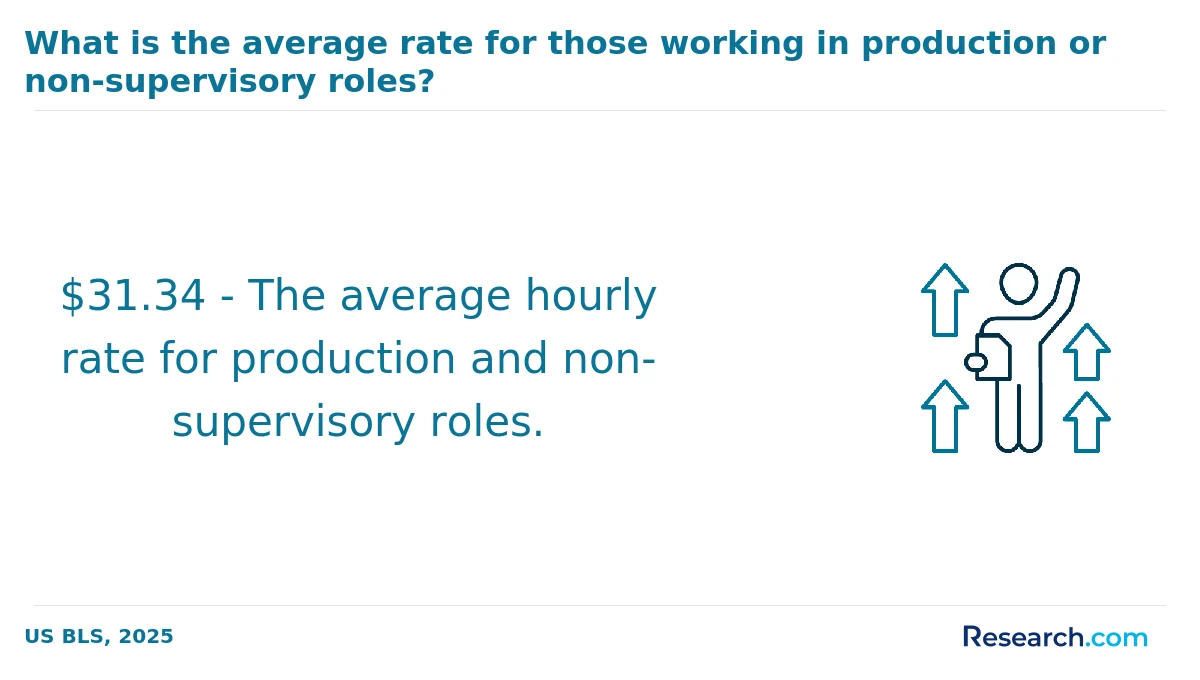
After finishing a trade school certification program in Maryland, graduates can typically expect to earn an average annual salary of about $65,171, which translates to approximately $31.33 per hour. Many graduates from popular Maryland trade schools report starting salaries near $49,000, especially if they enter less specialized fields, while those who continue to grow their skills can see wages rise toward $79,100 or more.
For example, graduates from programs in medical sonography or dental hygiene often find themselves earning above $80,000 annually, reflecting the demand for specialized certifications in Maryland's healthcare sector. In contrast, those who complete automotive technician programs might start closer to $46,880 but appreciate the hands-on experience that leads to steady wage growth.
Apprenticeship graduates usually start lower, with Maryland averages around $42,625 per year, but many find satisfaction in building skills that can lead to top earnings near $60,000 as they gain experience. The real success stories are those who leverage Maryland's strong trade school network, turning training into rewarding careers with financial stability.
- James: Studying HVAC technology at Baltimore Technical Institute transformed my life. The hands-on training prepared me perfectly for real-world challenges, and within months of graduating, I landed a well-paying job as an HVAC technician in Baltimore. The supportive instructors and practical approach made all the difference.
- Aisha: Enrolling in the Certified Nursing Assistant program at Montgomery College was the best decision ever. The compassionate faculty and interactive lessons gave me confidence and skills. I now work in a local Maryland hospital, feeling proud to help patients every day. This program truly changed my future.
- Marcus: Attending Prince George's Community College for automotive technology was intense but rewarding. Learning in fully equipped workshops boosted my expertise, and the career support helped me secure a position as a service technician with a leading Maryland dealership. It was the perfect path to a steady and fulfilling career.
- Most trade school programs in Maryland require a high school diploma or equivalent, and some specialized programs ask for Maryland licenses or industry certifications.
- Training programs follow industry-recognized standards, often using curricula from the National Center for Construction Education and Research (NCCER) and may include dual enrollment or apprenticeships.
- The average cost of a full certification program ranges from $3,000 to $12,000, with lower rates for Maryland residents at community colleges and the possibility of financial aid.
- Entry-level salaries for graduates typically range from $38,000 to $52,000 annually, increasing to $60,000 to $75,000 with experience in skilled trades.
- Career pathways focus on key sectors like construction, healthcare, biotechnology, and business management, with certifications supporting state licensure and job placement.
Completion times for trade school certification programs in Maryland vary widely depending on the field and learning format. Graduates from commercial truck driving programs, like those at North American Trade Schools, often praise the remarkably swift pace, finishing in as little as 1 to 4 weeks of full-time study-ideal for those eager to enter the workforce quickly. On the other hand, students pursuing certifications in building technology, welding, or HVAC typically invest 9 to 12 months. These programs combine hands-on experiences and classroom instruction, offering deeper skill development essential for long-term career success.
Medical Assistant and Medical Administrative Assistant certifications typically take about 6 to 9 months. Graduates from institutions such as SOME report a fulfilling balance between timely completion and thorough preparation. For those committed to trades like electrician or plumber, registered apprenticeships stretch over four years with 8,000 hours of on-the-job training alongside classroom learning, reflecting a substantial time investment but yielding highly marketable and respected credentials.
Trade schools in Maryland accommodate various lifestyles, offering flexible day, evening, and weekend classes. Many nontraditional students express gratitude for this adaptability, allowing them to progress at a comfortable yet efficient pace.
Online trade school certification programs in Maryland, such as those offered by Montgomery College and University of Maryland Global Campus (UMGC), provide notable flexibility by allowing students to complete coursework entirely remotely. Graduates from these programs often share how balancing work and family commitments becomes manageable due to self-paced study formats and easy access to digital resources.
On the other hand, on-campus programs at schools like Prince George's Community College place students in physical classrooms and labs, offering face-to-face instruction and direct hands-on training. Many graduates emphasize the value of immediate feedback from instructors during welding or automotive technology courses, which helps build confidence and skill mastery more rapidly.
The primary distinction lies in delivery style: online programs excel in convenience and flexibility for busy adults, while on-campus courses offer immersive, practical experiences important for trades requiring physical skill-building. Both paths maintain the same curriculum rigor and lead to equivalent Maryland-recognized certification, but your choice depends on whether you prioritize adaptable schedules or in-person learning environments.
The average trade school cost in Maryland varies significantly depending on whether the institution is public or private. Public trade schools typically range from $7,000 to $11,000 annually, making them a more affordable option for many students. Graduates from these programs often highlight how manageable tuition fees contributed to their successful completion of certification while balancing part-time work. On the other hand, private trade schools usually charge between $16,000 and $21,000 each year, reflecting the often more specialized or intensive nature of their programs.
Looking closely at Maryland trade school tuition and fees, public two-year colleges report an average annual tuition of $4,369 for residents, with non-residents paying substantially more, around $10,623. For example, students enrolled in the Commercial Truck Driving program at North American Trade Schools start at $5,500, a figure many find reasonable given the potential career opportunities. Those pursuing healthcare or skilled trades programs at institutions like Fortis College or All-State Career School can expect to pay about $15,000 yearly, but they often express satisfaction with the hands-on training and networking opportunities they received.
Beyond tuition, it's important to budget for books, supplies, and equipment, which can add $1,000 to $6,000, especially for hands-on fields. The total cost of attendance-including living expenses-averages $21,779, placing a premium on financial aid and scholarships. Some vocational centers even offer free tuition to disadvantaged students. For those exploring more cost-effective options, consider affordable flooring installers training online through affordable flooring installers training online, which presents flexible pathways to certification without traditional on-campus expenses.

Students pursuing trade school certification programs in Maryland often find essential financial support through federal aid like the Federal Pell Grant and the Federal Supplemental Educational Opportunity Grant (FSEOG), which do not require repayment. One graduate from a Baltimore trade school shared relief at receiving a Pell Grant that significantly lowered their tuition burden, allowing them to focus more on learning welding techniques.
Many students also benefit from federal loans such as Subsidized and Unsubsidized Federal Stafford Loans, offering manageable repayment plans compared to private loans. Maryland's Community College Promise Scholarship is another crucial resource, covering up to $5,000 in tuition after other aid is applied, making certificate programs at institutions like Anne Arundel Community College more affordable for local students.
Private career school attendees in Maryland might access grants like the Jack F. Tolbert Memorial Student Grant or the Howard P. Rawlings Educational Assistance Grant, which have helped several certificate program graduates in healthcare fields handle living expenses alongside tuition.
Additionally, veterans making the transition to civilian careers often depend on benefits such as the GI Bill®, easing their path to certification in fields like automotive technology at technical institutes in Maryland. These combined options inspire confidence among students striving for stable, skilled careers without overwhelming debt.
Enrolling in a trade school certification program in Maryland generally requires meeting a few clear but essential prerequisites, which vary slightly depending on the trade and program.
Most graduates from popular schools recall that the baseline requirements are:
- Being at least 18 years old, although some apprenticeship programs allow applicants as young as 16 with parental consent
- Possessing a high school diploma or GED-this is often non-negotiable, though a couple of programs might accept alternative credentials combined with testing in math and English
- Demonstrating physical fitness to handle the labor-intensive nature of many trades
For trades like electricians or plumbers, a graduate shared that having a Maryland license or a nationally recognized industry certification can open doors to advanced coursework or even college credit at places such as Anne Arundel Community College.
Regarding Commercial Driver's License (CDL) training, some students recalled not needing formal education but found that passing a DOT physical exam and drug screening were critical hurdles.
Trade schools in Maryland emphasize the need to ensure criminal background checks and legal clearances align with public safety standards, which can vary by program.
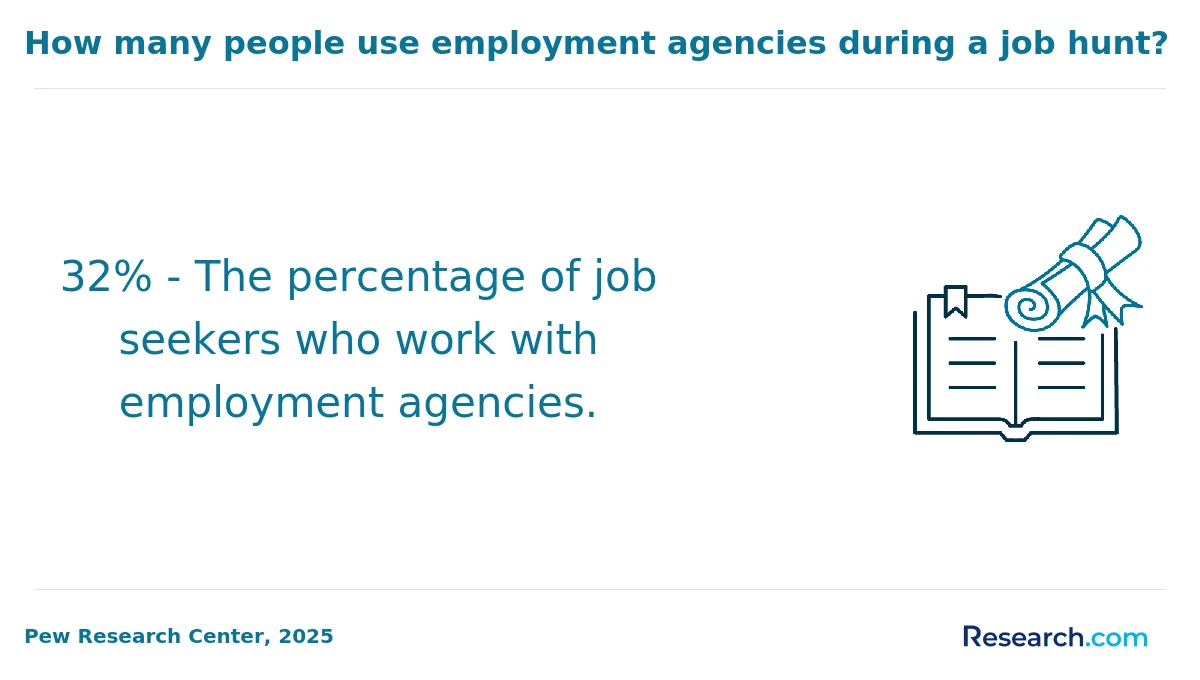
Trade school certificate courses in Maryland are distinctly practical, designed to equip students with hands-on skills that employers urgently seek. For example, graduates from popular Maryland programs often highlight how courses in basic construction skills, electrical theory and residential wiring, and HVAC installation allow them to confidently step into the workforce. Many programs also incorporate specialized curricula on welding techniques, plumbing, and heavy equipment operation, emphasizing the Maryland skilled trades program curriculum's focus on industry standards aligned with national certifications such as ASE or NCCER.
Students sharing their experiences at schools like Cecil College emphasize the tangible benefits of learning automotive engine repair or diesel engine systems within well-structured certificate courses. Others pursuing apprenticeship pathways in electrician or boiler operator trades appreciate the blend of classroom training and extensive on-the-job hours.
In healthcare, certification courses frequently include medical billing and coding, phlebotomy, or pharmacy technician training, helping students quickly access rewarding roles. Popular programs like commercial truck driving and cosmetology are also known for their real-world externships, boosting both confidence and employment prospects.
For those considering welding, exploring cheap online welding certification programs can provide flexible, cost-effective options to enhance their credential portfolio.
Choosing the best trade school certification program in Maryland requires a careful look at Maryland trade school accreditation requirements first. Graduates from well-established programs at institutions popular in Maryland often share how accreditation gave them confidence that their certification held value with local employers. This legitimacy is vital in fields like HVACR or electrical work, where credentials can open or close doors in a competitive job market.
Next, consider how closely the program aligns with Maryland's in-demand occupations. Many students find success by enrolling in courses focused on trades with strong workforce demand, such as plumbing or carpentry, where apprenticeship components provide real-world experience. One graduate recounted how combining classroom learning with on-the-job training at a Maryland college prepared them to meet licensing requirements swiftly.
Cost and scheduling flexibility matter too. Evening classes or weekend programs allow working students to advance without sacrificing income. Support services, like job placement, make a noticeable difference-graduates express relief when schools help connect them with local employers. For those curious about career prospects, exploring what is the highest paying trade school job can guide choices toward the most rewarding fields.
Graduates of trade school certification programs in Maryland find diverse and rewarding trade school career options in Maryland that reflect the state's robust industrial and service sectors. Many who attend popular institutions like Anne Arundel Community College or North American Trade Schools gain hands-on experience in trades such as electrician, HVAC/R technician, plumber, and pipefitter, which remain in high demand across Maryland's construction and facilities industries. For instance, graduates often secure apprenticeship jobs for Maryland graduates through registered programs, directly leading to steady employment and credits toward advanced degrees.
Career paths extend beyond traditional trades into fields like commercial truck driving, diesel technology, and energy systems technology, where graduates participate in dynamic transportation and energy sectors. Community college programs also prepare students for healthcare roles, including medical and dental assistants, EMTs, and pharmacy technicians, fulfilling growing public safety demands.
Maryland students can explore low cost online landscaping technology trade programs to access emerging green career fields, blending flexibility with practical skills. This ensures a spectrum of possibilities for driven students ready to launch careers that match their goals and Maryland's economic landscape.
The job outlook for trade school graduates in Maryland is strong, driven by steady demand in industries such as healthcare, construction, and transportation. Graduates from popular Maryland trade schools, like North American Trade Schools and NCIA, frequently report job placement rates above 75%, demonstrating effective alignment between training and employer needs. Many students share positive experiences about how hands-on training and externships prepare them to enter the workforce swiftly with confidence.
Maryland trade certification employment opportunities are especially promising due to the state's focus on Industry-Recognized Credentials that correspond to high-need occupations. These credentials not only certify skills but also carry value recognized by local employers, often leading to sustained career growth.
- Construction, welding, and commercial truck driving remain key sectors with abundant openings.
- Healthcare roles such as medical and dental assisting continue to expand as well.
- Programs designed for completion within a year enable quick market entry.
Graduates often highlight how the practical nature of their studies, combined with job placement help, allows them to step directly into well-paying roles. For those considering options, exploring trade school highest paying jobs offers insight into occupations that maximize these Maryland trade certification employment opportunities.
Most Affordable Certificate Programs - Leading Certification Courses in Maryland for 2026
# 1 position
Hagerstown Community College - Phlebotomy Technician/Phlebotomist.
certificate or diplomaHagerstown Community College offers a hybrid Phlebotomy Technician/Phlebotomist program that trains students to collect blood samples using various techniques under supervision. The curriculum covers vascular anatomy, physiology, venipuncture, specimen handling, safety, and regulations. The program is accredited by the Middle States Commission on Higher Education. Annual in-state tuition is $4,320, and median earnings one year after completion are $37,076.
# 2 position
Hagerstown Community College - Medical Insurance Coding Specialist/Coder.
certificate or diplomaHagerstown Community College offers a Medical Insurance Coding Specialist/Coder program in a hybrid format, combining distance education with on-campus learning. The program trains students in medical coding, data entry, and classification related to diagnostic, treatment, billing, and insurance documentation. Tuition for in-state students is $4,320 annually. Graduates earn a median salary of $33,686 one year after completion. The program is accredited by the Middle States Commission on Higher Education.
# 3 position
Hagerstown Community College - Dental Assisting/Assistant.
certificate or diplomaHagerstown Community College offers a hybrid Dental Assisting/Assistant program that prepares students to provide patient care, take dental radiographs, and assist dentists and hygienists. The curriculum covers medical record-keeping, office duties, equipment maintenance, sterilization, and chairside assisting. Annual in-state tuition is $4,320. Graduates earn a median salary of $25,415 one year after completion. The program is accredited by the Middle States Commission on Higher Education.
# 4 position
Anne Arundel Community College - Interior Design.
certificate or diplomaThe Interior Design program at Anne Arundel Community College is a hybrid course focusing on applied visual arts for residential and commercial spaces. It covers computer applications, drafting, graphic techniques, lighting, acoustics, color coordination, furnishings, textiles, design history, structural basics, building codes, and office, hotel, factory, restaurant, and housing design applications. Annual in-state tuition is $4,178. The program is accredited by the Middle States Commission on Higher Education.
# 5 position
Anne Arundel Community College - Medical Insurance Coding Specialist/Coder.
certificate or diplomaAnne Arundel Community College offers a Medical Insurance Coding Specialist/Coder program delivered in a hybrid format with some distance education options. The program prepares students for specialized data entry, classification, and record-keeping related to medical diagnostics, treatment, billing, and insurance documentation. Coursework covers medical software, anatomy, medical terminology, coding, and regulations for Medicare and insurance. Annual in-state tuition is $4,178. The program is accredited by the Middle States Commission on Higher Education.
# 6 position
Anne Arundel Community College - Clinical/Medical Laboratory Assistant.
certificate or diplomaAnne Arundel Community College offers a Hybrid Clinical/Medical Laboratory Assistant program that trains students to perform waived testing procedures, phlebotomy, and support laboratory teams under supervision. The curriculum includes clinical procedures, laboratory tests, mathematics, computer technology, equipment maintenance, sterilization, safety, and communication skills. The program is accredited by the Middle States Commission on Higher Education. Annual in-state tuition is $4,178.
# 7 position
Anne Arundel Community College - Allied Health and Medical Assisting Services, Other.
certificate or diplomaAnne Arundel Community College offers a hybrid program in Allied Health and Medical Assisting Services, Other, providing some distance-education options. The program is accredited by the Middle States Commission on Higher Education. Annual in-state tuition is $4,178. This program covers instructional content in allied health and medical assisting services not listed in other categories, designed for students seeking specialized training in this area.
# 8 position
Anne Arundel Community College - Electrocardiograph Technology/Technician.
certificate or diplomaAnne Arundel Community College offers a hybrid Electrocardiograph Technology/Technician program preparing students to perform EKG and ECG diagnostic tests under medical supervision. The curriculum covers anatomy, physiology, cardiovascular systems, medical terminology, equipment operation, cardiac rhythm interpretation, and professional ethics. The program is accredited by the Middle States Commission on Higher Education. Annual in-state tuition is $4,178, and median earnings one year after completion are $119,581.
# 9 position
Anne Arundel Community College - Nursing Assistant/Aide and Patient Care Assistant/Aide.
certificate or diplomaAnne Arundel Community College offers a hybrid Nursing Assistant/Aide and Patient Care Assistant/Aide program that prepares students to perform routine nursing tasks under supervision in hospitals or long-term care facilities. The program is accredited by the Middle States Commission on Higher Education. Annual in-state tuition is $4,178, providing an accessible option for individuals seeking training in this healthcare field with some distance-education components.
# 10 position
Howard Community College - Diagnostic Medical Sonography/Sonographer and Ultrasound Technician.
certificate or diplomaHoward Community College offers a Diagnostic Medical Sonography/Sonographer and Ultrasound Technician program with a hybrid format, including some distance education options. The program prepares students to use medical ultrasound techniques for diagnostic purposes, covering patient care, sonographic data processing, and professional ethics. Annual in-state tuition is $4,080. Graduates earn a median salary of $72,633 one year after completion. The program is accredited by the Middle States Commission on Higher Education.
Frequently Asked Questions about trade school certificates
After completing trade school certification programs in Maryland, preparing for the job market involves several strategic steps. First, graduates should actively engage with the Maryland Department of Labor's resources, which offer job listings and career counseling tailored to trade skill sets. Networking is essential; attending local industry events or career fairs increases chances of employer connections. According to the U.S. Bureau of Labor Statistics, Maryland's employment rate for skilled trades is projected to grow by 5% through 2030, underlining solid demand.
Building a strong resume that highlights certifications and hands-on experience is crucial. Many programs include internship or apprenticeship opportunities, which provide valuable real-world exposure and often lead to job offers. Additionally, maintaining proper licensure and continuing education can enhance employability and salary prospects in trades such as HVAC, plumbing, or electrical work, which are among Maryland's highest-paying certified careers.
Employers in Maryland highly value practical skills from trade school certification graduates that align with workforce demands. According to the Maryland Department of Labor, technical proficiency in fields like HVAC, electrical work, and welding ranks top among sought-after abilities. These hands-on skills ensure graduates can immediately contribute on the job.
In addition to technical expertise, employers emphasize soft skills such as communication, problem-solving, and punctuality. The Maryland Workforce Exchange reports that over 70% of employers prioritize reliable teamwork and effective customer interaction when hiring certified tradespeople.
Overall, a combination of precise technical training and strong interpersonal skills makes trade school graduates most competitive in Maryland's job market.
Finding internships in Maryland that align with your trade school certification program starts with exploring multiple local resources. Many vocational schools in Maryland maintain partnerships with businesses and can connect students with internship opportunities relevant to their training. For example, the Maryland Department of Labor offers a dedicated apprenticeship and internship portal, which lists openings across industries like construction, healthcare, and automotive services.
Additionally, searching through local workforce development boards and the Maryland Workforce Exchange website can reveal hundreds of available internships statewide. Data from the Maryland Higher Education Commission suggest that hands-on internship experience significantly improves job placement rates after certification. Networking through trade associations and attending industry job fairs in cities such as Baltimore and Annapolis can further increase your chances of securing a position matching your certification.
Trade school certification programs in Maryland significantly enhance career mobility and advancement by equipping students with specialized skills demanded by the local job market. According to the Maryland Department of Labor, occupations requiring certificates are projected to grow by 8.2% from 2022 to 2032, faster than many professions needing traditional degrees.
Certifications in areas like healthcare, construction, and information technology often lead to higher starting salaries and quicker job placements. The Maryland Higher Education Commission highlights that certificate holders typically experience a 15-20% wage premium compared to non-certified workers in similar roles.
Additionally, many employers in Maryland prioritize candidates with verified credentials, streamlining career progression opportunities and making certifications a valuable asset for workers aiming to advance within their fields.
Part-time job opportunities in Maryland that complement trade school certification programs are diverse, providing students with practical experience alongside their studies. Positions such as apprentice electrician, HVAC technician assistant, or automotive service helper align well with hands-on trade certifications.
Maryland's Department of Labor highlights that industries like construction and manufacturing offer numerous part-time roles that enhance skill development. These jobs often pay between $12 to $20 per hour, depending on experience and location.
Additionally, retail roles in hardware or specialty tool stores provide exposure to industry products, supporting knowledge gained through trade education.
Seeking part-time work in these fields can improve job readiness and networking opportunities relevant to certification areas.
Finding an affordable degree program near me is quite feasible given the variety of options that exist at community colleges and public universities. In particular, near Maryland, there are numerous institutions that offer cost-effective programs across various fields. Prospective students can utilize resources like Research.com to explore and compare the affordability of different programs and universities available in the area.
- Most Affordable Certificate Programs - Leading Certification Courses in Virginia for 2026
- Most Affordable Certificate Programs - Leading Certification Courses in West Virginia for 2026
- Most Affordable Certificate Programs - Leading Certification Courses in Delaware for 2026
- Most Affordable Certificate Programs - Leading Certification Courses in New Jersey for 2026
- Most Affordable Certificate Programs - Leading Certification Courses in New York for 2026
- Most Affordable Certificate Programs - Leading Certification Courses in Ohio for 2026
- Most Affordable Certificate Programs - Leading Certification Courses in Kentucky for 2026
- Most Affordable Certificate Programs - Leading Certification Courses in South Carolina for 2026
- Most Affordable Certificate Programs - Leading Certification Courses in Georgia for 2026
- Most Affordable Certificate Programs - Leading Certification Courses in Illinois for 2026
- Online Skilled Trades Training Programs | Penn Foster https://www.pennfoster.edu/programs/trades
- Exploring the Benefits of Trade Schools for Career-Focused Students | MoldStud https://moldstud.com/articles/p-exploring-the-benefits-of-trade-schools-for-career-focused-students
- Trade School Careers https://auto.edu/blog/trade-school-careers
- What Are Employers Looking for When Reviewing College Students’ Resumes? https://www.naceweb.org/talent-acquisition/candidate-selection/what-are-employers-looking-for-when-reviewing-college-students-resumes
- Work and Internships | study.gov.pl https://study.gov.pl/work-and-internships
- Hot Job Trends: The Benefits of Attending Trade School | JobTrain https://www.jobtrainworks.org/hot-job-trends-benefits-of-attending-trade-school/
- Skilled-Trades Apprenticeships https://www.ccbcmd.edu/Programs-and-Courses/Continuing-Education/Workforce/Skilled-Trades-Apprenticeships/index.html
- Petersonsdata https://petersonsdata.com/
- College Graduate Skills for Employers | Entering the Job Market https://global.nmsu.edu/blog/general/skills-employers-look-for-in-college-grads/
- Lincoln Tech in Columbia MD School for Skilled Trade https://www.lincolntech.edu/campus/columbia-md