
Most Affordable Certificate Programs - Leading Certification Courses in Imperial for 2026

Co-Founder and Chief Data Scientist
Choosing the right trade school certificate program in Imperial can feel overwhelming. To help, this article features a trade school certificate programs ranking developed by the Research.com team of data scientists. Their work offers an informed guide to programs worth considering for 2026.
Completing a trade school diploma or certification opens doors to valuable skills and career opportunities. Whether you want a fresh start or to enhance your expertise, this guide makes your decision easier and more confident.
Explore affordable and practical options to achieve your goals and build a brighter future.
Key benefits of getting trade school certificate in Imperial
- Trade school graduates in Imperial can earn competitive salaries, such as $26.76 to $35.06 per hour in maintenance roles or up to $49.25 per hour in IT support jobs, making certification a smart financial investment.
- Popular career paths for certificated graduates include air conditioning technician, automotive technician, administrative assistant, and technology support specialist, offering diverse opportunities tied to local demand.
- Obtaining a trade school certification online offers great flexibility and convenience, allowing students to balance work and study while accessing quality education from well-known Imperial schools.
- Most Affordable Certificate Programs - Leading Certification Courses in Imperial for 2026
- What can I expect from trade school certification programs in Imperial?
- Where can I work with trade school certification in Imperial?
What can I expect from trade school certification programs in Imperial?
The average cost of a trade school certification program in Imperial typically ranges from a few hundred to several thousand dollars, depending on the length and type of program. Many graduates from Imperial Valley College and the Center for Employment Training report paying around $1,000 to $5,000 for certificates in fields like instrumentation technology or welding. For example, students pursuing the Instrumentation Technology Certificate at IVC often find tuition affordable, especially when balanced against the accelerated timeline of under one year to completion.
Graduates appreciate that flexible scheduling at these schools allows them to work part-time or full-time jobs while studying, which helps manage expenses without compromising progress. Hands-on training and internships usually included in the curriculum provide invaluable work experience, often making the investment feel worthwhile by boosting job prospects immediately after graduation.
Financial aid options, such as grants and scholarships, are commonly available, reducing out-of-pocket costs considerably for eligible students. Many feel confident entering fast-growing industries like renewable energy and healthcare, knowing the cost aligns well with local job opportunities and demand.
Where can I work with trade school certification in Imperial?
After completing a trade school certification in Imperial, you can step directly into roles that local employers urgently need. Graduates of the Instrumentation Technology Certificate at Imperial Valley College often start careers in mineral extraction or geothermal power plants, gaining hands-on experience that feels both challenging and rewarding. The Cal/OSHA 30-Hour Card earned during this program opens doors to safety-sensitive industrial jobs across California.
Health-focused certifications like Certified Medical Assistant (CMA) from IVROP connect graduates to clinics, hospitals, and private medical offices where they quickly find meaningful work. Meanwhile, security guard certifications secure jobs protecting community and private properties, meeting the region's rising safety demand.
Truck driving certifications, especially Class "A," lead to steady work with freight companies or agricultural producers, reflecting Imperial's importance as a transportation hub. Programs at CET deliver accelerated training that graduates praise for its practical, job-ready approach.
Welding fabrication and green building credentials open doors to construction jobs, while programs like "LIFT the Valley" link students to emerging clean energy projects. These well-recognized trade schools don't just teach skills-they build valuable networks that classmates often say made their job hunt feel achievable and supported.
After finishing a trade school certification program in Imperial, you can expect a solid income that reflects your skills and effort. Graduates from local programs, like those at the Imperial Valley Regional Occupational Program, often start around $20 to $33 per hour depending on their role. For example, assistant instructors earn about $32.89 hourly, while nursing assistants make close to $33.06. These wages mean taking home roughly $36,000 to $66,000 annually, providing financial stability soon after completing certification.
Others gain certifications through Imperial Valley College, where technical roles like IT support specialists pull in between $32.57 and $42.49 per hour - a strong paycheck for new grads. Even jobs like pool technicians earn a steady $26.76 hourly. These figures come from actual local employer data, showing that graduates aren't just gaining skills-they're stepping into well-paying careers.
Many graduates share how these earnings quickly improve their lifestyle and peace of mind, transforming their post-certification reality from uncertain to promising. Investing the time at these Imperial trade schools often leads to meaningful, reliable income streams right in the community where you study.
- "Earning my HVAC certification at Imperial Technical Institute was a game changer. The hands-on training was intensive, and instructors were incredibly supportive. Within months of graduating, I landed a job at a local energy company. It feels amazing to contribute to the community and grow my career here." - Carlos
- "The welding program at Imperial Vocational College exceeded all my expectations. From safety protocols to real-world projects, I gained confidence and skills that employers truly value. Today, I work on industrial installations and enjoy the satisfaction of creating strong, precise welds. Highly recommend this path!" - Alicia
- "Studying automotive technology at Imperial Career Center was both challenging and rewarding. The collaborative environment helped me develop technical expertise quickly, and the job placement assistance led me to a mechanic role at a well-respected local garage. I'm proud to have built a stable, fulfilling career in Imperial." - Jordan
- Trade schools in Imperial, including Imperial Valley College and CET, offer year-round open enrollment, allowing students to start programs at multiple times during the year.
- Programs are designed for adults 18 and older, including unemployed or low-income individuals, with some funding from local workforce development agencies to help reduce costs.
- Most certification programs take less than one year to complete, with options like truck driving lasting about 10 weeks and welding around 8 to 9 months.
- Program costs typically range from $3,000 to $10,000, depending on the trade and institution, with some financial aid and scholarships available for qualifying students.
- Graduates find jobs in fields such as medical assisting, security, truck driving, accounting, construction, and welding, with entry-level salaries varying by occupation.
Trade school certification programs in Imperial generally take between 10 weeks and one year to complete, depending on the field and schedule flexibility. For example, graduates from the Instrumentation Technology Certificate at Imperial Valley College often finish in about three semesters, roughly a full year of study. These students appreciate the balanced pace, allowing time for hands-on internships and solid mastering of skills without rushing.
Others who attend the Center for Employment Training (CET) in El Centro report that accelerated programs like Truck Driver I can be finished in just 10 weeks, perfect for those eager to enter the workforce quickly. On the other hand, programs such as Welding Fabrication or Green Building Construction Skills at CET take closer to 8 or 9 months for full-time students, supporting steady progression and confident skill development.
For more intensive training, the upcoming Apprenticeship Readiness Program launching in 2025 offers 10 to 16 weeks of intensive, certification-focused classes. Graduates highlight the value of this concentrated schedule for fast, practical preparation.
In more specialized trades, like the Electrical Training Institute's five-year Inside Wireman apprenticeship, students embrace the long haul, knowing it leads to a respected journeyman status with significant hands-on experience.
The difference between online and on-campus trade school certification programs in Imperial lies mainly in how and where you learn. On-campus programs, like those at Imperial Valley College or the Center for Employment Training in El Centro, provide hands-on training that many graduates describe as invaluable. They recall the real-time lab work, using actual equipment, and face-to-face guidance from instructors as key to building confidence and practical skills. Regular class schedules keep students on track, creating a structured, community-driven learning environment that also helps with networking locally.
By contrast, online programs offer flexibility for those juggling work or family commitments. Graduates preparing through online courses highlight the convenience of studying from home and working at their own pace. However, many note the challenge of missing direct lab experiences and rely on virtual simulations or arranging separate in-person practicums, which can feel less immediate but still effective with the right discipline.
Choosing between these formats in Imperial should consider your learning style and schedule, especially for hands-on fields where in-person access often leads to greater confidence and connections.
The average trade school tuition in Imperial for public two-year programs typically costs about $1,286 per year for in-state students. However, when you factor in books, materials, and other fees, many graduates from popular Imperial trade schools recall spending between $8,000 and $15,000 total for their certification programs. These programs often last one to two years, making this an affordable option compared to traditional college routes. For example, graduates from automotive repair and HVAC certification programs highlight how the reasonable Imperial trade school certification cost breakdown allowed them to enter the workforce quickly without accumulating heavy debt.
Private trade schools in Imperial demand higher tuition, ranging from $12,000 to $25,000 for comparable certificate programs. Students pursuing specialized fields such as electrical or plumbing often add extra expenses for tools and equipment, typically $500 to $1,000 annually. Many local students appreciate that by budgeting carefully for these additional costs, they can still maintain a manageable total investment while developing highly marketable skills.
Financial aid plays a vital role in reducing out-of-pocket costs. Eligible students can benefit from state grants like Cal Grant C and the California Chafee Grant, alongside federal Pell Grants. These aids can cover thousands per year, making certification programs even more attainable for Imperial residents.
For those exploring options, programs like low cost appliance repair technician programs online offer alternative pathways to certification at reduced overall costs, further expanding affordable choices for prospective trade school students in Imperial.
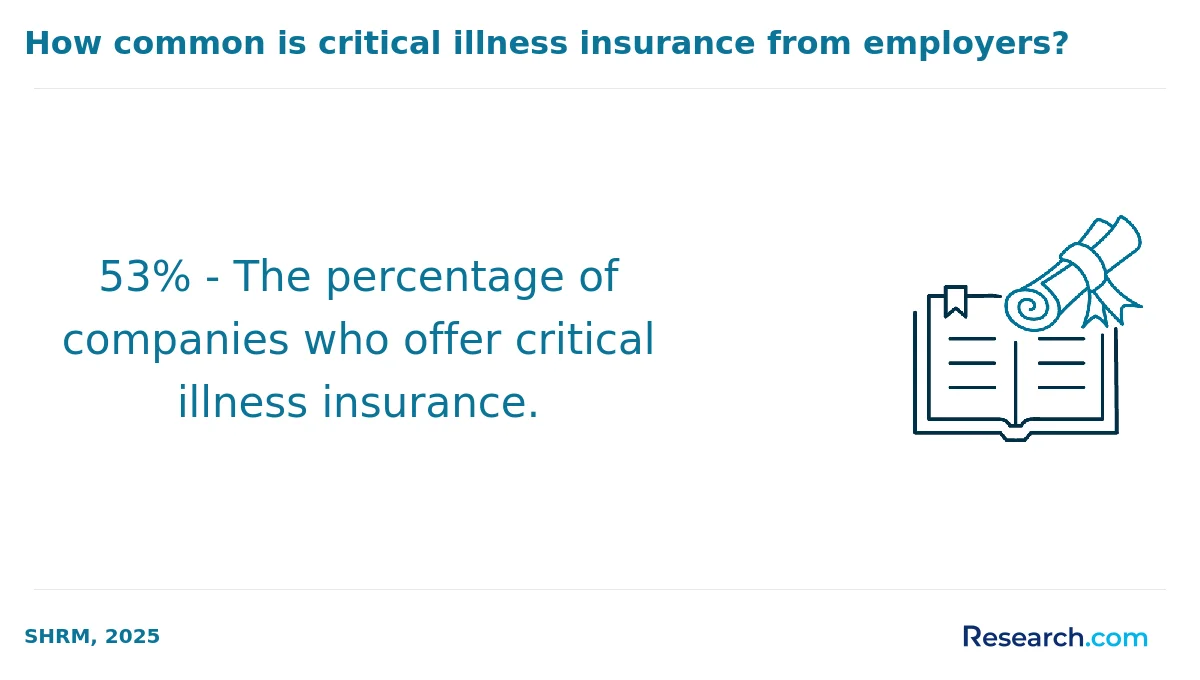
Students enrolled in trade school certification programs in Imperial often benefit from several practical financial aid options tailored to ease the burden of tuition and related costs. Many graduates recall how Pell Grants provided a crucial foundation, covering a substantial portion of their expenses without the need for repayment. These grants are a common starting point for those attending prominent local schools focused on technical skills.
Supplementing grants, federal student loans are widely used by Imperial's trade students to bridge remaining gaps, allowing flexible repayment plans after completion. One student from a well-known Imperial trade school shared how access to subsidized loans made balancing education with part-time work manageable, reducing stress through affordable monthly payments.
Additionally, scholarship opportunities specific to career and technical education abound within Imperial's community colleges and private trade institutions, often awarded based on merit or financial need. Veterans and active military members also frequently access special aid programs, further expanding the financial safety net available locally.
To enroll in a trade school certification program in Imperial, you usually need a high school diploma or GED. Many graduates from Imperial Valley College and the Center for Employment Training in El Centro talk about how this basic requirement gave them a solid foundation for tackling technical courses in reading, writing, and math.
Some students without a diploma found success by passing ability-to-benefit tests or joining adult education classes alongside their main program. Specific programs may ask for more, such as maintaining a "C" grade or better in core courses, like the Instrumentation Technology Certificate at Imperial Valley College.
Apprenticeships through the Imperial Irrigation District add another layer. Successful applicants must be at least 18, hold a diploma or GED, pass assessments, and keep a minimum 2.0 GPA while completing safety certifications like CPR.
Here's a quick checklist often expected by trade schools in Imperial:
- High school diploma or GED
- Passing specific prerequisite courses or tests
- Ability to maintain required grades (usually a "C" or better)
- Age requirement (often 18+ for apprenticeships)
- Completion of safety or workplace certifications where applicable
Students appreciate flexible schedules and year-round enrollment options at schools like CET, making it easier to balance work and study while meeting these requirements.

Trade school courses in Imperial County typically focus on hands-on skills that lead directly to employment. At popular institutions like the Center for Employment Training (CET) in El Centro, students can enroll in programs such as Accounting Clerk, Truck Driver, Green Building Construction Skills, and Welding Fabrication. Graduates often describe the truck driving course as fast-paced, finishing in as little as 10 weeks, giving them real experience with tractor-trailers that builds confidence quickly. Others appreciate the welding classes that teach shop safety and practical fabrication, making entering the workforce straightforward.
The Imperial CA certificate program curriculum also includes specialized training like the Power Lineman Apprenticeship at Imperial Valley College, which combines two years of classroom study and paid on-the-job training. This practical blend equips students for power system jobs paying an average starting wage of $52,000, making it a smart investment of time and effort.
Additional offerings through the Imperial Valley Regional Occupational Program (IVROP) cover CDL Truck Driving (Class A), Security Guard Training, and Certified Medical Assistant courses, mixing classroom work with essential field experience to meet local job market demands. For those seeking more creative options, it's worth checking out the cheapest online baking and pastry certificate program, which complements hands-on career tracks in the region.
Start by aligning your goals with Imperial's job market needs. Graduates of Imperial Valley College's trade programs often highlight how courses like the Lineman Program connect directly to local power industry jobs, providing hands-on apprenticeships that build confidence fast. Programs such as LIFT the Valley specialize in skills linked to energy extraction, giving students practical experience that employers in Lithium Valley actively seek. This focus on relevant industries helps you find the best trade school programs in Imperial CA.
Consider program length and format to fit your schedule and urgency. Some grads mention how one-year certification tracks helped them enter the workforce quickly, while others appreciated longer programs that blend classroom learning with fieldwork, improving real-world readiness. Accreditation matters too - look for certifications like SACA and NC3 to boost your resume and job prospects.
Admission criteria, financial aid, and job placement support impact your success. Graduates often recommend utilizing counseling services to understand how to compare Imperial Valley certification costs and make your education affordable. For instance, many find value in exploring cheap carpentry training programs online as a flexible option.
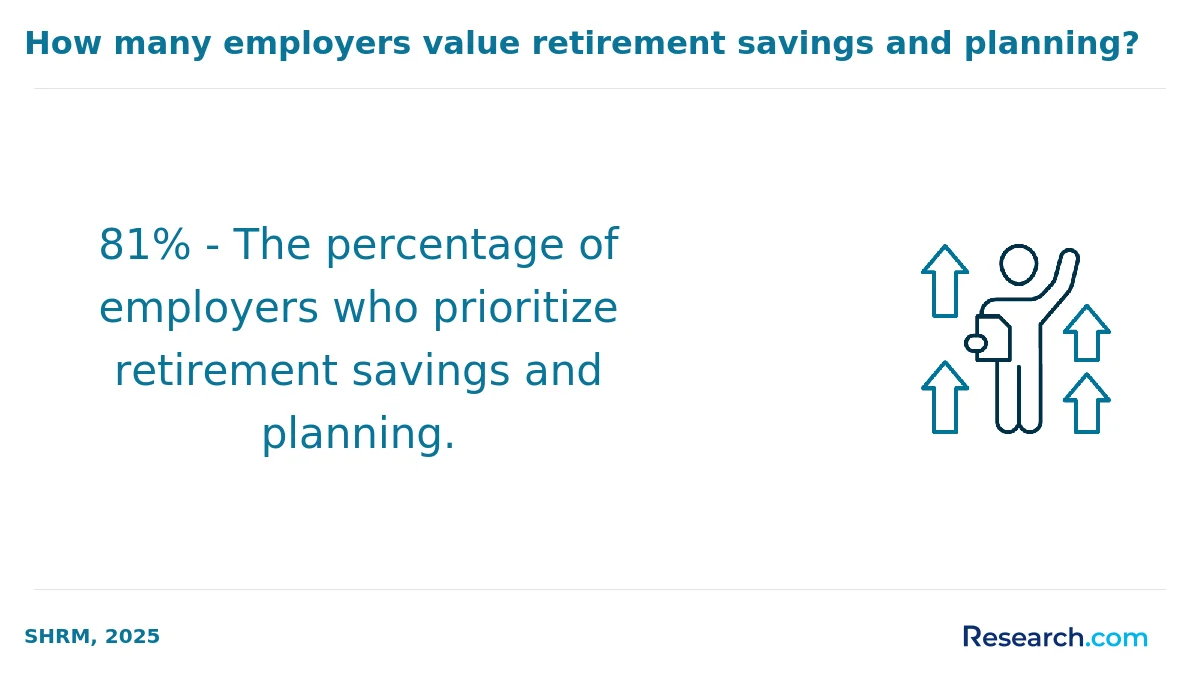
Graduates of trade school certification programs in Imperial find a variety of job pathways tailored to the region's strengths. Many take roles in industrial operations, where programs like the Instrumentation Technology Certificate at Imperial Valley College prepare them as plant maintenance specialists or equipment repair technicians. These positions thrive in sectors such as mineral extraction and geothermal energy, leveraging the local economy's focus on these industries. Hands-on experience plus certifications like the Cal/OSHA 30-Hour Card give graduates a competitive edge in these roles.
Expanding beyond traditional fields, the Lithium Valley project supported by the LIFT the Valley program opens doors in energy and manufacturing sectors. Graduates often secure roles in geothermal operations or mineral extraction with credentials such as SACA and NC3, emphasizing job readiness for high-growth industries. This is ideal for anyone seeking targeted Imperial CA vocational program job pathways in emerging clean energy fields.
Other practical career routes include healthcare support roles like Certified Medical Assistants, security professionals, or commercial truck driving with a Class "A" license. Local programs provide crucial job placement help and life skills training to smooth the transition into steady employment. Graduates also succeed as welders, accounting clerks, or green building construction specialists, reflecting strong demand across Imperial's economy. For those interested in maintenance technician roles, exploring maintenance technician certification online offers flexible learning options aligned with Imperial's industrial needs.
The job market for trade school graduates in Imperial County offers strong opportunities, especially within middle-skill job categories that make up 36% of local employment. Graduates from popular trade certification programs here find well-paying roles in industries like energy, healthcare, and transportation, which all demand skilled technical workers.
Many students report positive outcomes after completing programs tied to local employers. For example, graduates from apprenticeship programs at the Imperial Irrigation District frequently secure full-time positions with benefits, thanks to the hands-on experience combined with college coursework. Such pathways lead to industry-recognized certifications that hold value across North America and Europe.
Key factors shaping this favorable job market include:
- A projected 10% growth in middle-skill jobs between 2017 and 2022, adding over 2,400 positions
- Strong demand for certified workers reported by local employers
- Training programs designed in partnership with companies that offer direct hiring after certification
Those interested in technical certificates can explore opportunities through local training options and also compare programs using resources like top construction trade schools. Prospective students in Imperial County middle-skill job opportunities will find career paths that connect certification with real employment advantages in the region.
Most Affordable Certificate Programs - Leading Certification Courses in Imperial for 2026
# 1 position
Imperial Valley College - Electrical and Power Transmission Installation/Installer, General.
certificate or diplomaImperial Valley College offers a hybrid Electrical and Power Transmission Installation/Installer, General program that prepares students to install residential, commercial, and industrial electrical systems and power transmission lines. The curriculum covers electricity, safety, wiring, insulation, blueprint interpretation, equipment maintenance, and relevant codes. Annual in-state tuition is $1,126. The program is accredited by the Western Association of Schools and Colleges Accrediting Commission for Community and Junior Colleges.
# 2 position
Imperial Valley College - Electrician.
certificate or diplomaThe Electrician program at Imperial Valley College offers a hybrid learning format, combining in-person and distance education. It prepares students to install, operate, maintain, and repair electrical systems, including residential and industrial wiring, motors, controls, and distribution panels. Instruction covers electronics principles, safety, testing, codes, and standards. The program's annual in-state tuition is $1,126 and it is accredited by the Western Association of Schools and Colleges Accrediting Commission for Community and Junior Colleges.
# 3 position
Imperial Valley College - Automobile/Automotive Mechanics Technology/Technician.
certificate or diplomaImperial Valley College offers a hybrid program in Automobile/Automotive Mechanics Technology/Technician, preparing students to repair, service, and maintain various automobile systems. The curriculum covers brake systems, electrical systems, engine performance and repair, suspension, steering, transmissions, and heating and air conditioning. The program is accredited by the Western Association of Schools and Colleges Accrediting Commission for Community and Junior Colleges. Annual in-state tuition is $1,126.
# 4 position
Imperial Valley College - Welding Technology/Welder.
certificate or diplomaThe Welding Technology/Welder program at Imperial Valley College offers a hybrid format with some distance-education options. It trains students in arc welding, resistance welding, brazing, soldering, cutting, high-energy beam techniques, welding metallurgy, structural design, safety, and relevant codes and standards. The program’s annual in-state tuition is $1,126. It is accredited by the Western Association of Schools and Colleges Accrediting Commission for Community and Junior Colleges.
# 5 position
Imperial Valley College - Dental Assisting/Assistant.
certificate or diplomaImperial Valley College offers a Dental Assisting/Assistant program in a hybrid format, combining distance education with hands-on training. The curriculum includes patient care, dental radiography, office administration, medical record-keeping, equipment maintenance, and chairside assisting under supervision. The program is accredited by the Western Association of Schools and Colleges Accrediting Commission for Community and Junior Colleges. Annual in-state tuition is $1,126.
Frequently Asked Questions about trade school certificates
After completing a trade school certification program in Imperial, preparing effectively for the job market is crucial. Start by updating your resume to highlight your newly acquired skills and certifications clearly. Many employers in Imperial value practical experience, so try to gain hands-on work through internships or apprenticeships offered by local businesses or trade unions.
Networking is also vital; attend job fairs and connect with local industry professionals to learn about opportunities. According to the U.S. Bureau of Labor Statistics, trade skills in fields like plumbing and electrical work in California have job growth rates exceeding 10% over the next decade, reflecting strong demand in Imperial's regional market.
Lastly, consider further certifications or licenses that may enhance your employability. Local workforce centers can provide information on job placement services and continuing education specific to Imperial's economy.
Employers in Imperial seeking graduates of trade school certification programs prioritize a combination of technical and soft skills. According to a 2023 report by the National Center for Construction Education and Research, proficiency in hands-on skills like welding, HVAC repair, and electrical systems ranks highly among local employers. Strong problem-solving abilities are also critical, especially in trades requiring quick and accurate troubleshooting.
Communication skills are increasingly valued, with 67% of Imperial employers noting that effective teamwork and clear communication greatly impact job performance, as cited in a 2024 survey by the Imperial Workforce Alliance. Time management and reliability top the list of soft skills, reflecting employer demands for punctual, dependable workers able to meet project deadlines.
Finding internships in Imperial that align with your trade school certification program begins with exploring local resources such as community colleges, trade schools, and workforce centers. Many of these institutions partner with employers to offer internship placements, especially in fields like manufacturing, healthcare, and construction.
The California Employment Development Department reports that Imperial County has growing opportunities in agriculture technology and renewable energy trades. Local employers often seek interns to meet workforce demands, making direct applications and networking essential.
Additionally, online job boards specific to the region and industry, such as CalJOBS, provide internship listings. Engaging with industry associations and attending career fairs in Imperial can also increase your chances of securing relevant internships.
Trade school certification in Imperial can significantly enhance career mobility and advancement opportunities for local workers. According to data from the U.S. Bureau of Labor Statistics, individuals with trade certifications often see faster job placement rates compared to those without. In Imperial, key industries such as construction, healthcare, and automotive services highly value these credentials, which are tailored to meet regional employer needs.
Certification programs provide practical skills that allow graduates to qualify for higher-paying positions and promotions. For example, certified electricians or HVAC technicians in Imperial may earn wages 20-30% above the average for entry-level workers, according to the California Employment Development Department.
Further, many trade schools have strong connections with local employers, increasing internship and apprenticeship chances that directly impact career growth. This local focus makes certifications a strategic step for long-term employment stability and advancement in Imperial's job market.
In Imperial, part-time jobs related to trade school certification programs provide valuable hands-on experience while supporting education. For students in automotive technology programs, positions as junior mechanics or service assistants at local repair shops are common. These roles often pay between $12 and $18 per hour, according to the Bureau of Labor Statistics.
Those pursuing healthcare certifications can find opportunities as medical assistants or home health aides, with part-time wages averaging $13 to $16 hourly in Imperial County.
Construction and electrical trade students may work as apprentices or helpers, gaining practical skills on site. Such positions frequently offer flexible schedules suitable for students balancing work and study.
To choose the most affordable degree program near me in Imperial, CA, start by researching local community colleges and universities, as these institutions often provide lower tuition rates compared to private colleges. Consider online degree programs, which can offer additional flexibility and cost savings. Resources such as Research.com can help in identifying programs and comparing costs and scholarships available near Imperial, CA.
- Imperial Pathways | Imperial County Office of Education https://www.icoe.org/imperial-pathways
- NOT accepted by top business school - MASTERGRADSCHOOLS https://mastergradschools.com/master-admissions/not-get-accepted-into-a-top-business-school
- How Do I Get A Trading Internship? | Handshake https://joinhandshake.com/blog/students/how-do-i-get-a-trading-internship/
- Career prospects | Faculty of Engineering | Imperial College London https://www.imperial.ac.uk/engineering/study/undergraduate/career/
- Vocational vs. Trade School: Choosing the Right Path https://www.genesiscareer.edu/vocational-vs-trade-school-guide/
- The Differences Between Certificates, Credentials & Degrees https://diplomasafe.com/credential-vs-certificate/
- Collegescorecard https://collegescorecard.ed.gov/
- Research - Most Affordable Online Maintenance Technician Trade School Programs https://research.com/education/most-affordable-online-maintenance-technician-trade-school-programs
- Work and Internships | study.gov.pl https://study.gov.pl/work-and-internships
- Careers at Imperial https://www.imperialoil.ca/careers/careers


