
Most Affordable Certificate Programs - Leading Certification Courses in Green Bay for 2026

Co-Founder and Chief Data Scientist
Choosing the right trade school certificate program in Green Bay can feel overwhelming, but you’re not alone. This article introduces a carefully crafted ranking created by the Research.com team of data scientists to help you find affordable, quality programs worth your time and investment.
Whether you’re starting fresh or advancing your skills, earning a certificate can open doors to new career opportunities and personal growth. Reading on will give you clear, reliable information to confidently take the next step toward a brighter future.
Key benefits of getting trade school certificate in Green Bay
- Trade school graduates in Green Bay can earn competitive salaries, with roles like office assistants making around $15.08 per hour, skilled instructors up to $47.00 per hour, and cybersecurity instructors earning between $71,648 and $75,419 annually.
- Popular career paths for certificate holders include technical trades such as maintenance assistant, administrative assistant, corporate trainer, and specialized fields like marine welding and cybersecurity, offering diverse opportunities for growth.
- Online trade school certification provides flexibility, allowing graduates to balance work and study while gaining skills from well-known Green Bay schools, making education more accessible and convenient.
- Most Affordable Certificate Programs - Leading Certification Courses in Green Bay for 2026
- What can I expect from trade school certification programs in Green Bay?
- Where can I work with trade school certification in Green Bay?
What can I expect from trade school certification programs in Green Bay?
The average cost of a trade school certification program in Green Bay typically ranges from $3,000 to $8,000, depending on the program length and subject area. Graduates from Northeast Wisconsin Technical College (NWTC), a leading local institution, often share how financial aid and scholarships, such as NWTC's $800,000+ annual scholarship fund, significantly offset tuition expenses, making these programs accessible without excessive debt.
Many students appreciate the flexible scheduling options offering evening, weekend, and online classes, enabling them to balance work and family responsibilities while managing costs effectively. For example, a healthcare certification student might attend evening courses after work and use financial support to reduce out-of-pocket expenses.
Hands-on experiences like internships or practicums often do not add significant extra cost but provide invaluable practical skills that employers seek. Graduates frequently mention the direct link between their affordable program investment and rapid employment, with NWTC reporting 91% job placement within six months.
Where can I work with trade school certification in Green Bay?
After completing a trade school certification program in Green Bay, graduates often find a diverse range of employment opportunities aligned with their training. Many secure entry-level positions such as carpenters, HVAC installers, and mason tenders with local construction companies, benefiting from year-round work in remodeling and building maintenance. Starting wages for these roles typically range from $18 to $24 per hour, providing a stable income early in one's career.
Healthcare certifications open doors to jobs like radiologic technologists and patient service representatives at area hospitals and clinics, where graduates quickly appreciate the meaningful impact of their work. In information technology, graduates from programs at local schools, including Northeast Wisconsin Technical College, often land roles as network support technicians or application analysts, enjoying flexible schedules that sometimes include remote work.
Apprenticeship graduates in trades such as carpentry and electrical work typically start with union-affiliated contractors, gaining hands-on experience while earning. This earn-while-you-learn approach ensures a smooth transition to full-time employment and builds confidence for a rewarding career in Green Bay's robust job market.
After completing a trade school certification program in Green Bay, graduates typically earn an average annual salary around $65,313, which translates to about $31.40 per hour. Entry-level graduates often start closer to $49,100 per year, meaning a new HVAC technician or welder fresh from Green Bay's leading trade schools can expect a comfortable wage that supports starting a stable career.
With experience, many move into specialized roles earning near the 75th percentile of $79,300 annually. For example, graduates from Northeast Wisconsin Technical College report salaries spanning $32,000 to $66,000 for computer/network support technicians, and even up to $88,000 for clinical coordinators-reflecting real opportunities for growth in the region's job market.
These figures highlight that trade school certification in Green Bay offers a rewarding path, enabling students to quickly enter the workforce and steadily increase their income as skills and responsibilities grow.
- "The HVAC certification program in Green Bay was a game-changer for me. The hands-on training was excellent, and the instructors genuinely cared about our success. Within months of graduating, I secured a great job helping local businesses with their climate control systems. Proud to be part of this community!" - Jason
- "Getting my welding certification here in Green Bay gave me the confidence and skills I needed. The small class sizes allowed for personalized attention, and the real-world projects prepared me fully. Now, I'm working on exciting construction sites across the city and loving every moment." - Maria
- "Studying electrical technology at a Green Bay trade school was one of the best decisions I've made. The program balanced theory and practice perfectly. Finding a job as an electrician in local residential projects was smooth thanks to the strong school network. Truly empowering experience!" - Ethan
- Admission to most trade school programs in Green Bay requires a high school diploma or GED, with minimal additional prerequisites for entry-level certificates.
- Program lengths vary from under one year for many certifications to one or two years for technical diplomas, offering flexible schedules including evening, weekend, and online courses.
- The average tuition cost ranges from $2,000 to $8,000, with financial aid, scholarships, and payment plans available to help reduce expenses.
- Employment rates reach up to 91% within six months after graduation, with starting salaries commonly between $32,000 and $48,000 annually based on the field.
- Popular career paths include healthcare technician, electrician, welder, business office specialist, and IT support technician, focusing on practical and hands-on training.
Trade school certification programs in Green Bay generally take from a few months up to one year to complete, depending on the program and enrollment pace. Graduates from Northeast Wisconsin Technical College (NWTC), a leading local institution, often share how short-term certificates can be completed in just a semester when studying full-time, with programs requiring as few as 12 to 15 credits. This quick turnaround allows students eager to enter the workforce swiftly to feel confident and motivated.
Other graduates report that technical diplomas, such as those in welding or diesel technology, usually take closer to 9 to 12 months for full-time students but can stretch longer with part-time schedules. The flexibility of day, evening, and weekend classes makes balancing work and school achievable and rewarding.
Associate degrees in Green Bay's trade schools typically require about two years of full-time study. Many students appreciate the structured yet adaptable format, which fits diverse lifestyles while providing comprehensive training.
The key difference between online and on-campus trade school certification programs in Green Bay lies in delivery method and flexibility. Online programs offered by institutions like the University of Wisconsin-Green Bay and Northeast Wisconsin Technical College enable students to study 100% online, allowing graduates to balance education with work and family commitments. Many report a sense of relief from the flexibility, as they can complete assignments on their own schedules without commuting pressures.
On-campus programs require physical attendance, offering face-to-face interaction and hands-on experience essential for fields like welding or healthcare. Graduates often emphasize how this structure fostered strong peer connections and practical skills through labs and clinical work. For example, diesel technology students recall the value of working directly with equipment, which is difficult to replicate online.
Online learners frequently benefit from dedicated advisors and digital badges, recognized by employers, while on-campus attendees enjoy fixed schedules and immediate access to facilities. Both formats serve Green Bay's adult learners but appeal differently based on personal circumstances and career goals.
The average trade school cost in Green Bay primarily centers around Northeast Wisconsin Technical College (NWTC), the leading institution for certification programs in the region. Tuition rates for Wisconsin residents during the 2025-2026 academic year stand at $171.05 per credit. Given that most certification programs require between 15 and 30 credits, students can expect tuition fees to range from about $2,565 to $5,131. Graduates from popular programs such as HVAC or welding often reflect positively on the investment, noting that this range allowed them to quickly enter the workforce without excessive debt.
Beyond tuition, a crucial component of Green Bay trade school tuition and fees includes the cost of books, course materials, and supplies, which NWTC estimates at roughly $1,104 per year for full-time students. Students in specialized fields like automotive technology sometimes budget extra for tools or certification exam fees, but many report that financial aid options have made these costs manageable. These figures mirror the realistic expenses local students face while pursuing technical education in Green Bay.
Many students weigh the benefits while considering whether to enroll, often comparing trade school expenses with traditional college costs. For those uncertain, reviewing the distinctions can help clarify their decision; in fact, it's helpful to explore resources such as college vs. trade school to better understand the financial and career implications. This practical approach supports informed choices tailored to individual goals.
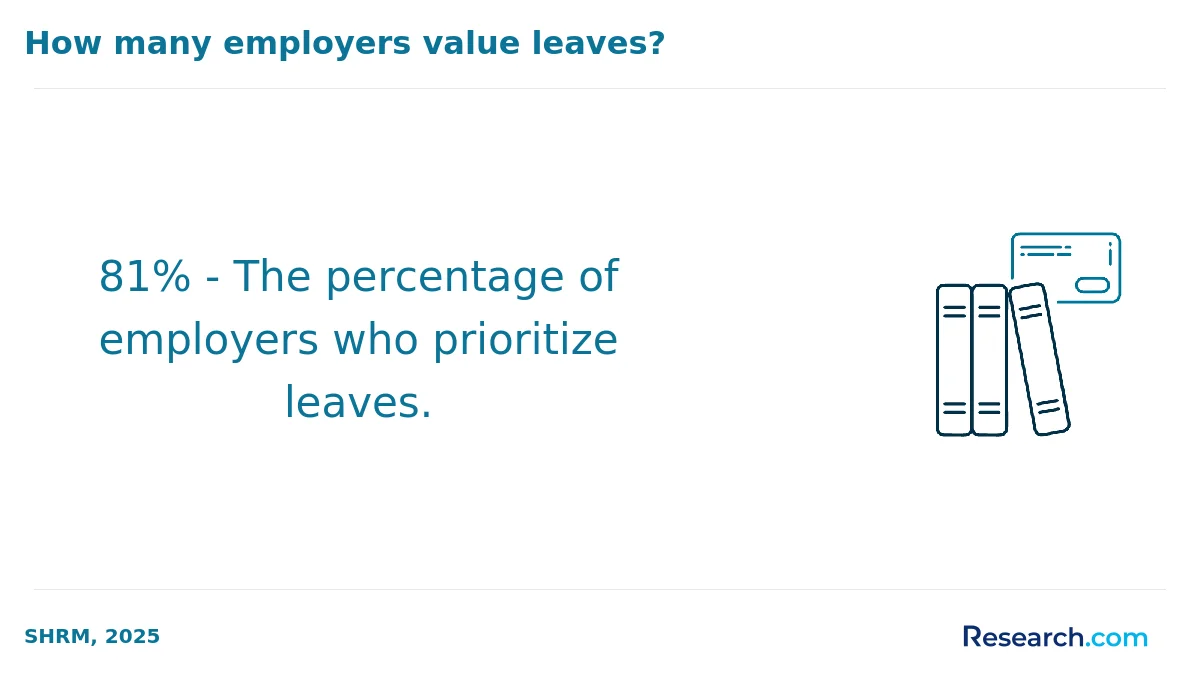
Students pursuing trade school certification programs in Green Bay often benefit from multiple financial aid sources that ease their journey. Graduates from Northeast Wisconsin Technical College (NWTC) frequently highlight the impact of federal aid like Pell Grants, which don't require repayment and are based solely on financial need assessed via the FAFSA. For instance, some reported how qualifying for the Federal Supplemental Educational Opportunity Grant (FSEOG) provided crucial extra funding of up to $4,000 annually, allowing them to focus on studies instead of finances.
State aid programs also play a significant role. The Wisconsin Grant and Tuition Assistance Grant (TAG) serve many Green Bay residents enrolled part-time or full-time at technical colleges. These grants are particularly valued by students balancing work and study, helping reduce tuition burdens. Those with greater financial challenges often receive targeted support from the Wisconsin Talent Incentive Program (TIP), nominated through school counselors, which boosts their motivation to complete certificates.
Local scholarships add another practical layer of assistance. Many NWTC and Fox Valley Technical College students have praised the Society of St. Vincent de Paul scholarships, capped at $500, for covering key expenses like books or fees. Additionally, community-focused funds from the Greater Green Bay Community Foundation reward academic effort and community engagement, making aid feel both personal and attainable.
Work-study options and student loans provide flexible resources to cover remaining costs, with financial aid offices emphasizing early FAFSA completion and application to maximize limited funds. These varied supports together create a feasible pathway for Green Bay trade school students to achieve certification goals with confidence and reduced financial stress.
Enrollment in trade school certification programs in Green Bay primarily requires a high school diploma or equivalent, such as a GED or HSED. Graduates from Northeast Wisconsin Technical College (NWTC) and other institutions often share that this baseline ensures students are ready for the program's academic rigor.
For those with some college experience, a transcript showing at least 60 credits with a grade of "C" or higher can replace the high school transcript, offering flexibility to returning students aiming to upgrade skills.
Additional prerequisites vary by field and program, typically including:
- Background checks for healthcare or public safety certificates
- Proof of immunizations or health records
- Completion of specific high school courses like algebra or science for technical certificates
- Computer familiarity for programs such as Applied Graphics for Prototype and Design
Applicants often report that the application process involves creating an online account, submitting transcripts, and sometimes undergoing interviews or placement tests, especially for English or math skills. This ensures they're well-prepared and confident, which many graduates describe as a positive and motivating start to their certification journey in Green Bay.
Trade school certificate courses in Green Bay typically focus on fields with strong local demand, offering hands-on and technical skills that graduates praise for preparing them effectively for the job market. At well-regarded institutions like Northeast Wisconsin Technical College, the curriculum combines classroom learning with real-world application. Graduates often share that healthcare programs such as Medical Assistant, Phlebotomy, and Nursing Assistant helped them quickly secure positions in hospitals or clinics.
Students pursuing Green Bay technical school program curriculum experience practical training in skilled trades like Carpentry, CNC Machining, and Electrical Power Distribution, which are valued in construction and manufacturing sectors. Business certificates in Customer Service and Project Management provide essential office skills, while IT courses in Cybersecurity and Networking keep pace with technological advancements.
Specialized certificates in Emergency Medical Technician and Renewable Energy courses respond to regional workforce needs and student career goals. For those interested in cost-effective options, exploring cheap online hvac training can complement local programs and expand job prospects.
Choosing the best trade school certification program in Green Bay begins with evaluating program accreditation. Graduates from Northeast Wisconsin Technical College (NWTC) frequently praise how accreditation ensured their certifications were respected by local employers, aiding in smooth job placement. This factor is crucial to compare trade school costs in Green Bay meaningfully, since accredited programs typically provide better financial aid options and credit transfer opportunities.
Program offerings and specialization are also critical. Students who targeted specific career paths, such as health sciences or skilled trades, found that schools like UW-Green Bay offered flexible formats-including online and hybrid courses-that fit varying schedules. This adaptability helped many balance work, family, and study commitments efficiently.
Job placement rates strongly influence student satisfaction. For example, NWTC reports 91% employment within six months of graduation, reflecting strong industry ties. Graduates often describe feeling confident and supported thanks to comprehensive advising and career services, which enhance real-world preparedness.
When researching high paying trades that are easy to learn, prospective students benefit from using tools like net price calculators and consulting financial aid advisors early. This approach uncovers scholarship opportunities and workforce development funds, further lightening the cost burden while maximizing outcome value.
Graduates of trade school certification programs in Green Bay find diverse career opportunities tailored to local industry demands. Skilled trades jobs in Green Bay WI, such as electrician, machinist, and welder, are accessible through programs at institutions like Northeast Wisconsin Technical College (NWTC), where students gain hands-on experience via apprenticeships while earning. These roles support robust manufacturing and construction sectors vital to the region's economy.
Healthcare certifications from the University of Wisconsin-Green Bay open doors in community health, addiction recovery, and geriatric care, meeting growing local needs with rewarding employment options. Business-related certificates in human resource management and nonprofit leadership prepare graduates for administrative roles influencing employee engagement and customer service in area companies.
Emerging fields like applied artificial intelligence enhance career opportunities for trade school graduates in Green Bay by equipping students with tech-driven skills sought by employers adapting to digital workflows. Programs such as Career EXCELerate Wisconsin connect graduates with local job placements, boosting earning potential significantly. For accessible options, many students consider cheap flooring installers certification online as a practical investment in their future.
The job market for trade school graduates in Green Bay is notably strong, with local employers actively recruiting individuals with certifications from institutions like Northeast Wisconsin Technical College (NWTC) and the University of Wisconsin-Green Bay. Graduates commonly report quick job placements in fields such as medical assisting, welding, industrial maintenance, and paralegal services. These sectors are critical to Green Bay's economy and experience persistent demand for skilled labor.
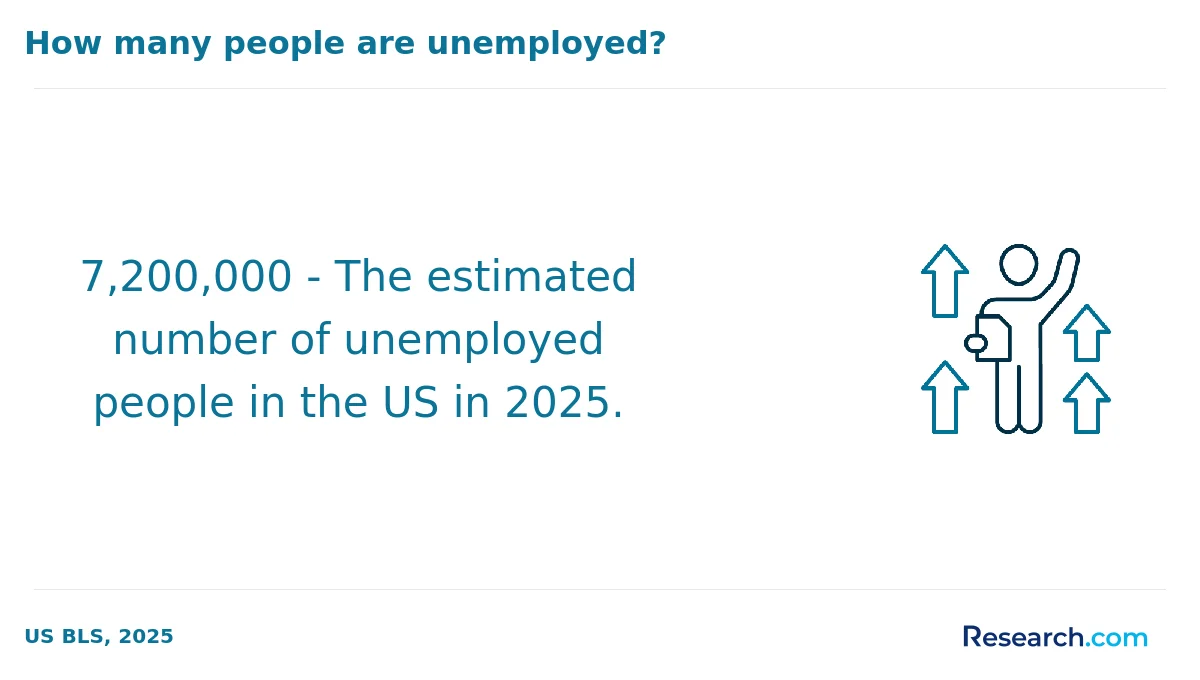
Green Bay employment opportunities after certificate programs are supported by a 3% unemployment rate statewide, underscoring a favorable environment for new workers. Employers often highlight challenges filling skilled roles, meaning graduates face less competition and higher chances of immediate employment.
- Medical assistants see a projected 16% job growth through 2031, creating ample openings.
- Trade school graduates benefit from flexible program schedules that allow work-study balance.
- Local manufacturing, healthcare, and construction offer stable career paths with solid wages.
Graduates appreciate the practical, hands-on training combined with accessible schedules, including part-time and online options. Those interested can also explore low cost online construction training programs for flexible pathways to enter the trades.
Most Affordable Certificate Programs - Leading Certification Courses in Green Bay for 2026
# 1 position
Northeast Wisconsin Technical College - Welding Technology/Welder.
certificate or diplomaNortheast Wisconsin Technical College offers a Welding Technology/Welder program with a hybrid format, combining in-person and distance education. The program costs $4,904 annually for in-state students. Graduates earn a median salary of $41,421 one year after completion. The curriculum covers arc welding, resistance welding, brazing, soldering, and welding metallurgy, among other technical skills. The program is accredited by the Higher Learning Commission.
# 2 position
Northeast Wisconsin Technical College - Medical Insurance Coding Specialist/Coder.
certificate or diplomaThe Medical Insurance Coding Specialist/Coder program at Northeast Wisconsin Technical College prepares students for specialized data entry, classification, and record-keeping related to medical diagnostic, treatment, billing, and insurance documentation. Instruction covers medical records software, anatomy, medical terminology, coding, and Medicare regulations. The program’s annual in-state tuition is $4,904. Graduates have median earnings of $39,122 one year after completion. The program is accredited by the Higher Learning Commission.
# 3 position
Northeast Wisconsin Technical College - Heating, Air Conditioning, Ventilation and Refrigeration Maintenance Technology/Technician.
certificate or diplomaNortheast Wisconsin Technical College offers a hybrid Heating, Air Conditioning, Ventilation and Refrigeration Maintenance Technology/Technician program. It prepares students to repair, install, service, and maintain heating, air conditioning, and refrigeration systems. Instruction covers diagnostic techniques, testing equipment, and principles of mechanics, electricity, and electronics related to system repair. The annual in-state tuition is $4,904. The program is accredited by the Higher Learning Commission.
# 4 position
Northeast Wisconsin Technical College - Automobile/Automotive Mechanics Technology/Technician.
certificate or diplomaNortheast Wisconsin Technical College offers a hybrid program in Automobile/Automotive Mechanics Technology/Technician, preparing students to repair, service, and maintain various vehicle systems. The curriculum covers brake, electrical, engine, suspension, transmission, and heating and air conditioning systems. The program’s annual in-state tuition is $4,904. Graduates earn a median of $35,759 one year after completion. The program is accredited by the Higher Learning Commission.
# 5 position
Northeast Wisconsin Technical College - Electrician.
certificate or diplomaThe Electrician program at Northeast Wisconsin Technical College offers a hybrid learning format, combining in-person and distance education. It prepares students to install, operate, maintain, and repair electrical systems and apparatus in residential, commercial, and industrial settings. The curriculum covers electronics, wiring, power transmission, safety, and electrical codes. Annual in-state tuition is $4,904. Graduates earn a median salary of $31,061 one year after completion. The program is accredited by the Higher Learning Commission.
# 6 position
Northeast Wisconsin Technical College - Dental Assisting/Assistant.
certificate or diplomaThe Dental Assisting/Assistant program at Northeast Wisconsin Technical College offers a hybrid format with some distance education. It trains students to provide patient care, take dental radiographs, assist chairside, and perform office administrative duties under supervision. The curriculum includes medical record-keeping, equipment maintenance, and patient preparation. Annual in-state tuition is $4,904. Graduates have median earnings of $23,017 one year after completing the program. The program is accredited by the Higher Learning Commission.
# 7 position
Rasmussen University-Wisconsin - Nursing Assistant/Aide and Patient Care Assistant/Aide.
certificate or diplomaThe Nursing Assistant/Aide and Patient Care Assistant/Aide program at Rasmussen University-Wisconsin prepares students to perform routine nursing-related services under the supervision of registered or licensed practical nurses. The program’s annual in-state tuition is $11,982. Graduates have median earnings of $45,271 one year after completion. This program is accredited by the Higher Learning Commission.
# 8 position
Rasmussen University-Wisconsin - Medical Insurance Coding Specialist/Coder.
certificate or diplomaRasmussen University-Wisconsin offers a fully online Medical Insurance Coding Specialist/Coder program designed to train students in specialized data entry, classification, and record-keeping related to medical diagnostics, billing, and insurance documentation. The curriculum covers medical terminology, anatomy, medical software, data coding, and Medicare regulations. The annual in-state tuition is $11,982. Graduates earn a median salary of $39,372 one year after completing the program. The program is accredited by the Higher Learning Commission.
# 9 position
Rasmussen University-Wisconsin - Medical Administrative/Executive Assistant and Medical Secretary.
certificate or diplomaRasmussen University-Wisconsin offers a fully online Medical Administrative/Executive Assistant and Medical Secretary program designed to prepare students for roles supporting healthcare professionals and administrators. The curriculum covers medical terminology, healthcare operations, communications, scheduling, software applications, and professional ethics. Annual in-state tuition is $11,982. Graduates earn a median salary of $39,372 one year after completing the program. The program is accredited by the Higher Learning Commission.
# 10 position
Bellin College - Diagnostic Medical Sonography/Sonographer and Ultrasound Technician.
certificate or diplomaBellin College offers a hybrid Diagnostic Medical Sonography/Sonographer and Ultrasound Technician program that prepares students to use medical ultrasound for diagnosing conditions. The curriculum covers patient care, sonographic data collection and processing, and professional ethics. The program is accredited by the Higher Learning Commission. Annual in-state tuition is $28,211, and some courses are available through distance education to accommodate diverse learning needs.
Frequently Asked Questions about trade school certificates
After completing a trade school certification program in Green Bay, preparation for the job market is essential to secure employment in fields like manufacturing, healthcare, or automotive technology. Start by creating a professional resume that highlights your certification, hands-on skills, and any internships or apprenticeships completed during your training.
Networking with local employers can significantly boost job prospects. Green Bay's labor market benefits from partnerships between trade schools and industries, making career fairs and workshops valuable opportunities. According to the Wisconsin Department of Workforce Development, many trade-certified workers in Green Bay find jobs within six months of graduation.
Additionally, consider obtaining industry-recognized licenses or certifications beyond your initial program to increase competitiveness. Continuous learning and maintaining certifications align with employer expectations and can lead to higher wages over time.
Employers in Green Bay highly value trade school certification graduates with strong technical skills directly related to their fields. For example, proficiency in operating machinery, electrical systems, or HVAC equipment is often essential. According to the Wisconsin Department of Workforce Development, over 70% of local employers seek candidates with hands-on experience and demonstrated troubleshooting abilities.
Soft skills also play a crucial role. Communication, teamwork, and problem-solving are commonly requested in job listings across trades such as welding, automotive repair, and construction. A recent survey by the National Skills Coalition highlights that 85% of employers place equal importance on these interpersonal abilities.
Commitment to safety standards and adaptability to new technologies are other top priorities. Green Bay's growing industries expect workers who can quickly learn updated practices and comply with OSHA regulations.
Finding internships in Green Bay that align with your trade school certification program involves strategic research and networking. Start by visiting local job boards like the Green Bay Area Chamber of Commerce website, which often lists internships relevant to skilled trades. Additionally, connecting with your trade school's career services can provide access to exclusive internship opportunities tied to local businesses.
Many Green Bay employers in manufacturing, construction, and healthcare sectors offer internships. According to the Wisconsin Department of Workforce Development, skilled trades internships have grown by 8% statewide, reflecting strong demand in the region. Exploring partnerships between trade schools and companies like Schneider National or Plexus Corp. can also be beneficial.
Utilize professional networking platforms such as LinkedIn to identify local businesses offering internships. Engaging with local trade unions and vocational organizations in Green Bay provides further access to apprenticeship and internship programs that complement your certification.
Trade school certification programs in Green Bay play a crucial role in enhancing career mobility and advancement. These programs provide practical skills tailored to local industries such as manufacturing, healthcare, and construction, which are significant employers in the region.
According to the Wisconsin Department of Workforce Development, individuals with trade certifications in Green Bay experience an average wage increase of 15-25% compared to non-certified workers in similar roles. Certifications also enable quicker job placements, as local employers prioritize candidates with verified skills.
Furthermore, these certifications often serve as stepping stones to advanced positions or specialized roles, supporting long-term career growth. Green Bay's trade schools frequently partner with area businesses, offering apprenticeships and direct employment pathways that strengthen upward mobility.
In Green Bay, part-time jobs that align well with trade school certification programs often include roles in healthcare, construction, and manufacturing. For example, certified nursing assistants or medical aides can find part-time positions in local clinics and care facilities, allowing them to gain practical experience while studying. According to the Wisconsin Department of Workforce Development, the healthcare sector in Green Bay offers a steady demand for such roles.
Similarly, construction-related certifications can be complemented by part-time work as laborers or equipment operators, where hands-on skills are essential. Manufacturing jobs, including assembly or quality control, also provide opportunities for students enrolled in technical programs to apply classroom knowledge in real-world settings.
These part-time roles not only boost income but enhance employability after program completion, making them valuable components of the educational experience in Green Bay's trade school environment.
To find the most affordable degree program near me in Green Bay, WI, you can explore local colleges and universities that offer competitive tuition rates and financial aid options. There are programs available near Green Bay, WI, that are designed to accommodate diverse financial situations while providing quality education. Additionally, Research.com can be a helpful resource to compare costs and program offerings to determine the best fit for your educational and budgetary needs.
- Most Affordable Trade School & Training Programs - Leading Certification Courses in Dearborn for 2026
- Most Affordable Trade School & Training Programs - Leading Certification Courses in Overland Park for 2026
- Most Affordable Trade School & Training Programs - Leading Certification Courses in Olathe for 2026
- Most Affordable Trade School & Training Programs - Leading Certification Courses in Topeka for 2026
- Research - Most Affordable Online Construction Trades Programs https://research.com/degrees/most-affordable-online-construction-trades-programs
- Technical Education - College of Menominee Nation https://www.menominee.edu/academic-catalog/trades-programs
- Collegescorecard https://collegescorecard.ed.gov/
- Trade School Careers: Why Trade Schools Result In High Demand Jobs https://intercoast.edu/articles/trade-school-careers-why-trade-schools-result-in-high-demand-job-opportunities-for-its-graduates/
- Trade School Programs & Courses https://www.best-trade-schools.net/programs/
- How to Get Internships in High School | ACT https://www.act.org/content/act/en/students-and-parents/career-planning/career-planning-resources/internships.html
- Trade Schools in Wisconsin | Top Trade Schools https://toptradeschools.com/states/wisconsin/
- Academics and Training - Northeast Wisconsin Technical College https://www.nwtc.edu/academics-and-training
- A Guide to Skilled Trades Apprenticeships and Internships | BestColleges https://www.bestcolleges.com/trades/guide-to-skilled-trades-apprenticeships-internships/
- Nces https://nces.ed.gov/


