
Best Certificate Programs - Leading Certification Courses in Baltimore for 2026

Co-Founder and Chief Data Scientist
Looking for the best trade school certificate programs in Baltimore for 2026? This article introduces a helpful ranking created by the Research.com team of data scientists to guide you toward the top options available. Whether you’re starting fresh or seeking new career skills, knowing which programs stand out can make all the difference.
Pursuing a trade school diploma or certification can open doors to rewarding jobs and personal growth. By exploring these trusted programs, you’ll feel confident making choices that fit your goals and lifestyle.
Key benefits of getting trade school certificate in Baltimore
- Expected salary: Trade school graduates in Baltimore can earn impressive pay, with apprentices averaging $47,137 yearly. Sheet metal mechanics make about $61,551, metal fabricators $51,567, and plumbers start near $45,419, showing strong financial potential early on.
- Popular career paths: Many graduates find success in trades like welding, HVAC, electrical work, and plumbing, all in high demand locally. Baltimore's top trade schools provide the skills employers like Innovative Refrigeration Systems seek.
- Online certification benefits: Earning a trade certificate online offers flexibility and convenience, allowing students to balance work and study effectively-ideal for busy adults aiming to boost their careers without relocating.
- Best Certificate Programs - Leading Certification Courses in Baltimore for 2026
- What can I expect from trade school certification programs in Baltimore?
- Where can I work with trade school certification in Baltimore?
What can I expect from trade school certification programs in Baltimore?
The average cost of a trade school certification program in Baltimore typically ranges widely depending on the field and institution, but many students find it to be a manageable investment often supported by financial aid. Graduates from programs like electrical or welding tech at local trade schools recall tuition costs that usually fall between several thousand to around $15,000. This price point is reflective of the blend of classroom learning and hands-on training that characterizes these programs.
Many students appreciate how accessible the cost becomes when factoring in state workforce training programs and tuition assistance offered through Maryland resources. For example, those pursuing healthcare certifications often highlight how clinical practice included in their training justifies the expense and feels directly tied to job readiness.
Students report feeling optimistic and supported through job placement services that come alongside these programs, making the cost feel like an investment toward steady employment rather than simply an expense. Flexible scheduling, including evenings and weekends, lets working adults manage tuition payments alongside their daily lives without overwhelming financial strain.
Where can I work with trade school certification in Baltimore?
After completing a trade school certification program in Baltimore, graduates often find themselves welcomed into a bustling job market with diverse opportunities. For instance, those finishing healthcare certifications-like medical assisting or pharmacy technology-frequently start their careers in busy clinics or at renowned health systems such as Johns Hopkins Medicine, where they contribute directly to patient care and feel the rewarding impact of their work daily.
Skilled trades graduates experience hands-on roles with construction companies or property management firms, repairing and maintaining Baltimore's historic buildings or joining city agencies. Many recall the satisfaction of their first on-site HVAC repair or electrical installation, proof that their training translated perfectly into practical skills employers seek.
Commercial driver program alumni thrive behind the wheel, navigating major highways and local streets, knowing their role keeps the city's economy moving. Meanwhile, office administration graduates often find themselves valued team members in diverse sectors, from healthcare offices to finance, using their clerical talents to streamline operations and support colleagues.
Popular Baltimore trade schools emphasize real-world readiness, so graduates feel confident stepping directly into meaningful careers that serve their communities and fulfill personal aspirations.
Graduates of trade school certification programs in Baltimore often step into the workforce with strong earning potential that rivals many traditional college paths. Right after finishing, many find themselves starting around $47,000 annually as apprentices, with salaries quickly increasing as skills sharpen. For example, apprenticeships in trades like sheet metal mechanics can start at about $61,500, while others such as metal fabrication or plumbing begin near $51,500 and $45,400 respectively.
Imagine fresh graduates from well-known Baltimore trade schools walking into positions with Innovative Refrigeration Systems or City Facilities Management, landing jobs with starting salaries close to $60,000. This real-life success sparks optimism and provides a tangible payoff for the hours invested in their certification programs.
Hourly wages for entry-level roles in Baltimore also reflect solid earning power: electricians earn around $22.56 per hour and HVAC installers about $23.68, translating into nearly $47,000 to $49,000 annually. These figures make the commitment to trade skills feel not only practical but empowering in today's job market.
- "Completing the HVAC certification at Baltimore Technical Institute was life-changing. The hands-on labs prepared me well for real-world challenges, and the instructors genuinely cared about our success. Within two months of graduation, I secured a job with a local energy company. I'm proud and confident in my skills now." - Marcus
- "I never imagined that studying Electrical Installation at Charm City Vocational School would feel so rewarding. The supportive community and modern facilities made learning exciting. Thanks to their career services, I landed a promising position with a Baltimore construction firm. This certification truly opened doors I thought were closed." - Tanya
- "Baltimore Allied Trades Academy's Welding program was intense but incredibly fulfilling. The mix of theory and practice helped me understand everything thoroughly. After graduation, I found stable work at a manufacturing plant downtown, and I feel ready to grow my career. Studying there was a decision I'll always appreciate." - Carlos
- Baltimore trade school programs cover careers like building construction, welding, truck driving, diesel tech, electrical, and HVAC, requiring a high school diploma or GED for admission.
- Commercial truck driving students must obtain a CDL, passing DOT physicals and drug tests; criminal records can impact licensure eligibility.
- Costs range from $10,000 to $20,000, with shorter programs like CDL training being less expensive than technical trades.
- Entry-level salaries for certified tradespeople typically start between $40,000 and $55,000, rising to $60,000-$80,000 or more with experience.
- Financial aid is available for many programs, often based on need, and job placement support is offered by several Baltimore trade schools.
- Applications open months in advance and require various documents, so early submission is important to secure a spot.
Completing a trade school certification program in Baltimore can be surprisingly swift, often shaping the futures of graduates eager to enter the workforce quickly. For instance, some students enrolled at North American Trade Schools have finished the Class B CDL program in as little as 48 hours, making it possible to start a new career after just over a week of full-time training. This rapid pace energizes those valuing immediate results without sacrificing quality.
Others pursuing trades like HVAC or Electrical Technology at the same school experience a journey lasting 9 to 12 months, combining classroom learning with hands-on practice. Graduates often describe the blend of theory and real-world application as empowering, giving confidence in their newly acquired skills.
Evening courses, like the six-month intensive Building Trades Program affiliated with the Community College of Baltimore County, attract those balancing work and study. Students appreciate the focused 226 in-class hours, which prepare them for multiple certifications, making their time investment feel efficient and rewarding.
Meanwhile, Baltimore's tech trade training, like Per Scholas' IT programs, offers concentrated full-time study spanning 12-16 weeks. Graduates recall the immersive environment as challenging yet highly motivating, proving that a few months of hard work can open doors to thriving tech careers locally.
Online trade school certification programs in Baltimore provide students with the freedom to learn on their own schedule, which many graduates find empowering when balancing work and family. For instance, a student completing an electrical technology course through an online platform like Canvas can study after their day job, logging in multiple times weekly to stay on track. However, this flexibility demands strong self-discipline-without a fixed classroom routine, some learners find it challenging to maintain momentum and engagement.
On-campus programs, offered by well-known institutions like North American Trade Schools, create a very different experience. Graduates commonly praise the hands-on labs and immediate feedback from instructors that make learning tangible and dynamic. Those training to become welders or commercial truck drivers often describe the confidence gained from real-time practice that online courses struggle to replicate.
Ultimately, Baltimore students choosing between these paths reflect on their personal learning style: whether they thrive with self-directed digital coursework or benefit from structured, face-to-face instruction paired with practical workshops.
The average trade school cost in Baltimore spans a broad spectrum, reflecting the diversity of programs and institutions available. Many students find that entry-level certification programs, such as commercial truck driving at North American Trade Schools, offer an affordable path with tuition and fees around $5,495. Graduates often describe this as a manageable investment that quickly leads to stable employment and career growth in local industries.
For more specialized training, such as diesel mechanics, electrical technology, or heating and air conditioning, tuition can rise to about $18,500 plus approximately $1,000 for books and supplies. These programs at Baltimore trade schools provide hands-on skills that graduates appreciate for their direct application in high-demand trades. The advancing complexity and length of the program can increase living expenses, which some students report budgeting carefully for during their intensive study periods.
Baltimore trade certification tuition and fees at mid-tier institutions like All-State Career School typically average around $15,000 annually for healthcare and skilled trades. Meanwhile, more comprehensive programs in cosmetology or culinary arts may reach $20,000 to $35,000, which graduates often justify as necessary investment for specialized skills. Many students benefit from financial aid, scholarships, or payment plans offered locally to manage these costs effectively.
Those exploring options for affordable education sometimes consider programs listed among the most affordable home remodeling and repair diploma programs online, which can complement Baltimore's offerings with flexible, cost-effective alternatives.
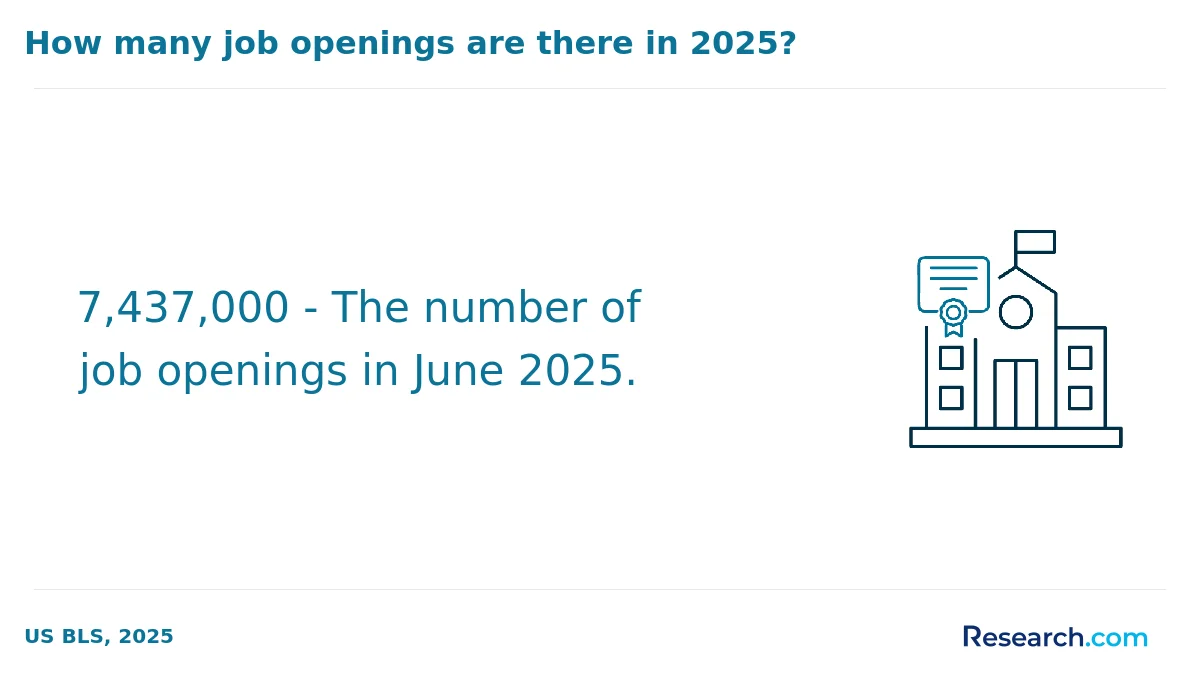
Many Baltimore trade school students find significant relief through the Free Application for Federal Student Aid (FAFSA), unlocking access to federal programs like the Pell Grant and Federal Supplemental Educational Opportunity Grant. One graduate of a popular Baltimore technical institute recalls how the Pell Grant covered much of their tuition, making certification within reach without overwhelming debt.
State aid adds another layer of support. The Maryland Community College Promise Scholarship is a game changer for those at local community colleges, covering up to $5,000 in remaining tuition and fees. For students attending private career schools, grants like the Howard P. Rawlings Educational Assistance Grant provide tailored financial aid targeting Baltimore's trade programs.
Veterans tapping into GI Bill® benefits often experience substantial tuition assistance, transforming military service into educational opportunities at approved Baltimore schools. Others benefit from specialized scholarships such as the Workforce Development Sequence Scholarship, designed to support specific career goals.
When grants and scholarships fall short, flexible loan options and payment plans offered by schools help keep dreams alive. Students often share stories of feeling empowered rather than burdened, finding Baltimore's financial aid landscape surprisingly accessible and supportive.
Enrolling in a trade school certification program in Baltimore often means meeting clear yet diverse prerequisites that reflect the demands of the specific field. Many apprenticeships in electrical, plumbing, HVACR, or carpentry require a high school diploma or GED. Graduates from Baltimore's popular trade schools recall showing proof of age and submitting a recent doctor's note, ensuring they're physically ready to tackle hands-on work.
Healthcare-focused programs-like diagnostic medical sonography-raise the bar. Baltimore students speak of needing at least 60 college credits with a solid GPA, completing challenging courses in biology, anatomy, and healthcare ethics. They emphasize how this academic rigor builds confidence and readiness for real patient care.
For aspiring commercial drivers at All-State Career and similar Baltimore institutions, minimal educational prerequisites contrast with strict safety screenings. Students remember passing a D.O.T. physical exam and drug screening, underscoring how personal dedication and passing background checks open doors.
Typical prerequisites include:
- High school diploma or GED for apprenticeships
- Physical fitness proofs, such as doctor's notes and age verification
- Minimum college credits and GPA for healthcare certifications
- Passing D.O.T. exams and drug tests for CDL programs
These standards ensure that Baltimore trade schools admit candidates ready to succeed both academically and physically, sparking pride and motivation among graduates stepping confidently into their new careers.

Trade school courses in Baltimore are designed to equip students with hands-on skills that open doors to thriving local industries. Graduates from popular schools in the city often point to programs like Building Construction Technology, Combination Welding, and Commercial Truck Driving as game-changers. Many students thrive in the Baltimore certificate program curriculum by engaging in practical lessons such as blueprint reading, welding techniques (MIG, TIG, SMAW), and mastering Class A and B CDL driving regulations.
Other sought-after courses focus on the growing demand for technical expertise, including Diesel Technology, Electrical Technology, and HRVAC training, where students learn everything from engine diagnostics to electrical code compliance and climate control systems. Those interested in healthcare or office environments find programs in Medical and Dental Assisting or Professional Office Assistant skills that blend medical terminology with efficient administration.
Students are often amazed by the balance of classroom study and real-world labs offered by trade schools like North American Trade Schools and others in Baltimore. For those exploring low-cost alternatives, options such as cheap online construction management programs provide further flexibility and opportunity.
Choosing the best trade school certification program in Baltimore starts with understanding your career goals and the practical skills needed. Graduates from North American Trade Schools often speak about the confidence gained through hands-on training in welding or HVAC-R, which perfectly blends classroom skills with on-the-job experience. This real-life preparation can make a significant difference when stepping into Baltimore's competitive job market.
Accreditation plays a crucial role; programs recognized by authorities like the NCCER assure that your certification will be well-respected by local employers. When comparing programs, also consider the Baltimore certification cost comparison, as some schools offer free tuition for eligible residents, reducing financial stress and enabling focus on learning.
Look for schools with strong employer connections and job placement support. Apprenticeships through local providers like ABC Greater Baltimore help students build valuable professional networks. For those uncertain about costs, exploring options like the most affordable floor installer certification online can supplement your search and expand possibilities.
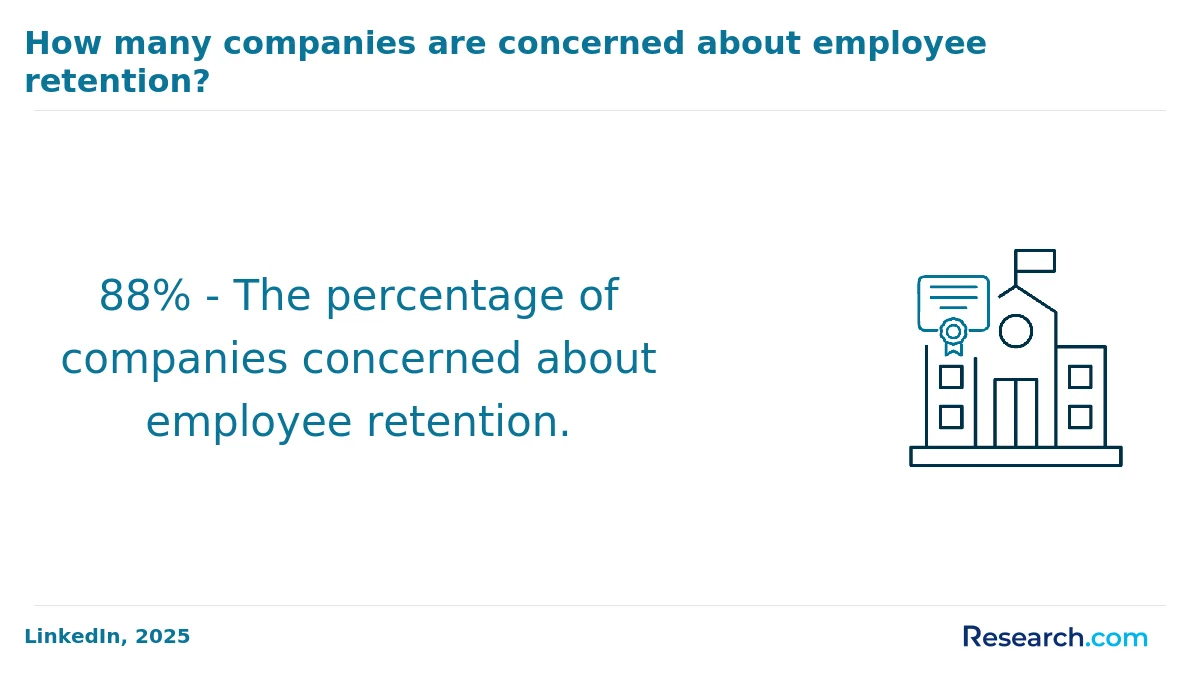
Graduates of trade school certification programs in Baltimore find themselves stepping into a variety of rewarding roles tailored to the city's dynamic economy. Many alumni from locally recognized schools embrace the potential of skilled trade jobs in Baltimore, entering fields such as HVAC, diesel technology, and general maintenance. These roles offer hands-on work that feels tangible and fulfilling, often tied to Baltimore's ongoing infrastructure projects and industrial sectors. One graduate described the satisfaction of solving real mechanical issues daily, turning classroom theory into practical expertise.
Medical-related certificate holders in Baltimore also report strong opportunities, with paths in Medical Assisting, Dental Assisting, Pharmacy Technology, and Medical Billing and Coding proving popular. For instance, graduates from reputable programs highlight how Baltimore's healthcare system values their quickly acquired skills, which translate into vital roles supporting patient care and administration.
Those pursuing trade school careers Baltimore MD can also explore commercial driving, gaining CDLs that open doors to diverse transport jobs, and administrative support through office assistant certifications, which meet growing demand in both business and public sectors.
Considering training options? Some students find trade school construction programs particularly effective for jumpstarting careers that blend practical skills with Maryland's economic needs.
The job market for trade school certification program graduates in Baltimore reflects a city eager for skilled professionals across healthcare, skilled trades, and commercial driving. Graduates from schools like All-State Career and North American Trade Schools (NATS) consistently report positive employment outcomes, thanks to tailored programs aligned with local employer demands. For example, many healthcare graduates quickly secure roles as medical assistants and pharmacy technicians within expanding hospital systems and clinics, a trend highlighting Baltimore trade school graduate employment trends.
Trade fields such as HVAC, welding, and diesel technology also offer compelling opportunities. Graduates often find themselves stepping into roles like maintenance technician or apprentice plumber, positions that local businesses actively advertise. The strong practical focus of programs at NATS ensures that students gain hands-on experience employers need, boosting confidence among new workers eager to join Baltimore's robust skilled trades workforce.
For those interested in logistics, CDL training at Baltimore trade schools opens doors to commercial driving careers, where steady demand for qualified drivers provides ongoing job openings. Graduates benefit from job placement support that bridges classroom learning with real-world employment.
- Healthcare certifications meet growing medical office needs
- Skilled trades programs designed in collaboration with local employers
- CDL training prepares for diverse driving opportunities
Students exploring trade certification options can also consider cheap cosmetology schools with online courses to diversify their skill set while remaining connected to Baltimore's dynamic job market.
Such clear alignment between education and employment reveals promising job opportunities for certified trades in Baltimore, where practical skills meet opportunity.
Best Certificate Programs - Leading Certification Courses in Baltimore for 2026
# 1 position
North American Trade Schools - Heating, Air Conditioning, Ventilation and Refrigeration Maintenance Technology/Technician.
certificate or diplomaThe Heating, Air Conditioning, Ventilation and Refrigeration Maintenance Technology/Technician program at North American Trade Schools prepares students to repair, install, service, and maintain HVAC and refrigeration systems. It includes training in diagnostic techniques, testing equipment, and principles of mechanics, electricity, and electronics. The hybrid program is accredited by the Accrediting Commission of Career Schools and Colleges. Graduates earn a median income of $36,464 one year after completion.
# 2 position
North American Trade Schools - Industrial Mechanics and Maintenance Technology/Technician.
certificate or diplomaThe Industrial Mechanics and Maintenance Technology/Technician program at North American Trade Schools offers hybrid learning options, combining in-person and distance education. It prepares students to repair and maintain industrial machinery, including cranes, pumps, engines, and conveyor systems. Graduates typically earn a median income of $34,004 one year after completion. The program is accredited by the Accrediting Commission of Career Schools and Colleges.
# 3 position
North American Trade Schools - Welding Technology/Welder.
certificate or diplomaThis Welding Technology/Welder program at North American Trade Schools offers a hybrid format with some distance-education options. It trains students in various welding techniques including arc welding, resistance welding, and high-energy beam welding, alongside instruction in safety, metallurgy, and welding processes. Graduates typically earn a median salary of $35,239 one year after completion. The program is accredited by the Accrediting Commission of Career Schools and Colleges.
# 4 position
All-State Career-Baltimore - Dental Assisting/Assistant.
certificate or diplomaThe Dental Assisting/Assistant program at All-State Career-Baltimore offers hybrid learning with some distance-education options. It prepares students to provide patient care, take dental radiographs, and assist with dental procedures under supervision. The curriculum includes medical record-keeping, office duties, equipment maintenance, basic radiography, and chairside assisting. Graduates had median earnings of $19,835 one year after completion. The program is accredited by the Accrediting Commission of Career Schools and Colleges.
# 5 position
All-State Career-Baltimore - Heating, Air Conditioning, Ventilation and Refrigeration Maintenance Technology/Technician.
certificate or diplomaThe Heating, Air Conditioning, Ventilation and Refrigeration Maintenance Technology/Technician program at All-State Career-Baltimore prepares students to repair, install, service, and maintain HVAC and refrigeration systems. Instruction covers diagnostic techniques, testing equipment, and principles of mechanics, electricity, and electronics. This hybrid program offers some distance education. Graduates have median earnings of $30,110 one year after completion. The program is accredited by the Accrediting Commission of Career Schools and Colleges.
# 6 position
Community College of Baltimore County - Automobile/Automotive Mechanics Technology/Technician.
certificate or diplomaThe Automobile/Automotive Mechanics Technology/Technician program at the Community College of Baltimore County offers a hybrid format with some distance-education options. It prepares students to repair, service, and maintain various automobile systems, including brakes, electrical, engine performance, and transmissions. The program is accredited by the Middle States Commission on Higher Education. Annual in-state tuition is $4,380.
# 7 position
Community College of Baltimore County - Computer Numerically Controlled (CNC) Machinist Technology/CNC Machinist.
certificate or diplomaThe Computer Numerically Controlled (CNC) Machinist Technology program at Community College of Baltimore County offers a hybrid learning format. It prepares students to operate CNC machine tools, including lathes and mills, and covers programming, setup, troubleshooting, and blueprint reading. Instruction includes technical mathematics, CAD/CAM systems, safety practices, and equipment regulations. The program is accredited by the Middle States Commission on Higher Education. Annual in-state tuition is $4,380.
# 8 position
All-State Career-Baltimore - Medical Insurance Specialist/Medical Biller.
certificate or diplomaThe Medical Insurance Specialist/Medical Biller program at All-State Career-Baltimore offers a hybrid format with some distance-education options. It prepares students to manage medical and health insurance operations in various healthcare settings. Coursework covers insurance processes, law, paperwork administration, software applications, billing, and communication skills. The program is accredited by the Accrediting Commission of Career Schools and Colleges. Median earnings one year after completion are $23,887.
Frequently Asked Questions about trade school certificates
Preparing for the job market after completing trade school certification programs in Baltimore involves several strategic steps. Graduates should first focus on building a strong resume that highlights their specific skills and hands-on experience gained during training. According to the U.S. Bureau of Labor Statistics, Baltimore has a growing demand for certified professionals in fields such as HVAC, electrical work, and healthcare support, with job growth projected at 7% over the next decade.
Networking with local employers and attending job fairs in Baltimore can open doors to immediate employment opportunities. Many trade schools also offer career services that assist with interview preparation and job placement, which graduates should utilize actively.
Additionally, obtaining relevant state licenses or certifications, like the Maryland HVAC license, often boosts employability and wage potential. Continuous learning through online courses or workshops helps graduates stay updated with industry trends, increasing their competitiveness in the Baltimore job market.
Employers in Baltimore prioritize both technical and soft skills when seeking graduates of trade school certification programs. Key technical skills include proficiency in equipment operation, electrical systems, and HVAC maintenance, reflecting the city's strong manufacturing and construction sectors. According to the Maryland Department of Labor, skills like welding and computer-aided design (CAD) also rank highly in demand.
Beyond technical abilities, employers emphasize communication, problem-solving, and teamwork. A 2023 survey by the National Skills Coalition found that 82% of Baltimore employers value interpersonal skills as essential alongside vocational expertise. Time management and adaptability are also frequently cited, as these traits help graduates succeed in fast-paced work environments.
Finding internships in Baltimore that align with your trade school certification program involves targeted research and proactive outreach. Start by exploring local workforce agencies such as the Maryland Department of Labor, which often posts internship openings relevant to skilled trades. Many Baltimore-area trade schools also maintain partnerships with businesses in construction, healthcare, and automotive sectors, offering internship placement assistance.
Networking is crucial. Attend career fairs hosted by institutions like Baltimore City Community College to connect directly with employers seeking interns. Utilize online job platforms like Handshake and Indeed, filtering results specifically for paid and unpaid internships within Baltimore's trade industries.
According to the Maryland Higher Education Commission, internships in skilled trades grew by 8% from 2021 to 2023, highlighting increasing opportunities in the region.
Trade school certifications in Baltimore significantly impact career mobility and advancement opportunities. Many local industries, such as construction, healthcare, and technology, highly value these certifications for their practical skills training. According to the Baltimore Workforce Development Board, individuals with trade certificates experience employment rates up to 15% higher than those without specialized credentials.
Certifications also often lead to higher starting salaries and faster promotions. For example, the Maryland Department of Labor indicates that certified technicians in fields like electrical work or HVAC can earn between 20-30% more than uncertified workers in Baltimore. This wage premium supports socioeconomic mobility.
Additionally, trade certifications help workers adapt to evolving job market demands, making them more competitive in Baltimore's dynamic economy. Partnerships between trade schools and local employers facilitate internships and job placements, enhancing career advancement prospects.
Part-time jobs in Baltimore can significantly enhance the practical experience of students enrolled in trade school certification programs. Popular opportunities include roles in construction, automotive repair, and healthcare support, aligning with many vocational fields. According to the U.S. Bureau of Labor Statistics, Baltimore's construction sector employed over 14,000 workers in 2023, often offering part-time laborer positions suitable for students.
Healthcare roles such as home health aides or medical assistants also provide part-time openings, reflecting Baltimore's growing healthcare industry. These jobs help students apply classroom knowledge in real-world settings while earning income. Local job listings from the Maryland Department of Labor indicate that part-time technical and repair positions in Baltimore increased by 5% in recent years.
Additionally, retail or warehouse jobs can develop workplace skills like communication and time management, which are valuable when entering the trade workforce. Balancing these roles with studies can help students build professional networks within Baltimore's active trade economy.
To choose the best degree program near me in Baltimore, MD, consider identifying your field of interest and the career outcomes associated with it. Research universities and colleges in the area, evaluating their programs based on faculty expertise, resources, and alumni success, which can be further explored through platforms like Research.com. Additionally, consult rankings and reviews of programs near Baltimore, MD to determine which institutions have strong reputations and could align with your educational and professional goals.
- Best Trade School & Training Programs - Leading Certification Courses in Hamburg for 2026
- Best Trade School & Training Programs - Leading Certification Courses in Akron for 2026
- Best Trade School & Training Programs - Leading Certification Courses in Adrian for 2026
- Best Trade School & Training Programs - Leading Certification Courses in Florence for 2026
- Technical Programs - Baltimore County Public Schools https://www.bcps.org/curriculum/programsandoptions/educational_opportunities_and_services/career_and_technical_education/c_t_e_programs/technical_programs
- No Cost Training Programs in Baltimore - Per Scholas https://perscholas.org/locations/baltimore/
- Are Online Trade Schools Worth It? - Center for Employment Training https://cetweb.edu/blog/are-online-trade-schools-worth-it
- Trade School Programs & Courses https://www.best-trade-schools.net/programs/
- Online Trade School https://www.ashworthcollege.edu/area-of-study/trades/
- Trade School Programs in Baltimore, MD | All-State Career https://www.allstatecareer.edu/campuses/maryland/baltimore.html
- Vocational vs. Trade School: Choosing the Right Path https://www.genesiscareer.edu/vocational-vs-trade-school-guide/
- Nces - Ipeds https://nces.ed.gov/ipeds/
- Internship Programme | UN Trade and Development (UNCTAD) https://unctad.org/page/internship-programme
- Trade School Programs & Courses | UEI College https://www.uei.edu/trade-school-programs/


