
Best Trade School & Training Programs - Leading Certification Courses in Coeur D'Alene for 2026

Co-Founder and Chief Data Scientist
If you're considering a trade school in Coeur D'Alene for 2026, this article is here to guide you. Choosing the right program can be overwhelming, but our detailed ranking, created by the Research.com team of data scientists, makes it easier to find quality options.
Getting a diploma or certification from a trade school opens doors to rewarding careers with practical skills. Reading this article will help you make an informed decision and feel confident about your future path.
Explore the best trade schools and take a step toward success that fits your goals and lifestyle.
Key benefits of finishing trade school programs trade school in Coeur D'Alene
- Strong earning potential: Trade school graduates in Coeur D'Alene earn competitive salaries, such as first-line supervisors making around $65,660 and carpenters earning about $56,350 annually, reflecting solid financial opportunities across trades.
- Popular career paths: Graduates often find work in construction trades, mechanical repair like diesel mechanics, transportation management, and specialized roles like logging equipment operators, offering diverse options to match skills and interests.
- Flexible online education: Completing a trade school diploma or certification online allows for a convenient learning schedule, which many local students appreciate, balancing work, family, and study effectively while advancing their careers.
- Best Trade School & Training Programs - Leading Certification Courses in Coeur D'Alene for 2026
- What can I expect from trade school programs trade schools in Coeur D'Alene?
- Where can I work after finishing trade school programs trade schools in Coeur D'Alene?
What can I expect from trade school programs trade schools in Coeur D'Alene?
Students considering trade school programs in Coeur d'Alene often find the average cost ranges between $5,000 and $15,000 depending on the length and specialization of the program. Graduates from institutions like North Idaho College frequently recall how affordable the investment felt compared to traditional four-year degrees, especially when weighed against the quick transition to well-paying careers.
Expect to engage in small, supportive classes that make hands-on learning feel personal and empowering-imagine mastering welding techniques or dental hygiene skills with direct instructor guidance. Many students appreciate the dual enrollment options through Kootenai Technical Education Campus, which allow ambitious high schoolers to gain valuable credits and certifications without significant upfront costs.
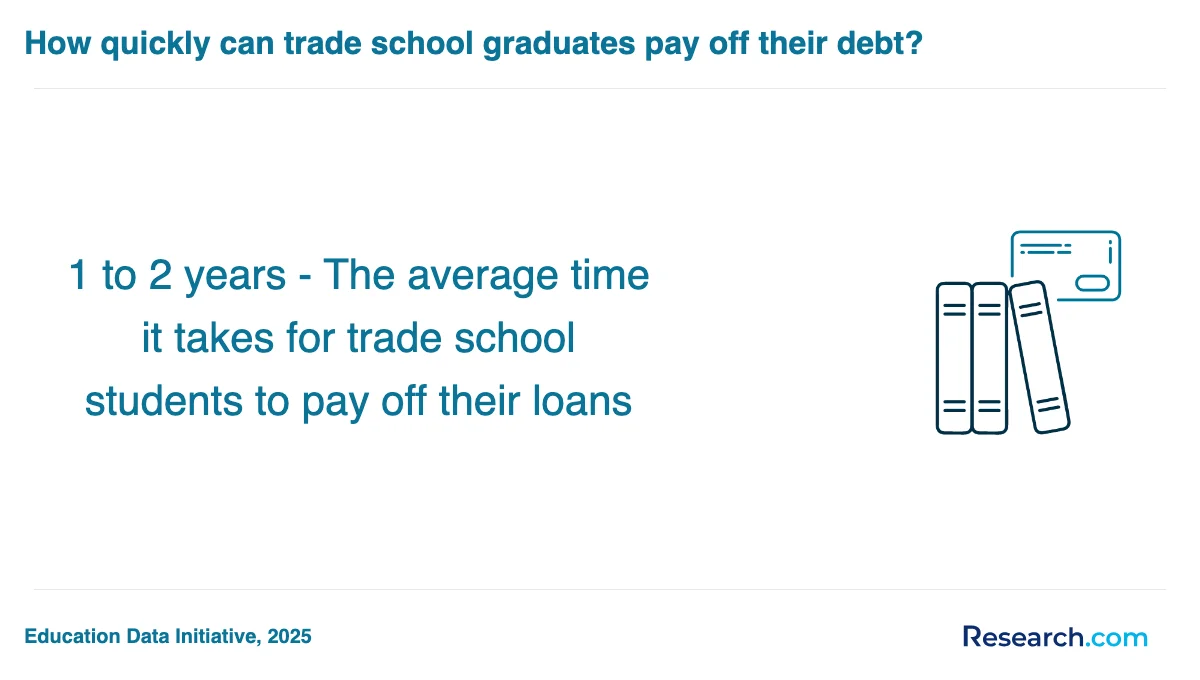
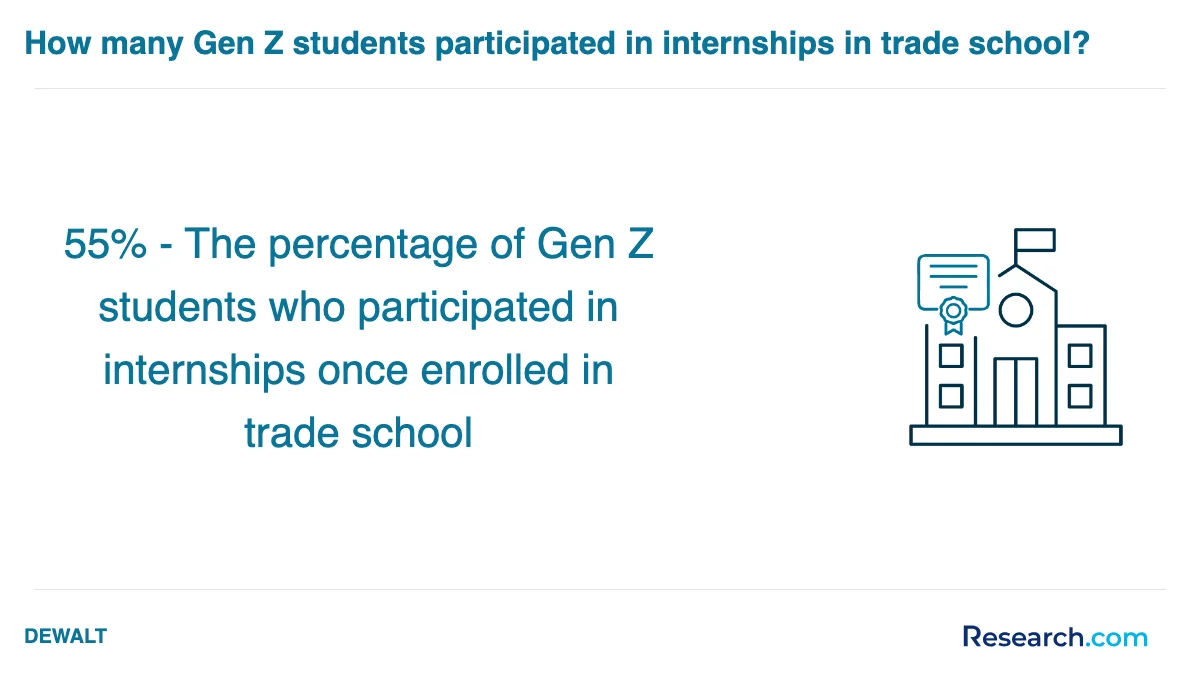
Those who have completed programs in areas like cybersecurity or radiography often highlight how internships and local employer partnerships made their training feel immediately relevant and practical. This combination of reasonable tuition, vibrant support, and real-world experience turns trade schools in Coeur d'Alene into a compelling choice for those eager to jumpstart their careers without burdensome debt.
Where can I work after finishing trade school programs trade schools in Coeur D'Alene?
Graduates from trade schools in Coeur D'Alene often step directly into rewarding careers that are both stable and in high demand. Imagine finishing a hands-on electrical program and landing a job as an apprentice electrician with a local construction company. Others from plumbing or HVAC courses find themselves providing essential services in homes and businesses, gaining skills that lead to upward mobility.
Many graduates recall how quickly they were recruited by industries like manufacturing, property management, or healthcare support after completing their programs. For example, CNA and dental hygiene students frequently secure positions in nearby hospitals and clinics, experiencing the satisfaction of meaningful, community-centered work.
The city's bustling development fuels openings for welders, heavy equipment operators, and maintenance technicians, offering graduates opportunities to work outdoors or in dynamic industrial environments. With over 200 trade job openings reported recently, students from Coeur D'Alene's skilled trades programs can confidently envision career paths that balance good wages and personal growth.
Graduates from trade schools in Coeur d'Alene report feeling empowered by the earning potential that follows their programs. Many find themselves stepping into roles where hourly wages range from about $17 to over $31, depending on the trade and experience. For example, those trained as electricians or plumbers start with respectable salaries around $35,800 annually, and with additional certifications, some advance to salaries nearing $65,000.
Specific programs at popular local institutions equip students with skills that employers in Coeur d'Alene highly value, translating to an average annual income of approximately $63,000, or about $30 per hour. Graduates share how this income allows them to support families comfortably or invest in further certifications, unlocking even higher wages.
In fields like healthcare or computer support, wages can surpass $43 per hour, reflecting the demand for certified technicians in the region. The reality for many trade grads here is a career pathway that quickly moves from training to financial independence and pride in skilled work.
- Admission to trade programs in Coeur D'Alene is often competitive, with some requiring interviews, placement exams, or prior coursework.
- Most trade school certificates take between 6 to 24 months to complete, depending on the field of study.
- The average total cost for a trade school program is around $33,000, with financial aid like grants and scholarships commonly available.
- Job placement rates for graduates are high, with entry-level salaries typically ranging from $35,000 to $50,000 annually.
- With experience and additional certifications, skilled professionals can earn $60,000 or more in technical healthcare and trades roles.
Completing a trade school program in Coeur D'Alene can be remarkably swift compared to traditional degrees, with many graduates sharing relief and excitement about entering the workforce quickly. Certificate programs, common at local colleges, often finish within 6 to 9 months, ideal for students eager to start careers in welding, medical assisting, or HVAC roles. Graduates frequently describe the hands-on experience as a confidence booster, preparing them immediately for job demands.
For those aiming higher, most trade programs span 18 to 24 months, offering advanced certificates or associate degrees in technical areas like automotive repair or culinary arts. These programs balance classroom learning with practical skills, making students feel ready and valued by employers. Apprenticeships, especially popular through North Idaho College, take longer-typically two to four years-but paid on-the-job training alongside classes makes the commitment worthwhile, with many expressing pride in mastering their craft while earning.
Flexible scheduling with evening or weekend classes allows working students to customize their pace, adding personal control to the journey. Such options are often praised for enabling students to balance life while advancing their careers effectively.
The difference between online and on-campus trade school programs in Coeur D'Alene hinges on how and where students engage with their education. Online programs, like those offered through the University of Idaho Coeur d'Alene, connect busy adults juggling work or family by allowing coursework to be completed on a personal schedule. Graduates appreciate the flexibility of accessing lectures and assignments anytime, which makes balancing life and study feel achievable. This remote approach suits careers in business or allied health, where hands-on practice can be arranged locally or through virtual simulations.
On the other hand, traditional on-campus programs such as those at Lewis-Clark State College CDA Center demand in-person attendance, creating a vibrant learning environment. Students training in trades like welding or HVAC thrive on immediate, hands-on experience-operating real equipment and collaborating face-to-face with instructors and peers. For many, this direct interaction fosters confidence and deep skills development, making the campus community a source of motivation and support throughout their program.
The average cost of a trade school program in Coeur D'Alene is closely tied to local institutions like North Idaho College, where in-state tuition runs about $4,000 per year. Add fees of $960 and approximately $2,400 for books and supplies, and the expenses start to paint a clearer picture. Graduates often recall balancing this investment with part-time work or financial aid, highlighting how the total yearly cost, including housing and living expenses, can reach near $19,000. This can feel manageable when weighed against the value of entering the workforce swiftly with practical skills.
For those comparing Coeur D'Alene trade school tuition and fees, it's essential to recognize that programs here typically last from several months up to two years, shorter than traditional degrees, which can make the cost feel more attainable. Trade students shared how choosing the right program length and specialization helped reduce overall expenses, making their education more affordable than expected.
Statewide, the average tuition and fees in Idaho hover around $16,649 for trade schools, reflecting a mix of public and private options. This means Coeur D'Alene's pricing stays competitive, particularly thanks to public schools that offer lower rates to residents. Many students tap into federal or state grants, scholarships, or loans, often averaging around $3,928 per year in aid, reducing financial burdens and fostering confidence in pursuing career goals.
To navigate these numbers successfully, it helps to explore resources and compare options thoughtfully. Students often find this easier when using tools like the trade school and vocational school comparison site, which guides them toward programs that align with their budget and career ambitions.
Trade school students in Coeur D'Alene have access to a variety of financial aid options designed to lighten the burden of tuition and related costs. Many graduates recall how completing the FAFSA unlocked federal resources like the Federal Pell Grant, which can award up to $7,395 based on financial need, making hands-on programs feel much more attainable.
Local scholarships also offer meaningful support. For instance, the Coeur d'Alene Regional Chamber Scholarship provides $1,000 awards to qualifying students, rewarding academic effort and community involvement-something graduates from schools like Paul Mitchell The School often highlight as a helpful boost to their education journey.
Students affiliated with the Coeur d'Alene Tribe experience additional financial assistance through the Tribe's Higher Education Office, which helps cover tuition and supplies. This aid often feels like a stepping stone for tribal students committed to building a skilled career locally.
Many students emphasize the importance of checking in regularly with their trade school's financial aid office. Each institution adapts its aid offerings, so staying informed can open doors to private scholarships and institutional grants that reduce out-of-pocket expenses significantly.
Enrolling in a trade school program in Coeur D'Alene usually starts with meeting straightforward prerequisites. Most schools, like North Idaho College (NIC), require a high school diploma or GED as the baseline, making these programs accessible to many eager learners.
However, some programs demand more preparation. Graduates from limited enrollment courses such as Automotive Technology or Welding recall completing English and Math placement tests, often using recent SAT or ACT scores or previous college transcripts to secure their spot. These programs encourage early application-sometimes three to six months ahead-to beat the competitive rush.
Selective entry programs, including Nursing or Dental Hygiene, add layers of requirements. Students share experiences of navigating prerequisite classes, maintaining minimum GPAs, passing background checks, and undergoing interviews, which can be daunting but rewarding as they scoped out their career paths.
- High school diploma or equivalent
- Placement tests in English and Math for limited enrollment programs
- Prerequisite coursework and GPA standards for selective programs
- Additional steps like background checks, drug screenings, and interviews for some fields
Program advisors in Coeur D'Alene play a key role, guiding students through these processes to make their goals achievable. Graduates often emphasize how early preparation and advising turned uncertainty into confidence on their journey.
Trade school programs in Coeur D'Alene offer hands-on courses that prepare students for in-demand careers with practical skills. Graduates from Kootenai Technical Education Campus (KTEC) often talk about the rewarding experience of mastering automotive repair over two years, learning everything from diagnostics to safety protocols under real-world conditions. Similarly, students in Manufacturing & Design quickly gain confidence working with computer-aided drafting (CAD) and electro-mechanical systems, which opens doors to engineering and technology roles.
The variety of courses reflects the vibrant local economy's needs. Popular programs include:
- Construction Trades focusing on residential carpentry with comprehensive project planning and actual building practice
- Diesel Technology where students work directly on engines and heavy equipment, gearing up for ASE certification
- Millwright programs that teach welding alongside equipment troubleshooting for steady industrial jobs
At North Idaho College, students enthusiastic about tech or healthcare find opportunities in computer information technology, cybersecurity, radiography, and surgical technology, with some programs lasting just six months. Many appreciate the smaller class sizes and flexible schedules that help balance work and study, turning aspirations into real career boosts in Coeur D'Alene's growing job market.
Trade school programs in Coeur D'Alene offer a variety of specializations that connect students directly with local industry needs and hands-on career paths. Graduates from North Idaho College's Workforce Training Center often speak about their immersive experiences in welding, electrical work, and construction apprenticeship programs, where they acquired skills like blueprint reading and framing through a blend of classroom learning and real-world practice. The satisfaction of mastering these trades is palpable among students aiming for rewarding technical careers.
Students interested in industries like manufacturing, transportation, and construction find robust training in precision machining, industrial maintenance mechanics, and heavy equipment repair. These areas reflect growing demands in Idaho's workforce and give learners a competitive edge in sectors with strong job stability.
- Cosmetology and barbering programs equip students with expertise in haircutting, coloring, and facial grooming, helping graduates confidently move into professional salons.
- Technology-centric paths-such as electronics and web design-are available through the University of Idaho's Coeur D'Alene campus, merging creativity with technical instruction.
For those exploring less traditional routes, searching for affordable online solar technician trade school programs is a smart way to expand skills in renewable energy, opening doors beyond local opportunities.
When exploring the best trade school programs in Coeur D'Alene, graduates often emphasize the importance of accreditation and program flexibility. One student recalled balancing work and evening HVAC classes seamlessly, thanks to local schools offering weekend options. This flexibility is a common advantage for many, especially when juggling personal commitments. Another graduate highlighted how they compared job placement rates at different colleges in the area, realizing that reputation truly impacts post-graduation success.
Understanding how to compare trade schools in Coeur D'Alene means looking beyond tuition and course lists. Schools with strong support services like career counseling and internship placements often provide a smoother transition into the job market. For those concerned about costs, seeking financial aid or scholarships can make a crucial difference, as shared by students who found relief through local offerings.
For practical insights and budget-friendly alternatives, exploring the cheapest home remodeling and repair courses online can supplement your local options.
Trade school career opportunities in Coeur D'Alene open doors to dynamic fields where graduates quickly find their footing. Local graduates from North Idaho College often share how hands-on training in electrical, plumbing, and HVAC led them to rewarding roles right after completion, blending classroom theory with real-world experience.
Popular career paths include manufacturing, transportation, and construction, with high demand for skilled roles like automotive technician, welder, and industrial maintenance mechanic. Many find satisfaction mastering practical skills that solve everyday challenges in their communities.
Some graduates pursue less traditional but equally viable fields such as culinary arts or veterinary technology, shaping vibrant careers with a personal touch. These pathways highlight the highest paying trade jobs in Coeur D'Alene, with entry wages surpassing many other industries requiring only a high school education.
Students interested in expanding their options can explore construction training programs online, which connect aspiring professionals with flexible learning tailored to local industry needs.
The job market for trade school graduates in Coeur D'Alene is notably strong, reflecting a community in real need of skilled professionals. Graduates from local trade schools often find immediate employment thanks to robust demand from employers seeking hands-on expertise. These opportunities span a variety of roles such as HVAC supervisors, diesel mechanics, and apartment maintenance technicians, illustrating the broad scope available. Many graduates share positive experiences, highlighting how quickly they transitioned from classroom instruction to full-time work, often with competitive wages ranging from $38,000 to $70,000 annually.
Trade school job opportunities in Coeur D'Alene benefit from active cooperation between industry and education. Programs are fine-tuned to meet regional needs, with apprenticeships in emerging fields like logging equipment operation and airframe mechanics. These positions commonly come with paid training and benefits, which increases their appeal. Recent graduates appreciate this pathway as more affordable and faster compared to traditional four-year degrees.
For those exploring options, many local students have found success pursuing cheap online construction trade school programs to complement hands-on experience, which expands their career flexibility and readiness in this evolving job market.
The skilled trades employment outlook North Idaho remains positive, with over 200 current openings and at least 14 active apprenticeships locally. Graduates frequently emphasize the personal satisfaction of working in a field that values skill and offers clear routes for advancement.
Best Trade School & Training Programs - Leading Certification Courses in Coeur D'Alene for 2026
# 1 position
North Idaho College - Physical Therapy Assistant.
associateNorth Idaho College offers a Physical Therapy Assistant program with a hybrid format that includes some distance education. The program prepares students to implement treatment plans, train patients, conduct interventions, and document progress under physical therapist supervision. Instruction covers anatomy, physiology, biomechanics, neuroscience, and professional ethics. Annual in-state tuition is $3,396. Graduates earn a median salary of $45,672 one year after completing the program. It is accredited by the Northwest Commission on Colleges and Universities.
# 2 position
North Idaho College - Electrician.
associateNorth Idaho College offers a Hybrid Electrician program designed to equip students with technical skills to install, operate, maintain, and repair electric systems including residential, commercial, and industrial wiring. The curriculum covers electronics, electrical systems, wiring, power transmission, safety, job estimation, and applicable codes. Annual in-state tuition is $3,396. The program is accredited by the Northwest Commission on Colleges and Universities.
# 3 position
North Idaho College - Automobile/Automotive Mechanics Technology/Technician.
associateNorth Idaho College offers a hybrid program in Automobile/Automotive Mechanics Technology/Technician that prepares students to repair, service, and maintain various automobiles. The curriculum covers brake and electrical systems, engine performance, repair, suspension, steering, transmissions, and heating and air conditioning systems. Annual in-state tuition is $3,396. Graduates have median earnings of $36,909 one year after completion. The program is accredited by the Northwest Commission on Colleges and Universities.
# 4 position
North Idaho College - Automobile/Automotive Mechanics Technology/Technician.
certificate or diplomaNorth Idaho College offers a hybrid program in Automobile/Automotive Mechanics Technology/Technician that prepares students to repair, service, and maintain various automobile systems. The curriculum includes brake, electrical, engine, suspension, transmission, and heating and air conditioning systems. Annual in-state tuition is $3,396. Graduates earn a median income of $36,909 one year after completion. The program is accredited by the Northwest Commission on Colleges and Universities.
# 5 position
North Idaho College - Clinical/Medical Laboratory Assistant.
associateNorth Idaho College offers a Clinical/Medical Laboratory Assistant program in a hybrid format, combining in-person and distance education. The program trains students to perform waived testing procedures, phlebotomy, and laboratory support tasks under supervision. Coursework includes clinical procedures, laboratory tests, equipment operation, safety, and communication skills. Annual in-state tuition is $3,396. Graduates have median earnings of $45,672 one year after completion. The program is accredited by the Northwest Commission on Colleges and Universities.
# 6 position
North Idaho College - Computer Science.
associateNorth Idaho College offers a Computer Science program with a hybrid format, including some distance-education options. The curriculum covers computer theory, problem-solving, system design, and user interfaces from a scientific perspective. Instruction includes computational science principles, programming, and diverse applications. The annual in-state tuition is $3,396. This program is accredited by the Northwest Commission on Colleges and Universities.
# 7 position
North Idaho College - Computer and Information Systems Security/Auditing/Information Assurance.
associateNorth Idaho College offers a hybrid program in Computer and Information Systems Security/Auditing/Information Assurance that prepares students to assess and manage security needs of computer and network systems. The curriculum includes computer architecture, programming, networking, cryptography, security auditing, law, risk assessment, and investigation techniques. The program is accredited by the Northwest Commission on Colleges and Universities. Annual in-state tuition is $3,396.
# 8 position
North Idaho College - Legal Assistant/Paralegal.
associateNorth Idaho College offers a Legal Assistant/Paralegal program with a hybrid format that includes some distance education. The program prepares students to perform legal research, drafting, investigatory tasks, record-keeping, and related administrative duties under attorney supervision. Instruction covers legal research, document drafting, appraising, pleading, courthouse procedures, and legal specializations. Annual in-state tuition is $3,396. The program is accredited by the Northwest Commission on Colleges and Universities.
# 9 position
North Idaho College - Criminal Justice/Safety Studies.
associateNorth Idaho College offers a Criminal Justice/Safety Studies program with a hybrid format, providing some distance-education options. The program focuses on the criminal justice system, including criminal law, policy, police and correctional systems, administration of justice, and public attitudes. Annual in-state tuition is $3,396. The program is accredited by the Northwest Commission on Colleges and Universities.
# 10 position
North Idaho College - Criminal Justice/Police Science.
associateNorth Idaho College offers a Criminal Justice/Police Science program with a hybrid format, combining in-person and distance education. The program trains students for law enforcement duties such as patrol, investigation, traffic and crowd control, evidence management, and report preparation. Annual in-state tuition is $3,396. The program is accredited by the Northwest Commission on Colleges and Universities.
Frequently Asked Questions about trade school programs
After completing trade school in Coeur D'Alene, preparing for the job market involves several strategic steps. First, it is essential to develop a targeted resume highlighting your technical skills and certifications obtained during your program. Employers in trades like HVAC, plumbing, and electrical work often seek candidates who demonstrate practical experience.
Engaging with local workforce centers, such as those operated by the Idaho Department of Labor, can provide valuable job leads and networking opportunities. According to the Idaho Department of Labor, the construction and manufacturing sectors in Coeur D'Alene have shown steady employment growth, benefiting trade graduates.
Additionally, obtaining relevant industry certifications beyond school requirements can increase employability. Attending job fairs and connecting with apprenticeship programs in the region also enhances chances of employment. Continuous skill upgrading is key in a competitive job market.
Employers in Coeur D'Alene highly value trade school graduates with strong technical skills relevant to their industry. According to Idaho Department of Labor data, proficiency in welding, electrical systems, HVAC, and automotive repair ranks among the top skills sought by local employers. Beyond technical expertise, soft skills such as problem-solving, communication, and teamwork are crucial for workplace success.
Attention to safety standards is also a priority, especially in construction and manufacturing sectors, where adherence to OSHA guidelines is regularly expected. A 2023 regional workforce report noted that 68% of employers prefer graduates who demonstrate both hands-on ability and strong interpersonal skills.
Developing a solid foundation in these areas significantly improves job placement opportunities within Coeur D'Alene's competitive job market.
To find internships in Coeur D'Alene related to your trade school program, start by connecting with local businesses and employers in industries that match your field. Many trades such as construction, automotive, and healthcare offer internship opportunities through small companies and regional branches. Checking with your trade school's career services office can also provide you with listings and contacts, as schools often partner with local employers to place students.
Online job platforms like Indeed and LinkedIn list internships specifically in Coeur D'Alene, allowing you to filter by trade sectors. The Idaho Department of Labor reports growth in manufacturing and skilled trades, which means more internships may become available in these areas through local unions and trade associations.
Additionally, attending career fairs hosted by local community colleges or technical centers provides direct access to employers actively seeking interns. Engaging with organizations like the Coeur d'Alene Chamber of Commerce can also reveal internship programs and networking events geared toward trades.
A trade school diploma in Coeur D'Alene can significantly improve career mobility by providing practical, industry-specific skills highly valued by local employers. According to Idaho Department of Labor data, sectors like construction and manufacturing in Coeur D'Alene show steady growth, with trade school graduates often filling skilled roles quickly. Earning a diploma enables workers to access higher wages and promotions compared to individuals without formal training, enhancing upward economic mobility.
Additionally, trade credentials help graduates differentiate themselves in competitive job markets. Certifications in fields such as automotive repair or electrical work often lead directly to employment opportunities and career advancement within regional firms, contributing to both short- and long-term job stability.
Part-time job opportunities in Coeur D'Alene can effectively complement trade school education by providing hands-on experience and income. Fields such as construction, automotive repair, and healthcare often hire part-time workers who bring practical skills gained from trade programs. According to Idaho's Department of Labor, healthcare support and skilled trades positions have grown by 8% since 2020, reflecting regional demand. Students in electrical or HVAC programs might find part-time roles as apprentices or assistants, enhancing their technical abilities. Retail and hospitality jobs are also common but less directly related to trade skills. Balancing work and study helps students build resumes and professional networks in the local labor market.
Finding the best degree program near me can involve considering local universities and colleges that offer quality programs. Near Coeur D'Alene, ID, North Idaho College is a well-known institution that provides various associate degree programs and serves as a gateway to further education and bachelor's degree options. When researching, using a platform such as Research.com can be helpful to explore and compare degree programs based on academic offerings and reputation.
- Trade School, Community College, Four-Year University...Which Route Is for Me? | Washington Trust Bank https://www.watrust.com/articles/trade-school-community-college-four-year-university--which-route-is-for-me
- Academic Programs - North Idaho College https://www.nic.edu/programs/
- Trades & Industry | Kootenai Bridge Academy https://www.kootenaibridgeacademy.org/article/866412
- Learn A Trade - SUNY https://www.suny.edu/trades/
- Local education, training leaders discuss workforce development in a changing economy | North Idaho Business Journal https://businessjournalnorthidaho.com/news/2025/jun/24/july-nibj-training-today-for-jobs-of-tomorrow-nibj/
- KTEC | Kootenai Technical Education Campus https://www.ktectraining.org/
- EHHS academics | University of Idaho https://www.uidaho.edu/ed/ci/academics/cte


