Most Affordable Certificate Programs - Leading Certification Courses in Auburn for 2026

Co-Founder and Chief Data Scientist
Choosing the right trade school certificate program in Auburn can feel overwhelming, but it doesn’t have to be. This article presents a carefully crafted ranking of the most affordable certificate programs for 2026, developed by the Research.com team of data scientists.
We designed this guide to help you make an informed decision about which programs offer real value without breaking the bank. Earning a trade school diploma or certification opens doors to new career opportunities and personal growth.
Explore your options confidently and take a positive step toward your future today.
Key benefits of getting trade school certificate in Auburn
- Expected salaries for trade school graduates in Auburn are impressive, with apprentices earning $16,000 to $41,750 annually and skilled trades workers like electricians and HVAC technicians making between $35,500 and $90,000+ depending on experience.
- Popular career paths include high-demand fields such as construction management, where building science graduates start with salaries over $70,000 and enjoy 100% job placement, as well as roles in electrical work, mechanics, and HVAC.
- Online trade school certification offers flexibility and convenience, allowing students to earn valuable credentials on their own schedule, which can speed up entry into the workforce compared to traditional on-campus programs.
- Most Affordable Certificate Programs - Leading Certification Courses in Auburn for 2026
- What can I expect from trade school certification programs in Auburn?
- Where can I work with trade school certification in Auburn?
What can I expect from trade school certification programs in Auburn?
The average cost of a trade school certification program in Auburn typically ranges from $3,000 to $10,000, depending on the trade and the institution. For instance, graduates from welding or HVAC programs at Southern Union State Community College often share how the affordable tuition combined with hands-on training allowed them to enter the workforce quickly without heavy debt. Electrical and automotive certification programs, which may extend up to 18 months, tend to be at the higher end of this range but often include access to specialized equipment and instructor support that students find invaluable.
Many students appreciate that Auburn's trade schools provide flexible payment options and financial aid tailored to local learners balancing work or family. Graduates frequently mention that the investment feels manageable compared to traditional degrees, especially when factoring in the direct career pathways enabled by partnerships with local businesses, such as paid apprenticeships through the FAME Advanced Manufacturing Technician program.
Ultimately, students find that the cost aligns well with the practical skills gained and the strong job prospects they enjoy after completing their certifications.
Where can I work with trade school certification in Auburn?
Graduates from Auburn's trade school certification programs quickly find opportunities in thriving local industries. Many secure roles in advanced manufacturing, working with cutting-edge technologies like robotics and industrial automation at plants connected to the Auburn Advanced Manufacturing Training Center. These graduates often start as industrial systems technicians or machinists, finding steady work thanks to strong partnerships between schools and manufacturers.
In construction trades, certified students join regional contractors or Auburn University's maintenance teams. Entry-level construction technicians report satisfaction from hands-on roles that pay between $16.70 and $27.66 per hour, providing a solid income while building experience. Those with HVAC, electrical, or plumbing certifications commonly find apprenticeships turning into long-term jobs with competitive wages from $22 to $40 per hour.
Trade school alumni talk about confidence gained from practical training and direct employer connections. Companies like Hyundai MOBIS actively recruit local graduates for electrical maintenance and facility support roles, offering career growth. Auburn's tight-knit community and workforce programs ensure students can transition smoothly from classrooms to paid work, making certification programs a practical and rewarding path to skilled employment.
After finishing a trade school certification program in Auburn, graduates typically earn between $42,200 and $68,100 annually, depending on their field and employer. Many find positions as HVAC technicians, electricians, or construction workers, where starting salaries often fall in this range, making it a practical path to financial stability.
Graduates from popular Auburn trade schools report starting wages around $16.70 to $23.26 per hour, such as for Construction Tech I roles. This translates to roughly $34,700 to $48,400 annually for full-time work, giving new professionals a concrete stepping stone toward reliable income.
Apprenticeships add another layer of opportunity, with pay ranging from about $16 to $32 per hour, depending on experience. For example, maintenance apprentices in Auburn earn $24.25 to $32.13 per hour, equating to $50,400 to $66,800 yearly-showing how hands-on training can quickly boost earning potential.
With experience and added certifications, skilled tradespeople in Auburn can surpass $70,000 annually, with elite roles reaching as high as $132,788 per year or over $66 per hour. Many graduates find this career advancement motivating, seeing trade certification as a gateway to a fulfilling and prosperous career.
- Maria: Completing the HVAC certification in Auburn was a game changer. The hands-on training made complex systems easy to understand, and local employers value this practical experience. Now, I'm confidently working as a technician, knowing I have a solid foundation from my trade school days.
- Jordan: Pursuing the welding program in Auburn boosted not only my skills but also my confidence. The knowledgeable instructors and state-of-the-art equipment prepared me for real-world challenges. Finding a job at a manufacturing plant felt natural, and I feel proud contributing to Auburn's industry.
- Leah: The Auburn automotive technology course exceeded my expectations. The small class sizes fostered personalized learning, and the internship opportunities opened doors. Studying here gave me a fast track to a mechanic role, combining my passion with stable employment and great community support.
- Trade school certification programs in Auburn cover fields like advanced manufacturing, healthcare, automotive service, and skilled trades.
- Programs range from short-term certificates to two-year associate degrees and often include apprenticeships or externships.
- Most programs require a high school diploma or equivalent, with some offering early enrollment through dual enrollment options.
- Costs typically range from $3,000 to $7,000 for certificates, with financial aid and paid apprenticeships available to help manage expenses.
- Graduates can expect starting salaries between $35,000 and $50,000, with experienced professionals earning over $60,000 annually.
Most trade school certification programs in Auburn take between 6 and 18 months to complete, with many students finishing within 9 to 12 months when attending full-time. Graduates from welding or HVAC/R programs often share how quickly they gained hands-on skills in under a year, which helped them confidently start new careers soon after finishing.
Programs like medical assisting and electrical technology also follow similar timelines, allowing students to balance studies with other commitments. For example, a recent HVAC Technician Online Certification student appreciated the flexible 6-month self-paced format offered by Auburn University, enabling completion during evenings after work.
More intensive certifications, such as automotive or diesel technology, may require up to 18 months, especially if externships or apprenticeships are included. Past students noted that these real-world experiences, though extending the timeline, made them feel fully prepared for job demands.
Choosing between full-time, part-time, or self-paced routes and understanding specific trade requirements will help you plan realistically for certification at an Auburn trade school.
Online trade school certification programs in Auburn, like those offered by Auburn University, provide flexibility for students balancing work and family. Graduates often share how accessing coursework anytime and using digital resources such as eBooks and videos helped them progress at their own pace. The six-month access period with career mentors makes it possible to fit studying around busy schedules while still preparing for certifications recognized in Alabama.
On the other hand, on-campus programs at places like Southern Union State Community College offer hands-on experiences that many students find rewarding. Graduates describe how working directly with industry-grade equipment in labs and participating in live demonstrations helped them gain confidence quickly. Cohort-based learning builds camaraderie and provides immediate feedback from instructors, which is valuable for mastering trades like welding and HVAC.
For those who want a blend of classroom learning and paid work experience, Auburn's on-campus options such as the FAME Advanced Manufacturing Technician pathway create a strong connection to local employers through apprenticeships, making job placement smoother after graduation.
The average cost of trade school in Auburn varies depending on the program and institution, but most certification programs range between $12,000 and $16,000 for completion. Graduates from HVAC programs recall paying as little as $999 up to about $6,800, making it an affordable choice for those eager to start working quickly. Commercial driver's license (CDL) training typically costs around $7,000, a figure many find reasonable compared to other career paths.
For those pursuing healthcare certificates like medical or dental assisting, tuition tends to be higher, often around $15,000 at schools such as FORTIS College. Beauty and cosmetology students frequently spend between $9,966 and $16,716, reflecting the comprehensive nature of these programs. Many students pursuing Auburn trade school certification tuition and fees find community colleges to be the most budget-friendly option, with in-state tuition averaging about $4,000 per year and associate degrees costing between $10,000 and $11,000 in total.
Financial aid helps soften the financial impact significantly. Federal Pell Grants, state programs, and institutional scholarships can cover thousands of dollars annually, which makes education accessible to many. The Alabama Student Assistance Program also offers up to $5,000 in need-based aid, easing overall expenses. Students often suggest comparing programs carefully, as additional costs for books and tools can add up.
For anyone exploring career options after certification, exploring trade careers is a valuable next step to understand the earning potential beyond tuition costs.
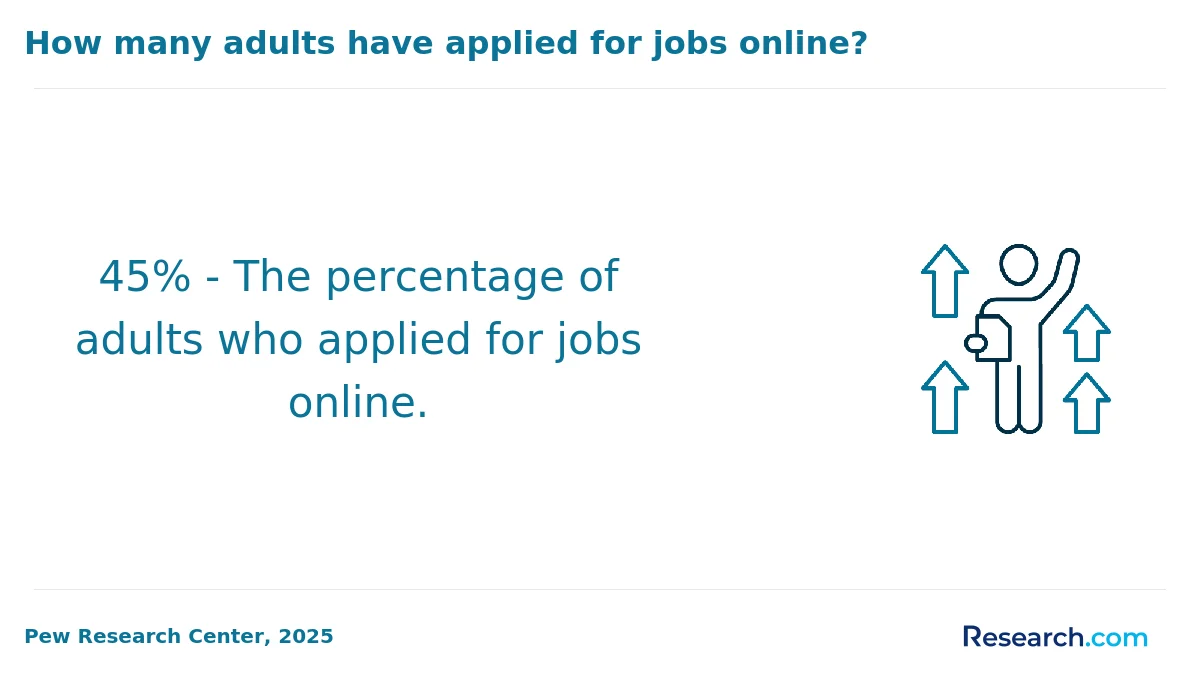
Auburn students in trade school certification programs often rely on federal financial aid to cover costs and reduce stress. For example, Pell Grants provide vital funds to those with financial need without requiring repayment, allowing many to focus fully on hands-on training at local schools. Additionally, the Federal Supplemental Educational Opportunity Grant (SEOG) helps those with the greatest need, but because funding is limited, early FAFSA submission is key. State grants, like Alabama State Grants, also support in-state students who qualify, making it easier to afford tuition at Auburn trade schools.
Loan options such as Federal Subsidized and Unsubsidized Loans offer manageable repayment terms for those attending at least half-time. Graduates from Auburn's health-related programs have found Pharmacy and Veterinary Medicine loans particularly helpful for managing education costs. Many students appreciate the chance to work on campus through work-study programs, earning money while gaining valuable experience; applying before the March 1 deadline often secures these positions.
Moreover, scholarships available via Auburn University's Scholarship Opportunity Manager reward academic achievement and program dedication, helping students stay motivated. Even if federal aid isn't an option, private loans remain a fallback, though they typically require credit checks.
To enroll in trade school certification programs in Auburn, the main prerequisite is having or actively pursuing a high school diploma or GED. For example, graduates from Auburn University's Electrical and Plumbing Technician programs often highlight how meeting this basic academic requirement allowed them to focus on hands-on skills quickly.
There are typically no formal age restrictions, making these programs accessible whether you're a recent high school graduate or changing careers later in life. However, some programs recommend basic math and reading skills, essential for tasks like interpreting technical diagrams and measuring materials accurately.
Common prerequisites include:
- Proof of a high school diploma or GED
- Basic math and reading abilities
- Interest in hands-on work and strong communication skills
Some Auburn programs prepare students for certifications such as the EPA 608 for HVAC, but these are earned after enrollment. Many students appreciate the flexible, self-paced online options that fit their busy lifestyles while receiving career support from local schools.

Trade schools in Auburn focus on certificate program courses in Auburn that prepare students for high-demand careers by blending hands-on training with essential technical knowledge. Graduates often highlight how Auburn trade school certification classes such as HVAC-R Technician, Electrical Technician, and Automotive Technology helped them quickly gain practical skills useful for real jobs. These programs include core subjects like safety protocols and troubleshooting, which students apply immediately during internships or apprenticeships.
Healthcare certifications like Medical Assistant and Pharmacy Technician also stand out, combining medical terminology with patient care practice, which locals find rewarding and impactful. Manufacturing courses at Auburn's Advanced Manufacturing Training Center immerse students in multi-axis machining and automation using modern equipment, helping them build confidence in sophisticated settings.
Many students appreciate how business and technology classes deliver job-ready skills in IT, Cybersecurity, and Accounting while supporting career readiness with resume writing and interview coaching. For those seeking accessible options, exploring cheap online appliance repair trade school programs can also be beneficial.
Start by matching your career goals with Auburn's diverse offerings, such as online courses from Auburn University or hands-on programs at the Advanced Manufacturing Training Center. Graduates often praise how well these programs prepare them for local job markets through certifications recognized by employers. When weighing options, compare Auburn trade school costs alongside the quality of accreditation to ensure certifications carry real value in your chosen field.
Hands-on experience is a standout; apprenticeships like FAME's Advanced Manufacturing Technician program mix classroom learning with paid, real-world jobs, boosting confidence and employability. Many students mention feeling supported by career services-from resume workshops to interview prep-at Southern Union State Community College, which eases the transition into meaningful work.
Look for programs flexible enough to fit your life, with options like self-paced online classes and multiple start dates. To explore financial affordability without compromising quality, check out low cost online carpentry courses that might align with your budget and ambitions.
Trade school certification program graduates in Auburn enjoy diverse career opportunities tailored to the city's thriving industries. Many find rewarding roles in Auburn's robust manufacturing sector, with hands-on training at the Auburn Advanced Manufacturing Training Center preparing students for in-demand jobs in robotics, industrial automation, and additive manufacturing. Graduates often share how their skills immediately translate to rewarding positions, advancing to specialist or leadership roles.
In healthcare, certifications such as Certified Clinical Medical Assistant (CCMA) and Pharmacy Technician open doors in Auburn's expanding network of clinics and pharmacies, making this pathway appealing for those seeking fast, stable employment. Trade schools like Southern Union State Community College equip students with practical skills for the Auburn Alabama skilled trades job market, offering programs in HVAC, electrical technology, welding, and automotive service that lead to steady careers in the area.
Short-term certifications in truck driving and customized industry training meet local logistics demands. Many find Auburn's online certificate programs offer flexible, affordable options, increasing employability. For those considering flexible learning, check out most affordable online maintenance technician trade school programs for expanding career options.
- Manufacturing: multi-axis machining, robotics, metrology
- Healthcare: CCMA, CPhT, CMAA certifications
- Skilled trades: HVAC, electrical, welding, automotive service
- Logistics: tractor-trailer truck driving
The job opportunities for trade school graduates in Auburn are strong, especially for those completing certifications in healthcare, HVAC, construction, and administrative support. Graduates from Auburn's popular trade schools often share positive outcomes, noting quick job placements due to local demand in sectors like medical billing, phlebotomy, and HVAC maintenance. For instance, many find roles offering starting wages between $16.70 and $23.26 per hour, reflecting competitive pay in the region.
Employers such as Auburn University and local hospitals prioritize candidates with recognized credentials, which enhances the Auburn trade certification employment outlook considerably. Graduates benefit from hands-on training and career services like resume reviews that help them secure jobs efficiently.
Trade schools here partner with national organizations to provide certifications recognized by local and national employers, ensuring graduates remain competitive. For those exploring options, this top vocational trade schools online resource can help identify quality programs aligned with Auburn's employment market.
- Strong demand in healthcare support roles with expected growth through 2032
- Consistent openings for certified construction and facilities management professionals
- Apprenticeship programs in HVAC and technical trades offering competitive wages and career advancement
Most Affordable Certificate Programs - Leading Certification Courses in Auburn for 2026
# 1 position
Cayuga County Community College - Industrial Mechanics and Maintenance Technology/Technician.
certificate or diplomaThe Industrial Mechanics and Maintenance Technology/Technician program at Cayuga County Community College offers a hybrid format with some distance education options. It prepares students to repair and maintain industrial machinery including cranes, pumps, engines, and conveyor systems. The program’s annual in-state tuition is $6,462. It is accredited by the Middle States Commission on Higher Education.
# 2 position
Cayuga County Community College - Tourism and Travel Services Management.
certificate or diplomaThe Tourism and Travel Services Management program at Cayuga County Community College prepares students to manage travel-related enterprises and convention or tour services. Instruction covers travel agency management, tour planning, event planning, tourism marketing, travel counseling, industry law, and policy. The program’s annual in-state tuition is $6,462. It is accredited by the Middle States Commission on Higher Education.
Frequently Asked Questions about trade school certificates
After completing trade school certification programs in Auburn, it is crucial to actively prepare for the job market to maximize employment opportunities. Begin by building a strong resume that highlights your specific skills and certifications, tailored to local industries such as automotive repair, HVAC, or healthcare support, which are prominent in Auburn.
Networking plays a key role; connect with local employers through job fairs and Auburn-based workforce centers like the Alabama Career Center System. According to the U.S. Bureau of Labor Statistics, trade certifications can boost employment rates by up to 20% in skilled trades.
Additionally, consider internships or apprenticeships to gain hands-on experience and increase your competitiveness. Continuing education and obtaining additional licenses can further enhance job prospects in Auburn's growing job market.
Employers in Auburn value practical skills and hands-on experience from trade school certification graduates. Key technical abilities include proficiency in electrical work, HVAC maintenance, welding, and automotive repair, reflecting local industry demands. According to the Auburn Chamber of Commerce, 78% of employers prioritize graduates who demonstrate strong problem-solving and mechanical skills. Soft skills are equally important; communication, teamwork, and punctuality rank highly. The U.S. Department of Labor highlights adaptability and time management as critical traits for sustaining long-term employment in technical fields. Mastery of safety protocols and the ability to use modern tools and technology also enhances job readiness for Auburn's trade school graduates.
Finding internships in Auburn relevant to trade school certification programs involves leveraging local resources and industry connections. Start by contacting your trade school's career services office, which often maintains partnerships with businesses seeking interns.
The Auburn Chamber of Commerce and the Alabama Department of Labor can provide listings of local companies offering internships in trades such as automotive, construction, and healthcare. According to the Alabama Department of Labor, approximately 15% of trade-related employers in Auburn offer structured internship opportunities annually.
Additionally, online platforms like Handshake and local job boards frequently post internship openings specifically for technical certifications. Networking through community events and trade associations in Auburn can also connect students with employers who value practical experience.
Trade school certification programs in Auburn significantly enhance career mobility by equipping students with specialized, practical skills that are in high demand locally. According to the Auburn Economic Development Foundation, industries such as manufacturing, automotive services, and healthcare actively seek certified professionals to fill immediate job openings. Certification often leads to higher wages, with the U.S. Bureau of Labor Statistics showing that trade-certified workers can earn 20% more than non-certified peers in similar roles nationwide.
In Auburn, certification programs provide a clear pathway for advancement, enabling individuals to move into supervisory or technical specialist roles faster. Employers frequently recognize credentials from accredited trade schools as proof of competency, making certification a valuable asset when competing for promotions or new opportunities.
Part-time job opportunities in Auburn that complement trade school certification programs are diverse and beneficial. Many students find roles in local construction companies, offering hands-on experience related to carpentry, electrical work, or HVAC certifications. Retail and warehouse positions with companies like Amazon's nearby fulfillment centers also provide flexible schedules and practical skills.
According to the U.S. Bureau of Labor Statistics, Auburn's part-time employment rate is stable, with growing demand in skilled trades and logistics sectors. Additionally, roles in automotive shops and healthcare facilities allow students in programs like automotive technology or medical assisting to apply their learning directly. These jobs not only enhance resumes but also provide valuable income during certification studies.
There are affordable degree programs available at community colleges and universities near Auburn, NY, providing a range of options in various fields such as healthcare, technology, and business. Prospective students can explore options "near me" by considering Cayuga Community College located in Auburn, NY, which offers various programs at a lower cost compared to larger universities. For more detailed information, visiting Research.com could be beneficial to compare degree options and tuition fees.
- Job Families and Pay Ranges - Fiscal Year 2026 | Office of Human Resources https://www.auburn.edu/administration/human_resources/compensation/pay-ranges.php
- Online School vs. Trade School: What’s Right for Me? - Education Advisors https://educationadvisors.com/student-resources/college-planning/online-school-vs-trade-school-whats-right-for-me/
- Traditional vs Online Education - Which One Is Right For You? | Penn Foster https://www.pennfoster.edu/blog/traditional-vs-online-education
- 1/30/25 - Hands-On Learning vs. Traditional Education: Why the Trades Offer the Best of Both Worlds - Gould Construction Institute https://www.gwgci.org/hands-on-learning-vs-traditional-education-trades/
- Programs https://www.auburncc.org/CareerTechPrograms.aspx
- College of Education - College of Education https://www.aum.edu/collegeofeducation/
- Trade School: Your Fast Track to a High-Paying Career https://abcsocal.org/trade-school/
- Auburn University | Online Classes, Courses & Certifications https://auburn.edu2.com/
- Programs - City of Auburn https://www.auburnal.gov/workforce/programs/
- Electrician Trade Schools in Auburn, AL - Get Training! https://electricalcareernow.com/electrician-schools/auburn-al