Most Affordable Certificate Programs - Leading Certification Courses in Albany for 2026

Co-Founder and Chief Data Scientist
Finding the most affordable certificate programs in Albany can feel overwhelming, but this article is here to help. We've collaborated with the Research.com team of data scientists to create a ranking of trade school certificate programs, designed to guide you toward the best options for 2026.
Exploring these programs can open doors to rewarding careers without the burden of excessive costs. Whether you’re starting fresh or looking to upgrade skills, earning a certification offers practical benefits and new opportunities.
Read on to discover valuable insights that make your educational journey easier and more confident.
Key benefits of getting trade school certificate in Albany
- Expected salary: Trade school graduates in Albany can earn from mid-$40,000s to up to $90,000 annually, with electricians often reaching the higher end as they gain experience and skills.
- Popular career paths: Many graduates find success in fields like electrical work, carpentry, HVAC, and plumbing, all offering strong job stability and opportunities for growth in Albany's active job market.
- Online certification benefits: Completing a trade school certification online offers flexibility and convenience, allowing graduates to balance work and study while gaining valuable skills without commuting, just like many successful Albany online students.
- Most Affordable Certificate Programs - Leading Certification Courses in Albany for 2026
- What can I expect from trade school certification programs in Albany?
- Where can I work with trade school certification in Albany?
What can I expect from trade school certification programs in Albany?
Students enrolling in trade school certification programs in Albany often find the cost varies widely, but on average, tuition typically ranges from $5,000 to $15,000. Graduates from programs in practical nursing or electrical trades recall how this investment felt manageable, especially with flexible payment plans and financial aid options designed to ease upfront expenses. For many, paying for a program over several months while balancing work and family life creates a tangible sense of progress and control.
Expect to be deeply engaged through hands-on learning-whether you're wiring a circuit or performing a clinical skill-under the guidance of instructors who bring real industry experience. This practical approach means students often leave feeling confident and ready, ready to step directly into a job role or an internship without hesitation.
The balance of flexible scheduling and immersive training shapes a rewarding experience, making costs feel like a worthwhile investment in both personal growth and career opportunity. Many graduates describe a sense of accomplishment that transcends the financial commitment, energized by the clear path forward that Albany trade schools provide.
Where can I work with trade school certification in Albany?
After finishing a trade school certification program in Albany, graduates often step directly into rewarding careers where their skills are in constant demand. For instance, those from the Capital District Educational Opportunity Center find themselves working with local unions or construction companies, taking on roles in carpentry, electrical work, or plumbing. Picture starting your day on a bustling job site, confidently applying skills learned in class to real-world projects that shape the city's skyline.
Healthcare certifications from schools like Mildred Elley open doors to hospitals and clinics, where certified practical nurses and medical assistants deliver vital patient care. Graduates describe the satisfaction of making a tangible difference in people's lives daily, while also enjoying steady, supportive work environments in Albany's thriving medical centers.
Others pursue massage therapy licensure, working in serene spas or physical therapy clinics, meeting clients who value their expertise in wellness.
Across Albany, trade school graduates embrace diverse career paths filled with growth, stability, and community connections.
After finishing a trade school certification program in Albany, many graduates find themselves earning an average annual salary of around $66,670, or about $32.05 per hour. This is a noticeable step up from minimum wage jobs and opens doors to financially rewarding careers. For instance, graduates from well-known Albany trade schools often share how their starting salaries range between $50,100 and $80,900, depending on their specific trade and experience level.
One graduate who completed a carpentry certification shared that the median salary for carpenters nationally is about $44,310, but Albany's demand pushes that figure higher, offering not just a paycheck but the pride of crafting lasting work.
Electricians, HVAC technicians, and welders, popular program choices in Albany, frequently report starting wages from $40,000 to $50,000, with many noting rapid salary growth as they hone their skills or gain certifications. The variety of trades means your earning potential is tied directly to your passion and persistence in the field.
- Marcus: Studying HVAC certification in Albany gave me hands-on experience that employers truly value. The instructors were supportive, and the small class sizes made learning easier. After graduation, I quickly found a well-paying job installing and repairing systems. This program truly launched my career with confidence and skill.
- Elena: The cosmetology program in Albany was a life-changing experience. I enjoyed the creative freedom and personal attention from teachers. Practicing in nearby salons gave me real-world skills. Today, I own my own successful salon and feel proud of the path I chose. Trade school made my dream achievable.
- Jamal: Getting certified in automotive technology here in Albany was both challenging and rewarding. The latest equipment and knowledgeable staff prepared me well for today's job market. I love that I'm now a trusted mechanic at a local service center. Trade school gave me practical skills and real opportunities.
- Trade school certification programs in Albany cover fields like construction, electrical trades, plumbing, HVAC, health sciences, business management, and information technology.
- Admissions usually require passing a basic skills test such as the TABE; some health programs need immunizations and background checks.
- Program durations range from less than a year for certificates to up to two years for associate degrees, with flexible scheduling options available.
- Costs typically range from $3,000 to $15,000, and financial aid options, including FAFSA for 2025-2026, are widely available.
- Starting salaries for graduates are between $35,000 and $50,000, with experienced tradespeople earning $60,000 to $70,000 or more annually.
- Many programs include work-based learning, employer connections, and apprenticeship opportunities to boost job placement and real-world experience.
Completing a trade school certification program in Albany can often be quicker than you might expect. Many graduates find themselves stepping into new careers within a year, particularly those attending Albany Technical College, where certificate programs are designed to be finished in 12 months or less. This accelerated pace allows students eager to start working to feel accomplished and confident sooner than traditional college routes.
Some programs are even more compact. For instance, individuals aiming for a Commercial Driver's License through Hudson Valley Community College often complete the required 92 to 160 hours of instruction in just a few months, adjusting their schedules to balance life's demands. These flexible options let students tailor their learning around personal obligations without losing momentum.
Graduates from hands-on building trades programs appreciate the availability of day and evening classes, enabling them to gain practical skills while managing other commitments. Meanwhile, those pursuing apprenticeships understand it's a longer journey-anywhere from one to six years-but with the reward of paid on-the-job training and a nationally recognized credential that opens doors across the country.
The core difference between online and on-campus trade school certification programs in Albany centers on how and where you learn. Imagine a working parent enrolled in Albany Technical College's online medical coding program, juggling family and job responsibilities with ease, logging in late at night to complete assignments via Blackboard. This flexibility lets students study at their own pace without the daily commute.
On the other hand, graduates of Albany State University's on-campus healthcare billing program often describe the buzz of face-to-face interaction and hands-on labs as energizing. They value being physically present for direct guidance, group projects, and access to specialized equipment that truly brings learning to life. The classroom buzz and immediate feedback create a sense of community many find motivating.
Both formats demand similar study hours and uphold equivalent certification standards, but online students must be self-motivated and tech-ready. Regulatory oversight like NC-SARA ensures online programs maintain quality, giving Albany students confidence whether they choose the digital route or the traditional classroom experience.
The average cost of a trade school certification program in Albany typically ranges from $8,000 to $15,000 for tuition. Graduates from popular programs often describe feeling relieved but focused, knowing their investment is far more affordable than a traditional four-year degree that can exceed $30,000 to $40,000 over the same period. For many, this makes the path toward a skilled trade both attainable and practical, especially when studying at institutions like Albany Technical College.
At Albany Technical College, full-time students pay around $1,284 per semester plus roughly $398 in mandatory fees, whereas part-time learners are charged $107 per credit hour, in addition to similar fees. Graduates recall balancing these tuition expenses with other costs such as books, supplies, and specialized tools critical for trades like automotive technology or welding, which can add a few hundred to several thousand dollars more. These experiences highlight the importance of budgeting beyond just tuition when exploring Albany trade school tuition and fees 2026.
Financial aid and scholarships play a key role in easing these costs. However, fully free trade school certification programs are rare, so budgeting remains essential. Prospective students curious whether a program suits their needs often find it helpful to explore if there is a difference between a trade and a vocational program, ensuring they choose the path aligned with their goals.
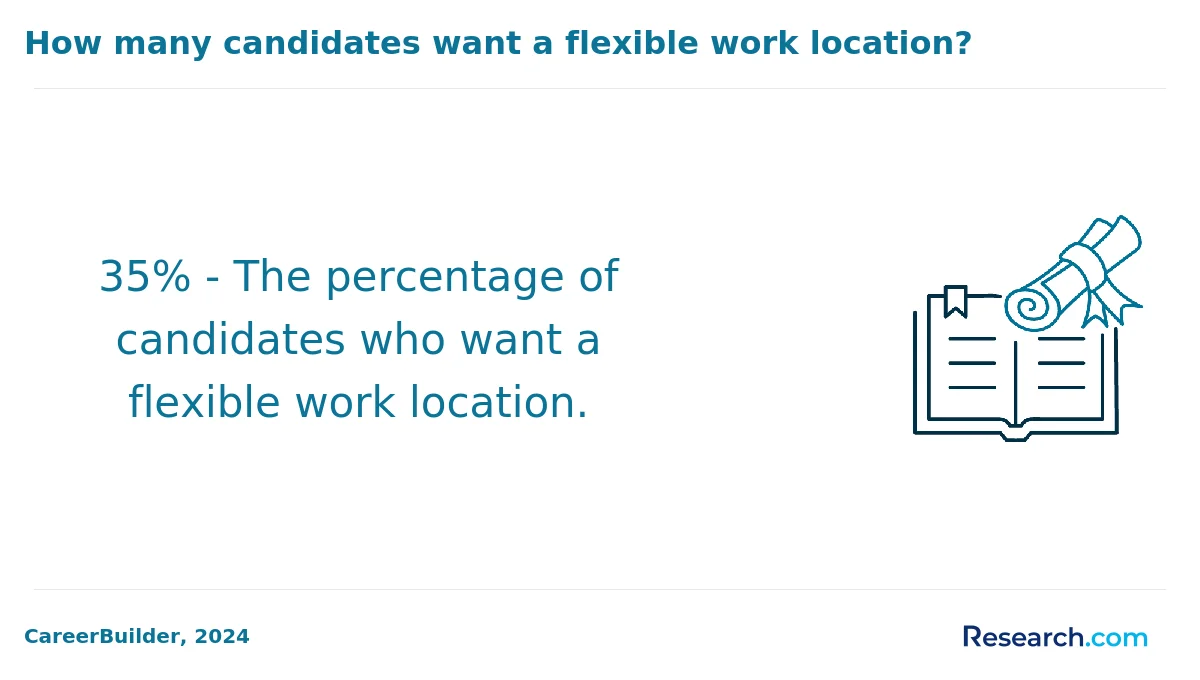
Students attending trade school certification programs in Albany often find a surprisingly robust network of financial aid options designed to ease their path. Federal aid through Title IV opens doors to Pell Grants-money that doesn't need repayment-and Direct Subsidized and Unsubsidized Loans. Completing the FAFSA early sparks hope for many graduates who recall feeling the relief of knowing funds were on their way before starting classes at well-known Albany vocational schools. Parents can also support by applying for Direct PLUS Loans, helping families manage costs together.
New York's Tuition Assistance Program (TAP) frequently becomes a game-changer. Many Albany students balancing work and study cherish its flexible aid for part-time and non-degree workforce credentials. The Excelsior Scholarship further sweetens the deal for those earning up to $125,000, covering tuition at SUNY and CUNY institutions-and important certificate programs too.
Local trade schools in Albany often offer payment plans, allowing students to spread tuition payments without extra charges. Veterans especially appreciate tailored help via the GI Bill®, while students with disabilities benefit from ACCES-VR support, making education feel accessible and welcoming.
Ultimately, graduates reflect on how these layered options made seemingly daunting expenses manageable and inspired confidence to focus on their training and futures.
Enrolling in a trade school certification program in Albany typically requires a high school diploma or GED, a stepping stone familiar to many graduates from Albany Technical College and Hudson Valley Community College. These schools attract a diverse group-from recent high school graduates eager to jumpstart their careers, to adults changing paths and seeking practical skills quickly.
Some programs expect a bit more groundwork, especially in fields like construction or healthcare. Graduates often recall placement tests in math and reading, or providing proof of immunizations and background checks before starting. Here's what you might need to prepare for:
- A high school diploma or GED as the basic entry ticket
- Placement tests verifying math and reading skills for technical programs
- Proof of immunizations and clean background checks, especially in healthcare-related fields
Many students appreciate how these prerequisites create a solid foundation, building confidence as they step into hands-on learning and real-world career opportunities in Albany's growing job market.
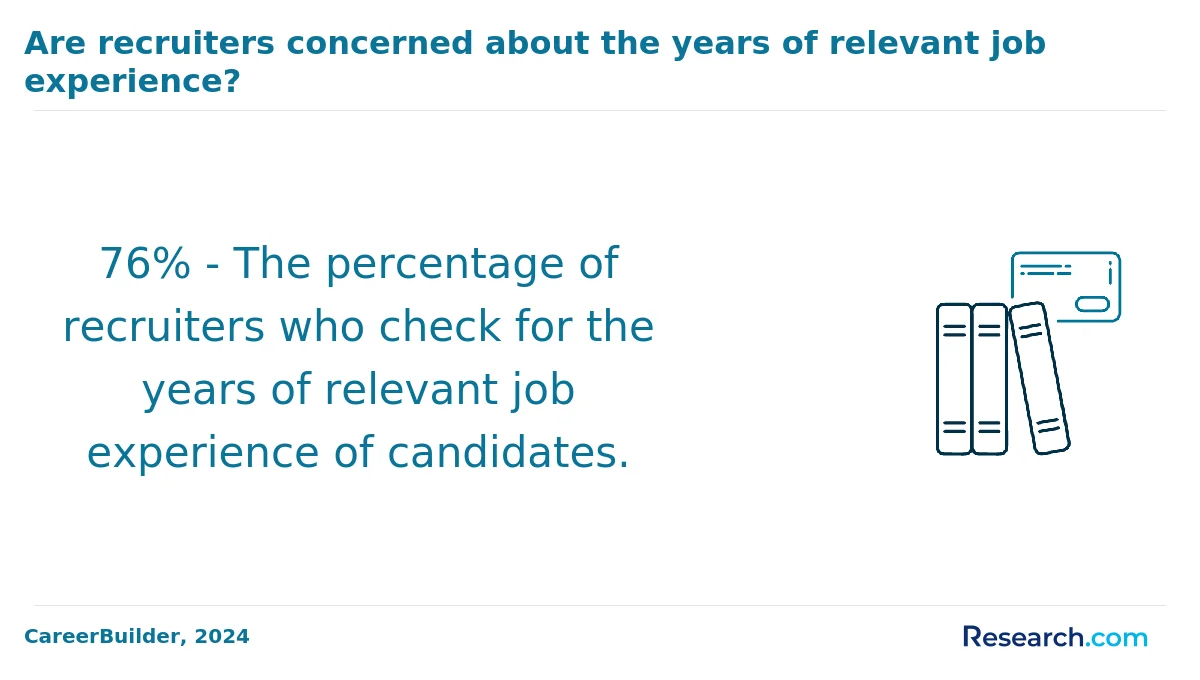
Trade school courses in Albany NY offer hands-on training across multiple in-demand fields, tailored to fast-track students into rewarding careers. Graduates from institutions like Albany Technical College often highlight how their programs blend practical skills with real-world applications. Common certification tracks include construction trades-such as carpentry, electrical, plumbing, and HVAC/R-where students learn everything from blueprint reading to equipment operation.
The Albany certificate program curriculum also frequently features health sciences certifications covering sterile processing, clinical assistance, and phlebotomy, combining classroom theory with clinical rotations in medical settings. Automotive technology programs equip students with expertise in collision repair, diesel tech, and engine diagnostics, empowering them to quickly meet local industry needs.
Beyond these, IT courses focus on cybersecurity, network tech, and game design, reflecting the city's growing tech landscape. Hospitality and retail certificates in culinary arts or cosmetology provide hands-on customer service and operational skills.
Many find these programs fulfilling because of their practical nature and quick completion times. For those seeking accelerated options, exploring 6-month certificate programs that pay well can be especially motivating.
When choosing the best trade school programs in Albany, focus first on accreditation and hands-on training. Graduates from HVCC and Capital Region BOCES often share how their real-world projects and OSHA certifications made them confident and job-ready. These programs are designed to connect students to local employers, which can be a game-changer when starting a new career. Imagine attending flexible day or evening classes that fit around your busy life, a benefit many Albany students appreciate as they balance work and family.
Consider the variety of courses offered too. With over 30 program options available locally, such as construction, healthcare, and criminal justice, you can tailor your education to your passions and career goals. If cost is a major factor, don't overlook resources like affordable online welding courses that complement your on-site schooling and ease budget concerns in your Albany certification program cost comparison journey.
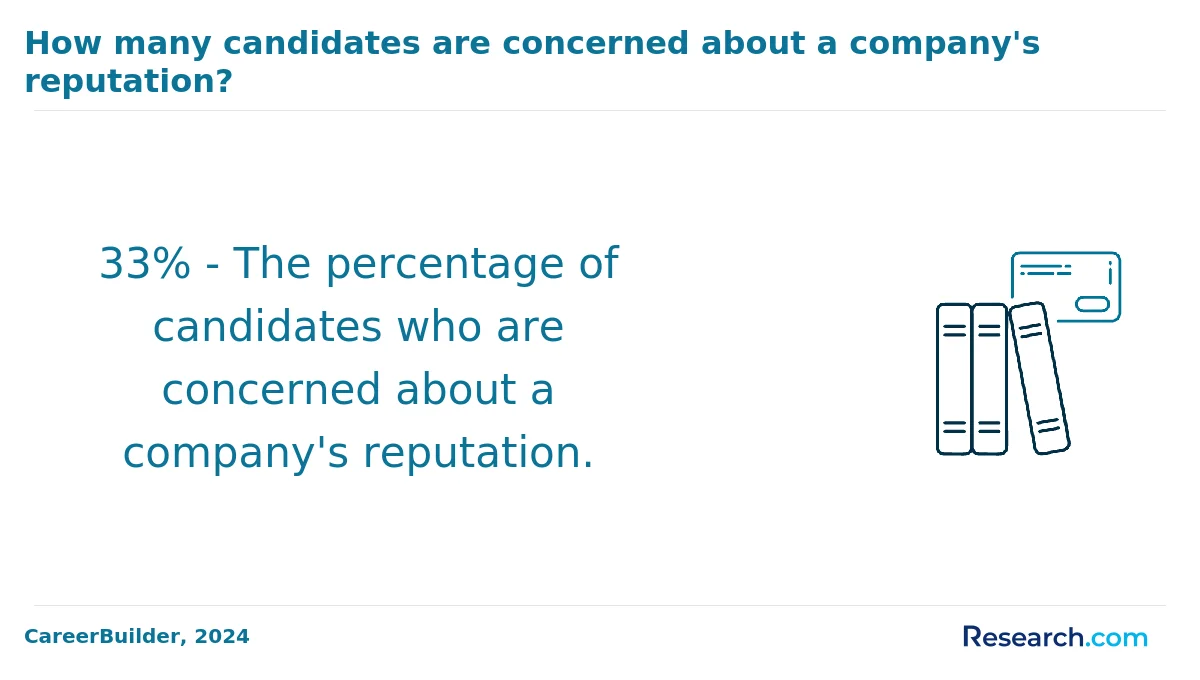
Trade school certification programs in Albany unlock a wealth of career opportunities after trade school in Albany, directly tied to local industry demands. Graduates from facilities like the Capital District Educational Opportunity Center often step into skilled trades jobs in Albany NY such as electricians, plumbers, and HVAC technicians, where hands-on learning translates into immediate job readiness and steady employment.
Healthcare fields also attract many Albany students, with programs designed to prepare medical assistants and practical nurses who quickly secure roles in hospitals and clinics, reflecting a strong regional healthcare demand. Graduates often share how real-world training in these programs gave them confidence to thrive from day one.
Other practical paths include business, IT, and legal support roles. These programs teach up-to-date technical skills, enabling graduates to handle office administration or IT support positions that often feature flexible hours and clear advancement pathways.
Students have reported success pursuing careers in early childhood education, criminal justice, and entertainment technology, turning creative and service-focused passions into fulfilling jobs.
- Construction and skilled trades
- Healthcare support positions
- Business, IT, and legal support
- Early childhood education and public service
With this diverse range of career paths, Albany trade schools tailor training to ensure graduates are well-positioned to enter the workforce. For those exploring a career in the trades, these programs provide a practical, impactful way to build a rewarding profession.
The job market for trade school certification program graduates in Albany is notably strong, fueled by consistent demand in sectors like construction, electrical work, plumbing, and building maintenance. Graduates from popular institutions such as Capital Region BOCES and the Capital District Educational Opportunity Center share stories of smooth transitions into roles with local employers who prioritize hands-on expertise.
Employment rates for Albany trade school graduates reflect this robust environment. Key factors supporting success include:
- Established partnerships between trade schools and local businesses, ensuring relevant training
- Registered apprenticeship programs opening pathways in welding, HVAC, and electrical fields
- Certification recognition nationwide, such as OSHA and NCCER, enhancing job mobility
One graduate recounted receiving on-the-job training combined with strong health benefits and tuition reimbursement, highlighting the real-world value of these programs. You can explore more opportunities through a school for construction trades to maximize your career potential in Albany's market.
Most Affordable Certificate Programs - Leading Certification Courses in Albany for 2026
# 1 position
Albany Technical College - Industrial Mechanics and Maintenance Technology/Technician.
certificate or diplomaAlbany Technical College offers a Hybrid program in Industrial Mechanics and Maintenance Technology/Technician that prepares students to repair and maintain industrial machinery such as cranes, pumps, engines, and conveyor systems. The program’s annual in-state tuition is $3,196. Graduates earn a median salary of $47,764 one year after completion. The program is accredited by the Southern Association of Colleges and Schools Commission on Colleges.
# 2 position
Albany Technical College - Nursing Assistant/Aide and Patient Care Assistant/Aide.
certificate or diplomaAlbany Technical College offers a Nursing Assistant/Aide and Patient Care Assistant/Aide program with a hybrid format that includes some distance education. The program prepares students to perform routine nursing-related services under supervision in hospitals or long-term care facilities. Annual in-state tuition is $3,196. Graduates have median earnings of $42,057 one year after completion. The program is accredited by the Southern Association of Colleges and Schools Commission on Colleges.
# 3 position
Albany Technical College - Dental Assisting/Assistant.
certificate or diplomaAlbany Technical College offers a hybrid Dental Assisting/Assistant program that prepares students for patient care, dental radiography, and office administrative tasks under dentist supervision. The curriculum includes medical record-keeping, scheduling, equipment maintenance, sterilization, and chairside assisting. The program is accredited by the Southern Association of Colleges and Schools Commission on Colleges. Annual in-state tuition is $3,196, with median earnings of $28,683 one year after completion.
# 4 position
Albany Technical College - Electrocardiograph Technology/Technician.
certificate or diplomaAlbany Technical College offers a hybrid Electrocardiograph Technology/Technician program preparing students to administer EKG and ECG diagnostic tests under medical supervision. The curriculum covers anatomy, physiology, cardiovascular systems, medical terminology, medications, patient care, equipment use, cardiac rhythm interpretation, and professional standards. Annual in-state tuition is $3,196. Graduates earn a median income of $27,732 one year after completion. The program is accredited by the Southern Association of Colleges and Schools Commission on Colleges.
# 5 position
Albany Technical College - Electrician.
certificate or diplomaAlbany Technical College offers a hybrid Electrician program that prepares students to install, operate, maintain, and repair electrical systems including residential, commercial, and industrial wiring. The curriculum covers electronics principles, power transmission, safety, electrical testing, and applicable codes. The program’s annual in-state tuition is $3,196. It is accredited by the Southern Association of Colleges and Schools Commission on Colleges and includes some distance-education options.
# 6 position
Albany Technical College - Plumbing Technology/Plumber.
certificate or diplomaAlbany Technical College offers a hybrid Plumbing Technology/Plumber program designed to prepare students for licensure by teaching technical skills in installing and maintaining piping systems for various uses. The curriculum covers water distribution, pressure adjustment, blueprint reading, welding, plumbing codes, and more. Annual in-state tuition is $3,196. The program is accredited by the Southern Association of Colleges and Schools Commission on Colleges.
# 7 position
Albany Technical College - Heating, Air Conditioning, Ventilation and Refrigeration Maintenance Technology/Technician.
certificate or diplomaAlbany Technical College offers a hybrid Heating, Air Conditioning, Ventilation and Refrigeration Maintenance Technology/Technician program. The curriculum prepares students to repair, install, service, and maintain HVAC and refrigeration systems, focusing on diagnostic techniques and the use of testing equipment. Instruction covers mechanics, electricity, and electronics principles related to system repair. The annual in-state tuition is $3,196. The program is accredited by the Southern Association of Colleges and Schools Commission on Colleges.
# 8 position
Albany Technical College - Medical Insurance Specialist/Medical Biller.
certificate or diplomaAlbany Technical College offers a Medical Insurance Specialist/Medical Biller program that prepares students to manage medical and health insurance operations in various healthcare settings. The hybrid program includes instruction on insurance processes, laws, office administration, software applications, billing, and medical terminology. The annual in-state tuition is $3,196. The program is accredited by the Southern Association of Colleges and Schools Commission on Colleges.
# 9 position
Albany Technical College - Phlebotomy Technician/Phlebotomist.
certificate or diplomaAlbany Technical College offers a hybrid Phlebotomy Technician/Phlebotomist program preparing students to draw blood samples under medical supervision. The curriculum covers vascular anatomy, blood physiology, skin puncture, venipuncture, specimen handling, safety, and regulatory standards. The program’s annual in-state tuition is $3,196. It is accredited by the Southern Association of Colleges and Schools Commission on Colleges.
# 10 position
Albany Technical College - Allied Health and Medical Assisting Services, Other.
certificate or diplomaAlbany Technical College offers a hybrid program in Allied Health and Medical Assisting Services, Other, providing some distance-education options. The program's annual in-state tuition is $3,196. Graduates have median earnings of $21,352 one year after completion. The program is accredited by the Southern Association of Colleges and Schools Commission on Colleges. It covers instructional content not listed in other allied health and medical assisting services programs.
Frequently Asked Questions about trade school certificates
After completing trade school certification programs in Albany, it is essential to prepare for the job market by focusing on practical skills and local employment trends. Many Albany employers value certifications from accredited institutions, so ensure your credentials are up to date. The New York State Department of Labor reports that trades like HVAC, electrical, and plumbing have strong hiring outlooks, with some fields expecting a 10% growth by 2028.
Networking plays a vital role; attending local job fairs and connecting with trade unions can increase job prospects. Internships or apprenticeships provide hands-on experience, making candidates more attractive.
Finally, polishing resume writing and interview skills tailored to the trade industry improves chances of employment success in Albany's competitive job market.
Employers in Albany value a blend of technical and soft skills from graduates of trade school certification programs. According to data from the New York State Department of Labor, proficiency in hands-on skills such as electrical work, plumbing, HVAC technology, and welding ranks highly among job requirements.
Additionally, communication skills and the ability to work well in teams are frequently emphasized by local employers. A survey by the Albany Workforce Development Office found that 72% of employers prioritize problem-solving abilities and reliability alongside technical expertise.
Time management and adherence to safety standards are also critical skills that certification programs aim to develop due to their impact on workplace efficiency and compliance with regulations in the state of New York.
Finding internships in Albany that align with your trade school certification begins with leveraging local resources. Many trade schools have partnerships with area businesses, helping students secure internships in fields such as HVAC, automotive technology, or culinary arts. Checking with your school's career services can provide direct leads.
Additionally, Albany's workforce development programs often list available internship opportunities tailored to technical trades. Websites like New York State's Department of Labor provide updated job and internship listings for the Albany region.
Networking at industry events or local trade unions is another effective approach. According to Albany economic reports, internships in skilled trades have grown by nearly 10% over recent years, reflecting strong demand in sectors like construction and manufacturing.
Trade school certification programs in Albany play a significant role in enhancing career mobility and advancement for many workers. These certifications provide targeted skills that are directly applicable to industries with strong local demand, such as healthcare, construction, and manufacturing.
According to the New York State Department of Labor, employment in skilled trade occupations around Albany is projected to grow by 10% over the next decade. Holding a certification can make candidates more competitive, opening doors to higher-paying positions and promoting job stability.
Moreover, certified workers often see faster wage increases and improved prospects for promotions compared to those without formal credentials. Local employers frequently recognize and value these credentials, which can lead to greater job security and career progression.
Data from the U.S. Bureau of Labor Statistics supports that certifications shorten the time needed to gain practical expertise, resulting in quicker advancement pathways. For Albany residents, investing in a trade school certification offers a practical route to achieving upward social and economic mobility.
Part-time job opportunities in Albany can effectively complement trade school certification education by providing practical experience alongside classroom learning. Fields such as construction, automotive repair, and healthcare offer roles like assistant technician, medical aide, or apprentice electrician. According to the U.S. Bureau of Labor Statistics, Albany's construction industry employs a growing number of part-time workers, reflecting opportunities for students to gain hands-on skills.
Local healthcare providers often hire part-time certified nursing assistants or orderly aides, which can align well with health-related certifications. Retail and warehouse jobs also provide flexible schedules, allowing students to balance work and study efficiently.
Yes, there are affordable degree programs near Albany, GA, provided by several universities and community colleges. These institutions offer a variety of degree programs, from associate to bachelor's degrees, often with flexible options such as online courses to accommodate different schedules. For a comprehensive list of affordable options across different fields of study, you might consider using resources like Research.com to find programs "near me" tailored to specific educational and budgetary needs.
- Nces - Ipeds https://nces.ed.gov/ipeds/
- What Employers Want From Trade School Graduates Today | UTI https://www.uti.edu/blog/education/employers-trade-school-graduates
- Vocational vs. Trade School: Choosing the Right Path https://www.genesiscareer.edu/vocational-vs-trade-school-guide/
- Albany Technical College Academy | Albany Technical College https://www.albanytech.edu/atc-academy
- Hot Job Trends: The Benefits of Attending Trade School | JobTrain https://www.jobtrainworks.org/hot-job-trends-benefits-of-attending-trade-school/
- Financial Aid | University at Albany https://www.albany.edu/undergraduate-bulletin/financial-aid.php
- Trade Schools & Certification Programs - ccmrwithmsthrash https://ccmrwithmsthrash.com/trade-schools-certifications/
- Work and Internships | study.gov.pl https://study.gov.pl/work-and-internships
- Online Skilled Trades Training Programs | Penn Foster https://www.pennfoster.edu/programs/trades
- Mildred Elley Career Training in Albany, NY and NYC https://www.mildred-elley.edu/