Best Trade School & Training Programs - Leading Certification Courses in Rochester for 2026

Co-Founder and Chief Data Scientist
Choosing the right trade school in Rochester can be a game-changer for your career and future. This article provides a detailed look at the best trade schools in the area for 2026, helping you explore quality programs that fit your goals.
The ranking was developed by the Research.com team of data scientists to give you trusted insights, so you can make an informed decision when selecting a program. With a trade school diploma or certification, you open doors to rewarding job opportunities and skills that last a lifetime.
Explore your options and take the first step toward a bright future today.
Key benefits of finishing trade school programs trade school in Rochester
- Expected salary: Trade school graduates in Rochester can earn an average of $22.88 per hour, with roles like electrical apprentices starting around $18-$22 per hour and skilled tradesmen making $20-$40 per hour, offering great income potential early in your career.
- Popular careers: Many graduates from local schools like Rochester Institute of Technology find success in in-demand trades such as heavy equipment technicians, pipefitters, and mechanics, which provide stable jobs and a clear path to advancement.
- Online education benefits: Online trade school programs offer flexibility and faster completion times, making it easier for students to balance work and study while achieving certification without the need to attend traditional on-campus classes.
- Best Trade School & Training Programs - Leading Certification Courses in Rochester for 2026
- What can I expect from trade school programs trade schools in Rochester?
- Where can I work after finishing trade school programs trade schools in Rochester?
What can I expect from trade school programs trade schools in Rochester?
When considering the average cost of a trade school program in Rochester, students often find that expenses are significantly lower than traditional college degrees. Many programs at well-known centers like Monroe 2-Orleans BOCES or ITEC typically range from a few thousand dollars up to around $10,000, depending on the length and complexity of the course. Graduates often share how this investment felt manageable, especially with flexible payment options and financial aid available through some schools.
Students appreciate that these costs cover hands-on training with industry-standard equipment, which makes the learning experience tangible and practical. For example, a welding program graduate might recall the satisfaction of mastering real machinery rather than just textbooks, reinforcing the value of the tuition spent. Others from HVAC or dental assisting programs highlight the direct connection between their education and job placement support, which many felt made the cost worthwhile.
Overall, Rochester's trade schools balance affordability with quality, helping students feel confident about pursuing career training without the burden of excessive debt.
Where can I work after finishing trade school programs trade schools in Rochester?
After finishing a trade school program in Rochester, many graduates quickly find rewarding jobs that match their training. For instance, graduates from Monroe Community College often start careers in skilled trades like electricians or HVAC technicians, thanks to strong connections between MCC's Finger Lakes Workforce Development Center and local employers.
Healthcare roles are also common, with graduates working as licensed practical nurses or medical assistants at facilities like the University of Rochester Medical Center. These positions often provide stability and a sense of pride in helping the community.
Those who studied information technology can land roles as full-stack developers or data analysts, with starting salaries around $85,000 thanks to the region's growing tech industry. Many find excitement in contributing to Rochester's "semiconductor superhighway" and other cutting-edge companies.
Manufacturing and construction sectors are growing rapidly, creating opportunities for tradespeople with hands-on experience. Graduates often feel confident and motivated securing roles that involve working with advanced equipment in thriving local businesses.
After finishing a trade school program in Rochester, graduates typically start with salaries around $39,000 annually, but many report feeling excited about the growth opportunities. For example, graduates from well-known local trade schools often mention how their initial jobs paid roughly $28 to $29 per hour, especially in roles like trade assistants. This entry-level pay helps them cover living costs while gaining experience.
With time and added certifications, it's common for Rochester trade school grads to move into higher-paying roles. Several graduates share stories of progressing to master-level positions, earning nearly $77,000 a year. These skilled workers often take pride in their ability to manage teams or handle specialized tasks, making their earnings reflect their expertise.
Compared to the wider New York state average salary of $59,325 for similar roles, Rochester salaries may start slightly lower but remain competitive, particularly given the region's affordable living expenses. Graduates from Rochester trade schools find this balance reassuring as they build both skills and savings locally.
- Applicants must be at least 18 years old and residents of New York State, providing valid ID and proof of address.
- Some programs require entrance tests like the TABE and certifications such as OSHA-10 Safety Certification before admission.
- Program lengths vary from six weeks to two years, with costs generally ranging between $5,000 and $15,000.
- Surgical technology and other specialized programs often require a minimum GPA of 2.0 and specific prerequisite course grades.
- Graduates typically earn starting salaries between $35,000 and $50,000 annually, with experienced workers making $60,000 or more.
Completing a trade school program in Rochester can take anywhere from a few weeks to several years, depending on what you choose and how you approach your studies. Many who opt for short-term programs at places like ITEC Training & Education Center find themselves ready to enter the workforce in just six weeks, which is perfect if you're looking to start quickly and gain hands-on skills without a long wait.
Others attend programs like the OACES Electrical Program, where graduates often finish within 3 to 6 months. These students appreciate the rotating four-day-per-week schedule, which balances focused training with flexibility-ideal for those juggling work or family commitments.
If you're aiming for something more comprehensive, registered apprenticeships coordinated by Rochester unions such as IBEW Local 86 typically last about five years. Graduates highlight the opportunity to earn money while learning, joining a supportive community and earning a respected industry certificate that opens many doors.
Ultimately, the time it takes depends on your trade, schedule, and goals-but Rochester's variety of program lengths means there's a path that fits your life perfectly.
The main difference between online and on-campus trade school programs in Rochester comes down to how you attend and engage with classes. For example, many students at Monroe Community College appreciate the flexibility of online programs, where they can study from home or work on assignments during odd hours. These students often juggle jobs or family duties while still advancing their education.
On the other hand, graduates from Monroe's on-campus programs describe the value of hands-on learning in real time. Being on site means you get immediate access to equipment and labs, which is especially important in fields like healthcare or skilled trades. Meeting instructors and classmates face-to-face also helps build a strong sense of community and routine.
Online learners in Rochester tend to develop strong self-discipline and tech skills, as their communication is mostly digital. Meanwhile, on-campus students enjoy structured days with in-person classes and labs, which some find more motivating and engaging. Both paths serve career goals but ultimately fit different lifestyles and learning preferences.
The average trade school cost in Rochester NY varies widely, but many local programs offer affordable options for aspiring students. For example, graduates from Rochester's vocational centers often mention how programs ranging from $950 to around $10,000 made their training accessible without excessive debt. Schools like the Rochester Educational Opportunity Center (REOC) even provide tuition-free programs for eligible students, creating a welcoming path for those facing financial challenges.
When you consider Rochester trade school tuition and fees, Monroe Community College stands out with in-state tuition around $4,380 per year and out-of-state tuition roughly double that. Students find these rates manageable compared to the statewide average, which hovers near $13,441 per year. This makes Rochester a great place to pursue technical certificate programs and associate degrees without the burden of high costs.
Many graduates recall balancing tuition with additional expenses like books and transportation but emphasize how scholarships and financial aid eased the load. If you're considering short-term credentials, exploring the best paying 6 month certificate programs online may help you weigh costs against future earning potential wisely.

If you're attending a trade school in Rochester, like Monroe Community College or the Rochester Career Institute, federal student aid can be a game-changer. By filling out the FAFSA, you unlock access to Pell Grants and low-interest loans, which many graduates say eased their financial stress while focusing on hands-on training. This form of aid is often the first step students take to afford their programs without overwhelming debt.
New York State grants add another layer of support. Programs such as the Tuition Assistance Program (TAP) provide awards to both full- and part-time students, helping those enrolled in certificate or credential programs. Graduates have shared how TAP made it possible to continue studies without working multiple jobs. The Excelsior Scholarship is also a powerful option if your family earns under $125,000, making tuition-free SUNY or CUNY attendance within reach.
Locally, RochesterWorks! and organizations like the Urban League offer targeted grants and scholarships specifically for trade fields in high demand here. Many students who completed RochesterWorks! workshops received tuition assistance, transforming what seemed like a distant goal into an achievable reality.
To enroll in a trade school program in Rochester, the primary prerequisite you'll encounter is having a high school diploma or GED. This baseline applies to most schools, including Rochester Community and Technical College (RCTC), where many graduates started their careers confidently after meeting this simple requirement.
For those aiming at specialized programs, like Dental Hygiene or Nursing at RCTC, expect more detailed steps. Graduates of such programs often share that beyond college admission, they had to:
- Maintain a minimum 2.00 cumulative GPA on college-level courses
- Complete required science classes with at least a "C" grade
- Achieve a raw science GPA of 2.50, with recent coursework
If you're interested in technical fields such as industrial electrical work, schools like Genesee Community College emphasize basic math skills, which many students found manageable with a bit of preparation.
Also, don't worry if English isn't your strongest suit. Many Rochester trade schools provide support, ensuring you can succeed without language barriers holding you back.
Remember that financial aid options, like those through RochesterWorks!, might require attending a grant workshop, a small but important step toward making your education affordable.
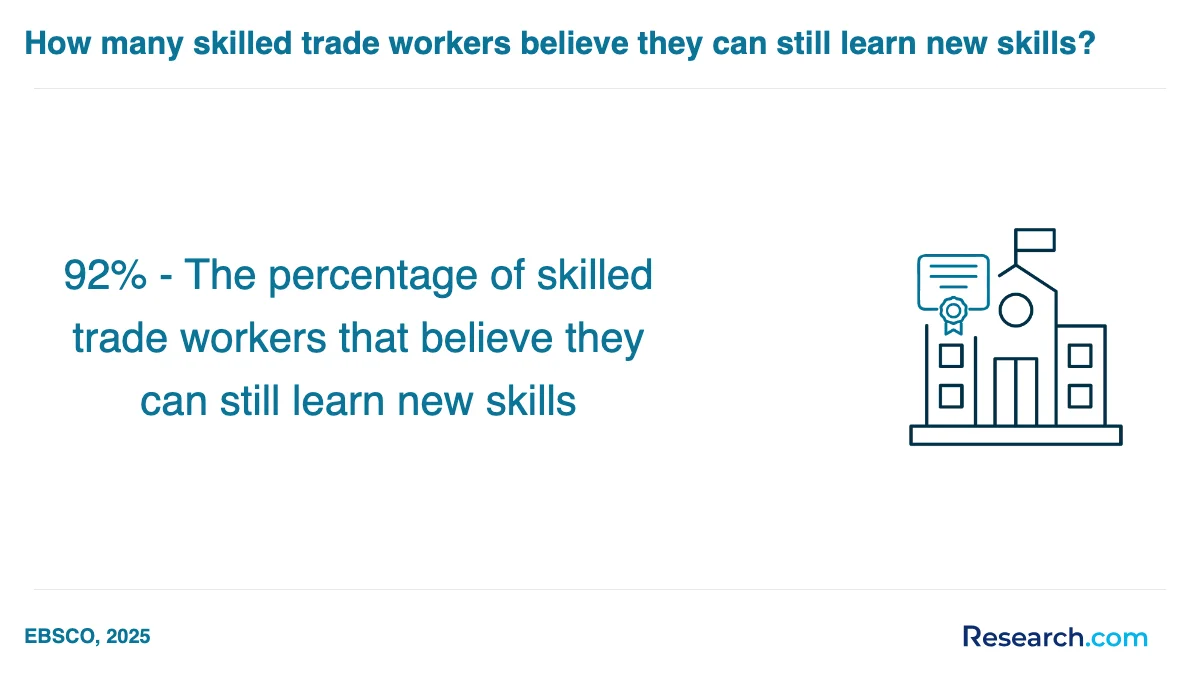
In Rochester, trade school courses are designed to equip you with real skills that employers need today. Graduates often share how hands-on training in programs like HVAC/R, plumbing, electrical, and construction technology gave them the confidence to start working immediately. For example, at ITEC Training & Education Center, the six-week construction technology course immerses students in practical tasks, making the learning experience both challenging and rewarding.
Popular course areas include:
- Heating, Ventilation, Air Conditioning, and Refrigeration (HVAC/R)
- Plumbing and electrical trades
- Machining fundamentals, manufacturing process technology, and welding
- Registered dental assisting, nurse assisting, and phlebotomy in healthcare
- Commercial driver's license (CDL) training and heavy equipment maintenance
- Service fields like cosmetology, barbering, culinary arts, and security guard training
Graduates often mention how evening and hybrid formats at schools such as Monroe 2-Orleans BOCES made balancing work and study manageable, creating a supportive environment for adult learners. Schools also emphasize career readiness, coaching you in teamwork and communication skills, so you enter the workforce fully prepared.
Trade school programs in Rochester offer a variety of specializations tailored to the needs of local industries, making career transitions smoother and more fulfilling for students. Graduates from popular institutions often speak about hands-on experiences in construction trades like electrical work, residential plumbing, and HVAC, where intensive six-week programs such as those in construction technology help them master skills quickly and confidently.
Manufacturing fields attract many adults balancing work and study, with evening classes in industrial electrical systems, machining, and welding that build practical, in-demand abilities.
In healthcare, students pursuing roles like registered dental assisting or nurse assisting appreciate flexible schedules-including online options-that fit around busy lives.
Transportation is another strong focus, offering programs in commercial driver's license training and heavy equipment maintenance, preparing students well for logistics careers.
Many also enhance their foundations with courses in OSHA safety, blueprint reading, or power tool use at places like ITEC, where recognized HVAC certifications boost job prospects.
Some graduates recommend exploring the most affordable online certificate programs in home repair as a great starting point in the region's diverse trade offerings.
Start by verifying program accreditation when choosing the best trade school programs in Rochester NY. Accreditation guarantees training that meets industry standards and eligibility for federal aid. Graduates from Monroe Community College, a well-known local choice, often share how accreditation boosted their confidence with employers. Their practical, hands-on curriculum stands out, equipping students for real-world careers quickly.
To compare Rochester trade schools effectively, look beyond cost and reputation. Many students appreciate the supportive campus culture at Monroe, which eases the stress of balancing school with personal responsibilities. Financial aid options at public institutions here often exceed those at private trade schools, making education more accessible.
Also, explore programs that integrate internships or apprenticeships-these connections are invaluable for entering competitive fields. Career counseling and tutoring services further enhance success rates. For anyone unsure about career paths, resources like trade school professions can offer guidance tailored to trade school graduates' strengths.
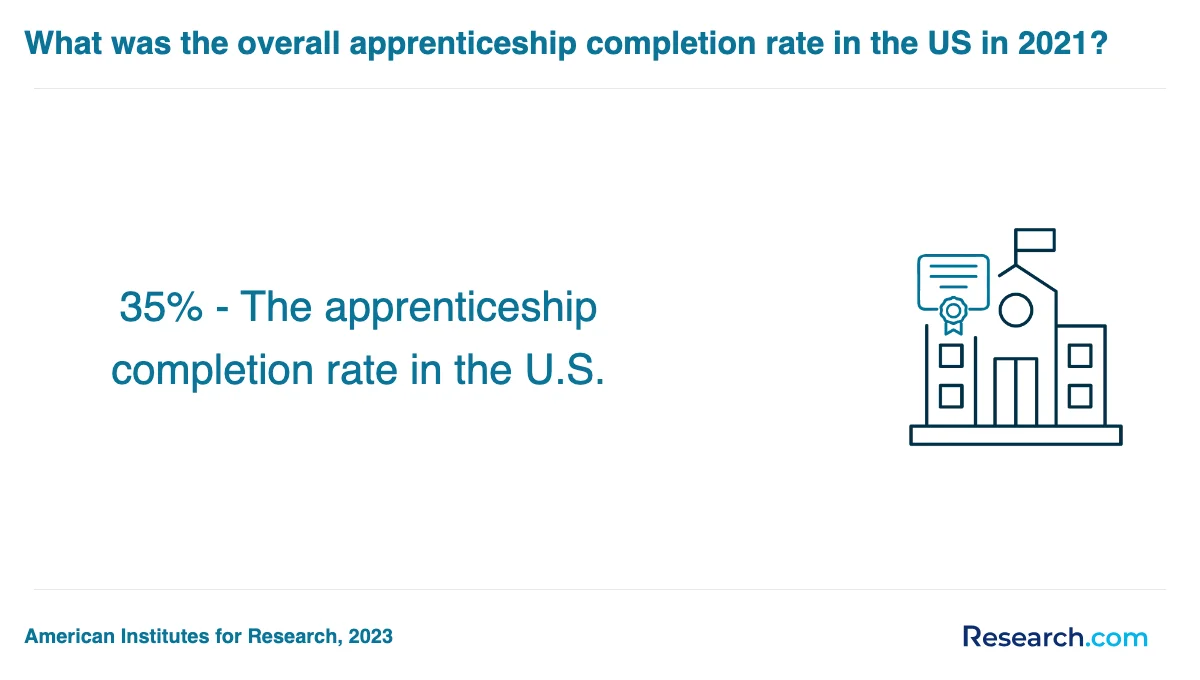
Trade school graduates in Rochester can explore diverse career opportunities well aligned with local industry demands. From the Golisano Construction Technology Training Program, graduates often enter promising skilled trades jobs in Rochester NY such as HVAC, plumbing, electrical work, roofing, and carpentry-roles essential to the city's ongoing urban revitalization. Many find satisfaction in hands-on work that supports community development and infrastructure.
Manufacturing remains a strong sector, where programs like Monroe Community College's Apprentice Training in Machine Trades prepare students for roles like journey-worker, engineering designer, or machine programmer. These positions provide a stable foothold in Rochester's precision manufacturing economy, offering pathways to technical and leadership careers.
Other exciting options include automotive technology, culinary arts, and IT support, where graduates step into roles such as auto mechanics, line cooks, or help desk technicians in local businesses. Healthcare support and emergency response training also open doors to rewarding work in clinics and hospitals.
Many students gain valuable experience through internships facilitated by trade schools, leading to swift employment. For insight into the best paying trades, consider those with strong apprenticeship and hands-on learning models.
The trade school job opportunities in Rochester NY are currently strong, with over 190 open roles targeting graduates. These include positions like Auto Body Technician, Mill Carpenter, and Service Technician, reflecting ongoing demand across fields such as manufacturing, construction, and automotive repair. Graduates from popular trade schools in Rochester often share how local employers actively seek skilled candidates, especially as companies expand or upgrade facilities.
Workforce growth is closely tied to Rochester NY workforce development for skilled trades, supported by initiatives like the Finger Lakes Workforce Development Center at Monroe Community College. Graduates benefit from programs aligned with employer needs, ensuring they acquire skills relevant to both traditional trades and emerging sectors like automation and cybersecurity. Many grads tell stories of smooth transitions into apprenticeships and full-time roles, thanks to local partnerships.
For those curious about what trades are in high demand, it's useful to explore resources such as what trades are in high demand. This helps students match their skills with real opportunities, making Rochester an appealing choice to start a trade career.
Best Trade School & Training Programs - Leading Certification Courses in Rochester for 2026
# 1 position
Monroe Community College - Heating, Air Conditioning, Ventilation and Refrigeration Maintenance Technology/Technician.
associateThe Heating, Air Conditioning, Ventilation and Refrigeration Maintenance Technology/Technician program at Monroe Community College prepares students to repair, install, service, and maintain HVAC and refrigeration systems. The hybrid program includes training in diagnostic techniques, testing equipment, and principles of mechanics, electricity, and electronics. Annual in-state tuition is $5,856. Median earnings one year after completion are $54,241. The program is accredited by the Middle States Commission on Higher Education.
# 2 position
Monroe Community College - Heating, Air Conditioning, Ventilation and Refrigeration Maintenance Technology/Technician.
certificate or diplomaMonroe Community College offers a hybrid program in Heating, Air Conditioning, Ventilation and Refrigeration Maintenance Technology/Technician. The program prepares students to repair, install, service, and maintain HVAC and refrigeration systems, covering diagnostic techniques, testing equipment, mechanics, electricity, and electronics principles. Annual in-state tuition is $5,856. Graduates have median earnings of $54,241 one year after completion. The program is accredited by the Middle States Commission on Higher Education.
# 3 position
Monroe Community College - Dental Assisting/Assistant.
certificate or diplomaMonroe Community College offers a hybrid Dental Assisting/Assistant program preparing students to provide patient care, take dental radiographs, and assist dentists and hygienists. The curriculum includes medical record-keeping, office duties, equipment maintenance, and chairside assisting. Annual in-state tuition is $5,856. Graduates earn a median salary of $30,812 one year after completion. The program is accredited by the Middle States Commission on Higher Education.
# 4 position
Monroe Community College - Automobile/Automotive Mechanics Technology/Technician.
associateMonroe Community College offers a hybrid Automobile/Automotive Mechanics Technology/Technician program that prepares students to repair, service, and maintain various automobile systems. The curriculum covers brake systems, electrical systems, engine performance and repair, suspension, steering, transmissions, and heating and air conditioning. Annual in-state tuition is $5,856. Graduates earn a median salary of $43,272 one year after completion. The program is accredited by the Middle States Commission on Higher Education.
# 5 position
Monroe Community College - Automobile/Automotive Mechanics Technology/Technician.
certificate or diplomaMonroe Community College offers a hybrid program in Automobile/Automotive Mechanics Technology/Technician designed to prepare students for repairing, servicing, and maintaining automobiles. The curriculum covers brake systems, electrical systems, engine performance and repair, suspension and steering, transmissions, and heating and air conditioning. The annual in-state tuition is $5,856. Graduates have a median earning of $43,272 one year after completion. The program is accredited by the Middle States Commission on Higher Education.
# 6 position
Monroe Community College - Business Administration and Management, General.
associateMonroe Community College offers a fully online Business Administration and Management, General program designed to prepare students for planning, organizing, directing, and controlling business functions. The curriculum covers management theory, human resources, accounting, purchasing, marketing, and decision-making. Annual in-state tuition is $5,856. Graduates typically earn a median income of $36,476 one year after completing the program. The college is accredited by the Middle States Commission on Higher Education.
# 7 position
Monroe Community College - Court Reporting and Captioning/Court Reporter.
certificate or diplomaMonroe Community College offers a hybrid Court Reporting and Captioning/Court Reporter program that prepares students to accurately record and transcribe legal proceedings using print or electronic methods. The curriculum covers legal terminology, transcription, shorthand, equipment operation, and professional ethics. Annual in-state tuition is $5,856. Graduates have a median earning of $34,799 one year after completion. The program is accredited by the Middle States Commission on Higher Education.
# 8 position
Monroe Community College - Information Technology.
associateMonroe Community College offers a hybrid Information Technology program focusing on designing technological information systems to support business and research data needs. The curriculum includes computer hardware and software principles, algorithms, databases, telecommunications, application testing, and human interface design. The program’s annual in-state tuition is $5,856. Graduates earn a median income of $33,038 one year after completion. It is accredited by the Middle States Commission on Higher Education.
# 9 position
Monroe Community College - Computer Science.
associateMonroe Community College offers a Computer Science program with a hybrid format, including some distance-education options. The curriculum covers computer theory, computing problems and solutions, and system and user interface design from a scientific perspective. Instruction includes computational science principles, programming, and practical applications. The annual in-state tuition is $5,856. The program is accredited by the Middle States Commission on Higher Education.
# 10 position
Monroe Community College - Accounting Technology/Technician and Bookkeeping.
associateMonroe Community College offers a hybrid Accounting Technology/Technician and Bookkeeping program designed to prepare students for technical administrative roles in accounting. The curriculum includes training in posting transactions, record-keeping systems, accounting software, and general accounting principles. The program is accredited by the Middle States Commission on Higher Education. Annual in-state tuition is $5,856, with some distance-education options available.
Frequently Asked Questions about trade school programs
After completing trade school in Rochester, preparing for the job market involves several key steps. First, graduates should leverage connections made during their education, including instructors and local employers. Skilled trades such as HVAC, electrical work, and welding have steady demand, with Rochester's unemployment rate at 3.8% as of 2024, slightly below the national average, indicating a favorable job market (Bureau of Labor Statistics).
It is essential to obtain relevant certifications recognized by local industries, as many employers require state or national credentials. Additionally, building a professional resume that highlights hands-on training and internships can improve job prospects.
Networking through local trade associations and job fairs in Rochester can open doors to employment opportunities. According to the Rochester Chamber of Commerce, 60% of skilled trade jobs are filled through referrals and direct contacts.
Lastly, continuing education courses to keep skills current help graduates stay competitive in Rochester's evolving job market.
Employers in Rochester highly value trade school graduates who demonstrate strong technical skills relevant to their industry. Skills such as welding, electrical systems, HVAC maintenance, and advanced machinery operation are frequently cited. According to the Rochester Regional Workforce Development Board, about 70% of local employers prioritize hands-on proficiency alongside formal certifications.
In addition to technical expertise, soft skills like communication, teamwork, and problem-solving are essential. A 2023 survey by the Rochester Chamber of Commerce found that 65% of employers consider these traits critical when hiring trade school graduates.
Time management and adaptability also help graduates succeed in Rochester's dynamic job market, enhancing their employability across sectors.
Finding internships in Rochester related to your trade school program involves several practical steps. First, contact the career services office at your trade school, as many maintain partnerships with local businesses offering internships. According to RochesterWorks!, a workforce development agency, over 300 companies in the region participate in internship programs annually.
Next, explore local industry-specific job boards such as those for manufacturing, healthcare, or construction, depending on your field. Networking plays a critical role; attending job fairs and industry events in Rochester can connect you directly with employers. Additionally, online resources like the New York State Department of Labor's website provide listings of internship opportunities specific to the Rochester area.
In Rochester, earning a trade school diploma significantly enhances career mobility and advancement opportunities. According to the Rochester Workforce Development report (2023), trade school graduates have a 15% higher employment rate within one year of program completion compared to those with only a high school diploma. Many local industries-such as manufacturing, healthcare, and construction-actively seek candidates with specialized trade skills, increasing job placement rates.
Trade diplomas signal practical expertise and readiness, which often leads to faster promotions and wage gains. The National Center for Education Statistics notes that individuals with technical certificates in New York can earn up to 20% more than peers without such credentials. In Rochester's labor market, this advantage supports upward mobility and long-term career stability.
In Rochester, part-time jobs that align well with trade school education often include roles in healthcare, construction, and IT support. For example, students pursuing healthcare certifications can find opportunities as medical assistants or pharmacy aides. These positions offer practical experience and typically pay around $12 to $16 per hour, according to the U.S. Bureau of Labor Statistics.
Construction apprenticeships and laborer roles are common for those studying trades like electrical or plumbing work, providing hands-on skills on-site. The Rochester construction industry shows steady growth, adding nearly 5% in employment from 2021 to 2023 (New York State Department of Labor).
In technology-related trades, part-time IT technician or help desk roles are increasingly available, with hourly wages generally between $15 and $20. These jobs complement coursework and help build professional networks.
Yes, there are best degree programs available near Rochester, NY, offered by various reputable universities in the region. These programs span a wide range of fields, including engineering, business, and the sciences, and are recognized for their academic rigor and strong career outcomes. Utilizing resources like Research.com can help prospective students identify top programs near me that suit their academic and professional goals.
- Best Trade School & Training Programs - Leading Certification Courses in Hamburg for 2026
- Best Trade School & Training Programs - Leading Certification Courses in Akron for 2026
- Best Trade School & Training Programs - Leading Certification Courses in Adrian for 2026
- Best Trade School & Training Programs - Leading Certification Courses in Angola for 2026
- Best Trade School & Training Programs - Leading Certification Courses in Florence for 2026
- Trade and Career Programs in Rochester | Rochester Mom Collective https://rochestermomcollective.com/around-rochester/trade-and-career-programs-in-rochester/
- Apprenticeship Training Program | City of Rochester, New York https://www.cityofrochester.gov/departments/department-environmental-services/apprenticeship-training-program
- Trade school: A comprehensive guide https://www.collegeessayguy.com/blog/trade-school-guide
- Learn A Trade - SUNY https://www.suny.edu/trades/
- Education & Training For HVAC & Skilled Trades | ITEC https://itectraining.com/