
Most Affordable Associate Degree Programs - Leading Certification Courses in Iowa for 2026

Co-Founder and Chief Data Scientist
Choosing the right associate degree program in Iowa can feel overwhelming. This article aims to make that decision easier by presenting a carefully crafted ranking of the most affordable options for 2026.
The ranking was developed by the Research.com team of data scientists to help students identify quality trade school programs that provide great value. Exploring these programs can open doors to new career opportunities and skill development.
Whether you’re starting fresh or advancing your education, an associate degree is a valuable step toward a brighter future. Let’s explore your options together.
Key benefits of associate degrees in Iowa
- Associate degree graduates in Iowa can earn competitive salaries, such as around $46,218 per year on average, with health fields like nursing or dental hygiene often offering even higher starting pay.
- Popular career paths include technical fields like electrical technology and computer networking, with schools like Des Moines Area Community College reporting early salaries near $40,641, showing strong local opportunities.
- Online associate degrees offer flexible learning, allowing students to balance work and study easily, often matching traditional programs' quality while saving time and commuting costs for busy Iowa residents.
- Most Affordable Associate Degree Programs - Leading Certification Courses in Iowa for 2026
- What can I expect from associate degree programs in Iowa?
- Where can I work after finishing associate degree programs in Iowa?
What can I expect from associate degree programs in Iowa?
The average cost of an associate degree program in Iowa typically falls around $4,000 to $6,000 per year at community colleges, making it pretty affordable compared to many other states. For example, graduates from Northeast Iowa Community College often mention how the "Z-Degree" option helped them save money by cutting textbook costs entirely. This kind of flexibility really takes the financial pressure off, especially for working adults juggling jobs and family.
Students at Iowa's 16 community colleges usually find that small class sizes make learning feel personal and approachable, something graduates often highlight as a big plus. Many share stories about tailored advising sessions where counselors helped map out transfer plans to four-year schools, ensuring credits don't go to waste.
Financial aid and scholarships are common, too, so those $4,000 to $6,000 yearly costs can drop even lower, easing worries about tuition. Whether you're diving into transfer-oriented degrees or hands-on AAS programs, Iowa's college system offers both quality education and real cost savings that many students genuinely appreciate.
Where can I work after finishing associate degree programs in Iowa?
After finishing an associate degree program in Iowa, you'll find plenty of promising job options waiting for you. Graduates from popular schools like Kirkwood Community College and Des Moines Area Community College often land roles as registered nurses or dental hygienists in local hospitals and clinics. Imagine helping patients recover while earning between $28 and $40 per hour-that's a reality for many in the healthcare field here.
If technology is your thing, you can become an IT technician or web developer, especially around cities like Des Moines or Iowa City. Recent grads from Iowa Central Community College have shared how rewarding it is to start with salaries above $20 per hour and see room for growth.
Trade careers are also a great fit: from heating and air conditioning technicians to manufacturing roles supporting Iowa's growing wind energy sector. Business-minded graduates find themselves managing sales branches or supporting office operations across various industries.
So, whether you love hands-on work or office settings, Iowa's associate degree programs open doors to real jobs where you can build a future close to home.
After finishing an associate degree program in Iowa, graduates often find themselves earning between $45,000 and $50,000 per year, depending on their chosen field. For example, many students from schools like Des Moines Area Community College report starting around $22 per hour, which adds up to about $46,000 annually when working full time. That's roughly 18% higher than what a typical high school graduate might make, which makes the degree feel like a smart investment.
Some graduates land roles with even better pay. Technical fields, such as computer networking or engineering technology, can bring in salaries close to $65,000 to $68,000 a year. Others, like office supervisors or construction inspectors, see similar ranges. And insurance sales agents with an associate degree can make around $72,000 annually. Many students from Kirkwood Community College share how these figures positively surprised them after graduation, proving that the extra effort pays off.
While starting salaries vary, the experience of Iowa associate degree holders shows there's real potential for steady income growth, especially in in-demand jobs. This makes pursuing an associate degree locally both practical and rewarding.
- Jordan: Earning my Associate Degree in Automotive Technology at Hawkeye Community College was a game-changer. The hands-on training made me confident and job-ready. I quickly landed a mechanic position in a local dealership, where I love solving problems daily. Trade school gave me practical skills I truly value.
- Emily: Completing my Associate Degree in Nursing at Des Moines Area Community College empowered me both personally and professionally. The caring faculty and clinical experience prepared me to support patients with compassion. Now, working in a hospital in Cedar Rapids, I feel proud making a real difference every day.
- Marcus: I earned my Associate Degree in Computer Science at Iowa Central Community College, and it opened doors I didn't expect. The smaller classes allowed close interaction with instructors, and flexible schedules helped me balance work and study. Today, I'm happily employed as a junior developer in a tech startup in Iowa City.
- Most Iowa community colleges require a high school diploma or equivalent; some programs like healthcare may have additional prerequisites.
- Associate degrees typically require 60 to 64 semester credit hours and a minimum cumulative GPA of 2.0 to graduate.
- Programs usually take two years of full-time study, with part-time and online options available and flexible start times.
- Tuition and fees for in-state students range from $5,000 to $7,000, excluding housing and materials; specialized programs may cost more.
- Median annual salaries for graduates range from $45,000 for computer support specialists to $75,000 for dental hygienists.
- Many programs allow seamless transfer to four-year universities, enabling entry as juniors in bachelor's degree programs.
Most associate degree programs in Iowa are designed to be completed in two years if you're studying full-time. This is pretty standard across community colleges and trade schools throughout the state. For example, graduates from popular schools like Northeast Iowa Community College often finish in about two years by taking around 15 to 16 credits each semester. That pace fits perfectly into a typical academic calendar with fall and spring semesters.
For students juggling jobs or family, part-time study is common and usually doubles the time to about four years. Many part-time graduates appreciate the flexibility to balance school with their busy lives, even if it takes a bit longer. Trade and technical schools might require a bit more-some programs ask for up to 86 credit hours if you're diving into specialized courses-but even those usually stick close to that two-year full-time timeline.
Graduates often feel proud completing their degrees in this period because it fits well with career plans and life goals, making Iowa a solid, predictable choice for starting or advancing your education.
When you're deciding between online and on-campus associate degree programs in Iowa, the biggest difference is how you attend classes and connect with others. Online programs, like those offered by popular schools around Iowa, let you study from anywhere, fitting classes into your busy life-say, after a day at work or while juggling family duties. Many grads appreciate this flexibility because they can log in anytime to watch lectures or complete assignments, making it easier to balance everything without the stress of rushing to campus.
On the other hand, on-campus programs mean attending classes in person at set times. Students at well-known campuses often enjoy the vibe of walking between classes, using labs, and chatting face-to-face with instructors and friends. This in-person interaction can really boost motivation and make college feel more social and engaging, which some graduates say was a big part of their positive experience.
Another thing Iowa students notice is cost. Online learners often save money on housing and commuting, which can be a huge relief when budgeting for school. Whether on campus or online, Iowa's associate degrees deliver solid education, but it's really about what fits your lifestyle and learning style best.
The average cost of associate degree programs in Iowa varies but generally falls between $6,300 and $8,352 for two years at public community colleges. Many students find this range manageable, especially when considering affordable schools like Indian Hills Community College or Iowa Central Community College, where two-year in-state tuition can be about $6,720 or $6,300 respectively. Graduates often share how budgeting for tuition along with fees like books and supplies helped them plan better financially.
When looking at Iowa community college tuition and fees, costs differ slightly by credit hours or online versus on-campus formats. For example, Kirkwood Community College students might pay around $221 per credit hour, totaling roughly $13,260 over two years. But with options to transfer credits or study part-time, many keep those costs lower and still enjoy the flexibility. Southwestern Community College highlights the full cost of attendance at roughly $22,450 per year, including living costs - a reality many grads balance with part-time work and financial aid.
It's important to remember that most Iowa colleges offer scholarships, grants, and federal aid through FAFSA, which helps reduce the burden. For those seeking faster completion routes or more flexibility, exploring accelerated bachelor's programs can be a smart move toward saving time and money. Overall, the average cost of associate degree in Iowa remains reasonable, allowing many to confidently invest in their education and future careers.

Many students in Iowa pursuing associate degrees find financial aid that truly eases the journey. For example, graduates from popular schools like Des Moines Area Community College often share how filling out the FAFSA early opened doors to federal grants and work-study jobs, making college affordable and manageable.
Iowa offers the Future Ready Iowa Last-Dollar Scholarship, which is a game changer for residents in high-demand programs. Imagine covering nearly all your tuition after other aid kicks in-this scholarship makes that possible, especially for families who might worry about costs.
Private school students, like those attending Grinnell College's associate programs, can benefit from the Iowa Tuition Grant, offering up to $7,500 based on financial need. This grant can feel like a solid safety net during tough financial stretches.
Many colleges also hand out institutional scholarships and grants. A few graduates have mentioned how these awards, paired with federal Pell Grants, lessened their financial burden, letting them focus more on studies and less on money stress.
If you're aiming to enroll in an associate degree program in Iowa, the basics are pretty straightforward and reassuring. Most schools expect you to have finished high school or earned a GED. This is the foundation to show you're ready for college-level work. For example, at Iowa State University, students often find their ACT or SAT scores handy, but if you don't have those, don't worry-your high school GPA and completion of core courses like English, math, science, and social studies will still get you considered.
Transfer students have their own set of rules. Say you've already taken some college classes elsewhere; Iowa schools, like Kirkwood Community College, usually want at least 24 semester hours of transferable credits and a decent GPA-around 2.0 to 2.25 depending on the program. Many grads share how hitting that GPA goal felt like a great confidence boost.
Here's a quick rundown of the typical prerequisites:
- High school diploma or GED completion
- Completion of core high school courses (English, math, science, social studies)
- For transfers, a minimum number of transferable college credits and GPA standards
- Some schools, like Iowa State, accept up to 16 credits from career-technical courses
- AP and CLEP credits can also help, especially if you have a baseline of other credits
Many students find these clear requirements motivating because they can plan their path step-by-step, whether starting fresh or transferring. Plus, programs often allow some credits from career-focused classes, which feels like a win for those who've gained hands-on skills already.
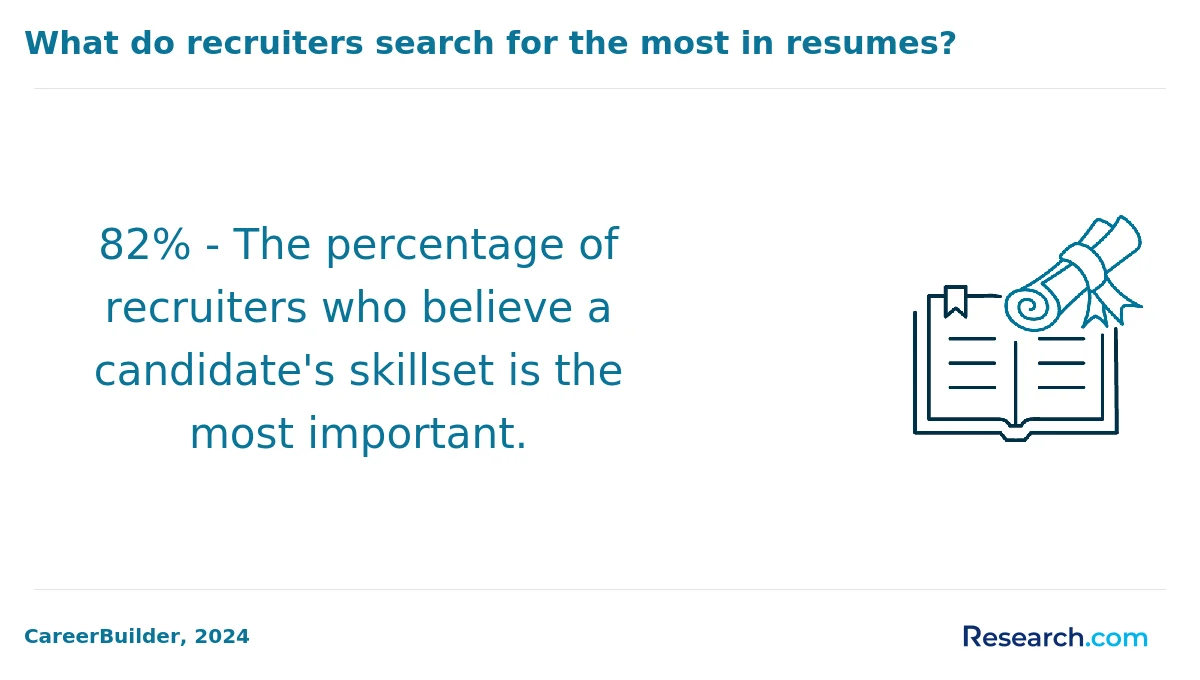
When diving into an associate degree program in Iowa, you'll quickly notice the curriculum includes a balanced mix of general education and field-specific courses. Many students from popular Iowa associate degree schools share how this approach helped them build a strong foundation without feeling overwhelmed.
Here's what typically pops up in the Iowa community college associate degree curriculum:
- Communication courses like English composition and public speaking, which graduates say boosted their confidence in everyday conversations and presentations.
- At least one math course such as college algebra or statistics, plus a laboratory science class like biology or chemistry-perfect for those interested in science-heavy programs.
- Humanities options including literature, philosophy, art, or foreign languages, letting students explore creativity and critical thinking.
- Social and behavioral sciences like psychology or sociology, which help in understanding human behavior and society.
- Electives or career-focused technical classes, especially common for those in Associate of Applied Science programs aiming to land a job right after graduation.
Plus, many Iowa schools encourage or require a diversity component, which some graduates found eye-opening as they engaged with different perspectives. Since computer skills can be crucial, courses or practice in computer literacy often come up, especially if you plan to transfer later on. For those wondering what is the easiest associate's degree to get?, the variety within the common courses in Iowa associate degree programs means there's something for everyone to feel excited about while tailoring their education.
When choosing the best associate degree programs in Iowa, start by making sure the college is properly accredited-this affects everything from financial aid eligibility to transferring credits later on. Graduates from schools like Kirkwood Community College often rave about how their program's solid reputation and strong faculty support helped them land jobs quickly after graduation. It's also important to look into how flexible the class schedules are; many students balancing work appreciate options like evening or online courses at Des Moines Area Community College. Comparing tuition and available scholarships across schools is smart too, as Iowa community colleges usually offer affordable options that fit many budgets.
To really get a feel for how to compare Iowa community colleges, consider hearing from former students who talk about supportive campus environments and useful academic advising that made a big difference in their success. If you want to find the fastest way to get an associates degree, check out programs offering accelerated courses or paid internships to gain practical experience while you learn.
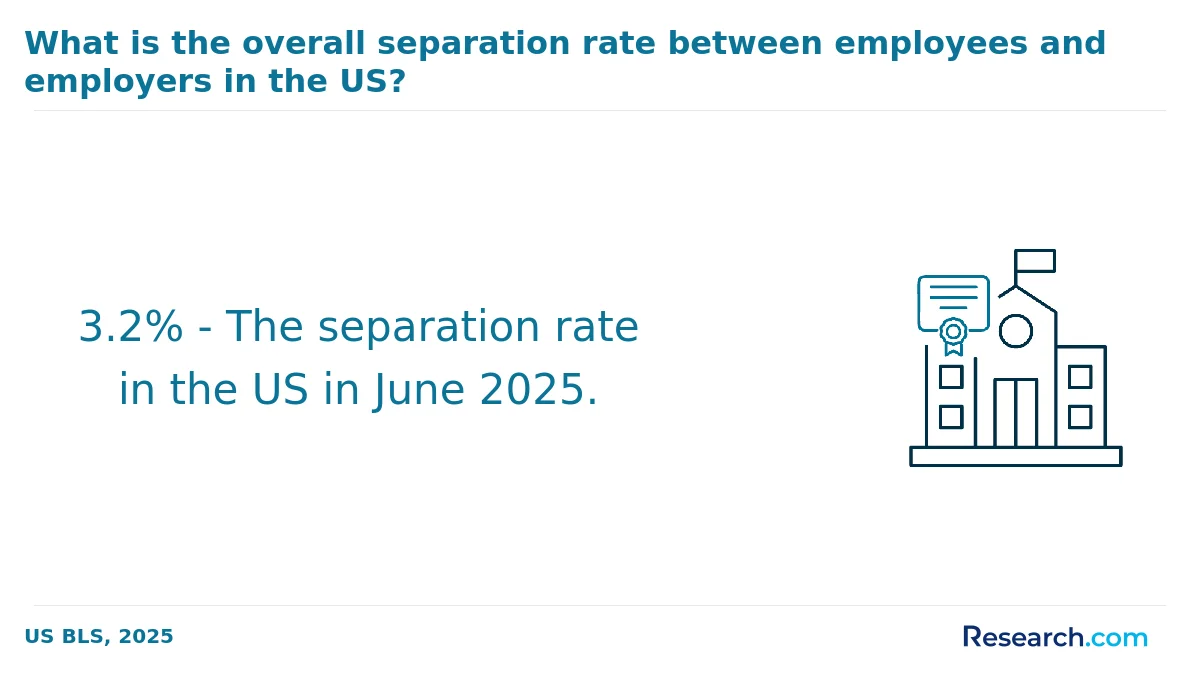
Associate degree graduates in Iowa find a variety of exciting career opportunities with an associate degree in Iowa, especially in healthcare, IT, and business sectors. Many who studied at popular Iowa community colleges share stories of landing roles like registered nurse or radiologic technologist shortly after graduation, enjoying competitive wages and stable employment. In fact, healthcare roles often out-earn some bachelor's degree jobs, which is a huge motivator for many.
For those interested in technology, positions such as web developer or computer network specialist offer fast-growing paths fueled by Iowa's expanding digital economy. Business-focused associate degrees open doors in management, marketing, and customer service across industries like manufacturing and finance-many graduates are pleasantly surprised by the range of jobs available locally.
- High-demand associate degree jobs in Iowa include medical assistants, air traffic controllers, and nuclear technicians, some requiring extra certification.
- Others start in sales or office support and grow into promising managerial roles.
If you're curious about exploring these options further, many find that researching the best accredited online universities helps them decide how to expand their education or jump straight into the workforce with confidence.
The job outlook for associate degree graduates in Iowa is strong, especially in middle-skill jobs that make up 39% of the state's workforce. Graduates from popular Iowa colleges often land roles in health sciences, IT, or protective services, where they can out-earn some bachelor's degree holders. For example, many associate degree holders find well-paying jobs starting around $35,000, with a great portion earning over $50,000 annually.
Here's what recent grads from Iowa's top associate degree programs report:
- Employment rates around 77%, clearly beating those with only a high school diploma.
- Starting wages averaging $22.22 per hour, translating to about $46,000 a year.
- Especially strong prospects for Associate of Applied Science (AAS) graduates, with a 93.6% employment rate one year after finishing.
If you're exploring high demand associate degree jobs in Iowa, you'll be glad to know that industries like healthcare and technical fields are growing steadily. With 68% of Iowa jobs needing education beyond high school by 2025, this is a smart path to stability. Many students find affordable and flexible options at local colleges, and some check out the best affordable online universities for working students to balance work and study.
Most Affordable Associate Degree Programs - Leading Certification Courses in Iowa for 2026
# 1 position
Western Iowa Tech Community College - Criminal Justice/Safety Studies.
associateWestern Iowa Tech Community College offers a Hybrid program in Criminal Justice/Safety Studies focused on the criminal justice system, its organizational components, and legal and public policy contexts. The curriculum covers criminal law and policy, police and correctional systems, administration of justice, judiciary, and public attitudes on criminal justice issues. Annual in-state tuition is $5,042. Graduates earn a median of $43,547 one year after completing the program. It is accredited by the Higher Learning Commission.
# 2 position
Western Iowa Tech Community College - Criminal Justice/Police Science.
associateWestern Iowa Tech Community College offers a Hybrid Criminal Justice/Police Science program designed to prepare students for police and public security roles. The curriculum covers patrol and investigative activities, traffic and crowd control, evidence management, and crime prevention. Students learn weapon operation and report preparation. The program's annual in-state tuition is $5,042, and graduates earn a median salary of $43,547 one year after completion. It is accredited by the Higher Learning Commission.
# 3 position
Western Iowa Tech Community College - Welding Technology/Welder.
associateWestern Iowa Tech Community College offers a Welding Technology/Welder program with a hybrid format, combining in-person and distance education. The program trains students in various welding techniques, including arc welding, brazing, and high-energy beam welding. It covers welding metallurgy, safety, structural design, and applicable codes. Annual in-state tuition is $5,042, and median earnings one year after completion reach $41,613. The program is accredited by the Higher Learning Commission.
# 4 position
Western Iowa Tech Community College - Automobile/Automotive Mechanics Technology/Technician.
associateWestern Iowa Tech Community College offers a Hybrid program in Automobile/Automotive Mechanics Technology/Technician, preparing students to repair, service, and maintain various automobile systems. The curriculum covers brake systems, electrical systems, engine performance and repair, suspension and steering, transmissions, and heating and air conditioning. The program is accredited by the Higher Learning Commission. Annual in-state tuition is $5,042. Median earnings one year after completion reach $37,520.
# 5 position
Western Iowa Tech Community College - Legal Assistant/Paralegal.
associateWestern Iowa Tech Community College offers a Legal Assistant/Paralegal program designed to prepare students for research, drafting, investigatory, record-keeping, and administrative tasks under attorney supervision. The hybrid program includes instruction in legal research, document drafting, courthouse procedures, and legal specializations. Annual in-state tuition is $5,042. The program is accredited by the Higher Learning Commission.
# 6 position
Western Iowa Tech Community College - Accounting.
associateWestern Iowa Tech Community College offers a fully online Accounting program designed to prepare individuals for professional practice and related business functions. The curriculum includes accounting principles, financial and managerial accounting, cost accounting, tax accounting, auditing, reporting procedures, and business information systems. The program is accredited by the Higher Learning Commission. Annual in-state tuition is $5,042, reflecting accessible cost for distance learners seeking expertise in accounting.
# 7 position
Western Iowa Tech Community College - Physical Therapy Assistant.
associateWestern Iowa Tech Community College offers a Physical Therapy Assistant program in a hybrid format, combining in-person and distance education. The program prepares students to assist physical therapists by implementing treatment plans, training patients, and documenting progress. Coursework includes anatomy, physiology, biomechanics, and professional ethics. The annual in-state tuition is $5,042. Graduates earn a median salary of $37,483 one year after completion. The program is accredited by the Higher Learning Commission.
# 8 position
Western Iowa Tech Community College - Medical Administrative/Executive Assistant and Medical Secretary.
associateWestern Iowa Tech Community College offers a hybrid Medical Administrative/Executive Assistant and Medical Secretary program preparing students for roles supporting physicians, nurses, and healthcare administrators. The curriculum covers medical terminology, healthcare operations, communications, software applications, and professional ethics. Annual in-state tuition is $5,042. Graduates earn a median salary of $31,546 one year after completion. The program is accredited by the Higher Learning Commission.
# 9 position
Western Iowa Tech Community College - Business Administration and Management, General.
associateWestern Iowa Tech Community College offers a Business Administration and Management, General program designed to prepare students to plan, organize, direct, and control business functions. The hybrid program includes instruction in management theory, human resources, accounting, purchasing, logistics, marketing, and decision-making. Annual in-state tuition is $5,042. Graduates typically earn a median salary of $26,530 one year after completing the program. The program is accredited by the Higher Learning Commission.
# 10 position
North Iowa Area Community College - Automobile/Automotive Mechanics Technology/Technician.
associateNorth Iowa Area Community College offers a hybrid program in Automobile/Automotive Mechanics Technology/Technician that prepares students to repair, service, and maintain various automobile systems. The curriculum includes brake systems, electrical systems, engine performance and repair, suspension, steering, transmissions, and heating and air conditioning. Annual in-state tuition is $6,436. The program is accredited by the Higher Learning Commission, and graduates earn a median salary of $47,882 one year after completion.
Frequently Asked Questions about associate degree programs
After completing an associate degree in Iowa, preparing for the job market involves several key steps. First, students should actively engage with career services offered by community colleges, which often provide resume workshops, interview preparation, and job placement assistance.
According to the Iowa Workforce Development (IWD), sectors like healthcare, manufacturing, and information technology show strong demand for associate degree holders in the state. Networking through local job fairs and internships increases employment opportunities.
Additionally, obtaining relevant certifications related to your field can enhance your competitiveness. For example, Certified Nursing Assistant (CNA) or CompTIA certifications are valuable in Iowa's job market.
Staying informed about industry trends through resources like the IWD Labor Market Information helps in targeting in-demand skills and employers.
Employers in Iowa highly value associate degree graduates who demonstrate strong technical and soft skills. According to data from the Iowa Workforce Development, critical thinking and problem-solving are among the top soft skills requested by local employers. Communication abilities, including teamwork and interpersonal skills, also rank highly across industries.
On the technical side, proficiency in computer literacy, such as Microsoft Office and industry-specific software, is essential. Many employers seek graduates with practical knowledge in fields like healthcare, manufacturing, and information technology, reflecting Iowa's economic sectors.
Additionally, reliability and a strong work ethic remain key factors in hiring decisions, as reported by the National Association of Colleges and Employers.
Finding internships in Iowa that align with your associate degree program begins with utilizing college career services, which often maintain partnerships with local businesses. Many community colleges in Iowa, like Des Moines Area Community College, provide internship listings tailored to popular associate degrees.
The Iowa Workforce Development website offers resources and job listings, including internships, which can be filtered by industry and location. Employers in manufacturing, healthcare, and IT sectors are especially active in offering internships for students pursuing relevant associate degrees.
Additionally, connecting with professional organizations in your field-such as the Iowa Healthcare Collaborative or local chambers of commerce-can uncover hidden internship opportunities. Networking events and job fairs hosted by these organizations are valuable for direct employer contact.
According to the National Association of Colleges and Employers (NACE), about 60% of internships lead to employment, emphasizing the importance of securing an internship while studying. Starting early and applying broadly enhances your chances of finding a relevant position in Iowa.
In Iowa, earning an associate degree significantly improves career mobility and advancement opportunities. According to the Iowa Department of Education, individuals with associate degrees tend to experience lower unemployment rates compared to those with only a high school diploma. Many employers in sectors like healthcare, manufacturing, and information technology prioritize candidates holding these degrees for mid-level roles.
The Iowa Workforce Development reports that workers with associate degrees earn approximately 20% more annually than those without postsecondary education. Additionally, such degrees often serve as stepping stones for credit transfer to four-year colleges, facilitating further advancement.
Associate degrees can also lead to certifications that are highly valued by Iowa employers, strengthening long-term career prospects.
In Iowa, several part-time job opportunities align well with associate degree education, providing practical experience alongside academic knowledge. Healthcare support roles, such as medical assistants or pharmacy technicians, are common for students pursuing health-related degrees. According to the Iowa Workforce Development, healthcare jobs grew by 7% from 2018 to 2023, reflecting demand in this sector.
Retail and administrative positions also frequently complement business or technology-related programs. Part-time roles in data entry, customer service, or IT support can enhance skills and provide valuable workplace exposure.
Additionally, Iowa's education sector offers opportunities for teacher aides, benefiting those pursuing early childhood or education degrees. These part-time jobs often offer flexible schedules suited for students balancing studies.
To find the most affordable degree program near me, consider researching local community colleges and public universities, which often offer lower tuition rates than private institutions. Near Iowa, several public universities and community colleges provide cost-effective education options, and it's beneficial to explore financial aid opportunities they offer. Research.com can be a helpful resource for comparing degree programs' affordability and identifying institutions with reasonably priced tuition fees.
- Most Affordable Associate Degree Programs - Leading Certification Courses in Minnesota for 2026
- Most Affordable Associate Degree Programs - Leading Certification Courses in Nebraska for 2026
- Most Affordable Associate Degree Programs - Leading Certification Courses in South Dakota for 2026
- Most Affordable Associate Degree Programs - Leading Certification Courses in Kansas for 2026
- Most Affordable Associate Degree Programs - Leading Certification Courses in Indiana for 2026
- Most Affordable Associate Degree Programs - Leading Certification Courses in North Dakota for 2026
- Most Affordable Associate Degree Programs - Leading Certification Courses in Colorado for 2026
- Most Affordable Associate Degree Programs - Leading Certification Courses in West Virginia for 2026
- Most Affordable Associate Degree Programs - Leading Certification Courses in Mississippi for 2026
- Most Affordable Associate Degree Programs - Leading Certification Courses in Florida for 2026
- Top 5 Skills Employers Look For | Nth Degree https://newmanu.edu/top-5-skills-employers-look-for
- Associate of Arts Programs - Northwest Iowa Community College https://nwicc.edu/academics/programs-of-study/associate-arts-programs/
- Labor Market | Iowa Workforce Development https://workforce.iowa.gov/labor-market-information
- Associate of Arts, A.A. - Iowa Western Community College https://www.iwcc.edu/academic_programs/general-studies/general-studies-a-a/
- Associate Degree programs - United International Business School (UIBS) https://www.uibs.org/undergraduate/associate/
- How to Properly List Your Academic Degrees and Credentials - ASET - The Neurodiagnostic Society https://www.aset.org/docs/individuals/how-to-properly-list-your-academic-degrees-and-credentials/
- Iowa Central: University of Iowa Transfer Information https://www.iowacentral.edu/transfer/u_of_iowa.asp
- Research - Most Affordable Online Colleges For Working Adults https://research.com/universities-colleges/most-affordable-online-colleges-for-working-adults
- List of professional designations in the United States - Wikipedia https://en.wikipedia.org/wiki/List_of_professional_designations_in_the_United_States
- Associate in Science, AS Degree - Iowa Lakes Community College https://iowalakes.edu/program/associate-in-science-as/





