
Most Affordable Associate Degree Programs - Leading Certification Courses in Dayton for 2026

Co-Founder and Chief Data Scientist
Choosing the right associate degree program in Dayton can feel overwhelming, but it doesn’t have to be. This article introduces a carefully crafted ranking of the most affordable associate degree programs, developed by the Research.com team of data scientists.
Our goal is to help you discover programs that offer quality education without breaking the bank. Whether you’re starting fresh or advancing your career, an associate degree can open doors to new opportunities and greater earning potential.
Explore the options that best fit your goals and budget with confidence and clarity.
Key benefits of associate degrees in Dayton
• Associate degree holders in Dayton enjoy strong earning potential, with median salaries ranging from around $49,500 overall to as high as $80,010 in fields like engineering technology and up to $78,530 for radiologic technologists.
• Popular career paths for graduates include healthcare roles such as radiologic technicians, skilled trades like aircraft mechanics, and technical inspection jobs, offering a variety of options to match your interests and skills.
• Earning an online associate degree allows flexible study schedules, often saving time and money while providing quality education, as experienced by graduates from Dayton's well-known online programs.
- Most Affordable Associate Degree Programs - Leading Certification Courses in Dayton for 2026
- What can I expect from associate degree programs in Dayton?
- Where can I work after finishing associate degree programs in Dayton?
What can I expect from associate degree programs in Dayton?
Students pursuing an associate degree in Dayton typically find the cost quite manageable, especially compared to four-year universities. Tuition at institutions like Sinclair Community College often ranges around $4,000 to $6,000 per year for in-district students, making it an affordable path for many. Graduates frequently note that this lower cost allowed them to focus more on their studies without overwhelming financial stress.
Dayton's schools also offer flexible payment options and financial aid, which can ease the burden even further. Many students share how transferring up to 44 credit hours from previous coursework helped reduce both time and expenses. One graduate from Franklin University described how part-time study and evening classes allowed them to work while earning credits, fitting education seamlessly into their busy lives.
Hands-on programs, like nursing at Fortis College, combine campus learning with clinical hours, adding invaluable experience without significantly increasing cost. These tangible benefits, alongside academic support and career services, ensure students feel confident about both their education and financial investment.
Where can I work after finishing associate degree programs in Dayton?
Graduates from Dayton's well-regarded associate degree programs often find themselves stepping confidently into diverse and rewarding careers. Imagine a recent graduate from Sinclair College who earned an associate degree in healthcare administration, now working as a Vital Records Technician at a local public health organization, enjoying competitive pay and meaningful daily impact. Others from Dayton's community colleges have successfully transitioned into roles like dental hygienists, physical therapist assistants, or certified occupational therapy assistants, valued for their hands-on skills in hospitals and clinics nearby.
In business sectors across Dayton, graduates with associate degrees in accounting or human resources are filling positions like Course Administrator or Administrative Specialist. These roles often come with benefits such as tuition reimbursement, making further education a hopeful next step. Technologically minded graduates find opportunities as Data Technicians in Dayton firms, earning starting salaries above $60,000 and gaining experience that feels both challenging and encouraging.
Legal and social service pathways are also strong. Graduates have shared satisfaction about starting careers as paralegals with stable salaries or stepping into Care Coordinator roles that make a real difference in people's lives. Many appreciate that even with little prior experience, Dayton employers recognize their associate degrees as solid proof of practical knowledge and readiness.
After finishing an associate degree program in Dayton, graduates often see a meaningful jump in their earning potential. Many from popular schools like Sinclair Community College find themselves stepping into roles that pay around $40,000 annually, with an average hourly wage near $19.31. This isn't just a number - it's the starting point for a stable, rewarding career that allows for financial independence and growth.
Graduates recall feeling a mix of pride and relief when landing entry-level positions paying between $30,100 and $41,800. With a bit of experience, many move toward higher wages. Those who specialized, such as in radiologic technology or engineering technology, often exceed $75,000 a year, reflecting the value employers place on those skills in Dayton's job market.
For example, graduates working as university registrars or inspectors describe the satisfaction of earning around $66,100, a salary that supports a comfortable lifestyle in the city. Many appreciate how their associate degree opened doors that might have seemed closed before, making education a smart investment in both their future and peace of mind.
- Jenna: Earning my Associate Degree in Nursing from a Dayton trade school was a life-changing experience. The hands-on training prepared me perfectly, and I quickly found a rewarding job at a local hospital. The supportive instructors made every challenge manageable, boosting my confidence and career prospects.
- Marcus: Getting my Associate Degree in HVAC Technology in Dayton was a smart move. The program balanced theory with practical skills, enabling me to secure a steady job with a reputable company. Studying at a trade school meant less debt and more focus on real-world applications, which I truly appreciated.
- Leah: Pursuing an Associate Degree in Graphic Design in Dayton's trade school opened doors I never imagined. The creative environment and small classes encouraged my passion, and soon after graduation, I landed a great role with a marketing firm. It was a confident step into a fulfilling career path.
- Sinclair Community College in Dayton offers three main associate degree types: university parallel, career-focused, and individualized programs.
- Admission generally requires a high school diploma or equivalent, and many programs require placement tests in English and math.
- A 2.0 GPA is usually needed to graduate, with special deadlines for some pathways like the UD Sinclair Academy partnership.
- Annual in-district tuition at Sinclair ranges from $4,000 to $5,000, making the total two-year cost approximately $8,000 to $12,000, excluding books and living expenses.
- Entry-level salaries in fields like nursing and IT typically range from $38,000 to $55,000, with experienced workers earning $60,000 or more.
- University parallel programs facilitate transfer to four-year colleges, and many offer internships or co-op options for hands-on experience.
Most associate degree programs in Dayton are designed to be completed in about two years of full-time study. Graduates often recall balancing their schedules with around 15 credit hours per semester, enabling them to finish within four semesters. For example, students at Edison State Community College typically follow this two-year path, taking roughly 60 credit hours by carefully planning their coursework.
However, many students navigating work or family life appreciate the flexibility offered by part-time study. Institutions like Sinclair College and the UD Sinclair Academy provide options to extend the timeline up to three years, allowing learners to progress at a comfortable pace without feeling overwhelmed. This kind of adaptable schedule often leaves students feeling more confident about managing education alongside other responsibilities.
Technical and trade programs in Dayton share similar timelines, with most applying the two-year standard for full-time students. Some graduates mention that these programs combine hands-on learning with general education courses, creating a well-rounded experience that feels both achievable and rewarding.
Adult learners benefit from accelerated or flexible options that suit their busy lifestyles, often appreciating programs that allow them to move forward based on their availability while still targeting degree completion within the usual two-year framework.
The key difference between online and on-campus associate degree programs in Dayton lies in how students engage with their education. Online programs, like those offered by Franklin University and Sinclair Community College, provide exceptional flexibility, allowing students to balance work, family, and study. Many graduates appreciate logging in from home or during breaks, crafting a schedule that fits their busy lives. Asynchronous classes make learning feel personalized, though some online courses do include occasional virtual meet-ups or campus visits for clinicals, especially in healthcare fields.
On the other hand, on-campus programs immerse students in the Dayton college atmosphere, with direct face-to-face interaction that builds community and offers instant access to labs and campus resources. Graduates from Miami University-Middletown often recall the energy of being on campus, where structured days help maintain focus and foster friendships.
Both paths lead to accredited degrees with similar tuition at local public institutions, but the choice depends on whether a student thrives in a flexible, independent environment or a lively campus setting.
The average cost of associate degree programs in Dayton reflects a wide range influenced by the type of institution and residency status. Graduates of public community colleges such as Sinclair Community College often recall how manageable tuition and fees, around $4,569 annually, made pursuing their education without overwhelming debt seem achievable. This affordability is a key reason why Dayton Ohio associate degree tuition and fees remain attractive to many local students seeking practical career training without financial strain.
On the other hand, those who chose private nonprofit schools like the Ohio Institute of Allied Health remember a substantially different financial experience. At $24,493 annually, this cost can feel daunting initially, yet many found that the specialized training and strong career connections justified the expense. In some cases, the decision to invest in a higher tuition privateschool was motivated by the comprehensive support and advanced resources offered.
Dayton State College provides an interesting middle ground in this landscape. In-state students pay approximately $102.38 per credit hour, making the total cost near $6,142.80 for a full 60-credit associate degree. Graduates often describe this option as balancing quality and cost effectively, especially when factoring in financial aid or scholarships. For prospective students exploring varied options, these differences underscore the importance of reviewing specific program costs early.
For those considering accelerated or alternative pathways, resources highlighting the top online associate degree in 6 months accredited can further illuminate cost-effective routes beyond traditional campus programs.
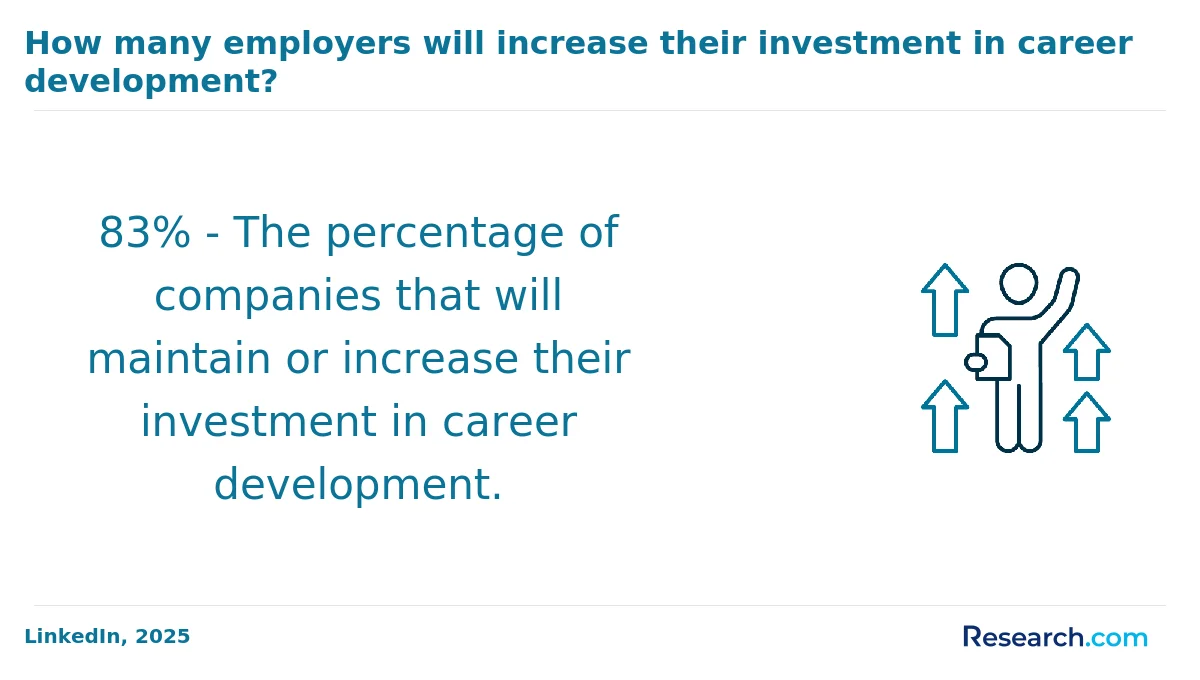
Students pursuing associate degrees in Dayton often find a welcoming financial aid landscape that eases the burden of tuition and living expenses. Federal grants like the Pell Grant offer substantial assistance, with awards up to $8,370 based on financial need determined through FAFSA. Many Dayton students recall how these grants enabled them to focus on their studies without constant financial stress.
State-level support such as the Ohio College Opportunity Grant provides additional aid specifically for those enrolled in local community colleges, reinforcing the sense of community investment in their education. Dayton's Wright State University exemplifies this local support through scholarships like the Transfer Honors Associate Degree Scholarship, rewarding academic excellence and providing $2,000 to deserving students transferring from two-year colleges.
Work-study programs encourage hands-on experience and part-time employment, helping students earn while they learn, a vital opportunity shared by many graduates who balanced their schedules and budgets effectively. Federal student loans remain an option, with manageable borrowing limits tailored to first-year dependent and independent students, offering flexibility when other aid falls short.
Graduates often express gratitude for how these combined resources made their educational journeys in Dayton not just possible but deeply rewarding.
Enrolling in an associate degree program in Dayton generally starts with holding a high school diploma or GED, a straightforward but important foundation. Graduates from Sinclair Community College and Wright State University Lake Campus often share how the open enrollment policies helped ease their entry, removing excessive academic hurdles for first-time college students.
Applicants typically need to:
- Submit a completed application form.
- Provide official high school or previous college transcripts.
- Meet standard college admission requirements.
For example, graduates recall how Sinclair's Associate of Arts program required completing the Ohio Transfer 36 general education courses, aligning well with other Ohio universities. Wright State's Lake Campus students mention completing 60 credit hours with core courses like global inquiry and integrated writing, emphasizing a balanced curriculum that felt achievable and meaningful.
Some programs, such as Nursing at Fortis College in Centerville, add steps like personal information forms and prerequisite courses, reflecting their focus on preparing students for licensure and demanding careers. Dayton students appreciate that most programs allow declaring majors early, which helps boost motivation and provides clearer academic direction.

Associate degree course requirements in Dayton typically blend general education with major-specific instruction, creating a balanced foundation for students. Graduates from popular Dayton institutions often reflect on the value of courses such as English composition and social sciences that sharpen communication and critical thinking skills. Many find that these common classes for Dayton associate programs build the confidence needed to thrive both academically and professionally.
Major-specific pathways diversify the experience further. For example, students pursuing Associate of Arts or Science degrees might engage with subjects like psychology, biology, or mathematics, enriching their understanding through practical and theoretical lessons. Meanwhile, those in career-oriented programs like the Associate of Applied Science benefit from hands-on courses-ranging from cybersecurity to graphic design-that prepare them directly for the workforce.
Many working adults appreciate the growing availability of online courses, which offers a flexible way to achieve their educational goals without sacrificing daily responsibilities. For insights into these options, students can explore the best online programs for seniors that are gaining traction in the region.
Choosing the best associate degree program in Dayton begins with understanding your personal goals. Many graduates from Sinclair Community College appreciate the clear pathways between university parallel programs and career tracks, helping them decide whether to transfer to a four-year school or jump directly into employment. This approach lets students tailor their education to fit their future ambitions, whether that means continuing education or gaining immediate skills for Dayton's job market. When you compare Dayton associate degree costs and outcomes, it's helpful to consider Sinclair's flexible scheduling and affordable net prices, which many local students find ideal for balancing work and study.
Graduates often highlight the value of attending regionally accredited schools like Wright State University-Lake Campus, where transfer agreements simplify continuing education. Career placement services and strong advising make a real difference in student satisfaction and success.
To ensure your choice leads to meaningful employment, exploring data on the bachelors that make the most money can guide decisions, especially for those planning beyond their associate degree.
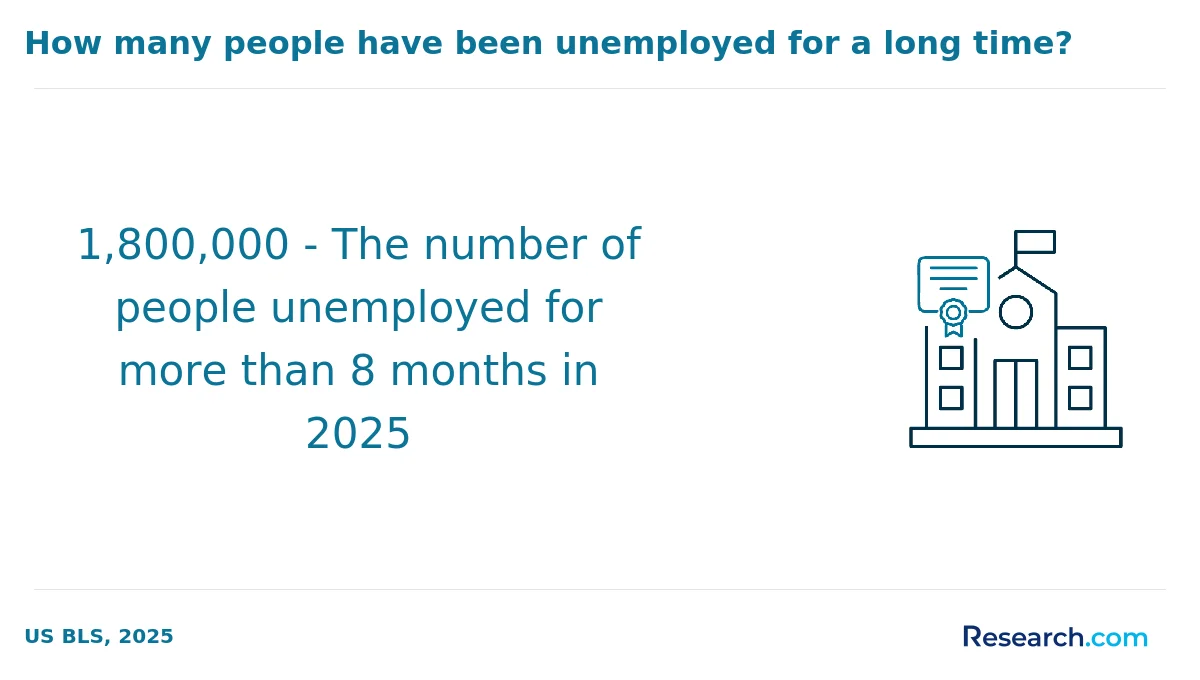
Associate degree graduates in Dayton find a rich variety of career paths that cater to diverse interests and aptitudes. Many graduates from well-regarded Dayton institutions share how their education opened doors to rewarding roles such as dental hygienist, physical therapist assistant, and medical records technician. These positions not only provide competitive salaries but also offer meaningful, hands-on work in the thriving local healthcare sector.
Beyond healthcare, business and technology careers are flourishing for associate degree holders. Graduates often secure roles as accounting clerks, data technicians, or administrative specialists in Dayton's dynamic industries. The steady demand in these fields is exemplified by starting wages exceeding $20 per hour and real opportunities for growth.
Education and social services remain solid options, with roles like preschool teacher or care coordinator balancing purpose and practical benefits, including loan forgiveness. The variety is striking:
- Healthcare jobs providing upward of $50,000 yearly
- Administrative and tech positions with competitive hourly wages
- Social service roles offering meaningful community impact
Graduates often reflect on how schools in Dayton equipped them with skills that translate into success in these fields. For those seeking fast track careers that pay well, exploring associate degree pathways in Dayton reveals compelling prospects, tailored to local economic needs and personal ambitions.
The job market for associate degree graduates in Dayton continues to offer encouraging opportunities, especially for those who have built skills in healthcare, manufacturing, and administrative support. Graduates from well-known local colleges often find that their education translates into practical roles such as dental hygienists, physical therapist assistants, and administrative coordinators. These roles not only provide steady employment but also offer competitive benefits and salaries. Many graduates share experiences of landing jobs with wages ranging from $40,000 to $80,000, reflecting the favorable average salary for associate degree holders in Dayton.
Dayton's manufacturing sector, with its steady growth, opens doors for graduates skilled in industrial technology or logistics. Meanwhile, those pursuing healthcare roles benefit from the region's expanding demand, a trend also mirrored in job listings that point to nearly 2,000 openings requiring an associate degree. Local students often highlight how their hands-on training prepared them well to meet this demand.
Success stories emphasize the importance of targeting the right sectors, combining education with practical skills to thrive in Dayton's competitive environment. For those weighing their path, exploring the career for introverts can offer valuable insights aligned with strengths and preferences.
Most Affordable Associate Degree Programs - Leading Certification Courses in Dayton for 2026
# 1 position
Sinclair Community College - Computer and Information Sciences, General.
associateSinclair Community College offers a Computer and Information Sciences, General program accredited by the Higher Learning Commission. This program covers computing, computer science, and information science systems in a broad, undifferentiated approach. The annual in-state tuition is $3,435. Graduates earn a median income of $45,772 one year after completing the program, providing insight into potential financial outcomes for students pursuing this field.
# 2 position
Sinclair Community College - Computer Systems Networking and Telecommunications.
associateSinclair Community College offers a program in Computer Systems Networking and Telecommunications, providing instruction in designing, implementing, and managing computer networks and associated software. Students learn about operating systems, systems analysis, networking theory, security, and troubleshooting. The program aims to prepare individuals for roles as network specialists and managers. Annual in-state tuition is $3,435, and median earnings one year after completion are $45,772. The program is accredited by the Higher Learning Commission.
# 3 position
Sinclair Community College - Business Administration and Management, General.
associateSinclair Community College offers a hybrid Business Administration and Management, General program that prepares students to plan, organize, direct, and control various business functions. The curriculum covers management theory, human resources, accounting, purchasing, logistics, marketing, and decision-making. The annual in-state tuition is $3,435. Graduates earn a median salary of $45,758 one year after completion. The program is accredited by the Higher Learning Commission.
# 4 position
Sinclair Community College - Physical Therapy Assistant.
associateSinclair Community College offers a Physical Therapy Assistant program in a hybrid format, combining in-person and distance education. The program trains students to assist physical therapists by implementing treatment plans, conducting interventions, using equipment, and documenting patient progress. Coursework includes anatomy, physiology, biomechanics, neuroscience, and professional ethics. Annual in-state tuition is $3,435. Graduates have median earnings of $33,709 one year after completion. The program is accredited by the Higher Learning Commission.
# 5 position
Sinclair Community College - Veterinary/Animal Health Technology/Technician and Veterinary Assistant.
associateSinclair Community College offers a program in Veterinary/Animal Health Technology/Technician and Veterinary Assistant that prepares students to assist veterinarians and animal care professionals. The curriculum covers animal nursing, clinical procedures, radiology, anesthesiology, dental prophylaxis, surgical assisting, and office administration. The program is accredited by the Higher Learning Commission and has an annual in-state tuition of $3,435.
# 6 position
Sinclair Community College - Computer and Information Systems Security/Auditing/Information Assurance.
associateSinclair Community College offers a hybrid program in Computer and Information Systems Security/Auditing/Information Assurance. The program prepares students to assess security needs, recommend safeguards, and manage security systems and procedures. Coursework includes computer architecture, programming, networking, cryptography, auditing, law, risk assessment, and investigation techniques. The annual in-state tuition is $3,435. The program is accredited by the Higher Learning Commission.
# 7 position
Sinclair Community College - Electrician.
associateSinclair Community College offers a Hybrid Electrician program that prepares students to install, operate, maintain, and repair electrical systems in residential, commercial, and industrial settings. The curriculum covers electronics, wiring, power transmission, safety, electrical testing, and applicable codes. Annual in-state tuition is $3,435. The program is accredited by the Higher Learning Commission, providing technical knowledge essential for careers in electrical power and control systems.
# 8 position
Sinclair Community College - Heating, Air Conditioning, Ventilation and Refrigeration Maintenance Technology/Technician.
associateSinclair Community College offers a program in Heating, Air Conditioning, Ventilation and Refrigeration Maintenance Technology/Technician. This training prepares students to repair, install, service, and maintain HVAC and refrigeration systems. Instruction covers diagnostic techniques, testing equipment, and the mechanics, electricity, and electronics needed for system repair. The program is accredited by the Higher Learning Commission. Annual in-state tuition is $3,435.
# 9 position
Sinclair Community College - Industrial Mechanics and Maintenance Technology/Technician.
associateSinclair Community College offers a Hybrid program in Industrial Mechanics and Maintenance Technology/Technician, preparing students to repair and maintain various industrial machinery such as cranes, pumps, engines, and conveyor systems. The program is accredited by the Higher Learning Commission. Annual in-state tuition is $3,435. The curriculum covers technical skills applicable to equipment including pneumatic tools, marine deck machinery, and refinery systems, blending practical and theoretical learning.
# 10 position
Sinclair Community College - Automobile/Automotive Mechanics Technology/Technician.
associateSinclair Community College offers a hybrid program in Automobile/Automotive Mechanics Technology/Technician, preparing students to repair, service, and maintain various automobile systems. The curriculum covers brakes, electrical systems, engine performance and repair, suspension and steering, transmissions, and heating and air conditioning. Annual in-state tuition is $3,435. Graduates have a median earning of $32,758 one year after completion. The program is accredited by the Higher Learning Commission.
Frequently Asked Questions about associate degree programs
After earning an associate degree in Dayton, preparing for the job market involves several practical steps. First, graduates should leverage local resources such as the Dayton Area Chamber of Commerce for networking opportunities and job fairs tailored to the region. According to the U.S. Bureau of Labor Statistics, sectors like healthcare, manufacturing, and information technology employ many associate degree holders in Dayton, highlighting these fields as promising choices.
Building a professional resume and acquiring internship or apprenticeship experience during studies significantly increases employability. Additionally, OhioMeansJobs Dayton offers career counseling and job placement services specifically for recent graduates.
Developing soft skills like communication and problem-solving also improves job prospects. Continuing education or certifications related to one's field can further enhance marketability in Dayton's competitive job market.
Employers in Dayton increasingly value both technical and soft skills in associate degree graduates. According to the Dayton Chamber of Commerce and regional workforce reports, strong communication and teamwork skills rank highly among desired attributes. Graduates who demonstrate problem-solving abilities and adaptability often have better job prospects.
In technical roles, proficiency in computer applications, data analysis, and specific industry-related software is critical. For example, manufacturing employers seek knowledge in CNC machining or quality control processes. Healthcare fields emphasize clinical skills combined with empathy and patient interaction.
Overall, Dayton employers prefer candidates who pair career-specific expertise with critical thinking and collaboration skills, aligning with national trends noted by the National Skills Coalition (2023).
Finding internships in Dayton that align with your associate degree program involves several practical steps. Begin by exploring resources at local community colleges like Sinclair College, which often maintain internship listings relevant to their programs. According to the Dayton Chamber of Commerce, Dayton hosts more than 370,000 jobs, with notable opportunities in healthcare, manufacturing, and technology sectors.
Utilize career services offices, which can connect you with employers offering internships. Additionally, websites such as the OhioMeansJobs portal provide extensive internship listings in the Dayton area. Networking events and job fairs in Dayton can also introduce you to local businesses eager to hire interns.
Employers in Dayton frequently look for candidates with hands-on experience, so securing an internship related to your associate degree can significantly enhance your career prospects.
In Dayton, obtaining an associate degree can significantly enhance career mobility and opportunities for advancement. According to the Ohio Department of Higher Education, individuals with an associate degree typically earn 20% more annually than those with only a high school diploma. Many local employers recognize associate degrees as a valuable credential, especially in technical fields such as healthcare, manufacturing, and information technology.
Data from the Bureau of Labor Statistics indicates that Dayton's job market increasingly favors candidates with postsecondary education for promotions and specialized roles. An associate degree can serve as a stepping stone to gain these credentials without the time and cost of a four-year program.
Furthermore, many Dayton community colleges maintain partnerships with regional employers, facilitating direct pathways from education to career advancement. This connection supports students in building both skills and professional networks essential for upward mobility in the local economy.
Part-time job opportunities in Dayton that complement associate degree education are abundant and diverse, especially in sectors such as healthcare, retail, and administrative support. For example, students pursuing associate degrees in nursing or medical assisting often find part-time roles as certified nursing assistants or medical receptionists. According to the Dayton Economic Development Council, healthcare positions are among the fastest-growing part-time jobs in the region, with wages averaging $12 to $18 per hour.
In addition, Dayton's retail sector provides roles such as customer service associates or inventory clerks, offering flexible hours that suit student schedules. These positions help develop communication and organizational skills relevant to many associate degree fields.
Administrative assistant roles within local businesses and educational institutions are another common part-time option. The U.S. Bureau of Labor Statistics reports that such jobs typically require some postsecondary education, aligning well with associate degree coursework.
Students can benefit from these part-time jobs by gaining practical experience while reducing educational expenses.
There are several affordable degree programs near Dayton, OH, offered by local universities and colleges that cater to a wide range of academic interests. Community colleges and state universities often provide competitive tuition rates, making higher education more accessible for students wishing to study near me. Research.com can be a helpful resource for identifying institutions and programs that fit individual needs and financial constraints.
- Why You Should Consider an Online Associate Degree Program - Lakewood University https://lakewood.edu/online-associate-degree-benefits/
- Seasonal Hiring Trends in Dayton: What to Expect in Early 2025 https://www.crownpersonnel.com/2024/12/23/seasonal-hiring-trends-in-dayton-what-to-expect-in-early-2025/
- Online vs Traditional School: A Look at the Pros and Cons https://www.uopeople.edu/blog/online-colleges-vs-traditional-colleges/
- Degree of Perseverance: Challenges of First-Generation College Students - Dayton Foodbank https://thefoodbankdayton.org/challenges-of-first-generation-college-students/
- Highest paying jobs that require a 2 year degree in Dayton https://www.wdtn.com/news/local-news/highest-paying-jobs-that-require-a-2-year-degree-in-dayton/
- Saving the Associate of Arts Degree: How an A.A. Degree Can Become a Better Path to Labor Market Success | American Enterprise Institute - AEI https://www.aei.org/research-products/report/saving-the-associate-of-arts-degree-how-an-a-a-degree-can-become-a-better-path-to-labor-market-success/
- Is an Online Degree the Same as a Traditional Degree | Online Degree https://www.cambridgehealth.edu/online-degrees/get-an-online-degree/is-an-online-degree-the-same-as-a-traditional-degree/
- Here’s How an Associate Degree Can Advance Your Career https://flex.wisconsin.edu/stories-news/heres-how-an-associate-degree-can-advance-your-career/
- Top Career Skills for Two-Year College Grads in 2025 https://www.hanoverresearch.com/reports-and-briefs/higher-education/top-career-skills-for-two-year-college-grads-in-2025/
- How Should I List Multiple Degrees After My Name? | ProFellow https://www.profellow.com/askdrjohnson/how-should-i-list-multiple-degrees-after-my-name/


