Most Affordable Associate Degree Programs - Leading Certification Courses in Columbus for 2026

Co-Founder and Chief Data Scientist
Choosing the right associate degree program is an exciting step toward a brighter future. If you’re exploring affordable options in Columbus for 2026, this article is here to guide you.
The Research.com team of data scientists has created a detailed associate degree programs ranking to help you make an informed choice. By reading this, you’ll discover programs that balance quality and cost effectively.
Getting an associate degree can open doors to rewarding careers and greater opportunities. Let’s explore options that fit your goals and budget with confidence.
Key benefits of associate degrees in Columbus
- Associate degree graduates in Columbus can earn competitive salaries, such as $71,700 for Construction Inspectors, $72,400 for Sales Representatives, and $73,660 for Structural Iron and Steel Workers, offering strong financial benefits.
- Popular career paths include technical roles like Engineering Technologists, skilled trades, and healthcare positions, providing a variety of options for in-demand jobs with growth potential.
- Online associate degrees offer flexibility and convenience, allowing students from popular Columbus schools to balance work and studies easily while gaining valuable credentials without commuting.
- Most Affordable Associate Degree Programs - Leading Certification Courses in Columbus for 2026
- What can I expect from associate degree programs in Columbus?
- Where can I work after finishing associate degree programs in Columbus?
What can I expect from associate degree programs in Columbus?
The average cost for an associate degree program in Columbus typically ranges between $3,500 and $6,000 per year at community colleges such as Columbus State Community College, the largest provider in the area. Graduates often mention that this investment feels manageable compared to four-year universities, especially when factoring in the high number of courses that transfer seamlessly to Ohio's public universities, reducing future expenses.
Many students appreciate Columbus State's flexible scheduling options, including evening and online classes, which allow them to work while studying without breaking the bank. One graduate shared how balancing a part-time job and online courses made completing the degree smoother both financially and emotionally.
Beyond tuition, students should expect some additional costs for textbooks and materials, though many find they can minimize these through library resources or digital formats. Advising and career services included with enrollment help students stay on track and prepare to enter the workforce promptly.
Where can I work after finishing associate degree programs in Columbus?
After completing an associate degree program in Columbus, graduates find a strong job market welcoming their skills across diverse fields. Many graduates from local schools step directly into healthcare roles such as medical laboratory technicians or radiologic technologists, working in nearby hospitals and clinics that value their certifications and hands-on training.
In the tech industry, which has seen a 22% growth in 2025, former students often land entry-level IT support or cybersecurity analyst positions at major employers like Intel and Amazon situated right here in Columbus. Graduates frequently mention how their coursework and internships prepared them to confidently join these fast-growing teams.
Those pursuing careers in business or public service often secure jobs as executive assistants or legal secretaries in local government offices and thriving businesses downtown. Graduates appreciate how their associate programs offered practical skills suited to these roles.
Additionally, the skilled trades sector, including industrial maintenance and applied engineering, actively hires graduates from Columbus's technical colleges, opening doors to stable careers with clear advancement pathways and employer-sponsored tuition reimbursement to continue growing on the job.
After finishing an associate degree program in Columbus, you can expect an average annual salary of about $39,289, which breaks down to roughly $18.89 per hour. Entry-level roles typically start nearer $29,500 annually-imagine starting your first job earning around $14 per hour, enough to cover rent and basic expenses while gaining valuable experience.
Graduates from popular Columbus institutions often share how their degrees opened doors to careers paying between $40,000 and $47,000 yearly. For example, an Accounting Associate can earn an average of $46,960, while administrative assistants in operations and technical fields report salaries close to $44,000 to $46,000. This steady start supports a positive outlook as you gain experience and build skills.
Many associate degree holders in Columbus find that after a few years, especially in in-demand fields like health sciences and IT, their earnings climb above $49,000. Graduates from local community colleges often express satisfaction at the balance between affordable education and strong post-degree employment prospects in the Columbus job market.
- Jasmine: Earning my Associate Degree in Culinary Arts at a Columbus trade school was transformative. The hands-on training prepared me well for the fast pace of restaurant kitchens here. I quickly landed a chef position, and the supportive community made learning truly enjoyable.
- Marcus: Getting an Associate Degree in Electrical Technology opened doors I didn't expect. Columbus's growing industry means solid job opportunities, and my practical education gave me confidence on the job. I'm proud to be skilled, employable, and part of this city's workforce.
- Emily: Studying Early Childhood Education at a Columbus community college was the best choice. The focused curriculum and experienced instructors helped me thrive. Now, working in a local preschool, I see daily the impact of hands-on learning and feel grateful for the career my associate degree built.
- Associate degree programs typically require 60 to 61 semester credit hours, with some credits completed at the institution and specific major requirements.
- Applicants usually need a high school diploma or equivalent, and some programs require placement tests in subjects like math or writing.
- Most programs are designed to be completed in two years of full-time study, with options for part-time, online, or hybrid courses.
- In-state tuition at public colleges like Columbus State Community College ranges from $4,000 to $5,000 per year, while private colleges may charge $12,000 to $15,000 annually.
- Graduates can expect starting salaries between $35,000 and $45,000, with experienced professionals in certain fields earning up to $65,000 annually.
Most associate degree students in Columbus complete their programs in about two years when studying full-time. Graduates from schools like Columbus State Community College often share how maintaining a steady course load of 12 to 15 credits per semester helped them stay on track without feeling overwhelmed. For example, the Associate of Arts degree there requires a minimum of 61 credit hours, aligning with typical two-year goals.
Part-time students, especially those balancing work or family, may take three years or more to finish. Many find this flexibility crucial, as it allows them to manage their schedules without sacrificing quality of life. Institutions such as The Ohio State University at Newark offer similar timelines but accommodate part-time study to fit real-world demands.
Some students opt for online or accelerated programs that enable faster completion, like eight-week course formats. These paths appeal to highly motivated learners eager to launch careers sooner while juggling responsibilities. Trade and technical schools also provide evening or weekend classes, offering even more scheduling freedom without extending overall program length too much.
The main difference between online and on-campus associate degree programs in Columbus is how you attend classes. Online programs, like those at Columbus State Community College and Franklin University, let you study from home on your own schedule. Many graduates appreciate this flexibility, especially working adults balancing jobs or family. For example, Franklin University reported that in 2022, all associate degree completions were online, reflecting how adult learners value this convenience.
On the other hand, on-campus programs require attending scheduled classes in person. This setup allows for direct interaction with instructors and classmates, which some students find motivating. Hands-on activities and access to campus resources add to this experience. For students who thrive on structured routines and immediate feedback, schools like Ohio State University offer traditional classes with strong community engagement.
Cost-wise, online learners in Columbus often save on commuting and housing but generally pay similar tuition. Eastern Gateway Community College's fully online associate programs, for example, cost about $4,385 per semester, making affordability a real consideration. Technology-wise, online students need reliable internet and a capable computer, while on-campus students rely more on school facilities.
Students pursuing an associate degree in Columbus typically find the average associate degree cost in Columbus varies between institutions and residency status. For Ohio residents attending Columbus State Community College, the annual tuition and general fees are about $4,630, making it one of the more affordable options for local students. Graduates often describe this as a practical investment, given that the full two-year program costs approximately $9,260 in tuition and fees alone.
Non-resident students, however, should expect nearly double that amount, with annual tuition and fees around $9,470, leading to a two-year total near $18,940. In addition to tuition, students must budget for books and supplies, which average $2,000 per year at Columbus State. When factoring in living expenses, transportation, and personal costs, the comprehensive annual cost climbs to roughly $10,116 for local attendees, or about $20,231 over the full program.
Many students appreciate the opportunity to study online, where Columbus State's online associate degree tuition runs about $10,294 annually, focusing on convenience while keeping costs competitive. Those looking at private options, such as Ohio Dominican University, will find higher tuition rates; full-time students taking 15 credit hours per semester face $6,225 per semester just for tuition, excluding other fees and living expenses.
For prospective students weighing their options, understanding Columbus Ohio associate degree tuition and fees is crucial. Being mindful of these costs helps plan a budget that matches both educational goals and personal circumstances. Many graduates report satisfaction with their financial preparation, noting the value received from their education.
Choosing a degree or career path in Columbus also benefits from informed decisions about finances and fields of study. For those exploring options, reviewing the most successful college majors can offer insight into where their investment may lead. This practical approach aligns financial planning with academic aspirations in Columbus's associate degree programs.
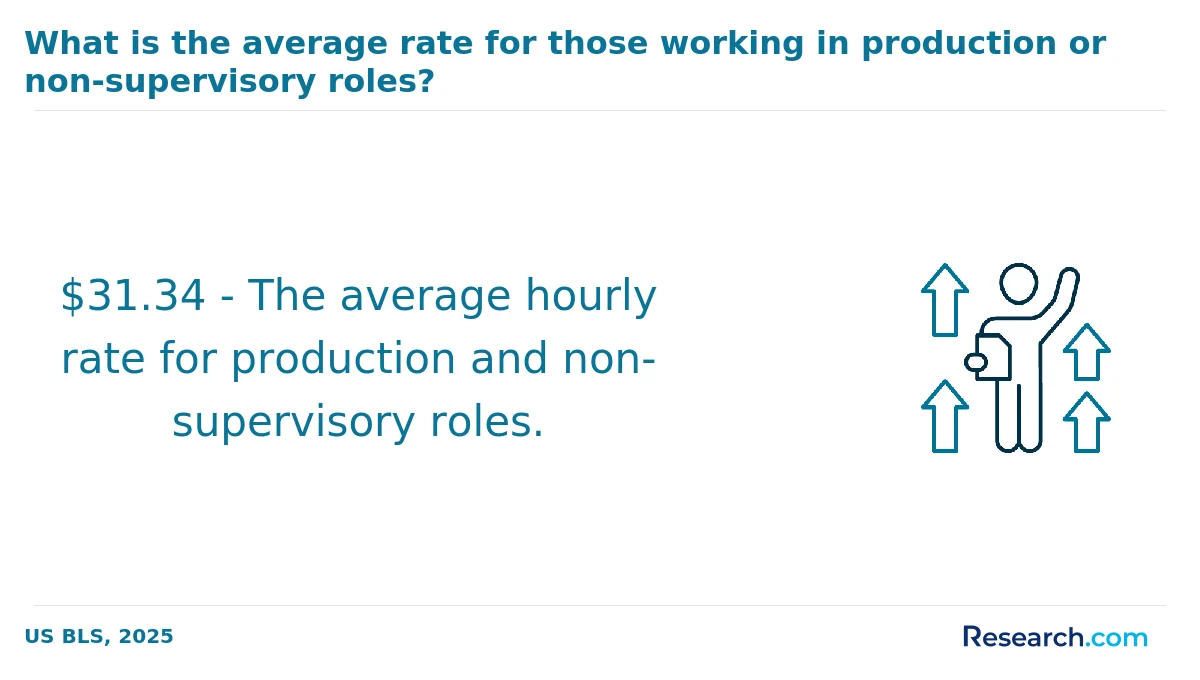
Associate degree students in Columbus have several practical financial aid options that ease the journey through schools like Columbus State Community College. Most begin by filing the FAFSA, unlocking access to federal aid such as the Federal Pell Grant, which can cover up to $7,395 for those with financial need. Imagine a student at Columbus State relieved to receive this grant, allowing them to focus on studies without extra financial stress.
State aid also plays a key role, with the Ohio College Opportunity Grant providing need-based help for Ohio residents enrolled in public associate programs. For students pursuing STEM or health fields, the Choose Ohio First Scholarship is a game-changer, covering tuition and requiring hands-on learning-a perfect fit for those eager to dive into internships and gain real-world skills.
Transfer hopefuls appreciate the Buckeye Bridge program connecting Columbus State grads to Ohio State University with guaranteed admission and coordinated aid, making a debt-free bachelor's degree a hopeful reality. These layered supports reflect Columbus's commitment to practical, accessible education.
To enroll in an associate degree program in Columbus, the foundational requirement is a high school diploma or a recognized equivalent such as a GED. This basic qualification opens the door to many community colleges and public institutions in the city. Graduates who recall their entry process often highlight submitting these key documents:
- A completed application for admission
- Official high school transcripts demonstrating a GPA of around 2.5 or higher
- Standardized test scores like SAT (minimum 480 in Evidence-Based Reading/Writing) or ACT (minimum 17 in English or Math)
- Proof of immunization and lawful presence in the U.S.
Transfer students echo the importance of maintaining a cumulative GPA of at least 2.0 with official transcripts from previous colleges. A familiar scenario involves students bringing in transfer credits, especially from Ohio public institutions where passing grades carry specific acceptance standards.
Dual enrollment students-those still in high school-often share how they submitted their transcripts along with signed participation agreements, accelerating their college journey within Columbus State Community College's structured framework.
Completing 61 credit hours, including the Ohio Transfer 36 curriculum at Columbus State, with a minimum overall GPA of 2.0, signals the finish line for most students, reaffirming that meeting prerequisites early creates confidence and smooth progression.

Students pursuing associate degree programs in Columbus commonly encounter a well-rounded curriculum combining general education and specialized courses. Popular local schools, like Columbus State Community College, require about 60-63 credit hours, including core general education classes such as College Writing, College Algebra, Introduction to Psychology, and American History. These courses form the backbone of the associate degree course list Columbus students expect, providing a strong academic foundation transferable to four-year colleges.
Practical learning is emphasized especially in career-focused degrees like the Associate of Applied Science, with courses tailored to fields like health sciences, business, or information technology. Graduates often praise the hands-on labs and internships that help bridge classroom knowledge with real-world skills. For example, students at Ohio Dominican University complete at least 12 credits in their major, plus seminars that sharpen critical thinking and writing abilities.
Many students appreciate how common classes for associate degrees in Columbus balance academic growth with career readiness. For those eager to explore quick courses that pay well, these programs offer an efficient route to skills employers value.
Choosing the best associate degree programs in Columbus Ohio starts with verifying institutional accreditation. Graduates from Columbus State Community College and Franklin University often praise how accreditation gave them confidence their credits and degrees hold weight locally and beyond. These schools maintain solid reputations for rigorous academics and support, which students say helped them stay motivated throughout their programs.
When how to compare Columbus associate degree costs, it's practical to reflect on both tuition and financial aid possibilities. Many find Columbus State Community College's net price around $6,842 appealing, especially when coupled with scholarships that private schools may offer despite higher sticker prices. Students juggling work and family highlight flexibility found at Franklin University's fully online options, which make it easier to manage time and expenses.
Career support and transfer pathways matter, too. One graduate shared how Columbus State's relationships with four-year universities and local employers in tech and healthcare sectors opened doors for internships and job placements. For those aiming to continue their education, programs with clear transfer agreements are invaluable. You can also explore opportunities like a fast online master's degree to plan ahead for long-term goals.
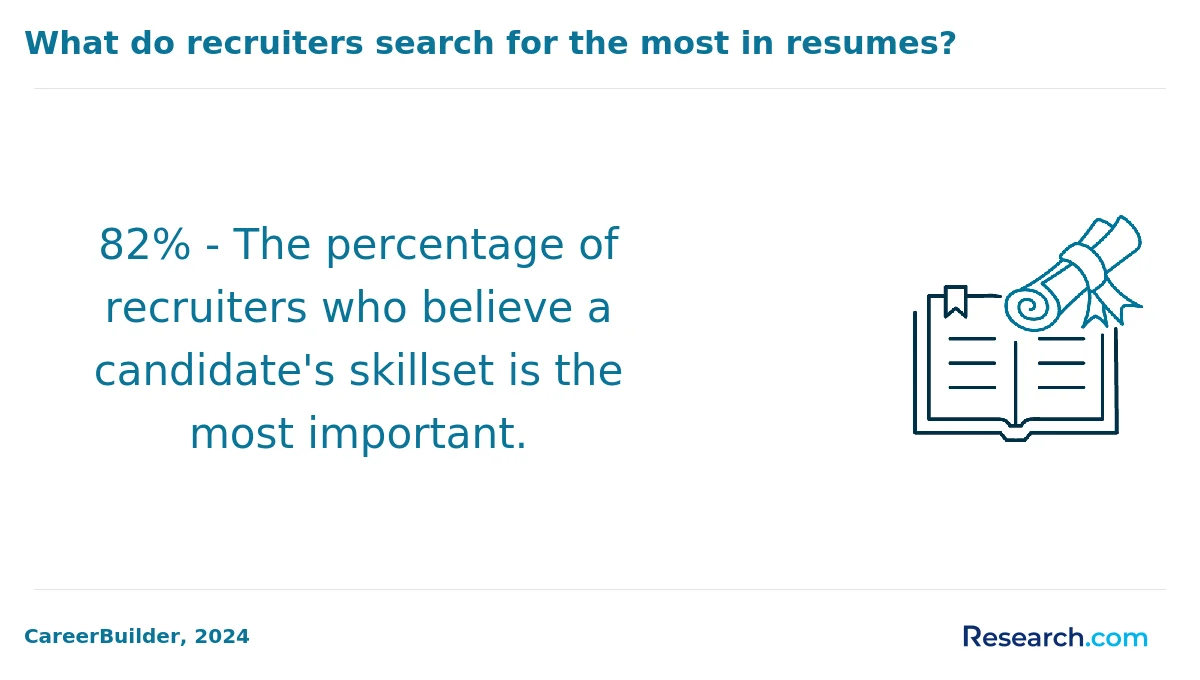
Associate degree graduates in Columbus can access a variety of career paths across growing sectors. Healthcare roles like dental hygienist and medical laboratory technician are common openings at local hospitals, offering graduates immediate employment and strong earning potential. Business administration jobs, such as accounts receivable clerk or executive assistant, attract many associate degree holders, especially from popular schools like Columbus State Community College. These graduates often share how their training directly prepared them for on-the-job challenges.
The skilled trades also present viable options. Programs specializing in automotive technology or collision repair often lead to certifications paired with college credit, enabling graduates to start work quickly. At Fort Hayes Career Center, students benefit from hands-on learning and employer connections that smooth the transition into skilled trade careers.
Creative fields welcome associates in visual arts, music performance, and media arts with opportunities in local design and production firms. Students gain portfolio-building experience alongside practical work readiness.
For a practical overview of programs tailored for associate degrees that meet workforce demands, consider exploring the best accredited online non profit universities. Columbus's diverse economy makes career opportunities for associate degree graduates in Columbus both broad and accessible, matching the city's in-demand associate degree jobs in Columbus Ohio.
The Columbus Ohio job market for associate degree graduates is strong and diverse, offering meaningful opportunities across healthcare, technology, business administration, and public services. Graduates from popular local community colleges frequently secure roles such as medical technologists, legal secretaries, and events coordinators within months of completing their programs. Graduates often share how the practical skills gained through hands-on training align directly with employer needs, making job searches more fruitful. For example, many find rewarding positions in the city's thriving technology sector, where companies like Intel and Microsoft have cultivated demand for associate-level credentials in technical support and data analysis.
Students planning to study in Columbus appreciate that local schools tailor curricula to current industry trends, which contributes to a healthy flow of associate degree job opportunities in Columbus. Wages are competitive, with an average hourly rate of $18.76, translating to about $39,000 annually for full-time roles.
Key benefits for graduates include:
- Access to apprenticeships and tuition assistance that enhance career growth
- Strong employer connections ensuring relevant skills training
- Entry into sectors with projected growth, like tech, which expects 12% job expansion in three years
Moreover, individuals exploring future careers can find comprehensive guidance on the best careers for trade school graduates, which is a valuable resource for associate degree holders aiming to position themselves strategically in the job market.
Most Affordable Associate Degree Programs - Leading Certification Courses in Columbus for 2026
# 1 position
Columbus State Community College - Veterinary/Animal Health Technology/Technician and Veterinary Assistant.
associateColumbus State Community College offers a program in Veterinary/Animal Health Technology/Technician and Veterinary Assistant, preparing students to assist veterinarians and other professionals in animal care and clinical procedures. Instruction covers animal nursing, health, nutrition, clinical pathology, radiology, anesthesiology, surgical assisting, and office administration. The program’s annual in-state tuition is $5,338 and it is accredited by the Higher Learning Commission.
# 2 position
Columbus State Community College - Computer and Information Sciences, General.
associateColumbus State Community College offers a hybrid program in Computer and Information Sciences, General, combining computing, computer science, and information science principles. The program features an annual in-state tuition of $5,338 and is accredited by the Higher Learning Commission. It provides some distance-education options, allowing flexibility for students. This general program is undifferentiated by specific titles or content, distinct from specialized computer science or information science degrees.
# 3 position
Columbus State Community College - Legal Assistant/Paralegal.
associateColumbus State Community College offers a Legal Assistant/Paralegal program designed to prepare students for roles supporting attorneys through research, drafting, investigatory, and administrative tasks. The hybrid program includes instruction on legal research, document drafting, courthouse procedures, and legal specializations. Annual in-state tuition is $5,338. The program is accredited by the Higher Learning Commission, providing a mix of distance and on-site learning options for students.
# 4 position
Columbus State Community College - Criminal Justice/Police Science.
associateColumbus State Community College offers a fully online Criminal Justice/Police Science program designed to prepare students for police and public security roles. The curriculum covers patrol, investigative work, traffic and crowd control, evidence management, crime prevention, and law enforcement reporting. The program is accredited by the Higher Learning Commission. Annual in-state tuition is $5,338, providing accessible education for those pursuing careers in law enforcement and public safety.
# 5 position
Columbus State Community College - Plumbing Technology/Plumber.
associateColumbus State Community College offers a hybrid Plumbing Technology/Plumber program that prepares students for licensure by teaching technical skills to install and maintain piping systems for various applications. The curriculum covers source determination, water distribution, pressure adjustment, blueprint reading, welding, and relevant codes. Annual in-state tuition is $5,338. The program is accredited by the Higher Learning Commission and includes some distance-education options.
# 6 position
Columbus State Community College - Welding Technology/Welder.
associateColumbus State Community College offers a Welding Technology/Welder program with a hybrid format, allowing some distance education. The program prepares students to apply technical skills in various welding methods, including arc, resistance, brazing, soldering, and high-energy beam welding. Instruction covers materials, metallurgy, safety, and codes. Annual in-state tuition is $5,338. The program is accredited by the Higher Learning Commission.
# 7 position
Columbus State Community College - Medical Office Management/Administration.
associateColumbus State Community College offers a Medical Office Management/Administration program designed to prepare students for managing business functions in medical or clinical offices. The hybrid program includes training in office operations, financial record-keeping, personnel supervision, healthcare policy administration, scheduling, public relations, and relevant laws. Annual in-state tuition is $5,338. The program is accredited by the Higher Learning Commission.
# 8 position
Columbus State Community College - Allied Health and Medical Assisting Services, Other.
associateColumbus State Community College offers a hybrid program in Allied Health and Medical Assisting Services, Other, which includes some distance-education options. The annual in-state tuition is $5,338. This program is accredited by the Higher Learning Commission. It covers instructional content not listed in other allied health and medical assisting programs, providing focused training for students pursuing careers in this field.
# 9 position
Columbus State Community College - Business Administration and Management, General.
associateColumbus State Community College offers a program in Business Administration and Management, General, designed to prepare individuals to plan, organize, direct, and control organizational functions. The curriculum covers management theory, human resources, accounting, purchasing, logistics, marketing, and business decision-making. Annual in-state tuition is $5,338. The program is accredited by the Higher Learning Commission.
# 10 position
Columbus State Community College - Accounting Technology/Technician and Bookkeeping.
associateColumbus State Community College offers a program in Accounting Technology/Technician and Bookkeeping designed to prepare individuals for technical administrative roles supporting accountants and financial management personnel. The curriculum includes instruction in posting transactions, record-keeping systems, accounting software operation, and general accounting principles and practices. The program is accredited by the Higher Learning Commission. Annual in-state tuition is $5,338.
Frequently Asked Questions about associate degree programs
After completing an associate degree in Columbus, preparing for the job market involves several strategic steps. First, graduates should leverage resources at local community colleges, such as career services, which often provide resume workshops, job fairs, and interview preparation. According to the Ohio Department of Job and Family Services, Columbus has a growing demand in healthcare, information technology, and skilled trades, sectors that commonly hire associate degree holders.
Networking is also crucial; joining professional associations related to your field can enhance job prospects. Additionally, obtaining relevant certifications alongside your degree can increase employability. Columbus employers value practical experience, so internships or part-time work during studies are beneficial. Staying informed about industry trends and continuously updating skills helps graduates remain competitive in the local job market.
Employers in Columbus increasingly value associate degree graduates who demonstrate both technical and soft skills. According to the Columbus Chamber of Commerce, proficiency in communication, problem-solving, and teamwork ranks among the most sought-after traits in job candidates.
Technical skills vary by industry, but many employers emphasize computer literacy and specialized knowledge related to fields like healthcare, IT, and manufacturing. The Ohio Department of Job and Family Services reports that nearly 60% of regional employers prefer candidates with strong digital skills, such as using Microsoft Office or basic coding.
Furthermore, adaptability and time management are critical soft skills often mentioned in employer surveys. Graduates who combine these with practical experience are more competitive in Columbus's growing workforce.
Finding internships in Columbus that align with your associate degree program involves leveraging local resources and networks. Start by exploring the career services offered by community colleges such as Columbus State Community College, which frequently partners with regional employers to place students in relevant internships. According to the National Association of Colleges and Employers (NACE), nearly 60% of internships in Ohio result in job offers, underscoring their value for students.
The city's diverse economy, with sectors like healthcare, information technology, and manufacturing, offers various opportunities. Websites like the Columbus Chamber of Commerce internship board and OhioMeansJobs provide localized listings tailored to associate degree fields. Engaging with local professional organizations and attending career fairs can also enhance your chances of securing a suitable internship.
In Columbus, earning an associate degree significantly enhances career mobility and advancement opportunities. According to the U.S. Bureau of Labor Statistics, individuals with an associate degree tend to earn approximately 20% more annually than those with only a high school diploma. This credential often serves as a stepping stone for workers seeking promotions or transitions into higher-paying roles within sectors such as healthcare, technology, and business services, which are prominent in Columbus.
Local employers increasingly value practical skills gained through associate degree programs, which can lead to faster career progression. Colleges in Columbus also provide connections to internships and job placement services, further aiding graduates. Additionally, many community and technical colleges in Columbus offer transfer pathways to four-year universities, supporting long-term educational and professional growth.
Columbus offers a variety of part-time job opportunities that can complement associate degree education, helping students gain practical experience while earning income. Healthcare support roles, such as pharmacy technician or medical assistant, align well with health-related degrees and are in demand locally, with the Bureau of Labor Statistics projecting a 13% growth in healthcare occupations in Ohio through 2032.
Additionally, roles in information technology, like help desk support or data entry, are suitable for students in computer-related programs. The city's expanding tech sector supports these opportunities.
Retail and customer service positions also provide flexible hours and develop communication and organizational skills useful across fields.
To choose the most affordable degree program near me in Columbus, OH, start by researching local universities and community colleges to compare tuition rates and financial aid opportunities. Consider utilizing resources like Research.com to gather information on available programs and cost-efficiency. You can also attend campus open houses or talk to admissions counselors near Columbus, OH, to get a better understanding of the affordability and value of their degree offerings.
- How to Go from an Associate’s Degree to a Bachelor’s Degree | George Fox University https://www.georgefox.edu/adult-degree/articles/associate-to-bachelor-degree.html
- Cost of Attendance | Columbus State Community College https://www.cscc.edu/services/financial-aid/cost-of-attendance.shtml
- Tuition and Fees for Adult Education https://www.ohiodominican.edu/financial-aid/adult/tuition-and-fees.html
- Programs & Pathways - The Columbus Promise https://cbuspromise.com/programs/
- Associate Degree programs - United International Business School (UIBS) https://www.uibs.org/undergraduate/associate/
- Jobs: Join US! - City of Columbus, Ohio https://www.columbus.gov/Government/Jobs
- Research - Fastest Online Masters Degrees https://research.com/degrees/fastest-online-masters-degrees
- Should I Intern if I'm in an Associate's Program? | Career Advice & Interview Tips | WayUp Guide https://www.wayup.com/guide/intern-im-associates-program/
- Ohio Programs Based on CUNY’s Accelerated Study in Associate Programs (ASAP) Nearly Double Three-Year Graduation Rates, Increase Transfers to Four-Year Colleges | MDRC https://www.mdrc.org/news/press-release/ohio-programs-based-cuny-s-accelerated-study-associate-programs-asap-nearly
- Is Getting an Associate Degree Worth It? And for What Fields? | NSHSS | National Society of High School Scholars https://www.nshss.org/resources/blog/blog-posts/is-getting-an-associate-degree-worth-it-and-for-what-fields/